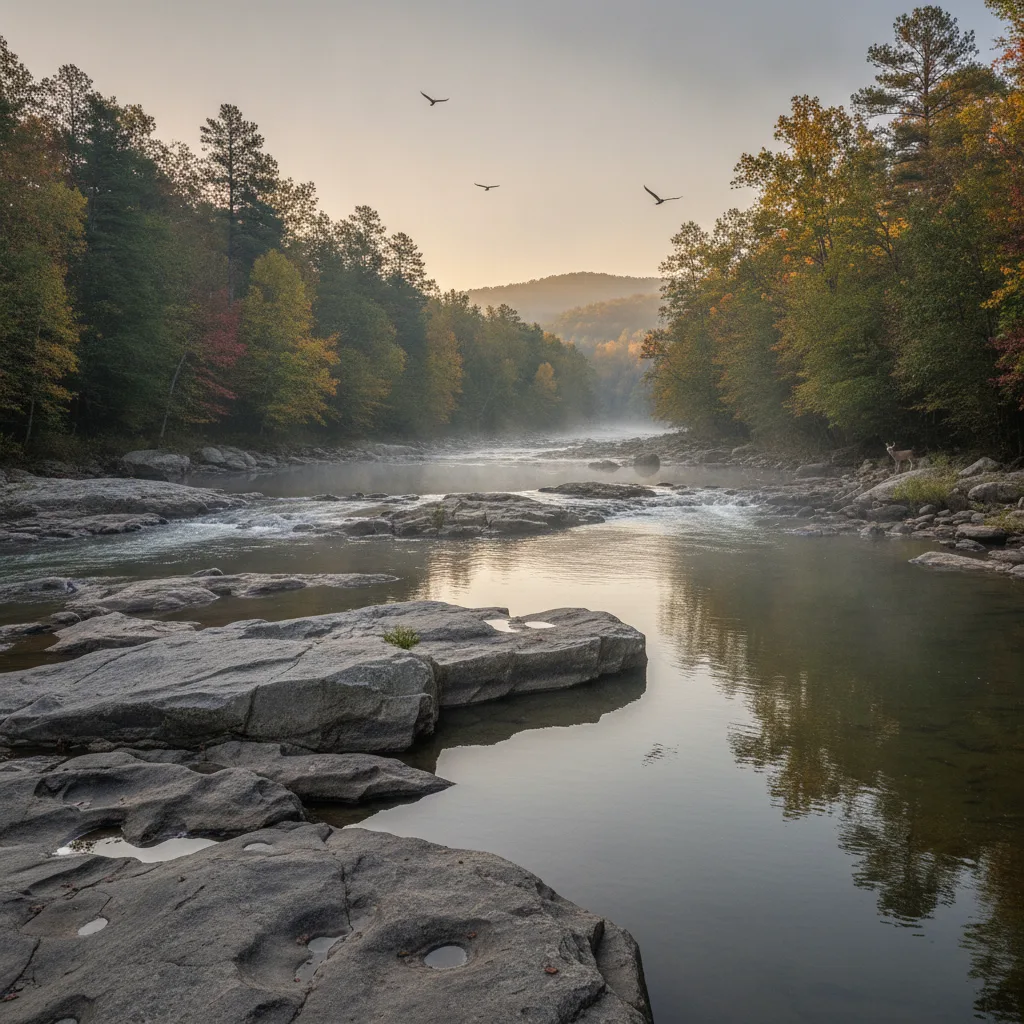
Cossatot River State Park – Natural Area Travel Guide — Arkansas
Welcome to our comprehensive guide for planning your adventure to Cossatot River State Park – Natural Area Arkansas. Our team has meticulously compiled practical planning advice, covering everything from the best time to visit and how to get there, to the top activities on the ground. This natural area protects an 11-mile section of the Cossatot River, famous for its challenging Class IV and V whitewater rapids, making it a premier destination for experienced kayakers and canoeists. It also offers exceptional hiking trails and breathtaking scenic beauty, providing a rugged escape into the Ouachita Mountains.
Why Visit Cossatot River State Park – Natural Area
For those seeking an authentic, untamed wilderness experience, Cossatot River State Park – Natural Area offers an unparalleled retreat. We've explored countless natural areas across the United States, and few match the raw power and pristine beauty of the Cossatot. This isn't a manicured park with paved paths and gift shops; it's a place where nature reigns supreme, challenging visitors to engage with its rugged landscape. The primary draw, of course, is the Cossatot River itself, a designated Wild and Scenic River. Its reputation for intense whitewater, particularly the "Waterfall" rapid, draws paddlers from across the globe, eager to test their skills against its formidable currents. But beyond the adrenaline, the park offers a profound sense of solitude and connection to nature. The dense forests, clear waters, and dramatic rock formations create a stunning backdrop for any outdoor pursuit, from a challenging hike to a peaceful afternoon of fishing. It’s a testament to Arkansas’s commitment to preserving its most wild places, offering a glimpse into the state’s natural heritage.
Is It Worth Visiting?
Absolutely, Cossatot River State Park – Natural Area is worth visiting for anyone who appreciates a truly wild and challenging outdoor experience. Our team firmly believes that for the right traveler, this natural area delivers an unforgettable adventure far removed from the typical tourist trails. If you're an experienced whitewater enthusiast, the Cossatot River is a bucket-list destination, offering some of the most technical and exhilarating rapids in the South. But even if you don't plan to brave the river, the park's extensive network of hiking trails provides incredible opportunities for immersion in nature, with stunning overlooks and diverse ecosystems. The sheer ruggedness and untouched beauty of Cossatot River State Park – Natural Area stand in stark contrast to more developed parks, offering a unique opportunity to disconnect and challenge yourself. It’s a place that rewards preparation and respect for its powerful natural forces, making the effort of a visit profoundly rewarding.
Who It's Best For
Cossatot River State Park – Natural Area is unequivocally best suited for experienced outdoor enthusiasts. This isn't a destination for novices or those seeking a leisurely stroll. The river's Class IV and V rapids demand expert-level kayaking or canoeing skills, proper equipment, and a deep understanding of whitewater safety. Likewise, the hiking trails, while offering diverse experiences, often feature steep inclines, rocky terrain, and can be strenuous. It's ideal for adventurers who thrive on physical challenges and are comfortable navigating rugged, undeveloped landscapes. Backpackers, serious hikers, and those with a strong appreciation for untouched wilderness will find themselves at home here. Families with very young children or individuals with limited mobility might find the park's offerings too demanding. However, for those seeking an authentic, adrenaline-pumping, or deeply meditative experience in nature, the Cossatot delivers in spades. It’s also a fantastic spot for wildlife viewing and birdwatching for patient observers, given its remote location and diverse habitats.
Getting There & Parking
Reaching Cossatot River State Park – Natural Area requires a bit of planning, as its remote location is part of its charm. The park is situated in the Ouachita Mountains of southwest Arkansas, roughly between the towns of Mena and De Queen. There are several access points to the natural area, primarily along US-278 and AR-246. For many, the main visitor center and access point is located near Wickes, Arkansas. We recommend using GPS coordinates for specific access points, as cell service can be spotty in the area. From Little Rock, the drive is approximately 2.5 to 3 hours, heading west on I-30 and then south on various state highways. From Hot Springs, it's about a 1.5 to 2-hour drive. The roads leading to the park are generally paved, but some internal park roads or access points may be gravel or dirt, requiring careful driving, especially after rain.
When considering how to get to Cossatot River State Park – Natural Area, remember that preparation is key. We always advise downloading offline maps before you depart. Parking is available at various access points along the river, including the Cossatot Falls Area, Sandbar, and Brushy Creek. These parking areas are typically gravel lots, designed to accommodate vehicles for day use and overnight trips. As of our latest check in 2026, there are no specific parking fees mentioned for general access to Cossatot River State Park – Natural Area, though this is always subject to change by Arkansas State Parks. During peak whitewater season (typically late winter to spring, depending on rainfall), parking lots can fill up quickly, especially on weekends. We recommend arriving early to secure a spot. Overnight parking for backpackers or multi-day paddlers is generally permitted, but always check with the visitor center or park signage for any specific regulations or registration requirements upon arrival to Cossatot River State Park – Natural Area. There are no dedicated shuttle services within the park, so if you're planning a multi-point river trip, you'll need to arrange your own vehicle shuttle.
Top Things to Do
Cossatot River State Park – Natural Area offers a focused yet exhilarating array of activities, primarily centered around its powerful river and rugged terrain. Our team has spent considerable time exploring these options, and we can confidently say that while the choices might seem fewer than a larger national park, the intensity and quality of the experiences are exceptional.
Whitewater Paddling
This is, without a doubt, the crown jewel of Cossatot River State Park – Natural Area. The Cossatot River is renowned for its Class IV and V rapids, particularly the legendary "Waterfall" rapid, a 12-foot drop that demands precision and courage. Other notable rapids include "Eye of the Needle" and "Washing Machine." Paddling the Cossatot is not for the faint of heart; it requires significant experience, proper safety gear, and a solid understanding of hydrology. The best time for whitewater is typically late winter through spring, when rainfall ensures adequate water levels. Always check the river gauge before heading out; ideal levels are crucial for both safety and enjoyment. We recommend consulting local outfitters for up-to-date conditions and safety advice. For those seeking the ultimate challenge, few rivers in the contiguous U.S. can match the thrill of navigating the Cossatot River State Park – Natural Area's rapids.
Scenic Driving & Photography
Even if you're not a paddler, the scenic beauty of Cossatot River State Park – Natural Area is undeniable. The drive along the park roads offers stunning vistas of the Ouachita Mountains and glimpses of the river. There are several pull-offs and overlooks perfect for photography, especially during fall foliage or after a fresh rain when the river is roaring. The dramatic rock formations and dense forest canopy provide endless opportunities for capturing nature's artistry. We find that the best light for photography is usually in the early morning or late afternoon.
Fishing
While known for its rapids, the calmer sections of the Cossatot River and its tributaries offer excellent fishing opportunities. Anglers can expect to find smallmouth bass, spotted bass, and various panfish. Fly fishing is particularly popular in certain stretches. A valid Arkansas fishing license is required. Always check local regulations for catch limits and specific rules within the natural area. The peace and quiet of fishing here are a stark contrast to the intensity of the rapids, offering a different way to experience the Cossatot River State Park – Natural Area.
Wildlife Viewing & Birdwatching
The remote nature of the park makes it a haven for wildlife. Keep an eye out for white-tailed deer, black bears (though sightings are rare), and a variety of small mammals. Birdwatchers will appreciate the diverse avian population, including various raptors, migratory songbirds, and waterfowl. Patience and a good pair of binoculars are your best tools here. The undisturbed habitat within Cossatot River State Park – Natural Area provides a crucial refuge for many species.
Cossatot River State Park – Natural Area Hiking Trails
The hiking opportunities within Cossatot River State Park – Natural Area are as rugged and rewarding as its whitewater. Our team has explored many of these paths, and we can attest to their beauty and challenge. These trails offer a fantastic way to experience the park's diverse ecosystems and stunning geology, often leading to incredible overlooks of the river and surrounding mountains. When planning your visit, remember that the Cossatot River State Park – Natural Area hiking trails are generally primitive and require appropriate footwear, plenty of water, and awareness of your surroundings.
Cossatot River Corridor Trail
This is the park's premier hiking trail, running roughly parallel to the river for about 12.5 miles (one way). It’s a strenuous, point-to-point trail that offers breathtaking views of the river's rapids, especially the famous Cossatot Falls. The trail is often rocky, steep in places, and crosses numerous small drainages. Hikers can choose to tackle shorter sections, such as the 3.5-mile loop around Cossatot Falls, or embark on a multi-day backpacking trip. We strongly recommend sturdy hiking boots and trekking poles for this trail. Along the Cossatot River State Park – Natural Area hiking trails, you'll encounter diverse flora and fauna, and the sounds of the rushing river are a constant companion.
Harris Creek Trail
A shorter, less strenuous option, the Harris Creek Trail offers a pleasant loop through the forest, leading to a scenic waterfall on Harris Creek. It's a good choice for those looking for a moderate hike without the intense elevation changes of the Corridor Trail. This trail provides a different perspective of the park's natural beauty, focusing more on its forested uplands and smaller streams. It’s an excellent example of the variety offered by the Cossatot River State Park – Natural Area hiking trails.
River Overlook Trails
Several shorter, less defined paths lead to various overlooks of the Cossatot River, offering stunning panoramic views. These are often accessed from the main parking areas and provide quick, rewarding glimpses of the river's power without committing to a long hike. Always exercise caution near cliff edges, especially with children. These shorter forays are perfect for capturing the essence of the Cossatot River State Park – Natural Area hiking trails in a limited timeframe.
Before embarking on any of the Cossatot River State Park – Natural Area hiking trails, we advise checking trail conditions at the visitor center. Be prepared for variable weather, and always carry enough water, snacks, and a first-aid kit. Backcountry camping is permitted along some sections of the Corridor Trail, requiring adherence to Leave No Trace principles.
Best Time to Visit
Determining the best time to visit Cossatot River State Park – Natural Area largely depends on your primary interest. Each season offers a distinct experience, and our team has found that timing your trip correctly can significantly enhance your adventure.
Spring (March – May)
This is arguably the prime season for whitewater enthusiasts. Increased rainfall typically means higher water levels, making the Class IV and V rapids runnable. The air temperatures are mild, and the forests are bursting with new growth, making for beautiful scenery. However, spring also brings a higher chance of rain and potentially cooler river temperatures. Expect crowds on weekends during peak flow. It's also an excellent time for hiking, with comfortable temperatures before the summer heat sets in.
Summer (June – August)
Summer brings warmer temperatures, which can be pleasant for swimming in the calmer pools of the river. However, water levels for whitewater paddling are often too low unless there have been significant recent rains. This is a great time for hiking, though you’ll want to start early to avoid the midday heat and humidity. The park is generally less crowded than in spring, offering a more serene experience. Be prepared for insects, and always carry plenty of water.
Fall (September – November)
Fall is a spectacular time for scenic beauty, as the Ouachita Mountains transform into a vibrant tapestry of reds, oranges, and yellows. Hiking conditions are excellent, with cooler temperatures and fewer insects. While whitewater levels are typically low, occasional autumn rains can provide brief windows for paddling. This is a fantastic season for photography and enjoying the peaceful solitude of the park. The crisp air and stunning foliage make it a favorite for many of our team members.
Winter (December – February)
Winter can be a surprisingly good time for experienced paddlers, especially after heavy rains or snowmelt. The water is cold, requiring dry suits, but the river can be at its most powerful. Hiking is also possible, with fewer leaves on the trees offering expansive views, though trails can be muddy or icy. The park is at its most quiet during winter, offering a truly solitary wilderness experience. Always check weather and river conditions meticulously before a winter visit.
In summary, for whitewater, aim for spring. For hiking and scenic beauty, spring and fall are ideal. For a quieter, more reflective visit, consider summer or winter (with proper precautions). Always check the most current conditions and forecasts for Cossatot River State Park – Natural Area before you travel.
Where to Stay Nearby
Given the rugged nature of Cossatot River State Park – Natural Area, lodging options directly within the natural area are limited to primitive camping. For those seeking more comfortable accommodations, you'll need to look to nearby towns. Our team recommends considering options in Wickes, Mena, or De Queen, all of which offer a range of choices from basic motels to charming cabins.
Camping within Cossatot River State Park – Natural Area
For the full immersion experience, primitive camping is available at several designated sites within the park, including the Cossatot Falls Area, Sandbar, and Brushy Creek. These are undeveloped sites, meaning no water, electricity, or restrooms are provided. Campers must pack in all supplies and pack out all trash, adhering strictly to Leave No Trace principles. We find that this type of Cossatot River State Park – Natural Area lodging truly enhances the wilderness experience. Always check with the park for any specific regulations or permits required for primitive camping.
Wickes, Arkansas
Wickes is the closest town to the main access points of the park. While smaller, it offers a few basic lodging options, primarily independent motels or guesthouses. These are practical choices for a quick overnight stay before or after your park adventure. While not extensive, the convenience of Cossatot River State Park – Natural Area lodging in Wickes is a major plus.
Mena, Arkansas
Located about 30-45 minutes north of the park, Mena is a larger town with a broader selection of hotels, motels, and bed and breakfasts. You'll find more dining options and amenities here, making it a good base if you prefer more comforts after a day in the wilderness. Mena also serves as a gateway to the Talimena Scenic Byway, offering additional scenic drives and attractions. This is often our team's preferred choice for Cossatot River State Park – Natural Area lodging when seeking a balance of accessibility and amenities.
De Queen, Arkansas
Situated about 30-45 minutes southwest of the park, De Queen offers similar lodging and dining options to Mena, though perhaps slightly fewer choices. It's another viable option for those approaching the park from the southwest or looking for alternatives to Mena. Both Mena and De Queen provide a good stepping-off point for exploring the wider Ouachita National Forest region.
When searching for Cossatot River State Park – Natural Area lodging, we always recommend booking in advance, especially during peak seasons or on weekends, as options can be limited in these smaller towns.
Sample 2-Day Itinerary
To help you make the most of your visit, our team has crafted a sample 2-day itinerary for Cossatot River State Park – Natural Area, focusing on a mix of adventure and appreciation for its natural beauty. This itinerary assumes you are an experienced outdoor enthusiast ready for a challenge.
Day 1: Whitewater Thrills & Riverside Exploration
- Morning (8:00 AM - 12:00 PM): Whitewater Paddling the Upper Cossatot
Arrive early at the Cossatot Falls access point. After checking river levels and ensuring all safety precautions are in place, embark on an exhilarating whitewater run through the upper section of the Cossatot River, tackling the Class IV and V rapids. This requires significant experience and proper gear. We recommend starting your shuttle arrangements the evening before or early morning. Be prepared for a challenging and physically demanding experience.
- Lunch (12:00 PM - 1:00 PM): Riverside Picnic
Enjoy a packed lunch at one of the calmer riverside spots after your paddle. Take time to rehydrate and refuel while soaking in the sounds of the river.
- Afternoon (1:00 PM - 5:00 PM): Cossatot Falls Area Hike & Photography
After stowing your paddling gear, explore the Cossatot Falls Area on foot. Hike a section of the Cossatot River Corridor Trail, focusing on the dramatic rock formations and powerful cascades around the Falls. This is an excellent opportunity for photography and to appreciate the river's power from a different perspective.
- Evening: Primitive Camping or Lodge in Mena
For the full wilderness experience, set up primitive camp at one of the designated sites within the park (e.g., Sandbar or Brushy Creek). Enjoy a campfire (where permitted and safe) and stargazing. Alternatively, drive to Mena for a hot shower, a hearty meal, and a comfortable bed at one of the local hotels.
Day 2: Deep Woods Hiking & Scenic Drives
- Morning (8:00 AM - 12:00 PM): Challenging Hike on the Corridor Trail
If you camped in the park, wake up to the sounds of nature. If staying in Mena, grab an early breakfast and head back to a different access point for the Cossatot River Corridor Trail, perhaps near the Brushy Creek area. Embark on a more extended, challenging hike, exploring a new section of the trail. Focus on reaching a scenic overlook or a particularly beautiful forested stretch. Remember to carry plenty of water and snacks.
- Lunch (12:00 PM - 1:00 PM): Trailside Lunch
Enjoy a packed lunch on the trail, taking a break to absorb the tranquility of the Ouachita National Forest.
- Afternoon (1:00 PM - 4:00 PM): Harris Creek Trail or Scenic Drive
Depending on your energy levels, opt for a shorter, more leisurely hike on the Harris Creek Trail to see the waterfall, or take a scenic drive along the park's access roads, stopping at various pull-offs for views and photos. This is a great time to revisit any spots you particularly enjoyed or discovered on Day 1.
- Late Afternoon: Departure or Explore Nearby Attractions
Begin your journey home, or if time allows, consider extending your trip to explore other Arkansas gems. We highly recommend a visit to Hot Springs National Park for a relaxing soak, or perhaps a unique experience at Crater of Diamonds State Park. For more ideas on what to explore in the state, consult our guide to Best places in Arkansas.
Last updated: 2026-07-05 by the Roam States team.