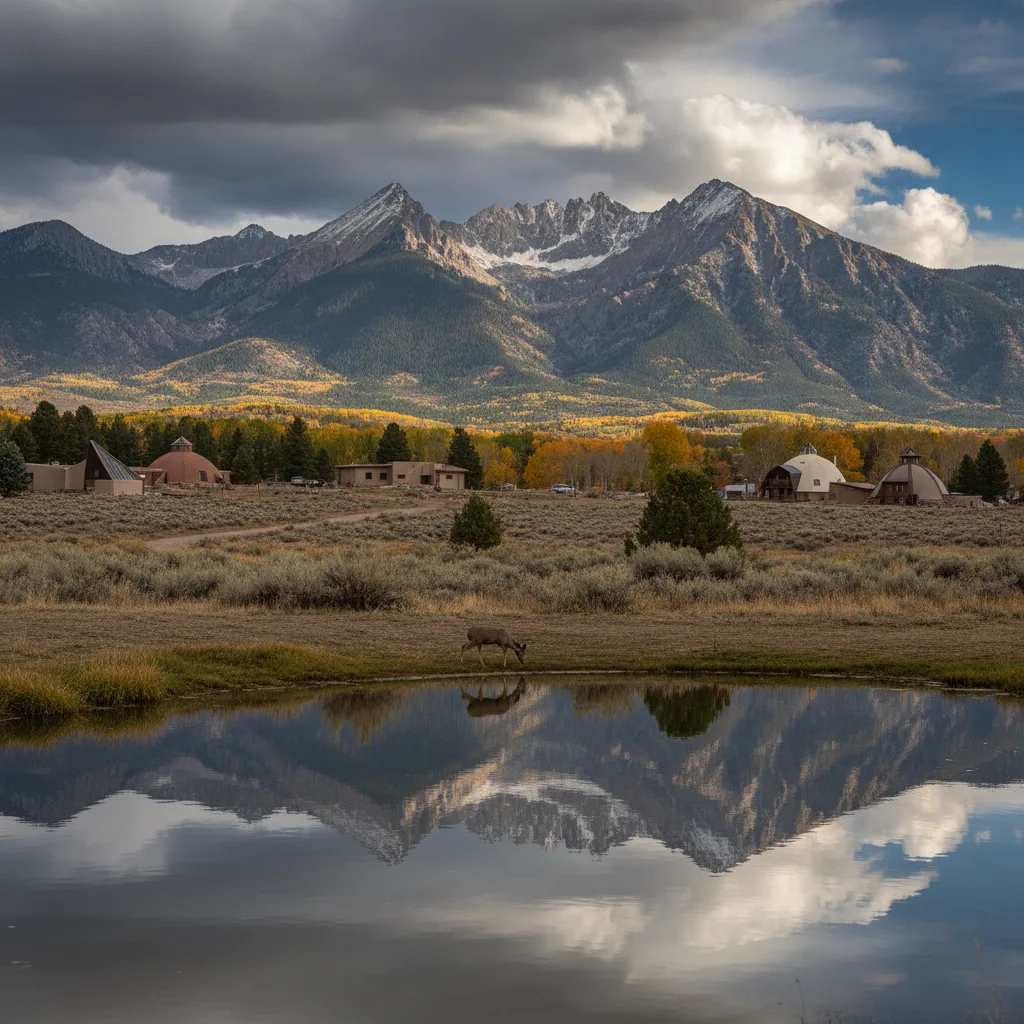
Our Crestone guide covers practical planning for Crestone Colorado — best time to visit, getting there, and what to do on the ground. Nestled at the base of the majestic Sangre de Cristo Mountains, Crestone is more than just a dot on the map; it’s a unique spiritual nexus, drawing seekers and adventurers alike to its serene landscape and diverse array of spiritual centers. We’ve compiled everything you need to know to plan your visit to this extraordinary Colorado destination.
Why Visit Crestone
Crestone, Colorado, offers a truly distinctive travel experience that sets it apart from typical mountain towns. We recommend visiting Crestone for its unparalleled spiritual atmosphere, where numerous spiritual traditions—from Zen Buddhism to Hinduism, Sufism, and Native American practices—have established centers and communities. This convergence creates a palpable sense of peace and introspection, making it an ideal destination for those seeking a retreat from the everyday hustle. Beyond its spiritual allure, Crestone provides direct access to the raw beauty of the Sangre de Cristo Mountains, offering incredible opportunities for hiking, wildlife viewing, and stargazing in some of the darkest skies in the contiguous United States. The town itself is small, but its unique character and the warmth of its community make it a memorable stop on any Colorado itinerary. It's a place where the grandeur of nature meets profound spiritual exploration, creating an environment unlike any other in the American West.
Is It Worth Visiting?
We firmly believe that Crestone is worth visiting, especially for travelers seeking a unique blend of natural beauty, spiritual enrichment, and a quiet escape. Unlike more bustling Colorado destinations like Aspen & Maroon Bells or Breckenridge Historic District, Crestone offers a slower pace and a deeper connection to both nature and self. For those intrigued by diverse spiritual practices, the sheer number and variety of centers—each with its own distinct architecture and philosophy—provide an extraordinary educational and experiential opportunity. The town's proximity to the Great Sand Dunes National Park and Preserve also adds significant value, making it a fantastic base for exploring one of Colorado's most iconic natural wonders. If your travel goals include introspection, outdoor adventure without the crowds, and an encounter with a truly unique community, then Crestone, Colorado, is absolutely worth visiting. We find that visitors often leave with a renewed sense of calm and perspective, making it a profoundly rewarding destination.
Who It's Best For
Crestone, Colorado, appeals to a specific type of traveler, and we believe it’s best suited for individuals and small groups looking for a contemplative and nature-focused getaway. This isn't a destination for those seeking vibrant nightlife or extensive commercial attractions; rather, it caters to those who appreciate quietude and spiritual exploration. We find it particularly ideal for:
- Spiritual Seekers: With its numerous monasteries, ashrams, and retreat centers, Crestone is a magnet for individuals interested in meditation, yoga, spiritual studies, or simply experiencing a concentrated spiritual energy.
- Outdoor Enthusiasts: Hikers, stargazers, and nature photographers will revel in the pristine wilderness of the Sangre de Cristo Mountains and the nearby Great Sand Dunes. The opportunities for high-altitude trekking and backcountry exploration are abundant.
- Artists and Writers: The serene environment and inspiring landscapes make Crestone an excellent retreat for creative individuals seeking peace and inspiration away from distractions.
- Couples and Solo Travelers: Those looking for a romantic escape or a solo journey of self-discovery will find the tranquil setting perfect for connection and reflection.
- Mindful Travelers: If you prioritize sustainable travel, local experiences, and a deeper engagement with the places you visit, Crestone’s community-oriented and spiritually-minded ethos will resonate deeply.
It may not be the best fit for families with young children looking for extensive entertainment options or for travelers who prefer bustling resorts and a fast-paced itinerary. Crestone offers a niche experience, and for those it calls to, it delivers an unforgettable journey.
How to Get There
Reaching Crestone, Colorado, is part of the adventure, as this secluded town is intentionally off the beaten path. Our team recommends planning your route carefully, as public transportation options are limited. The primary way to get to Crestone is by car, offering the flexibility to explore the surrounding areas and nearby attractions like the Great Sand Dunes National Park. For those planning a broader USA road trip, Crestone can be a serene stop.
By Car:
- From Denver: The drive from Denver typically takes about 3.5 to 4 hours. You'll generally head south on I-25, then west on US-160, and finally north on CO-17 before turning east onto County Road T to Crestone.
- From Colorado Springs: Expect a drive of approximately 2.5 to 3 hours, following a similar route south on I-25.
- From Albuquerque, NM: The drive is longer, around 4.5 to 5 hours, heading north on US-285.
We advise checking road conditions, especially during winter months, as mountain passes can be affected by snow. A four-wheel-drive or all-wheel-drive vehicle is recommended if you plan to explore unpaved roads or visit during colder seasons.
Airports:
- The closest major airport is Denver International Airport (DIA).
- Smaller regional airports include San Luis Valley Regional Airport (ALS) in Alamosa, about an hour's drive south of Crestone, which offers limited commercial flights.
From any airport, you will need to rent a car to complete your journey to Crestone.
Parking in Crestone:
Once you arrive in Crestone, parking is generally straightforward. The town is small, and most accommodations offer on-site parking. For day visitors exploring the main street or visiting specific spiritual centers, street parking is usually available and free. We haven't found any significant parking fees or restrictions in the town center itself. However, if you plan to hike into the wilderness areas or visit some of the more remote spiritual centers, designated parking areas may exist, and it’s always wise to check with the specific center or trail information for any particular requirements or closures in 2026. For example, some trailheads into the Sangre de Cristo Wilderness may have limited parking, especially during peak hiking season. We recommend arriving earlier in the day for popular trailheads to secure a spot.
Top Things to Do
When considering things to do at Crestone, travelers will find a unique blend of spiritual exploration and outdoor adventure. Our team has curated a list of essential experiences that truly capture the essence of Crestone, Colorado. These things to do in Crestone offer a glimpse into its spiritual heart and stunning natural surroundings.
Explore the Spiritual Centers:
Crestone is renowned for its concentration of diverse spiritual centers. We recommend dedicating time to visit some of these unique institutions.
- The Crestone Ziggurat: This striking architectural landmark is part of the Haidakhandi Universal Ashram. While the ashram itself is a private community, the Ziggurat is a prominent feature visible from various points in town and represents a unique spiritual monument. We recommend viewing it from a distance and respecting the privacy of the ashram residents.
- Shumei International Institute: This beautiful center focuses on spiritual healing, natural agriculture, and appreciation of art. As of 2026, Shumei International Institute offers tours of its stunning grounds and architectural marvels, including a traditional Japanese-style building. We recommend checking their official website for current tour availability and any reservation requirements, as programs and access can vary throughout the year.
- Himalayan Stupa of Universal Peace: A magnificent Buddhist stupa, this site offers a peaceful place for contemplation and prayer. Visitors are welcome to walk around the stupa, spin prayer wheels, and enjoy the serene atmosphere. There are no fees to visit, and it is generally accessible during daylight hours.
- Dharma Ocean Retreat Center: Focusing on the Shambhala-Tantric tradition, this center offers various retreats and programs. While primarily for retreat participants, its presence contributes significantly to Crestone's spiritual fabric.
- Manitou Institute: This non-profit organization hosts various events and programs focused on spiritual and ecological sustainability. Check their schedule for public events or workshops during your visit.
Hiking in the Sangre de Cristo Mountains:
The mountains surrounding Crestone offer incredible hiking opportunities, from gentle strolls to challenging climbs.
- Willow Lake Trail: A popular and scenic trail leading to a pristine alpine lake, offering stunning views and a chance to spot local wildlife. It's a strenuous hike, so come prepared with water and appropriate gear.
- Crestone Needle and Crestone Peak: For experienced mountaineers, these are two of Colorado's most challenging "14ers" (peaks over 14,000 feet). These routes require significant experience, proper gear, and an early start. We strongly advise against attempting these without proper preparation and awareness of current conditions.
- Baca Grande Trails: A network of easier trails within the Baca Grande subdivision offers pleasant walks with views of the valley and mountains, suitable for all skill levels.
Visit the Great Sand Dunes National Park and Preserve:
Just a short drive from Crestone, the Great Sand Dunes National Park and Preserve is a must-see. We recommend spending at least half a day here.
- Sand Sledding/Boarding: Rent a sandboard or sled from local outfitters in Alamosa or near the park entrance and slide down the dunes.
- Hiking the Dunes: Explore the vast expanse of the tallest dunes in North America. Medano Creek, which flows seasonally at the base of the dunes, is a popular spot for wading and splashing, typically from late spring to early summer.
- Stargazing: The park is an International Dark Sky Park, offering incredible opportunities for stargazing and astrophotography.
As of 2026, the entrance fee for Great Sand Dunes National Park and Preserve is $30 per vehicle, valid for seven days. The park is open 24 hours a day, year-round, but visitor center hours vary seasonally. We recommend checking the official NPS website for the most up-to-date information on hours and conditions before your visit.
Stargazing:
Crestone's remote location and high altitude result in exceptionally dark night skies. We highly recommend finding a spot away from town lights to witness the Milky Way and countless stars. Many spiritual centers also offer evening programs or designated viewing areas.
These things to do at Crestone provide a comprehensive experience of its unique character, blending spiritual tranquility with the rugged beauty of the Colorado landscape.
Best Time to Visit
Choosing the best time to visit Crestone, Colorado, largely depends on your desired activities and tolerance for weather conditions. Our team has outlined the seasonal considerations to help you plan your ideal trip.
Summer (June-August):
We consider summer the most popular time to visit Crestone. The weather is generally warm and pleasant, with daytime temperatures averaging in the 70s°F (20s°C). This is prime time for hiking in the Sangre de Cristo Mountains, exploring the Great Sand Dunes (though it can be very hot on the dunes themselves), and enjoying outdoor spiritual events. Medano Creek at the Great Sand Dunes typically flows during late spring and early summer, offering a refreshing experience. However, summer also brings afternoon thunderstorms, so we advise planning outdoor activities for the mornings. Reservations for Crestone lodging and popular retreats fill up quickly during these months.
Fall (September-October):
Fall is arguably the most beautiful time to visit Crestone, Colorado. The aspen trees in the surrounding mountains turn brilliant shades of gold, creating breathtaking scenery. The temperatures are cooler and crisp, ideal for hiking, and the crowds begin to thin out. Daytime highs are typically in the 50s-60s°F (10s-20s°C), with chilly nights. This season offers excellent opportunities for photography and quiet contemplation. We highly recommend visiting in early to mid-fall for optimal leaf-peeping and comfortable hiking conditions.
Spring (April-May):
Spring in Crestone is a transitional period. While some lower elevation trails may become accessible, higher mountain areas can still be snow-covered or muddy. Daytime temperatures are mild, ranging from 40s-60s°F (0s-10s°C), but nights remain cold. This is a quieter time to visit, perfect for those seeking solitude and lower prices on Crestone lodging. The Great Sand Dunes begin to warm up, and Medano Creek starts to flow, making late spring a good option for park visitors.
Winter (November-March):
Winter transforms Crestone into a snowy, serene wonderland. Temperatures are cold, often below freezing, with significant snowfall. Many higher elevation roads and trails may be inaccessible. However, for those seeking deep solitude, cross-country skiing, snowshoeing, or a truly quiet spiritual retreat, winter can be magical. The town is very quiet, and the snow-covered landscape offers a unique beauty. We recommend being prepared for winter driving conditions and checking road closures if visiting during these months.
Crestone Lodging: Where to Stay Nearby
Finding the right Crestone lodging is key to a comfortable and enriching visit to this unique spiritual town. While Crestone is small, it offers a range of accommodations that reflect its distinct character, from cozy guesthouses to more established inns and retreat centers. Our team recommends booking in advance, especially during peak summer and fall seasons, as options can be limited.
In Crestone Town & Baca Grande:
- The Crestone Inn: Located in the heart of town, this inn offers comfortable rooms and easy access to local shops and eateries. It's a reliable choice for those who want to be central to the community.
- Various Guesthouses and Vacation Rentals: Many private homes and guesthouses are available for rent, particularly within the Baca Grande subdivision, which surrounds the town. These often offer more space, privacy, and kitchens, making them ideal for longer stays or groups. We recommend searching on popular vacation rental platforms for a wide selection.
- Spiritual Retreat Centers: Several centers, such as the Nada Hermitage or the Vajra Vidya Retreat Center, offer guest accommodations for those participating in their programs or seeking a contemplative stay. These options provide a unique immersive experience, though availability and requirements vary. We advise contacting individual centers directly for their 2026 rates and booking policies.
Nearby Towns (within an hour's drive):
If you prefer more conventional hotel options or find Crestone lodging fully booked, nearby towns offer alternatives, though they require a short drive.
- Alamosa: Located about an hour south of Crestone, Alamosa is the largest town in the San Luis Valley and offers a wider selection of hotels, motels, and restaurants. This is a good base if you plan to spend significant time at the Great Sand Dunes National Park.
- Salida: Approximately an hour and a half north, Salida is a charming mountain town known for its Arkansas River access and vibrant arts scene. It offers a variety of hotels, B&Bs, and dining options. This could be an option for those combining a visit to Crestone with other central Colorado attractions.
When choosing your Crestone lodging, consider the type of experience you're seeking. For a truly immersive spiritual and community experience, staying directly in Crestone or the Baca Grande is ideal. For more amenities or if you're exploring a wider region, nearby towns provide convenient alternatives.
Sample 2-Day Itinerary
To help you make the most of your visit to Crestone, Colorado, our team has crafted a sample 2-day itinerary that balances spiritual exploration with outdoor adventure. This plan provides a comprehensive experience of what Crestone has to offer.
Day 1: Spiritual Immersion & Town Exploration
- Morning (9:00 AM - 12:00 PM): Begin your day with a visit to the Himalayan Stupa of Universal Peace. Spend time in quiet contemplation, walk around the stupa, and spin the prayer wheels. Enjoy the serene atmosphere and panoramic mountain views. Afterward, head to the Shumei International Institute for a scheduled tour of their grounds and architectural wonders. Remember to check their website for 2026 tour times and reservation requirements.
- Lunch (12:00 PM - 1:30 PM): Enjoy a casual lunch at one of Crestone’s local eateries. Options might include a cafe or a small restaurant offering homemade fare.
- Afternoon (1:30 PM - 5:00 PM): Explore the unique spiritual diversity of Crestone. Drive or walk through the Baca Grande subdivision to see the various spiritual centers, including the prominent Crestone Ziggurat (view from a distance). Consider a short, easy hike on one of the Baca Grande trails for gentle exercise and scenic views.
- Evening (5:00 PM onwards): Return to your Crestone lodging to relax. For dinner, explore another local restaurant or prepare a meal if your accommodation has kitchen facilities. As night falls, find a good spot away from town lights for unparalleled stargazing—Crestone’s dark skies are a highlight.
Day 2: Great Sand Dunes Adventure & Mountain Views
- Morning (8:00 AM - 1:00 PM): Dedicate your morning to the incredible Great Sand Dunes National Park and Preserve, approximately a 45-minute drive from Crestone. Arrive early to beat the heat on the dunes. Spend time hiking the dunes, trying sand sledding or boarding (rentals available outside the park), and exploring the unique landscape. If visiting in late spring/early summer, enjoy wading in Medano Creek. Remember the park entrance fee is $30 per vehicle, valid for seven days.
- Lunch (1:00 PM - 2:30 PM): Pack a picnic to enjoy at the Great Sand Dunes, or head back towards Crestone or Alamosa for lunch.
- Afternoon (2:30 PM - 6:00 PM): Return to the Crestone area. Depending on your energy levels, consider a more challenging hike in the Sangre de Cristo Mountains, such as a portion of the Willow Lake Trail, or revisit a favorite spiritual spot for further contemplation. Alternatively, visit the Colorado Tourism Office website at colorado.com for more ideas on local attractions or events happening during your visit.
- Evening (6:00 PM onwards): Enjoy a final dinner in Crestone. Reflect on your unique journey in this spiritual haven and savor the tranquility of the mountain setting.
This itinerary is flexible and can be adjusted based on your interests and pace. Remember to check hours and any reservation requirements for specific attractions in 2026 before your visit.
Crestone with kids
While Crestone is primarily known for its spiritual retreats, families visiting with kids can still find engaging activities. We recommend focusing on outdoor adventures. The nearby Great Sand Dunes National Park and Preserve is a fantastic playground for children, offering sand sledding, splashing in Medano Creek (seasonally), and plenty of space to run and explore. In Crestone itself, gentle walks on the Baca Grande trails are suitable for younger children. Stargazing is also a magical experience for kids. However, be aware that many spiritual centers are quiet places of contemplation, and may not be ideal for very active or noisy children. We suggest checking specific center policies if you plan to visit with kids.
Best hotels near Crestone
The concept of "best hotels" near Crestone is a bit different from typical destinations, as traditional hotels are limited directly in town. For the most authentic Crestone experience, we recommend looking for guesthouses, vacation rentals, or rooms offered by spiritual centers within Crestone or the Baca Grande subdivision. These often provide a more personalized and tranquil stay. If you prefer a wider selection of conventional hotels, the town of Alamosa, about an hour south, offers several options, including chain hotels, and is a good base for visiting the Great Sand Dunes. Salida, an hour and a half north, also has a variety of lodging, from historic hotels to boutique inns, though it's a longer drive to Crestone.
Crestone tips
Our top tips for visiting Crestone, Colorado, include embracing its unique, laid-back atmosphere and preparing for its high-altitude, remote location. We recommend booking your Crestone lodging and any desired retreat programs well in advance, especially during peak seasons. Bring layers of clothing, as mountain weather can change rapidly, and always carry water, particularly when hiking. Be respectful of the numerous spiritual centers and their communities; many are private or have specific visitor guidelines. Finally, take advantage of the incredibly dark skies for stargazing, and don't miss the opportunity to visit the Great Sand Dunes National Park, which is a short drive away.
Where to stay near Crestone
When considering where to stay near Crestone, your primary options will be within Crestone itself or the surrounding Baca Grande subdivision. Here, you'll find a selection of charming guesthouses, private vacation rentals, and a few small inns. For a truly immersive experience, some spiritual centers also offer accommodations. If you're looking for more traditional hotel chains or a wider range of dining and shopping, we suggest staying in Alamosa, approximately an hour's drive south. Alamosa provides a practical base, especially if your itinerary includes extensive exploration of the Great Sand Dunes National Park. Another option, though further afield, is Salida to the north, offering a more bustling town experience.
Crestone parking
Parking in Crestone is generally easy and free. The town is small, and most accommodations provide on-site parking. For day visitors exploring the main street or visiting the various spiritual centers, ample street parking is usually available. We have not found any significant parking fees or restrictions within the town of Crestone for 2026. However, if you plan to visit specific trailheads in the Sangre de Cristo Mountains or more remote spiritual sites, designated parking areas may have limited space, especially during busy periods. We always recommend arriving early for popular trailheads and checking with individual centers for any specific parking instructions or closures.
Best time to visit Crestone
The best time to visit Crestone depends on your preferences. For warm weather, hiking, and enjoying the Great Sand Dunes, we recommend summer (June-August), though be prepared for afternoon thunderstorms. For stunning fall foliage, cooler temperatures, and fewer crowds, early to mid-fall (September-October) is ideal. Spring (April-May) offers mild weather and solitude as the landscape awakens, while winter (November-March) is perfect for a quiet, snowy retreat for those prepared for cold conditions and potential road closures. We find that each season offers a unique and compelling reason to experience Crestone, Colorado.
Crestone, Colorado, is a destination that truly stands apart. From its vibrant spiritual community and unique landmarks like the Crestone Ziggurat to its unparalleled access to the majestic Sangre de Cristo Mountains and the wonders of the Great Sand Dunes, it offers a profound and enriching travel experience. We hope this guide empowers you to plan a memorable journey to this extraordinary corner of Colorado, whether you seek spiritual solace, outdoor adventure, or simply a peaceful escape. For more on Colorado's diverse offerings, explore our guide to the Best Places in Colorado, or consider other incredible destinations like Black Canyon of the Gunnison.
Last updated: 2026-07-12 by the Roam States team.