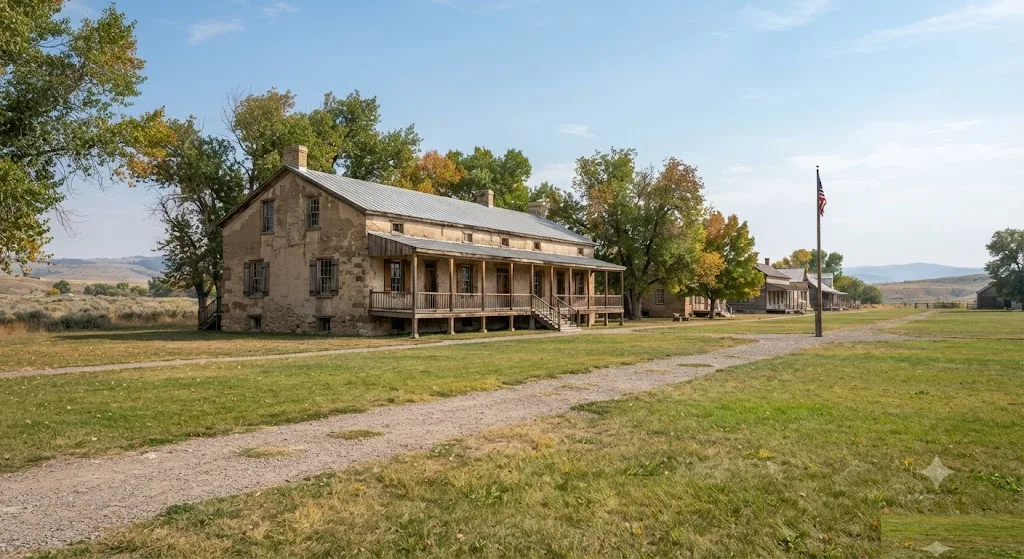
Fort Laramie National Historic Site Travel Guide — Wyoming
Our team at Roam States has extensively researched the historical significance and visitor experience at Fort Laramie National Historic Site Wyoming, a truly pivotal location in America's westward expansion. This guide is designed to provide you with all the essential information needed to plan an unforgettable trip to this remarkable historical landmark, ensuring you gain a deep appreciation for its role in shaping the nation.
Why Visit Fort Laramie National Historic Site
Fort Laramie National Historic Site stands as a monumental testament to the chaotic, transformative era of 19th-century westward expansion in the United States. Originally established as a private fur trading post in 1834, it rapidly evolved into the most critical military and trade post on the Northern Plains. Its strategic location at the confluence of the Laramie and North Platte Rivers made it an indispensable hub for fur traders, Native American tribes, and, eventually, thousands of emigrants traversing the Oregon, California, and Mormon Trails.
For decades, Fort Laramie served as a vital resupply point, a diplomatic center where significant treaties were signed, and a military stronghold that played a crucial role in the Indian Wars. Walking through the preserved grounds and restored buildings, visitors are transported back in time, gaining a tangible connection to the lives of soldiers, pioneers, and traders who shaped this complex history. We believe that understanding this pivotal crossroads of cultures and conflicts is essential to grasping the full narrative of the American West. The fort's story encompasses not only the dreams of settlers heading west but also the profound impact on the Indigenous peoples of the Northern Plains. It is a place where history comes alive, offering a unique educational experience that delves into the intricacies of frontier life, military operations, and intercultural relations during a defining period for the nation.
Is It Worth Visiting?
Absolutely, Fort Laramie National Historic Site is unequivocally worth visiting for anyone with an interest in American history, particularly the saga of westward expansion and the frontier military. This isn't generic historical fluff; it's a deeply immersive experience that brings the past into sharp focus. The site preserves and interprets one of America's most important locations, offering a unique glimpse into the lives of those who passed through or served here.
What makes a visit to Fort Laramie National Historic Site so compelling is the combination of well-preserved structures, detailed exhibits, and interpretive programs. You can explore original and reconstructed buildings, including officer's quarters, cavalry barracks, the guardhouse, and the post trader's store, many of which are furnished to reflect their 19th-century appearance. The sheer scale of the site and the stories it tells—from the fur trade to the Gold Rush and the Great Sioux War—provide a profound sense of historical continuity. For those seeking to truly understand the challenges and triumphs of the frontier, Fort Laramie offers an unparalleled opportunity to step back in time and witness the grandeur and grit of the "Grand Old Post."
Who It's Best For
Fort Laramie National Historic Site is an ideal destination for a diverse range of travelers. First and foremost, it's a must-see for **history enthusiasts** and **military history buffs**. Those fascinated by the Oregon Trail, the fur trade, or the Indian Wars will find an incredibly rich and well-preserved site to explore. The detailed exhibits and restored buildings offer deep insights into these pivotal eras.
**Families with school-aged children** will also find Fort Laramie National Historic Site engaging. The Junior Ranger program provides interactive activities, and the open spaces allow kids to explore while learning about history. The living history demonstrations, especially during summer, can captivate younger visitors and bring the stories to life.
**Road trippers** traversing Wyoming or the wider Western Plains should consider Fort Laramie National Historic Site a vital stop. It offers a significant historical anchor amidst vast landscapes, perfectly complementing other best places in Wyoming. It's also an excellent choice for **photographers** drawn to historic architecture and expansive, scenic vistas. Anyone looking for an educational and immersive experience that transcends typical museum visits will find Fort Laramie to be a rewarding journey into America's past.
How to Get There
Reaching Fort Laramie National Historic Site is straightforward, making it an accessible stop on any Wyoming itinerary. The site is located in southeastern Wyoming, approximately three miles southwest of the small town of Fort Laramie, Wyoming.
If you're traveling from **Interstate 25**, take Exit 92 onto U.S. Highway 26 and head east for about 28 miles. Then, turn right onto State Highway 160 and continue for three miles directly to the park entrance. For those approaching from the east, such as from Scottsbluff, Nebraska, proceed west on U.S. Highway 26 to the town of Fort Laramie, then turn left onto State Route 160 and drive three miles to the site. The site is approximately 100 miles north of Cheyenne and 55 miles west of Scottsbluff, Nebraska.
When you arrive, ample **parking** is available for visitors. Follow the paved path from the parking lot directly to the Visitor Center, which is housed in the restored 1884 Post Commissary Building. This central location makes it easy to begin your exploration of Fort Laramie National Historic Site. While there are no reservations required for entry to the site itself, we always recommend checking the official National Park Service website for any specific road closures or alerts, especially during winter months when weather can impact travel.
Top Things to Do
A visit to Fort Laramie National Historic Site offers a wealth of activities that transport you directly into the 19th century. Our team recommends dedicating at least half a day, though a full day allows for a more comprehensive experience of all the things to do at Fort Laramie National Historic Site.
Explore the Historic Buildings and Grounds
The heart of the experience is exploring the more than 20 original and reconstructed buildings that dot the landscape. These include the iconic "Old Bedlam," built in 1849, which served as the bachelor officers' quarters and later the post headquarters—it's the oldest known U.S. military structure in Wyoming. Wander through the Cavalry Barracks, imagining the crowded conditions soldiers endured, and visit the Post Trader's Store, a hub of commerce for soldiers, Native Americans, and pioneers. Other notable structures include the Guardhouse, the Bakery, and various officer's quarters. The grounds themselves are open from sunrise to sunset daily, allowing for extensive exploration.
Visit the Fort Laramie Visitor Center and Museum
Start your visit at the Fort Laramie Visitor Center, located in the restored 1884 Commissary Storehouse. Here, you can watch an 18-minute orientation film that provides crucial context for the fort's history. The museum exhibits showcase artifacts like tools, clothing, uniforms, and weapons, relating the varied history of Fort Laramie. The award-winning bookstore offers further reading and unique souvenirs.
Engage with Living History Programs
During the summer months, typically from Memorial Day to Labor Day, Fort Laramie truly comes alive with living history demonstrations. Costumed interpreters portray soldiers, laundresses, and traders, offering insights into daily life on the frontier. These programs often include historic weapons demonstrations, such as the firing of a Mountain Howitzer cannon on Fridays through Sundays. Ranger-led programs and guided tours are also offered daily, highlighting different aspects of the fort's rich history.
Hike the Confluence Trail
For those looking for outdoor things to do in Fort Laramie, the Confluence Hiking Trail offers scenic views and a chance to spot local wildlife. This easy, 1.6-mile loop trail leads to the picturesque confluence of the North Platte and Laramie Rivers, providing a different perspective of the historic landscape.
Attend Special Events (2026 Highlights)
The Fort Laramie National Historic Site is hosting a series of free special events throughout the summer of 2026. These include:
- **Memorial Day Weekend of the 1870s:** May 22-23, 2026
- **Bat Night at the Fort:** May 30, 2026, at 8 p.m.
- **Pioneer Arrival Day:** June 13, 2026
- **150th Anniversary of the Great Sioux War:** June 20, 2026
- **250th Independence Day Celebration:** July 4, 2026, featuring kids' games, vintage baseball, Pony Express, and a 36-gun salute.
- **Astronomy Night:** July 11, 2026, at 8:30 p.m.
- **Fur Trade Event:** July 31 – August 2, 2026
- **1866 Living History Weekend: The Circle of Fire & Lantern Tour:** August 7-9, 2026
These events offer unique opportunities to experience the fort's history in a dynamic way. We recommend checking the official NPS calendar closer to your visit for any schedule updates.
Visiting With Kids
Fort Laramie National Historic Site is a fantastic destination for families traveling with children, offering an engaging and educational experience that goes beyond typical classroom learning. Our team finds that the site's interactive elements and open spaces make it particularly appealing for younger visitors.
One of the best things for families visiting Fort Laramie National Historic Site with kids is the **Junior Ranger program**. Children of all ages can pick up a free Junior Ranger activity book at the Visitor Center. Completing the activities, which guide them through the park, allows them to earn a special Junior Ranger badge. If they complete both the Fort Laramie and Guernsey State Park sections, they can even earn a challenge coin. This program encourages active exploration and learning about the fort's history in a fun, self-paced way.
The **living history demonstrations** during the summer months are another highlight for kids. Seeing interpreters in period dress, participating in daily activities like cooking or blacksmithing, and witnessing historic weapons demonstrations (like the Mountain Howitzer cannon firing) can truly bring the past to life. The large, open grounds provide plenty of space for children to run and explore, while the restored buildings offer intriguing glimpses into what life was like for soldiers and settlers. We also recommend the easy **Confluence Trail**, which is suitable for families and offers a chance to enjoy nature and spot wildlife. These activities make visiting Fort Laramie National Historic Site with kids both entertaining and enriching.
Best Time to Visit
Choosing the best time to visit Fort Laramie National Historic Site depends largely on your preferences for weather, crowds, and available programs. Our team generally recommends the **late spring (May) and early fall (September-October)** for a comfortable and rewarding experience.
During these shoulder seasons, the weather is typically pleasant, with mild temperatures and fewer extremes than summer or winter. Spring brings wildflowers and lush greenery, while fall offers crisp air and beautiful foliage. Crowds are also generally lighter during these times, allowing for a more serene exploration of the historic grounds. The Visitor Center maintains extended hours into May and September, open from 8:00 AM to 5:00 PM.
**Summer (June-August)** is the most popular time to visit, and for good reason. This is when the fort offers its most extensive **living history programs** and special events, including historic weapons demonstrations and ranger-led tours. The 2026 summer schedule, for example, is packed with free events like the 250th Independence Day Celebration and various living history weekends. However, summer days can be quite hot, often reaching into the 80s and 90s Fahrenheit, sometimes exceeding 100 degrees, though nights are cool with low humidity. Be prepared for sun exposure and bring plenty of water if visiting in July or August.
**Winter (November-April)** offers a starkly different, often solitary experience. The park grounds remain open from sunrise to sunset year-round, and admission is always free. However, the Visitor Center operates on reduced hours (8:00 AM to 4:00 PM), and some historic buildings may be closed. Winters can be bitterly cold and windy, with sub-zero wind chills, and strong winds can occasionally lead to road closures. If you brave the winter, check road and weather conditions beforehand. Despite the challenges, a winter visit can provide a unique, quiet perspective on the fort's isolated past.
Where to Stay Nearby
While Fort Laramie National Historic Site itself does not offer overnight lodging or camping, several nearby towns provide convenient and comfortable options for visitors. We recommend planning your stay in one of these communities to serve as a base for exploring the fort and the surrounding region.
The closest options are typically found in the towns of **Guernsey** and **Torrington**, both within a reasonable driving distance.
- **Guernsey, Wyoming:** Located approximately 10-11 miles from the historic site, Guernsey offers a few hotel choices such as the Travelodge by Wyndham Guernsey and the Cobblestone Inn & Suites - Guernsey. You might also find charming bed and breakfasts or vacation rentals in and around Guernsey, providing a more local experience. Guernsey also has a state park with camping facilities.
- **Torrington, Wyoming:** About 20-22 miles from Fort Laramie, Torrington is a larger town with a broader selection of accommodations. Options include the Holiday Inn Express Hotel & Suites Torrington, Cobblestone Hotel & Suites Torrington, Americas Best Value Inn Torrington, and Kings Inn Torrington. Torrington also offers more dining and service options.
- **Wheatland, Wyoming:** Situated roughly 23-24 miles away, Wheatland provides additional choices like the Best Western Torchlite Motor Inn and Motel 6 Wheatland.
For those interested in camping or RV parks, the town of Fort Laramie itself offers some RV and trailer camping options, and Guernsey State Park is another excellent choice for outdoor lodging. We advise booking accommodations in advance, especially during the busy summer season or around special events, to ensure availability.
Sample 2-Day Itinerary
To truly immerse yourselves in the history and beauty of Fort Laramie National Historic Site and its surroundings, we recommend a two-day itinerary. This allows ample time for exploration without feeling rushed.
Day 1: Delving into Fort Laramie's Past
- **Morning (8:30 AM - 12:00 PM): Arrival and Orientation.** Begin your day at the Fort Laramie Visitor Center, located in the 1884 Post Commissary Building. Watch the 18-minute orientation film to gain historical context, then explore the museum exhibits showcasing artifacts from the fort's past. Pick up a Junior Ranger booklet if you're visiting with kids. Spend time browsing the bookstore for maps and further reading.
- **Lunch (12:00 PM - 1:00 PM): Picnic on the Grounds.** Pack a picnic lunch to enjoy at one of the shaded picnic areas on the fort grounds. This allows you to maximize your time at the site.
- **Afternoon (1:00 PM - 5:00 PM): Explore the Historic Structures.** Dedicate the afternoon to a self-guided tour of the restored buildings. Start with "Old Bedlam," the oldest military structure in Wyoming, then move on to the Cavalry Barracks, Post Trader's Store, Guardhouse, and Officer's Quarters. During summer, seek out living history interpreters or attend a ranger program or historic weapons demonstration.
- **Late Afternoon (5:00 PM - 6:00 PM): Confluence Trail.** Take a leisurely stroll along the easy 1.6-mile Confluence Trail to the meeting point of the Laramie and North Platte Rivers. This offers a peaceful end to your historical exploration and a chance for some fresh air.
- **Evening: Dinner and Relaxation.** Head to Guernsey or Torrington for dinner. We recommend checking out local eateries in these towns. Return to your accommodation for a restful evening.
Day 2: Regional Exploration and Deeper Dives
- **Morning (9:00 AM - 12:00 PM): Oregon Trail Ruts & Register Cliff.** Drive a short distance from Fort Laramie to experience the tangible remnants of westward migration. Visit the Oregon Trail Ruts State Historic Site and Register Cliff, where pioneers carved their names into the sandstone bluffs. These sites offer a powerful connection to the emigrants who passed through Fort Laramie.
- **Lunch (12:00 PM - 1:00 PM): Local Fare.** Enjoy lunch in the town of Fort Laramie or Guernsey, perhaps at a diner-style restaurant.
- **Afternoon (1:00 PM - 5:00 PM): Choose Your Adventure.**
- **Option A (More History):** Return to Fort Laramie National Historic Site to revisit favorite buildings, attend any special events or ranger talks you missed on Day 1, or delve deeper into specific exhibits. You might also explore the nearby Army Iron Bridge, a remarkable 19th-century engineering feat.
- **Option B (Nature & Recreation):** Head to nearby Guernsey State Park for hiking, boating, or simply enjoying the natural beauty of the area.
- **Option C (Wyoming Exploration):** Consider a longer drive to explore other significant Wyoming destinations such as Bighorn Canyon National Recreation, Bridger-Teton National Forest, or the Buffalo Bill Center of the West in Cody, depending on your onward travel plans.
- **Evening: Departure or Extended Stay.** Enjoy a final dinner in the area before continuing your journey or settling in for an extended stay in Wyoming. For more ideas on planning your trip, visit Plan Your US Trip or our USA Road Trip Planner.
Last updated: 2026-07-12 by the Roam States team.