Our Fort Niobrara National Wildlife Refuge guide covers practical planning for Fort Niobrara National Wildlife Refuge Nebraska — best time to visit, getting there, and what to do on the ground.
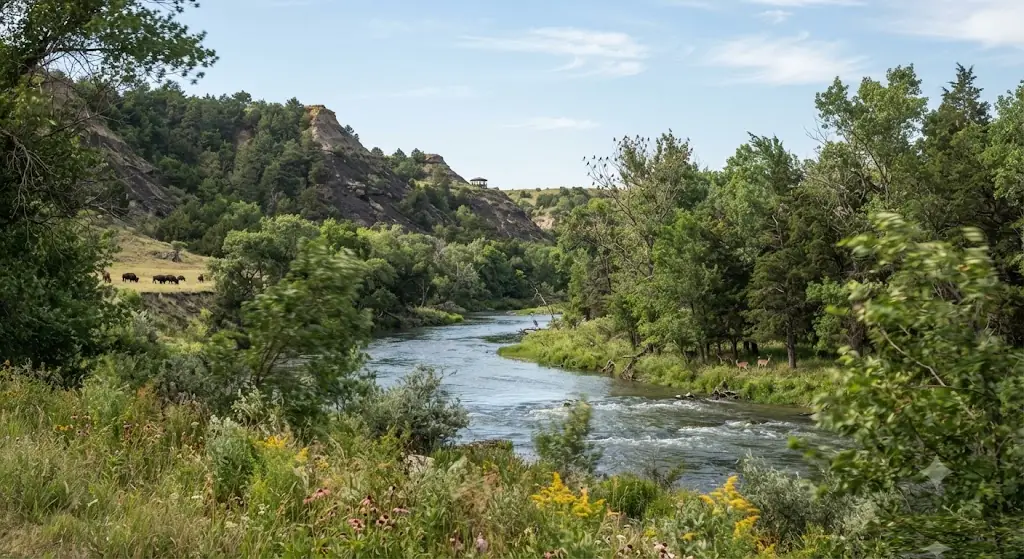
As independent US travel authorities, our team at Roam States is here to guide you through the rugged beauty and abundant wildlife of Fort Niobrara National Wildlife Refuge Nebraska. Established in 1912 near Valentine, this refuge is a true 'crossroads of biodiversity,' protecting over 230 bird species, robust herds of elk and deer, and a magnificent population of approximately 350 bison. Visitors to this 19,131-acre expanse can immerse themselves in diverse habitats and observe abundant wildlife, making it a premier destination for nature enthusiasts and those seeking an authentic Great Plains experience.
Why Visit Fort Niobrara National Wildlife Refuge
Fort Niobrara National Wildlife Refuge stands as a testament to conservation efforts, preserving a unique ecosystem where six distinct plant communities converge. This convergence creates an extraordinary array of habitats, supporting an impressive diversity of flora and fauna. We recommend a visit here for the chance to witness large mammals like bison and elk roaming freely, a sight that evokes the spirit of the historic Great Plains.
Beyond its living inhabitants, the refuge holds a fascinating geological and historical past. Fossils of more than 20 extinct mammal species, including long-jawed mastodons, giant bison, and three-toed horses, have been unearthed here, dating back millions of years. The area also served as Fort Niobrara Military Reservation from 1879 to 1906, playing a role in the region's frontier history. The Visitor Center provides exhibits detailing both the fort's history and the refuge's natural wonders.
The Niobrara River, a designated National Scenic River, flows through the refuge, carving canyons into the landscape and adding another layer of ecological richness and recreational opportunity. This combination of historical significance, geological marvels, and thriving wildlife makes Fort Niobrara National Wildlife Refuge a compelling destination for any traveler to Nebraska. You can learn more about Nebraska's diverse offerings, including other natural wonders, at our Best Places in Nebraska guide.
Who It's Best For
Fort Niobrara National Wildlife Refuge is an ideal destination for a wide range of visitors. Wildlife photographers and birdwatchers will find unparalleled opportunities to capture stunning images and observe over 230 bird species in their natural habitats. Families with children will appreciate the chance for educational experiences, spotting bison, elk, and prairie dog towns from the safety of their vehicle or on accessible trails.
Hikers, from casual strollers to those seeking more strenuous treks, will find trails that offer scenic views and a chance to explore diverse landscapes, including waterfalls and river corridors. Kayakers, canoeists, and tubers will enjoy floating a section of the Niobrara National Scenic River, which runs through the refuge. Even those simply looking for a peaceful scenic drive through the Nebraska Sandhills will find the refuge's auto tour rewarding. It's a place for anyone who appreciates natural beauty, wildlife, and a touch of frontier history.
Getting There & Parking
Accessing Fort Niobrara National Wildlife Refuge is straightforward, as it's conveniently located just five miles east of Valentine, Nebraska, directly off Highway 12. For those wondering how to get to Fort Niobrara National Wildlife Refuge, the drive from Valentine is short and well-marked. Valentine itself is a roughly five-hour drive from Lincoln, the state capital.
Upon arrival, visitors will find parking available at various points within the refuge. There is a parking lot at the Fort Niobrara Public Canoe, Kayak, and Tube Launch site, which can be busy during the summer. Additional parking is available across the river at a handicap accessible parking lot. The Wilderness Access Foot Trail also has parking available at the corrals. The refuge is open year-round during daylight hours, and admittance to the refuge itself is free. However, there is a $1 fee for launching tubes, kayaks, or canoes at the Fort Niobrara Launch site.
We recommend checking the official U.S. Fish and Wildlife Service website for any specific alerts or changes to access before your visit, especially concerning seasonal road conditions or closures. For broader trip planning across the country, consult our Plan Your US Trip guide.
Top Things to Do
When considering things to do at Fort Niobrara National Wildlife Refuge, the opportunities for wildlife observation and outdoor recreation are plentiful. Our team highlights the following activities:
- Wildlife Driving Tour: A self-guided driving tour is one of the most popular things to do at Fort Niobrara National Wildlife Refuge. This tour allows you to view the refuge's impressive bison herd, elk, and prairie dog towns from the comfort and safety of your vehicle. The bison often congregate in meadows, so binoculars are highly recommended for the best viewing experience.
- Fort Falls Hike: Take a hike to Fort Falls, a beautiful 45-foot waterfall. There's a 0.8-mile round trip loop trail with two trailheads that descends to the canyon floor via metal walkways and stairs, offering scenic views of the Niobrara National Scenic River.
- Canoeing, Kayaking, and Tubing: The Niobrara River is a prime spot for water activities. You can launch your own canoe, kayak, or tube (for a $1 fee) or arrange a trip with a local outfitter. Floating downstream from Cornell Dam is permitted, but remember that river use within the refuge is restricted to daylight hours.
- Visitor Center Exploration: The Visitor Center provides valuable information, historical photos of the fort, and exhibits on local wildlife and refuge management. You can also see fossils of ancient animals found on the refuge. The Visitor Center is open daily from Memorial Day to Labor Day, 8 AM to 4:30 PM, and Monday-Friday during the rest of the year.
- Photography: With its diverse landscapes, abundant wildlife, and scenic river, the refuge offers endless photographic opportunities.
- Fishing and Hunting: Permitted in designated areas, fishing is allowed on Minnechaduza Creek and along the Niobrara River downstream from Cornell Dam. Hunting is also allowed in specific areas of the refuge.
These activities highlight the natural splendor and recreational potential of Fort Niobrara National Wildlife Refuge.
Fort Niobrara National Wildlife Refuge Hiking Trails
Exploring the Fort Niobrara National Wildlife Refuge hiking trails offers visitors an intimate connection with its diverse ecosystems. Our team recommends two primary trails:
- Fort Falls Hiking Trail: This is arguably the most popular of the Fort Niobrara National Wildlife Refuge hiking trails. It's a 0.8-mile round trip loop that leads to the impressive 45-foot Fort Falls. The trail features metal walkways and stairs that descend into the canyon, allowing you to observe different levels of the tree canopy and the stream feeding the falls. Along the way, you'll encounter scenic overlooks of the Niobrara National Scenic River and the six ecosystems that converge at its banks. It's considered a great trail for all ages and abilities.
- Wilderness Access Foot Trail: For those seeking a more rugged experience, this trail allows visitors to hike through the Sandhills to the Buffalo Bridge. Parking is available at the corrals, which also serves as the trailhead. This moderate trail weaves through the Sandhills, featuring some ascents and descents before transitioning to the tree-lined river's edge. Along this trail, you may spot various birds, deer, and reptiles. Note that the Fort Niobrara Wilderness Area, which this trail accesses, does not have maintained trails north of the river and prohibits camping.
Both Fort Niobrara National Wildlife Refuge hiking trails provide unique perspectives on the refuge's landscapes and wildlife. Remember to stay on designated trails and observe wildlife from a safe distance.
Best Time to Visit
The best time to visit Fort Niobrara National Wildlife Refuge largely depends on your interests, as each season offers a different experience.
- Spring (April-May): Spring brings a burst of new life. Migratory birds return, and wildflowers begin to bloom. This is an excellent time for birdwatching, as over 230 species are attracted to the refuge for resting, feeding, or nesting.
- Summer (June-August): Summer is peak season for floating the Niobrara River. The weather is warm, making it ideal for canoeing, kayaking, or tubing. Early summer is also a great time to see bison calves. However, the refuge can be busier during these months, especially the river access points. The bison breeding season, or rut, takes place in July and August, offering a chance to witness impressive displays from the bulls.
- Fall (September-October): Fall offers cooler temperatures, fewer crowds, and often vibrant foliage along the river corridors. This is a fantastic time for hiking and wildlife viewing, as the animals are active and the landscape is beautiful.
- Winter (November-March): While colder, winter can provide unique wildlife viewing opportunities, especially for bison and elk, which may be more visible against the snowy landscape. The refuge is open year-round during daylight hours.
For optimal wildlife viewing, particularly bison, early summer for calves and late summer for the rut are recommended. The Visitor Center is open daily from Memorial Day to Labor Day, and then Monday-Friday during the rest of the year.
Where to Stay Nearby
When planning your trip to Fort Niobrara National Wildlife Refuge, finding suitable lodging nearby is essential. Valentine, Nebraska, located just five miles west of the refuge, serves as the primary hub for accommodations. For Fort Niobrara National Wildlife Refuge lodging, our team recommends several options in Valentine that cater to various preferences and budgets.
Hotels in Valentine include:
- The Niobrara Lodge: Often praised for its cleanliness and comfort, it's a popular choice for visitors.
- Comfort Inn Valentine: This option provides a comfortable stay with amenities like an indoor pool.
- Harmony Inn & Suites: Another well-regarded choice offering good value.
- Trade Winds Motel: A basic yet comfortable option, often noted for its convenient location.
- Super 8 by Wyndham Valentine NE: A budget-friendly motel offering essential amenities.
- Raine Motel: Provides spacious and comfortable rooms, often suitable for those on a budget, and includes free Wi-Fi and parking.
Beyond traditional hotels, you might find vacation rentals in and around Valentine, offering more space and home-like amenities. For those interested in camping, while Fort Niobrara National Wildlife Refuge itself prohibits camping, nearby options like Merritt Reservoir and Valentine City Park offer primitive camping. Niobrara State Park, though a bit further, also provides modern camping facilities and cabins.
Given Valentine's role as a gateway to the Sandhills region, booking your Fort Niobrara National Wildlife Refuge lodging in advance, especially during peak summer months, is a wise decision. For more ideas on planning a broader journey, check out our USA Road Trip Planner.
Sample 2-Day Itinerary
To help you make the most of your visit to Fort Niobrara National Wildlife Refuge, our team has crafted a sample 2-day itinerary:
Day 1: Wildlife & Waterfalls
- Morning (8:00 AM - 12:00 PM): Wildlife Driving Tour & Visitor Center
- Start your day at the Fort Niobrara National Wildlife Refuge Visitor Center (open 8 AM - 4:30 PM daily Memorial Day-Labor Day, Mon-Fri otherwise). Gather maps and information.
- Embark on the self-guided wildlife driving tour. Keep your eyes peeled for the bison herd, elk, and prairie dog towns. Remember your binoculars!
- Lunch (12:00 PM - 1:00 PM): Picnic Lunch
- Enjoy a packed lunch at one of the scenic picnic areas within the refuge.
- Afternoon (1:00 PM - 4:00 PM): Fort Falls Hike & River Views
- Hike the Fort Falls Hiking Trail, a 0.8-mile loop, to see the impressive 45-foot waterfall and enjoy views of the Niobrara River.
- Spend some time at the Niobrara River overlook, soaking in the panoramic canyon views.
- Evening: Dinner in Valentine
- Head back to Valentine for dinner at a local restaurant.
Day 2: River Adventure & Local Charm
- Morning (9:00 AM - 1:00 PM): Niobrara River Floating
- Experience the Niobrara National Scenic River by canoe, kayak, or tube. You can bring your own (with a $1 launch fee) or rent from a local outfitter in Valentine. Remember river use within the refuge is daylight hours only.
- Lunch (1:00 PM - 2:00 PM): Lunch in Valentine
- Grab a quick bite in Valentine after your river adventure.
- Afternoon (2:00 PM - 5:00 PM): Explore Valentine & Nearby Attractions
- Visit the Cherry County Historical Society Museum or Centennial Hall Museum in Valentine to delve deeper into the area's history.
- Consider a visit to Smith Falls State Park (Nebraska's highest waterfall) or the Valentine National Wildlife Refuge for more birdwatching.
- Evening: Relax or Stargaze
- Enjoy a relaxed evening in Valentine or, if conditions are right, head to Merritt Reservoir, an International Dark Sky Park, for exceptional stargazing.
Is It Worth Visiting?
From our perspective as dedicated US travel authorities, the question "is Fort Niobrara National Wildlife Refuge worth visiting?" can be answered with a resounding yes. This refuge offers a unique blend of natural beauty, abundant wildlife, and historical significance that sets it apart.
The opportunity to observe a free-roaming bison herd, along with elk and numerous bird species, is a powerful draw, providing a glimpse into the wild heart of the Great Plains. The scenic Niobrara River, with its canyons and waterfalls, adds a layer of recreational appeal, whether you prefer hiking the Fort Falls trail or floating downstream. For those seeking an escape from the ordinary, the crossroads of biodiversity found here, from the Sandhills prairie to the riverine forests, presents an endlessly fascinating landscape to explore. We confidently assert that Fort Niobrara National Wildlife Refuge provides an enriching and memorable experience that makes it well worth the journey for any nature lover or history enthusiast.
FAQ Longtails
Fort Niobrara National Wildlife Refuge camping
Camping is not permitted within Fort Niobrara National Wildlife Refuge itself, including its wilderness area, which is open for day-use only. However, several excellent camping options are available nearby. Merritt Reservoir, known for its fishing and stargazing as an International Dark Sky Park, offers primitive camping. Valentine City Park also provides primitive camping facilities. For more developed campgrounds with RV hookups and cabins, Niobrara State Park, located further east, is a great choice. Additionally, private campgrounds like Berry Bridge and Penbrook offer camping along the Niobrara River near Valentine.
Things to do in Valentine
Valentine, Nebraska, serves as a vibrant gateway to the Sandhills region and offers a variety of attractions beyond the wildlife refuge. You can explore the Cowboy Trail, a rails-to-trails project perfect for biking or walking, including a stunning quarter-mile-long train trestle over the Niobrara River. The Niobrara River itself is popular for canoeing, kayaking, tubing, and tanking trips. History buffs can visit the Cherry County Historical Society Museum and Centennial Hall Museum. Other attractions include Smith Falls State Park (Nebraska's highest waterfall), Valentine National Wildlife Refuge, Merritt Reservoir for fishing and stargazing, and local golf courses like Frederick Peak Golf Club.
Fort Niobrara National Wildlife Refuge with kids
Fort Niobrara National Wildlife Refuge is an excellent destination for families with kids. The highlight for many children is the opportunity to see bison, elk, and prairie dogs on the wildlife driving tour. The Fort Falls Hiking Trail is a relatively easy 0.8-mile loop that leads to a beautiful waterfall, providing an engaging outdoor adventure. The Visitor Center offers educational exhibits about the fort's history and local wildlife. Floating the Niobrara River by tube or canoe can also be a memorable experience for older children, offering a unique perspective on the landscape and wildlife.
Best hotels near Fort Niobrara National Wildlife Refuge
The best hotels near Fort Niobrara National Wildlife Refuge are primarily located in Valentine, Nebraska, just a short drive away. Top-rated options include The Niobrara Lodge, often noted for its comfort and cleanliness. Other popular choices include Comfort Inn Valentine, Harmony Inn & Suites, Trade Winds Motel, Super 8 by Wyndham Valentine NE, and Raine Motel, all offering various amenities and price points. These accommodations provide convenient access to the refuge and other local attractions in Valentine. We recommend booking in advance, especially during peak travel seasons.
Fort Niobrara National Wildlife Refuge tips
Our team has several tips for making your visit to Fort Niobrara National Wildlife Refuge enjoyable:
- Bring Binoculars: Essential for spotting bison, elk, and birds, especially as they may be far from the roads.
- Stay in Your Vehicle: When observing bison and elk, always remain in your car for safety.
- Check Visitor Center Hours: The Visitor Center has seasonal hours; it's open daily Memorial Day to Labor Day, then Mon-Fri the rest of the year.
- Pack Water and Snacks: While amenities are available in Valentine, it's wise to carry provisions within the refuge, especially on trails.
- Wear Appropriate Footwear: For hiking, sturdy shoes are a must.
- Sun Protection: The Nebraska sun can be intense; bring hats, sunscreen, and sunglasses.
- River Fees: There is a $1 fee per person for launching personal canoes, kayaks, or tubes at the refuge's launch site.
- Daylight Hours Only: The refuge is open to the public only during daylight hours.
Where to stay near Fort Niobrara National Wildlife Refuge
For those planning where to stay near Fort Niobrara National Wildlife Refuge, the town of Valentine, Nebraska, is your best bet. It's located just five miles west of the refuge. Valentine offers a range of hotels, including The Niobrara Lodge, Comfort Inn Valentine, Harmony Inn & Suites, Trade Winds Motel, Super 8 by Wyndham Valentine NE, and Raine Motel. If you prefer camping, nearby options include Merritt Reservoir and Valentine City Park for primitive sites, and Niobrara State Park for more developed camping and cabins.
Last updated: 2026-07-13 by the Roam States team.