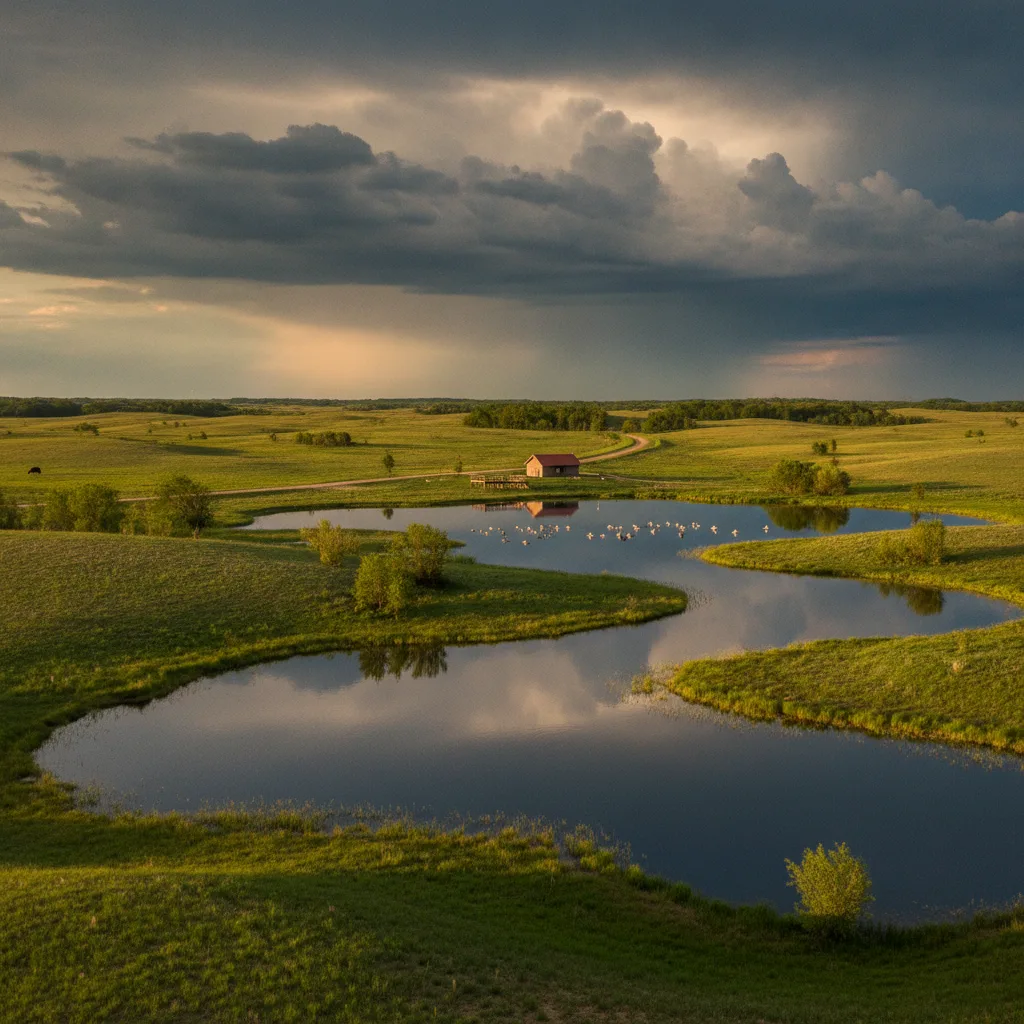
Our Valentine National Wildlife Refuge guide covers practical planning for Valentine National Wildlife Refuge Nebraska — best time to visit, getting there, and what to do on the ground.
As the Roam States editorial team, we’ve explored countless natural wonders across the US, and few places capture the serene beauty and ecological significance quite like Valentine National Wildlife Refuge Nebraska. Located in the heart of the Nebraska Sandhills, this expansive refuge is a critical habitat, offering unparalleled opportunities for birdwatching and wildlife observation. We’re here to cut through the generic travel fluff and provide you with confident, specific insights for planning your visit in 2026.
Why Visit Valentine National Wildlife Refuge
The Valentine National Wildlife Refuge is a jewel of the Great Plains, a 71,516-acre expanse established in 1935 to protect a vital portion of North America's largest remaining tract of mid- and tall-grass prairie. This is not just another pretty landscape; it’s a living, breathing ecosystem that supports an incredible diversity of life. With 270 species of birds, 59 species of mammals, and 22 species of reptiles and amphibians, the refuge is a haven for wildlife enthusiasts and a testament to conservation efforts.
What truly sets Valentine National Wildlife Refuge apart is its unique blend of rolling sandhills and pristine, spring-fed lakes, surrounded by marshes and native grasslands. This diverse environment creates a rich tapestry of habitats, from wetlands teeming with waterfowl to prairies where deer and coyotes roam. We find that the refuge offers a profound sense of solitude and connection to nature that is increasingly rare. It's a place where you can truly unplug, recharge, and witness the wild beauty of Nebraska firsthand. The refuge's commitment to preserving this ecologically important landscape makes every visit a meaningful experience, supporting the ongoing conservation of native species and their habitats for future generations.
Who It's Best For
Valentine National Wildlife Refuge is a destination with broad appeal, but our team has identified a few key groups who will find it particularly rewarding:
- Birdwatchers: With 270 recorded bird species, including numerous waterfowl, shorebirds, and prairie grouse, this refuge is a premier birding destination. May, September, and October are particularly excellent for observing both residential and migratory birds.
- Wildlife Photographers: The opportunities for capturing stunning wildlife shots are abundant, from the elaborate courtship displays of prairie chickens and sharp-tailed grouse in spring to mule deer posing against the Sandhills backdrop.
- Nature Enthusiasts: If you appreciate unspoiled landscapes, diverse ecosystems, and the quiet beauty of the outdoors, the refuge offers a chance to immerse yourself in a truly unique environment.
- Anglers: Nine of the refuge's lakes are open to fishing year-round, offering bass, northern pike, perch, and bluegill. It's a fantastic spot for a peaceful day on the water, with only electric motors allowed, ensuring a tranquil experience.
- Families Seeking Outdoor Adventure: While camping isn't permitted directly within the refuge, the wide-open spaces, easy hiking trails, and abundant wildlife viewing make it an excellent educational and recreational outing for families.
- Solitude Seekers: For those looking to escape the hustle and bustle, the vastness of the Sandhills and the quiet atmosphere of the refuge provide a perfect retreat for reflection and relaxation.
Getting There & Parking
Understanding how to get to Valentine National Wildlife Refuge is crucial for a smooth trip. The refuge headquarters is strategically located approximately 27 to 30 miles south of the town of Valentine, Nebraska, directly off U.S. Highway 83. From Highway 83, you'll turn east onto Pony Lake Road and continue for about one mile, where you'll find clear signage marking the refuge entrance. For those navigating with GPS, the coordinates N 42* 29' 12.224” W 100* 31' 12.28” will guide you directly to the office.
If you're traveling from further afield, Valentine, Nebraska, is roughly a five-hour drive from Lincoln, the state capital. We recommend traveling by car, as it provides the flexibility needed to explore the refuge's various public use roads and trails. When considering how to get to Valentine National Wildlife Refuge, remember that the roads within the refuge are primarily gravel, and a four-wheel-drive vehicle is often recommended for some of the public use trails, especially after rain.
Regarding parking, there are no specific parking fees to access Valentine National Wildlife Refuge. Visitors are required to keep their vehicles on designated roads and trails. Off-road driving and the use of all-terrain vehicles (ATVs) or utility task vehicles (UTVs) are strictly prohibited to protect the delicate Sandhills ecosystem. While there are no formal reservations needed for general entry or parking, we always advise checking the official U.S. Fish & Wildlife Service website for any temporary road closures or specific conditions, such as the past temporary closure near 21 Lake. The refuge is open during daylight hours only, year-round, so plan your arrival and departure accordingly.
Top Things to Do
The Valentine National Wildlife Refuge offers a wealth of activities for those looking to connect with nature. Our team has carefully curated a list of the top things to do at Valentine National Wildlife Refuge, ensuring you make the most of your visit to this incredible Sandhills preserve.
Birdwatching & Wildlife Observation
This is arguably the primary draw to the refuge. With 270 bird species, including large flocks of ducks, geese, and various shorebirds during migration, your binoculars will be busy. Keep an eye out for the greater prairie chickens and sharp-tailed grouse, especially in April and May, when observation blinds are placed on their "booming grounds" for their elaborate courtship dances. Beyond birds, you're likely to spot white-tailed deer, mule deer, coyotes, muskrats, and beavers. Early mornings or just before sunset are the best times for viewing most mammals.
Fishing
Nine of the refuge's lakes are open for fishing year-round, offering excellent opportunities to catch bass, northern pike, perch, and bluegill. Fishing hours are from one hour before sunrise to 1.5 hours after sunset. Only electric motors are permitted on boats, ensuring a peaceful angling experience. Accessible boat docks are available at Watts, Dewey, Pelican, West Long, Duck, Clear, and Hackberry lakes. Remember to check state fishing regulations and any refuge-specific rules outlined in the hunting and fishing brochure. Live or dead minnows (except frozen smelt) are prohibited as bait.
Scenic Drives & Photography
Take advantage of the designated public use roads to explore the refuge's diverse landscapes from your vehicle. The 9-mile Little Hay Road Wildlife Drive, for example, traverses the western part of the refuge, passing by lakes, high hills, meadows, and marshes, offering fantastic opportunities for wildlife viewing and photography. The Sandhills themselves provide a stunning backdrop, with grass-covered dunes rising over marsh-filled valleys. Waterfowl and shorebirds are often easily viewed from the car.
Hiking
While extensive backpacking isn't the focus here, there are rewarding trails for shorter excursions. The Civilian Conservation Corps Fire Tower Trail and the Marsh Lake Overlook are two walking trails that offer excellent birdwatching and wildlife viewing opportunities. The hike to the old fire tower near Hackberry Lake takes about 30 to 45 minutes and provides a stunning panoramic overlook of the refuge. These are some of the top things to do at Valentine National Wildlife Refuge for those who enjoy a stroll in nature.
Hunting
Limited hunting is permitted for certain species, including prairie grouse, pheasants, doves, deer (rifle, muzzleloader, and archery), and coyotes, in accordance with state and refuge-specific regulations. Waterfowl hunting is allowed only on Watts, Rice, and Duck Lakes. Non-toxic shot is required for all bird hunting. Always consult the refuge's official hunting and fishing brochure for the most current regulations and open areas.
Best Time to Visit
Choosing the best time to visit Valentine National Wildlife Refuge largely depends on your interests, as each season offers unique experiences.
- Spring (April-May): This is a prime time for birdwatchers. The refuge comes alive with migratory birds, and it's the season for the spectacular courtship dances of the greater prairie chickens and sharp-tailed grouse. Observation blinds are available during this period for close-up views of these "booming" displays.
- Summer (June-August): Summer offers warm weather ideal for fishing, canoeing, and kayaking on the refuge's lakes (electric motors only). The grasslands are lush, and many young animals can be seen. However, be prepared for warmer temperatures and potential insects.
- Fall (September-October): Another excellent season for birding, as many species migrate through the area. The Sandhills take on beautiful autumnal hues, and raptors are often more visible. Hunting seasons for deer and upland game birds also begin in the fall.
- Winter (November-March): While colder, winter offers a unique sense of solitude and opportunities for ice fishing, which is very popular in the colder months. The stark beauty of the snow-covered Sandhills provides a different photographic experience, and some hardy bird species remain.
For optimal wildlife viewing, regardless of the season, our team recommends visiting early in the morning or just before sunset, when animals are most active. The refuge itself is open year-round during daylight hours.
Where to Stay Nearby
While camping is prohibited within the Valentine National Wildlife Refuge itself, there are ample Valentine National Wildlife Refuge lodging options in the nearby town of Valentine and surrounding areas that cater to various preferences. We've scouted the best choices to ensure your stay is comfortable and convenient for exploring the refuge and the wider Sandhills region.
Hotels in Valentine, NE
The town of Valentine, approximately 27-30 miles north of the refuge, serves as the primary hub for accommodations. Here, you'll find a range of motels and lodges offering comfortable stays. Some highly-rated options for Valentine National Wildlife Refuge lodging include:
- The Niobrara Lodge: Known for its friendly atmosphere, indoor pool, fitness center, and complimentary breakfast and WiFi.
- Comfort Inn Valentine: Guests frequently praise its cozy, clean rooms, friendly staff, and convenient location. It also features an indoor pool and complimentary continental breakfast.
- Trade Winds Motel: Offers "Hometown Hospitality" with clean, smoke-free rooms, free fiber-optic internet, and a continental breakfast. Pet-friendly rooms are available with a daily fee.
- Harmony Inn & Suites: Another well-regarded option, offering good value and amenities.
- Super 8 by Wyndham Valentine NE: A budget-friendly choice providing a welcoming atmosphere.
- Raine Motel: Offers clean and comfortable accommodations.
Many of these hotels are pet-friendly, but it's always best to confirm directly when making your reservation.
Camping Near the Refuge
For those who prefer to sleep under the stars, several excellent camping options are available close to the refuge:
- Valentine City Park: Located just outside of Valentine, this park offers year-round camping with amenities like restrooms, free hot showers, and hiking trails along Minnechaduza Creek.
- Merritt Reservoir State Recreation Area: A beautiful oasis amid the Sandhills, Merritt Reservoir offers numerous campgrounds. It's a popular spot for boating, fishing, swimming, and stargazing, having been designated an International Dark Sky Place.
- Ballards Marsh State Recreation Area: Approximately 20 miles south of Valentine on US Highway 83, this area offers a free primitive campground with picnic tables, fire boxes, and an outhouse. It's well-shaded and provides an early start for those heading to the Valentine National Wildlife Refuge, which is about 3 miles further south on Route 83.
- McKelvie National Forest: Bordering Merritt Reservoir, this forest offers secluded campsites, particularly at Steer Creek Campground, amidst its limited wooded areas.
These Valentine National Wildlife Refuge lodging choices provide a comfortable base for exploring the refuge and its surrounding attractions.
Sample 2-Day Itinerary
To help you make the most of your visit, our team has crafted a sample 2-day itinerary focused on experiencing the best of Valentine National Wildlife Refuge and the surrounding area.
Day 1: Immersion in the Refuge
- Morning (Sunrise - Noon): Birdwatching and Wildlife Drive. Start your day early, ideally around sunrise, for the best birdwatching and wildlife viewing opportunities. Head directly to Valentine National Wildlife Refuge (remembering it's about 30 miles south of Valentine on Highway 83, then 1 mile east on Pony Lake Road). Drive the 9-mile Little Hay Road Wildlife Drive, keeping an eye out for deer, coyotes, and a vast array of waterfowl on the lakes and marshes. If visiting in spring (April-May), consider arranging a visit to the grouse booming grounds for an unforgettable experience.
- Lunch (Noon - 1:00 PM): Picnic in Nature. Pack a picnic lunch to enjoy at one of the refuge's designated picnic spots, allowing you to stay immersed in the natural environment.
- Afternoon (1:00 PM - 5:00 PM): Hiking and Photography. Explore one of the refuge's walking trails, such as the Civilian Conservation Corps Fire Tower Trail or the Marsh Lake Overlook. The hike to the old fire tower provides a stunning panoramic view of the Sandhills and the refuge's lakes. Dedicate time to photography, capturing the unique landscapes and any wildlife you encounter.
- Evening (5:00 PM onwards): Dinner in Valentine. Head back to Valentine for dinner. We recommend checking out local eateries like Bulldoggers BBQ for an unexpected Southern style. Afterwards, relax at your chosen Valentine National Wildlife Refuge lodging.
Day 2: Sandhills Exploration & River Adventures
- Morning (Sunrise - Noon): Niobrara River or Merritt Reservoir. Choose your adventure:
- Option A (River): Experience the Niobrara National Scenic River. Rent a kayak, canoe, or tube from a local outfitter in Valentine and spend a few hours floating down the river, enjoying the stunning scenery of cliffs and waterfalls, including Nebraska's tallest, Smith Falls.
- Option B (Lake): Drive to Merritt Reservoir State Recreation Area. Enjoy fishing, swimming at the sandy beaches, or simply relaxing by the lake. This area is also an International Dark Sky Place, so if you extend your stay into the evening, stargazing is exceptional.
- Lunch (Noon - 1:00 PM): Local Fare. Grab lunch in Valentine or near your chosen activity.
- Afternoon (1:00 PM - 5:00 PM): History or Cowboy Trail.
- Option A (History): Visit the Cherry County Historical Society Museum or Centennial Hall in Valentine to learn about the region's rich ranching and railroad history.
- Option B (Active): Explore a section of the Cowboy Trail, which is open from Valentine east to Norfolk. You can hike or bike a portion of this converted railroad trail, including the impressive old train trestle over the Niobrara River.
- Evening: Departure or Extended Stay. Depending on your travel plans, you can begin your journey home or extend your stay to further explore the Sandhills or other Nebraska destinations like Chimney Rock National Historic Site or Omaha's Henry Doorly Zoo. For more ideas, explore our guide to the best places in Nebraska.
Is It Worth Visiting?
After countless miles on the road and experiences across the country, our team can confidently say: yes, Valentine National Wildlife Refuge is worth visiting. This isn't just another stop on a road trip; it's a destination that offers a genuine, unfiltered encounter with one of North America's most unique and vital ecosystems.
The sheer scale of the 71,516-acre refuge, protecting a significant portion of the Sandhills prairie, is impressive. But it's the intimate moments that truly make it memorable: witnessing the intricate dances of prairie grouse, spotting a mule deer grazing peacefully, or simply listening to the symphony of waterfowl on a quiet lake. The lack of commercialization and the emphasis on preserving the natural integrity of the landscape ensure an authentic experience that many other destinations simply can't offer. If you're seeking a place to truly disconnect, observe abundant wildlife, and appreciate the subtle, whispering beauty of the Sandhills, then Valentine National Wildlife Refuge is worth visiting for its unparalleled natural charm and ecological importance.
Valentine National Wildlife Refuge Hiking Trails
While the Valentine National Wildlife Refuge is perhaps best known for its driving tours and birdwatching opportunities, our team has found that its hiking trails offer a more intimate way to experience the Sandhills' unique beauty. The refuge provides several designated paths for those who wish to explore on foot, allowing for closer observation of the flora and fauna.
The primary Valentine National Wildlife Refuge hiking trails include:
- Civilian Conservation Corps Fire Tower Trail: This trail leads to an old fire tower near Hackberry Lake, which offers an observation deck providing a stunning panoramic overlook of the refuge's vast grasslands and numerous lakes. The hike itself is moderate and takes approximately 30 to 45 minutes to complete, rewarding you with expansive views that truly capture the essence of the Sandhills. Along the way, you'll pass through wooded habitats and grasslands, increasing your chances of spotting a variety of birds and other wildlife.
- Marsh Lake Overlook: This is a shorter nature trail that provides excellent views of the refuge's marshes and grasslands. It's an ideal spot for a leisurely stroll and offers fantastic opportunities for birdwatching, as the marshes are often teeming with waterfowl and shorebirds.
Beyond these named trails, the refuge also features a self-guided interpretive trail, providing educational insights into the local ecosystem. While extensive backcountry hiking is not the focus, these Valentine National Wildlife Refuge hiking trails are well-maintained and offer accessible ways to immerse yourself in the natural environment. Remember to pick up a brochure at the Refuge Visitor Center for a map of the area and any updated trail information. We always recommend wearing sturdy shoes, bringing water, and being mindful of wildlife while on the trails.
FAQ Longtails
Valentine National Wildlife Refuge camping
Camping and fires are strictly prohibited within the Valentine National Wildlife Refuge itself to protect the wildlife and habitats. However, state and private campgrounds are conveniently located nearby. Excellent options include the Valentine City Park, which offers year-round camping with amenities like free hot showers, and the Merritt Reservoir State Recreation Area, known for its beautiful lake setting and numerous campgrounds. Additionally, Ballards Marsh State Recreation Area, just a few miles north of the refuge on Highway 83, provides a free primitive campground.
things to do in Valentine
Beyond the refuge, the town of Valentine and its surroundings offer a variety of activities. You can float the Niobrara National Scenic River by kayak, canoe, tube, or even tank. Visit Smith Falls State Park to see Nebraska's tallest waterfall. Explore the Cowboy Trail, a rails-to-trails project perfect for hiking or biking, including a spectacular old train trestle over the Niobrara River. Learn about local history at the Cherry County Historical Society Museum. For golf enthusiasts, The Prairie Club offers world-class courses. Merritt Reservoir State Recreation Area is also nearby for fishing, swimming, and stargazing.
Valentine National Wildlife Refuge with kids
Valentine National Wildlife Refuge is an excellent destination for families with children. The opportunities for wildlife observation and birdwatching are abundant and engaging for all ages. Kids will enjoy spotting deer, coyotes, and a vast array of birds. The shorter, easy hiking trails like the Marsh Lake Overlook or the Civilian Conservation Corps Fire Tower Trail are manageable for little legs and offer rewarding views. Scenic drives allow for comfortable viewing from the car. Remember that camping is not allowed within the refuge, but nearby campgrounds like Valentine City Park offer family-friendly amenities.
best hotels near Valentine National Wildlife Refuge
The best hotels near Valentine National Wildlife Refuge are primarily located in the town of Valentine, about 27-30 miles north. Top recommendations for 2026 include The Niobrara Lodge, known for its indoor pool and complimentary breakfast, and the Comfort Inn Valentine, praised for its clean rooms and friendly staff. Other highly-rated options offering comfortable Valentine National Wildlife Refuge lodging include the Trade Winds Motel, Harmony Inn & Suites, Super 8 by Wyndham Valentine NE, and Raine Motel. Many of these also offer amenities like free WiFi and continental breakfast.
Valentine National Wildlife Refuge tips
Our top tips for visiting Valentine National Wildlife Refuge include: go early or late in the day for the best wildlife viewing; bring binoculars and a camera; stay on designated roads and trails to protect the environment and for your safety; remember that only electric motors are allowed on boats for fishing; and always check the official U.S. Fish & Wildlife Service website or call the refuge office (402-376-3398) for current conditions, temporary closures, or specific regulations on hunting and fishing, as these can change. Camping is prohibited within the refuge, so plan for nearby accommodations.
where to stay near Valentine National Wildlife Refuge
When planning where to stay near Valentine National Wildlife Refuge, your best bet is the town of Valentine, Nebraska. It offers a variety of hotels and motels, including the Comfort Inn Valentine, The Niobrara Lodge, Trade Winds Motel, and Harmony Inn & Suites, many of which provide amenities like free breakfast and internet. For those preferring camping, Valentine City Park and Merritt Reservoir State Recreation Area offer excellent facilities. Additionally, the primitive campground at Ballards Marsh State Recreation Area is a convenient, free option just a few miles north of the refuge.
The Valentine National Wildlife Refuge is more than just a destination; it's an experience that connects you to the raw, untamed spirit of the Nebraska Sandhills. We hope this guide empowers you to plan an unforgettable journey to this remarkable natural treasure. From the vibrant birdlife to the tranquil lakes and sweeping prairies, we know you'll find a profound appreciation for the conservation efforts that preserve this unique corner of America.
Last updated: 2026-07-05 by the Roam States team.