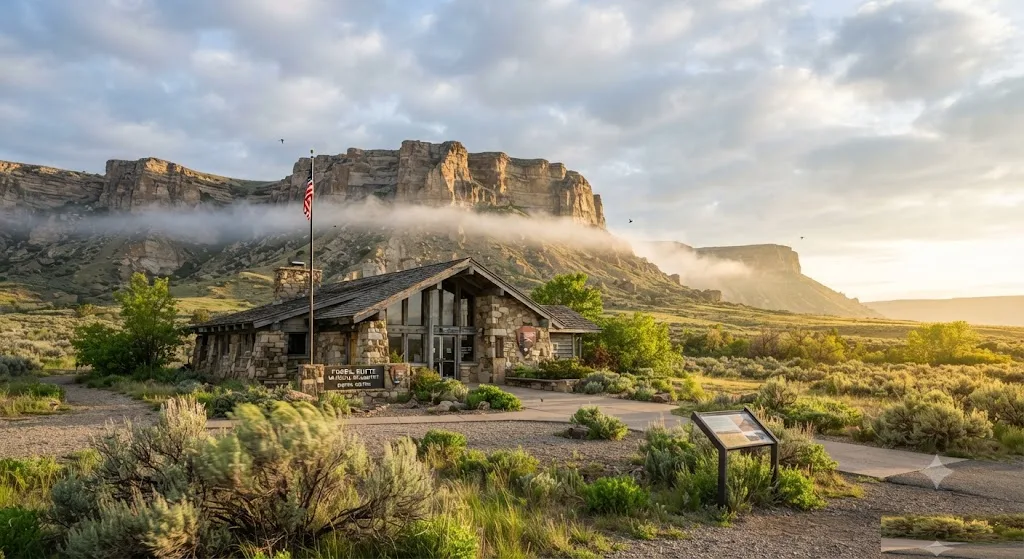
Welcome to our comprehensive guide to Wyoming's most extraordinary paleontological treasure: Fossil Butte National Monument Wyoming. Often called "America's Aquarium in Stone," this remarkable destination preserves an astonishingly detailed record of ancient Eocene epoch aquatic life. Our team at Roam States is here to provide you with the confident, specific details you need to plan an unforgettable trip to this unique corner of the American West.
Why Visit Fossil Butte National Monument
Fossil Butte National Monument is a truly exceptional site, preserving one of the world's most complete and detailed fossil records from the Eocene Epoch, approximately 52 million years ago. We recommend a visit here for anyone captivated by deep time and the intricate history of life on Earth. The monument offers an unparalleled glimpse into an ancient freshwater lake ecosystem, where stingrays swam, turtles basked, and early horses roamed the shores.
The sheer abundance, variety, and remarkable preservation of fossils—including fish, insects, plants, reptiles, birds, and mammals—make it a world-class paleontological heritage site. Unlike many fossil sites, the fossils found here are exceptionally clear and detailed, allowing for in-depth study of ancient climate change and its impact on biological communities. Beyond the scientific significance, the monument offers stunning sagebrush-covered landscapes, wide-open spaces, and opportunities to observe modern wildlife such as pronghorn, mule deer, eagles, and falcons.
Who It's Best For
Fossil Butte National Monument appeals to a diverse range of visitors. It's ideal for budding paleontologists and seasoned enthusiasts alike, offering interactive exhibits and over 2,000 fossils on display at the visitor center. Families with children will find it particularly engaging, with Junior Ranger programs available that often include scavenger hunts for fossils within the museum displays.
Beyond fossil fanatics, the monument is perfect for nature lovers and outdoor enthusiasts. Its hiking trails provide opportunities to experience the geology, wildlife, and wide-open spaces of Wyoming. It's also a fantastic stop for those on a USA road trip through Wyoming, Utah, or Idaho, offering a unique educational and scenic detour.
Getting There & Parking
Understanding how to get to Fossil Butte National Monument is straightforward, though it's located in a rural part of southwest Wyoming. The monument is situated approximately nine miles west of Kemmerer, Wyoming, on U.S. Highway 30.
From Highway 30, travelers should look for a highway sign near milepost 44 and turn right onto Lincoln County Road 300. The Historic Quarry Trailhead is about half a mile down this road on the right. Continuing west on County Road 300 for approximately 1.5 miles will lead you to Chicken Creek Road, which provides access to the visitor center, scenic drive, Nature Trail, and picnic area.
For those flying in, the closest major airports are Rock Springs, Wyoming (about 130 miles away), and Salt Lake City, Utah (approximately 150 miles away).
Regarding parking, the visitor center, Historic Quarry trailhead, and Nature Trail & Picnic Area parking lots are designed to accommodate a variety of vehicles, including automobiles, pickup trucks, SUVs, RVs, motorbikes, bicycles, and commercial tour buses. However, it's important to note that beyond the Nature Trail & Picnic Area parking lot, the scenic drive becomes a steep, narrow gravel road. Buses, RVs, and vehicles pulling trailers are not permitted on this section. Visitors with trailers can unhook them and leave them in the visitor center or Nature Trail & Picnic Area parking lots before continuing.
Top Things to Do
There are many things to do at Fossil Butte National Monument, offering both educational insights and outdoor exploration.
- Visitor Center and Exhibits: We highly recommend starting your visit at the Fossil Butte National Monument Visitor Center. It houses interactive exhibits, video programs, and over 2,000 prepared fossils, including a 13-foot crocodilian. The visitor center is open year-round, though hours vary seasonally.
- Journey Through Time Exhibit: Along the park road, you'll find roadside displays that visually walk you through Earth's 4.5 billion-year geologic history, putting the Eocene epoch into profound perspective.
- Ranger Programs: During the summer months, the monument offers a variety of ranger programs, including fossil preparation demonstrations and drop-in programs. These are excellent opportunities to learn directly from park staff.
- Hiking Trails: Explore the monument's geology, wildlife, and scenery on its hiking trails. The Historic Quarry Trail and the Nature Trail are popular options. Pets are allowed on trails and in parking areas, provided they are on a leash.
- Scenic Drive: From late spring to early fall, take the 5.5-mile Scenic Drive. This paved road leads to a ridge offering panoramic views of the valley. Note that the scenic drive beyond the Nature Trail parking lot is a gravel road unsuitable for large RVs or trailers. The scenic drive is closed from November until late May due to weather.
- Picnic Area: Enjoy a meal amidst the natural beauty at the designated picnic area.
Beyond the monument, there are also things to do in Kemmerer and the surrounding Fossil Basin area:
- Private Fossil Quarries: While fossil collecting is prohibited within the national monument, several private quarries near Kemmerer, such as Fossil Lake Safari and American Fossil, offer "dig-your-own" experiences where you can find and keep your own fossils. Fossil Lake Safari, for instance, is open seven days a week from May 9th through September 30th, 2026, and provides tools and guides.
- Fossil Country Frontier Museum: Located in Kemmerer, this museum offers insights into the area's pioneer history and coal mining heritage, alongside local fossils.
- Ulrich's Fossil Gallery: This gallery in Kemmerer displays an impressive collection of fossils and also runs fossil-digging excursions at private quarries.
- J.C. Penney Historic District: Explore the birthplace of the iconic J.C. Penney department store in downtown Kemmerer.
- Outdoor Recreation: The wider region offers opportunities for snowmobiling, hunting, fishing, boating, biking, and hiking. Bear Lake, about 35 miles away, offers RV camping and water sports.
Best Time to Visit
The best time to visit Fossil Butte National Monument largely depends on your preferred activities and tolerance for crowds and weather. The park is open sunrise to sunset year-round.
- Summer (Friday before Memorial Day through Labor Day): This is the most popular time, with warmer temperatures and longer daylight hours. The visitor center has extended hours (8:00 AM - 5:30 PM daily), and ranger-led programs, including the popular Fossil Quarry Program, are in full swing. However, it can also be crowded, especially on weekends. The scenic drive is fully open during this period.
- Spring (May 1 through Thursday before Memorial Day) and Fall (day after Labor Day through October 31): These seasons offer milder weather and fewer crowds, making them ideal for a quieter experience and excellent wildlife viewing opportunities. The visitor center is open daily from 8:00 AM - 4:30 PM. The scenic drive typically reopens in late May, weather permitting.
- Winter (November 1 through April 30): Winter can be cold and snowy, and the scenic drive is closed to motorized vehicles from November until late May. However, the visitor center remains open Monday-Saturday from 8:00 AM - 4:30 PM (closed Sundays and holidays like Christmas Day and New Year's Day). Snowshoeing and cross-country skiing are possible ways to explore the park during this time.
Our team recommends checking current conditions and visitor center hours on the official NPS website before your visit, especially if traveling during the shoulder seasons or winter.
Where to Stay Nearby
While there is no camping, lodging, or restaurants directly within Fossil Butte National Monument, several options are available in nearby communities.
The closest town with amenities is Kemmerer, located about 9-12 miles east of the monument. Here, you'll find hotels like the Best Western Plus Fossil Country Inn & Suites, which is highly rated and convenient for exploring the monument and surrounding areas. Other options in Kemmerer and nearby Diamondville include the Antler Motel, Super 8 by Wyndham Diamondville Kemmerer, and Fossil Butte Motel.
For those interested in RV camping, several government-run campgrounds with full utility hookups, restrooms, and hot showers are available at Rendezvous Beach on Bear Lake, approximately 35 miles (a 41-minute drive) from Fossil Butte National Monument.
Further afield, but still within a reasonable driving distance, are larger towns such as Evanston, Green River, and Rock Springs, offering more extensive lodging and dining choices.
Sample 2-Day Itinerary
Here’s a sample 2-day itinerary for experiencing Fossil Butte National Monument and the surrounding area:
Day 1: Delving into Ancient History at Fossil Butte
- Morning (8:00 AM - 12:00 PM): Arrive at Fossil Butte National Monument. Head straight to the Visitor Center. Allow ample time to explore the extensive fossil exhibits, watch the introductory film, and engage with the interactive displays. Don't miss the 13-foot crocodilian fossil! Pick up a Junior Ranger booklet if you're visiting with kids.
- Lunch (12:00 PM - 1:00 PM): Enjoy a picnic lunch at the monument's picnic area, taking in the serene high-desert views.
- Afternoon (1:00 PM - 4:00 PM): Embark on one of the monument's hiking trails. We recommend the Historic Quarry Trail for a deeper understanding of the fossil beds, or the Nature Trail for a scenic walk and wildlife spotting. If visiting in summer, consider joining a Ranger Program, such as a fossil preparation demonstration.
- Late Afternoon (4:00 PM - 5:30 PM): Drive the scenic route (weather permitting), which offers panoramic views of the valley. Remember that large vehicles and trailers are restricted on portions of this road.
- Evening: Check into your accommodation in Kemmerer. Enjoy dinner at one of the local eateries.
Day 2: Fossil Hunting and Local Culture
- Morning (9:00 AM - 1:00 PM): Experience a hands-on fossil hunting adventure at a private quarry near Kemmerer, such as Fossil Lake Safari or American Fossil. These operations allow you to dig for and keep your own fossils, providing a truly unique souvenir. Reservations are recommended, especially on weekends.
- Lunch (1:00 PM - 2:00 PM): Grab lunch in Kemmerer.
- Afternoon (2:00 PM - 5:00 PM): Explore more of Kemmerer. Visit the Fossil Country Frontier Museum to learn about local history and coal mining, or browse Ulrich's Fossil Gallery for impressive specimens. Take a stroll through the J.C. Penney Historic District.
- Late Afternoon: For those interested in more outdoor activity, consider a drive towards Bear Lake for scenic views or a short hike in the surrounding areas. Alternatively, begin your journey to other incredible Wyoming destinations like Bighorn Canyon National Recreation Area or Bridger-Teton National Forest.
Is It Worth Visiting?
Our team unequivocally believes that Fossil Butte National Monument is worth visiting. This isn't just another stop on the map; it's a journey back 52 million years into a vibrant prehistoric world. The monument offers an unparalleled window into the Eocene epoch, with exceptionally preserved fossils that tell a compelling story of ancient life.
The educational value is immense, from the comprehensive visitor center exhibits to the engaging ranger programs offered in the summer. For families, it's an interactive learning experience that brings science to life, especially with the Junior Ranger program. Beyond the fossils, the monument's location in southwest Wyoming provides a serene, high-desert landscape perfect for hiking, scenic drives, and wildlife observation. The opportunity to even dig for and keep your own fossils at nearby private quarries adds another layer of unique appeal to the overall experience. For anyone with an interest in natural history, geology, or simply seeking a unique and enriching travel experience, Fossil Butte National Monument is worth visiting and will undoubtedly leave a lasting impression.
Fossil Butte National Monument tips
We advise bringing plenty of water and snacks, as amenities within the park are limited. Wear comfortable shoes and clothing, including hats, and apply sunscreen, especially if you plan to hike, as shade can be scarce. Always check the official NPS website for current conditions, road closures, and visitor center hours before your trip.
Fossil Butte National Monument parking
Parking is available at the visitor center, Historic Quarry trailhead, and Nature Trail & Picnic Area. These areas accommodate cars, RVs, and buses. However, the scenic drive beyond the Nature Trail parking lot is a narrow gravel road not suitable for RVs or vehicles with trailers.
best time to visit Fossil Butte National Monument
The best time to visit Fossil Butte National Monument is typically during the summer months (late May through early September) for ranger programs and full access to the scenic drive. Spring and fall offer milder weather and fewer crowds, ideal for hiking and wildlife viewing.
Fossil Butte National Monument hours and fees
The park grounds are open sunrise to sunset year-round. The visitor center hours vary by season:
- Summer (Friday before Memorial Day through Labor Day): 8:00 AM - 5:30 PM daily.
- Spring (May 1 through Thursday before Memorial Day) & Fall (day after Labor Day through October 31): 8:00 AM - 4:30 PM daily.
- Winter (November 1 through April 30): 8:00 AM - 4:30 PM, Monday-Saturday (closed Sundays and holidays).
Fossil Butte National Monument travel guide
This guide serves as your comprehensive resource for planning a trip to Fossil Butte National Monument. We've covered everything from why to visit and what to do, to how to get there and where to stay, ensuring you have all the necessary information for a confident and specific travel plan.
Fossil Butte National Monument itinerary
We recommend a 1- to 2-day itinerary. Day 1 can focus on the monument itself: exploring the visitor center, hiking trails, and scenic drive. Day 2 can be dedicated to local attractions in Kemmerer, including private fossil digs and museums. Our sample 2-day itinerary provides a detailed plan.
Visiting With Kids
Visiting Fossil Butte National Monument with kids is an incredibly enriching and engaging experience. Our team finds that the monument's focus on ancient life sparks natural curiosity in young explorers. The Visitor Center is a major highlight, with its extensive displays of fish, insect, reptile, and even crocodile fossils, alongside a virtual aquarium that brings the ancient lake to life.
Kids can participate in the Junior Ranger program, which often includes a fun scavenger hunt for fossils within the museum exhibits. During the summer, the monument offers special Ranger Programs, including fossil preparation demonstrations and a unique Fossil Quarry Program on Fridays and Saturdays. This program allows kids to hike to a research quarry and learn about paleontology, observing rangers as they collect fossils and data. While fossils found during these programs remain with the park, the hands-on learning is invaluable. Remember to bring hats, water, and good hiking shoes for these outdoor activities, as there is no shade, water, or restrooms at the research quarry.
Beyond the monument, private quarries near Kemmerer offer "dig-your-own" experiences where children can find and keep their own fossils, creating a tangible memory of their trip. This combination of educational exhibits, ranger-led activities, and the thrill of discovery makes visiting Fossil Butte National Monument with kids a truly memorable family adventure.
Fossil Butte National Monument stands as a testament to the incredible history of our planet, offering a unique window into an ancient world. We hope this guide empowers you to plan a confident and specific journey to this "America's Aquarium in Stone," ensuring an unforgettable experience for all who visit.
Last updated: 2026-07-13 by the Roam States team.