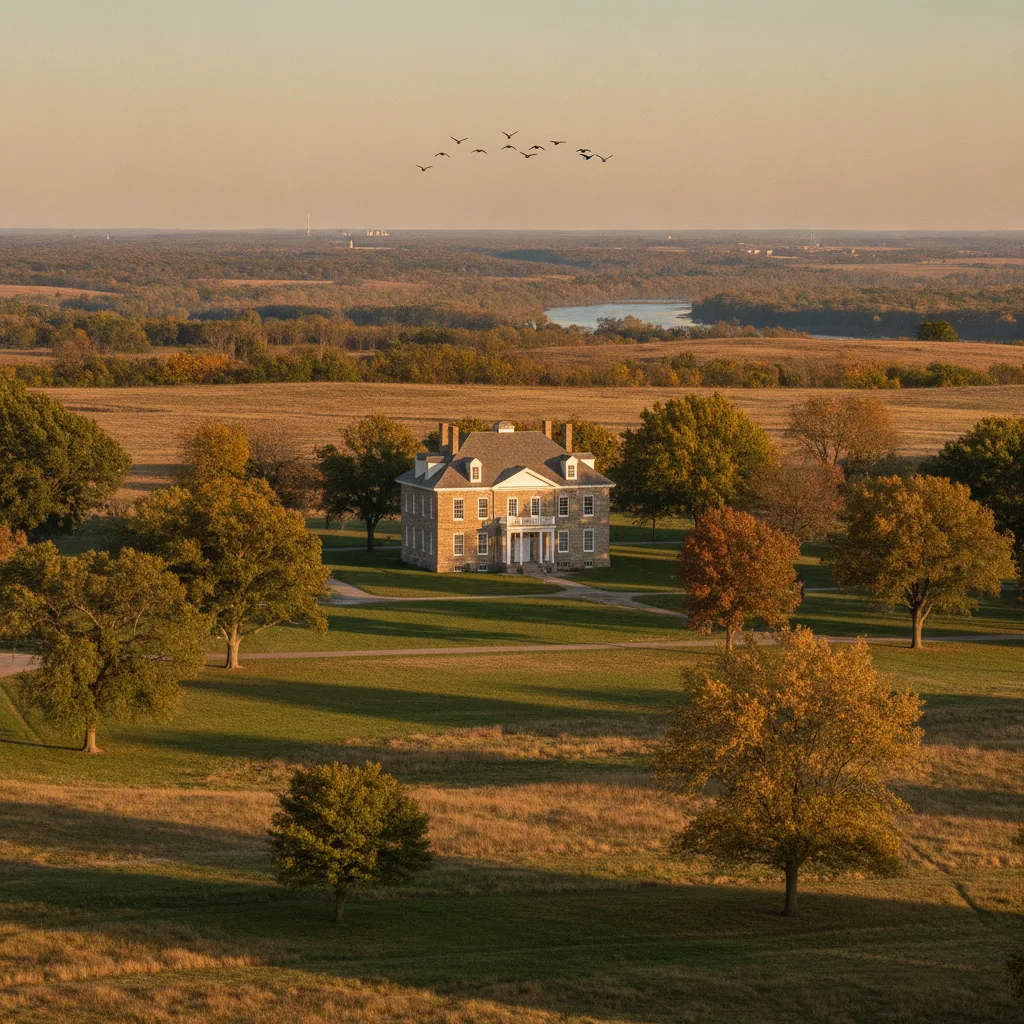
Frontier Military Historic Byway Travel Guide — Kansas
Our Frontier Military Historic Byway guide covers practical planning for the Frontier Military Historic Byway Kansas — best time to visit, getting there, and what to do on the ground. This comprehensive resource, crafted by the Roam States editorial team, is designed to help you navigate one of America's most historically significant scenic drives.
Why Visit Frontier Military Historic Byway
For history buffs, nature lovers, and anyone seeking a deeper understanding of America's westward expansion, the Frontier Military Historic Byway Kansas offers an unparalleled journey. This isn't just a drive; it's a living history lesson, tracing the very paths trod by soldiers, settlers, and Native Americans during a pivotal and often tumultuous period. We believe it's one of the most compelling ways to connect with the foundational stories of the American Midwest, particularly the intense "Bleeding Kansas" era that directly preceded the Civil War.
The byway connects a series of meticulously preserved forts, battlefields, and historic sites that paint a vivid picture of frontier life. You'll witness the strategic importance of these military outposts, understand the challenges faced by those who lived and died on the plains, and gain insight into the complex social and political forces that shaped the nation. Our team consistently finds that experiencing these sites firsthand provides a much richer understanding than any textbook ever could. It's an opportunity to walk in the footsteps of history and feel the echoes of the past.
Who It's Best For
The Frontier Military Historic Byway is ideal for a diverse range of travelers. It's a perfect fit for history enthusiasts, particularly those interested in the Civil War, westward expansion, and Native American history. Families with older children will find the interactive exhibits and open spaces engaging, offering a tangible connection to their history lessons. Educators and students will appreciate the wealth of primary source material and educational opportunities available at the various sites.
Beyond history, the byway appeals to road trippers looking for a scenic drive with purpose. The route winds through rolling Kansas landscapes, offering glimpses of prairie, woodlands, and charming small towns. Nature lovers will appreciate the proximity to natural areas and the chance to observe local wildlife. Ultimately, if you value immersive experiences over passive sightseeing and are eager to explore the foundational stories of the American heartland, this byway is undoubtedly for you. It's a journey that offers both intellectual stimulation and scenic beauty.
Getting There & Parking
The Frontier Military Historic Byway Kansas stretches approximately 170 miles through Eastern Kansas, generally following U.S. 69 and K-7 highways. To begin your journey, you'll typically start at either Fort Leavenworth in the north or Fort Scott in the south, though you can certainly travel it in either direction. For most visitors, flying into Kansas City International Airport (MCI) is the most convenient option, from which you can rent a car and drive south to Fort Leavenworth (approximately 30-45 minutes) or southeast to Fort Scott (approximately 1.5-2 hours).
When considering how to get to Frontier Military Historic Byway, personal vehicle is by far the most practical method. Public transportation is not a viable option for traversing the byway's length or accessing its individual sites. We recommend a comfortable car that allows for easy stops and scenic detours. Navigation is straightforward, as the byway is well-marked with distinctive signage, though we always suggest having a physical map or a downloaded offline map on your device, especially in more rural stretches.
Regarding Frontier Military Historic Byway parking, you'll find ample and generally free parking at all major historic sites and attractions along the route. Fort Leavenworth, being an active military installation, requires visitors to stop at the visitor center for a pass and vehicle inspection before entering the base. Be prepared to show a valid government-issued ID (such as a driver's license or passport) and vehicle registration. Specific entry requirements and hours for the Fort Leavenworth Visitor Center in 2026 should be verified closer to your travel date, but typically it operates Monday through Friday during business hours.
At Fort Scott National Historic Site, there is a dedicated visitor parking lot just off the main entrance, which is free of charge. Mine Creek Battlefield State Historic Site also offers a free parking area. Smaller sites and roadside markers usually have pull-offs or small parking lots. We've found that parking is rarely an issue, even during peak season, making the logistics of exploring the byway quite manageable.
Top Things to Do
The Frontier Military Historic Byway is packed with compelling sites, offering a rich tapestry of history and natural beauty. Here are our top things to do at Frontier Military Historic Byway, showcasing the best of what Eastern Kansas has to offer:
- Fort Leavenworth (Leavenworth): As the oldest continuously active U.S. Army post west of Washington, D.C., Fort Leavenworth is a cornerstone of the byway. Explore the Frontier Army Museum, which houses an impressive collection of artifacts from 1804 to 1916, detailing the history of the frontier army. The museum is generally open Tuesday through Saturday, 10 AM to 4 PM, with free admission. Access to the fort requires a visitor pass, which can be obtained at the Main Gate Visitor Center. Don't miss the historic homes and the National Cemetery within the fort.
- Fort Scott National Historic Site (Fort Scott): This beautifully restored fort transports you directly to the 1840s and 1850s. Ranger-led tours and living history demonstrations bring the past to life, illustrating the daily routines of soldiers, dragoons, and civilians. The park is open year-round, with the visitor center typically open from 8:30 AM to 4:30 PM daily, though hours may vary seasonally. Admission to the grounds and visitor center is free. We highly recommend allocating at least half a day here to fully appreciate its significance.
- Mine Creek Battlefield State Historic Site (Pleasanton): Site of the second-largest Civil War battle in Kansas, this battlefield offers a somber yet important glimpse into the "Bleeding Kansas" era. A visitor center provides context, and walking trails allow you to explore the battlefield itself. The visitor center is typically open Wednesday through Saturday, 10 AM to 5 PM, and Sunday, 1 PM to 5 PM, with free admission. It’s a powerful experience to stand where such a pivotal conflict unfolded.
- John Brown Museum State Historic Site (Osawatomie): This small but significant site preserves the cabin where abolitionist John Brown lived and planned his anti-slavery efforts. The museum provides context on Brown's role in the Bleeding Kansas conflicts. The site is typically open seasonally, from April to October, Wednesday through Saturday, 10 AM to 5 PM, and Sunday, 1 PM to 5 PM, with a small admission fee for adults.
- Marais des Cygnes National Wildlife Refuge (Pleasanton): While not a military site, this refuge is located near key byway attractions and offers a peaceful contrast. It preserves a significant bottomland hardwood forest and wetland ecosystem, providing excellent opportunities for birdwatching, hiking, and wildlife viewing. The refuge is generally open from dawn to dusk, with visitor center hours typically Monday through Friday. There are no fees for entry. This is one of our favorite things to do in Eastern Kansas for a dose of nature.
- Battle of Black Jack Site (Baldwin City): Considered the first battle of the Civil War, preceding Fort Sumter by five years, this site commemorates John Brown's victory over pro-slavery forces. It's a more rustic site, with interpretive panels guiding visitors through the historical events. There are no facilities or fees, and it's accessible during daylight hours.
- Visit other historic towns: Many small towns along the byway, such as Paola, Mound City, and Garnett, offer charming main streets, local diners, and additional historical markers that add to the overall experience of the Frontier Military Historic Byway Kansas.
Beyond the byway itself, Eastern Kansas offers other remarkable destinations. Consider a detour north to Topeka to visit the Brown v. Board of Education National Historic Site, a crucial landmark in the Civil Rights Movement. Or, venture west to experience the vast beauty of the Tallgrass Prairie National Preserve, a testament to Kansas's natural heritage. These additional things to do in Eastern Kansas can easily extend your trip.
Best Time to Visit
Our team consistently recommends visiting the Frontier Military Historic Byway during the spring (April to early June) or fall (September to October). During these seasons, the weather is typically mild and pleasant, making it ideal for exploring outdoor sites and walking trails. Spring brings blooming wildflowers and lush green landscapes, while fall offers stunning foliage, particularly in the forested areas around the forts.
Summer (July and August) can be quite hot and humid in Kansas, with temperatures often exceeding 90°F (32°C). While all sites remain open, extensive outdoor exploration can be less comfortable. If you do visit in summer, we suggest planning your outdoor activities for early mornings or late afternoons and taking advantage of air-conditioned visitor centers and museums during the hottest parts of the day. Winter (November to March) can bring cold temperatures, snow, and ice, which may limit access to some unpaved areas or make driving less enjoyable. Some smaller sites may also have reduced hours or seasonal closures during the winter months. For the best time to visit Frontier Military Historic Byway, stick to the shoulder seasons for optimal comfort and scenery.
Where to Stay Nearby
While the Frontier Military Historic Byway itself is a driving route, you'll want comfortable accommodations at either end or strategically located along the way. Our team recommends focusing your Frontier Military Historic Byway lodging search in the larger towns that serve as gateways to the byway, such as Leavenworth, Fort Scott, or even the Kansas City metropolitan area if you prefer a wider range of options.
- Leavenworth: As the northern anchor of the byway, Leavenworth offers several hotel chains, including options like the Fairfield Inn & Suites and the Holiday Inn Express. These provide reliable, comfortable stays with amenities like complimentary breakfast and Wi-Fi. You'll also find a few charming bed and breakfasts in the historic downtown area, offering a more personalized experience.
- Fort Scott: At the southern end, Fort Scott provides a good selection of lodging. The Lyons' Victorian Mansion offers a unique historic stay, while chain hotels like the Sleep Inn & Suites and the Comfort Inn provide modern conveniences. Staying in Fort Scott allows for easy access to the Fort Scott National Historic Site and the surrounding area.
- Paola/Osawatomie Area: For a more central base, consider smaller towns like Paola or Osawatomie. While options are more limited, you might find local motels or vacation rentals that offer a quieter, more authentic small-town experience. These can be excellent choices for Frontier Military Historic Byway lodging if you prefer to break up your drive.
- Kansas City Metropolitan Area: If you're flying into Kansas City, staying there for your first or last night provides the broadest range of hotels, from luxury to budget. From Kansas City, you can easily drive to Fort Leavenworth to begin your byway adventure.
When searching for the best hotels near Frontier Military Historic Byway, we always advise booking in advance, especially during peak travel seasons (spring and fall) or if your visit coincides with local events. This ensures you secure your preferred accommodations and can focus on enjoying the historical journey.
Sample 2-Day Itinerary
To truly appreciate the Frontier Military Historic Byway, we suggest dedicating at least two full days. This allows for thorough exploration of the major sites without feeling rushed. Here’s a sample itinerary starting from the north, though it can easily be reversed:
Day 1: Forts and Frontier Life
- Morning (Leavenworth): Arrive in Leavenworth. Obtain your visitor pass for Fort Leavenworth (allow extra time for this process). Spend the morning exploring the Frontier Army Museum, immersing yourselves in the history of the frontier military. Take a driving tour of the fort's historic grounds and visit the National Cemetery.
- Lunch (Leavenworth): Enjoy lunch at a local eatery in downtown Leavenworth.
- Afternoon (Southbound Drive & Black Jack): Begin your drive south on the Frontier Military Historic Byway. Your first significant stop will be the Battle of Black Jack Site near Baldwin City. Spend an hour walking the interpretive trails and learning about this pivotal pre-Civil War skirmish.
- Late Afternoon (Osawatomie): Continue to Osawatomie to visit the John Brown Museum State Historic Site. Explore the cabin and learn about Brown's role in the Bleeding Kansas conflicts.
- Evening (Paola/Overnight): Drive to Paola or a nearby town for dinner and overnight Frontier Military Historic Byway lodging.
Day 2: Battlefields and Fortified History
- Morning (Mine Creek): After breakfast, head south to the Mine Creek Battlefield State Historic Site near Pleasanton. Explore the visitor center and walk the grounds of this significant Civil War battlefield. Allow 1.5-2 hours here.
- Late Morning (Marais des Cygnes): For a change of pace, visit the Marais des Cygnes National Wildlife Refuge. Enjoy a short hike or some birdwatching, appreciating the natural beauty of the region.
- Lunch (Fort Scott): Drive to Fort Scott and have lunch in the historic downtown area.
- Afternoon (Fort Scott): Dedicate your entire afternoon to exploring the Fort Scott National Historic Site. Take a ranger-led tour, witness living history demonstrations, and wander through the reconstructed fort buildings. This is a highlight of the byway and deserves ample time.
- Late Afternoon/Evening (Departure): From Fort Scott, you can either begin your journey home or continue exploring other parts of Kansas. Consider extending your trip to visit destinations like the Hutchinson Cosmosphere, a world-class space museum, or the unique underground experience of the Strataca Salt Mine, both accessible from central Kansas. For more ideas across the state, see our guide to Best places in Kansas.
Is It Worth Visiting?
Absolutely, the Frontier Military Historic Byway Kansas is unequivocally worth visiting. Our team, having explored countless scenic routes across the nation, can confidently say that this byway offers a unique and profound experience that goes far beyond a simple drive. It's a journey through a critical period of American history, where the struggles for freedom, land, and national identity played out on the Kansas plains.
The byway's value lies not just in its historical significance but also in the quality of its preserved sites and the immersive stories they tell. From the active military post of Fort Leavenworth to the meticulously reconstructed Fort Scott, each stop provides tangible connections to the past. For those who seek to understand the complexities of the Bleeding Kansas era and the broader narrative of westward expansion, the Frontier Military Historic Byway offers an unparalleled educational and emotionally resonant experience. It’s a powerful reminder of the sacrifices and decisions that shaped the United States, making it a truly enriching and worthwhile destination for any traveler.
FAQ Longtails
Frontier Military Historic Byway with kids
Visiting the Frontier Military Historic Byway with kids can be a rewarding educational experience, especially for those aged 8 and up. Many sites, like Fort Scott National Historic Site, offer ranger programs and living history demonstrations that bring history to life in an engaging way. The open spaces at battlefields like Mine Creek provide room for kids to explore (under supervision), and the museums offer interactive exhibits. We recommend preparing them with some historical context beforehand and focusing on the most engaging sites to maintain their interest. Pack snacks, drinks, and allow for plenty of breaks.
best hotels near Frontier Military Historic Byway
The best hotels near Frontier Military Historic Byway are generally found in the larger towns at either end of the route. In the north, Leavenworth offers reliable chain hotels like Fairfield Inn & Suites and Holiday Inn Express. In the south, Fort Scott has options such as Sleep Inn & Suites, Comfort Inn, and the historic Lyons' Victorian Mansion. For a wider range of choices, consider staying in the Kansas City metropolitan area and commuting to Fort Leavenworth to start your journey. Booking in advance is always a good tip, especially during peak seasons.
Frontier Military Historic Byway tips
Our top Frontier Military Historic Byway tips include planning your route in advance, especially if you have limited time. Download offline maps as cell service can be spotty in rural areas. Wear comfortable shoes for walking around the historic sites and battlefields. Bring water, snacks, and sunscreen, particularly during warmer months. Always check the current operating hours and any special access requirements (like for Fort Leavenworth) before your visit, as these can change. Allow plenty of time at each major site to fully appreciate the history.
where to stay near Frontier Military Historic Byway
When deciding where to stay near Frontier Military Historic Byway, your best options are the towns of Leavenworth and Fort Scott, which bookend the byway and offer the most amenities. Leavenworth provides convenient access to Fort Leavenworth and is close to Kansas City. Fort Scott is ideal for exploring the Fort Scott National Historic Site and Mine Creek Battlefield. Smaller towns along the route, such as Paola, might offer limited local lodging or vacation rentals for a more central, quiet stay.
Frontier Military Historic Byway parking
Frontier Military Historic Byway parking is generally straightforward and free at all major historic sites and attractions. Fort Leavenworth, as an active military base, requires visitors to stop at the Main Gate Visitor Center for a pass and vehicle inspection before entering, so be prepared with ID and vehicle registration. Fort Scott National Historic Site has a dedicated, free parking lot. Smaller sites typically have pull-offs or small, unpaved parking areas. We've found parking to be ample and rarely an issue.
best time to visit Frontier Military Historic Byway
The best time to visit Frontier Military Historic Byway is during the spring (April to early June) or fall (September to October). These seasons offer mild temperatures, comfortable conditions for outdoor exploration, and beautiful scenery with wildflowers in spring and colorful foliage in fall. Summer can be hot and humid, while winter can bring cold temperatures and snow, potentially limiting access or comfort for outdoor activities.
Our team at Roam States believes the Frontier Military Historic Byway is more than just a drive—it's an essential pilgrimage for anyone seeking to understand the formative years of the American West and the profound impact of the Bleeding Kansas era. We encourage you to take your time, absorb the stories, and connect with this pivotal chapter of our nation's history.
Last updated: 2026-07-05 by the Roam States team.
Frontier Military Historic Byway Travel Guide — Kansas
Our Frontier Military Historic Byway guide covers practical planning for the Frontier Military Historic Byway Kansas — best time to visit, getting there, and what to do on the ground. This comprehensive resource, crafted by the Roam States editorial team, is designed to help you navigate one of America's most historically significant scenic drives.
Why Visit Frontier Military Historic Byway
For history buffs, nature lovers, and anyone seeking a deeper understanding of America's westward expansion, the Frontier Military Historic Byway Kansas offers an unparalleled journey. This isn't just a drive; it's a living history lesson, tracing the very paths trod by soldiers, settlers, and Native Americans during a pivotal and often tumultuous period. We believe it's one of the most compelling ways to connect with the foundational stories of the American Midwest, particularly the intense "Bleeding Kansas" era that directly preceded the Civil War.
The byway connects a series of meticulously preserved forts, battlefields, and historic sites that paint a vivid picture of frontier life. You'll witness the strategic importance of these military outposts, understand the challenges faced by those who lived and died on the plains, and gain insight into the complex social and political forces that shaped the nation. Our team consistently finds that experiencing these sites firsthand provides a much richer understanding than any textbook ever could. It's an opportunity to walk in the footsteps of history and feel the echoes of the past.
Who It's Best For
The Frontier Military Historic Byway is ideal for a diverse range of travelers. It's a perfect fit for history enthusiasts, particularly those interested in the Civil War, westward expansion, and Native American history. Families with older children will find the interactive exhibits and open spaces engaging, offering a tangible connection to their history lessons. Educators and students will appreciate the wealth of primary source material and educational opportunities available at the various sites.
Beyond history, the byway appeals to road trippers looking for a scenic drive with purpose. The route winds through rolling Kansas landscapes, offering glimpses of prairie, woodlands, and charming small towns. Nature lovers will appreciate the proximity to natural areas and the chance to observe local wildlife. Ultimately, if you value immersive experiences over passive sightseeing and are eager to explore the foundational stories of the American heartland, this byway is undoubtedly for you. It's a journey that offers both intellectual stimulation and scenic beauty.
Getting There & Parking
The Frontier Military Historic Byway Kansas stretches approximately 167 to 168 miles through Eastern Kansas, generally following U.S. 69 and K-7 highways. To begin your journey, you'll typically start at either Fort Leavenworth in the north or Fort Scott in the south, though you can certainly travel it in either direction. For most visitors, flying into Kansas City International Airport (MCI) is the most convenient option, from which you can rent a car and drive south to Fort Leavenworth (approximately 30-45 minutes) or southeast to Fort Scott (approximately 1.5-2 hours).
When considering how to get to Frontier Military Historic Byway, a personal vehicle is by far the most practical method. Public transportation is not a viable option for traversing the byway's length or accessing its individual sites. We recommend a comfortable car that allows for easy stops and scenic detours. Navigation is straightforward, as the byway is well-marked with distinctive signage, though we always suggest having a physical map or a downloaded offline map on your device, especially in more rural stretches.
Regarding Frontier Military Historic Byway parking, you'll find ample and generally free parking at all major historic sites and attractions along the route. Fort Leavenworth, being an active military installation, requires visitors to stop at the Visitor Control Center (VCC) at the corner of Metropolitan Avenue and 4th Street for a pass and vehicle inspection before entering the base. Be prepared to show a valid government-issued ID (such as a driver's license or passport) and vehicle registration. All passengers 16 and over will also need a driver's license or other photo ID. The VCC is typically open Monday through Friday from 7 AM to 4 PM. The Fort Leavenworth Online Visitor Registration Portal is also available, allowing virtual passes to be attached to a visitor's ID, though you cannot register more than 10 days in advance.
At Fort Scott National Historic Site, there is a dedicated visitor parking lot just off the main entrance, which is free of charge. Mine Creek Battlefield State Historic Site also offers a free parking area. Smaller sites and roadside markers usually have pull-offs or small parking lots. We've found that parking is rarely an issue, even during peak season, making the logistics of exploring the byway quite manageable.
Top Things to Do
The Frontier Military Historic Byway is packed with compelling sites, offering a rich tapestry of history and natural beauty. Here are our top things to do at Frontier Military Historic Byway, showcasing the best of what Eastern Kansas has to offer:
- Fort Leavenworth (Leavenworth): As the oldest continuously active U.S. Army post west of Washington, D.C., Fort Leavenworth is a cornerstone of the byway. Explore the Frontier Army Museum, which houses an impressive collection of artifacts from 1804 to 1916, detailing the history of the frontier army. The museum is generally open Tuesday through Saturday, 10 AM to 4 PM, with free admission. Access to the fort requires a visitor pass, which can be obtained at the Main Gate Visitor Control Center. Don't miss the historic homes and the National Cemetery within the fort.
- Fort Scott National Historic Site (Fort Scott): This beautifully restored fort transports you directly to the 1840s and 1850s. Ranger-led tours and living history demonstrations bring the past to life, illustrating the daily routines of soldiers, dragoons, and civilians. The park grounds are open daily from a half-hour before sunrise until a half-hour after sunset. The visitor center and exhibit areas are open Friday through Tuesday from 8:30 AM to 4:30 PM, and closed on Thanksgiving, Christmas, and New Year's Day. Admission to the grounds and visitor center is free. We highly recommend allocating at least half a day here to fully appreciate its significance.
- Mine Creek Battlefield State Historic Site (Pleasanton): Site of the second-largest Civil War battle in Kansas, this battlefield offers a somber yet important glimpse into the "Bleeding Kansas" era. A visitor center provides context, and walking trails allow you to explore the battlefield itself. The visitor center is typically open Wednesday through Saturday, 10 AM to 5 PM, and Sunday, 1 PM to 5 PM, with free admission. It’s a powerful experience to stand where such a pivotal conflict unfolded.
- John Brown Museum State Historic Site (Osawatomie): This small but significant site preserves the cabin where abolitionist John Brown lived and planned his anti-slavery efforts. The museum provides context on Brown's role in the Bleeding Kansas conflicts. The site is typically open seasonally, from April to October, Wednesday through Saturday, 10 AM to 5 PM, and Sunday, 1 PM to 5 PM, with a small admission fee for adults.
- Marais des Cygnes National Wildlife Refuge (Pleasanton): While not a military site, this refuge is located near key byway attractions and offers a peaceful contrast. It preserves a significant bottomland hardwood forest and wetland ecosystem, providing excellent opportunities for birdwatching, hiking, and wildlife viewing. The refuge is generally open from dawn to dusk, with visitor center hours typically Monday through Friday. There are no fees for entry. This is one of our favorite things to do in Eastern Kansas for a dose of nature.
- Battle of Black Jack Site (Baldwin City): Considered by many to be the first pitched battle of the Civil War, preceding Fort Sumter by five years, this site commemorates John Brown's victory over pro-slavery forces. It's a more rustic site, with interpretive panels guiding visitors through the historical events. The Black Jack Battlefield and Nature Park is open year-round from dawn to dusk for self-guided tours. Private and group tours are available by appointment for a nominal fee. There are no general fees for entry for self-guided tours.
- Visit other historic towns: Many small towns along the byway, such as Paola, Mound City, and Garnett, offer charming main streets, local diners, and additional historical markers that add to the overall experience of the Frontier Military Historic Byway Kansas.
Beyond the byway itself, Eastern Kansas offers other remarkable destinations. Consider a detour north to Topeka to visit the Brown v. Board of Education National Historic Site, a crucial landmark in the Civil Rights Movement. Or, venture west to experience the vast beauty of the Tallgrass Prairie National Preserve, a testament to Kansas's natural heritage. These additional things to do in Eastern Kansas can easily extend your trip.
Best Time to Visit
Our team consistently recommends visiting the Frontier Military Historic Byway during the spring (April to early June) or fall (September to October). During these seasons, the weather is typically mild and pleasant, making it ideal for exploring outdoor sites and walking trails. Spring brings blooming wildflowers and lush green landscapes, while fall offers stunning foliage, particularly in the forested areas around the forts.
Summer (July and August) can be quite hot and humid in Kansas, with temperatures often exceeding 90°F (32°C). While all sites remain open, extensive outdoor exploration can be less comfortable. If you do visit in summer, we suggest planning your outdoor activities for early mornings or late afternoons and taking advantage of air-conditioned visitor centers and museums during the hottest parts of the day. Winter (November to March) can bring cold temperatures, snow, and ice, which may limit access to some unpaved areas or make driving less enjoyable. Some smaller sites may also have reduced hours or seasonal closures during the winter months. For the best time to visit Frontier Military Historic Byway, stick to the shoulder seasons for optimal comfort and scenery.
Where to Stay Nearby
While the Frontier Military Historic Byway itself is a driving route, you'll want comfortable accommodations at either end or strategically located along the way. Our team recommends focusing your Frontier Military Historic Byway lodging search in the larger towns that serve as gateways to the byway, such as Leavenworth, Fort Scott, or even the Kansas City metropolitan area if you prefer a wider range of options.
- Leavenworth: As the northern anchor of the byway, Leavenworth offers several hotel chains, including options like the Fairfield Inn & Suites, Home2 Suites by Hilton Downtown, Hampton Inn, and Holiday Inn Express. These provide reliable, comfortable stays with amenities like complimentary breakfast and Wi-Fi. You'll also find a few charming bed and breakfasts in the historic downtown area, offering a more personalized experience.
- Fort Scott: At the southern end, Fort Scott provides a good selection of lodging. The Courtland Hotel & Spa offers a unique historic stay, while chain hotels like the Sleep Inn & Suites, Travelodge by Wyndham, Super 8 by Wyndham, and Budgetel Inn & Suites provide modern conveniences. Staying in Fort Scott allows for easy access to the Fort Scott National Historic Site and the surrounding area.
- Paola/Osawatomie Area: For a more central base, consider smaller towns like Paola or Osawatomie. While options are more limited, you might find local motels or vacation rentals that offer a quieter, more authentic small-town experience. These can be excellent choices for Frontier Military Historic Byway lodging if you prefer to break up your drive.
- Kansas City Metropolitan Area: If you're flying into Kansas City, staying there for your first or last night provides the broadest range of hotels, from luxury to budget. From Kansas City, you can easily drive to Fort Leavenworth to begin your byway adventure.
When searching for the best hotels near Frontier Military Historic Byway, we always advise booking in advance, especially during peak travel seasons (spring and fall) or if your visit coincides with local events. This ensures you secure your preferred accommodations and can focus on enjoying the historical journey.
Sample 2-Day Itinerary
To truly appreciate the Frontier Military Historic Byway, we suggest dedicating at least two full days. This allows for thorough exploration of the major sites without feeling rushed. Here’s a sample itinerary starting from the north, though it can easily be reversed:
Day 1: Forts and Frontier Life
- Morning (Leavenworth): Arrive in Leavenworth. Obtain your visitor pass for Fort Leavenworth (allow extra time for this process). Spend the morning exploring the Frontier Army Museum, immersing yourselves in the history of the frontier military. Take a driving tour of the fort's historic grounds and visit the National Cemetery.
- Lunch (Leavenworth): Enjoy lunch at a local eatery in downtown Leavenworth.
- Afternoon (Southbound Drive & Black Jack): Begin your drive south on the Frontier Military Historic Byway. Your first significant stop will be the Battle of Black Jack Site near Baldwin City. Spend an hour walking the interpretive trails and learning about this pivotal pre-Civil War skirmish.
- Late Afternoon (Osawatomie): Continue to Osawatomie to visit the John Brown Museum State Historic Site. Explore the cabin and learn about Brown's role in the Bleeding Kansas conflicts.
- Evening (Paola/Overnight): Drive to Paola or a nearby town for dinner and overnight Frontier Military Historic Byway lodging.
Day 2: Battlefields and Fortified History
- Morning (Mine Creek): After breakfast, head south to the Mine Creek Battlefield State Historic Site near Pleasanton. Explore the visitor center and walk the grounds of this significant Civil War battlefield. Allow 1.5-2 hours here.
- Late Morning (Marais des Cygnes): For a change of pace, visit the Marais des Cygnes National Wildlife Refuge. Enjoy a short hike or some birdwatching, appreciating the natural beauty of the region.
- Lunch (Fort Scott): Drive to Fort Scott and have lunch in the historic downtown area.
- Afternoon (Fort Scott): Dedicate your entire afternoon to exploring the Fort Scott National Historic Site. Take a ranger-led tour, witness living history demonstrations, and wander through the reconstructed fort buildings. This is a highlight of the byway and deserves ample time.
- Late Afternoon/Evening (Departure): From Fort Scott, you can either begin your journey home or continue exploring other parts of Kansas. Consider extending your trip to visit destinations like the Hutchinson Cosmosphere, a world-class space museum, or the unique underground experience of the Strataca Salt Mine, both accessible from central Kansas. For more ideas across the state, see our guide to Best places in Kansas.
Is It Worth Visiting?
Absolutely, the Frontier Military Historic Byway Kansas is unequivocally worth visiting. Our team, having explored countless scenic routes across the nation, can confidently say that this byway offers a unique and profound experience that goes far beyond a simple drive. It's a journey through a critical period of American history, where the struggles for freedom, land, and national identity played out on the Kansas plains.
The byway's value lies not just in its historical significance but also in the quality of its preserved sites and the immersive stories they tell. From the active military post of Fort Leavenworth to the meticulously reconstructed Fort Scott, each stop provides tangible connections to the past. For those who seek to understand the complexities of the Bleeding Kansas era and the broader narrative of westward expansion, the Frontier Military Historic Byway offers an unparalleled educational and emotionally resonant experience. It’s a powerful reminder of the sacrifices and decisions that shaped the United States, making it a truly enriching and worthwhile destination for any traveler.
FAQ Longtails
Frontier Military Historic Byway with kids
Visiting the Frontier Military Historic Byway with kids can be a rewarding educational experience, especially for those aged 8 and up. Many sites, like Fort Scott National Historic Site, offer ranger programs and living history demonstrations that bring history to life in an engaging way. The open spaces at battlefields like Mine Creek provide room for kids to explore (under supervision), and the museums offer interactive exhibits. We recommend preparing them with some historical context beforehand and focusing on the most engaging sites to maintain their interest. Pack snacks, drinks, and allow for plenty of breaks.
best hotels near Frontier Military Historic Byway
The best hotels near Frontier Military Historic Byway are generally found in the larger towns at either end of the route. In the north, Leavenworth offers reliable chain hotels like Fairfield Inn & Suites, Home2 Suites by Hilton Downtown, and Hampton Inn. In the south, Fort Scott has options such as Sleep Inn & Suites, Comfort Inn, Travelodge by Wyndham, and the historic Lyons' Victorian Mansion. For a wider range of choices, consider staying in the Kansas City metropolitan area and commuting to Fort Leavenworth to start your journey. Booking in advance is always a good tip, especially during peak seasons.
Frontier Military Historic Byway tips
Our top Frontier Military Historic Byway tips include planning your route in advance, especially if you have limited time. Download offline maps as cell service can be spotty in rural areas. Wear comfortable shoes for walking around the historic sites and battlefields. Bring water, snacks, and sunscreen, particularly during warmer months. Always check the current operating hours and any special access requirements (like for Fort Leavenworth) before your visit, as these can change. Allow plenty of time at each major site to fully appreciate the history.
where to stay near Frontier Military Historic Byway
When deciding where to stay near Frontier Military Historic Byway, your best options are the towns of Leavenworth and Fort Scott, which bookend the byway and offer the most amenities. Leavenworth provides convenient access to Fort Leavenworth and is close to Kansas City. Fort Scott is ideal for exploring the Fort Scott National Historic Site and Mine Creek Battlefield. Smaller towns along the route, such as Paola, might offer limited local lodging or vacation rentals for a more central, quiet stay.
Frontier Military Historic Byway parking
Frontier Military Historic Byway parking is generally straightforward and free at all major historic sites and attractions. Fort Leavenworth, as an active military base, requires visitors to stop at the Main Gate Visitor Control Center for a pass and vehicle inspection before entering, so be prepared with ID and vehicle registration. Fort Scott National Historic Site has a dedicated, free parking lot. Smaller sites typically have pull-offs or small, unpaved parking areas. We've found parking to be ample and rarely an issue.
best time to visit Frontier Military Historic Byway
The best time to visit Frontier Military Historic Byway is during the spring (April to early June) or fall (September to October). These seasons offer mild temperatures, comfortable conditions for outdoor exploration, and beautiful scenery with wildflowers in spring and colorful foliage in fall. Summer can be hot and humid, while winter can bring cold temperatures and snow, potentially limiting access or comfort for outdoor activities.
Our team at Roam States believes the Frontier Military Historic Byway is more than just a drive—it's an essential pilgrimage for anyone seeking to understand the formative years of the American West and the profound impact of the Bleeding Kansas era. We encourage you to take your time, absorb the stories, and connect with this pivotal chapter of our nation's history.
Last updated: 2026-07-05 by the Roam States team.