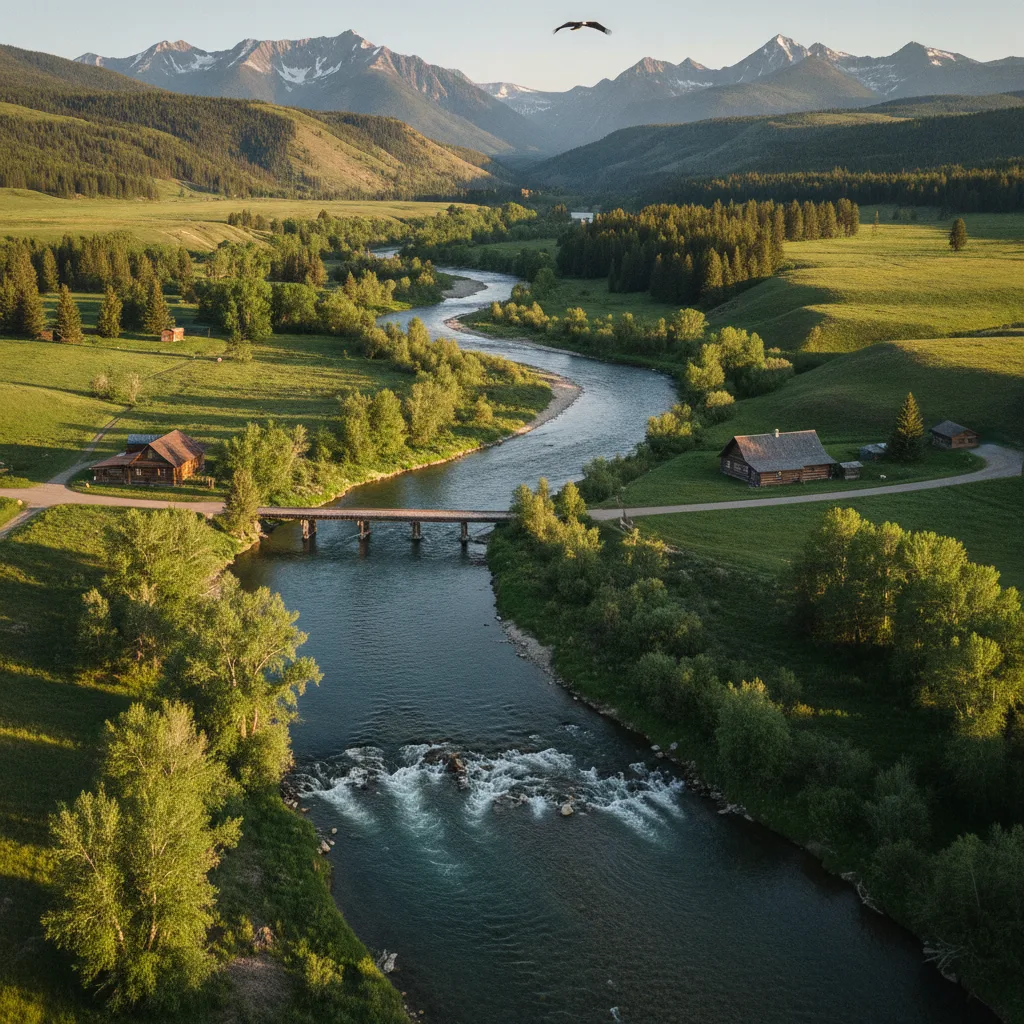
Gallatin River Travel Guide — Montana
Our Gallatin River guide covers practical planning for Gallatin River Montana — best time to visit, getting there, and what to do on the ground.
The Gallatin River in Montana is more than just a waterway; it's an iconic destination renowned for its world-class fly fishing, exhilarating whitewater rafting, and breathtaking scenic beauty. Flowing through a picturesque canyon, this river offers an unparalleled outdoor adventure experience that draws visitors from across the globe. Our team at Roam States has compiled this comprehensive guide to help you navigate the best of what the Gallatin has to offer, ensuring your trip is as memorable as the stunning landscapes you'll encounter.
Why Visit Gallatin River
The allure of the Gallatin River lies in its diverse offerings for outdoor enthusiasts. For anglers, it's a legendary trout fishery, consistently ranking among the top fly-fishing destinations in the United States. The crystal-clear waters teem with rainbow, brown, and cutthroat trout, providing a challenging yet rewarding experience for both seasoned and novice fly fishers. Beyond the rod and reel, the river's spirited currents create prime conditions for whitewater rafting and kayaking, from gentle floats suitable for families to thrilling Class III+ rapids that get the adrenaline pumping. The dramatic Gallatin Canyon, carved by the river over millennia, provides a stunning backdrop for every activity, with towering cliffs, dense forests, and abundant wildlife creating a truly immersive natural experience.
Moreover, the Gallatin River serves as a gateway to some of Montana's most celebrated natural wonders. Its proximity to Yellowstone National Park and Big Sky Resort makes it an ideal base for exploring the wider region. Whether you're seeking solitude in nature, an adrenaline rush on the water, or simply a scenic escape, the Gallatin River Montana delivers an authentic and unforgettable Rocky Mountain adventure.
Who It's Best For
The Gallatin River caters to a wide spectrum of travelers, making it an incredibly versatile destination. It's unequivocally best for outdoor adventurers and nature lovers. Anglers, from beginners taking their first casting lessons to expert fly fishers seeking trophy trout, will find the river's reputation well-deserved. Thrill-seekers eager for whitewater rafting or kayaking will discover sections ranging from mellow floats to exciting rapids. Hikers and backpackers will appreciate the extensive network of trails winding through the surrounding national forests, offering everything from easy strolls to challenging multi-day treks.
Families also find the Gallatin River an excellent choice, with numerous opportunities for scenic drives, wildlife viewing, and guided gentle floats on the river. The area around Big Sky, in particular, offers family-friendly amenities and activities beyond the river itself. Couples looking for a romantic escape amidst stunning scenery will find charming lodges and secluded spots. In essence, if you're drawn to the raw beauty of the American West and seek an active vacation immersed in nature, the Gallatin River is an ideal destination.
Getting There & Parking
Understanding how to get to Gallatin River is straightforward, as it's easily accessible from major transportation hubs in Montana. The most common entry point is via Bozeman Yellowstone International Airport (BZN), located approximately 45-60 minutes north of the main canyon area. From Bozeman, U.S. Highway 191 is the primary route, running directly through the Gallatin Canyon and alongside the river for much of its length. This scenic highway offers numerous pull-offs, access points, and trailheads.
For those traveling from the south, particularly from Yellowstone National Park, Highway 191 also connects directly to West Yellowstone, Montana. This route offers a stunning drive through mountainous terrain, leading you directly into the heart of the Gallatin. Rental cars are highly recommended for exploring the area, as public transportation is limited.
Parking along the Gallatin River is generally available at designated fishing access sites, trailheads, and public recreation areas. Many of these spots are managed by the U.S. Forest Service or Montana Fish, Wildlife & Parks. While most parking at these sites is free, some specific trailheads or developed recreation areas might require a small day-use fee or a valid recreation pass. For example, some sites within the Custer Gallatin National Forest may require a pass, though many informal pull-offs do not. We recommend checking with the Custer Gallatin National Forest service for the most current information regarding any specific fees or permits required for parking at popular trailheads and access points in 2026. It's always wise to arrive early during peak season (summer) to secure a spot, especially at popular fishing access points or whitewater put-in/take-out locations. When planning how to get to Gallatin River, consider checking local conditions and road closures, especially during spring runoff or early winter.
Top Things to Do
When it comes to things to do at Gallatin River, the options are as varied as the landscape itself. Our team has curated the essential experiences you shouldn't miss.
Fly Fishing
The Gallatin River is a mecca for fly fishing, celebrated for its prolific hatches and abundant trout. Anglers can find excellent opportunities for wade fishing along numerous access points or opt for guided float trips. Popular sections include the stretch through the Gallatin Canyon, known for its consistent action, and the calmer waters closer to Bozeman. A valid Montana fishing license is required for all anglers aged 12 and older. For 2026, a non-resident season fishing license costs $100, while a 2-day license is $35. Licenses can be purchased online through Montana Fish, Wildlife & Parks or at various sporting goods stores in Bozeman and Big Sky. We recommend consulting local fly shops for up-to-date reports on hatches and recommended flies.
Whitewater Rafting & Kayaking
For an adrenaline rush, whitewater rafting on the Gallatin is a must. Outfitters offer guided trips ranging from family-friendly scenic floats to thrilling Class III+ rapids, particularly in the "Mad Mile" section of the canyon. The prime season for whitewater rafting typically runs from late May through early September, with peak water levels often occurring in June during snowmelt. Reservations are highly recommended, especially during summer weekends, and several reputable companies operate out of Big Sky and West Yellowstone. Kayakers, both recreational and experienced, also frequent the river, with numerous put-in and take-out points available.
Hiking and Scenic Trails
The area surrounding the Gallatin River is a hiker's paradise. The Gallatin River hiking trails offer diverse terrain and stunning vistas. One of our top recommendations is the Lava Lake Trail, a moderately challenging 6-mile roundtrip hike that leads to a pristine alpine lake nestled beneath towering peaks. Another excellent option is the Ousel Falls Trail near Big Sky, an easier 1.6-mile roundtrip path suitable for families, culminating in a beautiful waterfall. For more extensive backcountry experiences, the trails within the Lee Metcalf Wilderness Area, accessible from various points in the Gallatin Canyon, provide opportunities for multi-day treks and unparalleled solitude. Remember to practice Leave No Trace principles on all Gallatin River hiking trails and be bear aware.
Scenic Drives
U.S. Highway 191, as it winds through the Gallatin Canyon, is a spectacular scenic drive in itself. Pull off at various viewpoints to capture photographs of the river, the canyon walls, and wildlife. This route also provides access to numerous trailheads and picnic areas. Further afield, consider a drive along the Beartooth Highway, often called "America's Most Beautiful Roadway," for an unforgettable high-alpine experience. You can also explore the northern entrance to Yellowstone National Park (North) from this region.
Wildlife Viewing
The Gallatin Canyon and surrounding forests are home to a rich array of wildlife. Keep an eye out for elk, deer, moose, bighorn sheep, and various bird species, including bald eagles and ospreys. While less common, black bears and grizzly bears also inhabit the area, so carrying bear spray and knowing how to use it is always advised when hiking. Early mornings and late evenings are often the best times for wildlife spotting.
These things to do at Gallatin River represent just a fraction of the adventures awaiting you. From tranquil moments by the riverbank to thrilling rapids, the Gallatin promises an unforgettable Montana experience.
Best Time to Visit
The best time to visit the Gallatin River largely depends on your desired activities, as each season offers a distinct experience.
- Summer (June to August): This is peak season and for good reason. The weather is generally warm and sunny, ideal for all outdoor activities. Whitewater rafting is at its prime, with exhilarating water levels in early summer and more moderate flows later in the season. Fly fishing is excellent, with consistent hatches. Hiking trails are clear of snow, and wildlife viewing is abundant. However, expect larger crowds, especially around Big Sky and popular access points. Reservations for lodging and guided trips are essential.
- Fall (September to October): Our team considers fall an exceptionally beautiful time to visit. The crowds thin out, the air is crisp, and the surrounding mountains explode with vibrant autumn colors. Fly fishing remains superb, with many anglers considering it the best time for trophy trout. Hiking is still fantastic, though higher elevation trails may see early snow. Wildlife activity increases as animals prepare for winter. It's a quieter, more serene experience.
- Spring (April to May): Spring is a transitional period. Snowmelt can lead to high, fast-moving water, making whitewater rafting thrilling but potentially challenging, and some fishing access might be limited due to runoff. Hiking at lower elevations is possible, but many higher trails will still be snow-covered. This is a good time for budget travelers looking for fewer crowds, but be prepared for variable weather conditions.
- Winter (November to March): While many river activities pause, the Gallatin Canyon transforms into a winter wonderland. Downhill skiing and snowboarding at nearby Big Sky Resort become the primary draw. Cross-country skiing, snowshoeing, and snowmobiling are popular in designated areas. The river itself offers unique winter fly-fishing opportunities for hardy anglers, often requiring specialized techniques.
For most visitors, especially those interested in a full range of activities, late spring (late May) through early fall (mid-October) offers the most favorable conditions. We recommend checking current weather and river conditions before your trip, especially if planning activities like rafting or fishing.
Where to Stay Nearby
Finding excellent Gallatin River lodging is easy, with options ranging from luxurious resorts to rustic cabins and convenient campgrounds. The choice largely depends on your budget and desired level of amenities.
Big Sky
Located just a short drive from the Gallatin River, Big Sky Resort offers the most comprehensive range of accommodations. Here, you'll find everything from upscale hotels and vacation rentals to condominiums and private homes. Big Sky is ideal for those seeking modern comforts, dining options, and easy access to both river activities and mountain adventures. Many properties offer amenities like pools, hot tubs, and concierge services. This area is a prime spot for Gallatin River lodging if you prefer a resort-style experience.
West Yellowstone
For visitors primarily focused on exploring Yellowstone National Park while also enjoying the Gallatin, West Yellowstone is a strategic choice. This bustling gateway town offers a plethora of hotels, motels, and cabins, often at a slightly more budget-friendly price point than Big Sky. It provides convenient access to the western entrance of Yellowstone and is about a 30-45 minute drive to the southern stretches of the Gallatin River. While not directly on the river, it's a practical base for combining river and park adventures.
Bozeman
Approximately an hour north of the prime Gallatin Canyon, Bozeman offers the widest selection of hotels, from national chains to boutique inns. It's a vibrant college town with a diverse culinary scene, breweries, and cultural attractions like the Museum of the Rockies. Staying in Bozeman is a good option if you prefer a larger town atmosphere and don't mind a slightly longer drive to the river each day. It's also convenient for airport access.
Cabins & Vacation Rentals
Throughout the Gallatin Canyon and the surrounding areas, numerous private cabins and vacation rentals offer a more secluded and authentic Montana experience. These can range from rustic riverside retreats to luxurious homes with stunning views. Websites like Airbnb and VRBO list many such properties, providing options for families or groups seeking more space and self-catering facilities. We recommend booking these well in advance, especially for summer travel.
Camping
For those who prefer to sleep under the stars, several campgrounds are located along or near the Gallatin River, primarily managed by the U.S. Forest Service. These include sites like Red Cliff Campground and Moose Creek Flat Campground. Most campgrounds operate on a first-come, first-served basis, though some may offer reservations through Recreation.gov. For 2026, typical fees for a standard campsite range from $15-$25 per night, depending on amenities. Dispersed camping is also permitted in certain areas of the Custer Gallatin National Forest, following specific regulations and Leave No Trace principles. Always check fire restrictions before setting up camp.
Sample 2-Day Itinerary
Our team has crafted a sample itinerary to help you make the most of your two days exploring the Gallatin River Montana.
Day 1: River Adventures & Scenic Beauty
- Morning (8:00 AM - 12:00 PM): Whitewater Rafting. Start your day with an exhilarating whitewater rafting trip on the Gallatin River. Book a guided tour from one of the many outfitters in Big Sky or West Yellowstone. Choose a section that matches your comfort level, from a scenic float to the thrilling "Mad Mile." Most trips last 2-4 hours.
- Lunch (12:00 PM - 1:00 PM): Riverside Picnic. Pack a lunch to enjoy at one of the many scenic pull-offs or picnic areas along Highway 191 in the Gallatin Canyon.
- Afternoon (1:00 PM - 5:00 PM): Fly Fishing or Hiking. Dedicate your afternoon to either trying your hand at fly fishing (consider a half-day guided trip for beginners) or exploring one of the fantastic Gallatin River hiking trails. The Ousel Falls Trail near Big Sky is a great accessible option, or for something more challenging, head to the Lava Lake Trail.
- Evening (6:00 PM onwards): Dinner & Stargazing. Enjoy dinner at a restaurant in Big Sky, offering everything from casual fare to fine dining. After dark, head away from town lights to experience the incredible dark skies of Montana, perfect for stargazing.
Day 2: Exploration & Relaxation
- Morning (8:00 AM - 12:00 PM): Scenic Drive & Wildlife. Begin with a leisurely drive south on Highway 191 towards West Yellowstone, keeping an eye out for wildlife. Consider a short detour into the northern part of Yellowstone National Park (North) to see the iconic Gardiner Entrance and perhaps Mammoth Hot Springs, or explore the Grizzly & Wolf Discovery Center in West Yellowstone.
- Lunch (12:00 PM - 1:00 PM): Local Eatery. Grab lunch in West Yellowstone or pack a picnic to enjoy along the way.
- Afternoon (1:00 PM - 5:00 PM): Horseback Riding or Mountain Biking. Experience the Montana landscape from a different perspective. Many ranches and outfitters in the Big Sky area offer guided horseback riding tours. Alternatively, explore the extensive network of mountain biking trails around Big Sky Resort.
- Evening (6:00 PM onwards): Relaxation & Reflection. Enjoy a relaxing evening. Perhaps a final dinner in Bozeman if you're heading north, or a quiet meal at your Gallatin River lodging. Reflect on the natural beauty and adventures of the past two days.
This itinerary is flexible and can be adjusted based on your interests and the time of year. Remember to book guided tours and popular accommodations in advance, especially during peak season.
Frequently Asked Questions About the Gallatin River
Gallatin River camping
Camping along the Gallatin River is a fantastic way to immerse yourself in nature. The U.S. Forest Service manages several developed campgrounds within the Custer Gallatin National Forest, such as Red Cliff, Moose Creek Flat, and Spire Rock. These typically offer basic amenities like vault toilets and picnic tables, with fees ranging from $15-$25 per night in 2026. Reservations for some sites can be made via Recreation.gov, though many operate on a first-come, first-served basis. Dispersed camping is also allowed in designated areas of the national forest, provided you adhere to Leave No Trace principles and local regulations, including current fire restrictions. Always check with the Custer Gallatin National Forest office for the most current information on closures, fees, and fire bans before your trip.
things to do in Southwest Montana
Southwest Montana is a treasure trove of outdoor activities and cultural experiences. Beyond the Gallatin River, you can explore the wonders of Yellowstone National Park (North), visit the charming historic town of Virginia City, or delve into the prehistoric past at the Museum of the Rockies in Bozeman. Outdoor enthusiasts can hike and bike around Big Sky Resort, discover the underground marvels of Lewis and Clark Caverns State Park, or take a scenic drive on the Beartooth Highway. For wildlife viewing, the Grizzly & Wolf Discovery Center in West Yellowstone offers guaranteed sightings. This region truly offers a diverse array of adventures for every interest.
Gallatin River with kids
The Gallatin River is a fantastic destination for families with kids, offering a variety of age-appropriate activities. Gentle scenic float trips on the river provide a safe and exciting way for children to experience whitewater rafting. Many outfitters offer family-friendly sections with minimal rapids. Hiking trails like the Ousel Falls Trail near Big Sky are relatively short and easy, leading to rewarding natural features. Kids will also enjoy wildlife spotting along the river and in the surrounding forests. The Grizzly & Wolf Discovery Center in West Yellowstone is an excellent educational stop. Additionally, many accommodations in Big Sky offer kid-friendly amenities, and the resort itself has activities suitable for younger visitors during the summer months.
best hotels near Gallatin River
The best hotels near the Gallatin River are primarily found in Big Sky, West Yellowstone, and Bozeman. In Big Sky, options range from luxury resorts like The Wilson Hotel and Montage Big Sky to more moderately priced hotels and numerous vacation rentals, all offering convenient access to the river and mountain activities. West Yellowstone provides a wide array of hotels and motels, such as the Old Faithful Inn or the Explorer Cabins at Yellowstone, which are ideal for those also visiting Yellowstone National Park. In Bozeman, you'll find a broader selection of national chain hotels, boutique inns, and budget-friendly accommodations. For a more unique experience, consider renting a private cabin or a riverside vacation home in the canyon itself, though these require booking well in advance.
Gallatin River tips
To make the most of your Gallatin River adventure, our team offers a few essential tips. First, book accommodations, guided tours, and popular activities like whitewater rafting well in advance, especially if traveling during the peak summer season. Second, be prepared for variable mountain weather; pack layers, even in summer, and bring rain gear. Third, if you plan to fish, ensure you have a valid Montana fishing license and are familiar with local regulations. Fourth, practice Leave No Trace principles in all your outdoor activities to preserve the river's pristine environment. Finally, always be bear aware when hiking or camping, carrying bear spray and knowing how to use it. For more general travel advice, consult our Plan Your US Trip guide.
where to stay near Gallatin River
When deciding where to stay near the Gallatin River, consider your priorities. If you want direct access to upscale amenities, dining, and a vibrant mountain town atmosphere, Big Sky is your best bet for Gallatin River lodging. For those combining a Gallatin trip with extensive exploration of Yellowstone National Park, West Yellowstone offers a practical and often more budget-friendly base. If you prefer a larger city with more diverse dining, shopping, and cultural attractions, and don't mind a longer drive to the river, Bozeman is a great choice. For a more secluded and immersed experience, look for private cabins or vacation rentals directly within the Gallatin Canyon or utilize one of the many U.S. Forest Service campgrounds for a rustic adventure. You can find more options for Gallatin River lodging in our dedicated section above.
Conclusion
The Gallatin River in Montana stands as a testament to the wild beauty of the American West, offering an unparalleled blend of adventure and tranquility. From the exhilarating rush of its whitewater rapids to the serene focus of fly fishing, and the breathtaking vistas along its canyon, this destination promises an unforgettable experience for every type of traveler. Our team at Roam States encourages you to explore the diverse landscapes of Montana, including the stunning Bighorn Canyon, and to plan your journey to the Gallatin, where memories are forged amidst some of the most spectacular scenery on Earth. We are confident that your visit to the Gallatin River Montana will be nothing short of extraordinary.
Last updated: 2026-07-12 by the Roam States team.