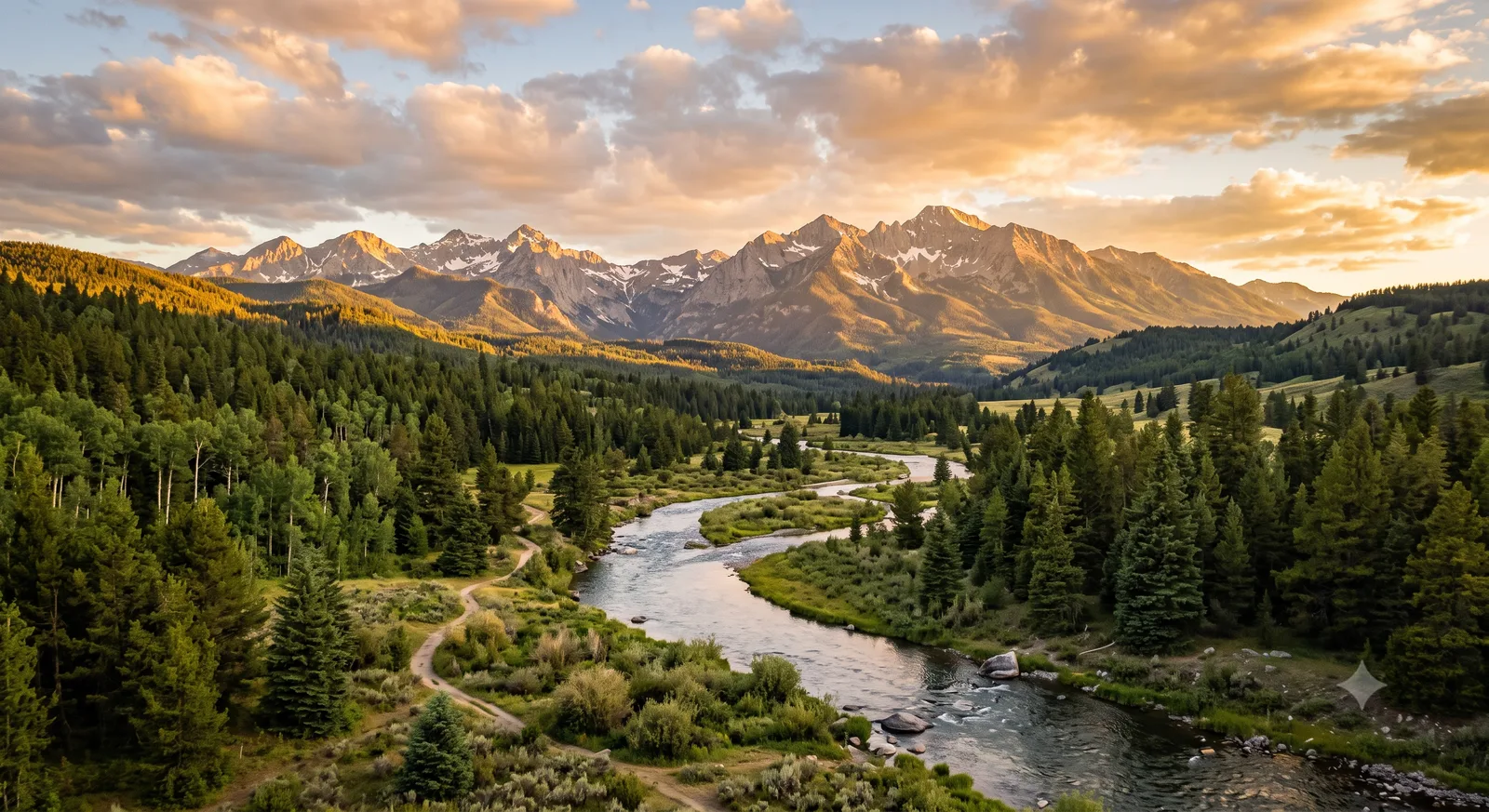
Our Gallatin National Forest guide covers practical planning for Gallatin National Forest Montana — best time to visit, getting there, and what to do on the ground.
Encompassing vast wilderness areas, the Gallatin National Forest Montana provides extensive opportunities for hiking, camping, fishing, and wildlife viewing. It borders Yellowstone National Park and offers stunning mountain scenery. As independent US travel authorities, our team at Roam States is here to help you navigate this incredible landscape with confidence and specific, actionable advice, steering clear of generic travel fluff. We've compiled the essential 2026 facts you need to plan an unforgettable trip.
Why Visit Gallatin National Forest
The allure of Gallatin National Forest lies in its raw, untamed beauty and incredible accessibility to outdoor adventure. Unlike some more heavily regulated national parks, the forest offers a sense of freedom and solitude, allowing visitors to truly immerse themselves in Montana's wild heart. From the rugged peaks of the Absaroka and Beartooth ranges to the winding rivers teeming with trout, the landscapes here are nothing short of spectacular. It's a place where you can escape the crowds, breathe in crisp mountain air, and reconnect with nature on your own terms. The proximity to Yellowstone National Park also makes it an ideal base for exploring both iconic destinations.
Our team consistently recommends Gallatin National Forest for its diverse ecosystems and the sheer scale of its recreational offerings. Whether you're seeking a challenging backcountry trek, a peaceful riverside fishing spot, or simply a scenic drive through towering pines, this forest delivers. The chance to spot iconic wildlife, from elk and deer to grizzly bears, adds an undeniable thrill to any visit. Plus, with over 3 million acres, including portions in southeastern Montana and northwest South Dakota, there's always a new corner to explore.
Who It's Best For
Gallatin National Forest caters to a wide array of outdoor enthusiasts, but it particularly shines for those seeking active, self-reliant adventures. It's an ideal destination for:
- Hikers and Backpackers: With thousands of miles of trails, from easy strolls to strenuous multi-day treks, there's a path for every skill level. The Lee Metcalf and Absaroka-Beartooth Wilderness areas within the forest offer prime backcountry experiences.
- Campers: Both developed campgrounds and extensive dispersed camping opportunities are available, appealing to those who prefer rustic charm or modern amenities.
- Anglers: The Madison, Gallatin, and Yellowstone rivers are renowned for their Class One trout fishing, drawing fly-fishing enthusiasts from across the globe.
- Wildlife Viewers: The forest's diverse habitats support a rich array of wildlife, offering excellent opportunities for spotting animals in their natural environment.
- Families: Many areas offer accessible trails, picnic spots, and developed campgrounds suitable for family outings, though bear safety is paramount.
- Road Trippers: Scenic byways cut through the forest, providing breathtaking views and access to numerous trailheads and points of interest. Consider combining your visit with a drive along the Beartooth Highway for an unparalleled experience.
If you prefer all-inclusive resorts or urban attractions, this might not be your primary destination. However, for those eager to embrace the wild beauty of Montana, Gallatin National Forest is an unparalleled choice.
Getting There & Parking
The Gallatin National Forest is vast, bordering Yellowstone National Park, with major access points near towns like Bozeman and West Yellowstone. Planning your entry and understanding parking regulations is crucial for a smooth trip.
Primary Access Points
- From Bozeman: Bozeman serves as a major gateway to the northern and central parts of the forest. The Bozeman Ranger District office is located at 3710 Fallon Street, Suite C, Bozeman, MT 59718, and is open Monday-Friday, 8 am-4:30 pm MST. From Bozeman, you can access areas like Hyalite Canyon, which is about 30 minutes away.
- From West Yellowstone: For access to the western and southern portions of the forest, particularly those bordering Yellowstone National Park, West Yellowstone is a key entry point. The Hebgen Lake Ranger District office is at 330 Gallatin Rd, West Yellowstone, MT 59758, with hours Monday-Friday, 8 am-12:00 pm and 1:00 pm-4:30 pm MST. The Earthquake Lake Visitor Center, open daily from 10 am to 5 pm from Memorial Day weekend through September 15th, is also accessible from West Yellowstone via Highway 191 North and then Highway 287.
- From Gardiner: The Gardiner Ranger District, located at 805 Scott Street, Gardiner, MT 59030, provides access to the northernmost sections of the forest and Yellowstone's North Entrance. Their office hours are Monday-Friday, 8 am-4:30 pm MST.
Parking & Fees
Generally, there are no entrance fees to access the Gallatin National Forest itself. However, some developed recreation sites, such as certain trailheads, picnic areas, and campgrounds, may require day-use or overnight fees. Our team recommends checking specific site details on Recreation.gov or contacting the relevant Ranger District office for the most up-to-date fee information for 2026. Many facilities and services are free, but some may require a free permit.
Parking regulations vary by area. For dispersed camping, parking is generally allowed within 300 feet of designated routes shown on the Gallatin National Forest Motor Vehicle Use Maps, provided it doesn't cause resource damage. Always consult these maps, available at Ranger District offices or online, before venturing off main roads. During peak seasons, popular trailheads can fill quickly, so arriving early is advisable. Be aware of temporary closures, such as the Goose Creek Trailhead parking lot closure for vegetation management, which began in June 2026.
Road Conditions & Closures
Road conditions in Gallatin National Forest can change rapidly, especially with weather. Many higher elevation roads may be impassable due to snow well into late spring or early summer. For instance, Hyalite Canyon was scheduled for temporary closure to motorized vehicles from April 1 through May 15, 2026, for spring road preservation. Additionally, Fairy Lake Road #74 was closed to all uses for maintenance as of April 20, 2026. Always check the Custer Gallatin National Forest website's "Alerts & Notices" section for current road status, closures, and fire restrictions before your trip.
Top Things to Do
When considering things to do at Gallatin National Forest, the options are as vast as the landscape itself. Our team has highlighted some of the most rewarding activities for visitors:
Gallatin National Forest Hiking Trails
The forest boasts an extensive network of Gallatin National Forest hiking trails, offering everything from leisurely walks to strenuous climbs. With around 2,000 miles of hiking and riding trails, you'll find a path suited to your abilities.
- Hyalite Canyon Trails: Located near Bozeman, Hyalite Canyon is a popular area with numerous trails leading to waterfalls and alpine lakes. Trails like Hyalite Lake and Palisade Falls are excellent choices, with some dispersed camping restricted to designated sites within the corridor.
- Pine Creek Falls Trail: Accessible from Pine Creek Campground in Paradise Valley, this trail leads to a beautiful waterfall and offers further access to more challenging routes in the West Absaroka Mountains.
- Stillwater Trail (#24) and Woodbine Falls Trail (#93): Near Woodbine Campground, these trails offer scenic walks along the Stillwater River and to Woodbine Falls.
- Absaroka-Beartooth Wilderness: For experienced backpackers, the trails within this wilderness area provide rugged, remote experiences with stunning vistas.
Always carry a map, as GPS may not be up-to-date with forest service roads, and be prepared for rapidly changing weather conditions. Check for any trail closures, such as the temporary closure of parts of Goose Creek Trail and Bear Canyon Trail for vegetation management as of June 2026.
Camping & Dispersed Camping
Gallatin National Forest offers a wealth of camping opportunities, from developed campgrounds with amenities to remote dispersed sites. Over 60 designated campgrounds are available.
- Developed Campgrounds: Popular options include Baker's Hole Campground near West Yellowstone, known for being RV-friendly, and Eagle Creek Campground near Gardiner, offering views of Big Sky Country. Reservations for many campgrounds can be made up to six months in advance via Recreation.gov, and are highly recommended for peak season. Some sites, like Woodbine Campground, have a mix of reservable and first-come, first-served spots. Note that some campgrounds, like East Boulder Campground, may be closed due to flood damage, as it is from June 18, 2026, through October 30, 2026. Sheridan Campground was also temporarily closed from July 10-13, 2026, due to bear activity.
- Dispersed Camping: For those seeking solitude, dispersed camping is allowed throughout much of the forest, typically with a 16-day limit at any single site and a 32-cumulative-day limit in a calendar year across all Northern Region National Forest land in Montana. No permit is required for dispersed camping in many areas, but strict adherence to Leave No Trace principles is mandatory. Camp at least 100-200 feet from water sources, trails, and roads, and use existing fire rings. Bear-proof food storage is required in this grizzly country. Areas like Taylor Fork Road and Travertine Road offer highly rated dispersed sites.
Always check current fire restrictions, as fire bans are common in late summer. For example, an open fire ban was implemented on a 3.5-mile stretch of Jardine Road from July 9, 2026, to October 15, 2026, due to wildfire risks.
Fishing
The Gallatin, Madison, and Yellowstone rivers are world-renowned for their blue-ribbon trout fishing. A valid Montana fishing license is required. Our team suggests checking with local Ranger District offices for current conditions and regulations. Many dispersed camping sites offer direct water access for fishing.
Wildlife Viewing
The forest is home to a diverse array of wildlife, including elk, deer, moose, bighorn sheep, black bears, and grizzly bears. Prime viewing opportunities exist in various areas, particularly during dawn and dusk. Always maintain a safe distance from wildlife and never feed animals. Be aware of temporary closures due to wildlife attractants, such as a section near the Gallatin River that was closed in March 2026.
Scenic Drives
Beyond the Beartooth Highway, numerous scenic drives wind through the forest, offering stunning mountain vistas and access to recreational sites. These drives are particularly beautiful during the fall foliage season.
Best Time to Visit
The best time to visit Gallatin National Forest Montana largely depends on your desired activities, as conditions vary significantly with the seasons. Our team has broken down the pros and cons of each period:
- Summer (June-August): This is peak season, offering the warmest weather and full access to most roads and trails. All campgrounds are typically open, and conditions are ideal for hiking, fishing, and water sports. However, expect larger crowds, especially near Yellowstone National Park entrances, and competition for campsites. Reservations are highly recommended for developed campgrounds. Fire restrictions can also be in effect during late summer.
- Fall (September-October): Fall brings cooler temperatures, fewer crowds, and stunning golden larch and aspen foliage. It's an excellent time for hiking and wildlife viewing as animals are more active. Many campgrounds begin to close after Labor Day, though some remain open longer. Be prepared for potential early snowfalls, especially at higher elevations.
- Spring (May-early June): Spring is a transitional period, with melting snow opening up lower elevation trails and roads. It's a quieter time to visit, with opportunities for wildlife viewing as animals emerge from winter. However, many higher elevation areas, roads, and trails may still be closed due to snow or mud, such as the Hyalite Canyon motorized vehicle closure from April 1 to May 15, 2026. Be prepared for variable weather and potential freezing temperatures.
- Winter (November-April): The forest transforms into a winter wonderland, offering opportunities for cross-country skiing, snowshoeing, and snowmobiling. Many roads are closed to vehicles but open to over-snow travel. Developed campgrounds are mostly closed, but dispersed winter camping is possible for experienced individuals. Expect cold temperatures and heavy snow.
For a balance of good weather and fewer crowds, our team often recommends late spring (late May/early June) or early fall (September).
Where to Stay Nearby
Finding suitable Gallatin National Forest lodging is crucial for a comfortable trip. While camping within the forest is a popular choice, several nearby towns offer a range of accommodations, from hotels to cabins.
Camping Within the Forest
As mentioned, the Gallatin National Forest offers numerous developed campgrounds and extensive dispersed camping opportunities. Developed campgrounds often have vault toilets and potable water, while dispersed sites are primitive. Reservations for developed campgrounds are highly recommended, especially during summer, and can be made via Recreation.gov.
- Near West Yellowstone: Campgrounds like Baker's Hole and Rainbow Point are popular choices, offering proximity to West Yellowstone and Yellowstone National Park's West Entrance.
- Near Gardiner: Eagle Creek Campground and Carbella Recreation Area provide riverside camping options close to Yellowstone's North Entrance.
- Near Bozeman/Hyalite Canyon: Langohr Campground in Hyalite Canyon offers spacious sites along Hyalite Creek.
Remember to check for current closures, such as East Boulder Campground (June 18 - Oct 30, 2026) and Sheridan Campground (July 10-13, 2026).
Hotels and Lodging in Nearby Towns
- West Yellowstone, Montana: This bustling gateway town to Yellowstone National Park offers a wide range of hotels, motels, and cabins. Popular choices for Gallatin National Forest lodging include Kelly Inn West Yellowstone, Stage Coach Inn, Gray Wolf Inn & Suites (renovated in May 2026), and Explorer Cabins At Yellowstone. These provide convenient access to the western parts of the forest and Yellowstone.
- Bozeman, Montana: A larger city with an airport, Bozeman provides a broader selection of accommodations and services. Hotels like the RSVP Hotel, Kimpton Armory Hotel Bozeman, and Microtel Inn & Suites by Wyndham Bozeman are well-regarded options. Bozeman is a great base for exploring the northern sections of the forest, including Hyalite Canyon.
- Gardiner, Montana: Located at the North Entrance of Yellowstone, Gardiner offers a more rustic charm with hotels like the Park Hotel Yellowstone and Absaroka Lodge. It's ideal for accessing the northernmost parts of the forest.
- Big Sky, Montana: While known for Big Sky Resort, this area also provides luxury lodging options. Keep in mind that resort lodging prices can be high, with rooms running $400-$800 a night, and even budget options exceeding $200.
Booking accommodations well in advance, especially for summer and shoulder seasons, is highly recommended, as popular spots fill quickly.
Sample 2-Day Itinerary
This sample itinerary focuses on experiencing the diverse offerings of Gallatin National Forest Montana, balancing active exploration with scenic beauty. We recommend adjusting based on your interests and current forest conditions.
Day 1: Hyalite Canyon Exploration & Bozeman Base
- Morning (8:00 AM - 1:00 PM): Hiking in Hyalite Canyon. Begin your day with a scenic drive into Hyalite Canyon, easily accessible from Bozeman. Choose from several rewarding Gallatin National Forest hiking trails. For a moderate option, hike to Palisade Falls (a relatively short, paved trail suitable for families) or embark on the more strenuous trail to Hyalite Lake, passing several waterfalls along the way. Be sure to check for any seasonal road closures in Hyalite Canyon, as motorized vehicle access is typically restricted from April 1 to May 15.
- Lunch (1:00 PM - 2:30 PM): Picnic by Hyalite Reservoir. Pack a picnic lunch and enjoy the serene surroundings of Hyalite Reservoir. There are several scenic spots to relax and take in the views.
- Afternoon (2:30 PM - 5:00 PM): Fishing or Photography. Spend the afternoon fly-fishing in Hyalite Creek (with a valid Montana fishing license) or capturing the stunning landscapes through photography. Alternatively, explore more of the designated dispersed camping sites in the Hyalite corridor.
- Evening: Return to Bozeman. Head back to Bozeman for dinner and an overnight stay. Explore the vibrant downtown area and enjoy a meal at one of the many local restaurants.
Day 2: Yellowstone Borderlands & West Yellowstone Base
- Morning (7:00 AM - 12:00 PM): Earthquake Lake & Wildlife Drive. Drive south towards West Yellowstone. Stop at the Earthquake Lake Visitor Center, which is open daily from 10 am to 5 pm from Memorial Day weekend through September 15th, to learn about the devastating 1959 earthquake and its impact on the landscape. Continue along Highway 287 and then Highway 191, keeping an eye out for wildlife, especially elk and moose, in the early morning hours.
- Lunch (12:00 PM - 1:30 PM): West Yellowstone. Enjoy lunch in West Yellowstone, a bustling town with many dining options.
- Afternoon (1:30 PM - 5:00 PM): Madison River Recreation. Explore the areas around the Madison River, which forms part of the forest boundary near West Yellowstone. This is a prime area for fishing or simply enjoying the river scenery. Consider a short hike from Baker's Hole Campground, which is right on the Madison River. Alternatively, if time and interest allow, you could venture into Yellowstone National Park via the West Entrance for a brief visit to the geyser basins.
- Evening: Camping or West Yellowstone Lodging. Opt for a night of camping at a developed campground like Baker's Hole (reservations recommended) or dispersed camping in a suitable area with bear-proof food storage. Alternatively, enjoy the comforts of a hotel in West Yellowstone.
Expert Verdict: This itinerary provides a robust introduction to the diverse offerings of Gallatin National Forest. Remember to always check the Custer Gallatin National Forest website for the latest alerts, fire restrictions, and road conditions before and during your visit. Flexibility is key when exploring such a dynamic natural environment. For broader trip planning, consult our Plan Your US Trip guide.
Last updated: 2026-07-12 by the Roam States team.