Gates of the Arctic National Park Travel Guide — Alaska
Our Gates of the Arctic National Park guide covers practical planning for Gates of the Arctic National Park Alaska — best time to visit, getting there, and what to do on the ground.
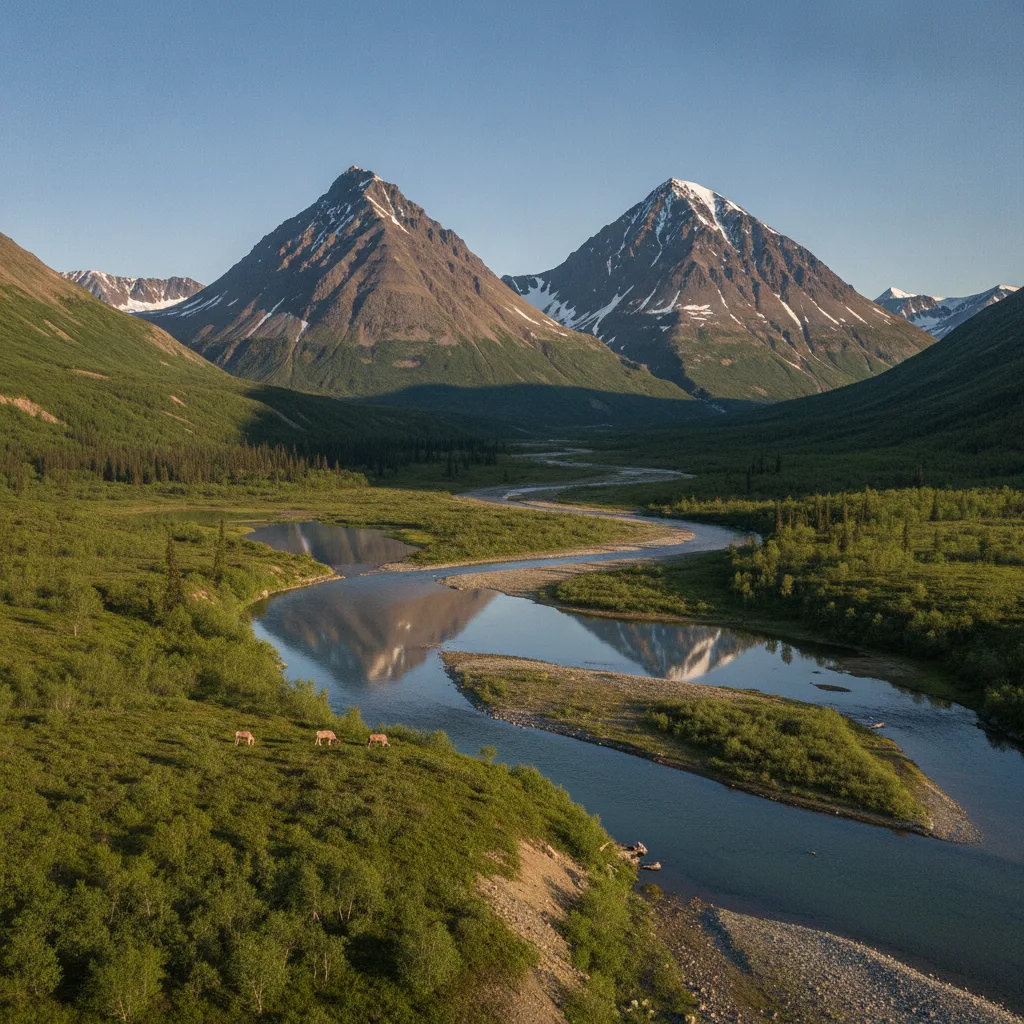
For those seeking true, unadulterated wilderness, Gates of the Arctic National Park Alaska stands as a testament to the raw, untamed beauty of the Last Frontier. This vast, roadless expanse, entirely above the Arctic Circle, offers unparalleled backcountry adventures and a chance to experience profound solitude. Covering over 8.4 million acres, it is the second-largest national park in the United States, a land of wild rivers, glacier-carved valleys, and the rugged peaks of the Brooks Range.
Why Visit Gates of the Arctic National Park
We champion Gates of the Arctic National Park as the ultimate destination for experienced adventurers looking to disconnect and immerse themselves in an ecosystem virtually untouched by human development. Unlike many other national parks, there are no roads, no maintained trails, and no visitor facilities within the park boundaries, ensuring an authentic wilderness experience. This is a place where caribou herds still migrate along ancient paths, and the silence is broken only by the sounds of nature.
The sheer scale of the park is breathtaking, offering endless opportunities for exploration. You'll find yourself in a landscape of dramatic glacial cirques, towering mountains, and six designated Wild and Scenic Rivers. It's a sanctuary for a diverse array of wildlife, from grizzlies and Dall sheep to moose and the expansive Western Arctic Caribou herd. The opportunity to witness the midnight sun in June and July, or the first hints of aurora in late August and September, adds to the park's mystique. If you crave an adventure that challenges your skills and rewards you with profound natural beauty, Gates of the Arctic is in a league of its own.
Who It's Best For
Gates of the Arctic National Park is unequivocally for the intrepid, self-reliant traveler. This is not a park for casual sightseeing or those accustomed to paved paths and amenities. It's ideal for seasoned backpackers, experienced river travelers, and wilderness enthusiasts who possess strong navigation skills, are comfortable with off-trail travel, and understand Leave No Trace principles.
Our team recommends this park for individuals or small groups who are physically fit and mentally prepared for a truly remote experience. Guided trips are available for those who prefer expert assistance, but even with a guide, a high level of personal preparedness is essential. If you dream of forging your own path, carrying everything you need on your back, and embracing the unpredictable nature of the Arctic, then this park is calling your name. It's also a prime destination for wildlife photographers and birders eager to capture rare Arctic species in their natural habitat.
Getting There & Parking
Understanding how to get to Gates of the Arctic National Park is the first and most crucial step in planning your trip, as its remoteness defines the entire experience. There are no roads or marked trails leading into the park itself, making air travel via bush plane the most common and practical method of entry.
Most visitors begin their journey in Fairbanks, Alaska. From Fairbanks, you'll typically take a commercial flight to one of the gateway communities: Bettles, Coldfoot, or Anaktuvuk Pass.
- Bettles: Home to a ranger station and visitor center, Bettles is a common jumping-off point for bush plane charters into the park.
- Coldfoot: Located along the Dalton Highway, Coldfoot hosts the Arctic Interagency Visitor Center, which provides valuable guidance for park visitors. Some visitors choose to drive the Dalton Highway part-way and then walk into the park from the road.
- Anaktuvuk Pass: This is the only Alaskan Native village located within the park boundaries and also has a seasonal ranger station.
From these gateway communities, you will arrange a bush plane charter with an authorized air taxi service to fly directly into the wilderness. Companies like Coyote Air and Brooks Range Aviation offer air taxi services to various drop-off points within the park. These flights are often unpressurized, small aircraft that land on gravel bars, tundra, or lakes, offering an incredible aerial perspective of the vast landscape. We recommend booking these charters well in advance, especially during peak summer months.
Regarding parking, since there are no roads within Gates of the Arctic National Park, traditional parking areas do not exist. If you drive to a gateway community like Coldfoot, you would typically leave your vehicle there while you fly into the park. There are no paved parking areas within the park, but you are generally allowed to park wherever you want outside of private property in the surrounding areas.
Our expert verdict: Planning your transportation to Gates of the Arctic is akin to planning the expedition itself. It requires meticulous coordination with air taxi services and a clear understanding of your entry and exit points. Don't underestimate the logistics or the cost; these flights are a significant part of the adventure and budget.
Top Things to Do
The allure of Gates of the Arctic National Park lies in its raw, untamed nature. When considering things to do at Gates of the Arctic National Park, remember that this is a true wilderness experience, devoid of developed trails or facilities. Your activities will be entirely self-directed and require a high level of preparedness and skill.
- Backpacking and Off-Trail Hiking: This is the quintessential activity here. With no designated Gates of the Arctic National Park hiking trails, you'll navigate by map and compass, forging your own path across vast tundras, through river valleys, and over mountain passes. Popular destinations include the iconic Arrigetch Peaks, known for their dramatic granite spires, and the Alatna River Valley. Guided backpacking trips are available for those who prefer expert navigation and support.
- Wilderness River Floating and Packrafting: The park is home to six Wild and Scenic Rivers, including the Alatna, John, Kobuk, Noatak, North Fork Koyukuk, and Tinayguk Rivers. Floating these pristine waterways by raft, canoe, or packraft offers a unique perspective of the landscape and a means of covering significant distances. This is an excellent way to experience the park's diverse ecosystems and spot wildlife along the riverbanks.
- Wildlife Viewing: Gates of the Arctic is teeming with wildlife. Keep an eye out for caribou, moose, Dall sheep, grizzlies, and wolves. Birdwatching is also exceptional, with opportunities to see Arctic poppies, tundra swans, and various raptors. The Western Arctic Caribou herd, numbering around 121,000 animals, roams the park during July and August.
- Photography: The dramatic landscapes, unique Arctic light (including 24 hours of daylight in summer), and abundant wildlife provide endless opportunities for stunning photography. Remember that in most cases, permits and fees are not required for filming, still photography, or audio recording involving eight or fewer individuals, provided certain conditions are met, such as using hand-carried equipment and not requiring exclusive site use.
- Fishing: The park's rivers and lakes are home to species like lake trout, pike, sheefish, salmon, and grayling. A valid Alaska fishing license is required.
No matter what things to do at Gates of the Arctic National Park you choose, remember that self-sufficiency and respect for the wilderness are paramount. This is a place to truly disconnect and embrace the wild.
Best Time to Visit
The optimal window for visiting Gates of the Arctic National Park is from late spring through early fall, typically June through August. During these months, the weather is more favorable, and the days are exceptionally long, with 24 hours of daylight above the Arctic Circle in June and July.
- June: Temperatures are comfortable, and while bugs are present, they aren't yet at their peak. This month offers continuous daylight and is excellent for experiencing the tundra's vibrant spring bloom.
- July: This is generally the warmest month, with daytime highs around 18°C (64°F) and overnight lows near 9°C (48°F). However, it also corresponds with the rainier season, and mosquitoes are at their most intense, so rain gear and bug protection are essential.
- August to early September: Daytime temperatures remain comfortable, evenings are cooler, and the infamous Arctic mosquitoes begin to subside. This period also brings the first hints of autumn colors to the tundra, creating a stunning visual display of burgundy, gold, and orange. Late August and September also offer increasing chances to witness the aurora borealis as nights become darker.
While the park is technically open year-round, winter visitation (November-March) is reserved for expert polar expeditions due to brutally cold temperatures, limited daylight, and violent storms. Most bush plane operators consider the season effectively closed for casual visitors after mid-September.
Our expert verdict: For most visitors, June to early September offers the best balance of weather, daylight, and accessibility. However, be prepared for rapidly changing conditions and pack layers for all possibilities, even in summer.
Where to Stay Nearby
When planning your trip to Gates of the Arctic National Park, it's crucial to understand that there is no Gates of the Arctic National Park lodging within the park boundaries itself. This is a true wilderness park, meaning all overnight stays inside the park will be backcountry camping. However, several gateway communities and remote lodges offer essential services and accommodations before and after your wilderness excursion.
The primary hubs for accessing the park are:
- Fairbanks: As the largest city in Interior Alaska, Fairbanks serves as the main staging point for most Gates of the Arctic adventures. It offers a wide range of hotels, restaurants, and services. Many guided trips include pre-trip lodging in Fairbanks. Hotels like Pike's Waterfront Lodge, Wedgewood Resort, and Rivers Edge Resort & Cottages are popular choices, though they are still a significant distance from the park's true boundaries.
- Bettles: This small village is a common departure point for bush planes flying into the park. Limited lodging options and a ranger station are available here.
- Coldfoot: Also situated on the Dalton Highway, Coldfoot provides access to the Arctic Interagency Visitor Center and some basic accommodations.
- Anaktuvuk Pass: The only village located within the park, Anaktuvuk Pass has a seasonal ranger station and very limited services.
For those seeking a more comfortable experience on the periphery of the wilderness, remote lodges like Iniakuk Lake Wilderness Lodge offer exclusive, all-inclusive stays just outside the park boundary. These lodges typically provide guided activities, meals, and transportation, offering a luxurious gateway to the Arctic wilderness. However, these are specialized, high-end options and should be booked far in advance.
Ultimately, when considering Gates of the Arctic National Park lodging, your choice will depend on your budget, desired comfort level, and whether you are embarking on a guided or independent trip. For the true wilderness experience, plan for self-supported backcountry camping once inside the park.
Sample 2-Day Itinerary
Crafting a "sample 2-day itinerary" for Gates of the Arctic National Park is challenging, as most visitors spend a week or more in this vast wilderness. However, for those with extremely limited time or who are combining it with other Alaska adventures, here's a highly condensed, intensive, and realistic approach. This assumes you've already handled all logistics, including bush plane charters and backcountry orientations, and are physically prepared for immediate immersion.
Day 1: Bush Plane In & Initial Exploration
- Morning (8:00 AM - 12:00 PM): Fairbanks to Wilderness Drop-off
Your adventure begins with an early commercial flight from Fairbanks to a gateway community like Bettles or Coldfoot. From there, you'll board a pre-arranged bush plane charter into the heart of Gates of the Arctic National Park. The flight itself is an incredible scenic tour, offering views of the Brooks Range and vast tundra. Your pilot will drop you off at a pre-determined gravel bar or lake within the park, such as near the Alatna River or in a valley leading towards the Arrigetch Peaks. - Afternoon (12:00 PM - 6:00 PM): Establish Camp & Reconnaissance Hike
Upon landing, the first priority is to establish your backcountry camp. Remember, there are no designated campsites; you'll select a durable surface, ideally a gravel bar, well above any potential high water marks. After setting up your tent and securing all food in bear-resistant containers (required in all Alaskan parks), embark on a reconnaissance hike. This initial exploration will be off-trail, allowing you to get a feel for the terrain, identify potential wildlife corridors, and scout for scenic viewpoints. Focus on a manageable loop from your camp, perhaps exploring a nearby ridge for panoramic views of the surrounding mountains and tundra. - Evening (6:00 PM onwards): Wilderness Immersion & Planning
Prepare a simple, hot meal using your backcountry stove. Spend the evening observing the wildlife, enjoying the profound silence, and soaking in the continuous daylight (if visiting in summer). Review your maps for the next day's route, taking into account weather forecasts and river conditions. This is a time for reflection and deep connection with the wilderness.
Day 2: Deeper Exploration & Bush Plane Out
- Morning (7:00 AM - 1:00 PM): Extended Backcountry Trek
After a quick, hearty breakfast, pack a day bag with essentials and embark on a more ambitious hike. Depending on your drop-off location, you might trek further into a glacial valley, attempt to reach a high pass for expansive views of the Brooks Range, or explore a segment of one of the park's wild rivers. Emphasize navigation skills, as there are no Gates of the Arctic National Park hiking trails. Look for signs of wildlife, such as caribou tracks or Dall sheep on the slopes. - Afternoon (1:00 PM - 5:00 PM): Return to Camp & Prepare for Departure
Return to your camp, allowing ample time to break down your site, pack all your gear meticulously, and ensure you've left absolutely no trace of your presence. Double-check that all trash, including food scraps, is packed out. Your bush plane will arrive at your pre-arranged pick-up time and location. - Evening (5:00 PM onwards): Wilderness Departure & Return to Civilization
Board your bush plane for the flight back to Bettles or Coldfoot, and then a commercial flight back to Fairbanks. The transition from raw wilderness to civilization can be striking, but you'll carry with you the profound experience of having explored one of America's last truly wild places.
Our expert verdict: This 2-day itinerary is exceptionally brief for Gates of the Arctic. We strongly advise a minimum of 5-7 days to truly appreciate the park and account for potential weather delays. Remember, flexibility is key in the Arctic; bush plane schedules can change due to weather, and your plans must adapt accordingly. For longer trips and more varied experiences, consider exploring other Alaska National Parks like Denali, Kenai Fjords, or Glacier Bay, but none offer the same level of unmediated wilderness as Gates of the Arctic.
Last updated: 2026-07-05 by the Roam States team.