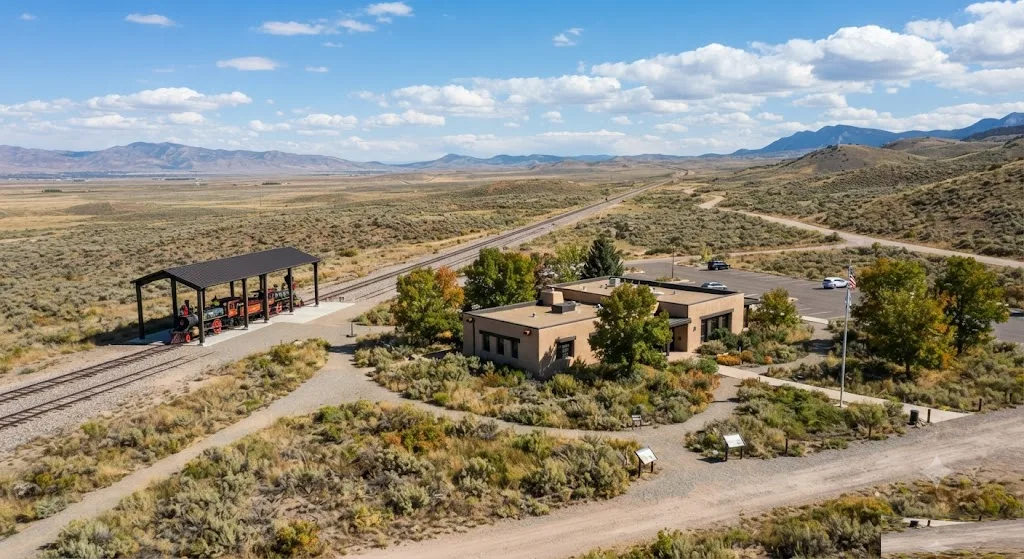
Our Golden Spike National Historical Park guide covers practical planning for Golden Spike National Historical Park Utah — best time to visit, getting there, and what to do on the ground.
For history buffs, train enthusiasts, and anyone captivated by the monumental achievements that shaped our nation, Golden Spike National Historical Park Utah offers an unparalleled journey back in time. Our team at Roam States has thoroughly explored this iconic site, where on May 10, 1869, the Union Pacific and Central Pacific Railroads met at Promontory Summit, forever linking the East and West by rail. This isn't just a stop on a road trip; it's a deep dive into the perseverance, ingenuity, and diverse human effort that forged the first Transcontinental Railroad.
Why Visit Golden Spike National Historical Park
Visiting Golden Spike National Historical Park is more than just seeing old trains; it's about connecting with a pivotal moment in American history. We've found that the park excels at bringing the past to life, allowing visitors to stand on the very ground where a nation was united. The completion of the Transcontinental Railroad was a monumental engineering feat, transforming travel, commerce, and communication across the continent. Before the railroad, shipping mail across the country relied on methods like the Pony Express, highlighting the dramatic shift the railway brought in speed, safety, and cost.
The park commemorates this incredible accomplishment, preserving the 2,735 acres surrounding a 15-mile segment of the original Transcontinental Railroad. You'll witness the actual site where the ceremonial "Last Spike" was driven, marked today by a polished wooden railroad tie and a commemorative plaque. Beyond the historical significance, the remote high desert landscape at the northern end of the Great Salt Lake offers a unique, austere beauty that transports you to another era. It's a place where you can truly appreciate the vastness of the challenge faced by the railroad builders.
Who It's Best For
Golden Spike National Historical Park truly caters to a diverse range of visitors. We believe it's an ideal destination for:
- History Enthusiasts: Those fascinated by American history, particularly the 19th century and the development of the West, will find the park incredibly rewarding. The detailed exhibits, films, and ranger programs provide a comprehensive understanding of the railroad's impact and the stories of the diverse workforce involved.
- Train Lovers: The star attractions are undoubtedly the meticulously crafted, fully operational replica steam locomotives, the "Jupiter" and "No. 119." Seeing these magnificent machines in action, hearing their whistles, and smelling the steam is an unforgettable experience for anyone with an appreciation for railroading.
- Families with Children: The park offers engaging activities for younger visitors, including a Junior Ranger program, which our team highly recommends. Kids can earn badges by completing assignments, making the historical learning interactive and fun. The locomotive demonstrations are also a huge hit with all ages.
- Road Trippers: If you're exploring Utah or passing through the region, Golden Spike makes for an excellent half-day to full-day stop. It provides a unique historical and cultural experience that complements Utah's stunning natural parks like Zion National Park or Bryce Canyon National Park.
- Outdoor Enthusiasts: While not a wilderness park, the historical railroad grades offer easy walking and auto tours through a unique high desert environment, perfect for light hiking and photography.
How to Get There & Parking
Golden Spike National Historical Park is located in a relatively remote area of northwestern Utah, approximately 32 miles west of Brigham City and 89 miles northwest of Salt Lake City. While it feels "in the middle of nowhere," as some visitors describe, it's easily accessible by car, which is how most people arrive. Public transportation to the park is not available.
Directions to Golden Spike National Historical Park:
We advise travelers to rely on road signs as they approach the site, especially after turning off State Highway 83, as some GPS systems have been known to misdirect visitors.
- From Salt Lake City (approximately 1.5 hours driving): Take I-15 North.
- Option 1 (Northbound I-15, Exit 365): Take Exit 365 to Corrine, Utah. Turn right onto UT-13 for 4 miles, merging onto UT-83. Travel approximately 16.5 miles, then turn left onto Golden Spike Drive. Continue into the park for about 8 miles; the Visitor Center will be on your right.
- Option 2 (Northbound I-15, Exit 379): Take Exit 379 to merge onto I-84 West toward Tremonton/Boise. Take Exit 40 for UT-102 South. Turn right onto UT-83 North. Travel approximately 4 miles, then turn left onto Golden Spike Drive. Continue into the park for about 8 miles; the Visitor Center will be on your right.
- From Ogden (approximately 54 miles): Head north on I-15 to Exit 365, then follow the directions for Northbound I-15, Option 1.
- From Logan (approximately 50 miles): Take Highway 30 West to I-15, then follow directions for Southbound on I-15.
- Eastbound on I-84: Take Exit 26, head south on Highway 83 past the ATK Rocket display, then turn right at the sign to Golden Spike (approximately 27 miles).
Parking at Golden Spike National Historical Park:
There is ample parking available at the Visitor Center. We've found it to be well-maintained and convenient for accessing the main attractions. Parking is included with your entrance fee. Note that fuel, food, and other services are not available within 27 miles of the park, so plan accordingly.
Top Things to Do
When planning your visit to Golden Spike National Historical Park, prepare for a day rich in history and unique experiences. Our team recommends allocating at least a half-day to fully appreciate the site, or even longer if you plan to explore all the trails and auto tours. Here are the top things to do at Golden Spike National Historical Park:
Witness the Replica Locomotives and Reenactments
The highlight for many visitors, including us, is seeing the working replicas of the 1860s steam locomotives, the "Jupiter" (Central Pacific) and "No. 119" (Union Pacific). These magnificent machines are in operation from early May through mid-October, offering daily ranger programs and demonstrations. The daily run schedule typically includes the arrival of the Jupiter at 10:00 AM, the arrival of the No. 119 at 10:30 AM, a demonstration run with both locomotives at 1:00 PM, and their departures in the late afternoon. Boiler wash days may affect their operation, so we always recommend checking the park's official website for the most current schedule.
During the summer season, specifically from Memorial Day Weekend until the last Saturday of Labor Day Weekend, you can experience a living history demonstration of the 1869 Last Spike Ceremony. These reenactments, featuring costumed rangers and audience participation, typically follow the 10:30 AM and 1:00 PM locomotive steam demonstrations. On May 10th each year, a special commemorative ceremony takes place, often with free admission and extended events. The Annual Railroaders' Festival, usually held on the second Saturday in August (or September 5th in 2026), also features reenactments, spike-driving contests, and handcar rides.
Explore the Visitor Center and Museum
The Visitor Center is your essential first stop. It's open daily from 9:00 AM to 5:00 PM MDT from early May to late October, and five days a week (Thursday-Monday) from late October to late April, closing on Tuesdays and Wednesdays. Inside, you'll find engaging exhibits, a theater showing an introductory film, and a bookstore. We found the exhibits to be incredibly informative, detailing the history of the Transcontinental Railroad, the engineering challenges, and the stories of the diverse groups of workers, including Chinese, Irish, and African American laborers.
Drive the Self-Guided Auto Tours
The park offers two self-guided auto tours that allow you to drive along portions of the historic railroad grades, giving you a sense of the challenging terrain the builders faced.
- East Auto Tour: This is a 2-mile loop along the Union Pacific railroad grade. It showcases examples of cuts, fills, and culverts, with sweeping views of the Wasatch Mountains. This route is subject to winter closures due to weather.
- West Auto Tour: This longer tour is a 14-mile round trip (9 miles out on a gravel county road and 7 miles back on the old Central Pacific railroad grade). It takes you to the "10 Miles of Track, Laid in One Day" sign, commemorating the Central Pacific's record-breaking achievement on April 28, 1869. The railroad grade portion is usually open from June to October, closing from late November to early June due to snow.
Booklets explaining the markers along the auto tours are available at the Visitor Center. We recommend allowing about 1 hour and 15 minutes for these tours. Note that RVs and vehicles towing trailers are generally prohibited on the auto tours.
Golden Spike National Historical Park Hiking Trails
While Golden Spike National Historical Park is primarily known for its historical significance and locomotive demonstrations, it also offers opportunities for light hiking and exploring the historic railroad grades on foot. These trails provide a different perspective on the immense engineering challenges overcome by the railroad builders.
- Big Fill Loop Trail: This is the main hiking trail at Golden Spike National Historical Park, an easy and flat 1.5-mile (2.4 km) round-trip loop. It takes you along the original course of both the Central Pacific and Union Pacific railroad grades, showcasing the Central Pacific's "Big Fill" and the abutments that once supported the Union Pacific's "Big Trestle". You'll walk through cuts, over fills, and see drill marks where workers blasted rock away with simple tools. The trail is open year-round to bicycles and pedestrians, though there is no shade, so bring plenty of water, wear a hat, and use sunscreen, especially in summer. An audio tour for the Big Fill Trail is available on the NPS App.
- Chinese Arch Trail: This is a shorter, easy path that leads from the parking lot to the Chinese Arch, a natural limestone arch. This arch was chosen by the National Park Service to honor the significant contributions and sacrifices of the many Chinese workers who built the Transcontinental Railroad.
- Deep Canyon Trail: Another trail mentioned, the Deep Canyon Trail, offers views over the desert and Golden Spike National Historical Park.
The outdoor features of the park, including these Golden Spike National Historical Park hiking trails, are open seven days a week, sunrise to sunset, year-round. During winter, seasonal access to some areas may be limited due to weather, so it's always wise to check current conditions before your visit. Pets are allowed on park trails but must be on a leash no longer than six feet, and owners are responsible for cleaning up after them.
Best Time to Visit
The best time to visit Golden Spike National Historical Park largely depends on what you want to experience. Our team has visited during different seasons and can offer these insights:
- Spring (April-May) and Fall (September-October): We consider these the ideal seasons. The weather is generally mild and pleasant, perfect for enjoying the outdoor activities like the Big Fill Loop Trail and the auto tours. Spring brings wildflowers, and fall offers comfortable temperatures for exploring. The replica locomotives are typically in full operation during this period.
- Summer (June-August): Summer is peak season, offering the most robust schedule of locomotive demonstrations and living history reenactments of the Last Spike Ceremony (from Memorial Day Weekend through Labor Day Weekend). Ranger talks are also offered daily from May 31 to September 1. However, summer temperatures can be hot, and there's little shade on the trails, so bring plenty of water and sun protection. Stargazing programs may also be offered in the summer.
- Winter (November-March): While the Visitor Center operates on a reduced schedule (Thursday-Monday, 9:00 AM - 5:00 PM MST, closed Tuesday & Wednesday), the outdoor features, including the Last Spike Site and Big Fill Trail, remain open sunrise to sunset year-round. The landscape takes on a stark, beautiful quality, and you can still appreciate the history. The auto tours, particularly the West Auto Tour, may be closed due to snow and ice. The annual Winter Steam Festival in late December is a special event, featuring a fully operational steam locomotive, cab tours, and Junior Ranger activities. If visiting in winter, we strongly recommend checking road and weather conditions in advance, as snow and ice can create hazardous conditions on the grade leading into Promontory Summit.
Regardless of the season, we advise arriving before 10:00 AM or 1:00 PM to catch the locomotive arrivals and demonstrations.
Golden Spike National Historical Park Lodging: Where to Stay Nearby
Golden Spike National Historical Park is situated in a remote area, meaning there are no lodging options directly within the park itself. However, several towns within a reasonable driving distance offer a variety of accommodations. When considering Golden Spike National Historical Park lodging, our team recommends looking at options in Brigham City or Tremonton, which are the closest communities with services.
Brigham City, Utah (approximately 32 miles east)
Brigham City is the most common base for visitors to Golden Spike. It's a larger town with more amenities, including a range of hotels, restaurants, and gas stations. You'll find familiar hotel chains here, offering comfortable and reliable stays. The drive to the park from Brigham City is straightforward via State Routes 13 and 83.
Tremonton, Utah (approximately 20-30 miles north/northeast)
Tremonton is another viable option for Golden Spike National Historical Park lodging, offering several hotels and motels. It's a bit further north than Brigham City but still a convenient drive. Options like Hampton Inn Tremonton, Western Inn, and Motel 6 Tremonton, UT, are frequently mentioned as good choices, offering amenities such as free breakfast, WiFi, and parking. Some vacation rentals are also available in the Tremonton area.
Other Nearby Towns
While further afield, towns like Ogden (54 miles southeast) and Salt Lake City (89 miles southeast) offer extensive lodging choices if you prefer to combine your visit with a larger city experience. However, be prepared for a longer drive to and from the park each day. For those exploring other parts of Utah, such as Arches National Park or Canyonlands National Park, staying closer to Golden Spike for at least one night will enhance your experience at the historical park.
We always recommend booking your Golden Spike National Historical Park lodging in advance, especially during peak season (summer) or around special events like the May 10th anniversary or the Railroaders' Festival.
Sample 2-Day Itinerary
To truly immerse ourselves in the history and beauty of Golden Spike National Historical Park and its surroundings, our team suggests a comprehensive 2-day itinerary. This allows for in-depth exploration without feeling rushed, and also provides an opportunity to see some other unique attractions in northern Utah.
Day 1: Golden Spike Immersion
- Morning (9:00 AM - 1:00 PM): Arrival and Historical Core
- 9:00 AM: Arrive at Golden Spike National Historical Park. Head straight to the Visitor Center. Pick up maps, check the daily schedule for locomotive demonstrations and ranger programs, and watch the introductory film.
- 10:00 AM - 11:30 AM: Locomotive Demonstrations and Last Spike Site. Make your way to the Last Spike Site. Witness the arrival of the "Jupiter" (10:00 AM) and "No. 119" (10:30 AM) replica locomotives. Experience the sights, sounds, and smells of these magnificent steam engines. If visiting on a summer Saturday, stay for the living history reenactment of the Last Spike Ceremony that follows the 10:30 AM demonstration.
- 11:30 AM - 1:00 PM: Visitor Center Exhibits. Spend time exploring the museum exhibits in the Visitor Center. Delve deeper into the stories of the railroad's construction, the diverse workforce, and the impact of this monumental achievement. Consider participating in the Junior Ranger program if traveling with kids.
- Lunch (1:00 PM - 2:00 PM): Picnic at the Park
- Enjoy a picnic lunch at one of the park's picnic areas. Remember, food services are not available within 27 miles of the park, so pack your own.
- Afternoon (2:00 PM - 5:00 PM): Auto Tours and Hiking
- 2:00 PM - 3:30 PM: Drive the Auto Tours. Take the self-guided East and West Auto Tours. These drives along the original railroad grades offer a tangible sense of the challenging terrain and engineering feats. Don't miss the "10 Miles of Track, Laid in One Day" sign on the West Auto Tour and the Chinese Arch on the East Auto Tour.
- 3:30 PM - 4:30 PM: Big Fill Loop Trail. Stretch your legs on the easy 1.5-mile Big Fill Loop Trail. This walk provides an up-close look at the "Big Fill" and offers scenic views of the Promontory Mountains and the Great Salt Lake.
- 4:30 PM - 5:00 PM: Locomotive Departure. If you wish, return to the Last Spike Site to witness the departure of the locomotives (No. 119 at 3:55 PM, Jupiter at 4:30 PM).
- Evening: Check into your Golden Spike National Historical Park lodging. Head to Brigham City or Tremonton for dinner and overnight stay.
Day 2: Nearby Attractions and Scenic Drives
- Morning (9:00 AM - 12:00 PM): Art and Nature
- 9:00 AM: Spiral Jetty. Drive to the iconic Spiral Jetty, Robert Smithson's monumental earthwork sculpture located on the northeastern shore of the Great Salt Lake, approximately 15-20 miles from Golden Spike. This unique art installation is a fascinating blend of human creativity and natural landscape.
- 10:30 AM: Bear River Migratory Bird Refuge. Head to the Bear River Migratory Bird Refuge, about 30 miles east of Promontory. This refuge protects vast marshes at the mouth of the Bear River, serving as a crucial oasis for waterfowl and a paradise for birdwatchers.
- Lunch (12:00 PM - 1:00 PM): Local Fare
- Enjoy lunch in Brigham City or a nearby town before continuing your journey.
- Afternoon (1:00 PM onwards): Continue your Utah Adventure or Head Home
- Depending on your travel plans, you can continue exploring more of Utah, perhaps heading south towards Zion National Park or Bryce Canyon National Park, or visit Temple Square in Salt Lake City. Alternatively, begin your journey home, carrying with you the rich history of the Transcontinental Railroad.
Is It Worth Visiting?
From our perspective as independent US travel authorities, we unequivocally say yes, Golden Spike National Historical Park is worth visiting. While it might not boast the dramatic red rock landscapes of Utah's Mighty 5 national parks, its significance lies in a different kind of marvel – a triumph of human engineering and collaboration that reshaped a nation.
For those who appreciate history, the park offers a tangible connection to a pivotal moment. Standing at the Last Spike Site, where the East and West were finally joined by rail, evokes a powerful sense of accomplishment and the sheer scale of the undertaking. The replica locomotives, "Jupiter" and "No. 119," are not mere static displays; seeing them in operation, hearing their whistles, and experiencing the steam and movement, truly brings the 1869 "Wedding of the Rails" to life. The ranger programs and living history reenactments are expertly done, providing context and engaging storytelling that makes the past feel immediate and relevant.
Beyond the historical core, the park's remote setting offers a unique, austere beauty. The self-guided auto tours and the Big Fill Loop Trail allow you to explore the actual railroad grades, offering insights into the immense labor involved in cutting through mountains and filling vast ravines. This isn't generic OTA fluff; this is specific, impactful history. Whether you're a railroad enthusiast, a history buff, or a family looking for an educational and engaging experience, Golden Spike National Historical Park provides a rewarding and memorable visit. It’s a testament to human endeavor and a crucial piece of the American story, making it absolutely worth your time and travel.
FAQ Longtails
Golden Spike National Historical Park camping
There are no designated camping facilities directly within Golden Spike National Historical Park. The park's remote location means you'll need to look for camping options in nearby areas. Options include private RV parks and campgrounds in towns like Tremonton and Brigham City, such as Brigham City KOA, Valley View RV Resort, or Golden Spike RV Park. For more rustic or free camping, Bureau of Land Management (BLM) lands in the surrounding Box Elder County may offer opportunities, though these are typically primitive with no amenities. We recommend checking resources like Hipcamp or Freecampsites.net for current listings and reviews of nearby campgrounds.
Things to do in Promontory Summit
Promontory Summit is home to Golden Spike National Historical Park, so the primary things to do are centered around the park itself. This includes witnessing the replica steam locomotive demonstrations and reenactments of the Last Spike Ceremony, exploring the Visitor Center exhibits, driving the self-guided East and West Auto Tours along the historic railroad grades, and hiking the Big Fill Loop Trail. Beyond the park, Promontory Summit is a remote, scenic area. Nearby attractions include the Spiral Jetty, a famous earthwork sculpture on the Great Salt Lake, and the Bear River Migratory Bird Refuge, an excellent spot for birdwatching.
Golden Spike National Historical Park with kids
Golden Spike National Historical Park is an excellent destination for families with kids! Our team has found that children are particularly captivated by the replica steam locomotives, "Jupiter" and "No. 119," and their daily demonstrations. The park also offers a fantastic Junior Ranger program, where kids can complete activities to earn a badge, making the historical learning interactive and fun. The living history reenactments of the Last Spike Ceremony (seasonal) are also very engaging for all ages. The easy, flat Big Fill Loop Trail is suitable for most children, and the auto tours provide a comfortable way to see more of the historic railroad grade. Remember to bring snacks, water, and sun protection, as services are limited, and shade is minimal.
Best hotels near Golden Spike National Historical Park
The best hotels near Golden Spike National Historical Park are primarily found in Brigham City and Tremonton, Utah. In Tremonton, highly-rated options include the Hampton Inn Tremonton, which offers an indoor pool, gym, free breakfast, and WiFi, and the Western Inn. Motel 6 Tremonton, UT is another option for budget-conscious travelers. Brigham City also provides a good selection of hotels with various amenities. We recommend checking recent reviews on sites like Orbitz or Travelocity to find the best fit for your needs and to confirm 2026 availability and pricing.
Golden Spike National Historical Park tips
To make the most of your visit to Golden Spike National Historical Park, our team offers these essential tips:
- Check Schedules: Always verify the current operating hours for the Visitor Center and, crucially, the locomotive demonstration and reenactment schedules on the official NPS website before you go. Boiler wash days can affect locomotive availability.
- Arrive Early: To get a good viewing spot for the locomotive demonstrations and reenactments, especially on busy summer days, plan to arrive before the 10:00 AM or 1:00 PM programs.
- Pack Essentials: The park is remote, with no food or fuel services within 27 miles. Bring plenty of water, snacks, and a picnic lunch. Sunscreen, hats, and sturdy walking shoes are also highly recommended, especially for the trails.
- Go Cashless: The park does not accept cash for entrance fees; plan to pay with a credit card. Federal lands passes (like America the Beautiful) are accepted.
- Mind the GPS: While GPS is helpful, be cautious once you turn off State Highway 83 and rely on road signs as you get closer to the park, as some systems have been known to misdirect visitors.
- Consider the Seasons: Summer offers the most programs, but spring and fall provide milder weather. Winter offers a stark beauty and special events like the Winter Steam Festival, but some auto tours may be closed due to snow.
- Explore Nearby: Combine your visit with nearby attractions like the Spiral Jetty or the Bear River Migratory Bird Refuge for a fuller experience of northern Utah.
Where to stay near Golden Spike National Historical Park
As an independent travel authority, we recommend staying in Brigham City or Tremonton for the most convenient access to Golden Spike National Historical Park. Brigham City, about 32 miles east, offers a wider selection of hotels, dining, and services, making it a popular choice. Tremonton, slightly further north, also has several hotels including Hampton Inn and Western Inn, providing comfortable options. For those seeking camping experiences, private RV parks and campgrounds are available in these towns, and primitive camping might be found on surrounding BLM lands. We always advise booking accommodations in advance, particularly during peak travel seasons or special event dates.
Last updated: 2026-07-09 by the Roam States team.