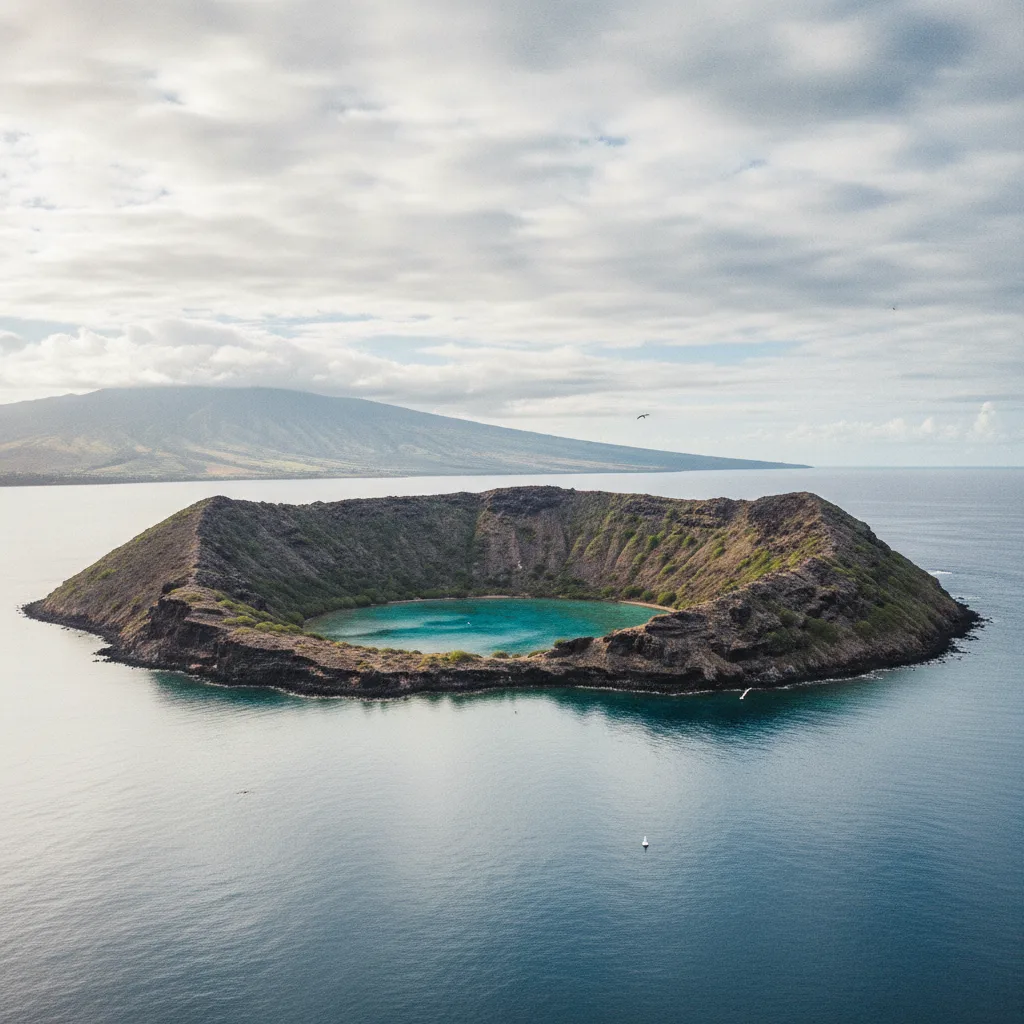
For those seeking an unparalleled underwater experience in Hawaii, Molokini Crater Hawaii stands out as a premier destination. This partially submerged volcanic crater, located off Maui's south shore, offers some of the Pacific's most pristine snorkeling and diving conditions. Our team at Roam States has compiled this comprehensive guide to help you plan an unforgettable trip to this unique marine sanctuary, ensuring you navigate its wonders with confidence and respect for its delicate ecosystem.
Why Visit Molokini Crater
Molokini Crater isn't just another pretty snorkel spot; it's a world-renowned Marine Life Conservation District (MLCD) and a federally regulated seabird sanctuary, offering an experience truly distinct from anything you'll find closer to shore. The crescent-shaped islet is approximately 2.5 to 3 miles off Maui's southwestern coast, in the 'Alalākeiki Channel. Its unique geological formation creates a sheltered inner cove, where water visibility regularly reaches an astonishing 150 feet on calm days, allowing for crystal-clear views of the vibrant marine life below.
What sets Molokini apart is its protected status, established in 1977. This designation means strict regulations are in place to preserve its fragile coral reefs and abundant fish populations. Here, you'll encounter a dazzling array of tropical fish, many of which are endemic to Hawaii, thriving in an undisturbed habitat. The sheer density and diversity of marine life, combined with the exceptional clarity of the water, make it a bucket-list destination for snorkelers and divers alike. Beyond the vibrant underwater world, the journey itself offers breathtaking panoramic views of the Maui coastline and, during winter months (December-March), opportunities for humpback whale sightings.
Who It's Best For
Molokini Crater is an ideal destination for a diverse range of travelers, though some considerations will ensure the best experience. It's particularly well-suited for:
- Snorkelers and Divers: With visibility often exceeding 100 feet and a protected reef teeming with marine life, Molokini is a dream come true for anyone eager to explore underwater. Whether you're a seasoned diver looking to explore the crater's back wall, which drops to depths of over 200 feet, or a beginner snorkeler, the calm inner cove provides an excellent environment.
- Nature Enthusiasts: Beyond the fish, Molokini is a seabird sanctuary, making it a fascinating spot for birdwatchers. The commitment to conservation also appeals to those who appreciate pristine natural environments and responsible tourism.
- Families with Older Children: While very young children or those prone to seasickness might find the open-ocean boat ride challenging, Molokini Crater with kids who are confident swimmers and comfortable in deep water can be a fantastic experience. Many tours cater to families, offering flotation devices, snorkel lessons, and even glass-bottom viewing rooms or waterslides on larger vessels.
- Early Risers: To truly experience Molokini at its best, early morning departures are highly recommended. This is when the ocean is typically calmest, winds are lightest, and visibility is at its peak, offering the most serene and rewarding snorkeling conditions.
Conversely, those who are uncomfortable on boats, get severe motion sickness, or have very young children who are not confident swimmers might consider alternative, calmer beach snorkeling spots on Maui, such as those found at Ka'anapali Beach or Napili Bay.
Getting There & Parking
Understanding how to get to Molokini Crater is straightforward: it's exclusively accessible by licensed boat tours. You cannot swim, kayak, or paddle out to the crater on your own. The vast majority of tours depart from two main locations on Maui:
- Maʻalaea Harbor (Central Maui): This is the most common departure point for many Molokini tours. It's conveniently located for visitors staying in central or west Maui.
- Kīhei Boat Ramp (South Maui): Some operators, particularly those offering smaller group or private charters, depart from the Kīhei boat ramp. This is often a preferred option for guests staying in South Maui (Kīhei or Wailea) for shorter travel times to the departure point.
Our team recommends confirming your exact departure location and meeting instructions with your chosen tour operator well in advance. Plan to arrive 30-60 minutes before your scheduled departure time to allow for check-in, waivers, and boarding.
Regarding Molokini Crater parking, both Maʻalaea Harbor and the Kīhei Boat Ramp offer parking facilities. At Maʻalaea Harbor, expect paid parking, often managed via QR code or text message payment systems. It's advisable to arrive early, especially for popular morning tours, as parking lots can fill up. The Kīhei Boat Ramp generally has public parking available, though it might be a more informal setup. Always follow posted signs and instructions to avoid fines or towing. Some premium tours, like those from Kai Kanani Sailing Charters, offer exclusive beach-loading from Maluaka Beach in Makena and even complimentary resort shuttles for guests in Wailea, eliminating the need to drive and park at the main harbors.
Top Things to Do
While the primary draw of Molokini Crater Hawaii is its exceptional snorkeling and diving, the experience extends beyond just getting in the water. Here are the top things to do at Molokini Crater and in the surrounding Maui Coast:
At Molokini Crater:
- Snorkeling: This is the quintessential Molokini experience. The calm, clear waters inside the crescent-shaped crater are teeming with vibrant reef fish, unique coral formations, and often Hawaiian green sea turtles. Most tours provide high-quality snorkel gear, flotation devices, and guidance from naturalists.
- Scuba Diving: For certified divers, Molokini offers both the shallow inner cove and the dramatic back wall, which plunges hundreds of feet into the ocean depths. This wall dive provides a unique perspective on the crater's geology and marine life.
- SNUBA Diving: If you're not scuba certified but want to experience breathing underwater, many tours offer SNUBA, a hybrid activity that allows you to explore deeper than snorkeling while still being connected to the boat's air supply.
- Wildlife Viewing (from the boat): Even if you don't get in the water, the boat ride to and from Molokini offers incredible opportunities for marine life observation. During winter months (December-April), humpback whales are frequently spotted breaching and playing in the 'Alalākeiki Channel. Dolphins are also common companions.
- Photography: The stunning clarity of the water, the colorful fish, and the unique volcanic landscape make Molokini a photographer's paradise, both above and below the surface.
Things to Do in Maui Coast (near departure points):
Since Molokini tours typically last 4-5 hours, you'll have plenty of time to explore other attractions along the Maui Coast. Many tours depart from Maʻalaea Harbor, which is a hub for various activities.
- Maui Ocean Center: Located right at Maʻalaea Harbor, this acclaimed aquarium is an excellent stop for all ages, especially families. It showcases Hawaii's marine life, including a walk-through shark tunnel and exhibits on humpback whales.
- Whale Watching Tours: If you're visiting during whale season (December-May), Maʻalaea Harbor is a prime departure point for dedicated whale watching excursions.
- Sunset Cruises: After a morning at Molokini, consider a relaxing sunset dinner or cocktail cruise departing from Maʻalaea Harbor for stunning coastal views and a memorable evening.
- Kāʻanapali Beach & Black Rock: Just a short drive north from Maʻalaea, Kāʻanapali Beach offers a long stretch of beautiful sand, excellent swimming, and opportunities for shore snorkeling, especially around Black Rock. You can find more details in our Kaanapali Beach & Black Rock guide.
- Wailea Beach: South of Maʻalaea, Wailea Beach is known for its soft sand, gentle waves, and proximity to luxury resorts. It's another excellent spot for families and offers good offshore snorkeling.
- Road to Hana (partial): While a full Road to Hana trip is a day-long adventure, you could consider a partial drive to destinations like Twin Falls for a taste of Maui's lush rainforest and waterfalls. Explore more with our Road to Hana guide.
- Haleakala National Park: For a completely different experience, consider a trip up to Haleakala National Park. While sunrise requires a very early start, daytime visits offer incredible volcanic landscapes and hiking opportunities. Find out more in our Haleakala National Park guide.
Best Time to Visit
Choosing the best time to visit Molokini Crater can significantly enhance your experience. Our team emphasizes the "golden rule": **go early.** Regardless of the time of year, morning tours (typically departing between 6:00 AM and 7:30 AM) offer the calmest seas, lightest winds, and best underwater visibility. Trade winds tend to pick up by noon, making the water choppier and reducing clarity.
Here's a seasonal breakdown for Molokini Crater Hawaii:
- Spring (March - May): This is often considered the "sweet spot" for Molokini. Winter swells have calmed, visibility peaks (regularly exceeding 100 feet), and water temperatures begin to warm. You might also catch the tail end of whale season. Crowds are generally manageable.
- Summer (June - August): Offers the warmest water temperatures (around 79-80°F), making it comfortable for those who get cold easily and for families. Conditions are consistently calm, especially in the mornings. However, this is peak tourist season, so expect larger crowds.
- Fall (September - November): Another "sweet spot" with warm water, calm winds, and fewer tourist crowds than summer. This is an excellent time for peaceful, uncrowded snorkeling.
- Winter (December - February): While ocean conditions can be more variable due to swells, Molokini often remains the clearest snorkel spot on Maui. The major bonus of winter is the high chance of spotting humpback whales during your boat ride, as it's peak whale season. Water temperatures are cooler (around 74°F), so a wetsuit top is recommended. Demand is higher during this season, so book tours well in advance.
Always check the National Weather Service marine forecast the day before your trip, prioritizing wind direction and speed, sea conditions, and swell period. Captains will always choose the safest and most comfortable spot, and sometimes an alternate reef may be chosen if Molokini conditions are not ideal.
Where to Stay Nearby
When planning your Molokini Crater adventure, choosing accommodation in South or West Maui will put you in the best position for convenient access to departure harbors. Both regions offer distinct vibes and amenities:
- South Maui (Kīhei, Wailea, Mākena): This region is generally considered the most convenient for Molokini tours, as it offers shorter drives to both Maʻalaea Harbor and the Kīhei Boat Ramp.
- Wailea: Known for its luxurious resorts, pristine beaches (like Wailea Beach), and upscale dining. It's a fantastic choice for those seeking a more refined and tranquil experience. Resorts often have direct beach access and stunning ocean views.
- Kīhei: Offers a more laid-back and budget-friendly atmosphere with a wide range of condos, vacation rentals, and smaller hotels. Kīhei boasts several beautiful beaches (Kamaole Beach Parks I, II, and III) and a vibrant local scene with diverse dining options.
- Mākena: The southernmost developed area, offering a more secluded and wild feel with beautiful beaches like Big Beach (Makena State Park) and Little Beach. Accommodation here is often limited to high-end vacation rentals or exclusive resorts.
- West Maui (Lahaina, Kāʻanapali, Nāpili, Kapalua): While a bit further from Maʻalaea Harbor, West Maui remains a popular choice for visitors. You'll typically drive to Maʻalaea Harbor for your Molokini tour from this side of the island.
- Kāʻanapali: A major resort area with a beautiful beach, a boardwalk, and Whalers Village shopping center. It's excellent for families and those who enjoy resort amenities and easy access to dining and activities. Our Kaanapali Beach & Black Rock guide can provide more insights.
- Lahaina: Historic whaling town with a lively Front Street, art galleries, shops, and numerous restaurants. It offers a charming, historic atmosphere, though it's important to be mindful of the ongoing recovery efforts in certain areas.
- Nāpili & Kapalua: Located further north, these areas offer a quieter, more upscale experience with stunning bays, world-class golf courses, and luxurious accommodations. Nāpili Bay is particularly known for its calm waters and sea turtle sightings.
No matter where you choose to stay, we recommend booking your accommodations and Molokini tour well in advance, especially during peak seasons, to secure your preferred options.
Sample 2-Day Itinerary
To help you maximize your time on Maui and experience the best of Molokini Crater Hawaii, our team has crafted a sample two-day itinerary. This plan balances the Molokini adventure with other iconic Maui experiences.
Day 1: Underwater Wonders at Molokini & South Maui Charm
- 6:00 AM - 7:00 AM: Depart for Molokini Crater. Wake up early and head to your chosen departure point (Maʻalaea Harbor or Kīhei Boat Ramp). Check in for your pre-booked Molokini snorkeling or diving tour. Remember, early departures are key for the best conditions.
- 7:00 AM - 12:00 PM: Molokini Crater Experience. Enjoy the scenic boat ride, then immerse yourself in the crystal-clear waters of Molokini. Snorkel or dive among vibrant coral and fish. Many tours include a second snorkel stop, often at "Turtle Town" for guaranteed sea turtle sightings. Breakfast and lunch are typically provided on board.
- 12:00 PM - 1:00 PM: Return to Harbor & Lunch. Head back to the harbor. If your tour didn't include a substantial lunch, grab a bite at one of the casual eateries around Maʻalaea Harbor or in Kīhei.
- 1:30 PM - 4:00 PM: Maui Ocean Center. Spend your afternoon at the Maui Ocean Center, conveniently located at Maʻalaea Harbor. Explore the aquarium's impressive exhibits on Hawaiian marine life, including sharks, rays, and interactive displays perfect for families.
- 4:30 PM - 6:00 PM: Relax at Wailea Beach. Drive to Wailea and unwind on the beautiful Wailea Beach. Enjoy the soft sand, gentle waves, or a leisurely stroll along the coastal path.
- 6:30 PM onwards: Dinner in Wailea. Indulge in an upscale dinner at one of Wailea's many fine dining establishments, enjoying ocean views as you reflect on your day.
Day 2: Volcanic Landscapes & Coastal Exploration
- Morning: Haleakalā National Park (Daytime Visit). Drive up to Haleakala National Park. While sunrise is famous, a daytime visit offers breathtaking views of the massive volcanic crater, unique silversword plants, and hiking opportunities without the 2 AM wake-up call. Allow at least 3-4 hours for driving and exploration.
- Afternoon: Upcountry Maui & Lavender Farm. Descend from Haleakalā and explore Upcountry Maui. Visit the Ali'i Kula Lavender Farm for a tranquil experience amidst fragrant fields and stunning views. Enjoy a light lunch at a local Upcountry cafe in towns like Makawao or Kula.
- Late Afternoon: Kāʻanapali Beach & Black Rock. Head to West Maui and spend the late afternoon at Kaanapali Beach & Black Rock. Enjoy swimming, sunbathing, or a leisurely walk along the famous Kaanapali Beachwalk.
- Evening: Lahaina Town & Sunset Luau. Explore the historic town of Lahaina (being mindful of recovery efforts). For a quintessential Hawaiian experience, consider booking a sunset luau at one of the resorts along Kāʻanapali Beach, such as the Myths of Maui Luau at the Royal Lahaina Resort.
This itinerary provides a solid framework, but feel free to adjust it based on your interests. For more ideas on exploring the islands, check out our guide to Best places in Hawaii or our comprehensive Plan Your US Trip resources, including our USA Road Trip Planner.
Molokini Crater tips
To make the most of your Molokini Crater experience, our team offers these essential tips. Book your tour well in advance, especially if traveling during peak season or if you have a specific operator in mind. Always opt for an early morning departure (7-8 AM is ideal) for the calmest waters and best visibility. If you're prone to motion sickness, take medication before boarding your boat. Wear reef-safe sunscreen (containing zinc oxide or titanium dioxide) as chemical sunscreens are banned in Maui County to protect coral reefs. Bring a towel, hat, sunglasses, and a reusable water bottle. Listen carefully to your crew's safety briefing and respect all marine life conservation district rules, such as not touching coral or feeding fish.
Molokini Crater parking
Parking for Molokini Crater tours is available at the main departure points: Maʻalaea Harbor and the Kīhei Boat Ramp. At Maʻalaea Harbor, parking is typically paid, often requiring payment via QR code or text message. It is highly recommended to arrive 30-60 minutes before your scheduled departure, especially for early morning tours, as parking can fill up quickly. The Kīhei Boat Ramp offers public parking, which may be less formal. Always check for current parking instructions and fees at your specific departure location to avoid issues.
best time to visit Molokini Crater
The best time to visit Molokini Crater is in the early morning, regardless of the season. Tours departing between 6:00 AM and 7:30 AM consistently offer the calmest ocean conditions, lightest winds, and superior underwater visibility, which can reach up to 150 feet. Seasonally, spring (March-May) and fall (September-November) are often considered ideal due to excellent visibility, comfortable water temperatures, and fewer crowds. Summer offers the warmest water but also the largest crowds, while winter provides the bonus of humpback whale sightings but can have more variable ocean conditions.
Molokini Crater hours and fees
Molokini Crater does not have traditional "opening hours" or a direct entrance fee. Access is exclusively via licensed boat tours, which typically depart in the early morning and last between 2 and 5 hours. Tour prices for Molokini Crater vary significantly based on the operator, boat size, inclusions (meals, drinks, gear), and group size. In 2026, standard catamaran tours generally range from US$130–200 per adult, while small-group adventures or luxury yacht experiences can cost US$180–300+ per adult. These prices usually bundle your spot on the boat, access to the crater, snorkel gear, and often food and drinks.
Molokini Crater itinerary
A typical Molokini Crater itinerary involves an early morning check-in at Maʻalaea Harbor or Kīhei Boat Ramp, followed by a scenic 30-45 minute boat ride to the crater. Once at Molokini, you'll spend approximately 1-1.5 hours snorkeling or diving in the protected inner cove, exploring the vibrant reef and marine life. Many tours then proceed to a second snorkel spot, often referred to as "Turtle Town," for more opportunities to see Hawaiian green sea turtles. Breakfast and lunch are commonly served on board during the return journey, with the entire experience lasting around 4-5 hours.
Molokini Crater travel guide
This comprehensive Molokini Crater travel guide provides all the essential information for planning your trip to this iconic Maui destination. We've covered why its unparalleled visibility and protected marine life make it a must-visit, who it's best for (including tips for visiting Molokini Crater with kids), and detailed how to get to Molokini Crater via licensed boat tours from Maʻalaea Harbor or Kīhei Boat Ramp. Our guide also outlines the top things to do at Molokini Crater and nearby Maui Coast attractions, the best time to visit for optimal conditions, and recommendations for where to stay. Remember to book tours early, prioritize morning departures, use reef-safe sunscreen, and respect the marine sanctuary regulations for an unforgettable and responsible adventure.
Our verdict is clear: Molokini Crater is a truly exceptional destination for marine exploration in Hawaii. The commitment to preserving its delicate ecosystem ensures a vibrant and awe-inspiring experience for every visitor. By following our guidance on planning, timing, and respectful engagement, you're not just booking a tour; you're investing in an unforgettable encounter with one of the Pacific's most pristine underwater worlds. We confidently recommend it as a highlight of any Maui itinerary.
Last updated: 2026-07-12 by the Roam States team.