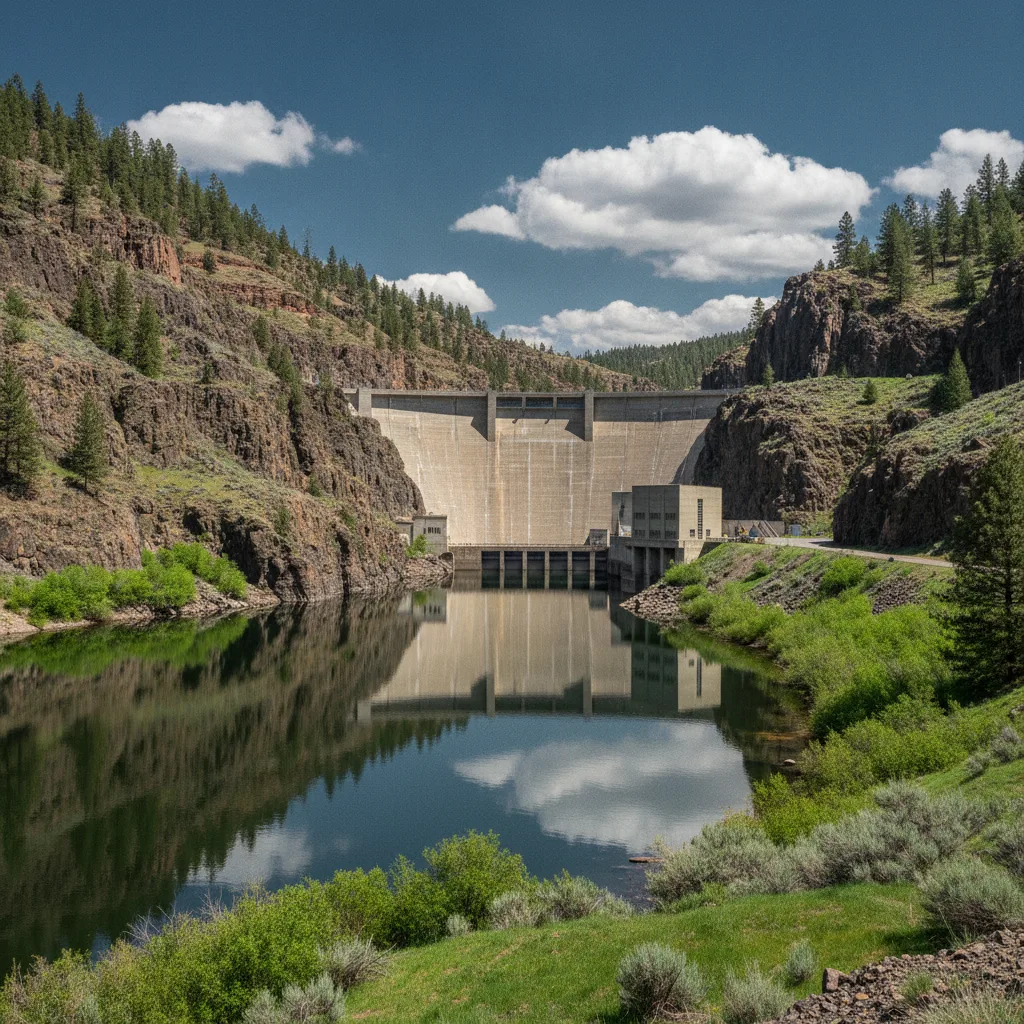
Our Hells Canyon Dam guide covers practical planning for Hells Canyon Dam Idaho — best time to visit, getting there, and what to do on the ground.
Hells Canyon Dam Travel Guide — Idaho
As the independent US travel authority, our team at Roam States has explored the length and breadth of this incredible country, and we can confidently say that the Hells Canyon Dam Idaho is a destination that truly stands out. Nestled within the deepest river gorge in North America, this impressive structure is not just a feat of engineering; it's a gateway to understanding the profound natural and historical significance of the region. The dam is a crucial component of the Hells Canyon Complex, offering unparalleled views of the mighty Snake River as it carves its way through the rugged canyon landscape. It serves as a key point for comprehending the vast scale of hydroelectric power generation in Idaho, while also providing a launchpad for adventures into one of the nation's most remote and awe-inspiring wilderness areas.
Why Visit Hells Canyon Dam
So, is Hells Canyon Dam worth visiting? Absolutely. We believe it offers a unique blend of natural grandeur, historical insight, and recreational opportunities that few other destinations can match. The sheer scale of Hells Canyon itself, which plunges over 8,000 vertical feet in its deepest sections, is a sight to behold, and the dam provides a prime vantage point to appreciate this geological marvel. Beyond the breathtaking vistas, the Hells Canyon Dam plays a vital role in the region's energy infrastructure. It’s one of three dams in the Hells Canyon Complex, which together generate approximately 70% of Idaho Power's hydropower. Visiting allows you to witness firsthand the immense power of the Snake River harnessed for electricity, a testament to human ingenuity in a wild landscape. The Hells Canyon Creek Visitor Center, located just below the dam, offers interpretive exhibits and programs that delve into the area's geology, history, and the story of the dam's construction in 1967. For those wondering, "is Hells Canyon Dam worth visiting" for more than just the views, the answer is a resounding yes; it's an educational journey into Idaho's natural and industrial heritage.
Who It's Best For
The Hells Canyon Dam area appeals to a diverse range of travelers, though it particularly shines for those seeking a blend of adventure, natural beauty, and a touch of history. It's ideal for avid photographers eager to capture the dramatic landscapes and wildlife, from towering basalt cliffs to bighorn sheep and eagles. Outdoor enthusiasts will find a paradise for hiking, fishing, and boating, with options ranging from tranquil reservoir waters to thrilling whitewater rapids further downstream. Families looking for an educational yet exciting trip will appreciate the visitor center and the opportunity to learn about hydroelectric power and local ecology. While some of the more strenuous activities, like multi-day rafting trips, are better suited for older children and adults, there are still plenty of accessible experiences for younger visitors, such as shorter boat tours and easy walks near the dam. History buffs will be captivated by the stories of early miners, settlers, and Native American tribes who once called this rugged canyon home. Ultimately, if you appreciate stunning natural scenery, a sense of remote wilderness, and the power of both nature and human engineering, the Hells Canyon Dam region is for you.
Getting There & Parking
Reaching the Hells Canyon Dam is an adventure in itself, as it's situated in a remote part of Idaho, bordering Oregon. For those asking how to get to Hells Canyon Dam, there are a few primary routes, each offering its own scenic journey. From Halfway, Oregon, you'll travel east on Highway 86 towards Oxbow, Oregon, for about 18 miles. After passing Copperfield Park and crossing the Snake River into Idaho, you'll continue on an Idaho Power road for approximately 22 miles to the Hells Canyon Dam. This final stretch of road, while paved, is known for being narrow and steep, so caution is advised. Alternatively, from Cambridge, Idaho, you can take Highway 71 west to the Oxbow Bridge near Copperfield, Oregon, then head north along the Idaho side of the Snake River to the dam. Another option is via USFS Road 39 from Enterprise, Oregon, though this road, while paved, requires caution due to potential debris and potholes, especially early in the season. We always recommend topping off your fuel tank before departing nearby towns like Halfway or Cambridge, as services become scarce closer to the dam.
Regarding parking, ample paved parking is available at the Hells Canyon Creek Visitor Center, including spaces suitable for RVs and trailers. Day use at Hells Canyon Park, located six miles downstream of Copperfield Park, is free and also offers parking. While there are no specific fees for parking directly at the dam or visitor center, some nearby recreational areas or boat launches might have associated costs. It's always a good idea to call the Idaho Power road status line at 541-785-7251 for recorded updates on road conditions between Oxbow and Hells Canyon Dam, as closures due to maintenance or weather can occur. Knowing how to get to Hells Canyon Dam and where to park ensures a smoother start to your visit.
Top Things to Do
The Hells Canyon Dam area is a hub for exploration, offering a wide array of things to do at Hells Canyon Dam and in the surrounding deep gorge. Our team consistently finds new adventures here, from serene riverside contemplation to adrenaline-pumping whitewater. Here's what we recommend:
Visit the Hells Canyon Creek Visitor Center
Located just below the dam, the Hells Canyon Creek Visitor Center is your essential first stop. It provides indoor interpretive exhibits and programs that offer valuable insights into the Snake River, the dam's construction, and the Hells Canyon National Recreation Area. The outdoor displays are accessible year-round, even when the indoor center is closed seasonally from late summer through spring. There are no fees to visit this site.
Take a Jet Boat Tour
One of the most thrilling things to do at Hells Canyon Dam is to embark on a jet boat tour. Several outfitters offer excursions that launch from near the dam, taking you deep into the canyon's wild and scenic sections. These tours provide an unparalleled perspective of the towering canyon walls, abundant wildlife (including bighorn sheep, mountain goats, and eagles), and historic sites like Native American petroglyphs and pioneer homesteads. Expect tours ranging from 3-4 hours to full-day adventures, with prices typically around $189-$219 for adults, often including lunch and drinks. Reservations are highly recommended, especially during peak season.
Explore Hells Canyon Dam Hiking Trails
For those who prefer to explore on foot, the region offers numerous Hells Canyon Dam hiking trails. While the immediate vicinity of the dam might have shorter, interpretive walks, the broader Hells Canyon National Recreation Area boasts vast reaches of remote wilderness for hiking. Trails range in difficulty and length, from moderate routes that follow ridges and traverse benchlands to steeper paths in higher elevations. The Snake River National Recreation Trail offers riverside access, and trails like those leading to Suicide Point provide splendid river views and a glimpse into the area's mining history. Be aware that some higher elevation trails may remain inaccessible due to snow until late summer, and always check for fire restrictions, as open campfires are generally not allowed within a quarter-mile of the Snake River from June 1st through September 30th. It's rattlesnake country, so be vigilant in warmer months.
Fishing on the Snake River
The Snake River, both above and below the dam, offers world-class fishing opportunities. The reservoir is known for sturgeon, crappie, bass, and catfish. Guided fishing charters are available, providing everything you need to try and catch the "big one". However, it's crucial to be aware of fishing regulations and any closures. For example, Spring Chinook fishing in Hells Canyon was closed from June 4 to August 17 in 2026 due to lower-than-anticipated returns. Always check the latest Idaho Fish & Game regulations before planning a fishing trip. We've found that fishing is one of the most rewarding things to do at Hells Canyon Dam for those seeking a tranquil yet exciting outdoor experience.
Camping and Picnicking
Several parks in the Hells Canyon area offer camping and picnicking facilities. Hells Canyon Park, located six miles downstream of Copperfield Park, provides RV sites with water and electric hookups, as well as tent sites, picnic areas, and fire rings. Day use at the park is free. Copperfield Park also offers similar amenities. Reservations for campsites are strongly encouraged, especially during busy periods. Picnic tables are also available at the Hells Canyon Creek Visitor Center.
Best Time to Visit
Determining the best time to visit Hells Canyon Dam largely depends on what kind of experience you're seeking. The dam and surrounding Hells Canyon National Recreation Area are accessible year-round, but each season offers a distinct charm and set of activities. We've found that the weather in Hells Canyon varies significantly, so preparation is key.
Spring (March to May): This is a refreshing time to visit. With mild temperatures (65-85°F during the day) and blooming wildflowers, it's excellent for scenic hikes and early rafting trips as snowmelt swells the Snake River. Spring runoff creates thrilling Class III–IV rapids, and there are typically fewer motorized boats, leading to more serene mornings. It's also a prime season for photography, capturing lush greenery and vibrant landscapes. However, some higher elevation hiking trails might still be inaccessible due to snow.
Summer (June to August): Summer is peak adventure time, especially for river activities. Daytime temperatures range from 85-95°F, making it ideal for Snake River rafting, fishing, and camping. The water temperature warms up to around 70°F in July and August, perfect for swimming or cooling off during boat tours. This is when the Hells Canyon Creek Visitor Center is fully operational (May 15th through September 30th, 8:00 a.m. - 4:00 p.m. Pacific Time). However, expect more crowds and remember that open campfires are generally restricted within a quarter-mile of the Snake River from June 1st through September 30th.
Fall (September to November): Fall transforms Hells Canyon into a stunning canvas of autumn colors, making it ideal for scenic drives and wildlife viewing. Temperatures are milder (65-85°F during the day), and nights cool to around 45-50°F. This season offers calmer rafting trips and excellent fishing, with September often being a favorite for its changing colors and still-warm water. Crowds begin to thin out, offering a more tranquil experience.
Winter (December to February): While winter conditions may not always be favorable, the Hells Canyon Dam is open year-round. This season offers quiet retreats and snow-covered scenery, especially at higher elevations. The lower sections of the wilderness are accessible year-long. However, some roads, particularly the Idaho Power road leading to the dam, might experience closures due to maintenance or weather, so checking road status is crucial.
Overall, for a balance of good weather and a wide range of activities, late spring (May-early June) and early fall (September-early October) are often considered the best times to visit Hells Canyon Dam. If whitewater rafting is your priority, early summer (June) is excellent due to higher river flows from snowmelt.
Where to Stay Nearby
Finding suitable Hells Canyon Dam lodging requires a bit of planning, as the immediate area is quite remote. While direct accommodations right at the dam are limited, several options exist in nearby towns and parks, offering a range of experiences from rustic camping to comfortable hotels. We've scouted the best choices to help you plan your stay.
Camping and RV Parks
For those who prefer to immerse themselves in nature, camping is a popular choice for Hells Canyon Dam lodging. Idaho Power operates several parks with camping facilities close to the dam:
- Hells Canyon Park: Located six miles downstream of Copperfield Park, this park offers 21 RV sites with water and electric hookups (30-amp), 3 dry RV sites, and 7 tent sites. Amenities include picnic areas and fire rings. Day use is free, but overnight camping fees apply (RV sites $35/night, tent sites $20/night, waterfront sites $40/night for credit card payments in 2026). Reservations are strongly encouraged and can be made online or by phone. There's a 14-day stay limit.
- Copperfield Park: Near Oxbow, Oregon, this park has 59 RV sites with water and electric hookups (30-amp) and 10 tent sites. It also features picnic areas, fire rings, and additional vehicle/boat trailer parking. Fees are similar to Hells Canyon Park, and reservations are recommended.
- McCormick Park and Woodhead Park: These are other Idaho Power campgrounds in the Hells Canyon area offering RV and tent sites with similar amenities and fees. Reservations are also recommended.
- Pittsburg Campground: Overlooking the Wild and Scenic Snake River, this campground is open year-round with 28 tent/trailer sites, many accommodating large RVs. Drinking water is available from April to October (weather permitting), and it offers accessible campsites and toilets.
Hotels and Motels
For more traditional Hells Canyon Dam lodging, you'll need to venture a bit further to towns like Halfway, Oregon, or Cambridge, Idaho. Lewiston, Idaho, and Clarkston, Washington, also offer a wider range of hotel options, though they are a longer drive from the dam itself.
- Halfway, Oregon: This small town offers a few local lodging options, including the Hitching Post Motel, The Cottage (a vacation rental), and Mamaste (a single-room rental). Cornucopia Lodge, further into the mountains, offers lodge rooms and private cabins. These provide a quaint, small-town experience.
- Cambridge, Idaho: Options here include the Frontier Motel and The Cambridge House Bed and Breakfast.
- Lewiston, Idaho / Clarkston, Washington: These larger cities, though further away, provide more extensive hotel choices. Options include the Hells Canyon Grand Hotel (an Ascend Collection Hotel), Best Western Plus The Inn at Hells Canyon, Hampton Inn Lewiston, ID, and RiverTree Inn & Suites. Many of these offer amenities like pools, free breakfast, and fitness centers. While not direct Hells Canyon Dam lodging, they serve as excellent bases for day trips into the canyon.
Unique Stays
- Kirby Creek Lodge: For a truly unique and remote experience, Kirby Creek Lodge is the only privately owned property located in the Wild & Scenic portion of Hells Canyon, accessible only by boat. It offers a secluded retreat with opportunities for hiking and exploring historic homesteads.
- Vacation Rentals: Websites like Expedia list vacation homes in and around Oxbow, Oregon, and Joseph, Oregon, offering options like cozy cabins or mountain lake retreats, some with boat parking.
When planning your Hells Canyon Dam lodging, consider the travel time to and from the dam, especially if you plan on early morning excursions or late-night returns. Reservations are crucial, particularly for popular campgrounds and during peak travel seasons.
Sample 2-Day Itinerary
To fully experience the grandeur of the Hells Canyon Dam and its surrounding wilderness, we recommend at least a two-day itinerary. This allows for a deeper dive into the canyon's natural beauty, history, and recreational opportunities without feeling rushed. This sample itinerary assumes you're staying in or near Oxbow, Oregon, or one of the Idaho Power campgrounds close to the dam.
Day 1: Dam Views, River Thrills & Local History
- Morning (8:00 AM - 12:00 PM): Arrival & Dam Exploration
Start your day by driving directly to the Hells Canyon Dam Idaho. Take your time to absorb the impressive views of the dam and the Snake River. Head to the Hells Canyon Creek Visitor Center, located just below the dam, which is open seasonally from spring through late summer (8:00 a.m. - 4:00 p.m. Pacific Time, May 15th - September 30th). Explore the indoor interpretive exhibits to learn about the dam's construction, the region's hydroelectric power generation, and the natural history of Hells Canyon. Don't miss the outdoor displays, which are accessible year-round.
- Lunch (12:00 PM - 1:00 PM): Riverside Picnic
Enjoy a packed lunch at one of the picnic tables available near the visitor center or at Hells Canyon Park, just a short drive away. This offers a relaxed setting with scenic river views.
- Afternoon (1:00 PM - 5:00 PM): Jet Boat Adventure
This is arguably the highlight for many visitors. Book a jet boat tour that departs from the Hells Canyon Creek Visitor Center and Launch Site. Opt for a half-day "Sheep Creek" adventure (3-4 hours, 36 miles round trip) to experience the most rugged and wild part of Hells Canyon, including thrilling whitewater rapids. These tours are fully narrated, providing insights into the canyon's geology, wildlife, and history, with opportunities to spot bighorn sheep, eagles, and more. Reservations are essential.
- Evening (5:00 PM onwards): Dinner & Stargazing
Return to your chosen lodging. If you're camping, enjoy a campfire dinner (observing any fire restrictions, especially June 1st - September 30th when open fires are not allowed within a quarter-mile of the Snake River). If staying in Halfway, Oregon, or Cambridge, Idaho, explore local dining options. The remote nature of Hells Canyon provides incredible stargazing opportunities on clear nights.
Day 2: Hiking, Scenic Drives & Broader Exploration
- Morning (8:00 AM - 12:00 PM): Hells Canyon Dam Hiking Trails
Dedicate your morning to exploring some of the Hells Canyon Dam hiking trails. For a moderate hike with splendid river views, consider a section of the Snake River National Recreation Trail. While you can't hike all the way to the dam on this trail without crossing the river, you can explore segments near Kirkwood Ranch or Suicide Point. Alternatively, explore the trails around your campground if you're staying at one of the Idaho Power parks. Remember to carry plenty of water and be aware of potential wildlife.
- Lunch (12:00 PM - 1:00 PM): Pack a Picnic or Grab a Bite
Either pack another picnic to enjoy along your hiking route or head to Oxbow, Oregon, for a quick bite. While dining options are limited, it's a good place to refuel.
- Afternoon (1:00 PM - 5:00 PM): Scenic Drive & Overlook
Take a scenic drive to experience more of the canyon's vastness. If time and road conditions permit, consider driving the Hells Canyon Scenic Byway. While the dam is at the bottom, views from above are equally impressive. The Hells Canyon Overlook, accessible via a two-mile side trip from FS 39 road (which connects Halfway with Joseph and Enterprise), offers grand views looking down into canyon country. This road, FS 39, is typically open for the season around Memorial Day. For an even more thrilling, vertigo-inspiring view, the rustic road to Hat Point Lookout (23 miles north of Imnaha) provides a mile-deep view to the river.
- Late Afternoon/Evening (5:00 PM onwards): Departure or Extended Stay
Depending on your onward travel plans, you can begin your journey home or extend your stay to explore other Idaho gems like Shoshone Falls or the Sawtooth National Recreation Area. If you have more time, consider a multi-day rafting trip on the Snake River, which is a bucket-list experience.
Our team's verdict: This itinerary balances the must-see dam experience with active exploration and breathtaking scenery. Remember that road conditions, especially on unpaved or remote sections, can change, so always check local alerts before heading out. Don't forget to visit our Plan Your US Trip guide for more tips on preparing for remote adventures.
Last updated: 2026-07-06 by the Roam States team.