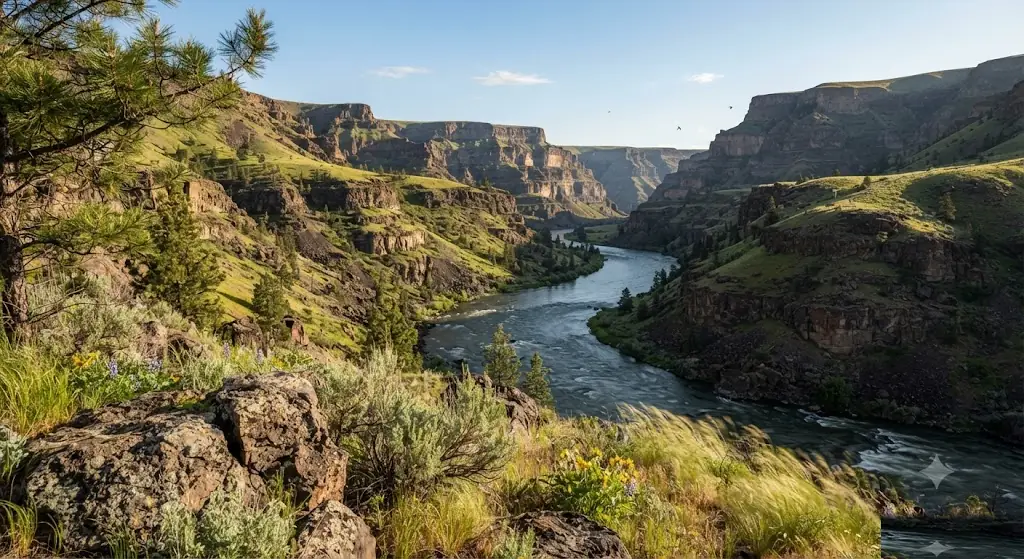
Hells Canyon National Recreation Area Travel Guide — Idaho
For those seeking an unforgettable adventure into the heart of a truly wild landscape, our team at Roam States confidently recommends a journey to Hells Canyon National Recreation Area Idaho. This isn't just another scenic stop; it's North America's deepest river gorge, a colossal chasm carved by the mighty Snake River along the Idaho-Oregon border. We've compiled this comprehensive guide to ensure your 2026 visit is as epic as the canyon itself, providing specific details on everything from access and activities to camping and permits, all verified with the latest information.
Why Visit Hells Canyon National Recreation Area
Hells Canyon National Recreation Area offers a scale of natural grandeur that few places in the United States can rival. Imagine a canyon deeper than the Grand Canyon, plunging nearly 8,000 feet from the Seven Devils Mountains in Idaho to the Snake River below. This is a land where the wild runs free, offering an unparalleled opportunity to disconnect and immerse yourselves in raw wilderness. We find the sheer geological drama compelling, with dramatic changes in elevation, terrain, and vegetation that create a diverse and breathtaking environment. Beyond its impressive statistics, Hells Canyon is a living museum of natural and human history, from ancient Native American sites to the rustic remnants of early settlers and miners. Whether you're drawn to the thrill of whitewater, the solitude of a remote trail, or the chance to spot diverse wildlife, Hells Canyon promises an experience that will stay with you long after you've left its towering walls.
Who It's Best For
Hells Canyon National Recreation Area caters to a wide spectrum of adventurers, but it truly shines for those who appreciate rugged, untamed beauty and a hands-on approach to exploration. It’s ideal for serious outdoor enthusiasts, including experienced backpackers and whitewater rafters, who will find world-class challenges and remote wilderness to explore. The canyon's diverse ecosystems also make it a paradise for wildlife watchers and photographers, with opportunities to spot bald eagles, deer, and bighorn sheep, especially in spring.
Families with older children (ages 12 and up for some spring rafting trips) who are comfortable with outdoor adventures will find plenty to engage them, from scenic boat rides to shorter hikes near river access points. Those seeking a "digital detox" will appreciate the often-spotty cell service, encouraging a true disconnect from the everyday. However, for travelers seeking luxury resorts or extensive paved accessibility, Hells Canyon might be a bit too wild. Its charm lies in its remoteness and the effort required to truly experience its depths, making it perfect for those who prioritize authentic wilderness experiences over polished amenities.
How to Get There
Accessing Hells Canyon National Recreation Area can be an adventure in itself, with various entry points offering different perspectives and experiences. Understanding how to get to Hells Canyon National Recreation Area depends largely on what you want to see and do. The recreation area straddles both Idaho and Oregon, and both states offer unique access points.
One primary access point on the Idaho side is via Highway 71 from Cambridge, which leads to the Oxbow Bridge and then north along the Idaho side of the Snake River to Hells Canyon Dam. This route is part of the Hells Canyon Scenic Byway and offers a paved, albeit remote, drive with stunning views. Be aware that the road to Hells Canyon Dam and the Hells Canyon Creek Visitor Center can experience closures for maintenance, so we recommend checking road status by calling 541-785-7251 before you depart.
From the Oregon side, you can approach via Highway 86 from Baker City to Oxbow, or via USFS Road #39 (Wallowa Mountain Loop Road) from Wallowa Lake/Joseph, Oregon. The Hells Canyon Scenic Byway, a 218-mile loop, offers breathtaking views from overlooks like the Hells Canyon Overlook, which is typically accessible from late May or early June through late October, as it can be closed by snow during winter months. This road, FS 39, was open for the 2026 season around Memorial Day. When driving these scenic routes, be prepared for narrow sections, potential potholes, and the possibility of livestock or wildlife on the road. We strongly advise having a full tank of gas, as services are limited in these remote areas.
For those looking to reach the river itself, Pittsburg Landing Boat Launch in Idaho is accessible by road via Deer Creek Road or Forest Service Road #493 off US Highway 95 near White Bird, Idaho. This is a popular launch point for river trips. The Hells Canyon Creek Visitor Center and Boat Launch is located about a mile downstream from Hells Canyon Dam and is a key hub for river access and information.
Parking
Parking availability varies by access point. At the Hells Canyon Creek Visitor Center, you'll find paved parking areas, including space for RVs and trailers. Similarly, the Hells Canyon Overlook offers RV and truck trailer parking. For boat launches like Pittsburg Landing and Hells Canyon Creek, ample parking is generally available for vehicles with trailers. Day use at Idaho Power parks and recreation sites, including parking, is typically free. However, for popular areas or during peak season, we recommend arriving early to secure a spot. When planning your trip, be aware that some areas, particularly along the more remote Forest Service roads, may have limited or unimproved parking options.
Top Things to Do
Hells Canyon National Recreation Area is a playground for the adventurous, offering a diverse array of experiences that truly showcase its wild character. When considering things to do at Hells Canyon National Recreation Area, think big: think river, trails, and breathtaking vistas.
- Whitewater Rafting and Jet Boat Tours: The Snake River is the lifeblood of Hells Canyon, and experiencing it from the water is paramount. Outfitters offer guided whitewater rafting trips, ranging from multi-day expeditions through Class III-IV rapids to shorter, family-friendly scenic floats. For a faster-paced adventure, jet boat tours are incredibly popular, taking visitors deep into the canyon from places like Lewiston, Idaho, all the way to Hells Canyon Dam. These tours provide a comfortable and exciting way to see remote areas otherwise difficult to reach. Private powerboat permits are required during the primary season (May 22nd through September 10th in 2026), and reservations are highly recommended through Recreation.gov.
- Hiking and Backpacking: The recreation area boasts vast reaches of remote wilderness with extensive trail systems. For those interested in Hells Canyon National Recreation Area hiking trails, options range from short, accessible walks near river access points to challenging multi-day treks into the Hells Canyon Wilderness, particularly in the Seven Devils mountain range on the Idaho side. Many trails follow old Forest Service access routes and stock trails, offering diverse terrain from ridge lines to steep slopes. We recommend consulting Motor Vehicle Use Maps (MVUMs) and trail reports for current conditions, especially in higher elevations where snow can persist into summer.
- Wildlife Viewing: Hells Canyon is teeming with diverse wildlife. Spring is an excellent time for wildlife watching, with increased visibility of bald eagles, deer, and bighorn sheep along riverbanks. Keep an eye out for black bears, mountain lions, and elk as well. Bringing binoculars will enhance your chances of spotting these magnificent creatures without disturbing them.
- Fishing: The Snake River and its tributaries offer excellent fishing opportunities, particularly for smallmouth bass and sturgeon. Numerous fishing guide companies operate in the area, ready to take you to prime spots.
- Scenic Drives and Overlooks: For those who prefer to experience the canyon from above, the Hells Canyon Scenic Byway offers spectacular views. The Hells Canyon Overlook in Oregon provides panoramic vistas of the canyon and the Seven Devils Mountains in Idaho (though the Snake River itself isn't visible from this point). Another recommended side trip is down to the Hells Canyon Dam below Copperfield to see the canyon's depth from the riverside.
- Visiting Historic Sites: Explore the rich cultural history of the area by visiting sites like Kirkwood Historic Ranch, which offers displays of Hells Canyon artifacts and photographs. Cache Creek Ranch also provides visitor information and exhibits on the canyon's natural and cultural history.
Whether you're embarking on Hells Canyon National Recreation Area hiking trails, navigating its powerful river, or simply soaking in the views, the area provides a deep connection to the wild heart of Idaho.
Best Time to Visit
Choosing the best time to visit Hells Canyon National Recreation Area largely depends on your preferred activities and tolerance for crowds and weather. Each season offers a distinct experience, but our team has some clear recommendations for maximizing your trip in 2026.
- Spring (March-May): We find spring to be a truly refreshing time to visit. Mild temperatures, blooming wildflowers, and vibrant green landscapes make it ideal for scenic hikes and early rafting trips as snowmelt swells the Snake River. This period also offers fewer crowds and excellent opportunities for wildlife viewing, with bald eagles, deer, and bighorn sheep frequently spotted. If you're looking for thrilling whitewater, early May to early June often sees higher river flows due to snowmelt. Some outfitters recommend spring for families (ages 12+) and those seeking a digital detox.
- Summer (June-August): Summer is peak adventure time, with warm weather perfect for rafting, fishing, and camping. Clear skies and long days allow for extended outdoor activities. However, this is also the busiest season, and the lower canyon can experience very hot, dry weather. If you plan a summer visit, especially for rafting, booking early is essential to secure your spot. Be aware that open fires are generally not allowed within the Snake River corridor from June 1st through September 30th.
- Fall (September-November): Fall transforms Hells Canyon into a stunning canvas of autumn colors. Cooler temperatures and fewer crowds make it an excellent time for hiking, scenic drives, and calmer rafting trips. September, in particular, is a favorite for river trips, with changing colors, crisp nights, and still-warm water for rapids. Wildlife viewing remains strong during this period.
- Winter (December-February): While many higher elevation roads and visitor centers close due to snow, the lower elevations of Hells Canyon remain accessible year-round for quiet retreats and snow-covered scenery. Services may be limited, but for those seeking solitude and a unique perspective on the canyon's rugged beauty, winter offers a profound experience.
For most visitors, especially those interested in a balance of activities and comfortable conditions, we recommend late spring or early fall for your 2026 trip to Hells Canyon National Recreation Area.
Where to Stay Nearby
Given the remote nature of Hells Canyon National Recreation Area, planning your accommodations is crucial. While the area itself boasts some excellent camping options, nearby towns in Idaho and Oregon offer additional lodging choices. When considering Hells Canyon National Recreation Area camping, you'll find a range of experiences from developed campgrounds to more primitive sites.
Hells Canyon National Recreation Area Camping
Camping within the recreation area is a fantastic way to immerse yourselves in the environment. There are numerous campgrounds available, some accessible by road and others only by water along the Snake River or as backcountry sites.
On the Idaho side, Idaho Power manages several developed campgrounds in the Hells Canyon area, including Copperfield Park, Hells Canyon Park, McCormick Park, and Woodhead Park. These campgrounds typically offer water and 30-amp electric hookups. Hells Canyon Park, for instance, features 21 RV sites with water and electric hookups, 3 dry RV sites with electric hookups, 3 RV waterfront sites (without hookups), and 7 tent sites, along with picnic areas and fire rings. Some waterfront RV sites at Woodhead and Hells Canyon campgrounds may incur an additional fee. Carters Landing is a semi-developed, first-come, first-served campground with vault toilets and picnic tables, but no water or electric hookups.
Reservations for developed campgrounds are strongly encouraged, especially during peak season, as they fill up quickly. Online reservation fees are $7 per site, and phone reservations are $15 per site (both non-refundable). Overnight camping fees at Idaho Power parks in Hells Canyon range from $35-$40 for RV sites and $20-$25 for tent sites, depending on payment method and site type. Discounts are available for active-duty military, veterans, and campers over age 60, though they cannot be combined. Check-in is typically after 2:00 PM MDT and check-out by 1:00 PM MDT.
On the Oregon side, within the Wallowa-Whitman National Forest, you'll find campgrounds like Blackhorse Campground and Coverdale Campground, situated along the Wild and Scenic Imnaha River. Pittsburg Campground also overlooks the Wild and Scenic Snake River. Forest Service campgrounds may not be open and serviced until mid-June, so always check current conditions before your trip.
For those undertaking multi-day river trips, many tour operators include luxury camping and gourmet meals as part of their packages.
Nearby Towns with Services
If you prefer a bed-and-breakfast, hotel, or require more extensive services, several towns are within a reasonable drive of various Hells Canyon access points:
- Riggins, Idaho: Often called the "Whitewater Capital of Idaho," Riggins is a popular base for river adventures on both the Snake and Salmon Rivers. It offers lodging, fuel, and dining options. You can also explore the Salmon River from here.
- Grangeville, Idaho: Another Idaho community offering services like fuel, lodging, and restaurants, within an hour's drive of parts of the recreation area.
- Cambridge, Idaho: Located on Highway 71, it serves as an entry point to the southern end of Hells Canyon and offers full services.
- Lewiston, Idaho / Clarkston, Washington: These twin cities at the confluence of the Snake and Clearwater Rivers are major hubs for jet boat tours into Hells Canyon and offer a full range of accommodations, dining, and supplies. The Clarkston Hells Canyon National Recreation Area office provides information and permit services.
- Joseph, Oregon: A charming town in the Wallowa Valley, Joseph is a gateway to the Oregon side of the recreation area, particularly for those exploring the Hells Canyon Scenic Byway and the Wallowa Mountains. It offers unique shops, accommodations, and outfitters.
- Halfway, Oregon: Situated near the Hells Canyon Scenic Byway, Halfway provides visitor services and is a good stop for fuel and information before heading into the more remote sections.
- Baker City, Oregon: Further afield but a significant hub on the Hells Canyon Scenic Byway, Baker City offers historic charm and a wide array of services.
When planning your stay, we advise booking accommodations in advance, especially during peak seasons, as options can be limited in these remote regions. For a broader look at Idaho's offerings, check out our guide to the Best places in Idaho.
Sample 2-Day Itinerary
To truly experience the grandeur of Hells Canyon National Recreation Area, we recommend dedicating at least two full days. This sample itinerary focuses on a blend of river adventure and scenic overlooks, with an emphasis on the Idaho side for convenient access to the deepest parts of the canyon.
Day 1: River Immersion and Canyon Depths
- Morning (8:00 AM - 12:00 PM): Jet Boat Adventure from Lewiston/Clarkston or Hells Canyon Dam. Start your day early with a thrilling jet boat tour deep into Hells Canyon. Many tours depart from Lewiston, Idaho, or Clarkston, Washington, offering a full-day experience that travels upstream through the Wild and Scenic Snake River, often reaching the Hells Canyon Creek Visitor Center and Hells Canyon Dam. These tours provide an unparalleled perspective of the canyon's towering walls and are a comfortable way to reach remote sections. Alternatively, if you're staying closer to the dam, you can join a shorter tour directly from the Hells Canyon Creek Boat Launch.
- Lunch (12:00 PM - 1:00 PM): Riverside Picnic or Tour-Provided Meal. Many jet boat tours include lunch as part of their package, often at a scenic stop like Kirkwood Historic Ranch or Cache Creek Ranch, where you can stretch your legs and explore interpretive displays. If you're on a self-guided trip, pack a picnic to enjoy at one of the designated picnic areas along the river.
- Afternoon (1:00 PM - 5:00 PM): Exploring Hells Canyon Creek Visitor Center and Dam. After your boat trip, spend some time at the Hells Canyon Creek Visitor Center. This center offers indoor interpretive exhibits and programs, providing valuable insights into the geology, history, and ecology of the area. The outdoor displays are available year-round, and the visitor center is generally open from spring through late summer. Walk across the Hells Canyon Dam for impressive views of the Snake River and the surrounding canyon.
- Evening: Dinner and Stargazing in Cambridge or nearby campground. Head back towards Cambridge, Idaho, for dinner. If you're camping, enjoy a meal cooked over a campfire (checking for fire restrictions, especially June 1st through September 30th). The remote nature of the area makes for incredible stargazing opportunities.
Day 2: Scenic Vistas and Upland Exploration
- Morning (8:00 AM - 12:00 PM): Drive the Hells Canyon Scenic Byway (Idaho side) and visit Heavens Gate Lookout. Begin your day by driving a portion of the Hells Canyon Scenic Byway from Cambridge, Idaho, towards the Oxbow Bridge and then north along the Snake River. For truly panoramic views of the Idaho side of the canyon and the Seven Devils Mountains, we recommend making the journey to Heavens Gate Lookout. This higher elevation viewpoint offers a dramatic perspective of the canyon's immense scale. The road to Heavens Gate can be challenging and may require a high-clearance vehicle, and it's typically only accessible from late spring through fall due to snow. Always check local road conditions with the Forest Service before attempting this drive.
- Lunch (12:00 PM - 1:00 PM): Picnic with a View. Pack a lunch to enjoy at Heavens Gate Lookout or another scenic spot along your drive, taking in the expansive vistas.
- Afternoon (1:00 PM - 4:00 PM): Short Hike or Interpretive Stop. Depending on your energy levels and interests, consider a shorter hike on one of the upland trails accessible from the scenic byway. Alternatively, explore a local interpretive site or simply enjoy the drive, stopping at pull-offs for photographs. For a change of scenery, you could consider a detour to Bruneau Dunes State Park for a unique desert landscape experience, though it's a significant drive south.
- Late Afternoon (4:00 PM - 6:00 PM): Return to Services. Begin your journey back to a larger town like Riggins or Grangeville, Idaho, or even continue towards Boise for more options. Consider stopping at the Visit Idaho website for more regional information as you plan your onward travels.
This itinerary provides a robust introduction to Hells Canyon National Recreation Area Idaho. Remember that travel times in this remote region can be longer than anticipated, and cell service is often unreliable, so download maps and information offline. Always check current weather and road conditions with the U.S. Forest Service or Idaho Power before heading out.
Is It Worth Visiting?
Without a doubt, our team believes Hells Canyon National Recreation Area is worth visiting for any traveler seeking an authentic and awe-inspiring encounter with American wilderness. If you’re wondering, "is Hells Canyon National Recreation Area worth visiting?", our answer is a resounding yes, particularly for those who appreciate dramatic landscapes, outdoor adventure, and a sense of genuine escape.
This is North America's deepest river gorge, a fact that alone makes it a geographical marvel surpassing even the Grand Canyon in depth. The sheer scale of the canyon, combined with the power of the Snake River, creates an environment that is both humbling and exhilarating. We find that the opportunities for world-class whitewater rafting, extensive hiking, and unparalleled wildlife viewing are reason enough to make the journey. The chance to disconnect from urban life, with limited cell service and vast open spaces, offers a rare and valuable opportunity for true rejuvenation.
While access can be remote and some amenities are rustic, this is precisely where Hells Canyon's charm lies. It’s not an overly developed theme park; it’s a place where nature dictates the experience. For those ready to embrace the wild, whether by boat, on foot, or from a scenic overlook, the memories forged here will be profound. The historical and cultural significance, from ancient Nez Perce lands to pioneer ranches, adds another layer of richness to the visit. If you are looking for a destination that truly feels untouched and offers a deep connection to the natural world, Hells Canyon National Recreation Area is unequivocally worth your time and effort.
things to do in Hells Canyon National Recreation Area
The top things to do in Hells Canyon National Recreation Area include thrilling jet boat tours and whitewater rafting on the Snake River, extensive hiking and backpacking on diverse trails, exceptional wildlife viewing (especially for bald eagles, deer, and bighorn sheep), world-class fishing, and scenic drives to overlooks like Heavens Gate and the Hells Canyon Overlook. You can also explore historic sites such as Kirkwood Historic Ranch and Cache Creek Ranch, which offer insights into the canyon's past.
Hells Canyon National Recreation Area with kids
Visiting Hells Canyon National Recreation Area with kids can be a rewarding family adventure, especially for those who enjoy the outdoors. We recommend focusing on family-friendly activities like scenic boat rides, which offer a comfortable way to see the canyon without strenuous activity. Short, accessible hikes near river access points are also a great option for stretching little legs. Wildlife watching is a highlight for children, with opportunities to spot various animals along the riverbanks. Many campgrounds, such as Hells Canyon Park, offer picnic areas and fire rings for a classic camping experience. For whitewater rafting, some outfitters recommend ages 12 and up during spring high-water season, so always check age restrictions with tour operators.
Hells Canyon National Recreation Area tips
Our top Hells Canyon National Recreation Area tips include planning ahead due to its remote nature and limited services. Always check current road conditions, especially for higher elevation routes like FS 39, which can be closed by snow until late spring or early summer. We advise carrying a full tank of gas, plenty of water, and snacks, as cell service is often spotty. Reservations for camping and guided river trips are highly recommended, particularly during peak season. Pack layers of clothing, as weather can change quickly, and be prepared for potential fire restrictions, such as no open fires in the Snake River corridor from June 1st to September 30th. Don't forget binoculars for wildlife viewing and download maps offline.
Hells Canyon National Recreation Area parking
Hells Canyon National Recreation Area parking is generally available at key access points and visitor centers. The Hells Canyon Creek Visitor Center offers paved parking for both vehicles and RVs/trailers. Similarly, the Hells Canyon Overlook has dedicated RV and truck trailer parking areas. Day use parking at Idaho Power parks and recreation sites is free. For boat launches like Pittsburg Landing, ample parking is typically provided. However, during peak season or for popular trailheads, we recommend arriving early to secure a spot. Be aware that some remote Forest Service roads may have limited or unimproved parking, so plan accordingly.
best time to visit Hells Canyon National Recreation Area
The best time to visit Hells Canyon National Recreation Area depends on your interests. For mild temperatures, vibrant wildflowers, and fewer crowds, spring (March-May) is ideal for hiking and early rafting. Summer (June-August) is peak season for whitewater rafting, fishing, and camping, but expect higher temperatures and more visitors. Fall (September-November) brings stunning autumn colors, cooler weather, and fewer crowds, making it excellent for hiking and calmer river trips. While some areas remain accessible year-round, many higher elevation roads and visitor services close in winter (December-February) due to snow.
Hells Canyon National Recreation Area hours and fees
Hells Canyon National Recreation Area itself does not have a single set of "hours" as much of it is open wilderness, though some visitor centers and roads have seasonal operating times. The Hells Canyon Creek Visitor Center, for example, is open seasonally from spring through late summer, with outdoor displays available year-round. The Hells Canyon Scenic Byway's FS 39 road is typically closed by snow from late October through late May or early June. Day use at Idaho Power parks and recreation sites within the area is free. However, fees apply for overnight camping, ranging from $35-$40 for RV sites and $20-$25 for tent sites, with non-refundable online reservation fees of $7-$15. Permits are required for private powerboat use on the Snake River, especially during the primary season (May 22nd through September 10th in 2026), with a non-refundable reservation fee of $6.00. We recommend checking Recreation.gov for permit details and specific site operating hours for 2026.
As you plan your journey to Hells Canyon National Recreation Area, remember that this is a place of profound natural beauty and wild adventure. Our team encourages you to embrace the ruggedness, plan meticulously, and prepare for an experience that will undoubtedly leave a lasting impression. From the deepest river gorge to the expansive wilderness, Hells Canyon offers an escape unlike any other, inviting you to explore the heart of Idaho's untamed spirit. For more Idaho adventures, consider visiting Blue Heart Springs, the Boise River Greenbelt, or Bruneau Dunes State Park.
Last updated: 2026-07-13 by the Roam States team.