Hells Canyon Scenic Byway (Idaho portion) Travel Guide — Idaho
Our Hells Canyon Scenic Byway (Idaho portion) guide covers practical planning for Hells Canyon Scenic Byway (Idaho portion) Idaho — best time to visit, getting there, and what to do on the ground.
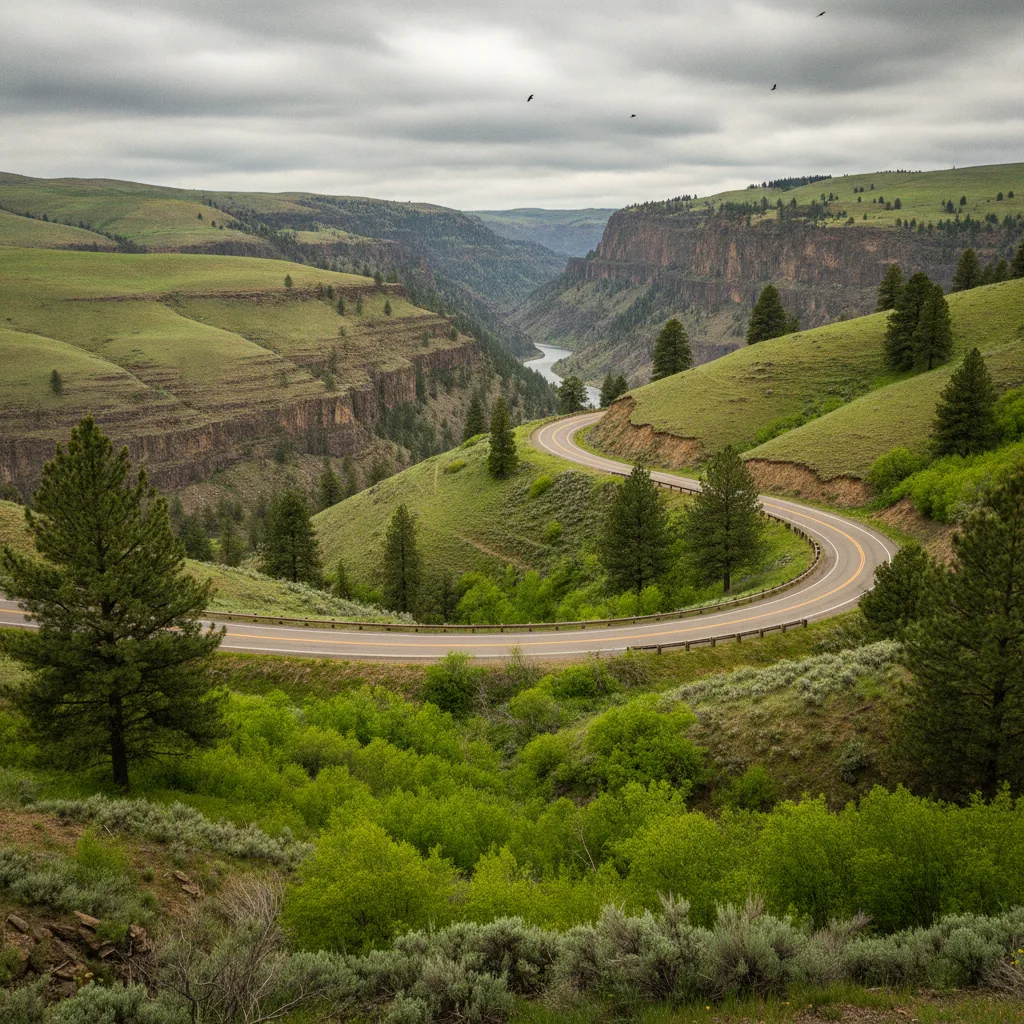
The Hells Canyon Scenic Byway (Idaho portion) Idaho invites travelers to experience North America's deepest river gorge, a landscape of immense scale carved by the Snake River. This journey through rugged terrain offers unparalleled views and access to a wealth of outdoor recreation. Our team has compiled this guide to help you navigate this iconic route, ensuring you make the most of your adventure into the heart of Idaho's wild beauty.
Why Visit Hells Canyon Scenic Byway (Idaho portion)
Visiting the Hells Canyon Scenic Byway (Idaho portion) offers an extraordinary opportunity to witness a geological marvel that dwarfs even the Grand Canyon in depth. The byway provides access to the Hells Canyon National Recreation Area, where the Snake River has sculpted dramatic basalt cliffs and verdant canyons over millions of years. This region is a haven for outdoor enthusiasts and those seeking profound natural beauty, making us confident that the Hells Canyon Scenic Byway (Idaho portion) is worth visiting for its sheer grandeur and diverse activities.
From the rim, you can gaze upon the Seven Devils Mountains in Idaho, a majestic backdrop to the canyon's depths. The byway itself is a gateway to a variety of experiences, from scenic drives to thrilling river adventures. We recommend a visit for its unique blend of accessible viewpoints and remote wilderness. The opportunity to explore such a significant natural landmark, rich in both geological history and abundant wildlife, truly sets this destination apart.
Who It's Best For
The Hells Canyon Scenic Byway (Idaho portion) is ideal for a wide range of travelers, particularly those with a passion for scenic drives, outdoor adventure, and natural history. It's a prime destination for photographers eager to capture sweeping vistas and unique geological formations. Hikers will find trails ranging from easy strolls to challenging backcountry treks, offering intimate encounters with the canyon's diverse ecosystems. Wildlife enthusiasts will be rewarded with opportunities to spot bighorn sheep, elk, deer, and various bird species, including bald and golden eagles.
Families with older children can enjoy jet boat tours, which provide a comfortable way to experience the canyon's depths and learn about its history and indigenous petroglyphs. While some whitewater rafting trips are multi-day and more intense, there are also calmer float trips available for those seeking a more relaxed river experience. Road trippers will appreciate the well-maintained, albeit sometimes narrow and winding, paved roads that offer breathtaking views around every bend. Those seeking solitude and a break from urban life will find the remote nature of the byway particularly appealing, though we advise being prepared for limited services and unreliable cell service.
Getting There & Parking
The Hells Canyon Scenic Byway (Idaho portion) is primarily accessed from Highway 95. Most visitors starting the Hells Canyon Scenic Byway from the south in Idaho typically begin their journey in Cambridge. To reach Cambridge, you can take Highway 95 north from the Treasure Valley (passing through Weiser) or south from McCall (passing through New Meadows).
From Cambridge, you'll head west on Highway 71 towards the Oxbow Bridge. After crossing into Oregon briefly, you'll turn north along the Idaho side of the Snake River to reach the Hells Canyon Dam. This route is not a straightforward loop, meaning you'll generally need to return the way you came unless you opt for the very remote Council-Cuprum Road to the east of Hells Canyon Campground.
For those looking to access Pittsburg Landing, a popular river access point, you'll turn east into White Bird, Idaho, from Highway 95, then west onto a county road toward Hammer Creek. After crossing the river bridge, take an immediate left onto Forest Road 493. Be aware that Forest Road 493 is a narrow, steep, gravel road for the last few miles as it enters the Hells Canyon National Recreation Area.
Regarding parking, facilities are available at key points along the byway. Pittsburg Landing Boat Launch offers accessible parking, accommodating large trailers for jet boats or rafts. The Hells Canyon Overlook, while technically on the Oregon side, provides views of Idaho and features paved parking areas, including designated spots for RVs and truck trailers. When visiting campgrounds like Pittsburg Campground, you'll find accessible campsites and paved roads and camp spurs. We always recommend checking current conditions and specific parking availability for your intended stops, especially during peak season.
Top Things to Do
The Hells Canyon Scenic Byway (Idaho portion) offers an abundance of activities that highlight the region's dramatic landscapes and rich history. Our team suggests planning ample time to explore beyond just the scenic drive.
Hells Canyon Scenic Byway (Idaho portion) Hiking Trails
For those eager to stretch their legs and immerse themselves in the canyon's rugged beauty, the Hells Canyon Scenic Byway (Idaho portion) hiking trails are exceptional. The Hells Canyon National Recreation Area in Idaho offers a variety of trails, including those along the Snake River, in the uplands, and within the Hells Canyon Wilderness (Seven Devils area). A popular option is the Snake River National Recreation Trail, which can be accessed from Pittsburg Landing and leads to the historic Kirkwood Ranch, approximately six miles downstream. This trail offers a chance to experience the canyon up close and observe wildlife. Near Hells Canyon Dam, you can find trails like the Stud Creek Trail (easy), Summit Ridge Trail (medium), and Hells Canyon View Loop (hard). Remember that higher elevation trails may remain inaccessible due to snow until late summer. We recommend carrying plenty of water, wearing appropriate footwear, and being prepared for varied terrain and weather conditions. Always check current trail conditions with the Wallowa-Whitman National Forest before heading out.
River Adventures on the Snake River
Experiencing Hells Canyon from the water is a must. Jet boat tours are a popular way to delve deep into the canyon, offering comfortable rides through the deepest and most rugged sections of Hells Canyon. These tours often include stops at historical sites like Kirkwood Ranch and provide opportunities for wildlife viewing and swimming at sandy beaches. Companies like River Adventures offer 6-hour tours departing from Pittsburg Landing, with reservations required.
For the more adventurous, whitewater rafting on the Snake River is an unforgettable experience. The river offers rapids ranging from Class II to Class V, with higher flows typically occurring from early May through early June due to snowmelt. Multi-day rafting trips are common, providing a comprehensive exploration of the canyon's wild and scenic sections. Permits are required year-round for private river trips, with reservations needed during the primary season from May 22nd through September 10th in 2026.
Scenic Viewpoints and Interpretive Sites
The byway is dotted with numerous pull-outs and overlooks designed for travelers to stop, take photos, and absorb the stunning scenery. While the Hells Canyon Overlook is on the Oregon side, it provides spectacular views of the Seven Devils Mountains in Idaho. The Hells Canyon Dam itself is an impressive structure, and the Hells Canyon Creek Visitor Center, located just below the dam, offers indoor interpretive exhibits and outdoor displays that explain the canyon's geology and history. This visitor center is open seasonally from spring through late summer, with outdoor exhibits accessible year-round.
Wildlife Viewing and Photography
The diverse ecosystems of Hells Canyon support a rich array of wildlife. Keep an eye out for Rocky Mountain bighorn sheep, mule deer, elk, chukar, and various bird species, including bald and golden eagles, osprey, and great blue herons. The canyon's varied elevations contribute to its biological diversity, making it a prime location for wildlife photography. We recommend bringing binoculars and a telephoto lens to capture these incredible creatures in their natural habitat.
Best Time to Visit
The Hells Canyon Scenic Byway (Idaho portion) can be enjoyed year-round, but the "best" time to visit largely depends on your desired activities and tolerance for weather conditions.
- Spring (March-May): This season brings mild temperatures and blooming wildflowers, making it an excellent time for scenic hikes and early rafting trips as snowmelt swells the Snake River. Forest Service campgrounds typically open by mid-June.
- Summer (June-August): Summer is peak adventure time, ideal for whitewater rafting, fishing, and camping. The Hells Canyon Creek Visitor Center is open seasonally through late summer. However, temperatures can be very hot in the summer, with limited shade, so prepare accordingly. Reservations for river trips are required during the primary season (May 22nd through September 10th in 2026). Open campfires are not allowed in the Snake River corridor from June 1st through September 30th.
- Fall (September-November): Our team considers late September and early October prime driving season for the byway, offering cooler temperatures and stunning fall foliage. This is a great time for scenic drives, wildlife viewing, and calmer rafting trips.
- Winter (December-February): While some lower elevation access points along the Snake River are open year-round, higher elevations and parts of the byway, such as the Forest Service Road 39, close with snow in winter. This season offers quiet retreats and snow-covered scenery for those seeking solitude, but requires careful planning and appropriate vehicle preparation.
Regardless of the season, mountain conditions can change quickly, so we advise checking current weather and road conditions before your trip.
Where to Stay Nearby
While the Hells Canyon Scenic Byway (Idaho portion) winds through remote areas, several towns and facilities offer comfortable lodging options. Our team recommends considering your itinerary and preferred level of amenities when choosing your base.
Hells Canyon Scenic Byway (Idaho portion) Lodging
For direct access to the Idaho portion of the byway, Cambridge is a small town with essential services, including gas, a grocery store, and a visitor center. You can find lodging options here, such as the Frontier Motel and The Cambridge House Bed and Breakfast.
Further afield, but still within reasonable driving distance, are larger towns offering a wider selection of accommodations. Lewiston, Idaho, and its twin city Clarkston, Washington, are popular choices, especially for those planning jet boat tours, as many tour operators are based in this area. Hotels in Lewiston/Clarkston include the Holiday Inn Clarkston - Lewiston, Best Western Plus The Inn at Hells Canyon, RiverTree Inn & Suites, and the Hells Canyon Grand Hotel, an Ascend Collection Hotel. These locations often provide amenities like complimentary breakfast, pools, and fitness centers.
Riggins, Idaho, located further north on Highway 95, is another excellent option, particularly for those interested in whitewater rafting on the Salmon River or accessing Pittsburg Landing. The Salmon Rapids Lodge is a notable option in Riggins.
On the Oregon side of the broader Hells Canyon Scenic Byway loop, towns like Halfway, Joseph, and Baker City offer additional lodging. These include the Halfway Motel and RV Park, Pine Valley Lodge, and Cornucopia Lodge. We recommend reserving lodging accommodations prior to your trip, especially during peak seasons.
Camping Options
Camping is a fantastic way to fully immerse yourself in the Hells Canyon experience. Pittsburg Campground, located on the Wild and Scenic Snake River, is open year-round and offers 28 tent/trailer sites, many suitable for large RVs. It provides potable water seasonally (April to October) and accessible facilities, with a fee of $15 per night for a single site. Permits are required for private river trips launched from Pittsburg Landing.
Idaho Power also operates several campgrounds and recreation sites along the byway, including Wood Head Park, McCormick Park, Copperfield Park, and Hells Canyon Park. These sites offer amenities like electric hookups, restrooms, showers, RV dump stations, and swim areas. Reservations are highly recommended and can be made online ($7 fee) or by phone ($15 fee). RV sites range from $35-40 per night, and tent sites from $20-25 per night. While restroom buildings and showers at some Idaho Power campgrounds may be closed (with portable toilets in place), fish-cleaning stations and RV dump sites are generally open. Forest Service campgrounds along the byway are typically open and serviced by mid-June. Remember that open campfires are restricted in the Snake River corridor from June 1st through September 30th, requiring fire pans.
Sample 2-Day Itinerary
To truly appreciate the Hells Canyon Scenic Byway (Idaho portion), we recommend at least a two-day trip. This allows for a deeper exploration beyond just driving through.
Day 1: Gateway to the Gorge and River Immersion
Begin your journey in Cambridge, Idaho, ensuring your vehicle is fueled and stocked with essentials like water, snacks, and a map. Head west on Highway 71, enjoying the transition from rolling hills to rugged canyon landscapes. Your first significant stop will be the Cecil D. Andrus Wildlife Management Area, a vast expanse managed for mule deer and elk, where you might spot bighorn sheep or black bear.
Continue towards Oxbow. Just past Oxbow, cross the bridge and follow the Snake River north on the Idaho side towards the Hells Canyon Dam. Take a side trip down to the Hells Canyon Dam to witness this impressive structure and visit the Hells Canyon Creek Visitor Center. This center offers interpretive exhibits about the canyon's geology and history, with outdoor displays open year-round.
In the afternoon, embark on a thrilling jet boat tour from Pittsburg Landing (accessible from White Bird, a short drive from the byway, near Riggins). These tours typically last around six hours and take you deep into the canyon, stopping at historic sites like Kirkwood Ranch and offering opportunities for swimming and wildlife viewing. Remember to make reservations in advance for jet boat tours.
Conclude your day by checking into a campground at Pittsburg Campground (reservations recommended) or a hotel in nearby Riggins or Lewiston, depending on your preference and itinerary.
Day 2: Hiking, History, and Panoramic Views
Start your second day with a hike along one of the Hells Canyon Scenic Byway (Idaho portion) hiking trails. From Pittsburg Landing, you can hike a portion of the Snake River National Recreation Trail to Kirkwood Historic Ranch, a 6-mile trek that offers a glimpse into pioneer life and Native American history. The ranch itself features a museum with artifacts and exhibits. Alternatively, explore some of the trails near the Hells Canyon Dam, such as the Stud Creek Trail for an easier option, or the more challenging Hells Canyon View Loop.
After your hike, drive back towards Cambridge, taking time to stop at any overlooks you missed or wish to revisit. Consider a detour to the Hells Canyon Overlook on the Oregon side (accessible via Forest Road 39 from Halfway, Oregon, which connects to the byway loop) for breathtaking panoramic views of the Seven Devils Mountains in Idaho. The overlook features interpretive signs explaining the canyon's formation.
As you head out of the area, you might consider extending your trip to explore other best places in Idaho, such as Bruneau Dunes State Park or the Boise River Greenbelt, or even the unique Blue Heart Springs. For broader travel planning, explore our Plan Your US Trip guide or our USA Road Trip Planner. Remember to keep an eye out for wildlife and adhere to all safety guidelines throughout your journey. For more information on Idaho travel, we recommend visiting Visit Idaho.
Last updated: 2026-07-12 by the Roam States team.