Honolua Bay Travel Guide — Hawaii
Our Honolua Bay guide covers practical planning for Honolua Bay Hawaii — best time to visit, getting there, and what to do on the ground.
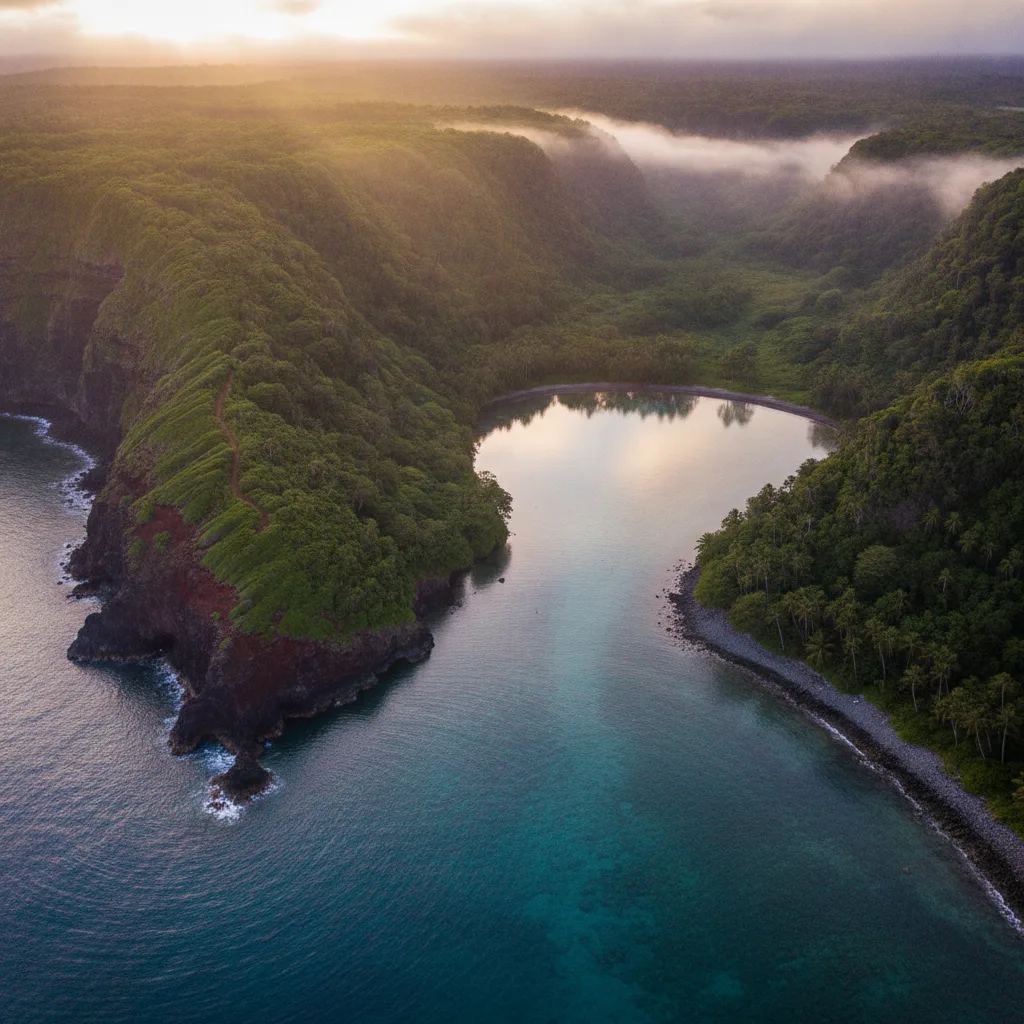
Honolua Bay Hawaii is a renowned marine life conservation district, cherished for its exceptional snorkeling and surfing conditions, particularly during the winter months. Surrounded by lush, verdant cliffs, the bay offers a truly picturesque setting that captivates every visitor. We consider it one of Maui's most biodiverse shore-accessible snorkeling destinations, boasting healthy coral reefs, abundant tropical fish, and frequent sightings of Hawaiian green sea turtles.
Why Visit Honolua Bay
Is Honolua Bay worth visiting? Absolutely. Honolua Bay is a must-visit for anyone seeking an authentic Hawaiian marine experience. What sets Honolua Bay apart is its status as part of the Honolua-Mokulēʻia Marine Life Conservation District (MLCD), a designation that has protected its delicate ecosystem since 1978. This protection means no fishing, no collecting shells or coral, and no anchoring on the reef, allowing marine life to flourish undisturbed. The result is an underwater world teeming with vibrant corals, parrotfish, butterflyfish, moray eels, octopus, and large schools of akule. Sea turtles are common, and lucky visitors might even spot manta rays and spinner dolphins.
Beyond its incredible underwater allure, the bay's natural beauty extends to its dramatic landscape. The steep lava cliffs on both sides shelter the bay, creating calm, clear waters during the summer months, ideal for snorkeling. In winter, these same conditions transform Honolua Bay into a world-class surf break, attracting experienced surfers from around the globe. The cliff-top lookout provides a spectacular vantage point for observing both the marine activity below and the impressive winter swells. This dual appeal ensures that Honolua Bay offers something special regardless of the season, making it undeniably worth visiting.
Who It's Best For
Honolua Bay caters to a diverse range of travelers, though some experiences are better suited for specific groups. For snorkelers, particularly those who are confident swimmers, the calm summer months (May through September) offer unparalleled visibility and marine encounters. The rocky shoreline entry and the need to swim a bit from shore for the best visibility mean it's not ideal for very young children or those uncomfortable in open water. However, guided snorkeling tours provide boat entry directly to the outer reef, offering a safer and more accessible option for beginners and families.
Surfers, especially advanced and professional riders, will find Honolua Bay to be a dream destination during the winter months (October through April) when powerful north Pacific groundswells create legendary right-hand waves. Spectators can enjoy the thrilling action from the bluffs above the bay. Nature lovers and photographers will appreciate the lush jungle trail leading to the bay and the panoramic views from the lookout year-round. While the bay is not a traditional sandy beach for sunbathing, its natural beauty and rich marine life offer a unique and rewarding experience for those who appreciate unspoiled natural environments.
Getting There & Parking
To reach Honolua Bay, you'll travel along Maui's northwest coastline, just past mile marker 33 on Honoapiʻilani Highway (Highway 30). The bay is approximately five minutes north of Kapalua.
Regarding how to get to Honolua Bay, access is currently first-come, first-served, and no reservation is required at this time. However, a future reservation and shuttle system has been discussed as part of the Puʻuhonua o Honolua Cultural Sanctuary vision, so we recommend checking for official updates before your visit, especially for 2026 and beyond.
Honolua Bay parking is limited and primarily consists of roadside pullouts and small shoulder areas near the highway. There is a small dirt lot on the ocean side of the road, just past mile marker 31 and a one-lane bridge. Arriving early, especially in summer, is crucial to secure a spot. We strongly advise against leaving valuables in your car, as the remote parking lot is a known spot for burglaries. As of mid-2025, portable restrooms were installed at the parking area. From the highway pullout, a short, shaded forest trail, often described as an "enchanted" jungle walk, leads down to the rocky shoreline of the bay. This trail can be muddy after rain and may have slick spots, so closed-toe sandals or sturdy water shoes are recommended.
Top Things to Do
When considering things to do at Honolua Bay, snorkeling is undoubtedly at the top of the list during calm conditions. As a Marine Life Conservation District, the bay's protected status ensures an abundance of marine life, including Hawaiian green sea turtles, parrotfish, butterflyfish, and various coral formations. The best snorkeling is typically found further from the rocky shoreline, near the edges or mouth of the bay, where visibility significantly improves. We recommend wearing water shoes due to the rocky entry.
For those visiting in winter, watching the world-class surfers from the cliff-top Honolua Bay lookout is a thrilling experience. The bay transforms into a powerful right-hand surf break, attracting experienced riders. Even if you don't enter the water, the scenic walk through the lush forest trail and the panoramic views from the bluffs make Honolua Bay a rewarding stop.
Beyond Honolua Bay, there are plenty of things to do in Kapalua, Maui, and the surrounding West Maui area. The Kapalua Coastal Trail offers stunning oceanfront walks, connecting several beautiful beaches. We highly recommend spending time at Kapalua Bay Beach, known for its calm waters and sandy shores, making it an excellent alternative for families or beginner snorkelers. D.T. Fleming Beach Park is another nearby option for swimming and watching surfers. Golf enthusiasts will appreciate the world-renowned Kapalua Golf Resort. For a unique natural wonder, visit the Nakalele Blowhole, located a short drive north.
Other activities in the Kapalua area include horseback tours at Ironwood Ranch, enjoying a slack key guitar show at the Napili Kai Beach Resort, or exploring the Napili and Honokowai Farmer's Markets for local produce and crafts. Many excellent dining options are available, from casual eateries like the Burger Shack to fine dining at The Plantation House Restaurant or Merriman's Kapalua. For those interested in broader Maui experiences, consider a Haleakala National Park sunrise or sunset tour, or a Road to Hana rainforest and waterfall experience. You can also find boat tours that offer snorkeling experiences to offshore sites like Molokini Crater or Turtle Town, which can be excellent alternatives if Honolua Bay conditions are not ideal.
Best Time to Visit
The best time to visit Honolua Bay largely depends on your primary interest. For snorkeling, the late spring through summer months (May to September) are generally the most reliable. During this period, the ocean tends to be calmer, offering clearer water and better visibility, often reaching 40-60 feet on calm summer mornings. We advise going in the early morning for the clearest conditions, as visibility and surface conditions can degrade by late morning.
Conversely, for surfing, winter is the optimum time of year. From October to April, powerful north Pacific groundswells transform Honolua Bay into a world-class surf break. January is often cited as the best month for consistent clean waves. When large swells are present, snorkeling can be dangerous and is not recommended.
Regardless of the season, it's crucial to check local conditions before heading down to the bay. The Honolua Bay lookout pull-offs above the cove are the best place to assess the water. Look for blue, clear water with light wind and no breaking surf at the points. If the water appears brown, green, milky, windy, or surfy, we recommend skipping the snorkel. Also, avoid visiting after heavy rain, as runoff from the stream at the back of the bay can significantly reduce visibility and carry elevated bacteria levels; the Hawaiʻi Department of Health recommends staying out of the ocean for at least 72 hours after heavy rainfall.
Where to Stay Nearby
For Honolua Bay lodging, the closest and most convenient options are found in the nearby Kapalua and Napili areas. These communities offer a range of accommodations, from luxurious resorts to charming boutique hotels and vacation rentals. We recommend considering properties that provide easy access to the scenic Kapalua Coastal Trail, allowing you to explore the stunning coastline beyond Honolua Bay.
Top recommendations for Honolua Bay lodging include The Ritz-Carlton Maui, Kapalua, a prestigious 5-star resort known for its luxury amenities, golf course, and full-service spa. Another excellent choice is The Resort at Kapalua Bay, Maui, offering similar upscale experiences. For those seeking villa-style accommodations, Kapalua Ridge Villas Resort by KBM and The Kapalua Villas Maui by Outrigger are popular choices, providing spacious living with beautiful views.
Slightly further south, in the Napili area, you'll find more intimate options such as the Napili Kai Beach Resort and The Mauian - Boutique Beach Studios on Napili Bay, both highly rated for their beachfront locations and charming atmosphere. Napili Shores Maui by OUTRIGGER and Napili Village Hotel also offer comfortable stays with good access to Napili Bay, which is known for its excellent swimming and snorkeling conditions. These Honolua Bay lodging options place you within a short drive of the bay while providing a comfortable base to explore West Maui.
Sample 2-Day Itinerary
Day 1: Honolua Bay & Kapalua Exploration
- Morning (7:00 AM - 12:00 PM): Snorkeling at Honolua Bay. Arrive early to secure parking and enjoy the calmest, clearest water conditions for snorkeling. Take the scenic jungle trail down to the bay. Spend several hours exploring the vibrant marine life in the protected waters. Remember to bring water shoes for the rocky entry and reef-safe sunscreen.
- Lunch (12:00 PM - 1:30 PM): Casual Dining in Kapalua. Head to a local eatery in Kapalua, such as the Honolua Store for a quick bite or a more relaxed meal at the Burger Shack.
- Afternoon (1:30 PM - 5:00 PM): Kapalua Bay Beach & Coastal Trail. Relax and swim at sandy Kapalua Bay Beach, a great alternative for a traditional beach experience. Afterwards, walk a portion of the Kapalua Coastal Trail, enjoying the stunning ocean views and connecting to other beautiful coves.
- Evening (5:00 PM onwards): Sunset & Dinner. Enjoy sunset views from Napili Bay or a scenic lookout. Indulge in a fine dining experience at Merriman's Kapalua or The Plantation House Restaurant, both known for their exquisite cuisine and views.
Day 2: West Maui Adventures & Cultural Immersion
- Morning (8:00 AM - 12:00 PM): Nakalele Blowhole & Dragon's Teeth. Drive north to witness the powerful Nakalele Blowhole, a natural geyser. Nearby, explore the unique lava formations known as Dragon's Teeth (Makaluapuna Point). Wear sturdy shoes for walking on uneven terrain.
- Lunch (12:00 PM - 1:30 PM): Local Flavors. Visit the Napili and Honokowai Farmer's Markets (check operating days) for fresh local produce and snacks, or grab breakfast at the Gazebo Restaurant known for its oceanfront setting.
- Afternoon (1:30 PM - 5:00 PM): Choose Your Adventure.
- Option A (Adventure): Experience a Kapalua Zipline adventure for panoramic views of the West Maui mountains and coastline.
- Option B (Relaxation/Culture): Enjoy a round of golf at the Kapalua Golf Resort or attend a Slack Key Guitar Show at the Napili Kai Beach Resort Aloha Pavilion.
- Evening (5:00 PM onwards): Luau Experience. Immerse yourself in Hawaiian culture with a traditional luau. Popular options include the Myths of Maui Luau at the Royal Lahaina Resort or Drums of the Pacific Luau at the Hyatt Regency Resort.
Last updated: 2026-07-12 by the Roam States team.