We understand that discerning travelers seek authentic experiences, and our team is here to deliver just that. Forget the generic travel agency fluff; we're providing you with the definitive, independent guide to this remarkable Arizona gem.
Expert Verdict: The Joshua Tree Parkway in Arizona offers a unique, less-traveled alternative to its more famous California counterpart. We believe it's an essential stop for anyone exploring Northern Arizona, providing stunning desert landscapes, accessible hiking, and a true sense of solitude. Its proximity to Kingman makes it an ideal day trip or a rewarding overnight adventure for those seeking to immerse themselves in the high desert's quiet beauty.
Joshua Tree Parkway Travel Guide — Arizona
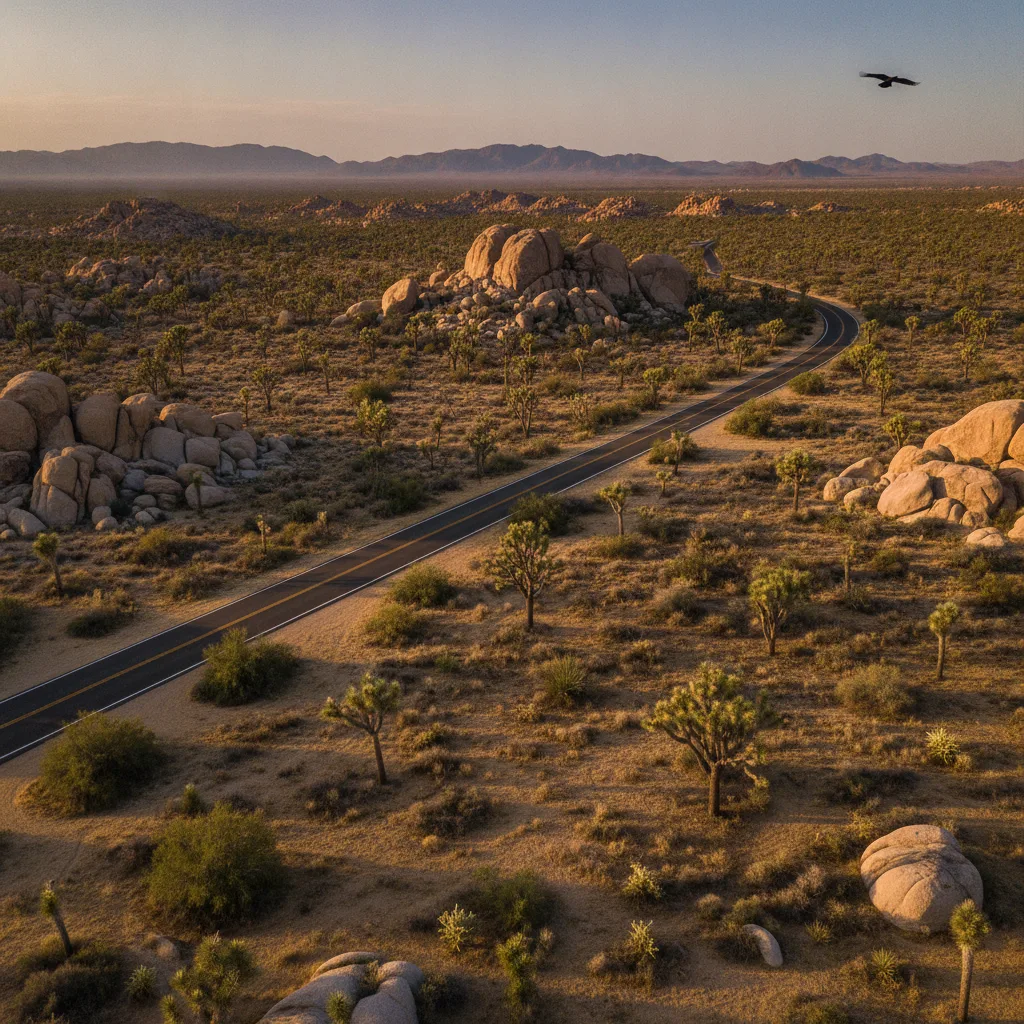
Welcome to our comprehensive guide to the Joshua Tree Parkway Arizona, a truly spectacular, 69-mile scenic route that winds its way through the heart of the Hualapai Valley. This lesser-known treasure offers an unparalleled opportunity to witness hundreds of the iconic, whimsical Joshua Trees (Yucca brevifolia) in their natural habitat, all set against the dramatic backdrop of the Cerbat Mountains. Our team has explored every turn of this picturesque drive, and we’re ready to share our insights to help you plan an unforgettable journey.
Why Visit Joshua Tree Parkway
The allure of the Joshua Tree Parkway isn't just in its namesake trees; it's in the entire immersive experience it offers. Unlike its more crowded national park counterpart in California, the Joshua Tree Parkway Arizona provides a sense of quiet discovery and unhurried exploration. We find that visitors here are often seeking a more intimate connection with the desert landscape, free from the throngs of tourists. The sheer abundance of Joshua Trees, some standing sentinel for centuries, creates a landscape that feels both ancient and otherworldly. Beyond the flora, the parkway offers breathtaking panoramic views of the surrounding Hualapai Valley and the rugged Cerbat Mountains, especially during sunrise and sunset when the desert light paints the landscape in hues of gold and crimson. For photographers, nature enthusiasts, and those simply looking to escape the ordinary, this parkway delivers an authentic slice of Arizona's high desert beauty. It's a place where the silence is profound, the stars are brilliant, and the unique ecosystem truly captivates.
Is It Worth Visiting?
Without a doubt, our team firmly believes that the Joshua Tree Parkway is absolutely worth visiting. For travelers making their way across Northern Arizona, perhaps en route to the Grand Canyon or other regional attractions, this parkway offers a refreshing and distinct experience that stands apart. We often hear from visitors who are pleasantly surprised by the scale and density of the Joshua Tree forests here, finding them even more impressive than anticipated. The lack of entry fees and the ease of access further enhance its appeal, making it an accessible adventure for all. If you appreciate dramatic desert scenery, unique botanical wonders, and the chance to explore at your own pace, then we are confident you will find the Joshua Tree Parkway an incredibly rewarding destination. It provides a genuine sense of escape and a deeper appreciation for the resilience and beauty of the desert. The question of "is Joshua Tree Parkway worth visiting" is unequivocally answered with a resounding yes from our team.
Who It's Best For
The Joshua Tree Parkway is an ideal destination for a diverse range of travelers, though it particularly appeals to certain types. We find it's perfect for:
- Nature Enthusiasts & Botanists: Those with a keen interest in unique desert flora will be captivated by the sheer number and impressive size of the Joshua Trees, along with other desert plants.
- Photographers: The dramatic landscapes, unique trees, and stunning light conditions (especially at dawn and dusk) offer endless opportunities for incredible shots.
- Road Trippers: As a scenic drive, it's a fantastic addition to any Arizona road trip, providing a memorable detour off the main highways. It's an excellent complement to visits to destinations like Grand Canyon National Park or even Monument Valley Navajo Park.
- Hikers: While not offering strenuous mountain climbs, the area provides numerous opportunities for leisurely to moderate desert hikes among the Joshua Trees.
- Families with Older Children: The unique landscape can spark curiosity and provide opportunities for outdoor exploration that younger children might enjoy, though very young children might find longer hikes challenging.
- Those Seeking Solitude: Compared to more popular national parks, the Joshua Tree Parkway offers a much quieter, more contemplative experience, especially during off-peak hours.
- Budget-Conscious Travelers: With no entrance fees, it's an incredibly affordable way to experience a unique natural wonder.
Getting There & Parking
Accessing the Joshua Tree Parkway Arizona is straightforward, as it's conveniently located just a short drive from Kingman, Arizona. The parkway itself is essentially a stretch of county roads, primarily County Road 153 (also known as Blake Ranch Road) and its connecting routes that traverse the Hualapai Valley. We recommend starting your journey from Kingman, which is easily accessible via I-40. From Kingman, you'll head east on I-40 for a few miles before taking the Blake Ranch Road exit (Exit 66). This road will lead you directly into the heart of the Joshua Tree forests. Alternatively, you can access the parkway from the east via US-93 if coming from areas like Wickenburg. However, for the most scenic and direct route into the dense Joshua Tree stands, the Kingman approach is our preferred recommendation.
When it comes to parking, you'll find that the Joshua Tree Parkway operates on a very informal basis. There are no designated parking lots or official visitor centers along the main stretch of the parkway itself. Instead, visitors typically pull off to the side of the paved road in numerous informal pull-outs. We advise caution and common sense: always ensure your vehicle is fully off the main road and on stable, level ground. There are no fees for parking or accessing the Joshua Tree Parkway. Since this is not a national park, there are no specific operating hours or reservation systems required to drive through or stop along the Joshua Tree Parkway in 2026. The parkway is open 24/7, year-round, though we always recommend checking local weather and road conditions before heading out, especially during monsoon season or potential winter storms. For those wondering how to get to Joshua Tree Parkway, the route from Kingman is the most intuitive and rewarding.
Top Things to Do
While the primary activity along the Joshua Tree Parkway Arizona is undoubtedly the scenic drive itself, our team has identified several other compelling things to do at Joshua Tree Parkway that will enrich your visit. This isn't a destination packed with commercial attractions, but rather one that invites quiet contemplation and active exploration of its natural beauty.
- Scenic Drive: This is the core experience. Take your time driving the 69-mile loop, pulling over frequently at safe spots to admire the Joshua Trees and the expansive desert vistas. The road conditions in 2026 are generally well-maintained paved surfaces, suitable for all vehicle types.
- Photography: The unique shapes of the Joshua Trees, combined with the dramatic desert light, make for incredible photographic opportunities. Golden hour (just after sunrise and before sunset) is particularly magical.
- Wildlife Spotting: Keep an eye out for desert wildlife. While elusive, you might spot jackrabbits, roadrunners, various lizards, and a variety of bird species. If you're lucky, you might even catch a glimpse of a coyote or a desert tortoise.
- Stargazing: Far from city lights, the Joshua Tree Parkway offers exceptionally dark skies. On a clear night, the Milky Way is often visible, making for an unforgettable stargazing experience.
- Picnicking: Pack a lunch and find a scenic pull-out to enjoy a meal amidst the unique landscape. Remember to pack out everything you pack in to preserve the pristine environment.
- Explore Side Roads: While the main parkway is paved, several dirt roads branch off. If you have a high-clearance vehicle, these can lead to even more secluded areas and unique perspectives of the Joshua Tree forests. Always be aware of road conditions on unpaved routes.
These things to do at Joshua Tree Parkway emphasize the natural, unadulterated beauty of the Hualapai Valley. We encourage visitors to slow down, breathe in the desert air, and truly connect with this special place. For those looking for more active pursuits, the next section details the excellent hiking opportunities.
Joshua Tree Parkway Hiking Trails
For those eager to stretch their legs and immerse themselves deeper into the desert landscape, the Joshua Tree Parkway offers a surprising number of excellent hiking opportunities. While there are no officially designated "national park style" trails with trailheads and signage, the informal network of washes, old ranch roads, and open desert allows for fantastic exploration. Our team highly recommends venturing out on foot to truly appreciate the scale and diversity of the Joshua Tree forests.
One of the best ways to experience the Joshua Tree Parkway hiking trails is to simply pull over at a safe spot along the paved road and follow a discernible path or wash into the desert. Always be sure to note your starting point and use a GPS or compass to navigate, as the landscape can appear uniform. Here are a few suggestions for Joshua Tree Parkway hiking trails:
- Wash Walks: Many dry washes meander through the valley. These provide natural pathways and often reveal interesting rock formations, smaller desert plants, and even animal tracks. They are generally easy to navigate and offer a gentle gradient.
- Old Ranch Roads: Keep an eye out for faint dirt tracks branching off the main parkway. These often lead to more secluded groves of Joshua Trees and offer longer, relatively flat walks. Always respect private property if you encounter fences or signs.
- Open Desert Exploration: For the more adventurous, simply striking out into the open desert, weaving among the Joshua Trees, can be incredibly rewarding. This allows for a truly personalized hiking experience. We recommend wearing sturdy closed-toe shoes, long pants to protect against thorns, and carrying plenty of water.
Regardless of your chosen path, the Joshua Tree Parkway hiking trails offer a unique chance to get up close with these magnificent trees, observe the subtle beauty of the desert floor, and enjoy the profound quiet of the Hualapai Valley. Remember to always practice Leave No Trace principles, stay on existing paths where possible, and be aware of your surroundings. We estimate that most informal trails range from easy to moderate difficulty, suitable for most fitness levels, with distances entirely dependent on your chosen exploration. Always carry more water than you think you'll need, especially during warmer months.
Best Time to Visit
Choosing the best time to visit the Joshua Tree Parkway can significantly enhance your experience. Our team generally recommends visiting during the cooler months to fully enjoy the hiking and outdoor activities without the intense heat of summer.
- Spring (March to May): This is arguably the most ideal time. Temperatures are pleasant, typically ranging from the 60s to 80s Fahrenheit (15-27°C). If winter rains have been sufficient, you might even catch a glimpse of wildflowers blooming among the Joshua Trees, adding vibrant splashes of color to the desert landscape.
- Fall (October to November): Similar to spring, fall offers comfortable temperatures, usually in the 60s and 70s Fahrenheit (15-21°C), making it excellent for hiking and exploring. The light is often beautiful, and the crowds are minimal.
- Winter (December to February): While days can be crisp and cool (40s-60s F / 4-15°C), winter offers clear skies and excellent visibility. Nights can drop below freezing, so be prepared for cold temperatures if you plan to stay overnight or stargaze. Snow is rare but not unheard of in the higher elevations of the Cerbat Mountains.
- Summer (June to September): We strongly advise caution if visiting during the summer. Daytime temperatures regularly exceed 100°F (38°C), making outdoor activities strenuous and potentially dangerous. If you must visit, plan activities for early mornings or late evenings and carry abundant water. Many visitors prefer to drive through quickly during these months.
For optimal comfort and enjoyment of the Joshua Tree Parkway Arizona, our team's top recommendation is spring or fall. Always check the local weather forecast for Kingman, Arizona, before your trip to ensure you're prepared for the conditions.
Joshua Tree Parkway Lodging
Since the Joshua Tree Parkway itself is an undeveloped scenic drive, there are no accommodations directly within the parkway. However, the nearby city of Kingman, Arizona, serves as the perfect base for exploring the area, offering a variety of Joshua Tree Parkway lodging options to suit different budgets and preferences. Our team has surveyed the local scene to provide you with the best recommendations.
Kingman, located just minutes from the western entrance of the parkway, boasts a range of hotels, motels, and even some unique local stays. You'll find most major chain hotels here, providing reliable comfort and amenities. For example, the Best Western Plus Kingman and the Hampton Inn & Suites Kingman are consistently well-rated for their clean rooms, friendly service, and convenient locations. These options typically offer amenities like complimentary breakfast, Wi-Fi, and sometimes a pool, which can be a welcome relief after a day in the desert.
For those seeking more budget-friendly Joshua Tree Parkway lodging, Kingman also has numerous economy motels along historic Route 66, offering clean and functional rooms. While not luxurious, they provide a comfortable place to rest before or after your desert adventure.
Beyond traditional hotels, visitors might consider vacation rentals in and around Kingman for a more home-like experience, especially for longer stays or larger groups. These can often be found on popular booking platforms. While there isn't extensive glamping directly adjacent to the parkway, Kingman's proximity makes it easy to enjoy the parkway during the day and return to comfortable accommodations at night. Our team recommends booking your lodging in advance, especially during peak seasons like spring and fall, to ensure the best availability and rates.
Sample 2-Day Itinerary
To help you make the most of your visit to the Joshua Tree Parkway Arizona, our team has crafted a sample 2-day itinerary. This plan balances scenic driving with opportunities for hiking and local exploration, ensuring a comprehensive experience.
Day 1: Arrival & Parkway Immersion
- Morning (9:00 AM): Arrive in Kingman, Arizona. Check into your chosen Joshua Tree Parkway lodging. Grab a hearty breakfast in town.
- Late Morning (10:30 AM): Head east from Kingman on I-40, taking Exit 66 for Blake Ranch Road (CR 153). This is your entry point to the Joshua Tree Parkway.
- Midday (11:00 AM - 2:00 PM): Begin your scenic drive. Pull over frequently at safe spots to take photos, admire the Joshua Trees, and soak in the views of the Cerbat Mountains. Enjoy a packed picnic lunch amidst the trees.
- Afternoon (2:00 PM - 4:00 PM): Choose one of the informal Joshua Tree Parkway hiking trails. Take a leisurely walk through a wash or an old ranch road, getting up close with the unique flora and fauna. Remember your water and sun protection.
- Late Afternoon (4:30 PM): Complete the loop of the parkway, perhaps heading towards Yucca or returning to Kingman via US-93.
- Evening (6:00 PM onwards): Return to Kingman. Enjoy dinner at a local restaurant and perhaps a stroll along a section of Historic Route 66.
Day 2: Local Exploration & Departure
- Morning (8:00 AM): Enjoy breakfast at your hotel or a local diner.
- Late Morning (9:30 AM - 12:00 PM): Explore Kingman's attractions. Visit the Historic Route 66 Museum at the Powerhouse Visitor Center, which offers insights into the region's history and the iconic highway. You could also check out the Kingman Railroad Museum.
- Midday (12:00 PM - 1:00 PM): Grab lunch in Kingman.
- Afternoon (1:30 PM onwards): Depending on your onward journey, you have a few options:
- Option A (Further Desert Exploration): If time and interest allow, head back to a different section of the Joshua Tree Parkway for another hike or to simply enjoy the scenery from a new perspective.
- Option B (Nearby Arizona Gems): Consider a drive towards other incredible Arizona destinations. The majestic Grand Canyon National Park is a few hours away, or you could explore the stunning red rocks of Sedona & Oak Creek Canyon.
- Option C (Departure): Begin your journey to your next destination, carrying with you memories of the unique Joshua Tree Parkway Arizona.
This itinerary is flexible and can be adapted to your interests and pace. Remember to stay hydrated and be prepared for desert conditions throughout your visit to Arizona.
Frequently Asked Questions About Joshua Tree Parkway
Joshua Tree Parkway camping
There are no official campgrounds directly within the Joshua Tree Parkway Arizona, as it's primarily a scenic drive through undeveloped land. However, dispersed camping (boondocking) is generally permitted on Bureau of Land Management (BLM) land surrounding the parkway, provided you follow all BLM regulations and Leave No Trace principles. This means packing out all trash, minimizing your impact, and being mindful of fire restrictions. For those seeking established facilities, several RV parks and private campgrounds are available in nearby Kingman, offering amenities like hookups, restrooms, and showers. Our team recommends checking with the local BLM office in Kingman for the most up-to-date information on dispersed camping regulations and any fire bans in effect for 2026.
Things to do in Kingman (Hualapai Valley)
Kingman, often referred to as the "Heart of Historic Route 66," offers a surprising array of attractions and things to do beyond being a gateway to the Joshua Tree Parkway. Our team suggests exploring the Historic Route 66 Museum, located in the Powerhouse Visitor Center, which provides a fascinating look at the legendary highway and the region's history. The Kingman Railroad Museum is another excellent stop for history buffs. You can also visit the Army Airfield Museum, dedicated to Kingman's role in World War II aviation. For outdoor enthusiasts, the Hualapai Mountain Park, just a short drive from Kingman, offers cooler temperatures, pine forests, hiking trails, and picnic areas. Kingman also has a variety of local restaurants, breweries, and shops to explore, making it a vibrant hub in the Hualapai Valley.
Joshua Tree Parkway with kids
Visiting the Joshua Tree Parkway with kids can be a wonderful and educational experience, provided you plan accordingly. Our team recommends emphasizing the "discovery" aspect: encourage children to spot different types of cacti, look for animal tracks, and marvel at the unique shapes of the Joshua Trees. Short, easy walks into the desert from a safe pull-out are perfect for little legs. Pack plenty of snacks, water, and sun protection (hats, sunscreen, long sleeves). Make it a game to count Joshua Trees or identify different desert plants. While there are no playgrounds or formal kid-specific attractions, the open space and unique landscape can spark imagination. Always supervise children closely, especially near roadsides or uneven terrain, and be mindful of desert hazards like cacti and potential wildlife. For younger children, a shorter visit might be more appropriate, focusing on the scenic drive and a few brief stops.
Best hotels near Joshua Tree Parkway
As covered in our "Joshua Tree Parkway Lodging" section, the best hotels near Joshua Tree Parkway are found in Kingman, Arizona. Based on our research and traveler reviews for 2026, some of the top-rated options include the Best Western Plus Kingman, known for its comfortable rooms and amenities, and the Hampton Inn & Suites Kingman, often praised for its friendly staff and clean facilities. Other reliable choices include the Holiday Inn Express Hotel & Suites Kingman and the Ramada by Wyndham Kingman. For those seeking a more local flavor or budget-friendly stays, there are also several well-maintained independent motels along Route 66. We recommend checking current reviews and booking in advance, especially during peak travel seasons, to secure your preferred accommodation.
Joshua Tree Parkway tips
Our team has compiled some essential Joshua Tree Parkway tips to ensure you have a safe and enjoyable visit:
- Hydrate: Always carry more water than you think you'll need, especially when hiking, regardless of the season.
- Sun Protection: The desert sun is intense. Wear a hat, sunglasses, and sunscreen, and consider long sleeves.
- Footwear: Sturdy, closed-toe shoes are essential for walking on uneven desert terrain and protecting against thorns.
- Fuel Up: There are no services on the parkway itself. Fill your gas tank and stock up on snacks and drinks in Kingman before you go.
- Leave No Trace: Pack out everything you pack in. Do not disturb plants, animals, or natural features.
- Stay on Roads/Paths: While exploring, stick to established paths or washes to minimize impact and avoid sensitive ecosystems.
- Watch for Wildlife: Observe wildlife from a distance. Be aware of snakes, scorpions, and other desert creatures.
- Inform Someone: If you plan a longer hike, let someone know your itinerary. Cell service can be spotty in remote areas.
- Best Light: For photographers, sunrise and sunset offer the most dramatic and beautiful light.
- Road Conditions: While the main parkway is paved, be cautious on unpaved side roads, especially after rain.
Where to stay near Joshua Tree Parkway
When considering where to stay near Joshua Tree Parkway, the clear answer is Kingman, Arizona. This vibrant city offers the closest and most comprehensive range of services and accommodations. From well-known hotel chains like Best Western, Hampton Inn, and Holiday Inn Express, to more budget-friendly motels and vacation rentals, Kingman provides all the amenities you'll need. It's conveniently located at the western gateway to the parkway, making it easy to access the scenic drive each day. Additionally, staying in Kingman allows you to explore the city's own historical attractions and dining options. For those interested in camping, Kingman also has several RV parks and private campgrounds, offering amenities that are not available along the undeveloped parkway itself. Our team highly recommends Kingman as your home base for exploring the Joshua Tree Parkway Arizona.
Our team at Visit America hopes this comprehensive guide has inspired you to discover the unique beauty of the Joshua Tree Parkway Arizona. It's a destination that truly embodies the rugged charm and quiet majesty of the American Southwest, offering an experience that is both memorable and deeply rewarding. We encourage you to venture off the beaten path and explore this remarkable corner of the Hualapai Valley.
Last updated: 2026-07-05 by the Visit America team.