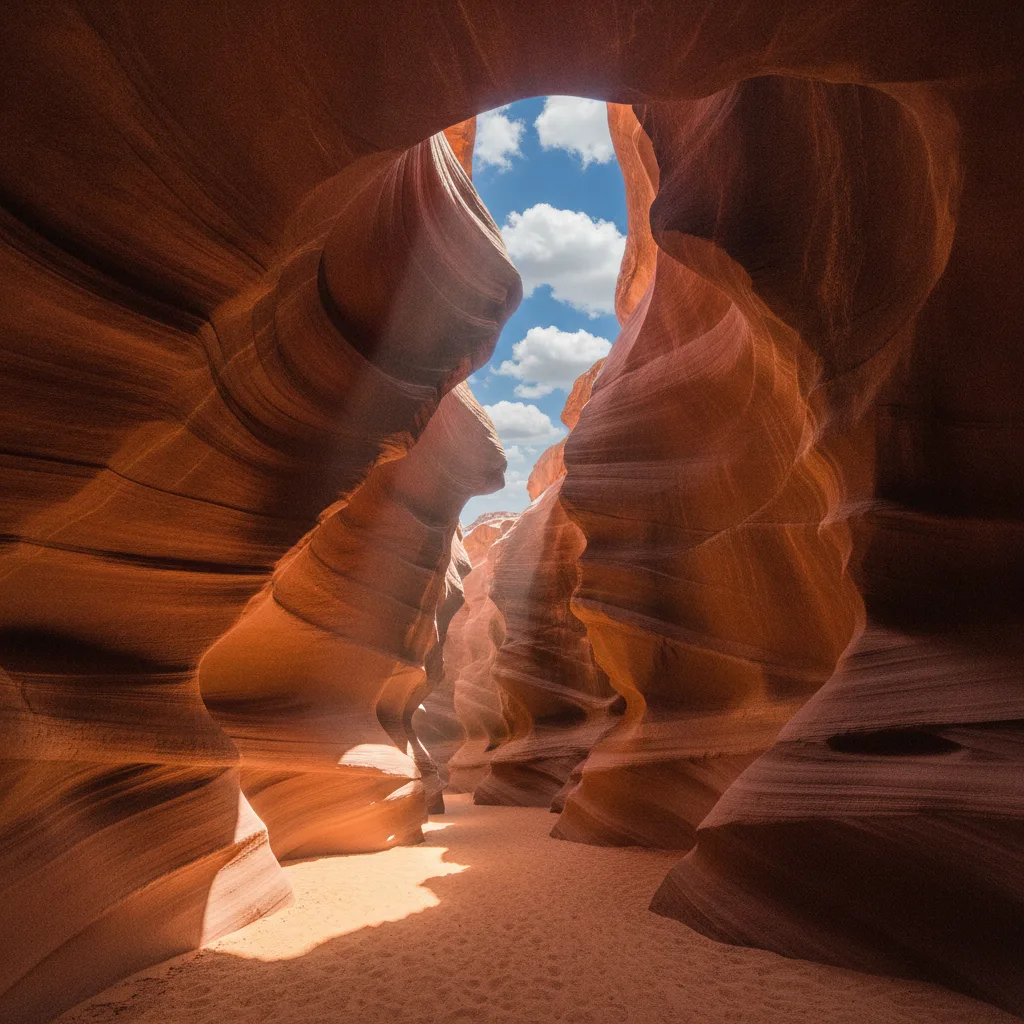
Antelope Canyon Arizona — We're here to cut through the noise and deliver the definitive guide to experiencing one of America's most breathtaking natural wonders. Forget generic travel fluff; our team has done the legwork to bring you confident, specific advice for planning your 2026 visit to this iconic slot canyon.
Antelope Canyon Travel Guide — Arizona
Antelope Canyon, located on Navajo Nation land near Page, Arizona, is a geological marvel carved over millions of years by flash floods. Its undulating sandstone walls, sculpted into graceful curves and dramatic corkscrews, create a mesmerizing play of light and shadow that draws visitors from across the globe. We consider it an essential stop for anyone exploring the American Southwest, offering an unparalleled visual experience that photos, while stunning, can only begin to capture. This isn't just a canyon; it's a living, breathing work of art, constantly shaped by wind and water, and deeply revered by the Navajo people who are its stewards.
Why Visit Antelope Canyon
The allure of Antelope Canyon lies in its otherworldly beauty. Stepping inside, you're enveloped by a kaleidoscope of colors – rich reds, oranges, purples, and blues – that shift and deepen with the changing light. It’s a photographer’s dream and a nature lover’s sanctuary, offering a profound connection to the raw power and artistry of the natural world. The smooth, flowing sandstone walls, often described as petrified waves, create intricate patterns and textures that are unique to this corner of Arizona. Beyond the visual spectacle, visiting Antelope Canyon provides a unique opportunity to engage with Navajo culture, as all tours are led by knowledgeable Navajo guides who share insights into the canyon's history, geology, and spiritual significance.
Who It's Best For
Antelope Canyon appeals to a diverse range of travelers, though certain sections cater to different preferences. It's ideal for:
- **Photographers:** Especially those seeking the iconic light beams (primarily in Upper Antelope Canyon during specific times) or the rich, diffused colors found throughout.
- **Nature Enthusiasts:** Anyone captivated by unique geological formations and the sheer beauty of the desert landscape.
- **Adventure Seekers:** Lower Antelope Canyon, with its ladders and narrower passages, offers a slightly more adventurous experience.
- **Families:** Upper Antelope Canyon is generally easier to navigate due to its flat sandy floor, making it suitable for families with younger children or those with mobility concerns. However, Lower Antelope Canyon and Canyon X have age restrictions, with some not permitting children under five or eight, respectively.
- **Cultural Explorers:** The mandatory Navajo-guided tours provide a valuable cultural immersion, offering stories and perspectives from the canyon's traditional caretakers.
If you're looking for a serene, uncrowded experience, be aware that Antelope Canyon is incredibly popular. While quieter times exist, it's generally a bustling destination. Those seeking solitude might find the guided tour structure and group sizes a trade-off for the unparalleled beauty. However, for most, the sheer wonder of the canyon far outweighs any potential crowds.
Getting There & Parking
Successfully navigating to Antelope Canyon requires a bit of planning, as it's located on Navajo Nation land, and self-entry is strictly prohibited. All visits must be with an authorized Navajo tour operator.
How to Get There
The gateway town for Antelope Canyon is Page, Arizona. We recommend making Page your base for exploring this region. Page is accessible by car from major Southwestern cities:
- **From Phoenix, Arizona:** Approximately a 4.5-hour drive north.
- **From Las Vegas, Nevada:** Approximately a 4.5-hour drive east.
- **From Grand Canyon National Park (South Rim):** Approximately a 2.5-hour drive northeast. This makes combining a visit to Antelope Canyon with the Grand Canyon National Park a popular and highly recommended itinerary.
- **From Monument Valley Navajo Park:** Approximately a 2-hour drive west. Another excellent pairing for an Arizona adventure.
Page also has a municipal airport (PAGE), offering regional flights, though most visitors arrive by car. When planning your trip, remember that Antelope Canyon and Page, AZ, observe Arizona Mountain Standard Time (MST) year-round and do not observe Daylight Saving Time. If you're traveling from Utah during summer, you'll need to set your watch back one hour to align with Arizona time.
Antelope Canyon Parking
Parking for Antelope Canyon tours is typically at the tour operator's office or a designated meeting point in or near Page. From there, you'll be transported to the canyon entrance by the tour company's vehicle, often a 4x4 truck for Upper Antelope Canyon. Specific parking instructions will be provided by your chosen tour operator upon booking. Generally, parking is included in your tour fee, but it's always wise to confirm. For Antelope Canyon X, for example, after parking and payment, visitors are transported by a 4x4 vehicle to the canyon mouth.
Top Things to Do
The primary of all things to do at Antelope Canyon is, of course, to explore its magnificent slot canyons. There are several distinct sections open to visitors, each offering a slightly different experience. We strongly advise booking your tours well in advance, especially for peak times and seasons, as spots fill up quickly.
Upper Antelope Canyon (Tsé Bighánílíní – "the place where water runs through rocks")
This is arguably the most famous section, renowned for its iconic light beams that penetrate the canyon from above. These beams are most prominent from late March through early October, typically between 11 AM and 1 PM, when the sun is highest. Upper Antelope Canyon is generally easier to walk through, with a flat, sandy floor, making it accessible for most fitness levels, including those with limited mobility. Tours usually involve a 15-minute shuttle ride each way and about an hour inside the canyon. As of May 2026, standard Upper Antelope tours range from $90–120 per adult, plus a recommended $10–15 tip. Light-beam slots can be $115–140.
Lower Antelope Canyon (Hazdistazi – "spiral rock arches")
For a more adventurous experience, Lower Antelope Canyon is our top recommendation for many first-time visitors. It's narrower and deeper than Upper Antelope, requiring visitors to navigate a series of ladders and stairs to descend into and ascend out of the canyon. While it doesn't feature the dramatic light beams of Upper Antelope, Lower Antelope is celebrated for its intricate corkscrew formations and the vibrant, diffused light that bounces off its walls, creating a stunning array of colors throughout the day. The experience feels more immersive, and it's often slightly less crowded and generally cheaper. Tours last approximately 60-90 minutes, covering about 1.1 miles round trip. Prices in May 2026 are typically $60–85 per adult, plus a $10 tip.
Antelope Canyon X
If you're looking for a less crowded alternative with a more intimate feel, Antelope Canyon X is an excellent choice. This section features two distinct slot canyons, named for the "X" shapes carved into the sandstone. Tours here are generally smaller in group size and offer a more relaxed pace, allowing for ample photography opportunities. Access involves a 4x4 transport followed by a hike into the canyon. As of May 2026, Antelope Canyon X tours range from $105–160 per adult, plus a $15 tip.
Kayaking and Hiking Tours
Beyond the traditional walking tours, there are unique things to do at Antelope Canyon, such as guided kayaking and hiking tours that combine paddling on Lake Powell with exploring a water-accessible section of Antelope Canyon. These offer a different perspective and a chance to escape some of the crowds.
Best Time to Visit
Choosing the best time to visit Antelope Canyon depends on your priorities, whether it's chasing light beams, avoiding crowds, or enjoying comfortable weather.
- **For Light Beams (Upper Antelope Canyon):** The iconic light beams are strongest from late March through early October, specifically between 11 AM and 1 PM, when the sun is high overhead. This is also peak season, meaning higher prices and larger crowds.
- **For Rich Colors and Fewer Crowds:** Fall (mid-September to October) and spring (late March to mid-May) offer pleasant temperatures, beautiful light, and generally fewer crowds than the summer peak. In fall and winter, you'll see deeper colors like pinks and purples.
- **Winter (November to February):** This is the quietest time, with significantly fewer visitors and lower prices. While light beams are less common, the canyon's colors can be incredibly vibrant, and the cooler temperatures make for a comfortable experience, especially in Lower Antelope Canyon. Operating hours are typically reduced, usually 9 AM to 3 PM.
- **Monsoon Season (July-August):** While light beams are at their peak, this period also carries a real risk of afternoon flash floods, which can lead to tour cancellations. Tour operators prioritize safety, and modern protocols are in place.
Our team recommends late March to mid-May or mid-September to October for a balance of good weather, manageable crowds, and excellent photographic light.
Where to Stay Nearby
The town of Page, Arizona, serves as the primary hub for visiting Antelope Canyon and other nearby attractions. We recommend staying in Page for convenience and access to amenities. You'll find a range of accommodations to suit different budgets and preferences.
- **Hotels in Page:** Options range from budget-friendly motels to more upscale hotels. Some highly-rated choices include La Quinta Inn & Suites by Wyndham Page at Lake Powell, Best Western View Of Lake Powell Hotel, Clarion Inn Page - Lake Powell, and Hyatt Place Page Lake Powell. Many hotels offer amenities like complimentary breakfast, pools, and free WiFi.
- **RV Parks & Campgrounds:** For those traveling in an RV or looking for a more outdoorsy experience, several RV parks and campgrounds are available. Roam Horseshoe Bend RV Resort is located just 6 miles from Lower Antelope Canyon and 4 miles from Horseshoe Bend, offering full hookups and amenities. Wahweap Campground & RV Park, near Lake Powell, also provides tent camping and RV sites.
- **Vacation Rentals:** Page also offers various vacation rentals, including cozy tiny homes, which can be a great option for families or longer stays.
Booking accommodation in advance is highly recommended, especially during peak season (April-May and September-October), as Page can fill up quickly.
Sample 2-Day Itinerary
To make the most of your visit to Antelope Canyon and the surrounding area, we've crafted a sample 2-day itinerary:
Day 1: Antelope Canyon Immersion & Horseshoe Bend Sunset
- **Morning (10:00 AM - 1:00 PM):** Begin your day with a pre-booked tour of **Upper Antelope Canyon**. Aim for a midday slot if you're visiting between March and October to maximize your chances of seeing the famous light beams. The tour itself is typically 90 minutes, including shuttle time.
- **Lunch (1:30 PM - 2:30 PM):** Grab a quick lunch in Page, Arizona.
- **Afternoon (3:00 PM - 4:30 PM):** Embark on a tour of **Lower Antelope Canyon**. The experience of descending ladders into its narrow, winding passages offers a fantastic contrast to Upper Antelope.
- **Late Afternoon/Sunset (5:30 PM - 7:30 PM):** Head to Horseshoe Bend. The short, relatively easy walk to the overlook rewards you with breathtaking views of the Colorado River carving its iconic horseshoe shape. Sunset here is particularly spectacular, with the changing light painting the canyon walls in fiery hues.
- **Evening:** Enjoy dinner at one of Page's local restaurants.
Day 2: Lake Powell Adventures & Scenic Drives
- **Morning (8:00 AM - 12:00 PM):** Explore the vast beauty of Lake Powell. Options include a scenic boat tour, renting a kayak or paddleboard, or simply relaxing at one of the beaches. You can even find guided kayaking and hiking tours that lead into water-accessible sections of Antelope Canyon.
- **Lunch (12:30 PM - 1:30 PM):** Picnic by Lake Powell or return to Page for a meal.
- **Afternoon (2:00 PM - 5:00 PM):** Consider a scenic drive or another unique experience:
- **Antelope Canyon X:** If you opted for only Upper and Lower on Day 1, consider a tour of Antelope Canyon X for a different, often less crowded, slot canyon experience.
- **Glen Canyon Dam Overlook:** Offers impressive views of the dam and the Colorado River.
- **Day Trip to Monument Valley:** If time permits and you're up for more driving, a trip to Monument Valley Navajo Park is an unforgettable experience, showcasing iconic desert landscapes.
- **Evening:** Enjoy a final dinner in Page, perhaps catching a Native American dinner and dance show if available.
Antelope Canyon Hiking Trails
When we talk about "Antelope Canyon hiking trails," it's important to clarify the nature of the experience. Unlike traditional hiking trails where you freely roam, access to Antelope Canyon is strictly through guided tours on Navajo Nation land. Therefore, the "hiking" refers to the guided walks through the slot canyons themselves.
- **Upper Antelope Canyon:** The walk here is relatively easy and flat, covering approximately 0.8 miles (1.2 kilometers) round trip, with about 660 feet (200 meters) inside the canyon. There are no ladders or stairs within the main canyon section, making it highly accessible. However, there are steps and a ramp when returning to the parking area. The pace is generally slow due to crowds and photo stops.
- **Lower Antelope Canyon:** This section offers a more physically engaging experience. The "Antelope Canyon hiking trails" here involve descending and ascending multiple metal ladders and stairs, and navigating narrower passages. The total hiking distance is about 1.1 miles (1.8 kilometers) round trip, with approximately 1,300 feet (400 meters) inside the canyon. While considered "easy" by tour operators, it requires a reasonable level of mobility and comfort with heights.
- **Antelope Canyon X:** The hiking tour here covers about 100 meters into the first slot canyon, followed by a 200-meter walk to the second. It's described as a more relaxed atmosphere with smaller groups.
Regardless of the section, these "Antelope Canyon hiking trails" are unique, offering a journey through sculpted sandstone that feels more like exploring a natural cathedral than a typical outdoor trek. Guides are always present to ensure safety and provide assistance. It's crucial to wear appropriate footwear, as the walking surface is primarily sand, which can be soft in some areas.
Antelope Canyon Camping
For those who prefer sleeping under the stars, Antelope Canyon camping options are available in the surrounding Page and Lake Powell areas. While you cannot camp directly within the slot canyons, several excellent campgrounds and RV parks provide a base for exploring.
- **Lone Rock Beach Primitive Camping:** Located near Lake Powell, this offers a more rustic camping experience right on the beach, with basic amenities like restrooms. It's a popular choice for those seeking direct access to the lake.
- **Wahweap Campground & RV Park:** Part of the Glen Canyon National Recreation Area, Wahweap offers developed campsites for tents and RVs with amenities and easy access to Lake Powell Resort and Marina.
- **Antelope Point RV Park:** Less than 3 miles from Antelope Canyon, this RV park offers 100 pull-through RV sites with full hookups and stunning views. An entrance fee to Navajo Nation land is required.
- **Roam Horseshoe Bend RV Resort:** Situated between two mesas on the edge of Page, about 6 miles from Lower Antelope Canyon, this resort offers RV sites and cabins with modern amenities, including a heated pool and cafe.
- **Mystical Antelope Canyon Tours & Arrowhead Campground:** This option provides tent camping, RV sites (without utility hookups), and even traditional tipis, offering a more immersive cultural experience on Navajo Nation land.
When planning your Antelope Canyon camping trip, remember that alcohol is strictly prohibited on the Navajo Nation. Always check campground rules regarding pets, trash disposal, and fire restrictions. Reservations, especially for RV sites and during peak season, are highly recommended.
Is It Worth Visiting?
We unequivocally believe that Antelope Canyon is worth visiting. Its stunning, unique beauty is unlike almost anything else you'll encounter in the United States, making it a truly bucket-list destination. However, managing expectations is key to fully appreciating the experience.
So, is Antelope Canyon worth visiting? Absolutely, if you understand what to expect:
- **The Crowds:** Antelope Canyon is incredibly popular, and tours can feel crowded, especially during peak light beam hours in Upper Antelope. This is an unavoidable aspect of visiting such a famous natural wonder.
- **The Cost:** Tours are not inexpensive, with prices ranging from $60 to $160 per adult in 2026, plus tips and the Navajo Nation permit fee (often included). This investment, however, grants you access to a protected natural and cultural site with expert guidance.
- **The Guided Tour Requirement:** You cannot explore Antelope Canyon independently. All visits require a Navajo guide, which ensures safety and provides invaluable cultural context. While some prefer self-exploration, the guided format is essential for preservation and understanding.
- **The Photography Experience:** While breathtaking, capturing the perfect photo can be challenging due to low light, constant movement, and crowds. Photography tours (if available for specific sections) or opting for less crowded times can enhance your chances.
The sheer awe inspired by the canyon's sculpted walls and the play of light is a profound experience that transcends any minor inconveniences. For us, the opportunity to witness such a magnificent natural phenomenon, learn from its indigenous caretakers, and capture its beauty is what makes Antelope Canyon worth visiting time and time again. It's a truly unforgettable highlight of any trip to Arizona.
FAQ
things to do in Page
Beyond Antelope Canyon, Page, Arizona, offers a wealth of activities. We highly recommend visiting Horseshoe Bend for its iconic overlook of the Colorado River. Lake Powell provides opportunities for boating, kayaking, paddleboarding, and scenic cruises. You can also explore the Glen Canyon Dam, enjoy off-road UTV adventures, or experience Native American culture through dinner and dance shows. For those interested in longer excursions, Page serves as an ideal base for day trips to Grand Canyon National Park, Monument Valley Navajo Park, or even the more distant Sedona & Oak Creek Canyon.
Antelope Canyon with kids
Visiting Antelope Canyon with kids is definitely possible, but it depends on the canyon section and the children's ages and mobility. Upper Antelope Canyon is generally the most family-friendly due to its flat, sandy path and lack of ladders, making it suitable for all ages. Lower Antelope Canyon, with its ladders and narrow passages, is better for older children who are comfortable with climbing and confined spaces. Some tours have age restrictions, for example, not permitting children under five or eight in Lower Antelope or Canyon X. We recommend checking with your chosen tour operator about specific age limits and accessibility before booking. Bringing water and ensuring comfortable shoes are essential for all visitors, especially children.
Antelope Canyon tips
Our top Antelope Canyon tips for a smooth visit include:
- **Book in Advance:** Tours, especially for Upper Antelope Canyon and prime light-beam slots, sell out months ahead.
- **Choose Your Canyon Wisely:** Upper for ease and light beams, Lower for adventure and intricate formations, Canyon X for smaller crowds.
- **Arrive Early:** Even with reservations, arrive at your tour operator's office 15-20 minutes before your scheduled time for check-in.
- **Hydrate:** Carry plenty of water, especially during warmer months, as temperatures inside can still be warm.
- **Wear Appropriate Footwear:** Closed-toe shoes with good traction are best for sandy and potentially uneven surfaces.
- **Pack Light:** Most tours prohibit large bags, backpacks, and camera bags inside the canyon. Only handheld items like cameras, phones, and water bottles are typically allowed.
- **Mind the Time Zone:** Page, AZ, and Antelope Canyon operate on Arizona Mountain Standard Time (MST) year-round.
- **Listen to Your Guide:** Navajo guides are knowledgeable about the canyon's geology, history, and the best photo spots.
Antelope Canyon parking
Parking for Antelope Canyon is managed by the individual tour operators. You will drive to their designated meeting point or office in or near Page, Arizona. From there, the tour company provides transportation to the canyon entrance, often in a 4x4 vehicle. This shuttle service is typically included in your tour price. We advise confirming parking specifics directly with your chosen tour operator when you book, as rules can vary slightly between companies and canyon sections. For instance, Antelope Point RV Park, close to the canyon, charges an entrance fee to Navajo Nation land.
best time to visit Antelope Canyon
The best time to visit Antelope Canyon depends on what you want to see. For the famous light beams in Upper Antelope Canyon, aim for late March through early October, specifically between 11 AM and 1 PM. For a balance of pleasant weather and fewer crowds, we recommend the shoulder seasons of late March to mid-May or mid-September to October. If avoiding crowds is your priority, winter months (November to February) offer the quietest experience, though light beams are less common, and tour hours are reduced. Always check the weather forecast, especially during the monsoon season (July-August), as flash flood warnings can lead to tour cancellations.
Antelope Canyon hours and fees
Antelope Canyon is open year-round, but specific tour hours and fees vary by section and tour operator. Generally, tours run from early morning (e.g., 7 AM or 8 AM in summer) to late afternoon (e.g., 4 PM or 5 PM). Winter months typically see reduced operating hours, often from 9 AM to 3 PM. All visits are guided, and self-entry is not permitted. As of May 2026, tour prices range from approximately $60–85 for Lower Antelope Canyon, $90–120 for standard Upper Antelope Canyon tours (with light-beam slots costing $115–140), and $105–160 for Canyon X. These prices typically include the mandatory Navajo Nation permit fee, which is around $8 per person, though some sources indicate it might be $15 or $16. Always confirm the total cost with your chosen tour operator, as processing fees and taxes may apply, and tipping your guide is customary.
Conclusion
Antelope Canyon is more than just a destination; it's an experience that etches itself into your memory. From the surreal light beams of Upper Antelope to the adventurous descents of Lower Antelope and the intimate beauty of Canyon X, each section offers a unique perspective on this natural masterpiece. Our team believes that a well-planned trip to Antelope Canyon Arizona, combining its slot canyons with the grandeur of nearby attractions like Horseshoe Bend and Lake Powell, creates an unforgettable journey through the heart of the American Southwest. We encourage you to plan ahead, book your tours, and prepare to be utterly captivated by the raw, sculpted beauty of this hidden gem.
Last updated: 2026-07-05 by the Visit America team.