National Parks & Nature

Monument Valley Navajo Park Travel Guide

Navajo Nation, Arizona

By Visit America Team · Updated July 2026 · 35 min read

Jump to section

Monument Valley Navajo Park Travel Guide — Arizona

As the Visit America editorial team, we’ve explored the vast and varied landscapes of the United States, and few places command attention quite like Monument Valley. This iconic landscape, nestled within the Navajo Nation, is a place of profound beauty and cultural significance, offering an experience unlike any other national park or natural wonder in the country. We’re here to cut through the generic travel fluff and provide you with confident, specific insights for your 2026 adventure into this sacred land.

Why Visit Monument Valley Navajo Park

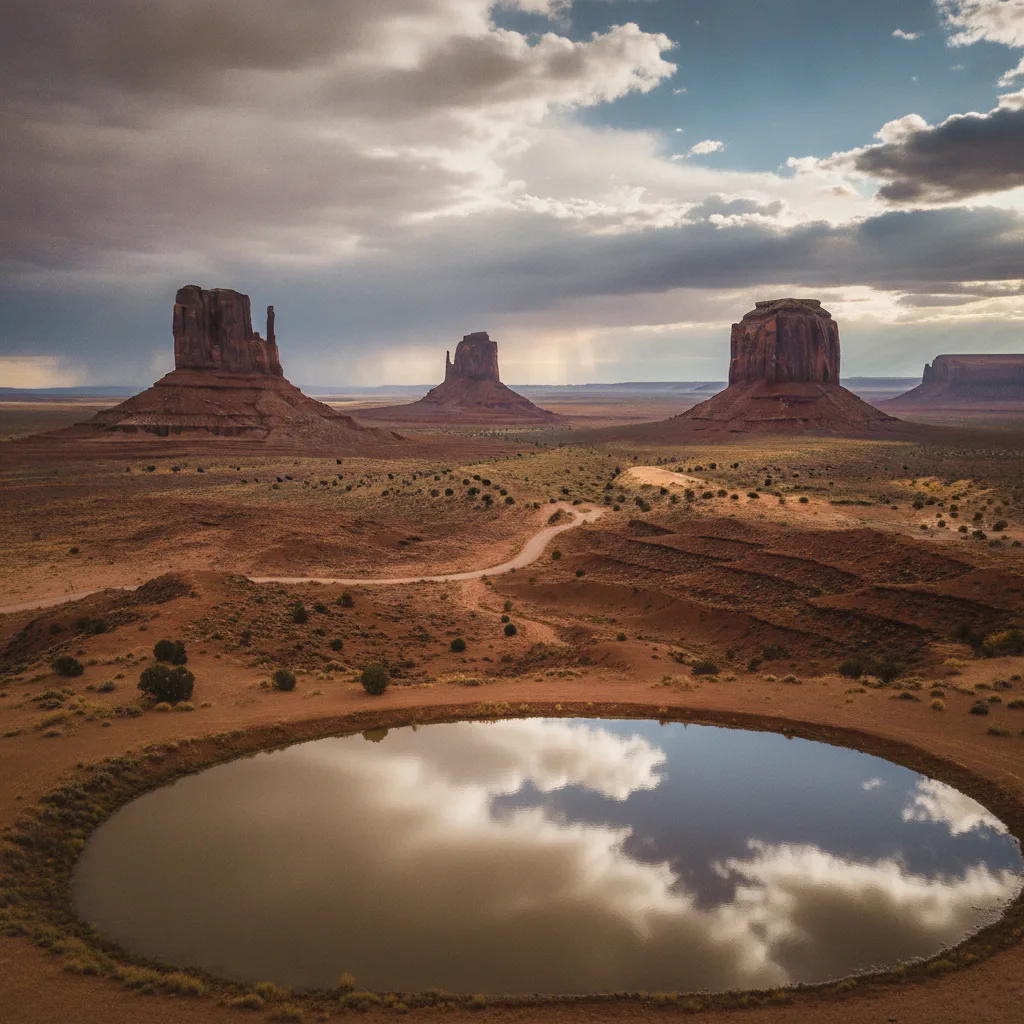
Monument Valley Navajo Park Arizona is not merely a collection of striking rock formations; it is a living, breathing testament to millions of years of geological artistry and the enduring spirit of the Navajo people. We believe it's a destination that transcends typical sightseeing, offering a deep immersion into a landscape that has captivated filmmakers and photographers for generations. Imagine towering sandstone buttes, mesas, and delicate pinnacles, sculpted by wind and water, rising majestically from the desert floor, often reaching heights of 400 to 1,000 feet. The interplay of light and shadow across these formations creates a constantly shifting panorama, particularly spellbinding at sunrise and sunset.

Beyond the visual spectacle, Monument Valley holds immense cultural importance to the Diné (Navajo) people, who know it as Tse'Bii'Ndzisgaii, or "Valley of the Rocks". A visit here is an opportunity to connect with this sacred land and learn about Navajo history, traditions, and beliefs. Unlike federal national parks, Monument Valley is managed by the Navajo Nation, meaning your visit directly supports park maintenance and Navajo community programs. This unique management also means that U.S. National Park passes are not accepted for entry. We encourage visitors to embrace this distinction, as it offers a more authentic and respectful engagement with indigenous culture.

Who It's Best For

Monument Valley Navajo Park is an ideal destination for a diverse range of travelers, though certain groups will find it particularly rewarding. It's perfect for:

  • Photographers and Artists: The dramatic landscapes, vibrant colors, and unique light make it an unparalleled subject. Every turn offers a postcard-perfect vista, from the iconic Mittens to the Three Sisters and Merrick Butte.
  • Road Trippers: Its location on the Arizona-Utah border makes it a fantastic stop on a larger Southwest itinerary, especially when combined with other Arizona gems like Grand Canyon National Park or Sedona & Oak Creek Canyon. The scenic drive itself is a highlight.
  • Culture Enthusiasts: Those interested in Native American history and culture will appreciate the opportunity to learn directly from Navajo guides and experience a tribal park.
  • Nature Lovers and Hikers: While extensive unguided hiking is limited, the sheer scale and beauty of the natural environment are awe-inspiring. The Wildcat Trail offers a unique opportunity to walk among the buttes.
  • Families: With its striking scenery and opportunities for guided tours, Monument Valley Navajo Park with kids can be an exciting and educational experience. Guided jeep tours are often a hit with both children and adults.

However, it might be less suited for those seeking extensive, strenuous backcountry hiking without a guide, as much of the park's interior requires authorized Navajo escort.

How to Get There & Parking

Understanding how to get to Monument Valley Navajo Park is crucial for planning your visit to this remote, yet accessible, wonder. The park is situated on the Arizona-Utah border, within the Navajo Nation Reservation.

Driving to Monument Valley Navajo Park

The most common way to arrive is by car, offering the flexibility to explore the surrounding region. We recommend setting your GPS for "Monument Valley Navajo Tribal Park Visitor Center" rather than just "Monument Valley" to ensure accurate navigation.

  • From Page, Arizona: Approximately a 2-hour drive via US-98, US-160, and US-163. This route often includes other iconic stops like Antelope Canyon and Horseshoe Bend.
  • From Flagstaff, Arizona: Roughly a 3-hour drive via US-89, US-160, and US-163.
  • From Moab, Utah: About a 2.5-hour drive via US-191 and US-163.
  • From Farmington, New Mexico: Approximately 2.5 hours via US-64 to US-160 and north on US-163 at Kayenta, AZ.

Keep in mind that the Navajo Nation observes Daylight Savings Time from March to November, which can affect arrival planning if you're driving from areas that don't, like much of Arizona.

Parking at Monument Valley Navajo Park

Parking for Monument Valley Navajo Park is readily available at the Visitor Center, and it is included with your general admission fee. The Visitor Center serves as the primary parking, check-in, and scenic overlook area for most visits. It's important to note that the 17-mile scenic loop drive within the park is an unpaved dirt road with rough terrain and deep sand dunes. For this reason, RVs, camper vans, motorcycles, and large SUVs or off-road vehicles are prohibited on the valley drive. We strongly advise using an SUV or truck if you plan to drive the loop yourself.

Top Things to Do

When considering things to do at Monument Valley Navajo Park, you'll find a blend of self-guided exploration and immersive cultural experiences. Our team emphasizes activities that truly highlight the unique character of this tribal park.

Drive the Scenic Loop

The most popular way to experience Monument Valley is by driving the 17-mile unpaved Valley Drive loop, which is accessible by personal vehicle (with appropriate clearance). This self-guided tour allows you to witness the world-famous panorama of the Mitten Buttes and Merrick Butte, among other formations. There are multiple parking areas along the way for photo opportunities and to simply take in the views. Allow approximately 2-3 hours to complete the loop, depending on how often you stop.

Take a Guided Navajo Tour

For a truly enriching experience, we highly recommend booking a guided tour with an authorized Navajo operator. These tours are one of the best things to do at Monument Valley Navajo Park, offering exclusive access to restricted backcountry areas, hidden desert arches, ancestral ruins, and traditional hogans that cannot be visited independently. Navajo guides provide invaluable insight into the history, culture, and geology of the valley, sharing stories and perspectives that bring the landscape to life. Options include jeep tours, horseback tours, and specialized photography tours. We advise booking these in advance, especially during peak season, as they can fill up quickly.

Hike the Wildcat Trail

The Wildcat Trail is the only self-guided hiking trail inside Monument Valley Navajo Tribal Park that visitors can hike without an authorized Navajo guide. This 4-mile (6.4 km) loop trail offers an intimate perspective of the valley floor, winding around the base of the iconic Left Mitten Butte. It's a moderate trek with sections of loose sand and rocky paths, requiring sturdy footwear. Allow 2 to 3 hours to complete the loop. Remember to sign in and out at the trailhead, which begins at the primitive campground near The View Hotel. Please note that dogs are strictly prohibited on all Navajo Tribal Park locations, including hiking trails.

Photography

Monument Valley is a photographer's dream. From the classic shots at John Ford's Point to capturing the dramatic light changes at sunrise and sunset, the opportunities are endless. The subtle color changes in desert shrubs in the fall and sparse spring wildflowers add to the visual appeal. Remember to respect Navajo Nation rules: no drones are allowed, and do not photograph Navajo residents without their permission.

Shop for Traditional Navajo Artwork

Support local artisans by visiting the roadside stands located about a mile before the Visitor Center or the Trading Post at The View Hotel. Here, you can find authentic Navajo rugs, jewelry, pottery, hand-woven baskets, and sand paintings, offering unique souvenirs and a direct way to support the Navajo community.

Monument Valley Navajo Park Hiking Trails

For those eager to explore on foot, understanding the specifics of Monument Valley Navajo Park hiking trails is essential. While the vastness of the park might suggest numerous hiking opportunities, access is carefully regulated to protect both the fragile environment and sacred sites. The primary and most accessible of the Monument Valley Navajo Park hiking trails for independent visitors is the Wildcat Trail.

The Wildcat Trail is a 4-mile (6.4 km) loop that takes you around the base of the Left Mitten Butte. This trail offers an unparalleled opportunity to walk among the towering formations, providing a truly immersive experience that differs from viewing them from the scenic drive. The terrain is moderate, featuring loose sand and some rocky sections, so sturdy footwear is a must. We recommend allowing 2 to 3 hours to complete the loop, giving you ample time to appreciate the scale and beauty of the buttes. The trailhead is conveniently located near The View Hotel and its primitive campground, and you must sign in and out before and after your hike. Remember that trails are open during Navajo Tribal Park operating hours, typically 8 AM to 5 PM.

Beyond the Wildcat Trail, access to other Monument Valley Navajo Park hiking trails and areas, including sites like Ear of the Wind Arch and ancient Anasazi ruins, is strictly limited to guided tours led by authorized Navajo guides. These guided experiences are invaluable for reaching more remote and culturally significant locations while ensuring respect for Navajo land and traditions. Backcountry permits are required for hiking and camping in designated areas, and these are typically arranged through licensed tour operators.

Best Time to Visit

Choosing the best time to visit Monument Valley Navajo Park can significantly impact your experience, influencing everything from weather to crowd levels. Our team generally recommends the shoulder seasons for the most comfortable and rewarding trip.

  • Spring (March – May): This is one of the best times to visit, offering mild temperatures ranging from 10-24°C (50-75°F). The air is clear, and conditions are excellent for photography, with the possibility of sparse desert wildflowers. Crowds are moderate, making it ideal for scenic drives and hiking.
  • Fall (September – November): Often considered the best all-around season, fall brings comfortable temperatures between 13-27°C (55-80°F), crisp mornings, and beautiful golden sunlight that enhances the iconic silhouettes of the formations. September, in particular, offers a great balance of pleasant weather and manageable crowds.
  • Summer (June – August): While popular, summer is the hottest and busiest season, with daytime highs often exceeding 35°C (95°F). Occasional afternoon thunderstorms can occur, and monsoon rains in July and August might lead to flash floods, potentially impacting accessibility. If you visit in summer, we advise planning activities for early mornings and late afternoons to avoid the intense midday heat.
  • Winter (December – February): Winter offers a unique and peaceful experience with fewer tourists and lower prices. While mornings can be cold (below -1°C / 30°F), afternoons are often mild (7-13°C / 45-55°F). Occasional snow dusts the red formations, creating stunning and dramatic photographic opportunities. Some unpaved roads may be temporarily closed due to weather.

Regardless of when you visit, always check the current weather conditions and pack accordingly, bringing plenty of water, sun protection, and layers for changing temperatures.

Where to Stay Nearby

While Monument Valley Navajo Park is relatively remote, there are several excellent lodging options that cater to different preferences, from staying right within the park to finding comfortable accommodations in nearby towns.

Inside Monument Valley Navajo Tribal Park

For an unparalleled experience, consider staying directly within the park. The View Hotel and The View Cabins are the only lodging options located inside Monument Valley, offering breathtaking panoramas.

  • The View Hotel: This hotel is famous for its rooms with private balconies that directly face the iconic Mittens and buttes, providing unforgettable sunrise and sunset views from the comfort of your room. It also features an on-site restaurant, Haske'nneini Restaurant, specializing in both native Navajo and American cuisines, with panoramic windows overlooking the valley.
  • The View Cabins: These offer a more private experience with unobstructed vistas, perfect for those seeking a tranquil retreat.

Booking well in advance is highly recommended for these popular accommodations, especially during peak seasons.

Monument Valley Navajo Park Camping

For those who prefer to immerse themselves fully in the natural surroundings, Monument Valley Navajo Park camping options are available. The View Campground, located within the park, offers both RV sites and wilderness (tent) campsites, each providing unique views of Monument Valley. RV sites are dry camping with no hookups, but a full restroom and shower facility is available to all campers. Wilderness campsites offer some of the best cliff-side views in the world.

Additionally, nearby private campgrounds provide more amenities:

  • Monument Valley KOA Journey: Located just a few miles from the park entrance, this KOA offers full-hookup RV sites and tent sites, serving as a great base for exploring the area. It's known for phenomenal sunrise and sunset views and excellent stargazing opportunities.
  • Arrowhead Campground: Situated about 2.5 miles from the tribal park, this campground provides tent and RV sites with picnic tables and fire pits. It also boasts a short hiking trail with valley overlooks.

Backcountry permits are required for hiking and camping on designated trails and campgrounds within the Navajo Tribal Park. Dispersed camping is not permitted on tribal lands.

Nearby Towns

If you prefer to stay outside the immediate park area, the closest towns offering services and lodging include:

  • Kayenta, Arizona: Located about 22 miles south of Monument Valley, Kayenta offers a range of motels, restaurants, and convenience stores.
  • Mexican Hat, Utah: Approximately 25 miles north, this small town also provides lodging and dining options.

Remember that services in these remote areas can be limited, so we advise stocking up on water and snacks before heading into the valley.

Sample 2-Day Itinerary

To help you make the most of your visit to Monument Valley Navajo Park Arizona, our team has crafted a sample 2-day itinerary, balancing iconic sights with deeper cultural immersion.

Day 1: Iconic Views & Cultural Immersion

  • Morning (Sunrise - 12:00 PM): Arrive early to catch the breathtaking sunrise over the Mittens from The View Hotel or the Visitor Center overlook. After checking in to your accommodation (or dropping off bags if camping), embark on a guided backcountry jeep tour with an authorized Navajo guide. This is crucial for accessing restricted areas, ancient ruins, and learning about Navajo culture and geology firsthand. Many tours depart in the morning.
  • Lunch (12:00 PM - 1:30 PM): Enjoy traditional Navajo cuisine at Haske'nneini Restaurant at The View Hotel, or pack a picnic to enjoy at one of the scenic overlooks.
  • Afternoon (1:30 PM - 5:00 PM): Drive the 17-mile scenic loop (Valley Drive) in your own high-clearance vehicle, stopping at various viewpoints like John Ford's Point, Totem Pole, and the Three Sisters. Take your time for photos and soak in the vastness of the landscape.
  • Evening (5:00 PM onwards): Explore the Visitor Center museum and gift shop, or browse the roadside artisan stands for authentic Navajo crafts. Enjoy dinner, perhaps trying Navajo fry bread or stew, and then prepare for an evening of stargazing. Monument Valley boasts incredibly dark skies, perfect for viewing the Milky Way.

Day 2: Hiking & Further Exploration

  • Morning (Sunrise - 12:00 PM): Start your day with a hike on the Wildcat Trail, the only self-guided trail in the park. This 4-mile loop takes you around the base of the Left Mitten, offering a unique perspective of the monumental formations. Remember to sign in and out at the trailhead.
  • Lunch (12:00 PM - 1:30 PM): Grab a quick bite at the Visitor Center snack bar or a nearby eatery in Kayenta or Mexican Hat.
  • Afternoon (1:30 PM - Departure): Depending on your onward journey, consider visiting other nearby attractions in the Navajo Nation, such as Antelope Canyon or Horseshoe Bend if heading west towards Page, Arizona. Alternatively, if time allows, you could opt for a horseback tour of Monument Valley, offering a different perspective of the landscape.

Is It Worth Visiting?

Absolutely. Our team unequivocally states that Monument Valley Navajo Park is worth visiting. While it requires a bit more planning than some more accessible destinations, the reward is an experience that is both visually stunning and culturally profound. This isn't just another scenic overlook; it's a journey into the heart of the American Southwest and a sacred land of the Navajo people.

The iconic landscape, with its towering sandstone buttes and mesas, is instantly recognizable from countless films and photographs, yet seeing it in person is an entirely different sensation. The sheer scale and vibrant colors are overwhelming, particularly during sunrise and sunset when the light paints the formations in a spectrum of reds, oranges, and purples. For photographers, artists, and anyone with an appreciation for natural beauty, the answer to "is Monument Valley Navajo Park worth visiting" is a resounding yes.

Beyond the aesthetics, the opportunity to learn about Navajo culture and history directly from tribal members on guided tours adds an invaluable layer to the visit. This is a chance to step away from the typical tourist trail and engage with a living culture. While some areas require a guide, the self-guided scenic drive and the Wildcat Trail offer ample opportunity for independent exploration. The fees you pay directly support the Navajo Nation, making your travel dollars impactful. In our expert opinion, the unique blend of natural grandeur, cultural richness, and the sense of stepping into an untouched, ancient world makes Monument Valley Navajo Park undeniably worth visiting.

Things to Do in Navajo Nation

Beyond Monument Valley, the vast Navajo Nation offers a wealth of natural and cultural attractions. We highly recommend exploring other wonders such as Antelope Canyon, Canyon de Chelly National Monument, and Horseshoe Bend. You can also visit the Four Corners Monument, where Arizona, New Mexico, Utah, and Colorado meet. Many of these sites offer guided tours by Navajo operators, providing deeper cultural insights.

Monument Valley Navajo Park with Kids

Visiting Monument Valley Navajo Park with kids can be a memorable family adventure. Children are often captivated by the dramatic landscapes, which can feel like stepping into a Western movie. We suggest taking a guided jeep tour, as these are often engaging and fun for both kids and adults, providing comfortable access to the valley's interior. The scenic drive is also enjoyable for all ages, with plenty of stops for photos. The Wildcat Trail, while a moderate walk, can be a great way for active families to experience the valley floor up close. Remember to bring plenty of water, snacks, and sun protection for everyone.

Monument Valley Navajo Park Tips

To ensure a smooth and respectful visit, our top Monument Valley Navajo Park tips include: always check official Navajo Nation Parks & Recreation websites for the most current hours, fees, and any closures before your trip. Bring plenty of water and snacks, as services are limited in this remote area. Wear sturdy footwear suitable for sandy and uneven terrain. Respect Navajo Nation rules: no climbing on formations, no drones, no off-road driving, stay on marked trails, and do not photograph Navajo residents without permission. Finally, consider booking guided tours in advance, especially during peak season, as they offer unique access and cultural insights.

Monument Valley Navajo Park Parking

Monument Valley Navajo Park parking is available at the Visitor Center and is included with your park entry fee. The Visitor Center serves as the main parking area for most visitors. If you plan to drive the 17-mile scenic loop, be aware that it is an unpaved, rough dirt road with deep sand dunes. We strongly recommend using a high-clearance vehicle, such as an SUV or truck, for this drive. RVs, camper vans, motorcycles, and large SUVs/off-road vehicles are prohibited on the valley drive itself [

Monument Valley Navajo Park Travel Guide — Arizona

As the Visit America editorial team, we’ve explored the vast and varied landscapes of the United States, and few places command attention quite like Monument Valley. This iconic landscape, nestled within the Navajo Nation, is a place of profound beauty and cultural significance, offering an experience unlike any other national park or natural wonder in the country. We’re here to cut through the generic travel fluff and provide you with confident, specific insights for your 2026 adventure into this sacred land.

Why Visit Monument Valley Navajo Park

Monument Valley Navajo Park Arizona is not merely a collection of striking rock formations; it is a living, breathing testament to millions of years of geological artistry and the enduring spirit of the Navajo people. We believe it's a destination that transcends typical sightseeing, offering a deep immersion into a landscape that has captivated filmmakers and photographers for generations. Imagine towering sandstone buttes, mesas, and delicate pinnacles, sculpted by wind and water, rising majestically from the desert floor, often reaching heights of 400 to 1,000 feet [cite: 5, 6, 20, 27]. The interplay of light and shadow across these formations creates a constantly shifting panorama, particularly spellbinding at sunrise and sunset [cite: 5, 8, 28].

Beyond the visual spectacle, Monument Valley holds immense cultural importance to the Diné (Navajo) people, who know it as Tse'Bii'Ndzisgaii, or "Valley of the Rocks" [cite: 12, 17, 27, 30, 33]. A visit here is an opportunity to connect with this sacred land and learn about Navajo history, traditions, and beliefs. Unlike federal national parks, Monument Valley is managed by the Navajo Nation, meaning your visit directly supports park maintenance and Navajo community programs [cite: 8, 12, 17, 27]. This unique management also means that U.S. National Park passes are not accepted for entry [cite: 8, 10, 12, 27]. We encourage visitors to embrace this distinction, as it offers a more authentic and respectful engagement with indigenous culture.

Who It's Best For

Monument Valley Navajo Park is an ideal destination for a diverse range of travelers, though certain groups will find it particularly rewarding. It's perfect for:

  • Photographers and Artists: The dramatic landscapes, vibrant colors, and unique light make it an unparalleled subject. Every turn offers a postcard-perfect vista, from the iconic Mittens to the Three Sisters and Merrick Butte [cite: 6, 8, 20, 27].
  • Road Trippers: Its location on the Arizona-Utah border makes it a fantastic stop on a larger Southwest itinerary, especially when combined with other Arizona gems like Grand Canyon National Park or Sedona & Oak Creek Canyon. The scenic drive itself is a highlight.
  • Culture Enthusiasts: Those interested in Native American history and culture will appreciate the opportunity to learn directly from Navajo guides and experience a tribal park.
  • Nature Lovers and Hikers: While extensive unguided hiking is limited, the sheer scale and beauty of the natural environment are awe-inspiring. The Wildcat Trail offers a unique opportunity to walk among the buttes [cite: 24, 27, 29, 32].
  • Families: With its striking scenery and opportunities for guided tours, Monument Valley Navajo Park with kids can be an exciting and educational experience. Guided jeep tours are often a hit with both children and adults [cite: 27].

However, it might be less suited for those seeking extensive, strenuous backcountry hiking without a guide, as much of the park's interior requires authorized Navajo escort [cite: 20, 24, 27, 30, 33].

How to Get There & Parking

Understanding how to get to Monument Valley Navajo Park is crucial for planning your visit to this remote, yet accessible, wonder. The park is situated on the Arizona-Utah border, within the Navajo Nation Reservation [cite: 26, 27].

Driving to Monument Valley Navajo Park

The most common way to arrive is by car, offering the flexibility to explore the surrounding region. We recommend setting your GPS for "Monument Valley Navajo Tribal Park Visitor Center" rather than just "Monument Valley" to ensure accurate navigation [cite: 8].

  • From Page, Arizona: Approximately a 2-hour drive via US-98, US-160, and US-163 [cite: 8]. This route often includes other iconic stops like Antelope Canyon and Horseshoe Bend.
  • From Flagstaff, Arizona: Roughly a 3-hour drive via US-89, US-160, and US-163 [cite: 8].
  • From Moab, Utah: About a 2.5-hour drive via US-191 and US-163 [cite: 8].
  • From Farmington, New Mexico: Approximately 2.5 hours via US-64 to US-160 and north on US-163 at Kayenta, AZ [cite: 8, 19].

Keep in mind that the Navajo Nation observes Daylight Savings Time from March to November, which can affect arrival planning if you're driving from areas that don't, like much of Arizona [cite: 21].

Parking at Monument Valley Navajo Park

Parking for Monument Valley Navajo Park is readily available at the Visitor Center, and it is included with your general admission fee [cite: 8]. The Visitor Center serves as the primary parking, check-in, and scenic overlook area for most visits [cite: 8]. It's important to note that the 17-mile scenic loop drive within the park is an unpaved dirt road with rough terrain and deep sand dunes [cite: 9, 20, 22]. For this reason, RVs, camper vans, motorcycles, and large SUVs or off-road vehicles are prohibited on the valley drive [cite: 9, 20]. We strongly advise using an SUV or truck if you plan to drive the loop yourself [cite: 22].

Top Things to Do

When considering things to do at Monument Valley Navajo Park, you'll find a blend of self-guided exploration and immersive cultural experiences. Our team emphasizes activities that truly highlight the unique character of this tribal park.

Drive the Scenic Loop

The most popular way to experience Monument Valley is by driving the 17-mile unpaved Valley Drive loop, which is accessible by personal vehicle (with appropriate clearance) [cite: 20, 27, 29]. This self-guided tour allows you to witness the world-famous panorama of the Mitten Buttes and Merrick Butte, among other formations [cite: 20]. There are multiple parking areas along the way for photo opportunities and to simply take in the views [cite: 29]. Allow approximately 2-3 hours to complete the loop, depending on how often you stop [cite: 24, 27].

Take a Guided Navajo Tour

For a truly enriching experience, we highly recommend booking a guided tour with an authorized Navajo operator. These tours are one of the best things to do at Monument Valley Navajo Park, offering exclusive access to restricted backcountry areas, hidden desert arches, ancestral ruins, and traditional hogans that cannot be visited independently [cite: 20, 24, 27, 30, 33]. Navajo guides provide invaluable insight into the history, culture, and geology of the valley, sharing stories and perspectives that bring the landscape to life [cite: 30]. Options include jeep tours, horseback tours, and specialized photography tours [cite: 17, 19, 27, 29, 30, 33]. We advise booking these in advance, especially during peak season, as they can fill up quickly [cite: 11, 26].

Hike the Wildcat Trail

The Wildcat Trail is the only self-guided hiking trail inside Monument Valley Navajo Tribal Park that visitors can hike without an authorized Navajo guide [cite: 24, 27, 29, 32]. This 4-mile (6.4 km) loop trail offers an intimate perspective of the valley floor, winding around the base of the iconic Left Mitten Butte [cite: 29, 32]. It's a moderate trek with sections of loose sand and rocky paths, requiring sturdy footwear [cite: 24]. Allow 2 to 3 hours to complete the loop [cite: 24]. Remember to sign in and out at the trailhead, which begins at the primitive campground near The View Hotel [cite: 24, 32]. Please note that dogs are strictly prohibited on all Navajo Tribal Park locations, including hiking trails [cite: 24].

Photography

Monument Valley is a photographer's dream. From the classic shots at John Ford's Point to capturing the dramatic light changes at sunrise and sunset, the opportunities are endless [cite: 8, 26, 30]. The subtle color changes in desert shrubs in the fall and sparse spring wildflowers add to the visual appeal [cite: 3]. Remember to respect Navajo Nation rules: no drones are allowed, and do not photograph Navajo residents without their permission [cite: 8, 22].

Shop for Traditional Navajo Artwork

Support local artisans by visiting the roadside stands located about a mile before the Visitor Center or the Trading Post at The View Hotel [cite: 20, 29, 33]. Here, you can find authentic Navajo rugs, jewelry, pottery, hand-woven baskets, and sand paintings, offering unique souvenirs and a direct way to support the Navajo community [cite: 29].

Monument Valley Navajo Park Hiking Trails

For those eager to explore on foot, understanding the specifics of Monument Valley Navajo Park hiking trails is essential. While the vastness of the park might suggest numerous hiking opportunities, access is carefully regulated to protect both the fragile environment and sacred sites. The primary and most accessible of the Monument Valley Navajo Park hiking trails for independent visitors is the Wildcat Trail [cite: 24, 27, 29, 32].

The Wildcat Trail is a 4-mile (6.4 km) loop that takes you around the base of the Left Mitten Butte [cite: 29, 32]. This trail offers an unparalleled opportunity to walk among the towering formations, providing a truly immersive experience that differs from viewing them from the scenic drive [cite: 32]. The terrain is moderate, featuring loose sand and some rocky sections, so sturdy footwear is a must [cite: 24]. We recommend allowing 2 to 3 hours to complete the loop, giving you ample time to appreciate the scale and beauty of the buttes [cite: 24]. The trailhead is conveniently located near The View Hotel and its primitive campground, and you must sign in and out before and after your hike [cite: 24, 32]. Remember that trails are open during Navajo Tribal Park operating hours, typically 8 AM to 5 PM [cite: 9].

Beyond the Wildcat Trail, access to other Monument Valley Navajo Park hiking trails and areas, including sites like Ear of the Wind Arch and ancient Anasazi ruins, is strictly limited to guided tours led by authorized Navajo guides [cite: 20, 24, 27, 30, 33]. These guided experiences are invaluable for reaching more remote and culturally significant locations while ensuring respect for Navajo land and traditions. Backcountry permits are required for hiking and camping in designated areas, and these are typically arranged through licensed tour operators [cite: 22, 27, 33].

Best Time to Visit

Choosing the best time to visit Monument Valley Navajo Park can significantly impact your experience, influencing everything from weather to crowd levels. Our team generally recommends the shoulder seasons for the most comfortable and rewarding trip.

  • Spring (March – May): This is one of the best times to visit, offering mild temperatures ranging from 10-24°C (50-75°F) [cite: 3, 8, 25]. The air is clear, and conditions are excellent for photography, with the possibility of sparse desert wildflowers [cite: 3, 8]. Crowds are moderate, making it ideal for scenic drives and hiking [cite: 8].
  • Fall (September – November): Often considered the best all-around season, fall brings comfortable temperatures between 13-27°C (55-80°F), crisp mornings, and beautiful golden sunlight that enhances the iconic silhouettes of the formations [cite: 3, 8, 14, 25]. September, in particular, offers a great balance of pleasant weather and manageable crowds [cite: 25].
  • Summer (June – August): While popular, summer is the hottest and busiest season, with daytime highs often exceeding 35°C (95°F) [cite: 3, 8, 25]. Occasional afternoon thunderstorms can occur, and monsoon rains in July and August might lead to flash floods, potentially impacting accessibility [cite: 8, 26]. If you visit in summer, we advise planning activities for early mornings and late afternoons to avoid the intense midday heat [cite: 8, 15, 26].
  • Winter (December – February): Winter offers a unique and peaceful experience with fewer tourists and lower prices [cite: 3, 25, 26]. While mornings can be cold (below -1°C / 30°F), afternoons are often mild (7-13°C / 45-55°F) [cite: 8, 25]. Occasional snow dusts the red formations, creating stunning and dramatic photographic opportunities [cite: 3, 8, 25, 26]. Some unpaved roads may be temporarily closed due to weather [cite: 8].

Regardless of when you visit, always check the current weather conditions and pack accordingly, bringing plenty of water, sun protection, and layers for changing temperatures [cite: 15, 26].

Where to Stay Nearby

While Monument Valley Navajo Park is relatively remote, there are several excellent lodging options that cater to different preferences, from staying right within the park to finding comfortable accommodations in nearby towns.

Inside Monument Valley Navajo Tribal Park

For an unparalleled experience, consider staying directly within the park. The View Hotel and The View Cabins are the only lodging options located inside Monument Valley, offering breathtaking panoramas [cite: 8, 26, 29].

  • The View Hotel: This hotel is famous for its rooms with private balconies that directly face the iconic Mittens and buttes, providing unforgettable sunrise and sunset views from the comfort of your room [cite: 8, 26]. It also features an on-site restaurant, Haske'nneini Restaurant, specializing in both native Navajo and American cuisines, with panoramic windows overlooking the valley [cite: 20, 33].
  • The View Cabins: These offer a more private experience with unobstructed vistas, perfect for those seeking a tranquil retreat [cite: 8, 29].

Booking well in advance is highly recommended for these popular accommodations, especially during peak seasons.

Monument Valley Navajo Park Camping

For those who prefer to immerse themselves fully in the natural surroundings, Monument Valley Navajo Park camping options are available. The View Campground, located within the park, offers both RV sites and wilderness (tent) campsites, each providing unique views of Monument Valley [cite: 28]. RV sites are dry camping with no hookups, but a full restroom and shower facility is available to all campers [cite: 28]. Wilderness campsites offer some of the best cliff-side views in the world [cite: 28].

Additionally, nearby private campgrounds provide more amenities:

  • Monument Valley KOA Journey: Located just a few miles from the park entrance, this KOA offers full-hookup RV sites and tent sites, serving as a great base for exploring the area [cite: 23]. It's known for phenomenal sunrise and sunset views and excellent stargazing opportunities [cite: 23].
  • Arrowhead Campground: Situated about 2.5 miles from the tribal park, this campground provides tent and RV sites with picnic tables and fire pits. It also boasts a short hiking trail with valley overlooks [cite: 13].

Backcountry permits are required for hiking and camping on designated trails and campgrounds within the Navajo Tribal Park [cite: 22, 27]. Dispersed camping is not permitted on tribal lands [cite: 21].

Nearby Towns

If you prefer to stay outside the immediate park area, the closest towns offering services and lodging include:

  • Kayenta, Arizona: Located about 22 miles south of Monument Valley, Kayenta offers a range of motels, restaurants, and convenience stores [cite: 4, 29].
  • Mexican Hat, Utah: Approximately 25 miles north, this small town also provides lodging and dining options [cite: 4, 34].

Remember that services in these remote areas can be limited, so we advise stocking up on water and snacks before heading into the valley [cite: 8, 15, 34].

Sample 2-Day Itinerary

To help you make the most of your visit to Monument Valley Navajo Park Arizona, our team has crafted a sample 2-day itinerary, balancing iconic sights with deeper cultural immersion.

Day 1: Iconic Views & Cultural Immersion

  • Morning (Sunrise - 12:00 PM): Arrive early to catch the breathtaking sunrise over the Mittens from The View Hotel or the Visitor Center overlook. After checking in to your accommodation (or dropping off bags if camping), embark on a guided backcountry jeep tour with an authorized Navajo guide. This is crucial for accessing restricted areas, ancient ruins, and learning about Navajo culture and geology firsthand [cite: 20, 24, 27, 30, 33]. Many tours depart in the morning [cite: 8].
  • Lunch (12:00 PM - 1:30 PM): Enjoy traditional Navajo cuisine at Haske'nneini Restaurant at The View Hotel, or pack a picnic to enjoy at one of the scenic overlooks.
  • Afternoon (1:30 PM - 5:00 PM): Drive the 17-mile scenic loop (Valley Drive) in your own high-clearance vehicle, stopping at various viewpoints like John Ford's Point, Totem Pole, and the Three Sisters [cite: 20, 27, 29]. Take your time for photos and soak in the vastness of the landscape.
  • Evening (5:00 PM onwards): Explore the Visitor Center museum and gift shop, or browse the roadside artisan stands for authentic Navajo crafts [cite: 20, 29, 33]. Enjoy dinner, perhaps trying Navajo fry bread or stew, and then prepare for an evening of stargazing. Monument Valley boasts incredibly dark skies, perfect for viewing the Milky Way [cite: 23, 27].

Day 2: Hiking & Further Exploration

  • Morning (Sunrise - 12:00 PM): Start your day with a hike on the Wildcat Trail, the only self-guided trail in the park [cite: 24, 27, 29, 32]. This 4-mile loop takes you around the base of the Left Mitten, offering a unique perspective of the monumental formations [cite: 29, 32]. Remember to sign in and out at the trailhead.
  • Lunch (12:00 PM - 1:30 PM): Grab a quick bite at the Visitor Center snack bar or a nearby eatery in Kayenta or Mexican Hat.
  • Afternoon (1:30 PM - Departure): Depending on your onward journey, consider visiting other nearby attractions in the Navajo Nation, such as Antelope Canyon or Horseshoe Bend if heading west towards Page, Arizona [cite: 6, 7, 15]. Alternatively, if time allows, you could opt for a horseback tour of Monument Valley, offering a different perspective of the landscape [cite: 17, 19, 33].

Is It Worth Visiting?

Absolutely. Our team unequivocally states that Monument Valley Navajo Park is worth visiting. While it requires a bit more planning than some more accessible destinations, the reward is an experience that is both visually stunning and culturally profound. This isn't just another scenic overlook; it's a journey into the heart of the American Southwest and a sacred land of the Navajo people.

The iconic landscape, with its towering sandstone buttes and mesas, is instantly recognizable from countless films and photographs, yet seeing it in person is an entirely different sensation [cite: 6]. The sheer scale and vibrant colors are overwhelming, particularly during sunrise and sunset when the light paints the formations in a spectrum of reds, oranges, and purples [cite: 5, 8, 28]. For photographers, artists, and anyone with an appreciation for natural beauty, the answer to "is Monument Valley Navajo Park worth visiting" is a resounding yes.

Beyond the aesthetics, the opportunity to learn about Navajo culture and history directly from tribal members on guided tours adds an invaluable layer to the visit [cite: 30]. This is a chance to step away from the typical tourist trail and engage with a living culture. While some areas require a guide, the self-guided scenic drive and the Wildcat Trail offer ample opportunity for independent exploration [cite: 24, 27, 29, 32]. The fees you pay directly support the Navajo Nation, making your travel dollars impactful [cite: 8, 12, 17, 27]. In our expert opinion, the unique blend of natural grandeur, cultural richness, and the sense of stepping into an untouched, ancient world makes Monument Valley Navajo Park undeniably worth visiting.

Things to Do in Navajo Nation

Beyond Monument Valley, the vast Navajo Nation offers a wealth of natural and cultural attractions. We highly recommend exploring other wonders such as Antelope Canyon, Canyon de Chelly National Monument, and Horseshoe Bend [cite: 6, 7, 15, 29]. You can also visit the Four Corners Monument, where Arizona, New Mexico, Utah, and Colorado meet [cite: 15]. Many of these sites offer guided tours by Navajo operators, providing deeper cultural insights [cite: 7, 15].

Monument Valley Navajo Park with Kids

Visiting Monument Valley Navajo Park with kids can be a memorable family adventure. Children are often captivated by the dramatic landscapes, which can feel like stepping into a Western movie. We suggest taking a guided jeep tour, as these are often engaging and fun for both kids and adults, providing comfortable access to the valley's interior [cite: 27]. The scenic drive is also enjoyable for all ages, with plenty of stops for photos. The Wildcat Trail, while a moderate walk, can be a great way for active families to experience the valley floor up close [cite: 24, 29, 32]. Remember to bring plenty of water, snacks, and sun protection for everyone [cite: 8, 15, 26, 34].

Monument Valley Navajo Park Tips

To ensure a smooth and respectful visit, our top Monument Valley Navajo Park tips include: always check official Navajo Nation Parks & Recreation websites for the most current hours, fees, and any closures before your trip [cite: 8, 9, 20, 24]. Bring plenty of water and snacks, as services are limited in this remote area [cite: 8, 15, 34]. Wear sturdy footwear suitable for sandy and uneven terrain [cite: 24, 26]. Respect Navajo Nation rules: no climbing on formations, no drones, no off-road driving, stay on marked trails, and do not photograph Navajo residents without permission [cite: 8, 22]. Finally, consider booking guided tours in advance, especially during peak season, as they offer unique access and cultural insights [cite: 11, 26].

Monument Valley Navajo Park Parking

Monument Valley Navajo Park parking is available at the Visitor Center and is included with your park entry fee [cite: 8]. The Visitor Center serves as the main parking area for most visitors [cite: 8]. If you plan to drive the 17-mile scenic loop, be aware that it is an unpaved, rough dirt road with deep sand dunes. We strongly recommend using a high-clearance vehicle, such as an SUV or truck, for this drive [cite: 9, 20, 22]. RVs, camper vans, motorcycles, and large SUVs/off-road vehicles are prohibited on the valley drive itself [

Build your trip

Planning a Arizona road trip?

Use our interactive planner for stop-by-stop routes, 2026 fuel and lodging budgets, and a printable before-you-go checklist.

Plan your visit

Book stays, tours, and road-trip essentials for Monument Valley Navajo Park.

Some links on this page are affiliate links. If you book through them, we may earn a commission at no extra cost to you.

More in Arizona

Browse all National Parks & Nature guides →