Lahaina Town Travel Guide — Hawaii
Our Lahaina Town guide covers practical planning for Lahaina Town Hawaii — best time to visit, getting there, and what to do on the ground. We understand that Lahaina holds a special place in the hearts of many, and our team is committed to providing accurate and respectful guidance for your visit in 2026, acknowledging the ongoing recovery from the devastating 2023 wildfires. While much of the historic core continues its rebuilding journey, parts of Lahaina are open, welcoming visitors who approach with aloha and a desire to support the resilient community.
Why Visit Lahaina Town
Lahaina, once the bustling capital of the Hawaiian Kingdom and a significant whaling village, remains a place of profound cultural and historical importance on Maui. Today, visiting Lahaina Town is not just about sightseeing; it's about supporting a community actively rebuilding and preserving its heritage. The town's enduring spirit is palpable, and your presence, when approached with respect and mindfulness, contributes directly to the economic recovery that sustains local residents and businesses.
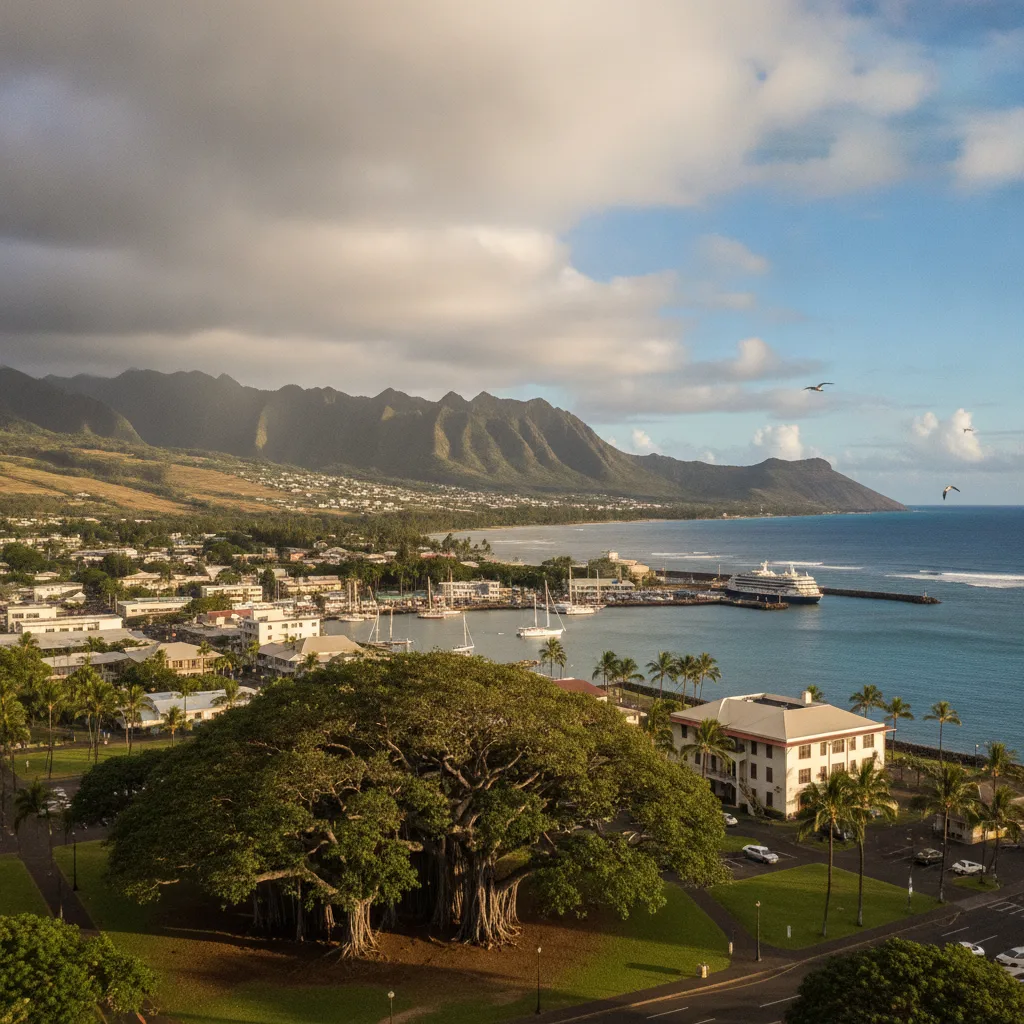
While the historic commercial core of Front Street continues its extensive reconstruction, the north end of Front Street, Lahaina Harbor, the Cannery Mall, and Gateway Center are open and thriving. Visitors can still experience the charming waterfront through boat tours and enjoy local restaurants and shops that have reopened or relocated. The iconic Banyan Tree, though its park remains closed to direct public access, is showing remarkable signs of recovery and can be viewed from harbor tours, standing as a powerful symbol of Lahaina's resilience.
We believe that Lahaina Town is absolutely worth visiting in 2026 for those seeking to engage with Hawaii's rich history, support local recovery efforts, and experience the unwavering aloha spirit. It offers a unique opportunity to witness a community's strength firsthand and be part of its hopeful future. Just remember to visit respectfully, avoid restricted areas, and prioritize supporting local, Maui-owned establishments.
Who It's Best For
Lahaina Town in its current phase of recovery is best suited for mindful travelers who prioritize cultural immersion, historical appreciation, and community support over purely resort-style vacations. If you are a visitor who seeks to understand and contribute to the resilience of a place, rather than simply consuming a destination, then Lahaina will resonate deeply with you.
It's ideal for history buffs eager to learn about Hawaii's royal past and whaling era, even as many historic sites undergo restoration. Families with older children who can appreciate the gravity of the recovery and engage respectfully will find valuable lessons here. Couples looking for a meaningful and authentic Hawaiian experience, including ocean activities departing from the harbor and dining at local eateries, will also find Lahaina appealing. Those who enjoy art galleries and unique local crafts will find opportunities to support artisans who have reopened in accessible areas. If your travel philosophy aligns with regenerative tourism—caring for the land and its people—then you are the perfect visitor for Lahaina in 2026.
Getting There & Parking
Reaching Lahaina Town is straightforward, primarily via the Honoapiilani Highway (Highway 30). Most visitors arrive at Kahului Airport (OGG), which is approximately a 45-minute to an hour's drive from Lahaina, depending on traffic. Rental cars are the most common mode of transportation on Maui, offering the flexibility to explore the entire island. The Lahaina Bypass, which reopened shortly after the 2023 fires, is the main route connecting visitors to Kaanapali, Napili, and Kapalua resorts, and provides access to the edges of Lahaina Town without driving through the most impacted areas.
When considering how to get to Lahaina Town, we recommend checking current road conditions, though major routes are open. For public transportation, Maui Bus services connect various parts of the island, but schedules and routes specifically serving the currently accessible areas of Lahaina may vary. We advise consulting the Maui Bus website for the most up-to-date information for your 2026 visit.
Lahaina Town Parking
Parking in Lahaina Town requires awareness of the ongoing recovery efforts. Paid parking at the Baldwin Home parking lot resumed on May 18, 2026, with fees directly supporting the restoration and rebuilding of Lahaina's historic sites. This is a direct way to contribute to the town's revitalization. Additionally, free public parking is available at several Maui County lots, including those on Papelekane Street (near the harbor), Prison Street/Front Street, and Shaw Street/Front Street.
For the Lahaina Harbor area, public parking at 500 Front Street and 116 Prison Street lots is available with a 3-hour time limit between 8 a.m. and 6 p.m. to ensure turnover and accessibility. The 750 Luakini Street lot is permit-only. It's important to note that access to Lahaina Harbor is closed daily between 6 p.m. and 8 a.m., and overnight parking is not permitted in these county lots. Always respect signage and barriers, as large portions of the town remain active rebuilding zones.
Top Things to Do
While the landscape of Lahaina Town has changed, there are still many meaningful things to do at Lahaina Town and in the surrounding West Maui area that allow you to engage with the culture and support the community. Our team encourages visitors to focus on experiences that contribute positively to the island's recovery.
- Experience the Old Lahaina Luau: This remains one of Maui's most authentic and highly-regarded luau experiences. Located on the Lahaina waterfront, it offers a traditional Hawaiian feast, hula performances, and cultural storytelling. In 2026, adult tickets are around $230, with lower prices for children. Reservations are essential and should be made well in advance—at least 2-3 months, and up to a year for traditional floor seating.
- Explore Lahaina Harbor: The Lahaina Small Boat Harbor reopened on December 15, 2025, for limited commercial ocean operations. From here, you can embark on sunset sails, snorkel tours, and whale watching excursions (seasonal, typically late November through April, with peak viewing from January through March). This is also where you can catch glimpses of the recovering Banyan Tree from the water.
- Visit Lahaina Cannery Mall & Gateway Center: These shopping centers were largely unaffected by the fires and are fully open, offering a variety of shops and restaurants. You'll find a mix of local and national retailers, providing opportunities to support businesses that are vital to the local economy.
- Stroll the North End of Front Street: While the historic core is rebuilding, the northern section of Front Street has reopened with restaurants and some shops. Enjoy oceanfront dining and discover local businesses that have returned.
- Discover Whalers Village in Kāʻanapali: Just a short drive north of Lahaina, Whalers Village offers a vibrant outdoor shopping, dining, and entertainment experience. It's open daily from 9 a.m. to 9 p.m. Here you can find a range of stores, restaurants, and complimentary cultural activities like 'ukulele playing, coconut frond weaving, and hula dancing. Parking is available in a multilevel garage, with up to 3 hours complimentary with validation from stores or restaurants.
- Learn at the Baldwin Home Museum: This historic missionary home, dating back to 1834, offers a glimpse into 19th-century life in Lahaina. It's open daily from 10 a.m. to 4 p.m., with candlelit tours available on Fridays from 6:30 p.m. to 8:30 p.m. Admission is $7 for adults, $5 for seniors, and free for children under 12, and includes entry to the Wo Hing Museum. (Note: While some sources indicate it's open, others mention historic sites are still undergoing repairs, so we recommend checking the Lahaina Restoration Foundation's website for the latest status before your visit).
- Engage in Regenerative Tourism: Beyond specific attractions, one of the most impactful things to do in Maui is to practice regenerative tourism. This means supporting local, Maui-owned businesses, choosing legal lodging, avoiding restricted areas, and respecting the cultural and natural environment. Consider booking a guided land tour that focuses on the island's history and cultural resilience.
- Explore West Maui Beaches: Many beautiful beaches in West Maui, such as Baby Beach (which has reopened to swimmers and snorkelers), Kāʻanapali Beach, and Nāpili Bay, were unaffected by the fires and are fully accessible for swimming, snorkeling, and sunbathing.
For those looking to explore more of the island, consider venturing to Haleakala National Park for sunrise or sunset, driving the scenic Road to Hana, or exploring the vibrant marine life at Molokini Crater. These are all excellent things to do in Maui that contribute to the island's broader tourism economy. Our team also highly recommends visiting other incredible places in Hawaii, such as Hawaii Volcanoes National Park on the Big Island or the historic sites of Pearl Harbor & USS Arizona on Oahu, to round out your Hawaiian adventure.
Best Time to Visit
Deciding the best time to visit Maui and Lahaina Town depends on your priorities, whether it's avoiding crowds, finding the best deals, or experiencing specific activities like whale watching.
Shoulder Seasons (April-May and September-October): Our team consistently recommends these months as the best time to visit for overall value. You'll find excellent weather with calm ocean conditions, moderate crowds, and hotel rates that can be significantly lower—approximately $680-1,100 below peak winter pricing. These periods offer summer-quality weather without the peak season rush, making them ideal for spontaneous exploration and enjoying the island's beauty.
Peak Seasons (Mid-December to March and June to August): These periods see the highest number of visitors, especially around holidays and school breaks. Expect higher hotel rates (potentially $135-280 per night above shoulder season pricing), crowded beaches, and tours that require reservations months in advance. While busy, these months offer vibrant atmospheres and reliable sunshine, with temperatures consistently between 75-85°F in West Maui.
Whale Watching Season (Late November through April): If seeing humpback whales is a priority, plan your visit during these months, with peak viewing from January through March. February typically offers the most whale activity, as these majestic creatures migrate from Alaska to Maui's warm, shallow waters to calve and nurse their young.
Maui's microclimates mean that while some areas might experience more rain during the "wet season" (November to March), West Maui (including Lahaina) and South Maui (Wailea, Kihei) generally maintain year-round sunshine with minimal rainfall. The summer months (May through September) bring the calmest ocean conditions, perfect for snorkeling and diving.
Where to Stay Nearby
When planning your Lahaina Town lodging, it's important to note that while the historic core of Lahaina is still undergoing extensive rebuilding, the surrounding areas, particularly Kāʻanapali, Honokōwai, Nāpili, and Kapalua, were largely unaffected by the fires and offer a wide range of fully operational accommodations. These areas are just a short drive from the accessible parts of Lahaina, making them excellent bases for exploring the region.
Kāʻanapali: This vibrant resort area, less than 10 minutes north of Lahaina, is home to many of Maui's most popular hotels and resorts. Options like the Hyatt Regency Maui Resort & Spa, Sheraton Maui Resort & Spa, Westin Maui Resort & Spa, and Royal Lahaina Resort & Bungalows are all fully operational and welcoming guests. You'll find everything from luxury resorts with extensive amenities to family-friendly condos, many offering direct beach access, multiple pools, and a variety of dining options.
Nāpili and Kapalua: Further north, these areas offer a more tranquil and upscale experience. Resorts like The Ritz-Carlton Maui, Kapalua, and Nāpili Kai Beach Resort provide stunning ocean views, championship golf courses, and a serene atmosphere. These locations are perfect for travelers seeking a quieter retreat while remaining within easy reach of Lahaina's accessible areas.
Honokōwai: Situated between Kāʻanapali and Nāpili, Honokōwai offers a mix of condominium resorts and vacation rentals, often at a slightly more moderate price point than Kāʻanapali. This area is popular with families and those seeking self-catering accommodations.
Regarding Lahaina Town lodging, it's important to be aware of local initiatives. Maui County passed a law in December 2025 to phase out apartment-zoned short-term rentals in West Maui by January 1, 2029, to help house fire survivors and other locals. We encourage visitors to book permitted hotels, resorts, condos, or vacation rentals that comply with Maui County rules to ensure your stay supports the local community responsibly.
Sample 2-Day Itinerary
This itinerary focuses on respectfully experiencing the accessible parts of Lahaina Town and the surrounding West Maui area, while supporting local businesses.
Day 1: Lahaina's Resilient Spirit & Ocean Adventures
- Morning (8:00 AM - 12:00 PM): Begin your day with a visit to the accessible areas of Lahaina. Start with breakfast at one of the reopened restaurants on the north end of Front Street, supporting local eateries. Afterward, head to Lahaina Harbor. The harbor reopened in December 2025 for limited commercial operations, and it's a great spot to see the ocean and the activity. Consider booking a morning snorkel tour or whale watching excursion (seasonal, Dec-May) departing from the harbor. Many tour operators will point out the recovering Banyan Tree from the water.
- Lunch (12:00 PM - 1:30 PM): Enjoy lunch at one of the restaurants near Lahaina Cannery Mall or Gateway Center, both of which are fully open.
- Afternoon (1:30 PM - 5:00 PM): Explore the Lahaina Cannery Mall for shopping, or visit the Baldwin Home Museum (check for latest opening status, as historic sites are undergoing repairs). The museum provides a fascinating look into Lahaina's missionary past. Remember to be mindful of and respect any restricted areas in the historic core.
- Evening (5:00 PM onwards): Indulge in the Old Lahaina Luau for an authentic Hawaiian cultural experience, including a traditional feast and hula performances. Be sure to book this well in advance.
Day 2: Kāʻanapali & West Maui Exploration
- Morning (9:00 AM - 12:00 PM): Head north to Kāʻanapali Beach. Enjoy a leisurely walk along the beautiful coastline, swim, or snorkel in the clear waters. Kāʻanapali was unaffected by the fires and offers pristine beach experiences.
- Lunch (12:00 PM - 1:30 PM): Dine at one of the many restaurants in Whalers Village. This open-air shopping center offers a variety of culinary options, from casual to upscale.
- Afternoon (1:30 PM - 5:00 PM): Explore Whalers Village. Enjoy shopping, or participate in one of the complimentary cultural activities offered, such as 'ukulele playing or hula dancing. You might also visit the Hawaii Wildlife Discovery Center located within Whalers Village.
- Late Afternoon/Sunset (5:00 PM onwards): Consider a sunset catamaran cruise departing from Kāʻanapali Beach or simply find a spot on the beach to watch the spectacular Maui sunset. Enjoy dinner at a Kāʻanapali resort restaurant or explore dining options in Nāpili or Kapalua for a change of scenery.
FAQ
Lahaina Town with kids
Visiting Lahaina Town with kids in 2026 is possible, but requires a mindful approach. While the historic core is still rebuilding, children can enjoy boat tours from Lahaina Harbor (like whale watching or snorkeling trips), which offer exciting ocean adventures. The Lahaina Cannery Mall and Gateway Center provide family-friendly dining and shopping options. Nearby Kāʻanapali Beach and Whalers Village offer plenty of activities for kids, including swimming, sandcastle building, and cultural demonstrations like hula dancing and coconut frond weaving. The Old Lahaina Luau is also a fantastic family experience, offering entertainment and a taste of Hawaiian culture. Emphasize respectful visitation and avoid restricted areas, explaining the importance of supporting the local community during its recovery.
Best hotels near Lahaina Town
The best hotels near Lahaina Town are primarily located in the adjacent Kāʻanapali, Honokōwai, Nāpili, and Kapalua areas, which were not impacted by the 2023 wildfires and are fully operational. Top recommendations include the Hyatt Regency Maui Resort & Spa, Sheraton Maui Resort & Spa, The Westin Maui Resort & Spa, Kāʻanapali, and the Royal Lahaina Resort & Bungalows in Kāʻanapali. Further north, The Ritz-Carlton Maui, Kapalua, and Nāpili Kai Beach Resort offer luxurious options. When choosing your Lahaina Town lodging, ensure it is a permitted accommodation to support responsible tourism.
Lahaina Town tips
Our top Lahaina Town tips for your 2026 visit include: 1) Visit with respect and aloha, understanding that the town is in a significant phase of recovery. 2) Prioritize supporting local, Maui-owned businesses, restaurants, and tour operators to directly aid the community's economic rebuilding. 3) Adhere strictly to all posted signage and barriers, avoiding restricted areas in the historic core, which are active construction zones. 4) Book popular activities like the Old Lahaina Luau and ocean tours well in advance, as they often sell out. 5) Consider visiting during the shoulder seasons (April-May or September-October) for fewer crowds and potentially better rates. 6) Utilize the designated public parking lots and be aware of time limits, especially near the harbor.
Where to stay near Lahaina Town
For those wondering where to stay near Lahaina Town, the most accessible and fully operational options are found in the nearby West Maui communities of Kāʻanapali, Honokōwai, Nāpili, and Kapalua. These areas offer a comprehensive range of accommodations, from large resorts to smaller boutique hotels and vacation rentals, all within a short driving distance to the accessible parts of Lahaina. Many of these resorts offer shuttle services to nearby attractions, and the Lahaina Bypass provides easy road access. We encourage booking accommodations that are legal and permitted by Maui County to ensure your stay benefits the local community responsibly.
Lahaina Town parking
Lahaina Town parking in 2026 includes both paid and free options. Paid parking at the Baldwin Home lot resumed on May 18, 2026, with proceeds supporting historic restoration. Free public parking is available at Maui County lots on Papelekane Street (by the harbor), Prison Street/Front Street, and Shaw Street/Front Street. Note that Lahaina Harbor area lots (500 Front Street, 116 Prison Street) have a 3-hour limit between 8 a.m. and 6 p.m., and overnight parking is prohibited as the harbor area is closed during those hours. Always follow posted signs and respect any barriers in place due to ongoing rebuilding.
Best time to visit Lahaina Town
The best time to visit Lahaina Town, and Maui generally, is during the shoulder seasons of April-May and September-October. These months offer a desirable combination of excellent weather, calm ocean conditions, and moderate crowds, often with more favorable hotel rates compared to peak periods. If whale watching is a priority, the peak season for sightings is January through March. While Maui enjoys warm temperatures year-round, these shoulder months strike an ideal balance for a pleasant and less crowded experience, allowing for more relaxed exploration and easier access to popular activities.
As you plan your trip to Lahaina Town Hawaii, remember that your visit is more than just a vacation; it's an opportunity to connect with a resilient community and contribute to its healing journey. We encourage you to explore with an open heart, respect the ongoing recovery, and support the local businesses that are the lifeblood of this historic Hawaiian gem. The aloha spirit is alive and well, and Lahaina eagerly awaits your thoughtful presence. For more comprehensive planning, explore our Plan Your US Trip guide, and consider other incredible Hawaiian destinations like the stunning Na Pali Coast on Kauai.
Last updated: 2026-07-06 by the Roam States team.