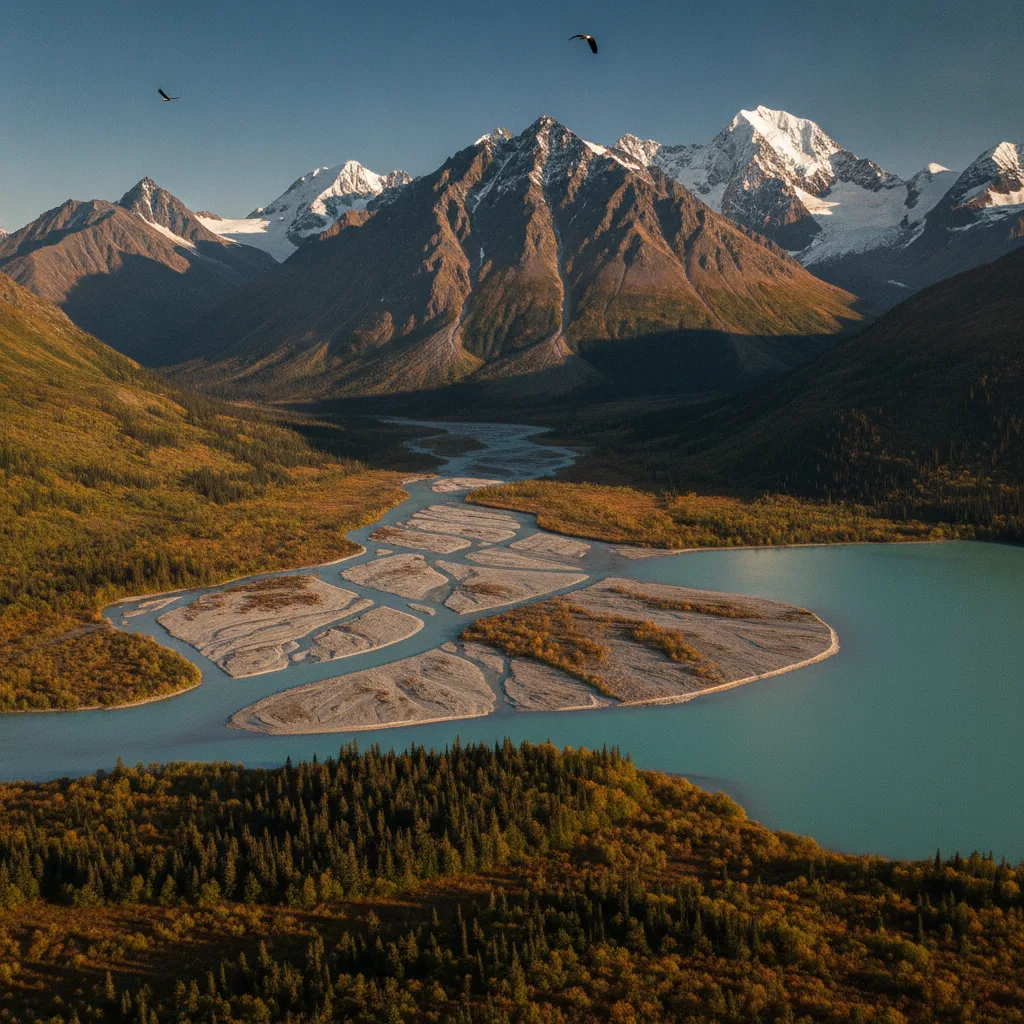
Lake Clark National Park Travel Guide — Alaska
Our Lake Clark National Park guide covers practical planning for Lake Clark National Park Alaska — best time to visit, getting there, and what to do on the ground. Known for its stunning landscapes of volcanoes, glaciers, and abundant wildlife, Lake Clark is a prime destination for bear viewing, sport fishing, and kayaking. It's accessible primarily by small aircraft from Anchorage or Homer, offering an unparalleled wilderness experience.
Why Visit Lake Clark National Park
For those seeking an authentic Alaskan wilderness adventure, Lake Clark National Park stands as a testament to raw, untamed beauty. We consider it one of Alaska's most pristine and least-visited national parks, offering an escape from the crowds often found in more accessible destinations like Denali National Park & Preserve. Here, you'll find a dramatic convergence of ecosystems: active volcanoes rise majestically from the landscape, massive glaciers carve through ancient valleys, and a vibrant tapestry of boreal forests and tundra stretches as far as the eye can see. The park is a critical habitat for an incredible array of wildlife, most notably its dense population of brown bears, making it a world-class destination for bear viewing. Beyond the wildlife, the sheer scale of the landscape, from its namesake Lake Clark to countless hidden lakes and wild rivers, provides a profound sense of solitude and connection to nature that is increasingly rare.
Unlike many national parks, Lake Clark requires no entrance fee, making the experience even more appealing for intrepid travelers. While there are fees for staying in the public use cabins, the wilderness itself welcomes all who arrive. Our team believes that the opportunity to witness bears in their natural habitat, fish in pristine waters, and explore a truly roadless expanse makes a visit to Lake Clark National Park Alaska an unforgettable journey.
Who It's Best For
Lake Clark National Park is not for the faint of heart or those seeking groomed trails and visitor center amenities at every turn. Instead, we recommend it for adventurous travelers who appreciate true wilderness and are comfortable with remote, self-reliant exploration. It's an ideal destination for serious wildlife photographers, particularly those focused on brown bears, as the viewing opportunities are exceptional and often intimate. Anglers will find some of the world's best sport fishing, with abundant salmon runs and various trout species in its pristine lakes and rivers. Kayakers and canoeists will revel in the solitude of its vast waterways, though proper wilderness skills and preparation are essential.
Families with older, adventurous children who are comfortable with rugged travel and bear safety protocols will find a unique educational experience here. However, for younger children or those preferring developed facilities, other Alaskan parks like Kenai Fjords National Park might be a more suitable choice. Ultimately, Lake Clark is best for those who dream of an Alaska untouched by roads and crowds, where the wild dictates the pace of your adventure.
How to Get There
Understanding how to get to Lake Clark National Park is crucial, as it's one of the most remote national parks in the United States, with no roads leading into its vast interior. The primary mode of access is by small aircraft, typically a floatplane or wheel plane, departing from either Anchorage or Homer.
From Anchorage, flights to Lake Clark National Park generally take about 1 hour to 1 hour and 10 minutes. Several air services, such as Rust's Flying Service and Regal Air, offer scenic flights and bear viewing tours directly from Lake Hood Seaplane Base in Anchorage. These flights often provide breathtaking aerial views of volcanoes like Mt. Redoubt and Mt. Iliamna, glaciers, and the Cook Inlet.
Alternatively, you can depart from Homer, a charming town on the Kenai Peninsula. Flights from Homer typically take around 45 minutes to an hour to reach the park. Operators like Smokey Bay Air and Alaska Bear Adventures offer bear viewing and flightseeing tours from Homer.
When planning how to get to Lake Clark National Park, we strongly advise booking your air charter well in advance, especially during the peak summer season, as aircraft capacity and weather windows can be limited. Be prepared for potential weather-related delays, as flexibility is key when traveling in Alaska's backcountry.
Regarding parking, since there are no roads within the park, there are no designated parking areas for personal vehicles. Your chosen air taxi service will handle all transportation logistics from your departure point to your landing site within the park.
Top Things to Do
When considering things to do at Lake Clark National Park, the emphasis is firmly on immersive wilderness experiences. Our team highlights these activities as central to any visit:
- Bear Viewing: This is arguably the park's most famous attraction. Lake Clark is renowned for its abundant brown bear population, especially along its coastal areas like Chinitna Bay and Silver Salmon Creek, where bears gather to feed on sedge grasses, clams, and salmon. We recommend booking a guided bear viewing tour, often starting with a scenic floatplane flight from Anchorage or Homer. Peak bear viewing season typically runs from late May through September, with mid-July to August being prime for salmon runs, and September offering excellent viewing of well-fed bears with fewer crowds. Remember that certain areas, like parts of Chinitna Bay and Silver Salmon Creek, have seasonal closures to protect bear habitat.
- Sport Fishing: Lake Clark National Park and Preserve offers world-class sport fishing for five species of Pacific Salmon, rainbow trout, lake trout, pike, burbot, grayling, and Arctic char. The fishing season generally runs from May through October, with July and August being peak months for salmon runs. A valid Alaska state fishing license is required, and anglers must comply with state regulations. Be prepared to share the waterways with bears, and always follow bear safety guidelines while fishing.
- Kayaking and Canoeing: The vast network of lakes and rivers provides incredible opportunities for paddling. Guided kayak camping trips are available, offering a deeper immersion into the park's serene waters. Twin Lakes, in particular, is a popular destination for kayaking and canoeing, allowing for quiet wildlife viewing and access to excellent fishing spots.
- Hiking and Backpacking: While Lake Clark is largely a "trail-less" wilderness, there are established routes and opportunities for cross-country exploration. Near the Port Alsworth visitor center, you'll find well-marked trails to Beaver Pond (3.2-mile round trip), Tanalian Falls (four-mile return), and Kontrashibuna Lake (5.5-mile return). For more ambitious adventurers, the historic 50-mile Telaquana Route offers a challenging multi-day backpacking experience through varied terrain. Backcountry camping typically does not require a permit from the National Park Service.
- Visiting Dick Proenneke's Cabin: A highlight for many visitors is a trip to the iconic cabin of naturalist Dick Proenneke at Twin Lakes, whose self-sufficient life was documented in "One Man's Wilderness". This offers a glimpse into a truly remote Alaskan existence.
These things to do at Lake Clark National Park promise an unforgettable connection with one of Alaska's wildest places.
Best Time to Visit
Choosing the best time to visit Lake Clark National Park largely depends on your priorities, but the main visitor season typically spans from late May through September.
- Late May to Early July: This period is excellent for witnessing bears foraging in coastal meadows and along rivers, often with newborn cubs emerging from their dens. The mountains are still snow-capped, offering spectacular flightseeing opportunities. This is also a good time for those seeking fewer crowds, especially for camping.
- Mid-July to August: This is considered the prime time for bear viewing, as the salmon runs attract a large concentration of bears to the rivers and streams. July is particularly known for seeing spring cubs and wildflowers in bloom. August is also a great month for sport fishing as salmon lay their eggs, and tundra tours become more eventful with ripening berries attracting wildlife. However, be aware that July and August are the busiest months for tourism.
- September: For many, September is the best time to visit Lake Clark National Park. Bear viewing is at its peak as bears are well-fed and preparing for winter, often with fewer tourists than in mid-summer. The fall colors transform the landscape into a vibrant spectacle, and fishing for trout, char, and grayling is excellent as they feed on salmon eggs.
- Winter (October to April): While challenging, winter offers a unique, profoundly solitary experience for cold-weather camping, ice fishing, biking, and wildlife viewing, typically accessed by ski planes. The Port Alsworth visitor center is closed from September 17 to May 22, but the field headquarters remains open.
Regardless of when you visit, we always recommend booking tours and accommodations well in advance, especially during the peak season.
Lake Clark National Park Lodging
When planning your trip to Lake Clark National Park Alaska, understanding the Lake Clark National Park lodging options is key, as the park does not have concessionaire-run facilities. Instead, independent businesses operate on private land within and around the park boundaries, offering a range of experiences from rustic cabins to all-inclusive luxury lodges.
For those seeking a true wilderness immersion, the National Park Service offers two public use cabins, Priest Rock and Joe Thompson, which sleep three to six people and include basic amenities like wooden bunks, a wood stove, and an outhouse. Reservations for these cabins are required and can be made through Recreation.gov, with limits of 5 consecutive nights and 21 nights per calendar year.
Port Alsworth, the park's headquarters village, serves as a hub for many visitors and offers a variety of accommodations, including cabins, bed & breakfasts, and small private hotels like The Farm Lodge. Lake Clark Resort, located near Port Alsworth, is a popular choice, providing comprehensive packages that often include meals and guided day trips. They recently opened new King Suites for the 2026 season.
For a more exclusive experience, several remote lodges are scattered throughout the park and preserve. Redoubt Mountain Lodge on Crescent Lake and Alaska Homestead Lodge and Silver Salmon Creek Lodge near Silver Salmon Creek offer all-inclusive packages with guided excursions, often focusing on bear viewing and fishing. Natural Habitat Adventures' Alaska Bear Camp in Chinitna Bay is debuting enhanced, luxurious tented cabins for the 2026 season, providing a comfortable base for bear viewing. Windsong Wilderness Retreat on Twin Lakes offers a privately owned cabin rental, though their 2026 season is already fully booked.
We've also seen a handful of Airbnbs available in and around Port Alsworth, though travelers choosing this option will need to bring all their food, as there are no grocery stores in the village. Regardless of your preferred style, booking your Lake Clark National Park lodging well in advance is essential, especially for peak season travel.
Sample 2-Day Itinerary
A short but impactful trip to Lake Clark National Park requires careful planning due to its remote nature. Here’s how we’d approach a two-day adventure:
Day 1: Flightseeing and Coastal Bear Viewing
- Morning: Depart from Anchorage (ANC) or Homer (HOM) on a scenic floatplane flight into Lake Clark National Park. The flight itself is a highlight, offering panoramic views of volcanoes, glaciers, and rugged coastlines.
- Late Morning/Afternoon: Land at a coastal bear viewing area, such as Chinitna Bay or Silver Salmon Creek. Join a guided bear viewing tour, observing brown bears as they graze on sedge grasses, dig for clams, or fish for salmon (depending on the season). These tours often involve walking with a naturalist guide or viewing from a boat, ensuring respectful distances. Enjoy a packed lunch provided by your tour operator or lodge.
- Late Afternoon: Return to your chosen lodge or accommodation. If staying in Port Alsworth, take some time to settle in and explore the small village.
- Evening: Enjoy dinner at your lodge. Attend an evening briefing or presentation if available, learning more about the park's ecology and wildlife.
Day 2: Inland Exploration and Fishing/Hiking
- Morning: Depending on your interest, choose between a guided fishing excursion or a hike.
- Option A (Fishing): Embark on a guided sport fishing trip on one of Lake Clark's pristine rivers or lakes. Target salmon, rainbow trout, or Arctic grayling, enjoying the solitude and stunning scenery. Remember your Alaska state fishing license.
- Option B (Hiking): Explore some of the established trails near Port Alsworth. Hike to Tanalian Falls for picturesque views or journey to Kontrashibuna Lake. For a more challenging experience, inquire about guided backcountry day hikes.
- Afternoon: Visit Dick Proenneke's Cabin at Twin Lakes (if time and logistics allow, often requiring another short flightseeing leg). Alternatively, enjoy some quiet time for photography, birdwatching, or simply soaking in the remote Alaskan atmosphere.
- Late Afternoon: Prepare for your departure.
- Evening: Take your return flight from Lake Clark National Park back to Anchorage or Homer, carrying memories of an unparalleled wilderness adventure.
This itinerary for Lake Clark National Park Alaska is designed for maximum immersion in a short timeframe, focusing on the park's highlights. Always confirm tour availability and lodge bookings well in advance.
Last updated: 2026-07-05 by the Roam States team.