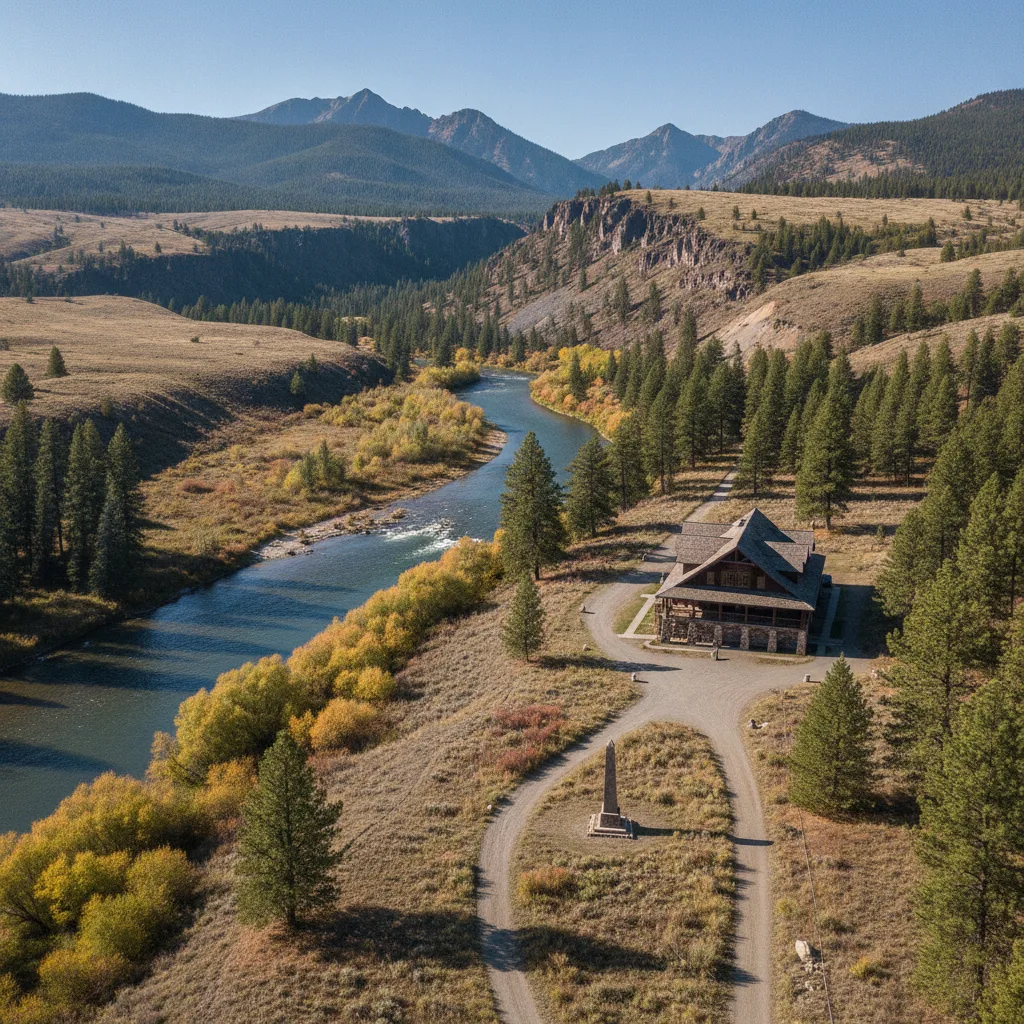
Lewis and Clark National Historic Trail (Idaho segments) Travel Guide — Idaho
Our Lewis and Clark National Historic Trail (Idaho segments) guide covers practical planning for Lewis and Clark National Historic Trail (Idaho segments) Idaho — best time to visit, getting there, and what to do on the ground.
For those drawn to the echoes of American exploration, the Lewis and Clark National Historic Trail (Idaho segments) Idaho offers an unparalleled journey through rugged landscapes and pivotal historical sites. This isn't just a scenic drive; it's an immersive experience that traces the footsteps of the Corps of Discovery as they navigated the formidable Bitterroot Mountains and encountered the Nez Perce people. Our team believes that exploring these Idaho segments provides a profound connection to a defining moment in US history, revealing the challenges and triumphs of the expedition against a backdrop of stunning natural beauty. We're here to help you plan an unforgettable trip, providing the specific, actionable advice you need to make the most of your adventure.
Why Visit Lewis and Clark National Historic Trail (Idaho segments)
Visiting the Lewis and Clark National Historic Trail (Idaho segments) is a journey back in time, offering a tangible connection to one of America's most daring expeditions. The Idaho portion of the trail is particularly significant, as it was here that the Corps of Discovery faced some of their most arduous challenges, including the brutal crossing of the Bitterroot Mountains. This segment of the trail is a testament to human endurance, cultural exchange, and the raw, untamed wilderness that once defined the American West. We recommend it for anyone seeking a blend of historical immersion and breathtaking outdoor adventure.
Beyond the historical resonance, the landscapes themselves are a powerful draw. You'll traverse diverse terrain, from the high mountain passes to the verdant river valleys, experiencing the same awe-inspiring vistas that greeted Lewis and Clark over two centuries ago. The trail offers opportunities for quiet reflection, vigorous hiking, and wildlife viewing, making it a multifaceted destination for curious travelers. It’s an essential experience for understanding the westward expansion and the rich heritage of the indigenous peoples who inhabited these lands long before the expedition arrived.
Who It's Best For
The Lewis and Clark National Historic Trail (Idaho segments) caters to a wide array of travelers, but it particularly resonates with history enthusiasts, outdoor adventurers, and families looking for an educational and engaging trip. If you're fascinated by early American history, the stories of the Corps of Discovery, and the indigenous cultures they encountered, this trail offers a deeply rewarding experience. Hikers and backpackers will find numerous trails, from easy interpretive loops to challenging multi-day treks through the Bitterroots. Nature photographers will be captivated by the dramatic scenery, from dense forests to expansive prairies and winding rivers.
Families with school-aged children will appreciate the interactive exhibits at visitor centers and the opportunity to bring history textbooks to life. The trail encourages exploration and learning, making it an excellent destination for fostering a love of history and the outdoors. While some segments require a good level of physical fitness, many sites are easily accessible, ensuring that visitors of varying abilities can engage with the trail's rich offerings. This is a destination for those who seek more than just a scenic drive; it's for those who want to connect with the land and its stories.
How to Get There
Accessing the various segments of the Lewis and Clark National Historic Trail (Idaho segments) involves navigating Idaho's scenic byways and forest roads. The trail spans a significant portion of the state, roughly following the Clearwater and Salmon River corridors before heading over the Bitterroot Mountains. For those wondering how to get to Lewis and Clark National Historic Trail (Idaho segments), the primary entry points typically involve driving to towns like Salmon, Kamiah, or Orofino, which serve as excellent bases for exploration. Major highways like US-93, US-12, and US-95 provide access to different sections.
If you're flying in, the closest regional airports with commercial service include Missoula International Airport (MSO) in Montana (for eastern Idaho access) or Lewiston-Nez Perce County Airport (LWS) in Idaho (for western Idaho access). From these airports, you'll need to rent a car, as public transportation along the trail is limited. Parking is generally available at designated interpretive sites, trailheads, and visitor centers, often free of charge. However, for specific trailheads or popular sites, we recommend checking the National Park Service website for potential parking fees or restrictions, especially during peak season. For example, some Forest Service trailheads might require a recreation pass. Knowing how to get to Lewis and Clark National Historic Trail (Idaho segments) efficiently will greatly enhance your planning.
Top Things to Do
There are countless things to do at Lewis and Clark National Historic Trail (Idaho segments), offering a blend of historical reflection and outdoor adventure. Our team suggests starting your exploration at key interpretive centers, such as the Lewis and Clark Discovery Center at Sacajawea State Park (just across the border in Washington, but a great starting point for context) or the Nez Perce National Historical Park sites like Spalding and Kamiah. These centers provide invaluable context through exhibits, films, and ranger programs, setting the stage for your journey. We particularly recommend visiting the Weippe Prairie National Historic Site, where the Corps first encountered the Nez Perce, a pivotal moment in their survival.
For outdoor enthusiasts, exploring the Lolo Trail is among the most rewarding things to do at Lewis and Clark National Historic Trail (Idaho segments). This rugged, historic route through the Bitterroot Mountains offers challenging hiking and backpacking. Along the Clearwater River, consider a scenic drive or a rafting trip on the Salmon River, both offering glimpses into the expedition's water-based travel. Don't miss opportunities to stop at designated interpretive signs and pullouts along US-12 and other routes, which highlight specific events and viewpoints of the expedition. While many sites are open year-round, visitor center hours can vary seasonally, so we advise checking their official websites for 2026 operating schedules before your visit.
Best Time to Visit
The best time to visit the Lewis and Clark National Historic Trail (Idaho segments) largely depends on your desired activities. For hiking and extensive exploration of the mountain passes, late spring (May-June) and early fall (September-October) are ideal. During these months, the weather is generally mild, with fewer crowds and stunning seasonal foliage or wildflowers. The Lolo Trail, in particular, is best accessed during these shoulder seasons, as heavy snow can persist into early summer and return in late fall.
Summer (July-August) offers the warmest weather, making it perfect for water activities on the Salmon and Clearwater Rivers and for accessing all trail segments. However, be prepared for higher temperatures, more visitors, and potential wildfire smoke. Winter (November-April) transforms the trail into a snow-covered wonderland, limiting access to many higher elevation areas. While some lower elevation sites remain accessible for snowshoeing or cross-country skiing, comprehensive exploration of the historical route is challenging. We generally recommend avoiding winter unless you are specifically planning a cold-weather adventure and are prepared for potential road closures and limited services.
Lewis and Clark National Historic Trail (Idaho segments) lodging
When planning your trip, finding suitable Lewis and Clark National Historic Trail (Idaho segments) lodging is crucial for a comfortable and convenient experience. The trail passes through or near several small towns that offer various accommodation options, from rustic motels to charming bed and breakfasts. In the Salmon River region, towns like Salmon and Stanley provide excellent bases, with a range of hotels, cabins, and vacation rentals. Salmon, for instance, offers several established hotels and motels, with average nightly rates for a standard room ranging from $120-$200 in peak season.
Further west, near the Clearwater River segment, towns like Orofino and Kamiah offer additional Lewis and Clark National Historic Trail (Idaho segments) lodging choices. These smaller communities provide a more local feel and are often closer to specific historical sites and trailheads. For those seeking a more immersive outdoor experience, numerous campgrounds are available along the trail, managed by the Forest Service or state parks. Reservations for popular campgrounds, especially during summer, are highly recommended and can often be made six months in advance through recreation.gov. We advise checking availability and booking well ahead of your visit to secure your preferred lodging.
Sample 2-Day Itinerary
Our team has crafted a sample 2-day itinerary to help you maximize your exploration of the Lewis and Clark National Historic Trail (Idaho segments).
Day 1: Following the Salmon River & Bitterroot Foothills
- **Morning:** Begin your day in Salmon, Idaho, a town rich with Lewis and Clark history. Visit the Sacajawea Center to gain an understanding of the expedition's journey through Shoshone lands.
- **Mid-day:** Drive west along US-93, following the Salmon River. Stop at interpretive sites along the way, imagining the Corps' arduous journey. Consider a short hike near the river.
- **Afternoon:** Head towards the foothills of the Bitterroot Mountains. Explore parts of the Salmon-Challis National Forest, perhaps taking a scenic drive along a forest service road that offers views similar to what Lewis and Clark would have encountered.
- **Evening:** Enjoy dinner and overnight in Salmon or a nearby community.
Day 2: The Lolo Trail & Nez Perce Country
- **Morning:** Drive west on US-12, tracing the Lolo Trail corridor. This is a significant part of the Lewis and Clark National Historic Trail (Idaho segments). Stop at the Lolo Pass Visitor Center (on the Idaho-Montana border) for exhibits and trail information.
- **Mid-day:** Experience a segment of the historic Lolo Trail. Depending on your fitness and time, you can choose a short interpretive walk or a more strenuous hike into the Bitterroot Wilderness. Remember to check trail conditions and obtain any necessary permits beforehand.
- **Afternoon:** Continue west to the Weippe Prairie National Historic Site, where the Nez Perce first met the starving expedition. Reflect on this crucial encounter. Then, visit the Nez Perce National Historical Park sites near Kamiah and Spalding for deeper insights into Nez Perce culture and their interactions with the Corps.
- **Evening:** Conclude your journey in Lewiston, Idaho, or return to one of the towns along the trail.
Lewis and Clark National Historic Trail (Idaho segments) hiking trails
The Lewis and Clark National Historic Trail (Idaho segments) offers a diverse array of hiking trails, from easy interpretive walks to challenging backcountry treks. For those seeking to immerse themselves in the expedition's footsteps, the Lolo Trail is paramount. This historic route through the Bitterroot Mountains, often accessible via Forest Service roads and trailheads along US-12, allows hikers to experience the same formidable terrain the Corps endured. Portions of the Lolo Trail are maintained for hiking and horseback riding, providing a rugged and authentic experience. We recommend checking with the Nez Perce-Clearwater National Forests for current trail conditions and any specific regulations before you go.
Beyond the Lolo Trail, numerous other Lewis and Clark National Historic Trail (Idaho segments) hiking trails can be found in the surrounding national forests and state parks. Along the Salmon River, you'll find trails that offer scenic views of the river and surrounding canyons. Near Kamiah and Orofino, shorter, family-friendly trails often lead to historical markers or scenic overlooks, providing accessible ways to engage with the trail's history. Remember to carry plenty of water, wear appropriate footwear, and be prepared for changing weather conditions, especially in the mountains. Backpacking permits may be required for overnight trips in wilderness areas.
Is It Worth Visiting?
Our team unequivocally believes that the Lewis and Clark National Historic Trail (Idaho segments) is worth visiting. It offers a unique blend of American history, cultural insight, and unparalleled natural beauty that is hard to find elsewhere. For anyone with an interest in the westward expansion, indigenous cultures, or simply the raw power of the American wilderness, this trail provides a deeply enriching experience. The challenges faced by the Corps of Discovery in Idaho were immense, and walking even a small portion of their route offers a profound sense of connection to their journey.
Beyond the historical significance, the sheer grandeur of Idaho's landscapes along the trail makes it a worthwhile destination. From the towering peaks of the Bitterroots to the rushing waters of the Salmon and Clearwater Rivers, the scenery is consistently breathtaking. Whether you're a serious history buff, an avid hiker, or a family looking for an educational road trip, the Lewis and Clark National Historic Trail (Idaho segments) delivers. It's an opportunity to step away from the ordinary and engage with a pivotal chapter of American history in a truly immersive way. We wholeheartedly recommend adding it to your Idaho itinerary, perhaps combining it with other incredible Idaho destinations like Hells Canyon National Recreation Area or exploring the best places in Idaho.
Last updated: 2026-07-12 by the Roam States team.