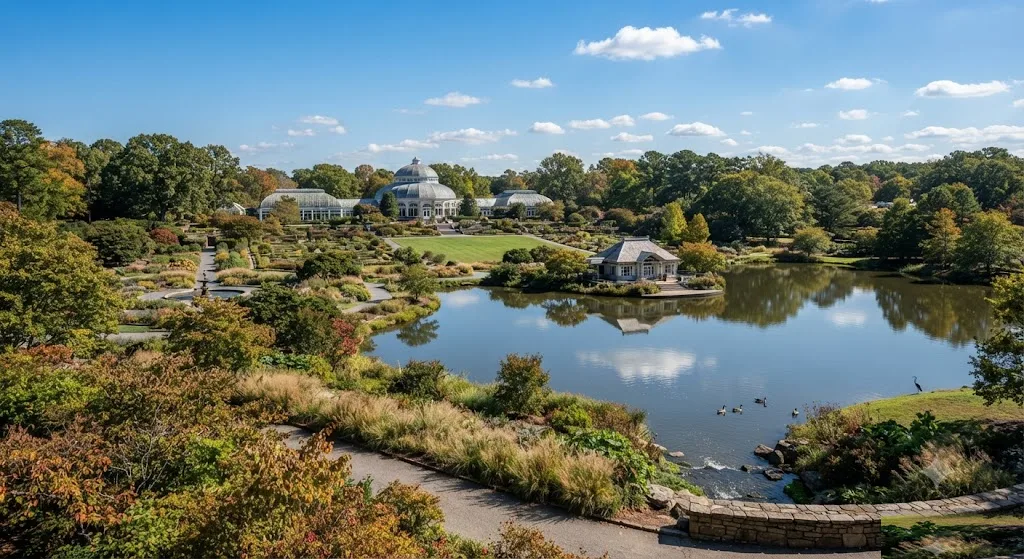
As independent US travel authorities, we at Roam States are dedicated to bringing you the most authentic and actionable travel guides. Our team has meticulously researched and compiled this comprehensive resource for those planning a visit to Lewis Ginter Botanical Garden Virginia, a true jewel in the Commonwealth's crown. Here, you'll discover a classic, massive glass conservatory and highly structured, expansive floral installations that captivate visitors year-round. We aim to provide confident, specific insights, steering clear of generic travel fluff, to ensure your trip is nothing short of spectacular.
Why Visit Lewis Ginter Botanical Garden
Lewis Ginter Botanical Garden offers an unparalleled escape into a world of horticultural splendor, making it a must-visit destination in Virginia. What sets this garden apart is its remarkable diversity, spanning over 50 acres with more than a dozen themed gardens. From the moment you step through the Robins Visitor Center, you're enveloped in a landscape designed to delight and inspire. The crown jewel is undoubtedly the classical domed Conservatory, a unique architectural marvel in the Mid-Atlantic region. As of May 23, 2026, the Conservatory has undergone a significant expansion, now featuring a permanent, year-round butterfly exhibit, allowing visitors to immerse themselves in a tropical paradise regardless of the season.
Beyond the impressive Conservatory, the garden continually surprises with its innovative displays and commitment to environmental education. We've seen how their horticulture staff consistently creates eye-popping seasonal installations, transforming the landscape throughout the year. Whether it's the vibrant "A Million Blooms" in spring, the fragrant roses of summer, or the golden hues of fall, the garden provides a dynamic and ever-changing experience. It's a place where you can not only admire nature's beauty but also learn about plant collections, ecological processes, and sustainable gardening practices. The dedication to creating a welcoming and educational environment for all ages truly makes Lewis Ginter Botanical Garden a standout attraction.
Who It's Best For
Lewis Ginter Botanical Garden genuinely offers something for everyone, making it an ideal destination for a wide array of travelers. Families with children will find endless entertainment in the Children's Garden, which includes the universally-accessible Klaus Family Tree House and a refreshing Waterway splash pad, perfect for warmer days. The interactive exhibits and hands-on activities are designed to spark curiosity and foster a love for nature in young minds.
For couples seeking a romantic outing, the serene pathways, stunning floral displays, and intimate garden rooms provide a picturesque backdrop for leisurely strolls and quiet moments. Photography enthusiasts will discover countless opportunities to capture breathtaking shots of the diverse plant life and architectural features. Gardeners, both amateur and expert, will appreciate the meticulously curated collections and gain inspiration for their own landscapes. Birdwatchers, too, will find a haven here, with various species frequenting the diverse habitats throughout the seasons. Art lovers can enjoy rotating exhibitions, such as the "Alebrijes: Creatures of a Dreamworld" or "Larger Than Life: Moths and Butterflies of the World" in 2026, showcasing unique artistic interpretations of the natural world. Even those simply looking for a peaceful retreat from the urban bustle will find solace in the tranquil beauty of the gardens.
Getting There & Parking
Understanding how to get to Lewis Ginter Botanical Garden and navigating its parking facilities is crucial for a smooth visit. The garden is conveniently located at 1800 Lakeside Avenue in Richmond, Virginia. If using GPS, we recommend changing "Richmond" to "Henrico" for more accurate directions to the front entrance. The location offers easy access from Interstates 95 and 64, making it a straightforward drive for most visitors.
Lewis Ginter Botanical Garden provides free surface lot parking for all visitors. However, it's important to note that on peak visitation days, especially during popular events like Dominion GardenFest of Lights, the parking lots can fill to capacity. In such instances, the garden may temporarily close its front gates until space becomes available, so patience is key. We strongly advise carpooling whenever possible to alleviate congestion and ensure a smoother arrival. Accessible parking spaces are available in all lots, with spots closest to the entrance reserved for mobility-challenged visitors. For some special events, overflow parking may be directed to Lawrence Place at 6924 Lakeside Avenue.
While reservations are not always strictly required for general admission, online tickets are necessary for everyone, including members, to reserve timed entry. This system helps manage crowd flow and ensures a more enjoyable experience for all. For certain popular exhibits, such as "Butterflies Bloom," timed tickets are recommended and can be reserved along with your garden admission. We always recommend checking the official Lewis Ginter Botanical Garden website for the most up-to-date information on hours, fees, and any specific reservation requirements for your planned visit.
Top Things to Do
There are countless things to do at Lewis Ginter Botanical Garden, ensuring a rich and fulfilling visit for every interest. Our team highlights the following must-experience attractions and activities:
- Explore the Conservatory and Butterflies Bloom: The magnificent classical domed Conservatory is a centerpiece, and as of May 23, 2026, it houses a permanent, year-round butterfly exhibit. Visitors can wander through a tropical wonderland, observing both tropical and native butterfly species flying freely. This immersive experience is captivating for all ages.
- Wander Through Themed Gardens: With over a dozen distinct gardens, you can easily spend hours exploring. Don't miss the tranquil Asian Valley, the vibrant Cochrane Rose Garden, the historic Grace Arents Garden, and the newly expanded Anne Lee's Meadow, shaped like a butterfly and featuring native plants. Each garden offers a unique aesthetic and botanical focus.
- Delight in the Children's Garden: For families, the Children's Garden is a destination in itself. Kids can explore the Klaus Family Tree House, splash in the Waterway (seasonal), and engage in hands-on learning about plants and nature. It's a fantastic space for imaginative play and discovery.
- Attend a Special Event or Exhibition: Lewis Ginter Botanical Garden is renowned for its dynamic calendar of events. In 2026, visitors can enjoy "Flowers After 5" with live music on select Thursday evenings from mid-May through October, or the popular "Groovin' in the Garden" concert series. The annual Dominion GardenFest of Lights transforms the garden into a dazzling spectacle during the holiday season. Look out for art exhibitions like "Alebrijes: Creatures of a Dreamworld" and the "Virginia Orchid Show and Sale" in February 2026.
- Take a Garden Class or Workshop: For those looking to deepen their horticultural knowledge, the garden offers a variety of classes for adults, covering topics like gardening, floral design, and botanical illustration. Children's programs are also available.
- Visit the Kroger Community Kitchen Garden: See sustainable gardening in action at this vegetable garden that benefits local food banks, complete with an apiary and beehives.
- Stroll Martha's Way: This 0.4-mile walking path winds around Wick Lake, offering scenic views and a chance to enjoy the expanded four-acre wildlife habitat of the lake, which also serves as a stormwater management resource.
Each of these things to do at Lewis Ginter Botanical Garden contributes to a memorable and enriching experience.
Best Time to Visit
The beauty of Lewis Ginter Botanical Garden is its year-round appeal, with each season offering a unique spectacle. However, the "best" time to visit truly depends on your preferences.
- Spring (March-May): This is arguably one of the most popular times, as the garden bursts into a riot of color. Daffodils and tulips begin blooming in March, with tulips typically peaking in early to mid-April. You'll also find extensive azalea collections and peonies, often around Mother's Day. The Cherry Tree Walk around Sydnor Lake is particularly stunning in mid to late March.
- Summer (June-August): Summer brings lush greenery, fragrant roses, and the opportunity to enjoy cool, shady paths. The Children's Garden, with its splash pad, is a major draw for families looking to beat the heat. This season also hosts the popular "Groovin' in the Garden" concert series and "Flowers After 5" evening events.
- Fall (September-November): Often considered a "secret" best time to visit by insiders, fall offers cooler temperatures and a magnificent display of autumn foliage, with leaves typically peaking in late October/early November. The summer displays have a glorious last hurrah, and ornamental grasses add texture and movement.
- Winter (December-February): While the outdoor landscape simplifies, winter reveals the underlying structure of the garden and highlights colorful berries, bark textures, and intricate seed pods. It's an excellent time for bird-watching. Critically, the Conservatory becomes a tropical haven, showcasing its extensive orchid collection with over 200 orchids in bloom. The holiday season is dominated by the spectacular Dominion GardenFest of Lights, running from the night after Thanksgiving through early January, a highly visited period.
We recommend checking the garden's official event calendar before your visit, especially if you're hoping to catch a specific bloom, exhibition, or seasonal event. Weekdays are generally less crowded than weekends, and arriving early in the day can help you avoid larger groups.
Where to Stay Nearby
When planning your visit to Lewis Ginter Botanical Garden, you'll find a variety of accommodation options in the surrounding Richmond and Glen Allen areas, catering to different budgets and preferences. We've identified several hotels that offer convenience and comfort for your stay:
- For Budget-Friendly Stays: Options like the Super 8 by Wyndham Richmond/Chamberlayne Rd and Econo Lodge Richmond North are frequently mentioned for their value. The Holiday Inn Express Richmond I-64 Short Pump Area is also a good choice, often praised for its cleanliness and complimentary breakfast.
- Mid-Range Options: The Best Western Plus Glen Allen Inn, Days Inn by Wyndham Glen Allen/Richmond North, and Sleep Inn Richmond North offer comfortable stays with good amenities. For those seeking more space, the WoodSpring Suites Richmond West I-64 provides suites with kitchen facilities.
- Upscale and Extended Stay: The Drury Plaza Hotel Richmond, Residence Inn Richmond Midtown/Glenside, and Hampton Inn & Suites Richmond/Glenside are excellent choices for those desiring more amenities, including pools and complimentary breakfast, or for longer visits. The The Westin Richmond and Embassy Suites by Hilton Richmond also offer a more luxurious experience.
Many of these hotels are located within a short driving distance of the garden, making them convenient bases for exploration. We always recommend checking recent reviews and booking in advance, especially during peak travel seasons, to secure the best rates and availability.
Sample 2-Day Itinerary
To fully appreciate the beauty and breadth of Lewis Ginter Botanical Garden Virginia and its surroundings, we recommend a two-day itinerary:
Day 1: Immersion in the Garden
- Morning (9:00 AM - 1:00 PM): Arrive at Lewis Ginter Botanical Garden shortly after opening to enjoy the cooler temperatures and fewer crowds. Begin your exploration at the Robins Visitor Center, then head directly to the expanded Conservatory to experience the year-round Butterflies Bloom exhibit. Afterward, wander through the themed gardens closest to the entrance, such as the Four Seasons Garden and the Fountain Garden.
- Lunch (1:00 PM - 2:00 PM): Enjoy lunch at the Garden Café, which offers various dining options, or bring a picnic to enjoy in one of the designated areas (outside food is not allowed to be brought into the Garden, but can be ordered online for pick-up).
- Afternoon (2:00 PM - 5:00 PM): Dedicate your afternoon to exploring the Children's Garden, especially if traveling with kids, allowing ample time for the Klaus Family Tree House and Waterway splash pad (seasonal). Then, take a leisurely stroll through the Asian Valley and along Martha's Way, a 0.4-mile path around Wick Lake, appreciating the native plantings and wildlife.
- Evening (Optional): If visiting on a Thursday between mid-May and October, consider staying for "Flowers After 5," enjoying live music in the Grace Arents Garden until 9 PM. Otherwise, enjoy dinner at a local restaurant in Richmond.
Day 2: Exploring Richmond's Gems & More Garden Delights
- Morning (9:00 AM - 12:00 PM): Start your day with another visit to Lewis Ginter Botanical Garden, focusing on areas you might have missed or wish to revisit. Perhaps explore the Cochrane Rose Garden or seek out specific seasonal blooms. Consider taking one of the marked walking loops for fitness if you're looking for an active start.
- Lunch (12:00 PM - 1:00 PM): Grab a quick bite in the garden or head out to explore dining options in Richmond.
- Afternoon (1:00 PM - 5:00 PM): Venture beyond the garden to discover some of Richmond's other notable attractions. We recommend a visit to Maymont, a 100-acre Victorian estate with gardens, a historic mansion, and wildlife exhibits. Alternatively, history buffs might appreciate the Virginia Museum of Fine Arts, home to an impressive collection spanning thousands of years. For a deeper dive into Virginia's rich history, consider a day trip to Colonial Williamsburg or Historic Jamestowne Virginia, both offering immersive historical experiences.
- Evening: Enjoy a farewell dinner in Richmond, taking advantage of its diverse culinary scene.
Lewis Ginter Botanical Garden Hiking Trails
While Lewis Ginter Botanical Garden is primarily known for its meticulously cultivated displays, the concept of "Lewis Ginter Botanical Garden hiking trails" might conjure images of rugged, naturalistic paths. In reality, the garden offers beautifully maintained walking paths and loops that are perfect for leisurely strolls and light exercise, rather than strenuous hiking. The entire property spans 82 acres, featuring numerous paved and mulched pathways that wind through various themed gardens and naturalistic areas.
One notable example is Martha's Way, a 0.4-mile walking path that encircles Wick Lake. This path offers picturesque views of the expanded lake, which now serves as a four-acre wildlife habitat and a stormwater management resource. The garden is also a Sports Backers-certified Active RVA Garden, meaning it provides marked walking loops with distances, encouraging visitors to incorporate fitness into their visit. You can find a walking map (PDF) on their website to plan your route. These paths are generally accessible, with ramps available where there are stairs, such as in the Fountain Garden and leading into the Conservatory. While you won't find challenging backcountry "Lewis Ginter Botanical Garden hiking trails" here, you will discover ample opportunities for refreshing walks amidst stunning horticultural beauty.
Is It Worth Visiting?
Without a doubt, Lewis Ginter Botanical Garden is worth visiting. Our team confidently asserts that this destination offers an exceptional experience that justifies the trip for a multitude of reasons. It consistently ranks as one of the top botanical gardens in North America, a testament to its quality and appeal.
The garden's commitment to year-round beauty means there's always something spectacular to see, from the vibrant spring blooms and lush summer displays to the fiery colors of autumn and the tropical warmth of the Conservatory in winter. The recent expansion, which includes a permanent, year-round butterfly exhibit within the Conservatory, significantly enhances its appeal and offers a unique, immersive experience. This ensures that even on a chilly day, you can step into a vibrant, living ecosystem.
Furthermore, the Lewis Ginter Botanical Garden caters to diverse interests. Families will find the Children's Garden with its treehouse and splash pad to be a highlight, offering hours of engaging activities. For adults, the meticulously designed themed gardens, art exhibitions, and a robust calendar of events—including concerts and holiday light shows—provide rich cultural and recreational opportunities. The educational programs and the emphasis on conservation also add significant value. Considering the sheer scale, the quality of the horticulture, and the breadth of experiences available, we believe Lewis Ginter Botanical Garden is worth visiting for anyone seeking natural beauty, relaxation, and inspiration in Virginia. It's a destination that leaves a lasting impression and encourages repeat visits.
Lewis Ginter Botanical Garden Camping
For travelers envisioning a rustic overnight experience directly within the horticultural haven, it's important to clarify that traditional "Lewis Ginter Botanical Garden camping" on-site is not available. The botanical garden is a cultivated space focused on plant collections, education, and events, rather than a campground or wilderness area for overnight stays. Therefore, pitching a tent or parking an RV within the garden's boundaries is not permitted.
However, for those who prefer a camping experience as part of their broader Virginia adventure, there are off-site alternatives within a reasonable driving distance. While not directly affiliated with the garden, options like Grey's Point Camp, mentioned in the context of "glamping getaways" for visitors exploring the region, could serve as a base. These types of campgrounds or RV parks would typically be found in surrounding areas of Virginia. If Lewis Ginter Botanical Garden camping is part of your ideal trip, we recommend searching for private campgrounds or state parks in the wider Richmond area or along popular routes like the Blue Ridge Parkway Virginia for a more traditional outdoor lodging experience. Always verify availability and make reservations well in advance, especially during peak seasons.
FAQ Longtails
Things to do in Richmond
Beyond Lewis Ginter Botanical Garden, Richmond, Virginia, offers a vibrant array of attractions. History enthusiasts can explore the Virginia Museum of Fine Arts, the American Civil War Museum, or take a historical walking tour of Shockoe Bottom. Outdoor lovers might enjoy Maymont, a 100-acre estate with gardens and wildlife, or explore the Virginia Capital Trail for biking and walking. The city also boasts a thriving culinary scene, numerous breweries and distilleries, and unique neighborhoods like Carytown for shopping and dining. For family fun, consider the Children's Museum of Richmond or the Science Museum of Virginia.
Lewis Ginter Botanical Garden with kids
Lewis Ginter Botanical Garden is exceptionally kid-friendly. The Children's Garden is a highlight, featuring the Klaus Family Tree House, a Waterway splash pad (seasonal), and various interactive exhibits designed for young explorers. Kids can also enjoy scavenger hunts, participate in nature camps during the summer (such as Green Adventure Summer Camps in 2026), and marvel at the butterflies in the expanded Conservatory's year-round exhibit. We recommend allowing ample time for play and discovery in these areas.
Lewis Ginter Botanical Garden tips
To make the most of your visit to Lewis Ginter Botanical Garden, we offer these expert tips: Purchase timed tickets online in advance, even if you're a member, to ensure entry and manage crowds. Wear comfortable shoes, as you'll be doing a lot of walking across 50+ acres. Bring a reusable water bottle, as refill stations are available. Plan your visit around specific events or seasonal blooms that interest you by checking the online calendar. If visiting on a busy day, consider arriving early or later in the afternoon. Carpooling is highly recommended, especially during special events, due to limited parking capacity. Remember that outside food is generally not permitted, but the Garden Café offers dining options.
Lewis Ginter Botanical Garden parking
Lewis Ginter Botanical Garden offers free surface lot parking. However, on busy days and during special events, these lots can reach capacity, leading to temporary gate closures. Carpooling is strongly encouraged to help manage traffic and parking availability. Accessible parking spaces are provided near the entrance for those with mobility challenges. For some events, overflow parking may be directed to Lawrence Place at 6924 Lakeside Avenue. We advise checking the garden's website for any specific parking instructions related to your visit date.
Best time to visit Lewis Ginter Botanical Garden
The best time to visit Lewis Ginter Botanical Garden depends on your interests, as it offers year-round beauty. Spring (March-May) is vibrant with daffodils, tulips, and azaleas. Summer (June-August) is ideal for roses, shady walks, and the Children's Garden splash pad, plus evening concerts. Fall (September-November) showcases stunning foliage and ornamental grasses. Winter (December-February) provides a tranquil outdoor experience and a tropical escape in the Conservatory with blooming orchids, alongside the popular Dominion GardenFest of Lights. Always check the garden's event calendar for specific blooms or exhibitions.
Lewis Ginter Botanical Garden hours and fees
As of 2026, Lewis Ginter Botanical Garden is generally open daily from 9 a.m. to 5 p.m.. On select Thursday evenings from mid-May through October, the garden extends its hours until 9 p.m. for "Flowers After 5". It is closed on Thanksgiving, December 24th, and December 25th. Regular admission fees are $24 for adults, $20 for seniors (65+), military/first responders, and full-time educators, and $14 for youth (ages 4-17). Children aged 3 and under are admitted free. Members receive free daily admission, and discounted rates are available for groups of 25 or more, as well as through the Museums for All initiative. We recommend checking their official website for any special event pricing or temporary hour changes.
Conclusion
Lewis Ginter Botanical Garden Virginia stands as a premier horticultural destination, offering a captivating blend of natural beauty, educational experiences, and engaging events throughout the year. From its iconic, expanded Conservatory with a permanent butterfly exhibit to the diverse themed gardens and family-friendly Children's Garden, every visit promises new discoveries. Our team at Roam States is confident that this guide provides the essential, verified 2026 facts you need to plan an unforgettable trip. Whether you're seeking a tranquil escape, a family adventure, or horticultural inspiration, Lewis Ginter Botanical Garden delivers an enriching experience that will leave you refreshed and inspired. We encourage you to explore this magnificent garden and discover why it remains a cherished gem in the heart of Virginia. For more incredible Virginia destinations, be sure to check out our guide to the Best Places in Virginia, including historical sites like Arlington National Cemetery and thrilling attractions like Busch Gardens Williamsburg.
Last updated: 2026-07-12 by the Roam States team.