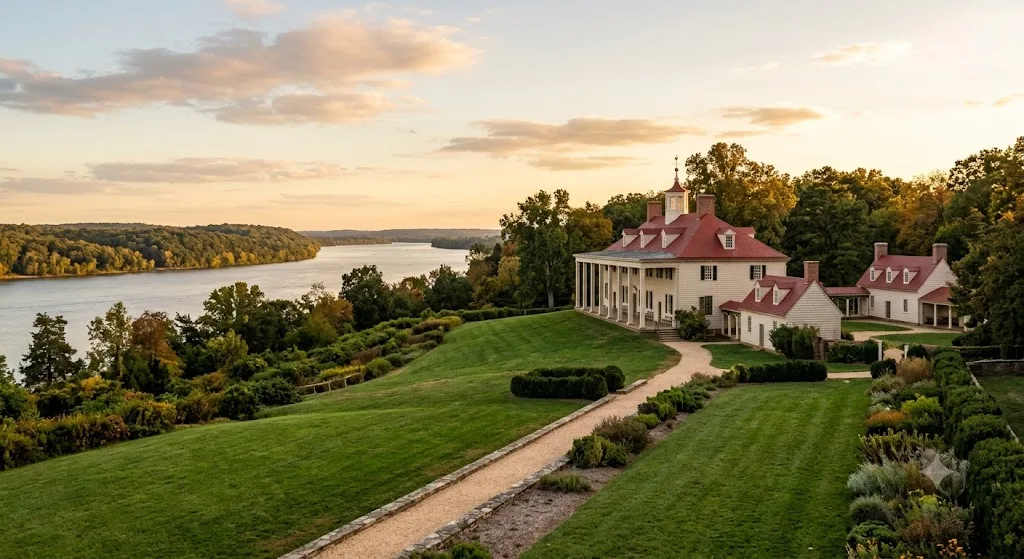
For any discerning traveler seeking a profound connection to American history, George Washington's meticulously restored plantation estate in Fairfax County, Virginia, stands as an essential pilgrimage. Our team at Roam States confidently asserts that Mount Vernon Virginia offers an unparalleled journey into the life and legacy of the nation's first president, providing deep insights into early presidential history, 18th-century plantation life, and the complex, often painful, realities of slavery. This isn't generic tourism; it's an immersive historical experience that resonates long after you depart.
Why Visit Mount Vernon
Visiting Mount Vernon is more than just a historical excursion; it's an opportunity to walk in the footsteps of a founding father and engage with the multifaceted narrative of early America. We believe that to truly understand the origins of the United States, one must confront the realities of the era, and Mount Vernon unflinchingly presents both the grandeur of Washington's vision and the stark realities of the enslaved people who built and maintained his estate.
The estate serves as a living museum, meticulously preserved and interpreted to reflect life in the 18th century. You'll gain a tangible sense of George Washington's personal life, his agricultural innovations, and his role as a statesman. The exhibits and historical interpreters bring the past to life, offering context to the artifacts and structures you encounter. Beyond the iconic Mansion, the grounds encompass extensive gardens, working farms, and original outbuildings, all contributing to a comprehensive understanding of this pivotal period. It's a place where history isn't just read but felt, a powerful reminder of the foundations upon which the nation was built.
Who It's Best For
Mount Vernon is an ideal destination for history enthusiasts of all ages, particularly those with a keen interest in the American Revolution, presidential history, and the social structures of the 18th century. Families with older children will find the estate's interactive exhibits and engaging interpreters a valuable educational experience, sparking discussions about leadership, freedom, and human rights. Educators and students will appreciate the depth of historical detail and the opportunity to contextualize classroom learning. Even those with a general curiosity about America's past will find themselves captivated by the stories and beauty of the estate.
While younger children might enjoy the open spaces and farm animals, the nuanced historical narratives, especially concerning slavery, are often best appreciated by those mature enough to process complex themes. We recommend it for anyone seeking a rich, educational, and thought-provoking travel experience, far beyond typical tourist attractions. It's a profound experience for anyone looking to connect with the roots of American identity.
Getting There & Parking
Navigating to Mount Vernon is straightforward, whether you're driving or utilizing public transportation from the greater Washington D.C. metropolitan area. George Washington's Mount Vernon is located in Northern Virginia, just outside of Washington, D.C., and Maryland.
Driving to Mount Vernon
For those driving, Mount Vernon is situated at 3200 Mount Vernon Memorial Highway, Mount Vernon, VA 22121. We recommend setting your GPS directly to this address. The estate offers ample self-parking on-site. As of 2026, our research indicates that parking at George Washington's Mount Vernon is free for visitors. While other Mount Vernon locations may have paid parking, this specific historic estate provides complimentary parking, making planning your visit easier. To get to Mount Vernon, follow the George Washington Memorial Parkway south until its end, where you'll find the estate.
Public Transportation to Mount Vernon
If you prefer not to drive, public transportation is a viable option. The closest Metro station is Huntington, on the Yellow Line. From the Huntington Metro station, you can take a Fairfax Connector bus directly to Mount Vernon. We advise checking the Fairfax Connector website for the most current schedules and routes to ensure a smooth journey to Mount Vernon.
Accessibility
The estate is committed to accessibility, with many areas, including the Mansion's first floor, accessible via ramps or elevators. We always recommend checking Mount Vernon's official website for the most up-to-date accessibility information and any specific requirements you may have.
Top Things to Do
There are countless things to do at Mount Vernon, ensuring a full day of exploration and discovery. This isn't a quick stop; it's an expansive estate demanding time and attention to fully appreciate its historical significance. Our team has carefully curated the essential experiences to make the most of your visit to Mount Vernon.
Explore the Mansion
The centerpiece of the estate is George Washington's Mansion. A separate Mansion tour ticket is required to explore inside Washington's former home, beyond the Grounds Pass. As of December 2025 through September 2026, the estate is undergoing a major restoration project, meaning all Mansion rooms are open, but the Cellar is closed. An enclosed work area is present to the north of the Mansion, and tour paths may change, with individual rooms temporarily off display. Despite this, the Mansion offers a fascinating glimpse into Washington's domestic life and architectural tastes.
Wander the Gardens and Grounds
The estate boasts four distinct gardens, meticulously restored to their 18th-century appearance. You can admire the landscape that Washington himself designed, stroll through the Upper and Lower Gardens, and discover the Botanical Garden and Fruit Garden & Nursery. The grounds also include historic outbuildings where enslaved people made tools, spun textiles, and processed food. These areas provide crucial context to the daily operations of a working plantation.
Visit the Tombs and Slave Memorial
Pay your respects at the final resting place of George and Martha Washington at the New Tomb, where wreath-laying ceremonies are held daily. Nearby, the Slave Memorial and African American Burial Ground honor the enslaved individuals who lived and worked at Mount Vernon, a poignant and essential part of the estate's narrative. This memorial provides a crucial space for reflection on a difficult but undeniable aspect of American history.
Discover the Museums and Education Center
The Donald W. Reynolds Museum and Education Center houses numerous artifacts and interactive exhibits, offering a deeper dive into Washington's life, military career, and presidency. You'll find items such as the chair George Washington used throughout his presidency, portraits of the Washington family, and objects discovered through archaeological research. These exhibits provide valuable context and expand upon the stories presented within the Mansion.
Explore the Farm and Pioneer Farm
From April to October, you can meet heritage-breed farm animals, including sheep, hogs, and oxen, and see costumed interpreters demonstrate 18th-century farming techniques. The Pioneer Farm offers insights into the agricultural practices that sustained the estate. This active farm provides a dynamic and engaging experience, especially for those interested in historical agriculture.
Visit George Washington's Distillery and Gristmill
On weekends from April to October, you can visit George Washington's Distillery and Gristmill. Here, you'll see where grains from Washington's farms were ground to create flour and cornmeal, and where Washington's whiskey is still made today. This offers a unique look into Washington's entrepreneurial spirit and the industrial aspects of his estate.
These are just some of the top things to do at Mount Vernon, offering a comprehensive and engaging historical experience. Whether you're interested in the personal life of George Washington or the broader context of 18th-century America, there are plenty of things to do in Mount Vernon to fill your day.
Best Time to Visit
Choosing the best time to visit Mount Vernon can significantly enhance your experience, influencing crowd levels, weather, and the availability of seasonal programs. Our team recommends considering a few factors when planning your trip.
Spring (April to May) and Fall (September to October)
We consider spring and fall to be the ideal seasons for visiting Mount Vernon. The weather during these months is generally mild and pleasant, perfect for exploring the expansive outdoor grounds and gardens. In spring, the estate bursts into bloom, offering beautiful floral displays. In fall, the changing foliage provides a stunning backdrop, particularly along the Potomac River. Crowds are typically moderate during these shoulder seasons, offering a comfortable balance between lively activity and serene exploration. Many of the outdoor demonstrations and the Distillery & Gristmill are also open during these months.
Summer (June to August)
Summer is a popular time to visit, especially for families. However, it also brings the largest crowds and the hottest, most humid weather. If you plan a summer visit, we strongly advise arriving early in the day, staying hydrated, and taking advantage of indoor attractions during the peak heat. Reservations for Mansion tours are even more crucial during these busy months. Despite the heat, summer offers a full schedule of interpretive programs and activities.
Winter (November to March)
Winter offers a quieter, more reflective experience at Mount Vernon. The crowds are significantly smaller, allowing for a more intimate visit to the Mansion and exhibits. While the gardens may not be in full bloom and some outdoor programs might be limited, the estate often features special holiday decorations and events, particularly in December. George Washington's Birthday (February 16, 2026) offers free admission and special patriotic ceremonies. Dress warmly, as the Potomac River winds can be brisk.
Weekdays vs. Weekends
Regardless of the season, visiting on a weekday will almost always result in fewer crowds than on a weekend. If your schedule allows, a Tuesday, Wednesday, or Thursday visit will provide a more relaxed and less hurried experience, especially for popular attractions like the Mansion tour.
Where to Stay Nearby
When planning your visit to Mount Vernon, selecting the right accommodation can significantly impact your experience. While there are no hotels directly on the estate, several nearby towns offer a range of lodging options, from charming historic inns to modern hotels. Our team recommends focusing on areas that provide convenient access to Mount Vernon while also offering their own unique attractions.
Alexandria, Virginia
Just a short drive north of Mount Vernon, Old Town Alexandria is a highly recommended base. This historic city boasts cobblestone streets, 18th-century architecture, and a vibrant waterfront. You'll find a wide array of boutique hotels, charming B&Bs, and well-known hotel chains. Old Town Alexandria offers excellent dining, shopping, and easy access to Washington D.C. via the Metro, making it a perfect blend of history and modern amenities. It's also a convenient hub for exploring other Virginia attractions like Arlington National Cemetery.
National Harbor, Maryland
Across the Potomac River in Maryland, National Harbor offers a more contemporary lodging experience. This modern waterfront development features large hotels, including the Gaylord National Resort & Convention Center, along with numerous restaurants, shops, and entertainment options. While it requires crossing the Potomac to reach Mount Vernon, the scenic drive or water taxi options can be appealing. It's a good choice for those seeking newer accommodations and a lively atmosphere.
Fairfax County, Virginia
For budget-conscious travelers or those preferring more suburban convenience, various hotels are available along Route 1 (Richmond Highway) in Fairfax County, closer to Mount Vernon itself. These options typically include familiar hotel brands and offer good value. While they might lack the historic charm of Old Town Alexandria, they provide practical and comfortable stays with easy access to the estate.
Washington D.C.
Staying in Washington D.C. proper is also an option, particularly if Mount Vernon is just one stop on a broader D.C. itinerary. The nation's capital offers an extensive range of hotels, from luxury to budget-friendly. While it's a bit further out, Mount Vernon is easily accessible from D.C. by car or a combination of Metro and bus/shuttle. This allows you to combine your Mount Vernon visit with explorations of the National Mall, Smithsonian museums, and other iconic D.C. landmarks.
No matter where you choose to stay, we advise booking your accommodations in advance, especially during peak travel seasons, to secure the best rates and availability.
Sample 2-Day Itinerary
To fully appreciate the depth and breadth of George Washington's estate and its surroundings, we recommend dedicating at least two days to the Mount Vernon area. This allows for a comprehensive exploration of the estate itself and provides an opportunity to delve into other significant historical and natural attractions in Northern Virginia. Here’s a sample 2-day itinerary crafted by our team to maximize your experience.
Day 1: Immersive Mount Vernon Experience
Morning (9:00 AM - 1:00 PM): The Heart of the Estate
- Arrive early at Mount Vernon to beat the crowds, especially if visiting during peak season. Secure your Grounds Pass and Mansion Tour tickets online in advance.
- Begin with the Mansion Tour. Despite ongoing renovations through September 2026 (with the Cellar closed and potential temporary room closures), the Mansion remains the estate's focal point. Allow ample time to absorb the history and architecture.
- After the Mansion, explore the Upper and Lower Gardens, taking time to appreciate Washington's horticultural vision.
- Visit the Tombs of George and Martha Washington, and then spend a reflective moment at the Slave Memorial and African American Burial Ground.
Lunch (1:00 PM - 2:00 PM): On-Site Dining
- Enjoy lunch at the Mount Vernon Inn Restaurant or grab a quick bite at the Food Court, both located on the estate. Consider pre-ordering a picnic if available.
Afternoon (2:00 PM - 5:00 PM): Deeper Dives and Demonstrations
- Head to the Donald W. Reynolds Museum and Education Center. Explore the extensive exhibits and artifacts, including Washington's presidential chair.
- Walk down to the 12-acre Pioneer Farm and Wharf. From April to October, you can see heritage-breed animals and watch costumed interpreters demonstrate 18th-century farming techniques.
- Explore the historic outbuildings, gaining insight into the daily lives and labor of the enslaved community.
Evening: Old Town Alexandria
- Drive north to Old Town Alexandria (approximately 20-30 minutes).
- Check into your hotel and then enjoy dinner at one of Old Town's many acclaimed restaurants.
- Take an evening stroll along King Street or the waterfront, soaking in the historic atmosphere.
Day 2: Northern Virginia's Historical Gems
Morning (9:00 AM - 1:00 PM): Arlington National Cemetery
- From Alexandria, head to Arlington National Cemetery (approximately 15-20 minutes).
- Allow at least 3-4 hours to explore this solemn and significant site. Witness the Changing of the Guard at the Tomb of the Unknown Soldier and visit the gravesite of John F. Kennedy.
- Consider taking the interpretive tram tour to cover more ground and learn about the cemetery's history.
Lunch (1:00 PM - 2:00 PM): Arlington or nearby
- Have lunch in Arlington or return to Alexandria for a meal.
Afternoon (2:00 PM - 5:00 PM): Choice of Historical Exploration
Depending on your interests, choose one of these compelling options:
- Option A: Manassas National Battlefield Park: Drive west to Manassas National Battlefield Park (approximately 45-60 minutes from Arlington). Explore the sites of the First and Second Battles of Manassas (Bull Run), pivotal engagements of the Civil War. The visitor center and walking trails offer deep historical context.
- Option B: Steven F. Udvar-Hazy Center: Head to the Steven F. Udvar-Hazy Center, the companion facility to the National Air and Space Museum (approximately 45-60 minutes from Arlington). Marvel at iconic aircraft and spacecraft, including the Space Shuttle Discovery and the Enola Gay.
- Option C: George Washington's Distillery & Gristmill (if missed on Day 1): If your visit is between April and October and you missed it on Day 1, return to Mount Vernon to explore the Distillery and Gristmill, offering a unique look at Washington's entrepreneurial ventures.
Evening: Departure or Extended Stay
- Conclude your trip or extend your stay to explore more of what Virginia has to offer, such as the scenic Blue Ridge Parkway or the historic triangle of Colonial Williamsburg and Historic Jamestowne. For more ideas, check out our guide to the Best places in Virginia.
Our Expert Verdict on Mount Vernon Virginia
Our team at Roam States unequivocally recommends a visit to Mount Vernon Virginia. It is not merely a historical site but a meticulously preserved testament to the life of George Washington and the complex era in which he lived. The estate's commitment to presenting both the triumphs and the challenges of its past, including the story of the enslaved people, makes it an invaluable educational experience. The beauty of the grounds, the depth of the exhibits, and the engaging interpretive programs combine to create a truly memorable and enlightening journey into the heart of American history. Prepare for a full day, or even two, to truly absorb all that this iconic estate has to offer.
Last updated: 2026-07-12 by the Roam States team.