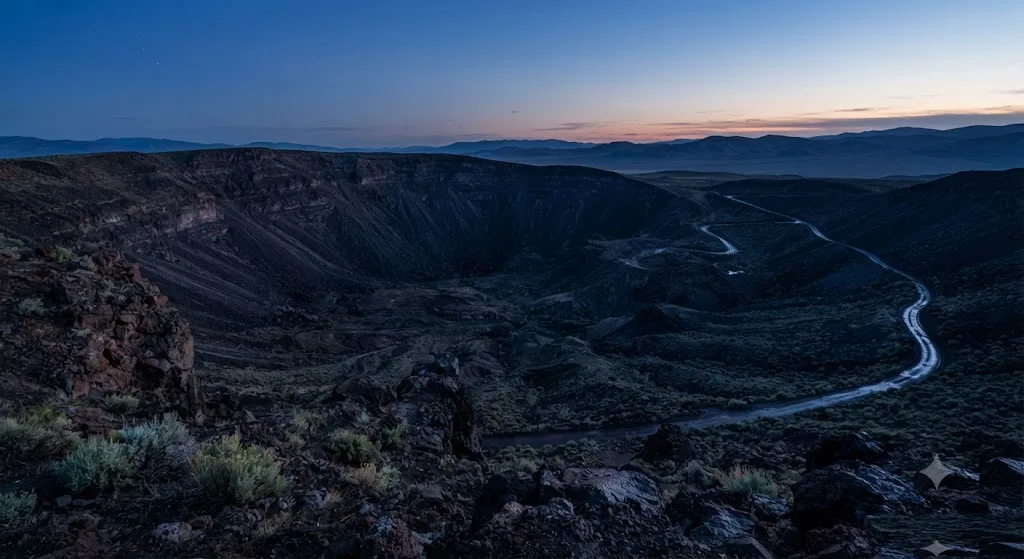
Our Lunar Crater National Natural Landmark guide covers practical planning for Lunar Crater National Natural Landmark Nevada — best time to visit, getting there, and what to do on the ground. We've compiled the essential 2026 facts on hours, fees, closures, parking, and reservations to ensure your journey into this otherworldly landscape is seamless and unforgettable.
Why Visit Lunar Crater National Natural Landmark
The Lunar Crater National Natural Landmark in Nevada is not just another stop on a road trip; it's an immersive journey into a landscape that genuinely feels extraterrestrial. We consider it one of Nevada's most captivating geological wonders, offering a stark, otherworldly beauty that few places on Earth can rival. Designated a National Natural Landmark in 1973, this vast volcanic field, spanning over 100 square miles, is a testament to the raw power of Earth's geological forces.
What sets Lunar Crater apart is its impressive collection of volcanic features. Here, you'll find numerous craters, cinder cones, and ancient lava flows, all contributing to a topography so similar to the moon's surface that NASA astronauts used it as a training ground for Apollo missions in the 1970s. Imagine walking in the footsteps of those who prepared to walk on the moon, right here in the heart of Nevada. The main Lunar Crater itself is a "maar" — a shallow, broad crater formed by explosive eruptions when groundwater collided with hot magma, creating a 430-foot-deep, 3,000-foot-wide bowl.
Beyond the scientific intrigue, the sheer scale and desolate beauty of Lunar Crater National Natural Landmark Nevada offer an unparalleled sense of solitude and wonder. It's a place where you can truly disconnect from the modern world and reconnect with the vastness of nature. The silence is profound, broken only by the wind, allowing for deep reflection and an appreciation for the planet's incredible history. From the rim of Lunar Crater, you can spot over 20 other extinct volcanoes in the surrounding hills, along with ancient lava beds, painting a panoramic view that is both humbling and awe-inspiring.
Who It's Best For
Lunar Crater National Natural Landmark is ideally suited for a specific type of traveler, one who embraces adventure, solitude, and a deep appreciation for geology and natural history. This isn't a destination for those seeking resort amenities or bustling tourist attractions; rather, it's for the intrepid explorer ready to venture off the beaten path.
It's perfect for geology enthusiasts and photographers who will be captivated by the diverse volcanic formations, from the maar craters to cinder cones and basalt flows. The unique lighting at sunrise and sunset casts dramatic shadows across the landscape, offering incredible photographic opportunities of its otherworldly terrain. History buffs will also find it fascinating, knowing that Apollo astronauts once trained here for lunar missions.
Outdoor adventurers, including hikers, off-road drivers, and campers, will revel in the freedom of this expansive public land. With minimal facilities and often challenging road conditions, a spirit of self-reliance and preparedness is essential. Stargazers, too, will be in their element, as the remote location and lack of light pollution provide some of the darkest skies in Nevada, perfect for observing the cosmos.
Ultimately, Lunar Crater National Natural Landmark is for anyone seeking an authentic, raw, and unforgettable encounter with nature's grandeur, far from the crowds and commercialism of more developed destinations like The Las Vegas Strip or even Valley of Fire State Park.
Getting There & Parking
Reaching Lunar Crater National Natural Landmark is an adventure in itself, requiring a bit of planning and a suitable vehicle. This remote gem is located in Nye County, Nevada, roughly 70-84 miles east of Tonopah and 96 miles southwest of Ely, along U.S. Highway 6. We recommend approaching from Tonopah, a historic mining town where you can stock up on supplies before heading into the vastness of the Great Basin.
To get to Lunar Crater National Natural Landmark, you'll turn off Highway 6 at approximately mile marker 79, where you'll see a sign for the Lunar Crater Backcountry Byway. This 24-mile scenic loop is an unpaved dirt road that leads directly to the main crater and other volcanic features. While it's generally accessible, a high-clearance vehicle is strongly recommended, and four-wheel drive can be beneficial, especially during or after wet weather. The road can be rough, washboarded, and have sandy or muddy sections, so be prepared for a bumpy ride.
Regarding parking, there are no designated paved lots or formal facilities. Instead, you'll find ample space for dispersed parking along the Lunar Crater Backcountry Byway and near the crater rim itself. We encourage visitors to park responsibly on existing roads and trails to minimize impact on the fragile desert environment. There are specific stopping points along the scenic loop where you can get out and view the impressive volcanic features. Remember, this is BLM-managed land, and free public access is available to all, with no fees required for entry. Just remember to leave no trace and pack out everything you pack in.
Top Things to Do
The stark beauty of Lunar Crater National Natural Landmark offers a unique array of activities for those seeking an authentic desert experience. Our team has explored this incredible landscape, and we can confidently say that the things to do at Lunar Crater National Natural Landmark are unlike anywhere else in Nevada.
- Explore the Volcanic Field: The primary attraction is, of course, the volcanic landscape itself. Drive or hike the Lunar Crater Backcountry Byway, a 24-mile unpaved loop that takes you past numerous cinder cones, basalt flows, and smaller maars like Easy Chair Crater. From the rim of Lunar Crater, you can observe over 20 extinct volcanoes.
- Hiking and Photography: The opportunities for hiking are abundant, though trails are often informal. We recommend walking to the edge of the craters for the best views and dramatic photo ops, especially during sunrise or sunset when the light enhances the otherworldly textures. Be sure to wear sturdy hiking boots, as the terrain can be rugged.
- Stargazing: With its remote location and minimal light pollution, Lunar Crater is an exceptional spot for stargazing. On a clear night, the Milky Way is often visible, providing a truly humbling experience.
- Astronaut Training Site Exploration: Imagine Apollo astronauts training here for moon landings in the 1970s. Walking this terrain offers a tangible connection to space exploration history.
- Dispersed Camping: For a truly immersive experience, consider dispersed camping along the byway or even on the crater rim in designated spots. It's free, but remember to be fully self-sufficient and practice Leave No Trace principles.
Beyond the immediate vicinity of the landmark, there are other things to do in Nye County that can complement your visit. While Lunar Crater offers raw, untouched nature, other nearby attractions provide a different flavor of Nevada's charm:
- Tonopah Historic Mining Park: Located about 70-84 miles west, this park offers a fascinating glimpse into Nevada's rich mining history.
- Area 51 Alien Center: For a quirky roadside stop, the Area 51 Alien Center along the Extraterrestrial Highway (NV-375) is a unique experience, playing into the region's UFO lore.
- Goldwell Open Air Museum: Near Rhyolite Ghost Town, this outdoor sculpture park features massive, surreal art installations in the middle of the desert.
- Death Valley National Park: While a longer drive, parts of Death Valley National Park are within Nye County and offer incredible desert landscapes, although it's a significant detour from Lunar Crater itself.
When planning your broader Nevada adventure, consider linking your visit to Lunar Crater with other iconic destinations. While Lunar Crater is far removed from the glitz of The Las Vegas Strip, it offers a profound contrast, showcasing the state's incredible natural diversity. For more natural wonders, explore Great Basin National Park to the east, or the stunning rock formations of Red Rock Canyon National Conservation Area closer to Las Vegas. For a comprehensive look at the Silver State's offerings, check out our guide to the Best places in Nevada.
Best Time to Visit
Choosing the best time to visit Lunar Crater National Natural Landmark is crucial for a comfortable and enjoyable experience, as the Nevada desert climate can be extreme. Our team generally recommends visiting in the **spring (March to May) or fall (September to November)**. During these seasons, temperatures are most moderate, making outdoor activities like hiking and exploring the volcanic field far more pleasant. You'll avoid the scorching heat of summer and the potentially difficult road conditions and biting cold of winter.
Summers (June to August) bring intense desert heat, with temperatures often soaring, and there's very little shade available at Lunar Crater. If you do visit in summer, we advise starting your exploration very early in the morning or late in the afternoon, carrying plenty of water, and being aware of the risks of heat exhaustion. Winters (December to February) can be cold, and while snow is not common, it can occur, potentially making the unpaved backcountry byway muddy and challenging to navigate, especially for vehicles without high clearance or 4WD.
Regardless of the season, be prepared for strong winds, which are a common feature of this exposed landscape. These winds can make camping challenging, so ensure your gear is rated for strong wind conditions and secured properly. Lunar Crater National Natural Landmark is open year-round, 24 hours a day, 7 days a week, and there are no closures to worry about in terms of access. However, always check local weather forecasts before heading out, as conditions can change rapidly in the desert.
Where to Stay Nearby
When planning your visit to Lunar Crater National Natural Landmark, it's important to set realistic expectations for lodging. This remote area of Nye County, Nevada, is far from major cities, meaning luxury resorts are out, and rustic charm or self-sufficient camping are in. Our team prioritizes authentic experiences, and for Lunar Crater National Natural Landmark lodging, that means embracing the quiet solitude of the desert.
Dispersed Camping (Our Top Recommendation): For the most immersive experience, we highly recommend dispersed camping directly within the Lunar Crater National Natural Landmark area. As BLM-managed land, free dry camping is permitted along the scenic Lunar Crater Backcountry Byway, with some spots right on the crater's rim. These sites offer unparalleled views and incredible stargazing opportunities. Remember, there are no services here – pack in all water, food, and supplies, and pack out all trash. RVs up to 35 feet are allowed, but the access road is rough, so high-clearance vehicles are essential. Be prepared for strong winds, which can be a significant factor for tents and rooftop setups.
Tonopah (Closest Town with Services): Approximately 70-84 miles west of Lunar Crater, Tonopah is the closest town offering traditional lodging and essential services. This historic mining town provides a few motel and RV park options. While not luxurious, these establishments offer a comfortable bed, a hot shower, and a chance to resupply. The Tonopah RV Park, for example, offers easy highway access, showers, and Wi-Fi. Tonopah also has a few local restaurants and gas stations, which are crucial before heading into the remote volcanic field.
Ely (Further East with More Options): About 96 miles northeast of Lunar Crater, Ely is a larger town with more lodging and dining choices, including chain hotels and a wider variety of restaurants. If you're coming from the east or prefer a broader selection of amenities, Ely could be a good base, though it adds a significant drive to your daily itinerary for Lunar Crater National Natural Landmark.
Pahrump (South, but a longer drive): Pahrump, though further south in Nye County, is a growing community that offers more modern amenities, including larger hotels, golf courses, and wineries. However, it's a considerably longer drive to Lunar Crater, making it less ideal as a primary base for exploring the landmark itself, but a good option if you're combining your trip with other Nevada attractions like Death Valley National Park.
Given the remote nature of Lunar Crater National Natural Landmark, we strongly advise making any necessary reservations for hotels or RV parks in Tonopah or Ely well in advance, especially during peak spring and fall seasons. For those embracing dispersed camping, no reservations are needed, but always have a backup plan in case your preferred spot is taken or weather conditions become unfavorable.
Sample 2-Day Itinerary
To truly appreciate the unique beauty of Lunar Crater National Natural Landmark, we recommend dedicating at least two days to the area. This allows for thorough exploration without feeling rushed, and gives you the chance to experience both day and night in this exceptional landscape.
Day 1: Arrival, Exploration, and Stargazing
- Morning (8:00 AM - 12:00 PM): Travel to Tonopah & Resupply
- Begin your journey by driving to Tonopah, Nevada. We recommend filling your gas tank, stocking up on water, food, and any other essentials you'll need for the next two days, as services are extremely limited beyond this point. If you're not camping, check into your chosen lodging in Tonopah.
- Consider a quick visit to the Tonopah Historic Mining Park to get a sense of the region's rich history before heading into the wild.
- Afternoon (12:00 PM - 5:00 PM): Drive to Lunar Crater & Initial Exploration
- From Tonopah, head east on US Highway 6 for about 70-84 miles until you reach mile marker 79 and the turnoff for the Lunar Crater Backcountry Byway.
- Drive the unpaved 24-mile loop, taking your time to navigate the rough road. Stop at Easy Chair Crater, one of the first visible craters, and other points of interest along the way.
- Arrive at Lunar Crater National Natural Landmark. If dispersed camping, find a suitable spot along the rim or nearby. There are a few spots right on the edge of the crater that offer incredible views.
- Spend the late afternoon hiking to the rim of Lunar Crater. Walk along the edge, taking in the vastness and spotting the 20 other extinct volcanoes in the distance. The best views are often from a hill on the west side of the crater.
- Evening (5:00 PM onwards): Sunset & Stargazing
- Enjoy a picnic dinner with the dramatic backdrop of the setting sun painting the volcanic landscape in warm hues.
- As darkness falls, prepare for an unparalleled stargazing experience. The remote location ensures incredibly dark skies, perfect for viewing the Milky Way and countless stars. This is one of the top things to do at Lunar Crater National Natural Landmark.
- Set up your camera for some astrophotography if you're so inclined.
Day 2: Deeper Exploration & Departure
- Morning (8:00 AM - 12:00 PM): Further Exploration & Geological Study
- Wake up to the serene quiet of the desert. Enjoy breakfast at your campsite.
- Spend the morning exploring more of the volcanic field. You can re-hike parts of the crater rim, or venture off-trail (responsibly) to examine the unique rock formations, basalt flows, and smaller cinder cones up close. Remember, this area was a training ground for Apollo astronauts, so imagine yourself collecting samples and documenting the geology.
- Look for wildlife such as lizards and horned larks.
- Afternoon (12:00 PM - 4:00 PM): Scenic Drive & Return Journey
- Pack up your campsite, ensuring you leave no trace behind.
- Drive the remainder of the Lunar Crater Backcountry Byway loop, or retrace your steps back to US Highway 6.
- On your way back towards Tonopah or your next destination, consider a stop at the Area 51 Alien Center for a fun, quirky contrast to the serious geology you've just experienced.
- Alternatively, if heading towards Las Vegas, you might detour to explore Hoover Dam or Red Rock Canyon National Conservation Area. For those continuing their journey across the Silver State, our guide to Best places in Nevada offers further inspiration.
Is It Worth Visiting?
When considering if Lunar Crater National Natural Landmark is worth visiting, our team's resounding answer is yes, but with a clear understanding of what to expect. This isn't a destination for every traveler, but for those seeking a truly unique and raw encounter with nature, it delivers an unforgettable experience.
The primary draw is its unparalleled geological significance and otherworldly landscape. The fact that NASA astronauts trained here for moon missions underscores its authenticity as a "terrestrial analogue site". For geology enthusiasts, photographers, and anyone fascinated by volcanic formations, the vast field of craters, cinder cones, and lava flows is genuinely spectacular. The sense of solitude and the incredibly dark night skies for stargazing are also significant highlights.
However, it's crucial to manage expectations. Lunar Crater National Natural Landmark is extremely remote, with minimal to no facilities, services, or cell phone reception. The access road, the Lunar Crater Backcountry Byway, is unpaved and rough, requiring a high-clearance vehicle and a willingness to drive on challenging terrain. This isn't a place for casual tourists expecting paved paths and visitor centers; it's for adventurers who are self-sufficient and prepared for a rugged experience. Strong winds are also a common factor.
So, is Lunar Crater National Natural Landmark worth visiting? Absolutely, if you appreciate desolate beauty, geological wonders, and the thrill of off-grid exploration. If you're looking for a comfortable, amenity-rich experience, you might find it challenging. But for those who embrace the wild, the stark, moon-like landscape of Lunar Crater National Natural Landmark Nevada offers a profound and deeply rewarding adventure that will stay with you long after you've left its dusty plains.
FAQ Longtails
Lunar Crater National Natural Landmark with kids
Visiting Lunar Crater National Natural Landmark with kids is possible, but requires careful planning and consideration of their age and interests. The remote, rugged environment means there are no playgrounds, visitor centers, or paved paths. Older children and teenagers who enjoy geology, hiking, and outdoor adventure may find the "moonscape" fascinating, especially with the story of astronaut training. Younger children might find the bumpy drive and lack of amenities challenging. We recommend bringing plenty of water, snacks, sun protection, and engaging them with stories of space exploration. Keep a close eye on them due to uneven terrain and potential wildlife. Dispersed camping can be a memorable family experience if you're well-prepared.
best hotels near Lunar Crater National Natural Landmark
The best hotels near Lunar Crater National Natural Landmark are found in the closest towns with services. Tonopah, about 70-84 miles west, offers several motel and RV park options, such as the Tonopah RV Park which provides basic amenities like showers and Wi-Fi. Ely, roughly 96 miles northeast, is a larger town with a wider selection of hotels, including some chain options. For a truly unique (though potentially terrifying) experience, the Clown Motel in Tonopah is famous. However, for an authentic experience, we highly recommend dispersed camping directly at Lunar Crater itself, which is free and offers incredible views under the stars.
Lunar Crater National Natural Landmark tips
Our top Lunar Crater National Natural Landmark tips include: 1. **Vehicle Preparedness:** A high-clearance vehicle is strongly recommended for the unpaved Lunar Crater Backcountry Byway; 4WD is a bonus. 2. **Be Self-Sufficient:** There are no services, water, or shade at the landmark. Bring ample water, food, and sun protection. 3. **Navigation:** Download offline maps as cell service is limited or nonexistent. 4. **Best Time to Visit:** Spring and fall offer the most moderate temperatures. 5. **Camping:** Dispersed camping is free and highly recommended for stargazing, but be prepared for strong winds. 6. **Leave No Trace:** Pack out everything you pack in to preserve this pristine environment. 7. **Safety:** Inform someone of your itinerary, as you'll be in a remote area.
where to stay near Lunar Crater National Natural Landmark
For where to stay near Lunar Crater National Natural Landmark, your primary options are dispersed camping directly at the site or finding lodging in nearby towns. Dispersed camping on the BLM-managed land surrounding Lunar Crater is free and offers an unparalleled experience right on the crater rim. For traditional accommodations, Tonopah, about 70-84 miles west, provides motels and RV parks. Ely, approximately 96 miles northeast, offers more hotel choices. We advise booking any town lodging in advance, especially during popular seasons.
Lunar Crater National Natural Landmark parking
Lunar Crater National Natural Landmark parking is informal and dispersed. There are no paved parking lots or designated facilities. Visitors can park along the Lunar Crater Backcountry Byway and near the crater rim itself. We encourage responsible parking on existing roads and trails to minimize environmental impact. A high-clearance vehicle is recommended for navigating the unpaved byway to reach these parking areas. No fees are required for parking or entry.
best time to visit Lunar Crater National Natural Landmark
The best time to visit Lunar Crater National Natural Landmark is during the spring (March to May) and fall (September to November). During these seasons, the temperatures are moderate and pleasant for exploring the volcanic landscape, hiking, and camping. Summer months bring extreme heat, with little to no shade, making daytime activities challenging and potentially dangerous. Winters can be cold, and the unpaved roads may become muddy or difficult to navigate if there's precipitation. Regardless of the season, be prepared for strong winds.
Last updated: 2026-07-08 by the Roam States team.