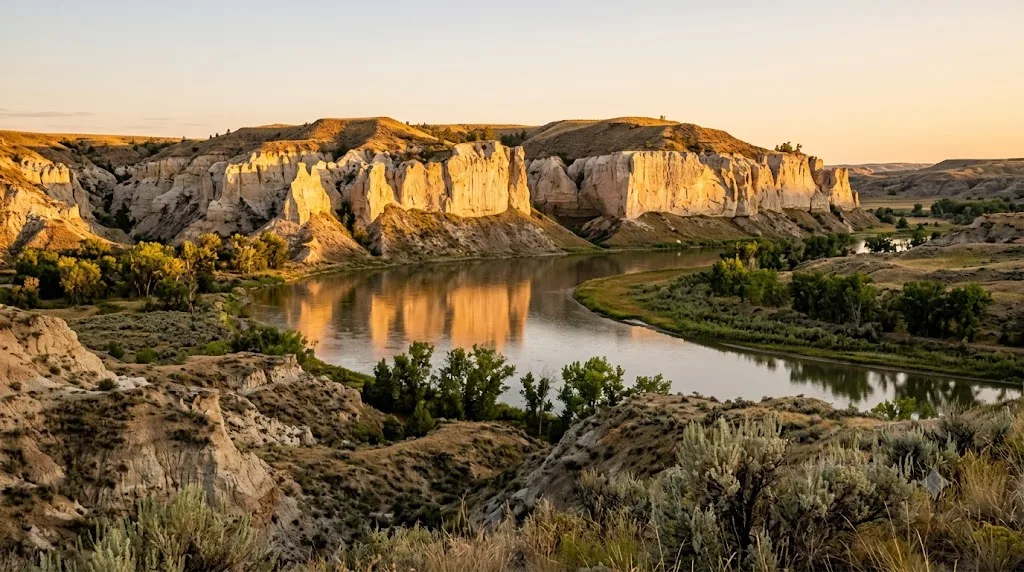
Our Upper Missouri River Breaks National Monument guide covers practical planning for Upper Missouri River Breaks National Monument Montana — best time to visit, getting there, and what to do on the ground. This vast monument preserves a remote and rugged landscape of bluffs, badlands, and the wild Missouri River, making it a prime destination for backcountry adventures and historical exploration in 2026.
Why Visit Upper Missouri River Breaks National Monument
The Upper Missouri River Breaks National Monument Montana offers an unparalleled journey into a landscape that has remained largely unchanged since the Lewis and Clark Expedition in 1805. This 377,000-acre expanse of public land, managed by the Bureau of Land Management (BLM), protects 149 miles of the Missouri's Wild and Scenic Corridor, showcasing dramatic cliffs, deeply carved river breaks, and rugged badlands. It's a place where history whispers from every bend in the river, from Native American encampments and Lewis and Clark campsites to fur trading posts and abandoned homesteads.
Beyond its rich historical tapestry, the monument is a biological marvel. It boasts some of the largest bighorn sheep and elk herds in the continental United States and provides essential winter range for sage grouse. The river and surrounding uplands support a diverse array of wildlife, including nearly 50 species of fish, 60 species of mammals, 233 species of birds, and 20 species of reptiles and amphibians, such as pronghorn antelope, mule deer, beavers, bald eagles, and even endangered pallid sturgeon. The unique geological formations, sculpted by millions of years of erosion, create striking white sandstone formations that Lewis himself vividly described as "scenes of visionary enchantment". For those seeking solitude and an authentic connection with the American West, the Upper Missouri River Breaks National Monument is an extraordinary destination.
Who It's Best For
The Upper Missouri River Breaks National Monument caters to a specific type of traveler: those who crave remote, self-reliant adventures and a deep immersion in nature and history. It's ideal for experienced paddlers and kayakers eager to float the Wild and Scenic Missouri River, offering multi-day trips through sections like the iconic White Cliffs. Hikers will find ample opportunities to explore diverse terrain, from river-edge paths to remote backcountry trails and slot canyons.
Wildlife enthusiasts, birdwatchers, and photographers will be rewarded with chances to spot a wide variety of species, including bighorn sheep, elk, deer, golden eagles, and numerous waterfowl. History buffs will appreciate walking in the footsteps of Lewis and Clark and the Nez Perce, with numerous interpretive sites along the river. Given the monument's remote nature and limited amenities, it's best suited for visitors comfortable with backcountry camping, navigating unpaved roads, and planning ahead for limited cell service. This isn't a destination for those seeking paved trails and luxury resorts, but rather for those who embrace the rugged beauty of Montana's untamed wilderness.
Getting There & Parking
Accessing the Upper Missouri River Breaks National Monument requires some planning, as much of the monument is remote and serviced by gravel or unimproved roads. The "Breaks" officially begins at historic Fort Benton on U.S. Highway 87 and extends 149 miles east to where U.S. Highway 191 crosses the Missouri River at Robinson Bridge.
The primary gateway community is Fort Benton, Montana, which hosts the Missouri Breaks Interpretive Center. This center is an essential first stop for maps, safety tips, and current conditions, and it's where you can pay for river use fees and campground fees. The Interpretive Center is open Monday-Friday from 8:30 a.m. to 4:30 p.m. during winter (September 30, 2025 – May 17, 2026) and Monday-Saturday from 8:30 a.m. to 4:30 p.m. during summer (May 18 – September 30, 2026), including federal holidays. Admission to the center is free.
For those driving, be aware that many roads within the monument are gravel or unimproved, and a high-clearance vehicle is recommended. Some roads can become impassable when wet, so checking weather and road conditions before you go is crucial. Off-road driving is prohibited. Parking is generally available at designated access points and campgrounds, such as Coal Banks Landing, Judith Landing, and James Kipp Recreation Area. Fort Benton also offers secure long-term vehicle parking for river travelers at its canoe launch site campground. Cell service is limited throughout the monument, so carrying printed maps and informing someone of your plans is highly recommended.
Main river launch sites include: Fort Benton Canoe Launch (river mile 0), Fort Benton Motorboat Launch (river mile 1), Wood Bottom (river mile 20.3), Coal Banks Landing (river mile 41.5), Judith Landing (river mile 88.5), and James Kipp Recreation Area (river mile 149).
Top Things to Do
The Upper Missouri River Breaks National Monument offers a diverse range of activities, primarily focused on experiencing its wild river and rugged backcountry. Here are some of the top things to do at Upper Missouri River Breaks National Monument:
- Floating the Missouri River: This is arguably the most iconic way to experience the monument. The 149-mile Wild and Scenic River provides an easy, flatwater float with Class I rapids, making it suitable for canoes, kayaks, and rafts. Popular multi-day trips include the classic four-day, three-night float through the White Cliffs section, launching from Coal Banks Landing and taking out at Judith Landing. River use fees are $5 per person per day.
- Hiking and Backcountry Exploration: While much of the recreation centers on the river, the monument's 375,000 acres offer extensive hiking opportunities. You can hike along the river, explore slot canyons, or venture into the wide-open uplands. Eagle Creek Developed Boat Camp, for instance, provides access to a slot canyon system and ancient pictographs. Remember that many areas are only accessible on foot.
- Wildlife Viewing: The monument is a haven for wildlife. Visitors can spot over 60 species of mammals, including bighorn sheep, elk, mule deer, pronghorn antelope, and beavers, as well as 233 species of birds like bald eagles, golden eagles, and prairie falcons. The plains above the valley are home to antelope and sage grouse.
- Fishing: The Missouri River within the monument is renowned for its fishing, home to nearly 50 species of fish. Anglers frequently catch walleye, northern pike, drum, goldeye, carp, channel cat, and smallmouth buffalo. The Upper Missouri also boasts the largest population of paddlefish, which can weigh up to 140 pounds and are often caught during spring spawning runs.
- Driving the Missouri Breaks National Back Country Byway: For those who prefer to explore by vehicle, this byway offers majestic vistas of the monument, though be prepared for gravel and unimproved sections.
- Visiting the Missouri Breaks Interpretive Center: Located in Fort Benton, this center provides invaluable information about the monument's natural and cultural history through exhibits, films, and a scale model of the river corridor. It's a great place to learn about the Lewis and Clark Expedition, Native American history, and local wildlife.
- Hunting: The monument is world-famous for its big game herds, including elk, bighorn sheep, and deer, offering excellent hunting opportunities, though some tags are highly coveted. Upland bird hunting for pheasants, Hungarian partridge, and sharp-tailed grouse is also excellent.
When planning things to do at Upper Missouri River Breaks National Monument, always check current conditions with the BLM, especially regarding road accessibility and river conditions.
Best Time to Visit
The best time to explore the Upper Missouri River Breaks National Monument is generally from late spring through early fall, when weather conditions are most favorable and river levels are ideal for floating.
- Late Spring (May to Mid-June): This is a beautiful time when everything is green and flowers are blooming. The river flows faster, making for an easier paddle, and there's generally less river traffic. Wildlife is active, and it's excellent for birdwatching. However, weather can be unpredictable, with a likelihood of rain and muddy river banks. Motorboat traffic restrictions may be in place.
- Summer (Mid-June to Early September): This is the main floating season, characterized by hot, sunny days with temperatures often in the 90s, though humidity is low. The weather is generally reliable, but the river moves slower, requiring more paddling. This is the busiest time of year, and while mosquitoes might be present, they tend to decrease later in the season. Campfire restrictions are common due to heat.
- Early Fall (Mid-September to Mid-October): Fall brings cooler temperatures, beautiful changing colors, and fewer visitors, offering more solitude. The river levels are lower, and bugs are minimal. However, like spring, fall weather can be less predictable, and additional clothing is necessary for inclement conditions.
The Missouri Breaks Interpretive Center in Fort Benton shifts to its summer schedule (Monday-Saturday, 8:30 a.m.-4:30 p.m.) around mid-May and operates through September. Campgrounds like Coal Banks, Judith Landing, and James Kipp open in April or May and remain open into late fall. We recommend checking the Bureau of Land Management's website or calling the Missouri Breaks Interpretive Center for the most up-to-date information on hours, conditions, and any seasonal closures or restrictions for 2026.
Where to Stay Nearby
While the Upper Missouri River Breaks National Monument offers abundant camping opportunities, visitors seeking more traditional lodging will find options in nearby gateway communities, primarily Fort Benton. When considering Upper Missouri River Breaks National Monument lodging, we recommend Fort Benton for its historical charm and proximity to the monument's western entrance.
- Fort Benton: As the "Birthplace of Montana," Fort Benton is a historic town on the Missouri River and serves as the primary hub for monument visitors. The town offers a selection of accommodations, including hotels and motels.
- Grand Union Hotel: This 3-star historic hotel is highly recommended by travelers, boasting an impressive 9.4 rating. Elegantly restored to its 1882 splendor, it offers comfortable, clean rooms with modern amenities, free WiFi, and complimentary self-parking. It's located in the heart of Fort Benton's Historic District, within walking distance of attractions like the Shep Memorial, Historic Old Fort Benton, and the Missouri Breaks National Monument Interpretive Center. The hotel also features an on-site restaurant, the Union Grille.
- Pioneer Lodge Motel: This budget-friendly motel is pet-friendly and offers 8 spacious, historically themed rooms overlooking the Missouri River. It provides a moderately priced option for travelers.
- Guest Houses: Options like the Franklin Street Guest House and The River Guest House offer amenities for a home-away-from-home experience, with the latter accommodating up to eight adults and featuring a deck overlooking the Missouri River.
- Camping within the Monument: For those embracing the backcountry experience, the monument has several designated campgrounds along the Missouri River. These include Coal Banks Landing Campground, Judith Landing Campground, and James Kipp Campground. These campgrounds operate on a first-come, first-served basis and cost $20 per site per night. Coal Banks Landing and James Kipp are typically open from April 1 through November 30, while Judith Landing is open from May 15 through October 15. Dispersed camping is also permitted on public land throughout the monument, following Leave No Trace principles.
For a complete Montana adventure, consider extending your trip to other incredible destinations like Bighorn Canyon or the scenic Beartooth Highway. If you're looking for a different kind of Montana experience, the Big Sky Resort offers year-round activities.
Sample 2-Day Itinerary
A 2-day itinerary for Upper Missouri River Breaks National Monument allows for a taste of its unique blend of history, natural beauty, and outdoor adventure. This itinerary focuses on a river trip through the iconic White Cliffs section, a popular choice for many visitors.
Day 1: Fort Benton to Eagle Creek (River Exploration & History)
- Morning (8:00 AM - 12:00 PM): Arrival and Preparation in Fort Benton
- Arrive in Fort Benton, the "Birthplace of Montana" and gateway to the monument.
- Visit the Missouri Breaks Interpretive Center (open 8:30 AM - 4:30 PM, Monday-Saturday during summer) to gather maps, learn about current conditions, and pay your $5/person/day river use fee. The center offers fascinating exhibits on the Lewis and Clark Expedition and local wildlife.
- Pick up your rented canoe or kayak from a local outfitter (many offer shuttle services for your vehicle to your takeout point).
- Launch your watercraft from Coal Banks Landing (river mile 41.5), approximately an hour's drive from Fort Benton.
- Afternoon (12:00 PM - 5:00 PM): Floating the White Cliffs
- Begin your float downstream through the breathtaking White Cliffs section of the Missouri River. This stretch is famous for its wind-sculpted sandstone formations that rise dramatically from the riverbanks, largely unchanged since Lewis and Clark described them.
- Keep an eye out for wildlife, including bighorn sheep on the cliffs and various bird species.
- Enjoy a packed lunch on a scenic gravel bar.
- Evening (5:00 PM onwards): Camp at Eagle Creek
- Paddle to Eagle Creek Developed Boat Camp (river mile 56.0), a popular first-come, first-served campsite.
- Set up your tent under the large cottonwood trees.
- Explore the nearby slot canyon system or seek out ancient pictographs on the reddish rock formations.
- Prepare dinner over a campfire (check for current fire restrictions) and enjoy the tranquility of the monument under a star-filled sky.
Day 2: Eagle Creek to Judith Landing (Further Exploration & Takeout)
- Morning (8:00 AM - 12:00 PM): Continue Downstream & Hiking
- Wake up to the sounds of the river and enjoy breakfast at your campsite.
- Continue your float downstream. This section of the river offers more opportunities for wildlife viewing and enjoying the remote scenery.
- Consider a short hike from the river to explore more of the Breaks' unique geology and perhaps spot more historical markers or wildlife.
- Afternoon (12:00 PM - 4:00 PM): Final Stretch & Takeout
- Enjoy your final hours on the Wild and Scenic Missouri River.
- Aim to reach Judith Landing (river mile 88.5) by late afternoon, where your shuttle service or pre-positioned vehicle will be waiting.
- Pack up your gear and reflect on your journey through this historic landscape.
- Evening: Departure or Overnight in Fort Benton
- Depart for your next destination, or consider spending another night in Fort Benton at a comfortable spot like the Grand Union Hotel to relax and enjoy a meal at one of the local eateries.
This itinerary is a suggestion; river conditions, personal paddling speed, and interests may vary. Always prioritize safety, carry enough water, and be prepared for changing weather. For longer trips, consider floating all the way to James Kipp Recreation Area (river mile 149). For more detailed planning, consult the official National Park Service or Visit Montana websites.
Is It Worth Visiting?
We firmly believe that the Upper Missouri River Breaks National Monument is absolutely worth visiting for the right traveler. This isn't a destination for those seeking bustling tourist attractions or luxurious amenities; rather, it offers a profound and authentic experience of the American West that is increasingly rare.
The monument's primary draw is its untouched natural beauty and deep historical significance. It's a place where you can genuinely step back in time, tracing the path of Lewis and Clark through a landscape that has remained largely unchanged for over two centuries. The dramatic white sandstone cliffs, rugged badlands, and the wild Missouri River create a visually stunning backdrop for any adventure. Beyond the scenery, the opportunity for solitude and a true wilderness experience is a powerful draw. With vast portions accessible only by foot or water, it's a place to disconnect and immerse yourself in nature.
For those who appreciate backcountry adventures like multi-day river floats, remote hiking, and exceptional wildlife viewing, the Upper Missouri River Breaks National Monument delivers an unforgettable experience. The chance to spot bighorn sheep, elk, and bald eagles in their natural habitat, or to catch a massive paddlefish, adds to its unique appeal. While it requires more self-reliance and planning than a typical national park, the rewards — a sense of exploration, historical connection, and unparalleled natural beauty — make it profoundly worth visiting for any adventurous soul.
FAQ
Upper Missouri River Breaks National Monument camping
Camping within the Upper Missouri River Breaks National Monument is primarily primitive or at designated campgrounds along the Missouri River. The main campgrounds are Coal Banks Landing, Judith Landing, and James Kipp Recreation Area. These sites are first-come, first-served and cost $20 per site per night. Coal Banks and James Kipp are generally open from April 1 to November 30, while Judith Landing is open from May 15 to October 15. Dispersed camping is also permitted on public lands throughout the monument, provided you adhere to Leave No Trace principles. Eagle Creek Developed Boat Camp, accessible only by water, is another popular first-come, first-served option with vault toilets and fire rings. Reservations are not taken in advance for these campgrounds.
things to do in Fort Benton
Fort Benton, known as the "Birthplace of Montana," offers a rich array of historical and cultural attractions. We recommend visiting the Fort Benton Heritage Complex, which includes the Historic Old Fort Benton, the Museum of the Upper Missouri, the Museum of the Northern Great Plains, and the Upper Missouri River Breaks Interpretive Center. The Interpretive Center is a must-see for monument visitors, offering exhibits on Lewis and Clark and local ecology. Other popular things to do in Fort Benton include walking along the Historic Landmark District and Steamboat Levee, seeing the Old Shep Memorial, and visiting the Old Fort Benton Bridge. For dining, the Union Grille Restaurant at the Grand Union Hotel is a local favorite.
Upper Missouri River Breaks National Monument with kids
Visiting the Upper Missouri River Breaks National Monument with kids is certainly possible, especially for families who enjoy outdoor adventure and history. While much of the monument is remote, the Missouri Breaks Interpretive Center in Fort Benton offers family-friendly exhibits and educational programs, including interactive activities like creating paint and cave paintings. Short hikes along accessible sections of the river or at campgrounds like Eagle Creek can be engaging. Floating a shorter section of the Missouri River in a canoe or raft can be an unforgettable experience for older children, as it's a flatwater river. Wildlife viewing is also a major draw for kids, with opportunities to spot deer, antelope, and various birds. We advise careful planning for younger children, including bringing plenty of water, snacks, bug spray, and being prepared for limited amenities and cell service.
best hotels near Upper Missouri River Breaks National Monument
The best hotels near Upper Missouri River Breaks National Monument are primarily found in Fort Benton, the closest gateway town. Our top recommendation is the Grand Union Hotel, a beautifully restored historic 3-star property with an excellent 9.4 rating. It offers comfortable rooms, free WiFi, and is centrally located near Fort Benton's attractions and the Interpretive Center. Another option is the Pioneer Lodge Motel, which provides moderately priced, pet-friendly rooms with historic themes. For a more private stay, guest houses like the Franklin Street Guest House or The River Guest House offer home-like amenities. For those exploring more of Montana, consider hotels near Glacier National Park or Yellowstone National Park (North) for different experiences.
Upper Missouri River Breaks National Monument tips
Our top tips for visiting Upper Missouri River Breaks National Monument include extensive planning and preparation. Always carry printed maps, as cell service is extremely limited. Bring plenty of water, food, and extra fuel, especially if venturing into remote areas. A high-clearance vehicle is recommended for many of the gravel and unimproved roads, and be aware that roads can become impassable when wet. Check current weather and road conditions with the Missouri Breaks Interpretive Center in Fort Benton before heading out. For river trips, consider renting canoes or kayaks from local outfitters, and be prepared for potential headwinds, especially in rafts. Bug spray is essential, particularly during summer months. Finally, practice Leave No Trace principles to preserve this wild landscape.
where to stay near Upper Missouri River Breaks National Monument
When deciding where to stay near Upper Missouri River Breaks National Monument, your primary options are Fort Benton for traditional lodging or camping within the monument itself. In Fort Benton, the historic Grand Union Hotel is highly rated and offers a comfortable stay. Other choices include the Pioneer Lodge Motel or various guest houses. For camping, the monument offers first-come, first-served sites at Coal Banks Landing, Judith Landing, and James Kipp Recreation Area, each costing $20 per night. Dispersed camping is also allowed on public lands. For a broader Montana experience, consider exploring other regions, perhaps booking lodging near Flathead Lake or Lewis and Clark Caverns.
The Upper Missouri River Breaks National Monument offers an unparalleled journey into the heart of wild Montana, a landscape steeped in history and teeming with wildlife. While it demands self-reliance and careful planning, the rewards of exploring its dramatic cliffs, floating its untamed river, and walking in the footsteps of legends are immeasurable. We encourage you to embrace the solitude and rugged beauty of this remarkable destination on your next Montana adventure, or as part of a larger USA road trip. Plan meticulously, prepare for the elements, and you'll discover why the Breaks remain one of America's most cherished and enduring wild places. To begin planning your comprehensive US trip, consult our expert guides.
Last updated: 2026-07-12 by the Roam States team.