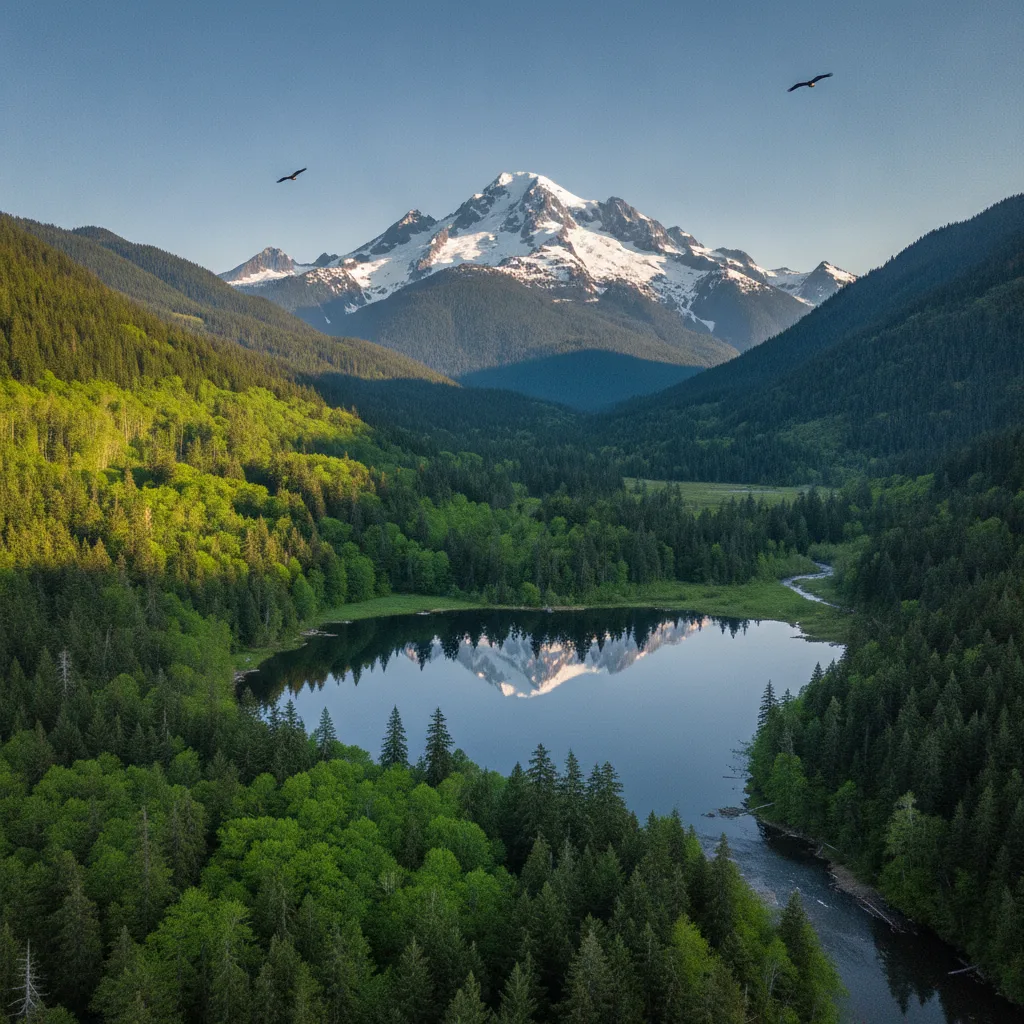
For those seeking immense recreational relief from the urban bustle of the Pacific Northwest, look no further than Mount Baker-Snoqualmie Forest Washington. This expansive national forest, stretching over 140 miles along the western slopes of the Cascade Mountains, offers a diverse landscape of glacier-capped peaks, ancient forests, and pristine lakes. Our team considers it an essential destination for anyone looking to immerse themselves in the raw beauty of Washington State's wilderness, providing a stunning backdrop for countless outdoor adventures.
Why Visit Mount Baker-Snoqualmie Forest
The Mount Baker-Snoqualmie National Forest stands as one of the most visited national forests in the country, and for good reason. Its sheer scale, covering over 1.7 million acres, means a staggering variety of landscapes and experiences await. From the dramatic, glacier-covered summit of Mount Baker itself, an active volcano towering at 10,778 feet, to the lush, old-growth forests and the serene alpine lakes, the scenery is consistently breathtaking.
What truly sets this forest apart is its accessibility from major metropolitan areas like Seattle and Vancouver, Canada, making it a prime escape for nature lovers. We find that the ease of access, combined with the profound sense of wilderness it offers, creates a unique appeal. Whether you're chasing panoramic mountain vistas, seeking solitude on a quiet trail, or looking for an adrenaline-pumping outdoor sport, the Mount Baker-Snoqualmie Forest Washington delivers. It's a place where you can witness the power of nature, from the carving work of its numerous glaciers to the thundering waterfalls like Nooksack Falls.
Beyond the visual spectacle, the forest is a haven for biodiversity, supporting a rich ecosystem of wildlife and plant life. It’s also a critical part of the larger Cascade Range, offering a glimpse into one of America's most significant mountain systems. For those who appreciate wild places and seek genuine connection with nature, this destination is unparalleled.
Who It's Best For
The Mount Baker-Snoqualmie National Forest truly caters to a broad spectrum of travelers. Our team recommends it enthusiastically for:
- Hikers and Backpackers: With over 1,500 miles of trails, ranging from easy nature walks to challenging alpine ascents, it's a paradise for those who love to explore on foot. Backpackers can find solitude in remote wilderness areas, while day hikers have endless options for scenic excursions.
- Photographers: The dramatic landscapes, including Mount Baker and Mount Shuksan, alpine lakes like Picture Lake, and vibrant wildflowers, provide endless opportunities for stunning photography. Sunrise and sunset at Artist Point are particularly renowned for their visual splendor.
- Families: Many trails are family-friendly, such as the Asahel Curtis Nature Trail or Bagley Lakes Trail, offering accessible paths through beautiful scenery. Campgrounds like Tinkham Campground also offer easy, family-friendly nature paths like the 0.5-mile Tinkham Discovery Trail. The forest provides a fantastic environment for kids to connect with nature.
- Winter Sports Enthusiasts: During the colder months, the Mount Baker Ski Area, known for world-record snowfall, becomes a premier destination for skiing and snowboarding. Snowshoeing and cross-country skiing are also popular activities.
- Scenic Drivers: The Mount Baker Scenic Byway (State Route 542) offers incredible views with numerous pull-offs, making it ideal for those who prefer to experience the mountains from their vehicle.
- Campers: With 37 campgrounds, from developed sites to primitive backcountry options, there are choices for every camping style.
While the forest offers something for everyone, it's particularly well-suited for independent travelers who appreciate self-sufficiency, as amenities can be sparse in more remote areas.
Getting There & Parking
Understanding how to get to Mount Baker-Snoqualmie Forest is crucial for planning your visit. The forest is vast, spanning five counties in Washington State, so your access point will depend on the specific area you wish to explore.
By Car: The most common way to access the Mount Baker-Snoqualmie National Forest is by car. From Seattle, a primary route is to take I-5 North and then exit onto WA-542 East (Mount Baker Highway) to reach the northern sections of the forest, including the popular Artist Point area. For southern areas, I-90 East or US Highway 2 East will lead you into different districts of the forest.
Driving times can vary significantly:
- From Bellingham to Artist Point: Approximately 1 hour 45 minutes without stops, but plan for 4-8 hours with scenic stops and short walks.
- From Seattle: Roughly 3 hours to the Mt. Baker area.
Parking: Parking is generally available at trailheads, visitor centers, and campgrounds throughout the forest. However, many popular trailheads, especially those along the Mount Baker Scenic Byway leading to Artist Point, can fill up quickly, particularly during peak summer weekends. Our team strongly recommends arriving early to secure a spot. An Automated Fee Machine (self-service) for passes is available between Picture Lake Trailhead and the Heather Meadows Visitor Center.
Fees and Passes: A Northwest Forest Pass or an Interagency Pass is often required for parking at many trailheads and recreation sites within the Mount Baker-Snoqualmie National Forest. Day Use Recreation Passes are available, and as of June 30, 2026, digital payment options are now accepted at national forests in Washington State. We advise downloading the Recreation.gov mobile app before your trip to enable digital payments, as cell service can be unreliable in the forest. Passes can also be purchased at various ranger stations and visitor centers, such as the Heather Meadows Visitor Center (open daily 10 a.m. - 4 p.m. from June 20 to late September 2026) or the Mt. Baker Ranger Station (open Mondays for all services, Tuesdays-Fridays for limited services from 8 a.m. - 12 p.m. and 1 p.m. - 4 p.m.).
Road Closures: Visitors must be aware that road conditions and closures are common, especially due to winter weather damage or ongoing construction. As of July 2026, several Forest Service Roads (FSRs) are closed or have anticipated closures for repairs, including sections of FSR 11 (Baker Lake Road), FSR 12, FSR 39 (Glacier Creek Road), FSR 26 (Suiattle River Road), and many others across the Snoqualmie and Skykomish Districts. For example, a two-mile stretch of Baker Lake Road (FSR 11) is closed to all traffic from July 15 through the end of August 2026 for bridge repairs, impacting access to the Baker River Trailhead. Glacier Creek Road (FSR 39) is closed at milepost 3.0 through the end of October 2026 for washout repairs, though pedestrian, bicycle, and e-bike access may be permitted at the Forest Service's discretion for some areas. Always check the Mount Baker-Snoqualmie National Forest Alerts page and current conditions map before heading out.
Top Things to Do
The Mount Baker-Snoqualmie National Forest offers an astounding array of activities, ensuring there are always new things to do at Mount Baker-Snoqualmie Forest for every visitor. Our team has curated some of the top experiences you shouldn't miss:
Scenic Drives
Embark on a journey along the State of Washington Tourism-recommended scenic byways. The Mount Baker Scenic Byway (SR 542) is a highlight, leading you from Bellingham through charming communities and into the heart of the forest, culminating in the breathtaking views at Artist Point. Along the way, you'll encounter towering evergreens, glimpses of the Nooksack River, and numerous pull-offs for photography and short walks. The road to Artist Point is typically open seasonally, usually late July through September, and offers unparalleled views of Mount Baker and Mount Shuksan. Other notable drives include portions of US Highway 2 and the North Cascades (SR 20), which offer diverse scenery and access to various recreational sites.
Mount Baker-Snoqualmie Forest Hiking Trails
With 1,500 miles of trails, hiking is undoubtedly one of the premier things to do at Mount Baker-Snoqualmie Forest. The Mount Baker-Snoqualmie Forest hiking trails range from easy strolls to strenuous climbs, catering to all skill levels. Here are some of our recommended Mount Baker-Snoqualmie Forest hiking trails:
- Snow Lake Trail: A popular moderate hike spanning about 7.0 to 7.1 miles, taking you through diverse terrain from dense forests to open talus slopes. It's a rewarding experience with beautiful alpine scenery.
- Chain Lakes Loop Trail: Located in the Mount Baker Wilderness, this moderate 6.5-mile hike offers significant elevation gain and truly rewarding views.
- Artist Ridge Trail: Accessible from Artist Point, this popular trail offers stunning panoramic vistas, especially of Mount Baker and Mount Shuksan. It's a relatively easy walk through heather and mountain blueberries.
- Heliotrope Ridge Trail to Coleman Glacier: For a more challenging experience, this 1.5-mile loop trail provides access to the impressive Coleman Glacier. Note that Glacier Creek Road (FSR 39), which leads to this trailhead, is closed at milepost 3.0 through October 2026 for washout repairs, though pedestrian access may be permitted.
- Asahel Curtis Nature Trail: An easy, short walk through old-growth forest in the Snoqualmie Valley, perfect for families.
- Annette Lake Trail: A popular trail that crosses Humpback Creek and climbs steadily, offering beautiful views.
- Park Butte Trail to the Fire Lookout: This 7.7-mile scenic trail culminates in panoramic views from an old fire lookout site.
- Yellow Aster Butte Trail: Known for its vibrant wildflowers in late summer and stunning views.
Always check current trail conditions and alerts before heading out, as snow can linger at higher elevations well into June, and road closures can impact trailhead access.
Mount Baker-Snoqualmie Forest Camping
Camping is an integral part of the Mount Baker-Snoqualmie Forest experience, offering a chance to truly immerse yourself in the wilderness. The forest boasts 37 campgrounds, ranging from developed sites with amenities to more primitive backcountry options. Popular choices include Denny Creek Campground, Silver Fir Campground, and Bedal Campground.
Our team advises making reservations well in advance, especially for peak season visits, as campgrounds are a popular option for Mount Baker-Snoqualmie Forest camping. Reservations can be made through Recreation.gov. Some campgrounds, like Sulphur Creek and Buck Creek Campgrounds, are closed for the 2026 season due to road damage. Keep in mind that many sites require a recreation pass, and some offer discounts for Interagency Senior or Access passes. Expect vault toilets and drinking water at developed sites, but no electrical hookups. Dispersed camping is also permitted in many areas, but familiarize yourself with Leave No Trace principles and any specific regulations for the area you choose.
Wildlife Viewing
The diverse habitats within the forest support a rich array of wildlife. Keep an eye out for black bears, deer, elk, and a variety of bird species, including bald eagles along the Skagit River. Always maintain a safe distance and never feed wildlife.
Water Activities
Numerous lakes and rivers offer opportunities for fishing, boating, and swimming. Silver Lake is a popular spot, and the Skykomish River is known for rafting.
Winter Sports
During winter, the Mount Baker Ski Area transforms into a renowned destination for skiing and snowboarding, famous for its abundant snowfall. Snowshoeing and cross-country skiing are also popular activities in areas like Heather Meadows.
Visit Visitor Centers
Before heading deep into the forest, our team recommends stopping at one of the visitor centers for up-to-date information, maps, and passes. The Heather Meadows Visitor Center is open daily from 10 a.m. to 4 p.m. from June 20 to late September 2026. The Snoqualmie Pass Visitor Center is open Friday-Sunday through August 30, 2026, from 8:30 a.m. to 3:30 p.m., then Saturdays and Sundays from September 5-27, 2026. The Mt. Baker Visitor Center in Maple Falls is another excellent resource for maps and passes.
Best Time to Visit
The best time to visit Mount Baker-Snoqualmie Forest largely depends on your desired activities, as each season offers a distinct experience.
- Summer (Late July - September): Our team considers late July through September the prime season for hiking and exploring the high country. During these months, most snow has melted, allowing full access to trails, including those at higher elevations like Artist Point. Wildflowers are abundant, and the weather is generally warm and pleasant, making it ideal for scenic drives, camping, and photography. However, this is also the busiest time, and popular trailheads and campgrounds will require early arrival or advance reservations.
- Fall (September - October): Early fall is a stunning time to visit as the foliage transforms into a vibrant tapestry of reds, golds, and ambers, particularly in higher elevations by early October. Temperatures are cooler, and crowds begin to thin, offering a more serene experience. Hiking is still excellent, but be prepared for colder conditions and potential early snow at higher peaks.
- Winter (December - April): For winter sports enthusiasts, December through April is the best time, with the Mount Baker Ski Area typically opening mid-December and remaining skiable until late April or early May. The forest transforms into a snowy wonderland, perfect for skiing, snowboarding, and snowshoeing. Be aware that many roads, including the upper section of the Mount Baker Highway to Artist Point, close due to snow.
- Spring (May - June): Spring is a transitional period. While lower elevation trails may begin to open, snow persists at higher elevations well into June. This is the least crowded season, offering opportunities for spring skiing, fishing, and some light hiking and snowshoeing.
Regardless of the season, always check current conditions, weather forecasts, and road closures before your trip.
Where to Stay Nearby
While the Mount Baker-Snoqualmie National Forest offers extensive camping opportunities, many visitors prefer to stay in nearby towns, providing a comfortable base for daily excursions. Our team recommends considering these options:
- Glacier, Washington: This small community, located along the Mount Baker Highway (SR 542), serves as a popular gateway to the northern sections of the forest, including Artist Point and Heather Meadows. You'll find a selection of vacation rentals, cabins, and a few basic services. It's an ideal spot for those wanting to maximize their time in the Mount Baker Wilderness area.
- Maple Falls, Washington: Also situated on the Mount Baker Highway, Maple Falls offers additional lodging options and is home to the Mt. Baker Visitor Center, a great resource for trip planning.
- Deming, Washington: Another community along SR 542, Deming offers various accommodations and is a convenient base for exploring the northern forest.
- Skykomish, Washington: Located along US Highway 2, Skykomish provides access to the central parts of the forest, including areas around Stevens Pass. It's a small town with some lodging and dining options, and even offers unique camping experiences like Earth Biscuits Skykomish Campground.
- North Bend, Washington: Closer to the Seattle metro area, North Bend offers a wider range of hotels, restaurants, and amenities, making it a good choice for those exploring the Snoqualmie Pass area and the southern reaches of the forest. You can also visit nearby Snoqualmie Falls from here.
- Bellingham, Washington: As the largest city relatively close to the northern forest, Bellingham provides the most comprehensive selection of accommodations, dining, and services. It's about a 58-mile drive to Artist Point from Bellingham.
For those interested in exploring more of Washington State, consider extending your trip to other incredible destinations. Just a short drive away, you can find the serene beauty of Bloedel Reserve or the artistic wonder of Chihuly Garden and Glass. Nature enthusiasts might also enjoy the dramatic landscapes of Deception Pass State Park. For a broader overview of the state's offerings, consult our guide to the Best places in Washington.
Sample 2-Day Itinerary
To help you make the most of your visit to Mount Baker-Snoqualmie Forest Washington, our team has crafted a sample 2-day itinerary focusing on some of the forest's most iconic northern attractions during the prime summer hiking season.
Day 1: Alpine Vistas and Iconic Hikes
Morning: Drive the Mount Baker Scenic Byway & Heather Meadows Begin your day early with a scenic drive along the Mount Baker Scenic Byway (SR 542) from Bellingham or your chosen lodging in Glacier/Maple Falls. Allow ample time for photo stops and to soak in the changing landscapes. Your first major stop should be the Heather Meadows area, located at milepost 55. Here, we recommend a visit to the Heather Meadows Visitor Center (open daily 10 a.m. - 4 p.m. from June 20 to late September 2026) to gather maps and current conditions.
Late Morning/Lunch: Picture Lake & Bagley Lakes Trail From Heather Meadows, take a short walk to Picture Lake, famous for its iconic reflections of Mount Shuksan. This is a prime photography spot. Afterward, embark on the easy 2-mile Bagley Lakes Trail loop, which offers beautiful alpine scenery beneath Table Mountain. Pack a picnic lunch to enjoy by the lake.
Afternoon: Artist Point Exploration Continue driving the final 3 miles to Artist Point, the literal end of the road at milepost 58 (when open seasonally). This panoramic vista offers unparalleled views of both Mount Baker and Mount Shuksan. We recommend hiking a portion of the Artist Ridge Trail for stunning 360-degree views. Alternatively, for a longer challenge, consider the Chain Lakes Loop Trail, accessible from this area.
Evening: Sunset Views & Local Dining Stay at Artist Point for a spectacular sunset, a truly unforgettable experience. Afterward, head back down the byway for dinner in Glacier or Maple Falls, or prepare a meal at your campsite.
Day 2: Wilderness Immersion & Waterfalls
Morning: Challenging Hike or Forest Exploration Choose your adventure based on your energy levels. For experienced hikers, we recommend tackling a more strenuous trail like a portion of the Ptarmigan Ridge Trail, which offers incredible close-up views of Mount Baker. Be aware that this hike is exposed, so an early start is key.
If you prefer a less strenuous option or if high-elevation trails are still snow-covered, consider exploring other parts of the forest. The Horseshoe Bend Trail (1.6 miles, easy) offers river access and beautiful forest scenery.
Lunch: Picnic Amidst Nature Pack another lunch to enjoy on the trail or at a scenic picnic area within the forest.
Afternoon: Nooksack Falls & Leisure On your descent from the higher elevations, make a stop at Nooksack Falls. This dramatic waterfall crashes through a rocky canyon and is easily accessible via a short walk from the parking area, making it an excellent and worthwhile addition to your itinerary. Spend the remainder of the afternoon relaxing at your accommodation, visiting a local brewery, or exploring any areas you may have missed.
Evening: Reflect and Depart Enjoy a final dinner in one of the local towns, reflecting on the immense beauty and adventure you've experienced in the Mount Baker-Snoqualmie Forest. If time allows, consider a visit to the nearby North Cascades National Park, which borders the forest to the east.
Is It Worth Visiting?
Our editorial team emphatically agrees: Mount Baker-Snoqualmie Forest Washington is absolutely worth visiting. Often overshadowed by its National Park counterparts, this national forest holds some of Washington's most pristine wilderness areas and offers a more relaxed, less crowded experience in many respects.
The sheer diversity of landscapes, from the majestic, glacier-clad peaks of Mount Baker and Mount Shuksan to the ancient, verdant forests and serene alpine lakes, provides a constant feast for the senses. Whether you're an avid hiker seeking challenging trails, a family looking for accessible nature walks, a photographer chasing iconic shots, or simply someone yearning for immense recreational relief from city life, the Mount Baker-Snoqualmie Forest delivers.
The accessibility from major cities like Seattle, combined with the feeling of genuine wilderness, makes it a unique and highly valuable destination. It's a place where you can truly disconnect and immerse yourself in the natural world. While National Parks often come with entrance stations and timed entry reservations, the Mount Baker-Snoqualmie National Forest offers a different, often more spontaneous, kind of adventure. The opportunities for hiking, camping, scenic drives, and wildlife viewing are boundless, making the question "is Mount Baker-Snoqualmie Forest worth visiting?" an easy one to answer with a resounding yes.
Expert Verdict
We, the Roam States editorial team, firmly believe that the Mount Baker-Snoqualmie National Forest is an indispensable part of any comprehensive Washington State travel itinerary. Its unparalleled natural beauty, diverse recreational offerings, and relative ease of access make it a standout destination. We encourage all travelers to explore its trails, embrace its vistas, and experience the profound tranquility it offers.
Frequently Asked Questions (FAQ)
What are some things to do in the Cascade Range?
The Cascade Range, where the Mount Baker-Snoqualmie National Forest is located, offers a vast array of activities. Beyond this forest, you can explore other national parks like North Cascades National Park and Mount Rainier National Park, known for their dramatic peaks and extensive trail systems. Popular activities include hiking, backpacking, mountaineering, skiing and snowboarding in winter, scenic drives like the North Cascades Highway (SR 20), wildlife viewing, and visiting numerous alpine lakes and waterfalls. The range also encompasses diverse ecosystems, from dense forests to high-alpine meadows.
Is Mount Baker-Snoqualmie Forest good for visiting with kids?
Yes, Mount Baker-Snoqualmie Forest is an excellent destination for families with kids. There are many easy, family-friendly trails, such as the Asahel Curtis Nature Trail or the 0.5-mile Tinkham Discovery Trail, which are perfect for younger children to explore. The Bagley Lakes Trail is another accessible option. Many campgrounds are well-suited for families, and activities like picnicking, wildlife viewing, and short scenic walks provide engaging experiences for all ages. Always check trail difficulty and conditions to ensure they are appropriate for your family's abilities.
What are some essential Mount Baker-Snoqualmie Forest tips for visitors?
Our top Mount Baker-Snoqualmie Forest tips include: always check current road and trail conditions and alerts before you go, as closures are common due to weather or construction. Download the Recreation.gov app for digital pass payments, as cell service is limited. Arrive early for popular trailheads and viewpoints, especially on weekends, to secure parking. Pack layers of clothing, as mountain weather can change rapidly. Bring plenty of water, food, and a first-aid kit, and be prepared to pack out all your trash. Inform someone of your itinerary, and practice Leave No Trace principles to protect this beautiful environment.
What should I know about Mount Baker-Snoqualmie Forest parking?
Mount Baker-Snoqualmie Forest parking often requires a Northwest Forest Pass or an Interagency Pass at many trailheads and recreation sites. Day Use Recreation Passes are available, and digital payment options are now accepted, which can be done via the Recreation.gov mobile app. Parking lots at popular areas like Artist Point can fill up quickly during peak season, so an early start is highly recommended. Some areas may have automated fee machines for self-service pass purchases. Always display your pass clearly to avoid fines.
What is the best time to visit Mount Baker-Snoqualmie Forest?
The best time to visit Mount Baker-Snoqualmie Forest for hiking and general exploration of the high country is typically from late July through September, when snow has melted and trails are most accessible. For fall colors, late September and early October are spectacular. If you're interested in skiing or snowboarding, the winter season from December to April is ideal for the Mount Baker Ski Area. Spring offers fewer crowds but more limited access due to lingering snow.
What are the Mount Baker-Snoqualmie Forest hours and fees?
The Mount Baker-Snoqualmie National Forest itself is generally open 24/7, but specific facilities, roads, and visitor centers have varying hours and seasonal closures. For example, the Heather Meadows Visitor Center is open daily 10 a.m. - 4 p.m. from June 20 to late September 2026. The Snoqualmie Pass Visitor Center operates Friday-Sunday through August 30, 2026, from 8:30 a.m. - 3:30 p.m., then Saturdays and Sundays from September 5-27, 2026. Many recreation sites require a Northwest Forest Pass or an Interagency Pass for day use and camping. Digital payment options for passes are available via the Recreation.gov app. Camping fees vary by campground and can be found on Recreation.gov. Always check the official Forest Service website for the most current Mount Baker-Snoqualmie Forest hours and fees and any alerts or closures before your visit.
Last updated: 2026-07-13 by the Roam States team.