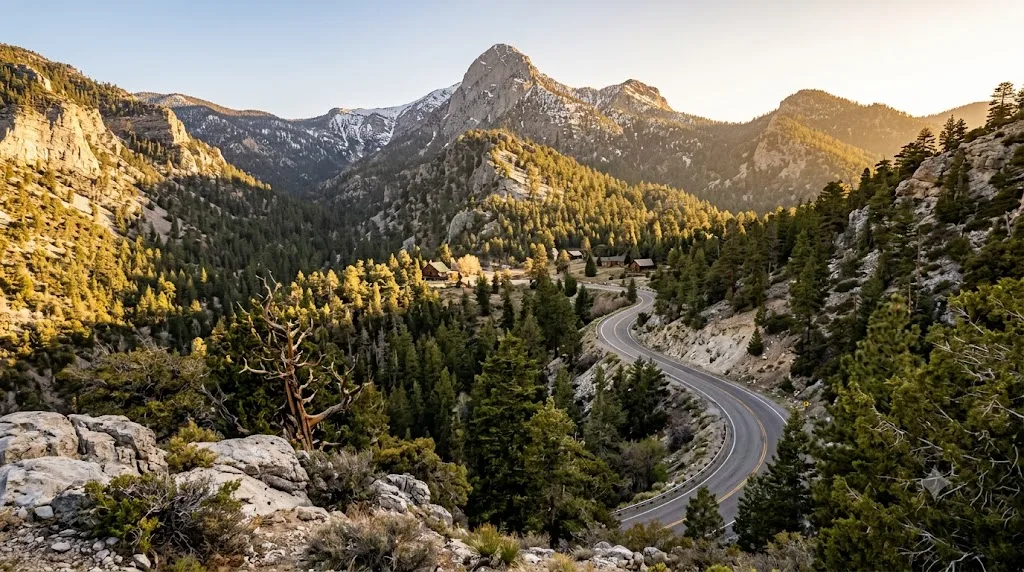
Forget the neon glow and desert heat for a moment. Just a short drive from the bustling Las Vegas Strip lies a true Nevada gem: Mount Charleston. Our team at Roam States has extensively researched this alpine escape, and we can confidently say that if you're seeking high-altitude relief and alpine skiing just a short distance from the floor of the Mojave Desert, then Mount Charleston Nevada is your ideal destination. This majestic "sky island" within the Spring Mountains National Recreation Area offers a dramatic contrast to the arid landscape below, providing lush forests, cooler temperatures, and a wealth of outdoor activities year-round.
Why Visit Mount Charleston
Mount Charleston offers a unique juxtaposition to the typical Nevada experience. While many visitors flock to the state for its vibrant city life or stark desert beauty, Mount Charleston provides an entirely different, refreshing perspective. Rising to 11,916 feet at Charleston Peak, it's the highest point in Southern Nevada, boasting snow-capped peaks for more than half the year.
The primary draw for many is the immediate escape from the desert heat. During the scorching summer months in Las Vegas, when temperatures can soar well into the 100s, Mount Charleston offers a remarkable 20 to 30-degree Fahrenheit drop, making it a genuine oasis. This allows for comfortable hiking, picnicking, and outdoor enjoyment when other areas are simply too hot. Conversely, in winter, the mountain transforms into a snowy playground, offering skiing, snowboarding, and sledding opportunities at Lee Canyon.
Beyond the climate, the sheer natural beauty is a compelling reason to visit. The Spring Mountains are often referred to as "sky islands" due to their isolated, high-elevation ecosystems. Here, you'll find ancient bristlecone pine forests, diverse wildlife, and panoramic views that stretch across the Mojave Desert, and on clear days, even to Death Valley and the Sierra Nevada range. It's a place where you can truly reconnect with nature, breathe crisp mountain air, and witness a side of Nevada that often goes unnoticed.
Who It's Best For
Mount Charleston caters to a diverse range of travelers, making it a versatile destination for almost anyone seeking an outdoor escape. Our team finds it particularly well-suited for:
- Outdoor Enthusiasts: With over 60 miles of hiking trails, mountain biking routes, and rock climbing opportunities, adventurers will find plenty to keep them busy. In winter, the slopes of Lee Canyon beckon skiers and snowboarders.
- Families: The cooler temperatures, numerous picnic areas like Kyle Canyon and Deer Creek, and accessible trails make it an excellent spot for family outings. Kids can enjoy snow play in winter and nature exploration in warmer months.
- Couples Seeking a Romantic Retreat: The serene mountain setting, cozy cabins (like those at the Mount Charleston Lodge), and scenic drives provide a perfect backdrop for a romantic getaway.
- Day-Trippers from Las Vegas: Located just 35-45 minutes from the Las Vegas Strip, Mount Charleston offers an easy and dramatic change of scenery. It's an ideal antidote to the city's hustle and bustle.
- Nature Photographers: The dramatic landscapes, unique flora and fauna, and seasonal transformations offer endless opportunities for stunning photography.
Whether you're looking for an adrenaline-pumping adventure or a peaceful respite, Mount Charleston delivers.
Getting There & Parking
Understanding how to get to Mount Charleston and where to park is crucial for a smooth visit. The Spring Mountains National Recreation Area, encompassing Mount Charleston, is easily accessible from Las Vegas, typically within a 35 to 45-minute drive.
Driving Directions
The main routes into the Mount Charleston area are Kyle Canyon Road (Highway 157) and Lee Canyon Road (Highway 156), both accessible from Highway 95 North.
- To Kyle Canyon (Hwy 157): From Las Vegas, take US-95 North. Exit left onto NV-157 W (Kyle Canyon Road) and continue for approximately 18 miles. This route leads to the Spring Mountains Visitor Gateway, Kyle Canyon Picnic Area, and various trailheads.
- To Lee Canyon (Hwy 156): From Las Vegas, take US-95 North. Exit left onto NV-156 W (Lee Canyon Road). This road leads to the Lee Canyon Ski Resort, Hilltop Campground, and other recreation areas.
- Connecting Roads: Deer Creek Highway (Highway 158) connects Kyle Canyon Road and Lee Canyon Road, offering scenic views and access to additional picnic areas and trailheads.
Road conditions, especially in winter, can change rapidly due to snow. We highly recommend checking the Spring Mountains National Recreation Area website or local weather reports before your visit, particularly if snow is in the forecast.
Parking & Fees (2026)
Parking at Mount Charleston varies by location and activity. Many areas within the Spring Mountains National Recreation Area, such as certain picnic sites and trailheads, may require a day-use fee or have specific parking regulations.
- Developed Picnic Areas: Kyle Canyon Picnic Area generally has a per-site fee, which was around $12 per site per day as of June 2025, and operates on a first-come, first-served basis for day use. Deer Creek Picnic Area is typically free and also first-come, first-served.
- Lee Canyon Ski Resort: During the winter season, Lee Canyon Ski Resort charges daily or annual fees for access, which may include parking. It's advisable to check their official website (www.leecanyonlv.com) for current 2026 rates and parking information, as cell service can be limited on the mountain.
- Trailheads: Some popular trailheads might have designated parking lots, and while many do not require a specific parking fee, visitors should always look for signage.
- Dispersed Camping: For those engaging in dispersed camping, parking is typically along Forest Roads, following standard 14-day USFS rules with no fees.
We advise carrying small bills for potential cash-only fees at some picnic sites. Reservations are generally not required for day-use picnic areas but are essential for developed campgrounds and ski resort activities, especially during peak season. Always print or download any online reservation receipts due to limited cell service.
Top Things to Do
When planning your visit to Mount Charleston Nevada, you'll discover a wealth of activities that span all four seasons. Our team has curated a list of the top things to do at Mount Charleston, ensuring a memorable experience for every traveler.
Hiking & Nature Exploration
Mount Charleston is a hiker's paradise, offering over 60 miles of trails for all skill levels. From leisurely strolls to strenuous summit climbs, the diverse terrain and unique ecosystems are a constant draw. Popular trails include:
- Mary Jane Falls Trail: A moderate out-and-back trail leading to a seasonal waterfall and ice cave.
- Cathedral Rock Trail: Offers stunning views and a challenging ascent.
- Bristlecone Trail: An easier loop trail showcasing ancient bristlecone pines, some thousands of years old.
- Charleston Peak (South Loop/North Loop): For experienced hikers, the summit of Charleston Peak (11,916 feet) provides unparalleled panoramic views. This is a challenging, high-altitude hike, often taking a full day. Snow can persist on the trail from November to early May, making it an advanced mountaineering experience in winter.
Remember to carry sufficient water, especially during warmer months, as water sources along many routes are limited. For more details, refer to our "Mount Charleston Hiking Trails" section.
Winter Sports at Lee Canyon
During the colder months, Lee Canyon Ski Resort (formerly Las Vegas Ski and Snowboard Resort) transforms Mount Charleston into a winter wonderland. It's the premier destination for snow sports in Southern Nevada.
- Skiing and Snowboarding: Lee Canyon offers 11 trails across all skill levels, with lift ticket prices varying by demand. Off-season tickets can be as low as $19, while typical weekday prices are around $59 and weekends $69.
- Snow Play and Sledding: Designated areas are available for sledding and snow play, perfect for families.
- Snowshoeing: Explore the serene, snow-covered landscapes on snowshoes, with guided tours often available.
Always check Lee Canyon's official website (www.leecanyonlv.com) for current conditions, hours, and lift ticket prices for 2026.
Picnicking & Scenic Drives
For a more relaxed experience, Mount Charleston offers numerous picturesque picnic areas and scenic drives. Kyle Canyon Picnic Area and Deer Creek Picnic Area are popular choices, providing tables, campfire rings (check fire restrictions), and restrooms. The Mount Charleston Scenic Byway (Highways 157, 158, and 156) offers breathtaking views of the alpine landscapes, diverse vegetation, and opportunities for wildlife spotting.
Mountain Biking & Horseback Riding
The varied terrain of the Spring Mountains is also ideal for mountain biking, with trails ranging from beginner to expert. Lee Canyon offers mountain biking with lift access during the summer. Horseback riding is another fantastic way to experience the mountain's beauty, with designated trails and guided tours available.
Spring Mountains Visitor Gateway
Start your Mount Charleston adventure at the Spring Mountains Visitor Gateway on Kyle Canyon Road. This essential hub provides information about trails, wildlife, and recreational opportunities. It's open daily from 9 a.m. to 4 p.m., though it's closed on Christmas Day and may close during severe weather. It's a great place to gather maps and get up-to-date conditions before heading out.
Best Time to Visit
The "best time to visit Mount Charleston" largely depends on the activities you have in mind. Our team has broken down the seasons to help you plan your perfect trip.
Summer (June - August)
Summer is arguably the most popular time to visit Mount Charleston, especially for those escaping the intense heat of the Mojave Desert. Average high temperatures in July are around 84°F, with lows around 57°F, offering a stark and welcome contrast to Las Vegas. It's ideal for hiking, picnicking, mountain biking, and enjoying the cooler mountain air. However, July and August are also part of the region's "monsoon season," which can bring heavy rains and lightning, potentially leading to campground closures or unsafe hiking conditions, particularly on exposed ridgelines.
Fall (September - November)
Fall brings crisp air, vibrant foliage (especially for Nevada), and pleasant hiking conditions. September sees average highs of 70°F and lows of 44°F, cooling further into October with highs around 67°F and lows around 40°F. This is an excellent time for longer hikes, enjoying scenic drives, and photography as the landscape begins to change. Snowfall typically begins in November.
Winter (December - February)
Mount Charleston transforms into a winter wonderland, perfect for snow sports. December and February are the coldest months, with average highs around 47°F and lows around 24°F. Lee Canyon Ski Resort is in full swing, offering skiing, snowboarding, and snow play. Winter hiking and snowshoeing are also popular, but require appropriate gear and checking trail conditions due to snow and ice. Road closures due to heavy snowfall are common, so always check conditions before heading out.
Spring (March - May)
Spring is a transitional season, with melting snow giving way to blooming wildflowers and increasingly accessible trails. Temperatures gradually warm, with May typically marking the end of measurable snowfall. It's a great time for hiking at lower elevations, and as the snow recedes, higher trails become passable, usually from May to October. Be prepared for varying conditions, from muddy trails to lingering snow patches at higher altitudes.
Overall, June and September are often cited as the best months for hiking to higher elevations, as snow patches are less likely, and temperatures are more moderate.
Where to Stay Nearby
While Mount Charleston offers a sense of remote wilderness, there are several convenient accommodation options, ranging from rustic cabins to more developed campgrounds, and of course, the extensive offerings of nearby Las Vegas. Our team recommends considering these options for your stay.
On Mount Charleston
- Mount Charleston Lodge: Currently undergoing renovations, the iconic Mount Charleston Lodge is being rebuilt with a renewed focus on mountain hospitality. While the main lodge takes shape, their private mountain cabins remain open and are accepting reservations. These cabins offer a rustic charm with amenities like gas fireplaces, jetted tubs, and private balconies, providing a peaceful retreat amidst the pines. Pet-friendly cabins are also available upon request.
- Camping: For a more immersive nature experience, Mount Charleston offers several developed campgrounds within the Humboldt-Toiyabe National Forest. These include Hilltop, Fletcher View, McWilliams, Kyle, Dolomite, and Cathedral Rock campgrounds, which are paid and reservable through Recreation.gov. Kyle Canyon Campground, for example, offers well-maintained sites with picnic tables and fire rings. Dispersed camping is also permitted on many Forest Roads in Lee Canyon, Kyle Canyon, and Lovell Canyon corridors, following a 14-day limit and "pack it in, pack it out" principles.
Near Mount Charleston (Las Vegas & Pahrump)
Given its close proximity, many visitors choose to stay in Las Vegas and make Mount Charleston a day trip. The city offers an unparalleled range of hotels, from budget-friendly options to luxurious resorts. For those seeking a slightly different base, the town of Pahrump, about an hour away, also offers various accommodations, including RV resorts and private cabin rentals.
For RV campers, there are numerous RV parks in and around Las Vegas, some attached to casinos, offering full hookups and amenities. Options like Oasis Las Vegas RV Resort or the Las Vegas RV Resort are popular choices. Additionally, some private RV sites closer to Mount Charleston, like "Lower Bristlecone Camp / RV / Van," offer a more secluded experience.
Sample 2-Day Itinerary
To help you make the most of your visit to Mount Charleston Nevada, our team has crafted a sample 2-day itinerary, blending adventure with relaxation.
Day 1: Kyle Canyon Exploration & Scenic Views
- Morning (9:00 AM - 12:00 PM): Spring Mountains Visitor Gateway & Hiking
Begin your day at the Spring Mountains Visitor Gateway on Kyle Canyon Road. Pick up maps, gather information on current trail conditions, and learn about the local flora and fauna. From here, embark on a hike. For a moderate option, consider the Mary Jane Falls Trail, which leads to a seasonal waterfall. If you're seeking a more challenging ascent with rewarding views, the Cathedral Rock Trail is an excellent choice.
- Lunch (12:00 PM - 1:30 PM): Picnic at Kyle Canyon
Enjoy a leisurely picnic lunch at the Kyle Canyon Picnic Area. These first-come, first-served sites offer tables and grills (bring a propane grill, as wood fires may be restricted), surrounded by ponderosa pines and Gambel oak. Restrooms and drinking water are available.
- Afternoon (1:30 PM - 5:00 PM): Scenic Drive & Photography
Take a scenic drive along Deer Creek Highway (Highway 158), connecting Kyle Canyon to Lee Canyon. Stop at the Desert View Overlook for panoramic vistas. This drive offers numerous pull-offs for photography, capturing the dramatic mountain scenery and diverse vegetation.
- Evening: Dinner & Relaxation
Head back towards Kyle Canyon for dinner. If staying in a cabin at Mount Charleston Lodge, enjoy dining at their restaurant (check current status due to renovations). Alternatively, consider returning to Las Vegas for a wider array of dining options.
Day 2: Lee Canyon Adventure & Alpine Air
- Morning (9:00 AM - 12:00 PM): Seasonal Activities at Lee Canyon
Depending on the season, dedicate your morning to Lee Canyon. In winter, hit the slopes at Lee Canyon Ski Resort for skiing or snowboarding. If visiting in summer, consider a scenic chair ride for elevated views, mountain biking, or exploring some of the lower elevation hiking trails in the Lee Canyon area, such as the Bristlecone Trail.
- Lunch (12:00 PM - 1:30 PM): Casual Dining or Picnic
Grab a casual lunch at one of the restaurants at Lee Canyon Ski Resort (seasonal operation) or pack another picnic to enjoy at the Deer Creek Picnic Area, known for its beautiful Ponderosa Pine forest.
- Afternoon (1:30 PM - 4:00 PM): Further Exploration or Relaxation
Spend the afternoon exploring more of the Spring Mountains. You could try another hiking trail, perhaps one of the shorter, family-friendly options like Fletcher Canyon Hike. Alternatively, simply find a peaceful spot to relax, read, and soak in the fresh mountain air and serene surroundings.
- Late Afternoon: Departure
Conclude your Mount Charleston adventure and make your way back towards Las Vegas, refreshed by your time in Nevada's alpine oasis.
Mount Charleston Hiking Trails
The extensive network of Mount Charleston hiking trails is a primary reason visitors flock to this "sky island." With over 60 miles of trails winding through diverse ecosystems, from desert scrub to ancient bristlecone pine forests, there's a path for every skill level and interest.
Popular Trails and Their Characteristics
- Mary Jane Falls Trail: A popular 3.2-mile out-and-back trail (moderate difficulty) that leads to a seasonal waterfall and a small ice cave. It's a favorite for families and offers a rewarding destination.
- Cathedral Rock Trail: This 2.7-mile loop offers a more strenuous climb but rewards hikers with breathtaking panoramic views of Kyle Canyon and the surrounding peaks.
- Bristlecone Trail: An easier, approximately 3-mile loop trail located in the Lee Canyon area, perfect for a leisurely walk. It showcases some of the oldest living organisms on Earth – the ancient bristlecone pines.
- Fletcher Canyon Hike: A moderate trail offering scenic beauty and often cooler temperatures, making it a good summer option.
- Trail Canyon Trail: Considered one of the more challenging trails, featuring stairs and switchbacks through aspen and ponderosa pine forests.
- Charleston Peak Trails (North Loop & South Loop): For experienced and well-prepared hikers, the ascent to Charleston Peak (11,916 feet) is a strenuous, full-day endeavor. The North Loop and South Loop trails are typically combined for a challenging 17-mile out-and-back or loop (though the trailheads are miles apart). These high-altitude trails require careful planning, as snow can cover them from November to May, transforming them into advanced mountaineering routes.
Hiking Tips for Mount Charleston
- Check Conditions: Always check current weather and trail conditions, especially outside of peak summer, by contacting the Spring Mountains Visitor Gateway or checking their website. Snow can persist at higher elevations well into early summer.
- Hydration: Carry ample water, as natural water sources are scarce on many trails.
- Layer Up: Mountain weather can change quickly. Dress in layers, even in summer, as temperatures can vary significantly from the trailhead to higher elevations.
- Altitude Awareness: Charleston Peak's elevation is nearly 12,000 feet. If you're not accustomed to high altitudes, consider acclimating or choosing lower elevation trails first.
- Leave No Trace: Practice Leave No Trace principles to preserve the natural beauty of these Mount Charleston hiking trails.
- Wilderness Permits: Backcountry camping inside the Mount Charleston Wilderness requires a free self-issued wilderness permit, available at trailhead registers for overnight stays.
Mount Charleston Camping
For those looking to extend their stay and fully immerse themselves in the alpine environment, Mount Charleston camping offers a range of options, from developed campgrounds with amenities to more rustic dispersed sites. The Spring Mountains National Recreation Area, part of the Humboldt-Toiyabe National Forest, provides numerous opportunities to sleep under the stars.
Developed Campgrounds (Reservable)
The Spring Mountains National Recreation Area features several developed campgrounds that are typically reservable through Recreation.gov. These sites often include picnic tables, fire rings, and access to vault toilets, and some even offer flush toilets and drinking water.
- Kyle Canyon Campground: Located in Kyle Canyon, this campground offers well-maintained sites suitable for tents and RVs (with potential size restrictions). It's a popular spot with good facilities, including flush toilets and drinking water, and provides access to numerous hiking trails.
- Fletcher View Campground: A forested desert oasis with nearby hiking, horseback riding, and wildlife viewing opportunities.
- McWilliams Campground: Situated about 50 miles from downtown Las Vegas, offering hiking, mountain biking, and scenic driving access.
- Hilltop Campground & Mahogany Grove Group Campground: Both located on Deer Creek Road, offering tent and trailer campsites with picnic tables, campfire rings, and vault toilets. Mahogany Grove is specifically for group tent camping.
Reservations are highly recommended, especially during peak season (summer and fall), and can be made via Recreation.gov. Some campgrounds may also have first-come, first-served sites, particularly during the shoulder seasons.
Dispersed Camping (Free)
For a more primitive and secluded experience, dispersed camping is allowed on most Forest Roads within the Spring Mountains National Recreation Area (part of Humboldt-Toiyabe National Forest), specifically in the Lee Canyon, Kyle Canyon, and Lovell Canyon corridors.
- Locations: Popular dispersed camping areas include Lovell Canyon Dispersed Camping, Champion Road Dispersed Campsites, Mack's Canyon Dispersed, and Harris Springs/Spring Mountains Dispersed.
- Rules: Standard USFS rules apply, including a 14-day limit within a 30-day window. Campers must "pack it in, pack it out," meaning all trash and waste must be removed.
- Amenities: Dispersed sites typically have no facilities (no water, restrooms, or trash services), so come prepared to be self-sufficient.
- Permits: While most dispersed camping does not require a permit, backcountry camping within the Mount Charleston Wilderness (for overnight stays) requires a free self-issued wilderness permit available at trailhead registers.
Whether you prefer the convenience of a developed site or the solitude of dispersed camping, Mount Charleston camping provides excellent opportunities to connect with nature.
Is It Worth Visiting?
Our unequivocal answer is yes, Mount Charleston Nevada is absolutely worth visiting. For travelers seeking a unique and refreshing experience in the Silver State, it offers a dramatic departure from the typical desert landscape and urban attractions that Nevada is famous for.
The primary appeal of Mount Charleston lies in its ability to provide high-altitude relief. During the sweltering summer months when Las Vegas can be almost unbearable, the mountain offers a significant drop in temperature, making outdoor activities not just pleasant, but truly enjoyable. This alone makes it an invaluable escape for locals and tourists alike. Imagine escaping 100-degree heat for a comfortable 70-degree hike through pine forests – that's the Mount Charleston promise.
Beyond the climate, the sheer diversity of activities ensures that is Mount Charleston worth visiting for a wide array of interests. From challenging hikes to Charleston Peak with multi-state views to family-friendly picnics and scenic drives, there's something for everyone. In winter, it transforms into a legitimate ski and snowboard destination at Lee Canyon, a surreal experience just an hour from the desert.
It's not just about recreation; it's about experiencing a different facet of Nevada's natural beauty. The "sky island" ecosystem, with its ancient bristlecone pines and diverse wildlife, provides a serene and picturesque environment that feels a world away from the bright lights of the Strip. Whether you're a seasoned hiker, a family looking for a cool escape, or simply someone who appreciates stunning natural landscapes, Mount Charleston delivers. It's an accessible, beautiful, and activity-rich destination that truly enhances any Nevada itinerary.
Things to Do in Spring Mountains
The Spring Mountains National Recreation Area, often referred to as Mount Charleston, offers a wide array of activities year-round. You can explore over 60 miles of hiking and mountain biking trails, ranging from easy strolls to challenging climbs. Popular options include Mary Jane Falls, Cathedral Rock, and the Bristlecone Trail. In winter, Lee Canyon Ski Resort provides opportunities for skiing, snowboarding, and snow play. Scenic drives along Kyle Canyon Road, Deer Creek Highway, and Lee Canyon Road offer breathtaking views and access to numerous picnic areas like Kyle Canyon Picnic Area and Deer Creek Picnic Area. Horseback riding and disc golf are also available, and the Spring Mountains Visitor Gateway is a great starting point for information and interpretive programs.
Mount Charleston with Kids
Mount Charleston is a fantastic destination for families with children. The cooler temperatures provide a welcome escape from the desert heat, making outdoor play more comfortable. Kids can enjoy easy hiking trails like the lower sections of Bristlecone Trail or Fletcher Canyon Hike. Picnic areas such as Kyle Canyon and Deer Creek are perfect for family meals and relaxation, often featuring seasonal streams. In winter, designated snow play areas at Lee Canyon are ideal for sledding and building snowmen. The Spring Mountains Visitor Gateway also offers Junior Ranger programs and interpretive hikes designed for children aged 5-10, focusing on wildlife, plants, and Leave No Trace principles.
Mount Charleston Tips
Our top tips for visiting Mount Charleston include checking weather and road conditions before you go, especially in winter when snow can cause closures. Always carry plenty of water, as natural sources are limited on trails. Dress in layers, as mountain temperatures can fluctuate rapidly. For hiking, wear appropriate footwear and be aware of altitude sickness at higher elevations. If planning to camp, make reservations for developed sites well in advance. For dispersed camping, be prepared to be self-sufficient and practice Leave No Trace. Cell service can be spotty, so download maps and information beforehand. Finally, arrive early on weekends and holidays, especially in summer and winter, to secure parking and avoid crowds.
Mount Charleston Parking
Parking at Mount Charleston varies by location. Many trailheads and picnic areas have designated parking lots. Kyle Canyon Picnic Area, for example, has a parking lot and a day-use fee of around $12 per site, operating on a first-come, first-served basis. Deer Creek Picnic Area also has a parking lot and is typically free and first-come, first-served. Lee Canyon Ski Resort has its own parking facilities, which may be included in daily or annual access fees, particularly during the winter season. For dispersed camping, parking is usually along Forest Roads. Always look for signage regarding fees and regulations, and be aware that popular areas can fill up quickly during peak times.
Best Time to Visit Mount Charleston
The best time to visit Mount Charleston depends on your desired activities. For escaping the desert heat and enjoying hiking, summer (June-August) is popular, but be mindful of monsoon season with potential rain and lightning. Fall (September-November) offers pleasant temperatures and changing foliage, ideal for hiking and scenic drives. Winter (December-February) is prime for skiing, snowboarding, and snow play at Lee Canyon. Spring (March-May) is a transitional period with warming temperatures and melting snow, good for lower-elevation hikes. For summiting Charleston Peak, June and September are often recommended to avoid snow and extreme heat.
Mount Charleston Hours and Fees
Most of the Spring Mountains National Recreation Area, including hiking trails and dispersed camping areas, is generally accessible 24/7, though some roads may close seasonally due to snow. The Spring Mountains Visitor Gateway on Kyle Canyon Road is open daily from 9 a.m. to 4 p.m., closed on Christmas Day and potentially during severe weather. Developed picnic areas like Kyle Canyon Picnic Area typically operate seasonally during warm months and may have a day-use fee (around $12 per site as of June 2025). Deer Creek Picnic Area is usually free. Lee Canyon Ski Resort has specific operating hours and charges daily or annual fees for lift access and activities; check their website for current 2026 information. Developed campgrounds require reservations and associated fees.
Mount Charleston, Nevada, stands as a testament to the diverse and often surprising natural beauty of the Silver State. Our team at Roam States hopes this guide inspires you to explore its cool alpine forests, challenging trails, and snowy slopes. Whether you seek a refreshing escape from the desert sun or a winter wonderland adventure, Mount Charleston offers an unforgettable experience just a stone's throw from the vibrant energy of Las Vegas. From the ancient bristlecone pines to the panoramic views from Charleston Peak, this mountain oasis promises a journey of discovery and rejuvenation.
Last updated: 2026-07-13 by the Roam States team.
Forget the neon glow and desert heat for a moment. Just a short drive from the bustling Las Vegas