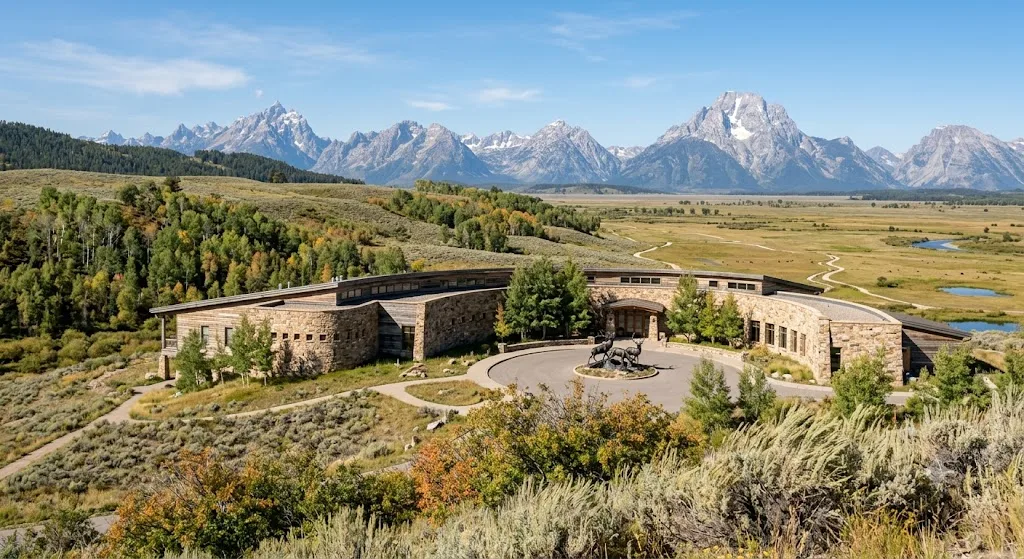
Our National Museum of Wildlife Art Wyoming guide offers an in-depth look at one of the country's most unique cultural institutions. Perched majestically on a rocky hillside overlooking the National Elk Refuge, this architectural marvel in Jackson Hole houses a premier global collection of fine art dedicated to wild animals. We've compiled everything you need to know for a confident, rewarding visit, from understanding its distinctive offerings to navigating its galleries and the vibrant surrounding area. Forget generic travel advice; our team delivers specific, actionable insights to ensure your trip to this extraordinary museum is unforgettable.
Why Visit National Museum of Wildlife Art
The National Museum of Wildlife Art isn't just another art gallery; it's a destination that seamlessly blends world-class artistic expression with the breathtaking natural beauty of Wyoming. Our team considers it a must-see for anyone traveling through Jackson Hole, offering a profound appreciation for the animal kingdom as interpreted by master artists across centuries. The museum's striking red sandstone building, inspired by Scotland's Slains Castle, is an artwork in itself, integrated into the landscape and providing panoramic views of the National Elk Refuge.
Inside, you'll discover a collection spanning 4,500 years of art history, with over 5,000 works that explore humanity's relationship with nature. From ancient artifacts to contemporary masterpieces by renowned artists like Georgia O'Keeffe, Andy Warhol, Robert Kuhn, and Carl Rungius, the breadth and depth of the collection are truly impressive. This isn't just about pretty pictures; it's about powerful narratives, conservation, and the enduring spirit of the wild. For those wondering, "is National Museum of Wildlife Art worth visiting?", we unequivocally say yes. The unique focus, stunning setting, and diverse collection make it a compelling cultural experience that stands out, especially when combined with the region's natural wonders. The museum's mission to "collect, display, interpret and preserve the highest quality North American wildlife art, supplemented by wildlife art found throughout the world" shines through every gallery, enriching and inspiring visitors.
Who It's Best For
Our team believes the National Museum of Wildlife Art caters to a surprisingly broad audience. Art enthusiasts will revel in the diverse collection, which covers modernism, impressionism, romanticism, and sporting art, with a strong focus on American and European works from the 1800s and 1900s. Wildlife lovers, naturally, will find themselves captivated by the exquisite portrayals of animals in their natural habitats, from lithographs and photographs to sculptures and watercolors. The museum also serves as a significant resource for those interested in the connection between art and conservation, making it ideal for environmentalists and educators.
Families will find the museum surprisingly engaging, especially with dedicated spaces designed for younger visitors. The Children's Discovery Gallery, for instance, features an interactive studio, wildlife costumes, a life-sized diorama, a puppet theater, and a reading nook, ensuring that even the youngest art critics have a stimulating experience. Additionally, the free "Fables, Feathers & Fur" program, held every Friday from 10:30 to 11 a.m., is perfect for kids aged 3 and older, offering storytelling and art-making activities. This makes the National Museum of Wildlife Art with kids a highly recommended activity, providing both entertainment and educational value. If you appreciate unique cultural experiences set against a stunning natural backdrop, this museum is for you.
Getting There & Parking
Understanding how to get to National Museum of Wildlife Art is straightforward, as its location is conveniently accessible from Jackson and the nearby national parks. The museum is situated at 2820 Rungius Road, approximately 2.5 miles north of Jackson Town Square and just two miles from the gateway to Grand Teton National Park. This makes it an ideal stop whether you're heading into or out of Grand Teton or Yellowstone National Park.
For those driving, finding National Museum of Wildlife Art parking is refreshingly easy. The museum provides ample free parking for all visitors. If you're visiting with a group, bus parking is also free. While public transportation options like the START Bus operate within Jackson and to Teton Village, having a car offers the most flexibility for reaching the museum and exploring the surrounding area. Taxis and rideshare services are also available in Jackson for convenient, flexible trips.
Top Things to Do
There are many enriching things to do at National Museum of Wildlife Art, ensuring a visit that is both inspiring and engaging. Our team recommends allocating at least 2.5 hours to fully experience the galleries and outdoor areas.
- Explore the Galleries: Wander through the 14 galleries showcasing over 5,000 artworks, from ancient to contemporary, depicting wildlife from around the globe. Six of these galleries offer a wide range of topics related to the permanent collection.
- Discover the Sculpture Trail: Step outside to the 3/4-mile Sculpture Trail, known as the Wapiti Trail, which features life-like animal sculptures set against the dramatic backdrop of the National Elk Refuge and the Teton Mountains. It's a fantastic way to combine art appreciation with fresh air and stunning views.
- Dine at Palate Restaurant: Enjoy a gourmet lunch with a view on the terrace of Palate Restaurant, which overlooks the National Elk Refuge. In summer (May 1 - Oct 31), it's open daily from 11 a.m. to 2:30 p.m., and in winter (Nov 1 - Apr 30), it's open Tuesday through Sunday from 11 a.m. to 2 p.m.
- Visit the Children's Discovery Gallery: If you're visiting the National Museum of Wildlife Art with kids, this interactive space is a highlight. It features an art studio, wildlife costumes, a life-sized diorama, a puppet theater, and a reading nook. Don't miss the free "Fables, Feathers & Fur" program on Fridays for ages 3 and up.
- Take a Guided Tour: Enhance your visit with a free, 45-minute guided tour available at 11 a.m. every Wednesday through August. These "Walk-Up Wednesdays" tours are included with admission and are first-come, first-served.
- Attend Special Events: Check the museum's calendar for temporary exhibitions, film screenings, educational programs, and signature events like the Western Visions Show & Sale in September, which features top wildlife artists. The Plein Air Fest in June is another popular event where artists paint on-site.
- Utilize the Museum App: Download the free interactive National Museum of Wildlife app, which includes a Sculpture Trail tour app and family-friendly audio tours.
Beyond the museum, there are countless things to do in Jackson and the surrounding area. Our team highly recommends exploring the nearby Grand Teton National Park for hiking, scenic drives, and abundant wildlife viewing, or taking a day trip to Yellowstone National Park to witness its iconic geothermal features. For a different perspective on local wildlife, visit the National Elk Refuge, located directly across from the museum, where you can observe large elk herds, especially during winter sleigh rides. Downtown Jackson offers the historic Jackson Hole Town Square with its antler arches, unique shops, and diverse dining options. Adventures on the Snake River, such as scenic floats or whitewater rafting, are popular during warmer months. For more outdoor activities, consider exploring the vast Bridger-Teton National Forest, which offers horseback riding and extensive trail systems.
Best Time to Visit
The best time to visit the National Museum of Wildlife Art largely aligns with the best times to experience Jackson Hole and the surrounding national parks, each season offering a distinct charm.
Spring (April-May): Our team finds spring to be an excellent time for those seeking fewer crowds and active wildlife. Temperatures are mild, typically in the 60s during the day, making outdoor exploration comfortable. This is when many baby animals can be spotted in the region, and wildflowers begin to bloom. The museum is open Tuesday through Sunday from 10 a.m. to 5 p.m. during this period.
Summer (June-August): This is peak season in Jackson Hole, characterized by warm, sunny days perfect for hiking, rafting, and exploring the national parks. The museum is open daily from 10 a.m. to 5 p.m. during summer months. While crowds are larger and accommodations can be harder to find and more expensive, the vibrant atmosphere and full accessibility to all attractions are a major draw. June also hosts the Plein Air Fest at the museum. Active-duty military personnel and their families receive free admission during the summer (from Armed Forces Day to Labor Day) as part of the Blue Star Museum program.
Fall (September-October): Our team highly recommends fall for its stunning foliage, the elk rut (when bugling can be heard across the National Elk Refuge), and fewer crowds compared to summer. Temperatures are pleasant, ranging from 50 to 70 degrees. This is also when the museum hosts its annual Western Visions Show & Sale, a significant event showcasing wildlife art. The museum remains open daily until October 31.
Winter (November-March): For those drawn to snow sports and winter wildlife safaris, this season is ideal. The museum shifts to its winter hours from November 1 to April 30, opening Tuesday through Sunday from 10 a.m. to 5 p.m. It is closed on specific holidays, including December 25 and 26, New Year's Day, and Presidents' Day. Winter offers a quieter, magical experience, though some roads in the national parks may be closed.
Regardless of the season, our team suggests checking the museum's official website for any specific holiday closures or special event schedules for 2026 before your visit.
Where to Stay Nearby
When planning your visit to the National Museum of Wildlife Art, choosing the right accommodation can significantly enhance your experience. Our team recommends staying in or near Jackson for convenient access to the museum and other area attractions. The museum itself is just 2.5 miles north of Jackson Town Square, making many hotels in town a short drive away.
For luxury and proximity, consider options like Amangani or Spring Creek Ranch, both highly-rated 5-star hotels located within a few miles of the museum and offering stunning views. The Rustic Inn is another excellent 4-star choice, known for its charm and convenient location.
Mid-range options that offer great value and comfort include The Rockwell Inn, Homewood Suites by Hilton Jackson, and Hampton Inn Jackson Hole. Many of these provide amenities such as free breakfast and are well-regarded by travelers.
For those seeking a more unique stay or even closer proximity to wildlife viewing, the Flat Creek Inn and Elk Refuge Inn are excellent choices, nestled near the National Elk Refuge and offering opportunities to spot local animals from your room.
Staying in Jackson provides easy access to dining, shopping, and the vibrant atmosphere of the town square, while also serving as a perfect base for exploring Grand Teton National Park and Yellowstone National Park. We advise booking accommodations well in advance, especially during the peak summer and winter seasons, as availability can be limited.
Sample 2-Day Itinerary
To make the most of your visit to the National Museum of Wildlife Art and the surrounding Jackson Hole area, our team has crafted a sample 2-day itinerary:
Day 1: Art, Wildlife & Jackson Charm
- Morning (10:00 AM - 1:00 PM): Begin your day at the National Museum of Wildlife Art Wyoming. Explore its extensive galleries, taking in the diverse collection of wildlife art. Don't miss the outdoor Sculpture Trail for incredible views and artistic installations. If it's a Wednesday through August, consider joining the free 11 a.m. guided tour.
- Lunch (1:00 PM - 2:30 PM): Enjoy lunch at Palate Restaurant within the museum, savoring the views of the National Elk Refuge.
- Afternoon (2:30 PM - 5:00 PM): Visit the National Elk Refuge, located directly across from the museum. Depending on the season, you might spot elk, bison, or trumpeter swans. In winter, consider a horse-drawn sleigh ride for an up-close experience.
- Evening (5:00 PM onwards): Head into downtown Jackson. Explore the iconic Jackson Hole Town Square with its famous antler arches. Enjoy dinner at one of Jackson's many excellent restaurants and browse the local shops and art galleries.
Day 2: Grand Teton & Scenic Wonders
- Morning (8:00 AM - 1:00 PM): Dedicate your morning to Grand Teton National Park. Drive the scenic loop, stopping at iconic viewpoints like Oxbow Bend for reflections of the Tetons, and Jenny Lake for a short hike or boat ride. Keep an eye out for moose, elk, and bears.
- Lunch (1:00 PM - 2:30 PM): Pack a picnic to enjoy amidst the stunning scenery of Grand Teton, or grab a casual bite at one of the park's lodges or in Moose, Wyoming.
- Afternoon (2:30 PM - 6:00 PM): Choose an activity based on your interests:
- For Adventure: Go for a scenic float or whitewater rafting trip on the Snake River.
- For Hiking: Tackle a trail in Bridger-Teton National Forest or a longer hike within Grand Teton National Park.
- For Relaxation: Enjoy the Jackson Hole Aerial Tram for panoramic views of the valley and surrounding peaks.
- Evening (6:00 PM onwards): Return to Jackson for a final dinner. If time and season permit, consider catching the Jackson Hole Rodeo for a taste of authentic Western culture.
This itinerary provides a balanced mix of art, wildlife, and outdoor adventure, showcasing why a visit to the National Museum of Wildlife Art is a perfect complement to exploring the natural wonders of Wyoming. For extended trips, consider adding a day trip to Yellowstone National Park or exploring more of Wyoming's best places like Bighorn Canyon National Recreation or the Buffalo Bill Center of the West in Cody.
Our Expert Verdict
The National Museum of Wildlife Art is far more than a stopover; it's a cornerstone of the Jackson Hole experience. Its unique focus, architectural brilliance, and commitment to both art and conservation make it a truly enriching destination. We've found that visitors consistently praise its stunning setting and the quality of its collection. Whether you're an art connoisseur, a nature enthusiast, or a family seeking engaging activities, this museum delivers. It’s an essential piece of the Wyoming cultural landscape, offering a fresh perspective on the wild world that surrounds us. Is National Museum of Wildlife Art worth visiting? Absolutely. It’s an inspiring journey into the heart of wildlife art, set against one of America's most spectacular backdrops.
Frequently Asked Questions
National Museum of Wildlife Art tips
Our top tips for visiting the National Museum of Wildlife Art include allowing at least 2.5 hours for your visit to fully explore the galleries and outdoor Sculpture Trail. Consider downloading the museum's free interactive app for audio tours, and if traveling with children, definitely check out the Children's Discovery Gallery and the "Fables, Feathers & Fur" program on Fridays. Visit on a Wednesday through August for a free guided tour, and don't forget to enjoy lunch at Palate Restaurant for its stunning views.
National Museum of Wildlife Art parking
Parking at the National Museum of Wildlife Art is straightforward and free for all visitors. Ample parking spaces are available on-site, including designated bus parking for groups. The museum's location just north of Jackson makes it easily accessible by car, and you won't need to worry about parking fees.
best time to visit National Museum of Wildlife Art
The best time to visit the National Museum of Wildlife Art depends on your preferences. Spring (April-May) and Fall (September-October) offer fewer crowds, mild weather, and excellent opportunities for wildlife viewing in the surrounding area, with the added bonus of fall foliage in autumn. Summer (June-August) provides full accessibility and a vibrant atmosphere, though with larger crowds. The museum is open daily in summer and Tuesday-Sunday in winter.
National Museum of Wildlife Art hours and fees
In 2026, the National Museum of Wildlife Art has seasonal hours: from May 1 to October 31, it's open daily from 10 a.m. to 5 p.m. From November 1 to April 30, it's open Tuesday through Sunday, 10 a.m. to 5 p.m. It is closed on specific holidays, including the Fourth of July, Veterans Day, Thanksgiving, December 25 and 26, New Year's Day, and Presidents' Day.
Admission fees are $18 for adults, $16 for seniors (65+), $10 for the first child (ages 5-18), and $5 for each additional child. Children 4 and under are free. Admission is free with a museum membership, for Museums West & American Association of Museum Members, and for active-duty military and their families during the summer as part of the Blue Star Museum program.
National Museum of Wildlife Art travel guide
This comprehensive travel guide provides all the essential information for your visit to the National Museum of Wildlife Art. We've covered why to visit, who it's best for, how to get there and park, top things to do both at the museum and in Jackson, the best times to visit, where to stay nearby, and a sample 2-day itinerary. Our aim is to equip you with confident, specific advice for an enriching journey to this premier institution.
National Museum of Wildlife Art itinerary
For an optimal visit, we recommend dedicating a half-day to the National Museum of Wildlife Art. Start your morning exploring the galleries, then enjoy lunch at Palate Restaurant. Follow this with a stroll on the outdoor Sculpture Trail. Combine your museum visit with an afternoon exploring the National Elk Refuge or downtown Jackson, and dedicate a second day to Grand Teton National Park for a well-rounded Jackson Hole experience.
Last updated: 2026-07-12 by the Roam States team.