National Parks & Nature

Oglala National Grasslands Travel Guide

Crawford, Nebraska

By Roam States Team · Updated July 2026 · 21 min read

Jump to section

Our Oglala National Grasslands guide covers practical planning for Oglala National Grasslands Nebraska — best time to visit, getting there, and what to do on the ground.

Oglala National Grasslands Travel Guide — Nebraska

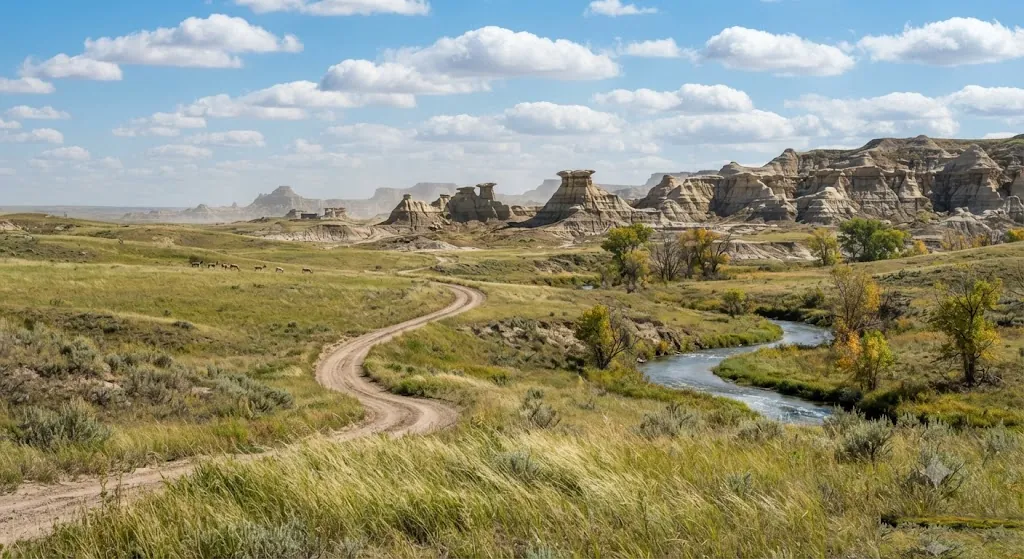
For those seeking an authentic taste of the American West, the Oglala National Grasslands Nebraska offers an unparalleled experience. Situated near Crawford in the state's northwestern corner, this expansive landscape of nearly 95,000 acres presents stunning views of mixed-grass prairie and unique rock formations shaped by millions of years of wind and water erosion. It's an ideal location for spotting pronghorn, mule deer, and a diverse array of birdlife, all while immersing ourselves in vast, unspoiled natural landscapes. We've explored these rugged badlands and rolling prairies to bring you the definitive guide for planning your adventure.

Why Visit Oglala National Grasslands

The Oglala National Grasslands are a testament to the enduring beauty and ecological significance of America's prairies. We believe a visit here offers a profound connection to nature, far removed from the hustle and bustle of city life. The sheer scale of the landscape is breathtaking, with endless horizons and skies that stretch forever. It's a place where you can truly feel the vastness of the Great Plains. Beyond the panoramic vistas, the grasslands are a living laboratory of natural history. The unique badlands formations, particularly at Toadstool Geologic Park, reveal ancient fossil deposits, offering a glimpse into prehistoric ecosystems that thrived here millions of years ago.

For wildlife enthusiasts, the Oglala National Grasslands are a prime destination. Our team has consistently found it to be the best place in Nebraska to observe pronghorn, often seen gracefully moving across the open flats. You might also encounter mule deer, sharp-tailed grouse, and numerous species of grassland birds, including hawks and golden eagles. The prairie dog colonies along the northern border are particularly active and fascinating to watch. This area is also a haven for hunters during specific seasons, with populations of white-tailed deer, mule deer, and pronghorn.

Furthermore, the Oglala National Grasslands offer a quiet solitude that is increasingly rare in our modern world. It's a place for contemplation, photography, and simply enjoying the tranquility of nature. The cultural and historical significance is also noteworthy, with sites like the Hudson-Meng Education and Research Center providing insights into ancient Paleo-Indian life and bison hunting practices. We find that the combination of dramatic geology, abundant wildlife, and profound quiet makes the Oglala National Grasslands a truly special destination.

Who It's Best For

Our team recommends the Oglala National Grasslands for a diverse range of travelers, though it particularly shines for those who appreciate raw, untamed nature and seek solitude. It's an ideal destination for:

  • Nature Photographers: The dramatic badlands, expansive prairies, and abundant wildlife offer endless opportunities for stunning landscape and wildlife photography, especially during sunrise and sunset.
  • Wildlife Enthusiasts: As mentioned, the grasslands are excellent for spotting pronghorn, deer, and various bird species. Birdwatchers will find it a rewarding stop on the Nebraska Birding Trail.
  • Hikers and Backpackers: With numerous trails and vast open spaces, it's perfect for those who enjoy exploring on foot, from short interpretive loops to longer, more challenging treks.
  • History and Paleontology Buffs: Toadstool Geologic Park and the Hudson-Meng Education and Research Center provide fascinating insights into ancient geology and prehistoric life.
  • Campers and RVers: Both developed and dispersed camping options allow for immersive overnight experiences under incredible starry skies.
  • Hunters: During designated seasons, the grasslands offer significant public hunting opportunities for species like mule deer, pronghorn, and sharp-tailed grouse.
  • Families with Adventurous Kids: The unique rock formations, fossil hunting (viewing only), and opportunities to spot wildlife can captivate children, making it an educational and exciting trip.

It might not be the best fit for travelers seeking luxury accommodations, extensive amenities, or a fast-paced itinerary. The beauty of the Oglala National Grasslands lies in its remoteness and the self-sufficiency it encourages. We encourage visitors to come prepared to embrace a more rugged, yet incredibly rewarding, travel experience.

Getting There & Parking

Reaching the Oglala National Grasslands requires a bit of planning, as it's a remote area in the Nebraska Panhandle. The nearest major town is Crawford, Nebraska, which serves as an excellent base for exploring the grasslands.

How to Get There

For most visitors, driving is the primary mode of transportation. If you're coming from a major city, expect a scenic drive across vast distances. For instance, from Denver, Colorado, the drive to the Oglala National Grasslands is approximately five hours via I-25 North to NE-71. From Lincoln, Nebraska, expect a longer journey of around seven hours via NE-2.

The main access point to the core attractions like Toadstool Geologic Park and Hudson-Meng Education and Research Center is typically from Crawford. From Crawford, you'll head north on Nebraska Highways 2 and 71 for about 4 miles, then turn northwest onto Toadstool Road. Follow Toadstool Road for approximately 10 miles, then turn left at the sign for Toadstool Park and continue for about 1.5 miles to reach the park entrance. Roads within the Oglala National Grasslands vary from paved state highways to gravel and dirt roads. We advise checking local conditions, especially after heavy rain or snow, as some roads may become impassable for vehicles without high clearance. Cell service can be limited in many areas, so downloading offline maps is highly recommended for navigating how to get to Oglala National Grasslands.

Parking

Parking at the Oglala National Grasslands is generally straightforward, particularly at designated recreation sites. At Toadstool Geologic Park, there is a small campground that also serves as a parking area for day-use visitors. A day-use fee of $3 per vehicle is charged from Memorial Day through Labor Day. This fee covers parking for hiking and exploring the park. For those visiting the Hudson-Meng Education and Research Center, dedicated parking is available on-site. For dispersed camping or accessing various trailheads, parking is typically along Forest Service roads, often in pull-off areas. When parking for dispersed camping, vehicles may leave designated Forest Service roads by up to 300 feet to access campsites, but further travel must be on foot or by non-motorized means. We always recommend parking on stable ground and avoiding tall, dry grass, as hot vehicle parts can pose a wildfire risk.

Top Things to Do

The Oglala National Grasslands offer a wealth of activities for those looking to connect with nature and explore a unique landscape. Our team has curated a list of the top things to do at Oglala National Grasslands:

  • Explore Toadstool Geologic Park: This is arguably the crown jewel of the Oglala National Grasslands. The park is renowned for its otherworldly "moonscape" of mushroom-shaped badlands formations, sculpted by millions of years of erosion. We recommend taking the one-mile interpretive loop trail, which provides excellent views of these unique hoodoos and offers insights into the area's geology and paleontology. You'll find interpretive kiosks and brochures to guide your self-guided tour. A $3 day-use fee per vehicle is charged from Memorial Day through Labor Day.
  • Visit the Hudson-Meng Education and Research Center: Connected to Toadstool Geologic Park by the three-mile Bison Trail, this active archaeological site houses one of North America's largest bison bone beds. Visitors can tour the bonebed enclosure and learn about the mysterious past of the extinct *Bison antiquus* that died here. In 2026, the center is open on Fridays from 9:00 AM to 4:00 PM Mountain Time, from May 29th through Labor Day Weekend. Tours by appointment are also available by calling the Pine Ridge Ranger District office.
  • Wildlife Viewing: The Oglala National Grasslands are a fantastic place for wildlife. Keep your binoculars handy to spot pronghorn, mule deer, white-tailed jackrabbits, and a variety of grassland birds like sage thrashers, hawks, and golden eagles. Prairie dog colonies are particularly abundant along the northern border and provide entertaining viewing. Spring and fall are often the best times for wildlife viewing.
  • Stargazing: Far from city lights, the Oglala National Grasslands offer incredibly dark skies, making it an exceptional location for stargazing. On a clear night, the Milky Way is often visible in stunning detail.
  • Photography: From the dramatic badlands formations to the vast, rolling prairies and diverse wildlife, the photographic opportunities are endless. Early mornings and late afternoons offer the best light for capturing the landscape's unique textures and colors.
  • Hunting: For permitted hunters, the grasslands provide over 94,000 acres of public land for hunting mule deer, white-tailed deer, pronghorn, and sharp-tailed grouse during designated seasons. Nebraska offers over-the-counter archery pronghorn tags, and rifle tags require a draw. We advise checking current Nebraska hunting regulations and obtaining necessary permits well in advance.
  • Dispersed Camping: Experience true solitude by finding a secluded spot for dispersed camping. This primitive camping offers a chance to fully immerse yourself in the natural environment, away from developed campgrounds.

Oglala National Grasslands Hiking Trails

Hiking is one of the most rewarding ways to experience the unique landscapes of the Oglala National Grasslands. Our team highly recommends lacing up your boots to explore the diverse terrain, from the ancient badlands to the expansive prairies. The primary hiking opportunities are concentrated around Toadstool Geologic Park and the Hudson-Meng Education and Research Center.

  • Toadstool Geologic Park Interpretive Trail: This popular one-mile loop trail is a must-do for any visitor. It winds through the striking "toadstool" rock formations, offering close-up views of the eroded siltstone and clay. Interpretive kiosks along the path explain the fascinating geology and paleontology of the area, including fossil deposits from 30 million years ago. We found this trail to be relatively easy and suitable for most fitness levels, making it a great option for families visiting the Oglala National Grasslands with kids.
  • Bison Trail: For a longer and more immersive hike, the three-mile (one-way) Bison Trail connects Toadstool Geologic Park to the Hudson-Meng Education and Research Center. This trail traverses the mixed-grass prairie, offering opportunities for wildlife spotting and enjoying the vast open spaces. It's a moderate hike that provides a different perspective of the grasslands, linking two significant geological and archaeological sites.
  • Dispersed Hiking: Beyond the established trails, the entire Oglala National Grasslands are open for exploration. We encourage experienced hikers to consult a detailed map from the Pine Ridge Ranger District office in Chadron and venture off-trail, practicing Leave No Trace principles. This allows for truly solitary experiences and the chance to discover hidden gems. Remember that cell service is limited, so proper navigation tools are essential.
  • Other Nearby Trails: While not strictly within the Oglala National Grasslands, the broader Pine Ridge area offers additional hiking opportunities. The Nebraska National Forest, south of Crawford and surrounding Chadron, features approximately 80 miles of trails suitable for hiking, biking, and horseback riding. Areas like the Pine Ridge Trail system, accessible from trailheads such as East Ash and Outrider, provide diverse terrain and scenic views.

When embarking on Oglala National Grasslands hiking trails, we always recommend carrying plenty of water, wearing sturdy footwear, and being prepared for changing weather conditions. The sun can be intense, and shade is limited. Pets are allowed on trails, but must be kept on a leash.

Best Time to Visit

Choosing the best time to visit the Oglala National Grasslands largely depends on your priorities, as each season offers a distinct experience. Our team has found that certain periods stand out for specific activities:

  • Late Spring (May to early June): We consider late spring an excellent time to visit. Temperatures are generally mild and comfortable, making it ideal for hiking and exploring. This is also when the prairie bursts into bloom with a vibrant array of wildflowers, creating stunning photographic opportunities. Wildlife, including pronghorn and prairie dogs, are typically very active, and birdwatching is at its peak. The Hudson-Meng Education and Research Center and Toadstool Geologic Park typically open for the season around Memorial Day weekend.
  • Summer (June to August): Summer offers warm days and cooler nights, making it popular for camping and outdoor activities. However, temperatures can get hot, and afternoon thunderstorms are possible. While wildflowers may be less abundant than in spring, the grasslands are still lush. This is a great time for families, especially when combining a visit with other attractions in the region like Fort Robinson State Park. Be prepared for potential insects and bring plenty of water.
  • Fall (September to October): Fall is another fantastic time to visit, especially for those interested in hunting. The weather is generally mild, and the landscape takes on beautiful golden hues. Wildlife viewing opportunities remain excellent as animals prepare for winter. Hunting seasons for mule deer, pronghorn, and sharp-tailed grouse are in full swing. The crowds are typically thinner than in peak summer months, offering more solitude.
  • Winter (November to April): Winter in the Oglala National Grasslands can be harsh, with cold temperatures and snow. While accessible year-round, some roads may become impassable, and amenities like the Hudson-Meng Education and Research Center will be closed. However, for the intrepid traveler seeking extreme solitude and stark, beautiful landscapes, winter offers a unique and challenging experience. Wildlife viewing can be good against the snowy backdrop, but preparation for severe weather is paramount.

Overall, we lean towards late spring and early fall as the best times for a comfortable and rewarding visit to the Oglala National Grasslands, offering a balance of pleasant weather, abundant wildlife, and fewer crowds.

Where to Stay Nearby

While the Oglala National Grasslands offer fantastic camping opportunities, many visitors prefer the comfort of a bed after a day of exploration. When considering Oglala National Grasslands lodging, the nearby town of Crawford, Nebraska, is your primary hub, offering a range of options from quaint hotels to unique ranch stays. Chadron, a slightly larger town to the east, also provides additional choices.

  • Crawford, Nebraska: As the closest town, Crawford provides the most convenient access to the grasslands. Here, you'll find local motels and a few charming bed and breakfasts. For a truly unique experience, consider staying at one of the guest ranches in the area, which often provide a taste of authentic Western hospitality and can include activities like horseback riding. Fort Robinson State Park, just outside Crawford, offers lodge rooms and cabins, providing an atmospherically distinctive accommodation option within the celebration's immediate geography. This is a great choice for those who want to be close to both the grasslands and other historical attractions.
  • Chadron, Nebraska: Located about 23 miles east of Crawford, Chadron is home to Chadron State College and offers a wider selection of hotels and motels, including more familiar chain options. It's a good alternative if you prefer more amenities or are looking for specific hotel brands. The Pine Ridge Ranger District office, which manages the Oglala National Grasslands, is also located in Chadron.
  • Camping within Oglala National Grasslands: For the most immersive Oglala National Grasslands lodging experience, camping is highly recommended.
    • Toadstool Geologic Park Campground: This small, primitive campground offers six sites with fire pits, picnic tables, and restrooms (vault toilets), but no drinking water. Reservations are not accepted, so we advise arriving early, especially during peak season. The fee for overnight use is $15 per night for a single site, which includes one vehicle. Pets are allowed but must be on a leash.
    • Dispersed Camping: Throughout the Oglala National Grasslands, dispersed camping is permitted and free, offering incredible solitude. We encourage visitors to find previously used sites along Forest Service roads, adhering to Leave No Trace principles. You can camp for up to 14 days within a 30-day period, and groups of 75+ people require a special use permit. Remember, there are no amenities like water or restrooms in dispersed areas, and cell service can be spotty. Always check for current fire restrictions before lighting a campfire.

When planning your Oglala National Grasslands lodging, we suggest booking accommodations in Crawford or Chadron in advance, especially during popular seasons or local events like the Crawford July 4 Celebration.

Sample 2-Day Itinerary

To truly appreciate the Oglala National Grasslands, we recommend dedicating at least two full days to exploration. This allows ample time to experience its unique geology, wildlife, and serene beauty without feeling rushed. Here’s a sample 2-day itinerary our team has put together:

Day 1: Badlands Geology & Ancient History

  • Morning (9:00 AM - 1:00 PM): Toadstool Geologic Park Immersion.

    Start your day by heading directly to Toadstool Geologic Park, approximately 15 miles northwest of Crawford. Spend the morning exploring the one-mile interpretive loop trail, marveling at the bizarre, mushroom-shaped rock formations and eroded badlands. Take your time to read the interpretive signs, which bring the ancient history and paleontology of the area to life. Look for signs of fossil deposits, and imagine the prehistoric animals that once roamed here. Remember the $3 day-use fee per vehicle.

  • Lunch (1:00 PM - 2:00 PM): Picnic Amidst the Badlands.

    Pack a picnic lunch to enjoy at one of the picnic tables available at Toadstool Geologic Park. The unique "moonscape" provides an unforgettable backdrop for a meal.

  • Afternoon (2:00 PM - 5:00 PM): Bison Trail Hike & Hudson-Meng.

    After lunch, embark on the three-mile (one-way) Bison Trail, which connects Toadstool Geologic Park to the Hudson-Meng Education and Research Center. This hike offers a different perspective of the grasslands, with opportunities for wildlife spotting. Upon arrival at Hudson-Meng, explore the bonebed enclosure, which is open on Fridays from 9:00 AM to 4:00 PM Mountain Time from May 29th, 2026, through Labor Day Weekend. Learn about the mysterious mass death of *Bison antiquus* and the Paleo-Indian people who hunted them. If visiting on a day when the center is closed, you can still observe the exterior and surrounding landscape. Remember to account for the 3-mile hike back to Toadstool or arrange for a pickup.

  • Evening: Stargazing & Local Dining.

    Head back to Crawford for dinner. We recommend trying one of the local eateries for a taste of small-town Nebraska. As night falls, find a spot away from town lights within the grasslands for some incredible stargazing. The dark skies here are truly spectacular.

Day 2: Prairie Exploration & Wildlife Encounters

  • Morning (8:00 AM - 12:00 PM): Wildlife Drive & Photography.

    Start your second day early with a scenic drive through the Oglala National Grasslands. Utilize Forest Service roads (check a map from the Pine Ridge Ranger District office beforehand) to explore different sections of the prairie. This is an excellent time for wildlife viewing; keep an eye out for pronghorn, mule deer, and various bird species. Bring your camera to capture the expansive landscapes and any wildlife you encounter. Consider driving along Hat Creek Road for rolling hills and scenic views.

  • Lunch (12:00 PM - 1:00 PM): Picnic or Return to Crawford.

    Enjoy another picnic amidst the prairie, or head back to Crawford for lunch at a local cafe.

  • Afternoon (1:00 PM - 5:00 PM): Fort Robinson State Park & Nearby Attractions.

    Spend the afternoon exploring Fort Robinson State Park, just west of Crawford. This historic site offers a rich history of the American West, with museums, jeep tours, and horseback riding opportunities. Alternatively, depending on your interests, you could visit the Agate Fossil Beds National Monument, another significant paleontological site located southwest of the grasslands. If you're looking for more unique Nebraska experiences, consider a drive to Carhenge near Alliance, a quirky art installation that's a nod to Stonehenge.

  • Evening: Reflection & Departure.

    Enjoy a final dinner in Crawford, reflecting on your immersive journey through the Oglala National Grasslands. If time allows, catch one last sunset over the prairie before heading home or to your next Nebraska adventure.

Is It Worth Visiting?

From our extensive experience exploring America's natural wonders, we can confidently say that visiting the Oglala National Grasslands is absolutely worth it for the right traveler. This isn't a destination for those seeking bustling tourist traps or resort-style amenities; instead, it offers an authentic, raw, and deeply rewarding experience of the American prairie.

The primary draw, and what makes visiting the Oglala National Grasslands so compelling, is its unparalleled natural beauty and ecological significance. The sweeping vistas of mixed-grass prairie, punctuated by dramatic badlands formations at places like Toadstool Geologic Park, create a landscape unlike any other in Nebraska. We've found the sense of scale and solitude here to be truly restorative, allowing for a profound connection with the natural world. It's a place where you can hear the wind whisper across vast expanses and witness sunsets that paint the entire sky.

Beyond the scenery, the Oglala National Grasslands are a wildlife haven. It's consistently the best place in Nebraska to spot pronghorn, and we've frequently observed mule deer, prairie dog colonies, and a rich diversity of birdlife. For those interested in paleontology and archaeology, the Hudson-Meng Education and Research Center offers a fascinating glimpse into prehistoric life and human history. Whether you're a photographer, a hiker, a wildlife enthusiast, or simply someone looking to escape the everyday and immerse yourself in nature, the Oglala National Grasslands delivers an unforgettable experience. While it requires a willingness to embrace remoteness and fewer developed amenities, the rewards of visiting the Oglala National Grasslands far outweigh these considerations for those who appreciate its unique charm.

How to Get There

Navigating to the Oglala National Grasslands involves heading to the northwestern corner of Nebraska, with Crawford serving as the closest gateway community. Understanding how to get to Oglala National Grasslands is crucial for a smooth trip, given its remote location.

The most common approach for visitors is by car. If you are traveling from a distance, you will likely drive through Chadron, Nebraska, which is about 23 miles east of Crawford. From Chadron, you would take Highway 20 west to Crawford. Once in Crawford, the main points of interest within the Oglala National Grasslands are accessed by heading north. Specifically, to reach Toadstool Geologic Park and the Hudson-Meng Education and Research Center, you'll travel approximately 4 miles north from Crawford on Nebraska Highways 2 and 71. Then, turn northwest onto Toadstool Road and follow it for about 10 miles. A sign will direct you to turn left for Toadstool Park, which is another 1.5 miles down the road.

It's important to note that while state highways leading to the area are paved, many roads within the Oglala National Grasslands themselves are gravel or dirt. These can become challenging to navigate after heavy rains or snow, potentially requiring a high-clearance vehicle. We strongly advise obtaining a detailed map of the grasslands from the Pine Ridge Ranger District office in Chadron before your trip. This office, located at 125 N Main St, Chadron, NE 69337, is open Monday through Friday from 9:00 AM to 4:00 PM Mountain Time (closed on federal holidays) and can provide the most current information on road conditions and any alerts. Given the limited cell service in many parts of the grasslands, having physical maps or downloaded offline maps is essential for knowing how to get to Oglala National Grasslands and navigating safely.

FAQ

Oglala National Grasslands camping

Oglala National Grasslands camping offers both developed and dispersed options. The primary developed campground is at Toadstool Geologic Park, providing six primitive sites with picnic tables, fire pits, and vault toilets, but no drinking water. A $15 per night fee applies for overnight use, and reservations are not accepted. Dispersed camping is allowed throughout much of the grasslands for free, following U.S. Forest Service regulations, which typically permit camping for up to 14 days within a 30-day period. We recommend finding established pull-offs along Forest Service roads and practicing Leave No Trace principles. Always check for current fire restrictions and be prepared for primitive conditions with no amenities.

things to do in Crawford

Beyond the Oglala National Grasslands, Crawford, Nebraska, offers several things to do. You can explore Fort Robinson State Park, a historic site with museums, jeep tours, and horseback riding. The town also features the Crawford History Museum, Crawford City Park, and the Legend Buttes Golf Course. Depending on the time of year, you might catch local events like the Crawford July 4 Celebration, which includes rodeos, a parade, and family activities. Nearby attractions also include Agate Fossil Beds National Monument and Chadron State Park.

Oglala National Grasslands with kids

Visiting Oglala National Grasslands with kids can be a fantastic educational adventure. Children will love exploring the unique "moonscape" rock formations at Toadstool Geologic Park, where they can imagine ancient animals roaming the land and even look

Build your trip

Planning a Nebraska road trip?

Use our interactive planner for stop-by-stop routes, 2026 fuel and lodging budgets, and a printable before-you-go checklist.

Plan your visit

Book stays, tours, and road-trip essentials for Oglala National Grasslands.

Some links on this page are affiliate links. If you book through them, we may earn a commission at no extra cost to you.

More in Nebraska

Browse all National Parks & Nature guides →