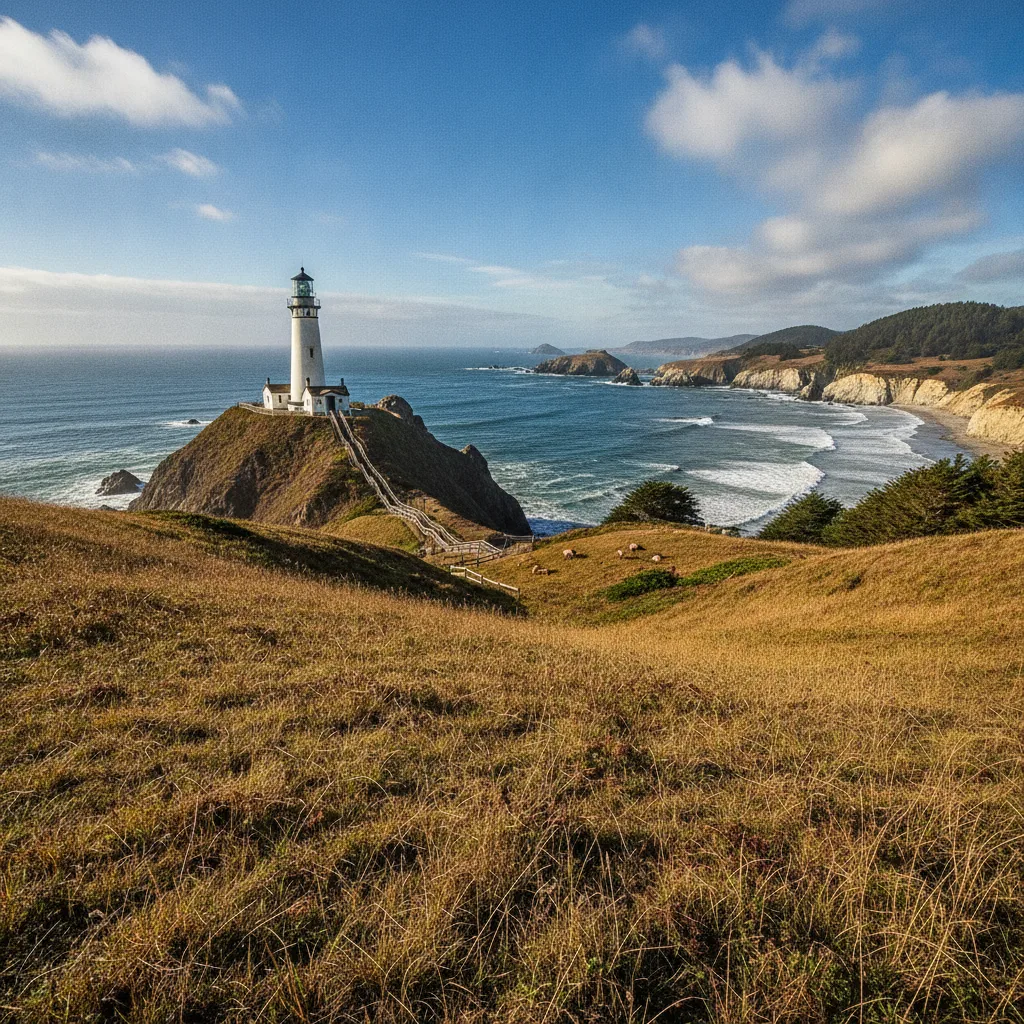
Point Reyes National Seashore Travel Guide — California
California" — We, the Visit America editorial team, are your independent US travel authority, and we're here to provide you with a confident, specific, and never generic guide to this magnificent coastal gem. Point Reyes National Seashore California offers an unparalleled blend of dramatic landscapes, diverse wildlife, and rich history, making it a must-visit destination on California's iconic coast.
Why Visit Point Reyes National Seashore
Point Reyes National Seashore is not just another coastal park; it's a dynamic ecosystem where thunderous ocean breakers meet rocky headlands, expansive sand beaches give way to open grasslands, and brushy hillsides transition into forested ridges. With over 1,500 species of plants and animals to discover, it's a natural sanctuary that captivates every visitor. The sheer diversity of landscapes and habitats here is astounding, offering everything from dramatic cliffs and secluded coves to dense forests and serene estuaries.
Beyond its natural splendor, Point Reyes holds a deep cultural significance, preserving a tapestry of human stories spanning thousands of years. It's a place where you can witness the raw power of the Pacific, explore historic lighthouses, and observe a remarkable recovery of species like the tule elk and elephant seals, which were once hunted to near extinction. The ever-present fog adds to its mystique, creating an atmosphere that feels both ancient and alive. For those seeking genuine connection with nature and a break from the ordinary, Point Reyes National Seashore offers an experience that is both invigorating and profoundly peaceful.
Who It's Best For
Point Reyes National Seashore truly offers something for everyone, from avid adventurers to families seeking a serene escape. It's an ideal destination for wildlife enthusiasts, with opportunities for whale watching, birding, and observing elephant seals and tule elk in their natural habitats. Hikers will revel in the more than 140 miles of trails, ranging from easy coastal strolls to challenging climbs through diverse terrain.
Families with children will find plenty to engage young minds, from exploring tide pools at McClures Beach to spotting wildlife at Chimney Rock or the Tule Elk Preserve. Photographers will be particularly drawn to the dramatic vistas, the iconic Point Reyes Lighthouse, and the ethereal cypress tree tunnel. Kayakers and cyclists can explore the bay and trails, respectively, offering unique perspectives of the seashore. Whether you're a solo traveler seeking solitude, a couple on a romantic getaway, or a family creating lasting memories, Point Reyes provides a rich and rewarding experience.
Getting There & Parking
Getting to Point Reyes National Seashore is part of the adventure, with scenic routes leading to its wild beauty. We highly recommend planning your route in advance, especially if you're coming from the bustling Bay Area.
To get to Point Reyes National Seashore, you'll typically approach from the winding scenic Highway 1, either from the north or the south. It's approximately 37 miles (59.5 kilometers) north of San Francisco, making it an excellent day trip from the city. From San Francisco, you can take U.S. Highway 101 north across the Golden Gate Bridge, then exit onto Sir Francis Drake Boulevard heading west for about 21 miles (33 kilometers) until it meets Highway 1 at Olema. Turn right on Highway 1 and then left onto Bear Valley Road to reach the park's main areas.
For those driving electric vehicles (EVs), charging stations are available at the Bear Valley Visitor Center parking lot. There are six 240V electric vehicle charging stations with Tesla J3400 connectors (and J1772 adapters) for public use. There are no gas stations within the national seashore itself, so we advise fueling up in nearby towns like Point Reyes Station.
Parking at Point Reyes National Seashore is generally free for day-use activities at visitor centers, beaches, and trailheads. However, all areas in the park are closed to visitor vehicle parking between midnight and 6 AM, with exceptions for those holding backcountry camping permits or staying at the Point Reyes Hostel. Overnight parking for campers requires displaying a copy of your reservation on your vehicle's dash as a valid parking permit. Specific parking lots are available at various trailheads and attractions, including those accessed via Bear Valley Road, Limantour Road, Sir Francis Drake Boulevard, and Pierce Point Road. The Lighthouse Visitor Parking Lot, for instance, has 38 spaces and is free but can fill up quickly, especially on weekends. If full, you may park off-road on Sir Francis Drake Boulevard, ensuring your tires are completely off the pavement.
Top Things to Do
Point Reyes National Seashore offers a wealth of activities, from wildlife viewing to historical exploration. Our team has curated the best experiences to ensure you make the most of your visit.
Explore the Iconic Point Reyes Lighthouse
No visit to Point Reyes National Seashore is complete without a trip to the Point Reyes Lighthouse. Perched on one of the windiest and foggiest points on the West Coast, this historic beacon, operational from 1870 to 1975, offers dramatic views of the Pacific. The lighthouse complex area west of the visitor parking lot is open daily from 6 AM to 10 PM, while the lighthouse stairway and the Lighthouse Visitor Center are open Fridays, Saturdays, Sundays, and holiday Mondays from 10 AM to 4 PM, weather and staffing permitting. Be prepared for a walk down (and back up!) 308 steps to reach the lighthouse itself. The stairs may close if winds exceed 40 mph, so check conditions before you go.
Witness the Majestic Elephant Seals
Observing the northern elephant seals is one of the most incredible things to do at Point Reyes National Seashore. While some seals are present year-round, the breeding and pupping season from December through March offers the most spectacular viewing opportunities, with large numbers of seals hauling out on beaches around the headlands. The Elephant Seal Overlook near Chimney Rock is a prime location, a short 0.3-mile walk from the Chimney Rock Trailhead parking area, offering elevated views of the colony. Drakes Beach also provides up-close viewing opportunities, though sections of the beach may be closed to protect the seals, especially during pupping season (December 15 through mid-June). Remember to maintain at least 100 feet of distance from all marine mammals.
Go Whale Watching
Point Reyes is one of the best spots on the California coast for whale watching. The most common species is the California gray whale, which migrates past the peninsula twice a year. Catch the southbound migration from December through January, with a peak in mid-January, and the northbound return from March through May, peaking in mid-March. Late April and early May are particularly good for spotting mothers and calves, which often swim closer to shore. Humpback whales are also frequently sighted feeding in the waters surrounding Point Reyes during the summer and fall. The Point Reyes Headlands, including the Lighthouse and Chimney Rock, offer excellent viewing points on clear days.
Hike the Diverse Trails
With over 140 miles of trails, hiking is a premier activity. From coastal trails with dramatic ocean views to forested paths, there's a route for every skill level. Popular trails include the Chimney Rock Trail, which offers stunning coastal views and wildflower blooms in spring. For a more strenuous adventure, consider the trails leading to Alamere Falls, a rare "tidefall" where a waterfall cascades directly onto the beach. The Bear Valley Trail is another excellent option, offering a mix of forest and open terrain. Remember to check trail conditions and carry water.
Discover the Tule Elk Preserve
Point Reyes National Seashore is the only National Park where you can find tule elk, a species that has made a remarkable comeback. The Tomales Point Tule Elk Preserve provides an excellent opportunity to observe these magnificent animals. Rutting season in August to October is a particularly active time, and calves can be spotted in the spring. The preserve offers a unique chance to see these large mammals roaming freely in their natural habitat.
Explore Marin County's Coastal Charms
Beyond the national seashore, Marin County offers a plethora of charming coastal towns and attractions. Consider visiting Point Reyes Station or Inverness for local artisan shops, galleries, and farm-to-table dining experiences. Kayaking on Tomales Bay is a popular activity, allowing you to explore the tranquil waters and observe diverse birdlife. Many local stables also offer horseback riding tours, providing a unique way to experience the area's scenic beauty. For those interested in local produce, exploring the area's dairies and oyster farms can be a delightful culinary adventure. The region's natural beauty extends to its charming communities, making it easy to find more things to do in Marin County.
Visiting Point Reyes National Seashore With Kids
Point Reyes National Seashore with kids is an enriching experience, offering hands-on learning and plenty of space to explore. We recommend starting at the Bear Valley Visitor Center, which provides an excellent orientation to the park's history and ecosystems, with engaging exhibits and audio-visual programs. Kids will love the seismograph station, demonstrating activity along the San Andreas Fault.
For wildlife viewing, the Elephant Seal Overlook at Chimney Rock is a fantastic spot, especially during pupping season, where children can marvel at the large marine mammals from a safe distance. Birdwatching is another engaging activity, with many diverse habitats home to a wide variety of species. Easy, flat trails like the Earthquake Trail near the Bear Valley Visitor Center are perfect for little legs. Remember to pack layers, snacks, and binoculars to enhance their wildlife spotting adventures, making Point Reyes National Seashore with kids an unforgettable educational journey.
Best Time to Visit
Choosing the best time to visit Point Reyes National Seashore depends largely on your interests. The park offers unique experiences throughout the year.
Generally, the coastal areas of Point Reyes experience some of the clearest days in late September, October, and early November. However, the weather can be unpredictable, with sudden changes common. A sunny day on the east side of Inverness Ridge might be foggy and cold on the ocean side, and clearing fog can often signal strong winds.
- Whale Watching: For California gray whales, visit from December through January for the southbound migration, or March through May for the northbound return. Late April and early May are ideal for seeing mothers and calves. Humpback whales are frequently observed in summer and fall.
- Elephant Seals: The breeding and pupping season from December through March is the best time to see large numbers of elephant seals in action. Molting season (April-August) also brings seals ashore.
- Wildflowers: Spring, particularly around April, is excellent for wildflowers, especially around Chimney Rock.
- Birding: With over 70,000 acres and diverse habitats, Point Reyes is a birder's paradise year-round, hosting both resident and migratory species.
- Hiking: Fall (late September, October, early November) often brings clearer days, making it pleasant for hiking.
Temperatures in July 2026 for Point Reyes Station are forecasted to range from daily highs of 67°F to 76°F, with overnight lows between 49°F and 54°F. The average high for July is 70°F and the average low is 52°F. The average relative humidity in July is 79%.
Where to Stay Nearby
While overnight car or RV camping is not permitted within Point Reyes National Seashore, the park offers backcountry hike-in and boat-in campgrounds. These include Coast Camp, Glen Camp, Sky Camp, Wildcat Camp, and numerous boat-in sites along Tomales Bay. Reservations are essential and can be made up to three months in advance via Recreation.gov, and they book out quickly. Standard sites accommodate up to 6 people at $30/night, while group sites for 7-25 people cost $90/night.
For those preferring more traditional lodging, several charming towns near Point Reyes National Seashore offer a variety of accommodations. Point Reyes Station, Inverness, and Olema are popular choices, providing intimate bed-and-breakfasts, country inns, and vacation rentals. You can find options like Olema House at Point Reyes, Romantic Lodge in Point Reyes-Inverness, and Serene Bungalow-Style Home in Point Reyes Station. Further afield, towns like San Rafael, Novato, and Petaluma also offer lodging options and are within a reasonable driving distance. Remember to book well in advance, especially during peak seasons.
Sample 2-Day Itinerary
To help you maximize your visit, our team has crafted a sample 2-day itinerary designed to showcase the best of Point Reyes National Seashore and its surroundings.
Day 1: Coastal Exploration & Wildlife Wonders
- Morning (9:00 AM - 12:00 PM): Bear Valley Visitor Center & Earthquake Trail. Start your day at the Bear Valley Visitor Center (open daily 9:30 AM - 5 PM, closed Christmas). Pick up maps, learn about the park's natural and cultural history, and explore the exhibits, including a seismograph. Then, take a leisurely stroll on the accessible Earthquake Trail, a 0.6-mile loop that showcases the San Andreas Fault.
- Lunch (12:00 PM - 1:00 PM): Picnic at Drakes Beach. Grab a picnic lunch from Point Reyes Station or Inverness and head to Drakes Beach. Enjoy the scenic views, but be aware that sections of the beach may be closed to protect elephant seals, especially from December 15 through mid-June. You can still observe seals from the parking area.
- Afternoon (1:00 PM - 4:30 PM): Chimney Rock & Elephant Seal Overlook. Drive out to Chimney Rock. This area offers stunning coastal views and is a prime spot for elephant seal viewing, particularly from December to March. Take the short 0.3-mile walk to the Elephant Seal Overlook. In spring, look for wildflowers.
- Late Afternoon (4:30 PM - 6:00 PM): Point Reyes Lighthouse. Continue to the Point Reyes Lighthouse. The lighthouse complex is open until 10 PM, but the stairs to the lighthouse and the visitor center are open Fridays, Saturdays, Sundays, and holiday Mondays from 10 AM to 4 PM. Descend the 308 steps for an iconic view (check wind conditions first).
- Evening: Dinner in Point Reyes Station. Enjoy dinner in the charming town of Point Reyes Station, known for its local eateries.
Day 2: Tule Elk, Kayaking & Scenic Drives
- Morning (9:00 AM - 12:00 PM): Tomales Point Tule Elk Preserve. Head north to the Tomales Point Tule Elk Preserve. Embark on a hike along the Tomales Point Trail to observe the magnificent tule elk herd. This is one of the best places in California to see them.
- Lunch (12:00 PM - 1:00 PM): Picnic or Local Eatery. Enjoy another picnic amidst nature or try a local cafe in one of the small towns along Tomales Bay.
- Afternoon (1:00 PM - 4:00 PM): Kayaking on Tomales Bay or Scenic Drive. If weather permits, consider a kayaking excursion on the tranquil waters of Tomales Bay. Several outfitters in the area offer rentals and guided tours. Alternatively, take a scenic drive along Sir Francis Drake Boulevard, stopping at viewpoints and exploring some of the quieter beaches.
- Late Afternoon (4:00 PM - 6:00 PM): Cypress Tree Tunnel & KPH Station. Visit the iconic Cypress Tree Tunnel, a popular photography spot, and the historic KPH Radio Station, offering a glimpse into maritime communication history.
- Evening: Departure or Overnight Stay. Depart from Point Reyes National Seashore or enjoy a final dinner and overnight stay in the area.
Last updated: 2026-07-05 by the Visit America team.