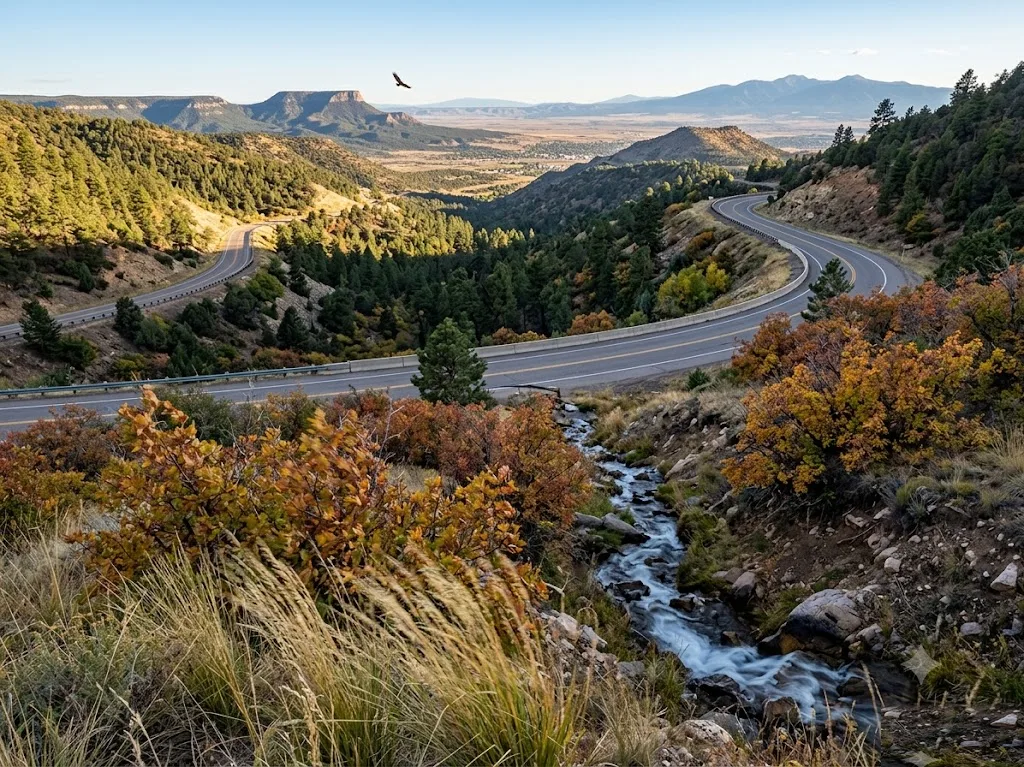
Our Raton Pass guide covers practical planning for Raton Pass New Mexico — best time to visit, getting there, and what to do on the ground. As independent US travel authorities, our team at Roam States has compiled everything you need to know for a memorable journey through this historic mountain pass.
Why Visit Raton Pass
For those drawn to the echoes of American history and breathtaking high-desert landscapes, Raton Pass offers an unparalleled experience. This iconic mountain pass, a pivotal gateway on the historic Santa Fe Trail, isn't just a scenic drive; it's a journey through time, marking a significant chapter in westward expansion. We recommend a visit to understand the challenges and triumphs of early pioneers, traders, and settlers who traversed this rugged terrain. The pass itself, nestled in the Sangre de Cristo Mountains, provides spectacular panoramic views of the surrounding New Mexico and Colorado landscapes, especially vibrant during sunrise or sunset. Beyond its historical significance, the area around Raton Pass New Mexico is a hub for outdoor activities, from scenic drives and hiking to wildlife viewing, making it a compelling destination for history buffs, nature enthusiasts, and road trippers alike. It serves as a natural entry point to explore the diverse wonders of New Mexico.
Who It's Best For
Raton Pass caters to a diverse range of travelers, but it particularly resonates with certain groups. History enthusiasts will find themselves immersed in the narratives of the Santa Fe Trail, imagining the arduous journeys of those who came before. Families with school-aged children can turn a visit into a living history lesson, exploring interpretive signs and nearby historical sites. Outdoor adventurers will appreciate the access to hiking trails, birdwatching opportunities, and scenic drives through the mountains. Road trippers, especially those traversing I-25 between New Mexico and Colorado, will find Raton Pass to be a refreshing and historically rich stop, offering a break from the highway with stunning vistas. Its proximity to charming small towns like Raton also makes it ideal for those seeking a quiet escape with a touch of local culture. We believe it's an excellent choice for anyone looking to combine natural beauty with a deep dive into American frontier history.
Getting There & Parking
Navigating to Raton Pass is straightforward, as Interstate 25 (I-25) directly traverses the pass, making it highly accessible for travelers. The pass is located on the border of New Mexico and Colorado, approximately 9 miles north of the town of Raton, New Mexico. For those flying in, the closest major airports are in Albuquerque, New Mexico (ABQ), about 3.5 hours south, or Colorado Springs, Colorado (COS), roughly 2 hours north. From either airport, a rental car is essential for exploring the pass and surrounding areas. When considering how to get to Raton Pass, remember that I-25 is a well-maintained interstate, but conditions can change rapidly, especially during winter months, so checking road conditions is always advisable.
Parking at Raton Pass is generally available at designated scenic overlooks and historical markers along I-25. The main summit rest area, located at the highest point of the pass, offers ample parking for cars and RVs, providing easy access to interpretive signs and panoramic views. We recommend utilizing these official pull-offs for safe viewing and photo opportunities. For those venturing into nearby Sugarite Canyon State Park, specific parking lots are available at trailheads and recreational areas within the park, with clear signage indicating where to park. As of 2026, there are no specific parking fees directly associated with stopping at the Raton Pass summit overlooks, though entrance fees apply for state parks like Sugarite Canyon. We always advise arriving early during peak seasons to secure the best parking spots at popular trailheads.
Top Things to Do
Exploring Raton Pass and its environs offers a blend of historical immersion and outdoor adventure. Our team has curated a list of the top things to do at Raton Pass and in the nearby town of Raton, ensuring a rich and varied experience for every traveler.
On Raton Pass Itself:
- Visit the Raton Pass Scenic Overlook: Stop at the summit of Raton Pass on I-25 for breathtaking views of the surrounding mountains and plains. Interpretive signs detail the pass's history and its role on the Santa Fe Trail. This is one of the essential things to do at Raton Pass for any visitor.
- Explore the Santa Fe Trail Interpretive Sites: Several markers and remnants of the original Santa Fe Trail can be found near the pass. Look for pull-offs and signs that delve into the arduous journeys of pioneers.
- Drive the Scenic Byway: While I-25 is the main route, the drive itself over the pass offers stunning vistas. Consider taking a slower pace to appreciate the geological formations and high-desert flora.
In and Around Raton:
Just a short drive south of the pass, the charming town of Raton serves as an excellent base for further exploration. There are many things to do in Raton that complement a visit to the pass.
- Sugarite Canyon State Park: Located just northeast of Raton, this state park is a jewel of northern New Mexico. It offers extensive hiking trails, fishing in Lake Maloya and Lake Alice, camping, and wildlife viewing opportunities. The park is open year-round, typically from 7:00 AM to 9:00 PM, though hours can vary by season, and a day-use fee of $5 per vehicle is required as of 2026. We highly recommend spending at least half a day here to experience the natural beauty surrounding Raton.
- Capulin Volcano National Monument: A short drive east of Raton, this national monument preserves a nearly perfectly symmetrical cinder cone volcano. Visitors can drive a paved road to the rim of the volcano for panoramic views of the volcanic field, or hike into the crater. The monument typically operates from 8:30 AM to 4:30 PM daily, with an entrance fee of $25 per private vehicle (valid for 7 days) as of 2026. This is a fantastic addition to your list of things to do in Raton’s vicinity.
- Raton Museum: Delve deeper into the local history of Raton and the surrounding area, including its railroad heritage and the Santa Fe Trail. Check their website or call for current operating hours and admission fees.
- Downtown Raton Historic District: Stroll through the historic downtown, featuring beautifully preserved late 19th and early 20th-century architecture. You’ll find local shops, art galleries, and restaurants.
- Shuler Theater: A historic landmark, the Shuler Theater, built in 1915, still hosts live performances and events. Check their schedule for any shows during your visit.
- Climax Canyon Park: Offering hiking and mountain biking trails with scenic overlooks of Raton, this park is easily accessible from town and provides a great way to stretch your legs.
Whether you're focusing on the historical aspects of the pass or seeking outdoor adventures, the range of things to do at Raton Pass and in Raton itself ensures a fulfilling trip. For more regional exploration, consider a trip to the Cumbres & Toltec Scenic Railroad, a historic narrow-gauge railway offering spectacular views, or even further south to the Bandelier National Monument to explore ancient cliff dwellings.
Best Time to Visit
Deciding the best time to visit Raton Pass largely depends on your priorities, as each season offers a distinct experience. Our team recommends considering the following:
- Spring (April-May): Spring brings milder temperatures and blooming wildflowers, making it a pleasant time for hiking and scenic drives. However, late spring can still see unpredictable weather, including late-season snowfalls at higher elevations. Road conditions over the pass are generally good, but always check forecasts.
- Summer (June-August): Summer is peak season, offering warm, sunny days ideal for all outdoor activities. Temperatures in Raton can reach into the 80s and 90s Fahrenheit, but the pass itself is often cooler. This is an excellent time for camping, fishing, and exploring the state parks. Be aware that afternoon thunderstorms are common, especially in July and August. We recommend booking accommodations well in advance if visiting during these months.
- Fall (September-October): Autumn is arguably the most picturesque time to visit Raton Pass. The aspens and cottonwoods turn brilliant shades of gold and red, creating stunning photographic opportunities. The weather is typically crisp and clear, perfect for hiking. This season also sees fewer crowds than summer. Early October is often ideal for fall foliage, though timing can vary year to year.
- Winter (November-March): Winter transforms Raton Pass into a snowy wonderland, offering serene beauty. However, this is also the most challenging time for travel. Snow and ice can lead to hazardous driving conditions on I-25 over the pass, and temporary closures are possible during severe storms. If you visit in winter, ensure your vehicle is equipped for snowy conditions, and always check New Mexico Department of Transportation road conditions before you depart. While some outdoor activities may be limited, cross-country skiing and snowshoeing are options in nearby Sugarite Canyon State Park.
Overall, for comfortable weather and a full range of activities, late spring, summer, and early fall are generally the best times to visit Raton Pass. For those seeking solitude and dramatic landscapes, and who are prepared for winter driving, the colder months can also be rewarding.
Where to Stay Nearby
While Raton Pass itself is a natural landmark, the nearby town of Raton, New Mexico, serves as the primary hub for lodging and amenities. When considering Raton Pass lodging, you'll find a range of options from budget-friendly motels to charming historic inns. Our team has scouted the area to help you find the perfect place to rest after a day of exploration.
Hotels and Motels in Raton:
- Holiday Inn Express & Suites Raton: A reliable choice offering modern amenities, including an indoor pool and complimentary breakfast. It's conveniently located near I-25, making it easy to access the pass and other attractions. As of 2026, rates typically range from $120-$180 per night, depending on the season and availability.
- Quality Inn Raton: Another solid option providing comfortable rooms, free breakfast, and often pet-friendly accommodations. It's a good value for travelers seeking convenience and standard hotel services. Expect rates around $90-$150 per night in 2026.
- Microtel Inn & Suites by Wyndham Raton: Known for its clean, compact rooms and budget-friendly pricing, Microtel is a good choice for travelers looking for an economical yet comfortable stay. Rates generally fall between $80-$130 per night.
- Historic La Mesa Hotel: For those seeking a more unique experience, this historic hotel in downtown Raton offers a glimpse into the town's past with individually decorated rooms. It provides a different ambiance than chain hotels and is a great option for Raton Pass lodging with character.
Camping and RV Parks:
- Sugarite Canyon State Park: Offers several campgrounds with both developed and primitive sites suitable for tents and RVs. Amenities often include restrooms, showers, and picnic tables. Reservations are highly recommended, especially during peak season, and can be made via the New Mexico State Parks website. Fees for developed sites typically range from $10-$18 per night for non-electric and electric sites, respectively, as of 2026.
- Raton KOA Journey: Located just outside of Raton, this KOA offers a full range of RV sites with hookups, tent sites, and cabins. It's a family-friendly option with amenities like a pool, playground, and general store.
When planning your Raton Pass lodging, we recommend booking in advance, especially if your visit coincides with holidays, summer weekends, or popular local events. While Raton is not a large city, its position on I-25 makes it a frequent stop for travelers. For a truly immersive New Mexico experience, consider extending your trip to include the Albuquerque International Balloon Fiesta in October, though accommodations there book up years in advance.
Sample 2-Day Itinerary
To help you make the most of your visit to Raton Pass and the surrounding area, our team has crafted a sample 2-day itinerary. This plan balances historical exploration with outdoor adventure, ensuring a comprehensive experience.
Day 1: History and High Peaks
- Morning (9:00 AM - 12:00 PM): Explore Raton Pass. Start your day by driving over Raton Pass on I-25. Stop at the scenic overlooks and interpretive signs to learn about its pivotal role on the Santa Fe Trail. Take photographs of the expansive views stretching into Colorado.
- Lunch (12:00 PM - 1:00 PM): Downtown Raton. Head into the town of Raton for lunch. Enjoy a meal at a local eatery in the historic downtown district.
- Afternoon (1:00 PM - 4:00 PM): Raton Museum & Historic Downtown. Spend the early afternoon exploring the Raton Museum to delve deeper into local history. Afterwards, take a leisurely stroll through the historic downtown, admiring the architecture and perhaps popping into a local shop or gallery.
- Late Afternoon (4:00 PM - 6:00 PM): Climax Canyon Park. Enjoy a short hike or walk in Climax Canyon Park, offering excellent views of Raton and the surrounding landscape.
- Evening: Dinner & Relaxation. Enjoy dinner at one of Raton's restaurants. If staying at Sugarite Canyon, consider a campfire and stargazing.
Day 2: Volcanoes and Canyons
- Morning (9:00 AM - 12:30 PM): Capulin Volcano National Monument. Drive east to Capulin Volcano National Monument. Drive the paved road to the rim of the volcano, hike the crater rim trail for incredible panoramic views, and explore the visitor center. Allow ample time for the drive and exploration.
- Lunch (12:30 PM - 1:30 PM): Picnic or Return to Raton. Enjoy a picnic lunch at Capulin Volcano (check for designated areas) or head back towards Raton for a meal.
- Afternoon (1:30 PM - 5:00 PM): Sugarite Canyon State Park. Dedicate your afternoon to Sugarite Canyon State Park. Choose from a variety of hiking trails, enjoy fishing in Lake Maloya, or simply relax by the water. The park offers diverse ecosystems and abundant wildlife.
- Late Afternoon/Evening: Departure or Further Exploration. Depending on your travel plans, you can begin your journey home or choose to spend another night in Raton. If you have more time, consider a day trip to the Blue Hole in Santa Rosa for a unique swimming and diving experience, or head further south to explore Carlsbad Caverns National Park.
Is It Worth Visiting?
After outlining the historical significance, natural beauty, and array of activities, the question remains: is Raton Pass worth visiting? Our team emphatically says yes, for the right traveler. If you are a history buff, particularly interested in the Santa Fe Trail and westward expansion, the pass offers a tangible connection to the past that is truly invaluable. The scenic beauty, especially during the fall foliage season, provides stunning vistas that are well worth the drive. For outdoor enthusiasts, the proximity to Sugarite Canyon State Park and Capulin Volcano National Monument provides ample opportunities for hiking, fishing, and exploring unique geological formations. The charm of the nearby town of Raton, with its historic downtown and local attractions, adds another layer to the experience.
However, if your travel preferences lean solely towards bustling city life, high-end resorts, or extensive nightlife, Raton Pass might not be your primary destination. It’s a place for those who appreciate natural landscapes, quiet contemplation of history, and small-town charm. We believe that for travelers seeking an authentic New Mexico experience that combines historical depth with natural splendor, Raton Pass offers a unique and rewarding journey. So, is Raton Pass worth visiting? Absolutely, if you're looking for an enriching and scenic stop on your USA road trip planner.
Raton Pass with kids
Raton Pass and the surrounding area can be a fantastic destination for families with kids. The historical aspect can be made engaging through stories of pioneers and the Santa Fe Trail at the interpretive sites. Nearby Sugarite Canyon State Park offers easy to moderate hiking trails suitable for various age groups, along with opportunities for fishing and wildlife spotting. Capulin Volcano National Monument is particularly captivating for children, allowing them to explore a real volcano. The drive to the rim and the short, paved rim trail are manageable for little legs. The Raton Museum also provides educational insights. We recommend bringing binoculars for wildlife viewing and sturdy shoes for exploring. Always check the difficulty of trails before embarking with younger children.
best hotels near Raton Pass
The best hotels near Raton Pass are primarily located in the town of Raton, New Mexico, just a few miles south. Top recommendations include the Holiday Inn Express & Suites Raton for its modern amenities and convenience, and the Quality Inn Raton for a comfortable and value-oriented stay. For a more unique, historical experience, the Historic La Mesa Hotel in downtown Raton is a charming option. If you prefer camping, Sugarite Canyon State Park offers beautiful sites, and Raton KOA Journey provides a full range of RV and tent options with family-friendly amenities. We always advise booking your Raton Pass lodging in advance, especially during peak travel seasons, to ensure availability and potentially better rates.
Raton Pass tips
Our top tips for visiting Raton Pass include: Always check weather and road conditions, especially during winter months, as I-25 over the pass can be affected by snow and ice. Bring layers of clothing, as mountain weather can change quickly. Pack water and snacks, particularly if you plan on hiking. Take advantage of the scenic overlooks for photos and to read the historical markers. Consider combining your visit with nearby attractions like Sugarite Canyon State Park and Capulin Volcano National Monument for a fuller experience. If you’re traveling with pets, verify pet policies for any accommodations or attractions you plan to visit. Finally, embrace the history and natural beauty – it's a place to slow down and appreciate the journey.
where to stay near Raton Pass
For comfortable and convenient accommodation near Raton Pass, the town of Raton, New Mexico, is your best bet. It offers a variety of hotels and motels, including well-known chains like Holiday Inn Express, Quality Inn, and Microtel Inn & Suites. For a more local flavor, consider the Historic La Mesa Hotel. If you prefer to immerse yourself in nature, Sugarite Canyon State Park provides excellent camping and RV facilities, though reservations are highly recommended. Raton KOA Journey is another great option for campers and RVers looking for more amenities. These options provide easy access to the pass and all the surrounding attractions.
Raton Pass parking
Parking at Raton Pass is readily available at several designated scenic overlooks and rest areas directly along Interstate 25. The main summit rest area, located at the highest point of the pass, offers ample space for both cars and larger vehicles like RVs, providing convenient access to interpretive signs and panoramic views. There are no direct parking fees for these roadside pull-offs. If you plan to visit nearby Sugarite Canyon State Park, specific parking lots are available at trailheads and recreational areas within the park. A day-use fee applies for entry into Sugarite Canyon State Park, which covers parking within the park boundaries. Always use designated parking areas for safety and to preserve the natural environment.
best time to visit Raton Pass
The best time to visit Raton Pass depends on your preferred activities and tolerance for weather conditions. For pleasant weather, hiking, and exploring the full range of outdoor attractions, late spring (April-May), summer (June-August), and early fall (September-October) are ideal. Fall is particularly stunning for its vibrant foliage. Summer offers the warmest temperatures but also the most crowds and potential for afternoon thunderstorms. Winter (November-March) provides a serene, snowy landscape but requires careful planning due to potential hazardous road conditions and closures on I-25. We recommend checking current weather and road reports regardless of the season you choose to visit.
Our team at Roam States believes Raton Pass offers a compelling blend of history and natural beauty, making it a truly rewarding stop for any traveler exploring the American Southwest. Its significance on the Santa Fe Trail, combined with nearby natural wonders, solidifies its place as a must-visit destination in northern New Mexico.
Last updated: 2026-07-13 by the Roam States team.