Our Sugarite Canyon State Park guide covers practical planning for Sugarite Canyon State Park New Mexico — best time to visit, getting there, and what to do on the ground.
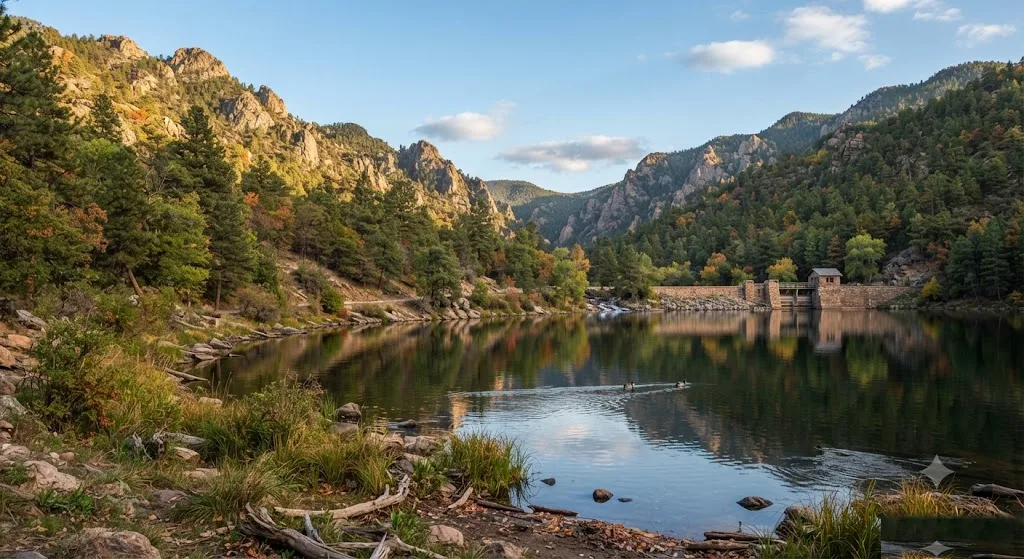
Nestled in the Sangre de Cristo Mountains, Sugarite Canyon State Park New Mexico offers a refreshing escape into nature, characterized by its lush forests, serene lakes, and abundant wildlife. This park is a popular destination for those seeking outdoor adventures like fishing, hiking, and wildlife viewing, along with a tranquil spot for camping in the natural beauty of northeastern New Mexico. We’ve compiled this comprehensive guide to help you plan an unforgettable trip to this hidden gem.
Why Visit Sugarite Canyon State Park
Sugarite Canyon State Park offers a unique blend of natural beauty and historical intrigue, making it a compelling destination for a diverse range of travelers. The park's elevation, ranging from 6,900 feet at the Visitor Center to 8,320 feet atop Little Horse Mesa, contributes to its cooler temperatures, providing a welcome respite during warmer months.
For those wondering, "is Sugarite Canyon State Park worth visiting?", our team confidently says yes. It's a place where the grasslands of the Great Plains meet the forests of the Rocky Mountains, creating diverse ecosystems rich with wildlife, birds, butterflies, and wildflowers. Beyond its natural allure, the park also holds significant historical value as the site of a former early 20th-century coal mining camp. Interpretive trails and signs guide visitors through the ruins, offering a glimpse into New Mexico's industrial past.
Whether you're an avid angler, a keen hiker, a history buff, or simply seeking a peaceful retreat, Sugarite Canyon State Park provides a rich and rewarding experience. The opportunity to witness abundant wildlife, explore historical sites, and enjoy the tranquility of its lakes and forests makes it a truly worthwhile stop on any New Mexico itinerary. You can learn more about New Mexico's diverse offerings on our Best places in New Mexico guide.
Who It's Best For
Sugarite Canyon State Park caters to a broad spectrum of outdoor enthusiasts and those seeking a peaceful retreat. It's an ideal destination for families, with accessible trails and opportunities for wildlife viewing that captivate all ages. Anglers will find the two stocked lakes, Lake Alice and Lake Maloya, particularly appealing for trout fishing.
Hikers and mountain bikers will appreciate the extensive trail system, offering routes from easy strolls to more strenuous climbs. The park is also very pet-friendly, welcoming leashed dogs on its trails, making it perfect for those who travel with their canine companions. Birdwatchers and nature photographers will be delighted by the diverse ecosystems that support a wide array of bird species, butterflies, and wildflowers, especially vibrant in spring and summer.
For those looking to disconnect, the park offers a unique advantage: limited to no cell service, allowing for a true escape from digital distractions. History buffs will also find plenty to explore with the remnants of the historic Sugarite Coal Camp and interpretive exhibits at the visitor center.
Getting There & Parking
Reaching Sugarite Canyon State Park is straightforward, making it an accessible destination for many travelers. The park is located just outside Raton, New Mexico, approximately 6 miles away. If you're traveling by car, take Exit 452 on Interstate 25. From there, travel east on State Highway 72 for 4 miles until its intersection with State Highway 526. Then, travel north on State Highway 526 for 2 miles directly to the park entrance. The main park roads are paved, ensuring easy access regardless of weather conditions.
For parking, visitors will find ample space available. Vehicle parking is provided at the campgrounds, the visitor center, and near the public boat ramp area. It's important to note that a daily entrance fee applies for day-use visitors. For New Mexico residents, the day-use fee is $5, while non-residents pay $10. New Mexico residents are exempt from day-use fees from October 1st through April 30th. Day-use passes can be purchased at the park's self-pay stations or online through Reserve America, though an online convenience fee applies. If you purchase a day-use permit online, be sure to print it out and display it on your vehicle's dashboard.
For those arriving by bicycle, entry is welcome, and there is no charge for walk-in or bicycle entry for New Mexico residents. Cyclists under 18 are required to wear a helmet. The park also offers a day-use equestrian staging area with room for parking horse trailers and restrooms for those planning to explore the trails on horseback.
Top Things to Do
Sugarite Canyon State Park is a hub of outdoor activity, offering a wide array of things to do that cater to every interest, from serene nature observation to active adventures. Our team highly recommends dedicating ample time to explore the park's diverse offerings.
Fishing and Boating
The park's two scenic lakes, Lake Alice and Lake Maloya, are central to many activities. Both are stocked with rainbow and brown trout, making them prime spots for fishing. While swimming is not permitted as they serve as water reservoirs, visitors can enjoy non-motorized boating, canoeing, kayaking, and sailing on these tranquil waters. Lake Maloya, in particular, is a 120-acre human-made lake offering excellent fishing opportunities.
Sugarite Canyon State Park Hiking Trails
With over 20 miles of trails, Sugarite Canyon State Park hiking trails offer something for every skill level, from easy boardwalk strolls to strenuous climbs. Leashed pets are welcome on all trails. Here are some of the notable Sugarite Canyon State Park hiking trails:
- Chicorica Boardwalk: An easy, 500-foot accessible boardwalk trail along the Chicorica Creek, featuring a wildlife viewing blind. It starts at the visitor center.
- River Walk Trail: A half-mile easy loop starting at the visitor center, offering two bridge crossings and excellent birding opportunities.
- Coal Camp Trails: A self-guiding gravel trail that loops through the historic ruins of the Sugarite Coal Camp (0.75-mile loop) and ascends to the mine level (1.5 miles, one way). Interpretive brochures are available at the visitor center.
- Deer Run Trail: A moderate, 2.5-mile one-way hike with a 700-foot elevation change, winding through oak forests, meadows, and crossing a canyon stream.
- Opportunity Trail: A moderate, 3-mile one-way footpath that offers changing scenery along Segerstrom Creek and ascends to an aspen grove. This trail can be combined for longer hikes, with a group hike event in July 2026 covering 6 or 12 miles on this trail.
- Ponderosa Ridge Trail: A moderate, 2-mile one-way trail with scenic views down Sugarite Canyon and of the rock formations on Little Horse Mesa.
- Vista Grande Nature Trail: A short, moderate 0.5-mile loop that leads to a scenic overlook at its highest elevation.
- Little Horse Mesa Trail: A strenuous spur of the Opportunity Trail, featuring a 300-foot climb to the park's highest point, rewarding hikers with incredible panoramic views.
Wildlife Viewing and Photography
The park is renowned for its abundant wildlife. Visitors frequently spot mule deer, and with a bit of luck, might also see elk, wild turkey, foxes, black bears, raccoons, porcupines, weasels, squirrels, and even mountain lions. The diverse plant life, including numerous wildflowers and butterflies, makes it a fantastic location for nature photography, especially during spring and summer.
Rock Climbing
For adventure seekers, rock climbing is permitted on the south face of Little Horse Mesa. This impressive cliff of basaltic columns, known as caprock, offers distinct and climbable cracks. Climbers should contact the park in advance to ensure access.
Winter Recreation
Even in winter, Sugarite Canyon State Park remains open and offers unique activities. When conditions allow, visitors can enjoy cross-country skiing, sledding, and ice fishing on Lake Alice.
Historical Exploration
Delve into the park's past by exploring the remains of the historic Sugarite Coal Camp. The visitor center, itself a historic building that once served as the town's post office, offers exhibits and self-guided tour pamphlets. In-person tours are also offered during the summer season or by appointment.
These things to do at Sugarite Canyon State Park ensure that every visit is packed with discovery and enjoyment. For more inspiration on planning your travels, consider our Plan Your US Trip guide.
Best Time to Visit
Choosing the best time to visit Sugarite Canyon State Park largely depends on the activities you prioritize, as each season offers a distinct experience.
Spring (March-May)
Spring is often highlighted as offering the best mix of conditions. Daytime highs typically range from 45-70°F, with nights around 25-35°F. This season brings blooming wildflowers, increased wildlife activity, and excellent fishing as water temperatures rise. Trails are generally accessible, and crowds are moderate, except on weekends. Be aware that some higher elevations may still hold snow into late spring.
Summer (June-August)
Summer is a popular season, characterized by lush scenery and active wildlife. While it's a beautiful time to visit, it's also the peak season, meaning the park will be busier. Temperatures at 8,000 feet rarely exceed 85°F, making it a comfortable escape from the heat found in other parts of New Mexico. Reservations for camping are highly recommended during these months.
Fall (September-November)
Fall earns high marks from visitors for its stunning foliage, cooler temperatures, and abundant wildlife. This is a fantastic time for hiking and enjoying the vibrant colors of the changing leaves. Events like the Master of the Mountains Adventure Relay, which includes biking, running, paddling, and shooting, typically take place in September.
Winter (December-February)
The park remains open year-round, but winter access and conditions can be challenging due to its 8,000-foot elevation. While winter sports like cross-country skiing, sledding, and ice fishing are possible when conditions permit, detailed information on these activities might be limited. Some facilities, like the shower house, may have limited hours or closures during the off-season.
Our team recommends visiting in late spring or early fall for the most comfortable weather, fewer crowds, and optimal conditions for hiking and wildlife viewing.
Where to Stay Nearby
While Sugarite Canyon State Park offers excellent camping options, for those seeking more traditional accommodations or a base for exploring the wider region, several lodging options are available in nearby Raton, New Mexico, and beyond.
Sugarite Canyon State Park Lodging: Camping Within the Park
For an immersive experience, camping within Sugarite Canyon State Park is highly recommended. The park features two main campgrounds: Lake Alice and Soda Pocket. In total, there are 48 developed campsites, including options with water and electric hookups, and some with full hookups, suitable for tents and RVs. Lake Alice Campground is open year-round and offers 8 sites with water and electric, and 2 with full hookups, accommodating RVs up to 45 feet. Soda Pocket Campground offers more primitive tent camping and is open from May to October.
Campsite fees range from $10 per night for primitive sites to under $20 for full hookup sites. Reservations are highly recommended, especially during peak season (May through September), and can be made via the New Mexico State Parks reservation website or Recreation.gov. Off-season camping (October through April) operates on a first-come, first-served basis with reduced services. It's important to note that a boil water advisory is currently in effect, meaning all water must be boiled for at least 3 minutes before consumption. The shower house also has limited operating hours, typically Friday through Monday, 8 AM to 4 PM, depending on water production.
Hotels and Motels in Raton
Just 6 miles from the park, Raton offers a variety of hotels and motels that provide comfortable Sugarite Canyon State Park lodging options. Popular choices include:
- Best Western Plus Raton Hotel
- Holiday Inn Express Hotel & Suites Raton by IHG
- Microtel Inn & Suites by Wyndham Raton
- Quality Inn Raton, NM
- Casa Lemus
- Super 8 by Wyndham Raton
- Robin Hood Motel
- Raton Pass Motor Inn
These establishments offer a range of amenities, often including complimentary breakfast and free parking, providing a convenient and comfortable base for exploring both the park and the town of Raton.
Other Nearby Camping and RV Parks
Beyond the state park, other camping and RV park options exist in the vicinity:
- Raton KOA: This campground is conveniently located and offers amenities like Wi-Fi, cable, restrooms, showers, and laundry facilities. It's a good alternative for RV travelers seeking more amenities.
- Willow Springs RV Park: Provides easy access to Sugarite Canyon State Park.
- Raton Pass Camp: Offers views of the Sangre de Cristo Mountains, located about 13 miles from the park.
When considering Sugarite Canyon State Park lodging, we recommend booking well in advance, especially for summer and fall visits, to secure your preferred spot.
Sample 2-Day Itinerary
To help you make the most of your visit to Sugarite Canyon State Park New Mexico, we've crafted a sample 2-day itinerary, blending outdoor adventure with historical exploration.
Day 1: Lake Exploration and Historical Immersion
- Morning (8:00 AM - 12:00 PM): Fishing or Boating on Lake Maloya. Start your day early at Lake Maloya, known for its excellent trout fishing. If fishing isn't your preference, enjoy a peaceful morning of non-motorized boating, kayaking, or canoeing on the lake. Remember that swimming is not allowed.
- Lunch (12:00 PM - 1:00 PM): Picnic by Lake Alice. Pack a lunch to enjoy at one of the picnic areas near Lake Alice.
- Afternoon (1:00 PM - 4:00 PM): Coal Camp Trail and Visitor Center. Immerse yourself in the park's history with a hike along the self-guiding Coal Camp Trails. Pick up an interpretive brochure from the Visitor Center to learn about the early 20th-century mining operations. Afterwards, explore the exhibits at the Visitor Center itself.
- Late Afternoon (4:00 PM - 6:00 PM): Wildlife Viewing. Take a leisurely stroll along the Chicorica Boardwalk or River Walk Trail near the Visitor Center, keeping an eye out for deer, birds, and other local wildlife. The wildlife viewing blind on the boardwalk is a great spot.
- Evening: Campfire and Stargazing. If camping, enjoy a campfire (check for fire restrictions) and take advantage of the park's dark skies for stargazing. Consider attending a "Campfire Tales and S'mores" event if available, as one is scheduled for March 7, 2026.
Day 2: Hiking and Scenic Vistas
- Morning (8:00 AM - 12:00 PM): Challenging Hike to Little Horse Mesa. For a more strenuous adventure, tackle the Opportunity Trail leading to the Little Horse Mesa Trail. This climb to the park's highest point offers incredible panoramic views of the canyon and surrounding country. Alternatively, consider the Deer Run Trail for a peaceful hike through forests and meadows.
- Lunch (12:00 PM - 1:00 PM): Lunch in Raton. Head into Raton for lunch at a local restaurant, giving you a chance to resupply and experience the nearby town.
- Afternoon (1:00 PM - 4:00 PM): Explore Raton or Capulin Volcano National Monument. Spend the afternoon exploring the town of Raton, visiting attractions like the historic Shuler Theater or the Raton Museum. Alternatively, take a short drive to Capulin Volcano National Monument for a unique geological experience, hiking the rim trail to see expansive views.
- Late Afternoon (4:00 PM - 6:00 PM): Return to Park or Depart. Head back to Sugarite Canyon State Park for a final walk or to pack up your campsite, or begin your journey to your next destination. Consider linking this trip with other New Mexico highlights like the Albuquerque International Balloon Fiesta, Bandelier National Monument, or the Blue Hole.
Last updated: 2026-07-13 by the Roam States team.