Rattlesnake Canyon in McInnis Canyons National Conservation Area Travel Guide — Colorado
Our Rattlesnake Canyon in McInnis Canyons National Conservation Area guide covers practical planning for Rattlesnake Canyon in McInnis Canyons National Conservation Area Colorado — best time to visit, getting there, and what to do on the ground.
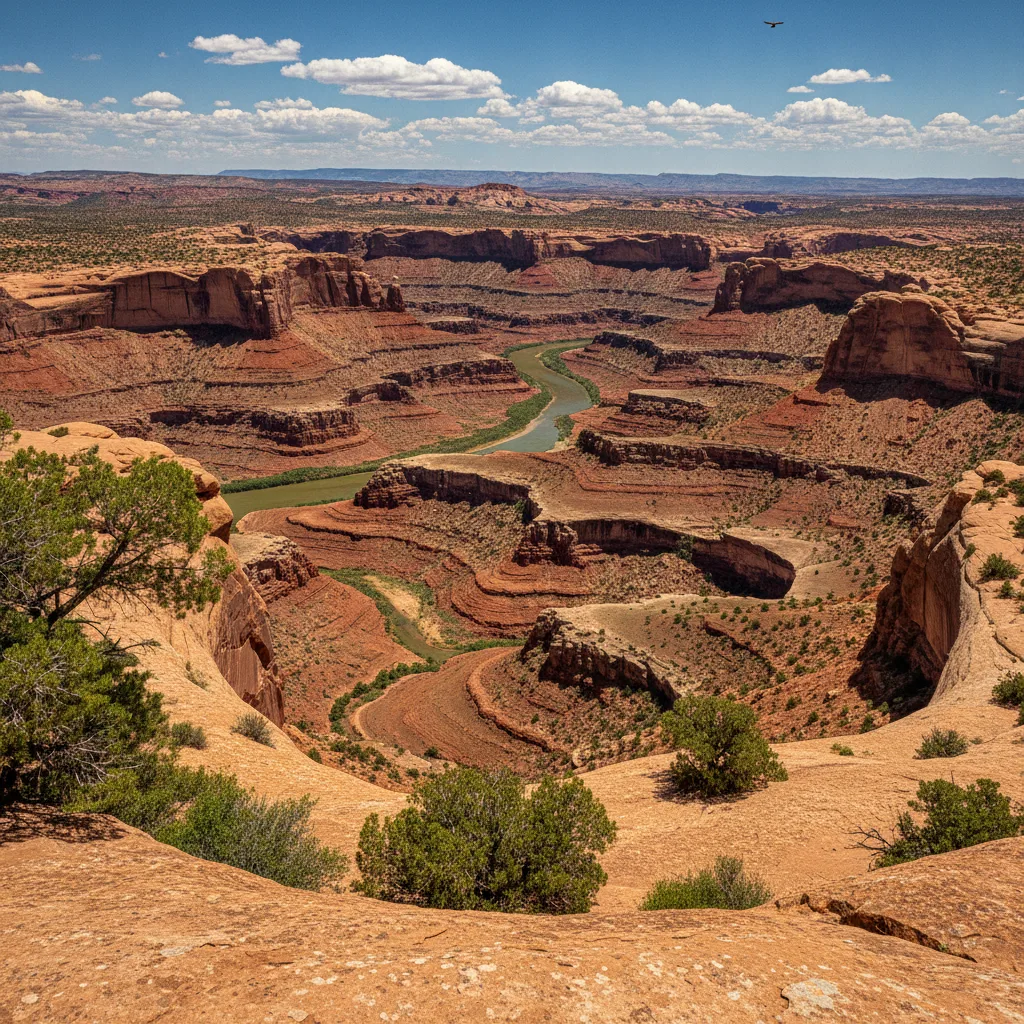
Rattlesnake Canyon in McInnis Canyons National Conservation Area Colorado is a true gem of the American West, offering an unparalleled experience for those who seek rugged beauty and profound solitude. Tucked away in the high desert canyon country near Grand Junction, this area boasts the second-largest concentration of natural arches in North America, surpassed only by Utah's famed Arches National Park. As the Roam States editorial team, we've explored countless landscapes, and we can confidently say that the soaring sandstone spans, hidden alcoves, and dramatic cliffs of Rattlesnake Canyon offer a unique adventure that stands apart from the more crowded national parks.
The 123,739-acre McInnis Canyons National Conservation Area (NCA), established in 2000 and renamed in 2005, protects this incredible landscape, including over 75,000 acres of the Black Ridge Canyons Wilderness. Here, wind and water have sculpted Entrada sandstone over millions of years, creating a collection of 35 natural arches, with eight major ones forming a breathtaking loop. While the journey to these arches demands some effort, the reward is an otherworldly landscape that feels like a well-kept secret, offering a profound connection with the desert wilderness without the throngs of visitors found elsewhere.
Why Visit Rattlesnake Canyon in McInnis Canyons National Conservation Area
The primary draw to Rattlesnake Canyon in McInnis Canyons National Conservation Area is undoubtedly its spectacular collection of natural arches. Imagine standing beneath a massive sandstone arch, carved by millennia of natural forces, with expansive views of red-rock canyons stretching to the horizon. This isn't just a hike; it's an immersion into a geological masterpiece. Unlike its more famous counterparts, Rattlesnake Canyon offers a sense of discovery and solitude that is increasingly rare in popular outdoor destinations.
Beyond the arches themselves, the entire McInnis Canyons National Conservation Area is a haven for primitive recreation and offers diverse landscapes ranging from high plains desert to deep canyons along the Colorado River. The area's geological features include spires, windows, and giant alcoves, all painted with a beautiful desert patina. It's a place where you can truly disconnect and appreciate the raw power and artistry of nature. We find that the challenge of reaching these remote wonders only enhances the sense of accomplishment and the beauty of the experience.
Who It's Best For
Rattlesnake Canyon is ideal for adventurous hikers, experienced outdoor enthusiasts, and those seeking solitude away from crowds. The trails, particularly the longer routes, are often described as strenuous and require good physical conditioning, sure-footedness, and sturdy shoes. If you're comfortable with rocky terrain, some scrambling, and navigating in a remote, high-desert environment, then this destination is for you. It's perfect for photographers looking to capture unique landscapes, and for anyone who appreciates a challenging hike rewarded with truly spectacular views.
While the beauty is undeniable, it's important to note that Rattlesnake Canyon is not a casual stroll. There are no visitor centers, paved roads directly to the arches, or readily available rangers on the trails. This is a wild experience that demands preparation and self-reliance. Families with very young children might find the longer, more technical routes too challenging, especially given the lack of shade and water sources. However, for families with older, experienced hiking children, it can be an incredibly rewarding adventure, provided they are well-prepared and understand the demands of the trail. Dogs are generally welcome in McInnis Canyons NCA but are not recommended on the Rattlesnake Arches trail, especially in summer, due to hot rock surfaces and lack of water.
Getting There & Parking
Accessing Rattlesnake Canyon in McInnis Canyons National Conservation Area requires some planning and, for the shortest route, a capable vehicle. There are two primary ways to reach the trailheads:
1. Upper Trailhead via Glade Park (4x4 Access): This is the shorter route to the arches, but it necessitates a high-clearance 4x4 vehicle. From Grand Junction, take I-70 west to Fruita (Exit #19). Turn left and follow signs to Colorado National Monument. Enter the Monument and travel about 11 miles to the Glade Park turn-off (16.5 Road) on the right. Go 0.2 miles and turn right onto Black Ridge Access Road, where you'll see a kiosk and signage for McInnis Canyons National Conservation Area. The drive to the trailhead is approximately 13 miles. The last 2 miles are particularly rough, rocky, and steep, making a 4-wheel drive highly recommended.
- **Seasonal Road Closures:** The Black Ridge Access Road has seasonal closures. The Upper Access Road is open from April 15 to August 14, while the Lower Access Road is open from August 15 to February 14. Motorized travel is prohibited from February 15 to April 14 due to wet conditions and snowmelt. Always check current conditions before you go.
- **Parking:** There is space to park at the trailhead, but camping and overnight parking are strictly prohibited.
2. Pollock Bench Trailhead via Fruita (Hiking Access): If you don't have a high-clearance 4x4, or prefer a longer, more strenuous hike, the Pollock Bench Trailhead is your option. This route is a 15-mile round-trip hike and is considered strenuous, involving significant elevation gain and technical scrambling. To get to the Pollock Bench Trailhead, drive west on Horsethief Canyon Road (also known as Kingsview Rd.) from Fruita. There is a large parking lot with vault toilets at this trailhead.
Current Closures (as of July 2026): It is crucial to note that the entire McInnis Canyons National Conservation Area, including Rattlesnake Canyon, is currently under a temporary emergency public closure due to the Snyder Mesa Fire. This closure is in effect until the fire is declared controlled or the order is amended or rescinded, to protect public and firefighter safety. Always check the official Bureau of Land Management (BLM) website or local Grand Junction travel updates for the most current information before planning your trip.
Top Things to Do
The primary attraction and one of the most rewarding things to do at Rattlesnake Canyon in McInnis Canyons National Conservation Area is, without a doubt, hiking to witness its magnificent arches. But the area offers more than just the main arch loop.
- Hike the Rattlesnake Arches Loop: This is the quintessential experience. The main loop trail, accessible from the Upper Trailhead, is about 5 miles round trip (out and back) once you descend to the bench below the mesa. It passes by a series of eight major arches, including Hole-in-the-Bridge Arch, Eye Arch, Centennial Arch (also known as East Rim Arch or Akiti Arch), Overhanging Arch, Trap Arch, and the impressive Cedar Tree Arch (also known as Rainbow Arch), which spans 76 feet across and is 43 feet high. The trail involves some rocky and steep sections, with minor scrambling required in places.
- Explore Mee Canyon: Adjacent to Rattlesnake Canyon, Mee Canyon offers another primitive and challenging hiking experience, marked by rock cairns. The trail steeply descends sandstone layers with exposed cliffs, leading to a stunning alcove. Note that camping at the Mee Canyon Alcove is prohibited.
- Photography: The unique rock formations, dramatic lighting, and expansive desert vistas make Rattlesnake Canyon a photographer's dream. Capture the intricate details of the arches or the sweeping panoramas of the canyons.
- Wildlife Viewing: The McInnis Canyons National Conservation Area is home to diverse wildlife, including trophy mule deer, elk, black bear, and desert bighorn sheep, as well as golden and bald eagles. Keep an eye out for these creatures, especially during quieter times of day.
- Stargazing: Far from city lights, the remote location of Rattlesnake Canyon offers incredible opportunities for stargazing. On a clear night, the desert sky comes alive with a dazzling display of stars.
Remember that while there are many things to do at Rattlesnake Canyon in McInnis Canyons National Conservation Area, the emphasis is on self-guided, primitive recreation. Always carry sufficient water, navigation tools, and inform someone of your plans before heading out.
Best Time to Visit
Choosing the right time to visit Rattlesnake Canyon in McInnis Canyons National Conservation Area is crucial for a comfortable and safe experience. Our team highly recommends visiting during the spring (March–May) and fall (September–November). During these seasons, temperatures are milder, making for much more pleasant hiking conditions. Spring also brings an array of wildflowers, like Indian Paintbrush and Kingcup Cactus, adding vibrant color to the desert landscape. Fall is generally drier and less windy than spring.
Summer months (June–August) can be extremely hot, with temperatures often reaching into the 100s Fahrenheit and minimal shade available along the trails. If you must visit in summer, we strongly advise starting your hike very early in the morning or later in the evening to avoid the peak heat. Winters (December–February) can be chilly, but sunny winter days offer pleasant hiking conditions without the intense summer heat. However, access roads may be closed due to snowmelt and wet conditions from February 15 to April 14.
Always check the latest weather forecasts and road conditions before your trip, especially concerning the seasonal closures of the Black Ridge Access Roads. And, as of July 2026, remember the temporary closure of the entire McInnis Canyons National Conservation Area due to the Snyder Mesa Fire.
Where to Stay Nearby
While camping is restricted directly within Rattlesnake Canyon in McInnis Canyons National Conservation Area, there are excellent lodging and camping options in the surrounding areas, particularly in Fruita and Grand Junction. When considering Rattlesnake Canyon in McInnis Canyons National Conservation Area lodging, you'll find a range of choices to suit different preferences.
Hotels and Motels:
The nearby towns of Fruita and Grand Junction offer a variety of hotels, motels, and short-term rentals. Grand Junction, being a larger city, will have more extensive options, from budget-friendly accommodations to more upscale hotels. Fruita provides a charming, smaller-town feel with local establishments.
Camping:
- Saddlehorn Campground (Colorado National Monument): Located within the Colorado National Monument, this campground offers established sites and is accessible via Rim Rock Drive. It's a popular choice and frequently makes "top campgrounds" lists.
- Dispersed Camping near Mee Canyon Trailhead: Some visitors have found suitable dispersed camping spots along the Upper Road, approximately a 15-minute drive from the Rattlesnake Canyon Trailhead. These are primitive, undeveloped sites with no facilities, so you must come prepared with water and waste disposal solutions. Standard BLM dispersed camping regulations apply, including a 14-day stay limit. Camping within ¼ mile of the Rattlesnake Arches Loop and along its access road is prohibited.
- Rabbit Valley Campgrounds: Within the McInnis Canyons National Conservation Area, Rabbit Valley offers three developed campgrounds: Jouflas, Castle Rocks, and Knowles Overlook. Dispersed camping in Rabbit Valley is allowed only in designated, numbered, and signed sites, and requires a fire-pan and portable toilet.
- Ruby-Horsethief Canyons: For those interested in float trips on the Colorado River, designated campsites are available along the 25-mile stretch through Ruby and Horsethief Canyons. These require a permit and must be reserved in advance.
Always check for current availability and make reservations, especially during peak seasons. Remember, due to the Snyder Mesa Fire, the entire McInnis Canyons National Conservation Area, including these camping areas, is currently closed as of July 2026.
Sample 2-Day Itinerary
This itinerary assumes the McInnis Canyons National Conservation Area is open and accessible. Always verify current conditions before planning.
Day 1: Arrival & Rattlesnake Arches Immersion
- Morning (Early Start): Arrive in Fruita or Grand Junction. If you have a high-clearance 4x4, head directly to the Upper Trailhead for Rattlesnake Canyon in McInnis Canyons National Conservation Area. If hiking from Pollock Bench, begin your strenuous 15-mile round-trip trek early, carrying at least 3-4 liters of water per person.
- Late Morning/Afternoon: Hike the Rattlesnake Arches Loop. Allow 4-6 hours to fully experience the 5-mile loop, marveling at arches like Hole-in-the-Bridge, Centennial Arch, and Cedar Tree Arch. Take your time for photos and to soak in the solitude.
- Late Afternoon: Return to your lodging in Fruita or Grand Junction. Clean up and relax after your challenging hike.
- Evening: Enjoy dinner at a local restaurant in Fruita, perhaps one of the breweries like Copper Club Brewing or Suds Brothers Brewery.
Day 2: Explore McInnis Canyons & Colorado National Monument
- Morning: Explore other areas of McInnis Canyons National Conservation Area. Consider a shorter hike on the Fruita Paleo Loop to learn about the area's paleontological history. Alternatively, if you enjoy mountain biking, explore some of the world-class trails in Rabbit Valley or on the Kokopelli Trail system.
- Lunch: Grab a casual lunch in Fruita or pack a picnic to enjoy with scenic views.
- Afternoon: Drive the scenic Rim Rock Drive through Colorado National Monument, just a few miles from Fruita. This 23-mile drive offers stunning views of red rock canyons, towering monoliths, and expansive vistas. Consider a short hike on one of the monument's easier trails.
- Late Afternoon: Visit the Dinosaur Journey Museum in Fruita, a regional paleontological museum featuring interactive displays and over 15,000 fossil specimens.
- Evening: Enjoy a final dinner in Grand Junction, perhaps exploring its vibrant downtown. Consider visiting the Best places in Colorado for more inspiration on your wider Colorado trip.
FAQ
Rattlesnake Canyon in McInnis Canyons National Conservation Area camping
Camping directly within Rattlesnake Canyon is generally restricted; specifically, it's prohibited within 1/4 mile of the Rattlesnake Arches Loop and along the access road to the trailhead. However, dispersed camping is allowed in designated primitive campsites along Black Ridge Road on the way to Rattlesnake Arches, provided you bring all your own supplies, including water and waste disposal. Additionally, established campgrounds like Saddlehorn Campground in Colorado National Monument are nearby. Within the larger McInnis Canyons National Conservation Area, you can find developed campgrounds in Rabbit Valley (Jouflas, Castle Rocks, Knowles Overlook) and designated river campsites along the Ruby-Horsethief Canyons section of the Colorado River, which require permits and reservations. Remember that as of July 2026, the entire McInnis Canyons National Conservation Area is temporarily closed due to the Snyder Mesa Fire.
things to do in Fruita
Fruita, Colorado, is an outdoor paradise known for its world-class mountain biking, hiking, and proximity to the Colorado River and Colorado National Monument. Beyond outdoor adventures, you can explore the Dinosaur Journey Museum, visit the "Mike the Headless Chicken" sculpture, or wander through its charming and walkable downtown with local breweries, cafes, and shops. Fruita also hosts various festivals throughout the year, such as the Fruita Fat Tire Festival and the Fruita Fall Festival. For a more relaxed experience, enjoy the Saturday Farmers Market from mid-June to October.
Rattlesnake Canyon in McInnis Canyons National Conservation Area with kids
Visiting Rattlesnake Canyon in McInnis Canyons National Conservation Area with kids depends heavily on their age, experience, and the specific trail chosen. The longer Pollock Bench route (15 miles round trip) is strenuous and not recommended for young children due to its length, technical scrambling, lack of shade, and no water sources. The shorter loop from the Upper Trailhead (5 miles round trip) is moderately difficult but still involves steep, rocky sections and scrambling that can be challenging for adults, let alone children. We advise against the connection through Cedar Tree Arch with children as it is very steep and difficult. If you do bring children, ensure they are experienced hikers, carry plenty of water, wear protective clothing, and understand the strenuous nature of the hike. For families, exploring other more accessible trails within the broader McInnis Canyons NCA or Colorado National Monument might be a better option.
best hotels near Rattlesnake Canyon in McInnis Canyons National Conservation Area
The best hotels near Rattlesnake Canyon in McInnis Canyons National Conservation Area are typically found in the nearby towns of Fruita and Grand Junction. Fruita offers a quaint, small-town atmosphere with various lodging options, while Grand Junction, being a larger city, provides a wider selection of hotels, from major chains to boutique accommodations. We recommend checking reputable booking sites for current availability and reviews. For those seeking a unique experience, consider staying at the Saddlehorn Campground within Colorado National Monument, which is a highly-rated camping option.
Rattlesnake Canyon in McInnis Canyons National Conservation Area tips
Our top tips for visiting Rattlesnake Canyon in McInnis Canyons National Conservation Area include: 1) Check current conditions: As of July 2026, the entire NCA is temporarily closed due to the Snyder Mesa Fire. Always verify status with the BLM before you go. 2) Plan your access: Decide between the strenuous 15-mile hike from Pollock Bench or the shorter 4x4 route to the Upper Trailhead, ensuring your vehicle meets the high-clearance 4WD requirement. 3) Go in spring or fall: These seasons offer milder temperatures, ideal for hiking. 4) Carry ample water: There are no reliable water sources on the trails; bring at least 3-4 liters per person. 5) Be prepared for rugged terrain: Expect rocky paths, steep sections, and some scrambling. 6) Inform someone of your plans: Cell service is limited, so let someone know your itinerary. 7) Practice Leave No Trace principles: Help preserve this pristine wilderness for future visitors.
where to stay near Rattlesnake Canyon in McInnis Canyons National Conservation Area
When planning where to stay near Rattlesnake Canyon in McInnis Canyons National Conservation Area, your best options are the towns of Fruita and Grand Junction, Colorado. Both offer a range of hotels, motels, and vacation rentals. Fruita provides a charming, smaller-town experience, while Grand Junction offers more amenities and a wider selection of lodging. For those preferring to camp, the Saddlehorn Campground in Colorado National Monument is a highly-rated option. Additionally, dispersed camping is permitted in designated sites along Black Ridge Road leading to Rattlesnake Arches, and developed campgrounds are available in the Rabbit Valley area of McInnis Canyons NCA. Remember to check for current closures, such as the temporary closure of the entire NCA due to the Snyder Mesa Fire, before making plans.
Our team at Roam States believes that Rattlesnake Canyon in McInnis Canyons National Conservation Area offers one of Colorado's most authentic and rewarding wilderness experiences. While it demands preparation and respect for its rugged nature, the reward of witnessing its spectacular arches and profound solitude is truly unforgettable. This is a destination for the prepared adventurer, promising breathtaking views and a deep connection with the untouched beauty of the American West. We highly recommend adding this hidden gem to your Colorado travel plans, alongside iconic destinations like Rocky Mountain National Park and Mesa Verde National Park, for a comprehensive exploration of the state's diverse landscapes.
Last updated: 2026-07-05 by the Roam States team.