Richmond National Battlefield Park Travel Guide — Virginia
Welcome to our comprehensive guide to Richmond National Battlefield Park Virginia. Our team understands that planning a visit to a site of such profound historical significance requires careful consideration, and we're here to provide the confident, specific, and actionable advice you need. This isn't generic travel fluff; it's the independent authority you can trust for exploring the aggressive military defense of the Confederate capital during the American Civil War.
Why Visit Richmond National Battlefield Park
Richmond National Battlefield Park offers an unparalleled opportunity to step back in time and witness the pivotal role Richmond played as the Confederate capital during the Civil War. This isn't just a single site; it's a network of more than a dozen disconnected battlefields, fortifications, and historic structures spread across the Richmond area, each telling a piece of the larger narrative. We recommend visiting to gain a profound understanding of the strategic importance of the city, the brutal realities of the conflict, and the immense human cost of the war. From the trenches of Fort Harrison to the medical innovations at Chimborazo Hospital, the park provides a tangible connection to the past that textbooks simply cannot replicate. It's a chance to walk the ground where history was made and reflect on the sacrifices of those who fought on both sides.
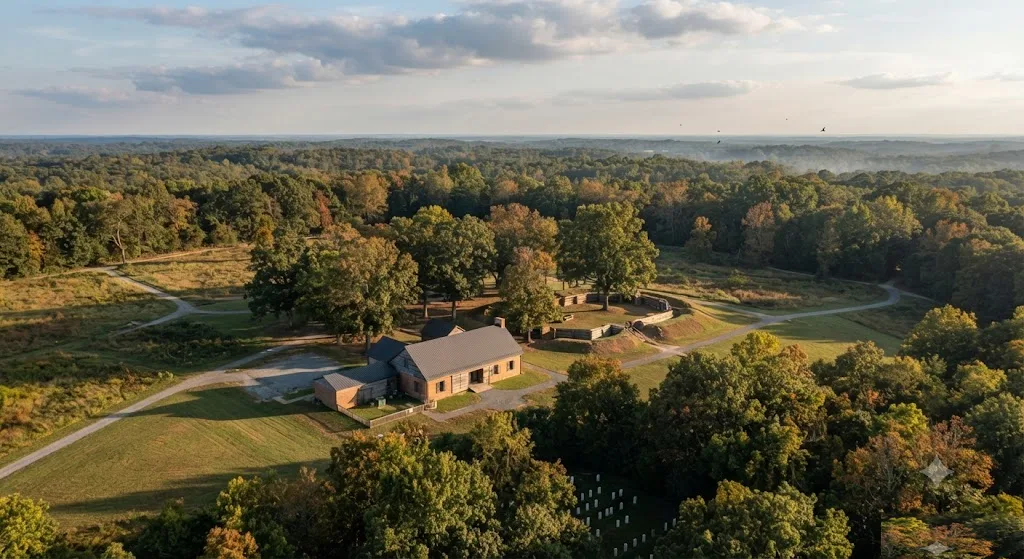
Beyond the historical immersion, the park also offers serene natural landscapes, with many units preserving forests, meadows, and waterways that have remained largely unchanged since the 1860s. It’s a place for quiet contemplation as much as it is for historical discovery, inviting visitors to ponder the events that shaped the nation.
Who It's Best For
Richmond National Battlefield Park is ideal for a wide range of visitors, especially those with a keen interest in American history, particularly the Civil War. History buffs will find themselves engrossed in the detailed interpretive exhibits, ranger programs, and the sheer scale of the preserved battlefields. Families with older children can engage with the past in a meaningful way, fostering a deeper appreciation for this critical period. While younger children might find some of the historical details complex, the outdoor spaces and opportunities for walking can still be engaging. Educators and students will discover a living classroom, rich with primary sources and tangible evidence of historical events. Even those less familiar with the Civil War will find the park's narrative compelling, as it clearly illustrates the strategic importance of Richmond and the intensity of the campaigns fought to defend it. It's also a great destination for outdoor enthusiasts who appreciate combining historical exploration with walking or light hiking in a natural setting.
How to Get There & Parking
Navigating to Richmond National Battlefield Park requires understanding its unique structure: it's not one single location but a collection of sites dispersed around the city of Richmond. The best way to get to Richmond National Battlefield Park is by car, as this allows for the flexibility to explore the various units at your own pace. The primary starting point for many visitors is the Richmond National Battlefield Park Civil War Visitor Center at Tredegar Iron Works, located at 490 Tredegar Street in downtown Richmond. This central location provides an excellent orientation to the park's extensive network of sites.
For parking, you'll find designated areas at most battlefield units. While there are no entrance fees to any of the Richmond National Battlefield Park sites, parking or transportation fees may apply at some locations. For instance, the parking area at Drewry's Bluff has a time limit of sixty minutes. We always recommend checking the official National Park Service website for the most current information regarding parking fees or any potential road closures that might affect your travel plans. Remember that a complete tour of the park involves an 80-mile drive, so having your own vehicle is essential for a comprehensive experience.
Top Things to Do
There are a wealth of things to do at Richmond National Battlefield Park, offering a deep dive into Civil War history and opportunities for outdoor enjoyment. Our team recommends starting your visit at the Civil War Visitor Center at Historic Tredegar, which provides an excellent overview of Richmond's role in the war through exhibits and a 22-minute film. This is where you can pick up a free park service brochure with an excellent map outlining the driving route to the various battlefields.
Among the many things to do at Richmond National Battlefield Park, exploring the individual battlefield units is paramount. Don't miss the Cold Harbor Battlefield, known for its particularly bloody 1864 encounter, where rangers lead walking tours during the summer. The Chimborazo Medical Museum, located at the site of one of the Confederacy's largest hospitals, offers insights into Civil War medicine. Fort Harrison, with its preserved earthworks, offers a glimpse into the defensive strategies. We also suggest visiting Gaines' Mill and Malvern Hill, both crucial sites in the Seven Days' Battles. Many units feature interpretive facilities with audio stations and exhibits, enhancing your understanding of the events that unfolded there. Consider purchasing a CD tour from the bookshop to accompany your driving tour for an enriched experience.
Richmond National Battlefield Park Hiking Trails
For those who enjoy combining history with outdoor activity, the Richmond National Battlefield Park hiking trails offer a unique perspective on the battlegrounds. The park features several trails spread across its 13 units, ideal for hiking, running, or walking. These Richmond National Battlefield Park hiking trails allow you to immerse yourself in the natural settings that once served as crucial strategic points. We recommend exploring the Gaines' Mill battlefield, which has two connected loop trails, including a primary 0.42-mile loop and an extended 0.76-mile loop (when combined), taking you through historic hardwood forests and past significant battle locations. Another excellent option is the Totopotomoy Creek battlefield, featuring a 0.56-mile loop trail that tours fields and gardens around the historic Shelton House.
The Malvern Hill battlefield also provides extensive trails that explore the landscape, allowing hikers to follow the routes of Confederate attacks or explore the Union cannon line. While many trails are considered easy to moderate, offering flat or mostly flat terrain, some sections might involve uneven ground or small hills. Always remember to stay on designated trails to help preserve the historic features of the park. Markers are posted approximately every quarter of a mile along the routes, color-coded to match the trail and indicating your location in case of emergency. Biking is permitted only on the Totopotomoy Creek trail and most park roads.
Is It Worth Visiting?
Our team unequivocally believes that visiting Richmond National Battlefield Park is worth visiting. For anyone with an interest in American history, particularly the Civil War, the park offers an incredibly rich and immersive experience. The sheer scope of the preserved sites, from the Tredegar Iron Works to the various battlefields, provides a comprehensive understanding of the conflict's impact on Richmond, the Confederate capital. It’s a place where you can truly grasp the scale and intensity of the battles fought to defend the city.
Beyond the historical significance, the park provides beautiful natural settings for reflection and outdoor activity. The ability to drive between the disconnected units and explore them at your own pace, coupled with the numerous interpretive exhibits and walking trails, makes for a highly engaging visit. We find that the park's dedication to preserving these hallowed grounds and offering educational opportunities makes Richmond National Battlefield Park worth visiting for a profound and memorable journey into the past.
Best Time to Visit
The best time to visit Richmond National Battlefield Park is during the spring (April to May) and fall (September to October). During these seasons, the weather is generally mild and pleasant, making it ideal for exploring the outdoor battlefields and walking trails. You'll avoid the intense heat and humidity of summer, as well as the colder temperatures of winter. Spring brings blooming dogwoods and redbuds, while fall showcases stunning foliage, adding to the scenic beauty of the historical landscapes. These shoulder seasons also tend to have fewer crowds than the peak summer months, allowing for a more contemplative experience.
While the park grounds are open daily from sunrise to sunset year-round, visitor center hours can vary by season. For instance, the Cold Harbor Battlefield Visitor Center and Chimborazo Medical Museum are generally open Wednesday through Sunday from 9:00 AM to 4:30 PM. The Fort Harrison Visitor Center is closed for 2026. Always check the official NPS website for the most up-to-date operating hours of specific visitor centers and any special events or ranger programs that might be scheduled during your visit.
Where to Stay Nearby
Given the dispersed nature of Richmond National Battlefield Park, choosing where to stay nearby depends on which units you plan to prioritize and what other attractions you wish to explore in the Richmond area. The city offers a wide range of accommodations, from budget-friendly options to more upscale hotels. Since many of the battlefield units require a car to access, staying in a central Richmond location can be convenient for reaching the Tredegar Visitor Center and other downtown historical sites, as well as providing access to restaurants and cultural offerings.
Several hotels are highly rated and situated within a reasonable driving distance of various park units. Options like the Moxy Richmond Downtown are noted for being close to the Tredegar Visitor Center, while others such as the Hampton Inn Richmond - South, Red Roof Inn Richmond South, and Country Inn & Suites by Radisson, Richmond I-95 South, VA, offer good value and accessibility to major roadways. For those looking for more unique stays, some boutique hotels and guesthouses can be found in historic neighborhoods. We recommend checking recent reviews on sites like Expedia or Travelocity to find the best fit for your budget and preferences.
Beyond Richmond, you might consider extending your trip to explore other significant Virginia destinations. The Best Places in Virginia offer a wealth of experiences. For instance, Colonial Williamsburg and Historic Jamestowne provide further insights into early American history, while Arlington National Cemetery offers a poignant tribute to fallen heroes. If you're planning a longer USA Road Trip, consider combining your visit with a scenic drive along the Blue Ridge Parkway Virginia or a thrilling day at Busch Gardens Williamsburg.
Richmond National Battlefield Park Camping
While direct Richmond National Battlefield Park camping is not available within the park units themselves, as the grounds are designated for "Day Use" only from sunrise to sunset, there are several excellent camping options in the surrounding Richmond area and nearby Virginia State Parks. For those seeking a rustic experience, you can find free and cheap camping areas on public lands in the vicinity, such as Wildlife Management Areas (WMAs) like Amelia WMA or Powhatan WMA. These sites often cater to tent camping, car camping, and sometimes small RVs.
For more amenities, we suggest looking into private campgrounds or Virginia State Parks within a reasonable drive. Virginia State Parks offer nearly 2,000 campsites, ranging from primitive hike-in sites to those accommodating large RVs, many with electric and water hookups. Full-service campgrounds in state parks like Pocahontas and Shenandoah River State Parks are open year-round. Some campgrounds, such as "The Wilderness At Belmead" or "City Camp on Reedy Creek" near Richmond, offer unique experiences with access to natural beauty and outdoor activities like swimming, canoeing, and kayaking. When planning your Richmond National Battlefield Park camping trip, we recommend making reservations for state park campsites well in advance, as they can be booked up to 11 months ahead.
Sample 2-Day Itinerary
To fully appreciate the expansive and historically rich Richmond National Battlefield Park, we recommend a two-day itinerary, allowing ample time to explore key sites without feeling rushed. This approach ensures you can delve into the narratives and landscapes that define this crucial Civil War theater.
Day 1: Downtown Richmond & Eastern Battlefields
- Morning (9:00 AM - 12:00 PM): Civil War Visitor Center & Chimborazo Medical Museum
Begin your journey at the Civil War Visitor Center at Historic Tredegar (490 Tredegar Street, Richmond). Dedicate a few hours here to watch the orientation film, explore the exhibits, and pick up your park map and any audio guides. This is the essential starting point to understand the broader context of the park.
Afterward, drive a short distance to the Chimborazo Medical Museum (3215 E Broad St, Richmond). Explore the exhibits detailing the innovative medical practices and immense scale of care provided at what was once one of the Confederacy's largest hospitals.
- Lunch (12:00 PM - 1:00 PM): Downtown Richmond
Enjoy lunch at one of the many restaurants in downtown Richmond, offering a variety of cuisines to suit any taste.
- Afternoon (1:00 PM - 5:00 PM): Gaines' Mill & Cold Harbor Battlefields
Head east to the Gaines' Mill Battlefield (6293 Watt House Rd, Mechanicsville). Spend time walking the primary 0.42-mile loop trail, visualizing the intense fighting that occurred here during the Seven Days' Battles.
Continue to the Cold Harbor Battlefield (5515 Anderson-Wright Dr, Mechanicsville). Visit the Cold Harbor Battlefield Visitor Center (open Wednesday-Sunday, 9:00 AM–4:30 PM in 2026) and take a ranger-led walking tour if available, or explore the 0.56-mile loop trail to understand the devastating frontal assaults that took place here.
- Evening: Dinner in Richmond
Return to Richmond for dinner and relax after a day of historical immersion.
Day 2: Southern Battlefields & Fortifications
- Morning (9:00 AM - 12:00 PM): Malvern Hill & Glendale Battlefields
Start your second day by driving south to the Malvern Hill Battlefield (9742 Willis Church Rd, Richmond). Walk the 1.5-mile loop trail through meadows and fields, exploring the Union's strong defensive position and the final battle of the Seven Days'.
Proceed to the nearby Glendale (Frayser's Farm) Battlefield. While the visitor center here is seasonally open, the grounds offer interpretive markers detailing the fierce fighting to protect the retreating Union army.
- Lunch (12:00 PM - 1:00 PM): Local Eatery
Grab a quick lunch at a local eatery near the southern battlefields or pack a picnic to enjoy at Fort Harrison, which offers picnic facilities.
- Afternoon (1:00 PM - 4:30 PM): Fort Harrison & Drewry's Bluff
Visit Fort Harrison (8621 Battlefield Park Rd, Henrico), a crucial Confederate fortification. Explore the extensive earthworks and the self-guiding walking trail from the visitor center (open Saturdays and Sundays, 9:00 AM–4:30 PM in 2026). Note that the Fort Harrison Visitor Center is closed for 2026.
Conclude your battlefield tour at Drewry's Bluff (7600 Fort Darling Rd, Richmond), a significant naval and land defense site overlooking the James River. Take in the exhibits and enjoy the scenic views, remembering the 60-minute parking limit here.
- Evening: Explore Richmond's Culture
Spend your final evening exploring more of Richmond's vibrant culture, perhaps visiting the Virginia Museum of Fine Arts or enjoying a leisurely stroll along the Canal Walk.
Last updated: 2026-07-12 by the Roam States team.
Richmond National Battlefield Park Travel Guide — Virginia
Welcome to our comprehensive guide to Richmond National Battlefield Park Virginia. Our team understands that planning a visit to a site of such profound historical significance requires careful consideration, and we're here to provide the confident, specific, and actionable advice you need. This isn't generic travel fluff; it's the independent authority you can trust for exploring the aggressive military defense of the Confederate capital during the American Civil War.
Why Visit Richmond National Battlefield Park
Richmond National Battlefield Park offers an unparalleled opportunity to step back in time and witness the pivotal role Richmond played as the Confederate capital during the Civil War. This isn't just a single site; it's a network of more than a dozen disconnected battlefields, fortifications, and historic structures spread across the Richmond area, each telling a piece of the larger narrative. We recommend visiting to gain a profound understanding of the strategic importance of the city, the brutal realities of the conflict, and the immense human cost of the war. From the trenches of Fort Harrison to the medical innovations at Chimborazo Hospital, the park provides a tangible connection to the past that textbooks simply cannot replicate. It's a chance to walk the ground where history was made and reflect on the sacrifices of those who fought on both sides.
Beyond the historical immersion, the park also offers serene natural landscapes, with many units preserving forests, meadows, and waterways that have remained largely unchanged since the 1860s. It’s a place for quiet contemplation as much as it is for historical discovery, inviting visitors to ponder the events that shaped the nation.
Who It's Best For
Richmond National Battlefield Park is ideal for a wide range of visitors, especially those with a keen interest in American history, particularly the Civil War. History buffs will find themselves engrossed in the detailed interpretive exhibits, ranger programs, and the sheer scale of the preserved battlefields. Families with older children can engage with the past in a meaningful way, fostering a deeper appreciation for this critical period. While younger children might find some of the historical details complex, the outdoor spaces and opportunities for walking can still be engaging. Educators and students will discover a living classroom, rich with primary sources and tangible evidence of historical events. Even those less familiar with the Civil War will find the park's narrative compelling, as it clearly illustrates the strategic importance of Richmond and the intensity of the campaigns fought to defend it. It's also a great destination for outdoor enthusiasts who appreciate combining historical exploration with walking or light hiking in a natural setting.
How to Get There & Parking
Navigating to Richmond National Battlefield Park requires understanding its unique structure: it's not one single location but a collection of sites dispersed around the city of Richmond. The best way to get to Richmond National Battlefield Park is by car, as this allows for the flexibility to explore the various units at your own pace. The primary starting point for many visitors is the Richmond National Battlefield Park Civil War Visitor Center at Tredegar Iron Works, located at 490 Tredegar Street in downtown Richmond. This central location provides an excellent orientation to the park's extensive network of sites.
For parking, you'll find designated areas at most battlefield units. While there are no entrance fees to any of the Richmond National Battlefield Park sites, parking or transportation fees may apply at some locations. For instance, the parking area at Drewry's Bluff has a time limit of sixty minutes. We always recommend checking the official National Park Service website for the most current information regarding parking fees or any potential road closures that might affect your travel plans. Remember that a complete tour of the park involves an 80-mile drive, so having your own vehicle is essential for a comprehensive experience.
Top Things to Do
There are a wealth of things to do at Richmond National Battlefield Park, offering a deep dive into Civil War history and opportunities for outdoor enjoyment. Our team recommends starting your visit at the Civil War Visitor Center at Historic Tredegar, which provides an excellent overview of Richmond's role in the war through exhibits and a 22-minute film. This is where you can pick up a free park service brochure with an excellent map outlining the driving route to the various battlefields.
Among the many things to do at Richmond National Battlefield Park, exploring the individual battlefield units is paramount. Don't miss the Cold Harbor Battlefield, known for its particularly bloody 1864 encounter, where rangers lead walking tours during the summer. The Chimborazo Medical Museum, located at the site of one of the Confederacy's largest hospitals, offers insights into Civil War medicine. Fort Harrison, with its preserved earthworks, offers a glimpse into the defensive strategies. We also suggest visiting Gaines' Mill and Malvern Hill, both crucial sites in the Seven Days' Battles. Many units feature interpretive facilities with audio stations and exhibits, enhancing your understanding of the events that unfolded there. Consider purchasing a CD tour from the bookshop to accompany your driving tour for an enriched experience.
Richmond National Battlefield Park Hiking Trails
For those who enjoy combining history with outdoor activity, the Richmond National Battlefield Park hiking trails offer a unique perspective on the battlegrounds. The park features several trails spread across its 13 units, ideal for hiking, running, or walking. These Richmond National Battlefield Park hiking trails allow you to immerse yourself in the natural settings that once served as crucial strategic points. We recommend exploring the Gaines' Mill battlefield, which has two connected loop trails, including a primary 0.42-mile loop and an extended 0.76-mile loop (when combined), taking you through historic hardwood forests and past significant battle locations. Another excellent option is the Totopotomoy Creek battlefield, featuring a 0.56-mile loop trail that tours fields and gardens around the historic Shelton House.
The Malvern Hill battlefield also provides extensive trails that explore the landscape, allowing hikers to follow the routes of Confederate attacks or explore the Union cannon line. While many trails are considered easy to moderate, offering flat or mostly flat terrain, some sections might involve uneven ground or small hills. Always remember to stay on designated trails to help preserve the historic features of the park. Markers are posted approximately every quarter of a mile along the routes, color-coded to match the trail and indicating your location in case of emergency. Biking is permitted only on the Totopotomoy Creek trail and most park roads.
Is It Worth Visiting?
Our team unequivocally believes that visiting Richmond National Battlefield Park is worth visiting. For anyone with an interest in American history, particularly the Civil War, the park offers an incredibly rich and immersive experience. The sheer scope of the preserved sites, from the Tredegar Iron Works to the various battlefields, provides a comprehensive understanding of the conflict's impact on Richmond, the Confederate capital. It’s a place where you can truly grasp the scale and intensity of the battles fought to defend the city.
Beyond the historical significance, the park provides beautiful natural settings for reflection and outdoor activity. The ability to drive between the disconnected units and explore them at your own pace, coupled with the numerous interpretive exhibits and walking trails, makes for a highly engaging visit. We find that the park's dedication to preserving these hallowed grounds and offering educational opportunities makes Richmond National Battlefield Park worth visiting for a profound and memorable journey into the past.
Best Time to Visit
The best time to visit Richmond National Battlefield Park is during the spring (April to May) and fall (September to October). During these seasons, the weather is generally mild and pleasant, making it ideal for exploring the outdoor battlefields and walking trails. You'll avoid the intense heat and humidity of summer, as well as the colder temperatures of winter. Spring brings blooming dogwoods and redbuds, while fall showcases stunning foliage, adding to the scenic beauty of the historical landscapes. These shoulder seasons also tend to have fewer crowds than the peak summer months, allowing for a more contemplative experience.
While the park grounds are open daily from sunrise to sunset year-round, visitor center hours can vary by season. For instance, the Cold Harbor Battlefield Visitor Center and Chimborazo Medical Museum are generally open Wednesday through Sunday from 9:00 AM to 4:30 PM in 2026. The Fort Harrison Visitor Center is closed for 2026. Always check the official NPS website for the most up-to-date operating hours of specific visitor centers and any special events or ranger programs that might be scheduled during your visit.
Where to Stay Nearby
Given the dispersed nature of Richmond National Battlefield Park, choosing where to stay nearby depends on which units you plan to prioritize and what other attractions you wish to explore in the Richmond area. The city offers a wide range of accommodations, from budget-friendly options to more upscale hotels. Since many of the battlefield units require a car to access, staying in a central Richmond location can be convenient for reaching the Tredegar Visitor Center and other downtown historical sites, as well as providing access to restaurants and cultural offerings.
Several hotels are highly rated and situated within a reasonable driving distance of various park units. Options like the Moxy Richmond Downtown are noted for being close to the Tredegar Visitor Center, while others such as the Hampton Inn Richmond - South, Red Roof Inn Richmond South, and Country Inn & Suites by Radisson, Richmond I-95 South, VA, offer good value and accessibility to major roadways. For those looking for more unique stays, some boutique hotels and guesthouses can be found in historic neighborhoods. We recommend checking recent reviews on sites like Expedia or Travelocity to find the best fit for your budget and preferences.
Beyond Richmond, you might consider extending your trip to explore other significant Virginia destinations. The Best Places in Virginia offer a wealth of experiences. For instance, Colonial Williamsburg and Historic Jamestowne provide further insights into early American history, while Arlington National Cemetery offers a poignant tribute to fallen heroes. If you're planning a longer USA Road Trip, consider combining your visit with a scenic drive along the Blue Ridge Parkway Virginia or a thrilling day at Busch Gardens Williamsburg.
Richmond National Battlefield Park Camping
While direct Richmond National Battlefield Park camping is not available within the park units themselves, as the grounds are designated for "Day Use" only from sunrise to sunset, there are several excellent camping options in the surrounding Richmond area and nearby Virginia State Parks. For those seeking a rustic experience, you can find free and cheap camping areas on public lands in the vicinity, such as Wildlife Management Areas (WMAs) like Amelia WMA or Powhatan WMA. These sites often cater to tent camping, car camping, and sometimes small RVs.
For more amenities, we suggest looking into private campgrounds or Virginia State Parks within a reasonable drive. Virginia State Parks offer nearly 2,000 campsites, ranging from primitive hike-in sites to those accommodating large RVs, many with electric and water hookups. Full-service campgrounds in state parks like Pocahontas and Shenandoah River State Parks are open year-round. Some campgrounds, such as "The Wilderness At Belmead" or "City Camp on Reedy Creek" near Richmond, offer unique experiences with access to natural beauty and outdoor activities like swimming, canoeing, and kayaking. When planning your Richmond National Battlefield Park camping trip, we recommend making reservations for state park campsites well in advance, as they can be booked up to 11 months ahead [cite
Richmond National Battlefield Park Travel Guide — Virginia
Welcome to our comprehensive guide to Richmond National Battlefield Park Virginia. Our team understands that planning a visit to a site of such profound historical significance requires careful consideration, and we're here to provide the confident, specific, and actionable advice you need. This isn't generic travel fluff; it's the independent authority you can trust for exploring the aggressive military defense of the Confederate capital during the American Civil War.
Why Visit Richmond National Battlefield Park
Richmond National Battlefield Park offers an unparalleled opportunity to step back in time and witness the pivotal role Richmond played as the Confederate capital during the Civil War. This isn't just a single site; it's a network of more than a dozen disconnected battlefields, fortifications, and historic structures spread across the Richmond area, each telling a piece of the larger narrative [cite: 11, 12]. We recommend visiting to gain a profound understanding of the strategic importance of the city, the brutal realities of the conflict, and the immense human cost of the war. From the trenches of Fort Harrison to the medical innovations at Chimborazo Hospital, the park provides a tangible connection to the past that textbooks simply cannot replicate. It's a chance to walk the ground where history was made and reflect on the sacrifices of those who fought on both sides.
Beyond the historical immersion, the park also offers serene natural landscapes, with many units preserving forests, meadows, and waterways that have remained largely unchanged since the 1860s. It’s a place for quiet contemplation as much as it is for historical discovery, inviting visitors to ponder the events that shaped the nation.
Who It's Best For
Richmond National Battlefield Park is ideal for a wide range of visitors, especially those with a keen interest in American history, particularly the Civil War. History buffs will find themselves engrossed in the detailed interpretive exhibits, ranger programs, and the sheer scale of the preserved battlefields [cite: 12, 21]. Families with older children can engage with the past in a meaningful way, fostering a deeper appreciation for this critical period. While younger children might find some of the historical details complex, the outdoor spaces and opportunities for walking can still be engaging. Educators and students will discover a living classroom, rich with primary sources and tangible evidence of historical events. Even those less familiar with the Civil War will find the park's narrative compelling, as it clearly illustrates the strategic importance of Richmond and the intensity of the campaigns fought to defend it. It's also a great destination for outdoor enthusiasts who appreciate combining historical exploration with walking or light hiking in a natural setting.
How to Get There & Parking
Navigating to Richmond National Battlefield Park requires understanding its unique structure: it's not one single location but a collection of sites dispersed around the city of Richmond [cite: 11, 12]. The best way to get to Richmond National Battlefield Park is by car, as this allows for the flexibility to explore the various units at your own pace. The primary starting point for many visitors is the Richmond National Battlefield Park Civil War Visitor Center at Tredegar Iron Works, located at 490 Tredegar Street in downtown Richmond. This central location provides an excellent orientation to the park's extensive network of sites.
For parking, you'll find designated areas at most battlefield units. While there are no entrance fees to any of the Richmond National Battlefield Park sites, parking or transportation fees may apply at some locations [cite: 7, 24]. For instance, the parking area at Drewry's Bluff has a time limit of sixty minutes. We always recommend checking the official National Park Service website for the most current information regarding parking fees or any potential road closures that might affect your travel plans [cite: 13, 17]. Remember that a complete tour of the park involves an 80-mile drive, so having your own vehicle is essential for a comprehensive experience [cite: 12, 36].
Top Things to Do
There are a wealth of things to do at Richmond National Battlefield Park, offering a deep dive into Civil War history and opportunities for outdoor enjoyment. Our team recommends starting your visit at the Civil War Visitor Center at Historic Tredegar, which provides an excellent overview of Richmond's role in the war through exhibits and a 22-minute film [cite: 12, 14]. This is where you can pick up a free park service brochure with an excellent map outlining the driving route to the various battlefields [cite: 14, 30].
Among the many things to do at Richmond National Battlefield Park, exploring the individual battlefield units is paramount. Don't miss the Cold Harbor Battlefield, known for its particularly bloody 1864 encounter, where rangers lead walking tours during the summer. The Chimborazo Medical Museum, located at the site of one of the Confederacy's largest hospitals, offers insights into Civil War medicine [cite: 3, 14]. Fort Harrison, with its preserved earthworks, offers a glimpse into the defensive strategies. We also suggest visiting Gaines' Mill and Malvern Hill, both crucial sites in the Seven Days' Battles. Many units feature interpretive facilities with audio stations and exhibits, enhancing your understanding of the events that unfolded there. Consider purchasing a CD tour from the bookshop to accompany your driving tour for an enriched experience.
Richmond National Battlefield Park Hiking Trails
For those who enjoy combining history with outdoor activity, the Richmond National Battlefield Park hiking trails offer a unique perspective on the battlegrounds. The park features several trails spread across its 13 units, ideal for hiking, running, or walking. These Richmond National Battlefield Park hiking trails allow you to immerse yourself in the natural settings that once served as crucial strategic points. We recommend exploring the Gaines' Mill battlefield, which has two connected loop trails, including a primary 0.42-mile loop and an extended 0.76-mile loop (when combined), taking you through historic hardwood forests and past significant battle locations [cite: 27, 32]. Another excellent option is the Totopotomoy Creek battlefield, featuring a 0.56-mile loop trail that tours fields and gardens around the historic Shelton House.
The Malvern Hill battlefield also provides extensive trails that explore the landscape, allowing hikers to follow the routes of Confederate attacks or explore the Union cannon line [cite: 27, 29]. While many trails are considered easy to moderate, offering flat or mostly flat terrain, some sections might involve uneven ground or small hills [cite: 15, 28]. Always remember to stay on designated trails to help preserve the historic features of the park [cite: 12, 27]. Markers are posted approximately every quarter of a mile along the routes, color-coded to match the trail and indicating your location in case of emergency. Biking is permitted only on the Totopotomoy Creek trail and most park roads.
Is It Worth Visiting?
Our team unequivocally believes that visiting Richmond National Battlefield Park is worth visiting. For anyone with an interest in American history, particularly the Civil War, the park offers an incredibly rich and immersive experience. The sheer scope of the preserved sites, from the Tredegar Iron Works to the various battlefields, provides a comprehensive understanding of the conflict's impact on Richmond, the Confederate capital [cite: 12, 26]. It’s a place where you can truly grasp the scale and intensity of the battles fought to defend the city.
Beyond the historical significance, the park provides beautiful natural settings for reflection and outdoor activity. The ability to drive between the disconnected units and explore them at your own pace, coupled with the numerous interpretive exhibits and walking trails, makes for a highly engaging visit. We find that the park's dedication to preserving these hallowed grounds and offering educational opportunities makes Richmond National Battlefield Park worth visiting for a profound and memorable journey into the past.
Best Time to Visit
The best time to visit Richmond National Battlefield Park is during the spring (April to May) and fall (September to October). During these seasons, the weather is generally mild and pleasant, making it ideal for exploring the outdoor battlefields and walking trails. You'll avoid the intense heat and humidity of summer, as well as the colder temperatures of winter. Spring brings blooming dogwoods and redbuds, while fall showcases stunning foliage, adding to the scenic beauty of the historical landscapes. These shoulder seasons also tend to have fewer crowds than the peak summer months, allowing for a more contemplative experience.
While the park grounds are open daily from sunrise to sunset year-round, visitor center hours can vary by season [cite: 2, 13]. For instance, the Cold Harbor Battlefield Visitor Center and Chimborazo Medical Museum are generally open Wednesday through Sunday from 9:00 AM to 4:30 PM in 2026 [cite: 2, 3]. The Fort Harrison Visitor Center is closed for 2026 [cite: 2, 3]. Always check the official NPS website for the most up-to-date operating hours of specific visitor centers and any special events or ranger programs that might be scheduled during your visit [cite: 13, 19].
Where to Stay Nearby
Given the dispersed nature of Richmond National Battlefield Park, choosing where to stay nearby depends on which units you plan to prioritize and what other attractions you wish to explore in the Richmond area. The city offers a wide range of accommodations, from budget-friendly options to more upscale hotels. Since many of the battlefield units require a car to access, staying in a central Richmond location can be convenient for reaching the Tredegar Visitor Center and other downtown historical sites, as well as providing access to restaurants and cultural offerings.
Several hotels are highly rated and situated within a reasonable driving distance of various park units. Options like the Moxy Richmond Downtown are noted for being close to the Tredegar Visitor Center, while others such as the Hampton Inn Richmond - South, Red Roof Inn Richmond South, and Country Inn & Suites by Radisson, Richmond I-95 South, VA, offer good value and accessibility to major roadways [cite: 4, 5, 10]. For those looking for more unique stays, some boutique hotels and guesthouses can be found in historic neighborhoods. We recommend checking recent reviews on sites like Expedia or Travelocity to find the best fit for your budget and preferences [cite: 4, 5, 6].
Beyond Richmond, you might consider extending your trip to explore other significant Virginia destinations. The Best Places in Virginia offer a wealth of experiences. For instance, Colonial Williamsburg and Historic Jamestowne provide further insights into early American history, while Arlington National Cemetery offers a poignant tribute to fallen heroes. If you're planning a longer USA Road Trip, consider combining your visit with a scenic drive along the Blue Ridge Parkway Virginia or a thrilling day at Busch Gardens Williamsburg.
Richmond National Battlefield Park Camping
While direct Richmond National Battlefield Park camping is not available within the park units themselves, as the grounds are designated for "Day Use" only from sunrise to sunset, there are several excellent camping options in the surrounding Richmond area and nearby Virginia State Parks. For those seeking a rustic experience, you can find free and cheap camping areas on public lands in the vicinity, such as Wildlife Management Areas (WMAs) like Amelia WMA or Powhatan WMA. These sites often cater to tent camping, car camping, and sometimes small RVs.
For more amenities, we suggest looking into private campgrounds or Virginia State Parks within a reasonable drive. Virginia State Parks offer nearly 2,000 campsites, ranging from primitive hike-in sites to those accommodating large RVs, many with electric and water hookups. Full-service campgrounds in state parks like Pocahontas and Shenandoah River State Parks are open year-round. Some campgrounds, such as "The Wilderness At Belmead" or "City Camp on Reedy Creek" near Richmond, offer unique experiences with access to natural beauty and outdoor activities like swimming, canoeing, and kayaking. When planning your Richmond National Battlefield Park camping trip, we recommend making reservations for state park campsites well in advance, as they can be booked up to 11 months ahead [cite