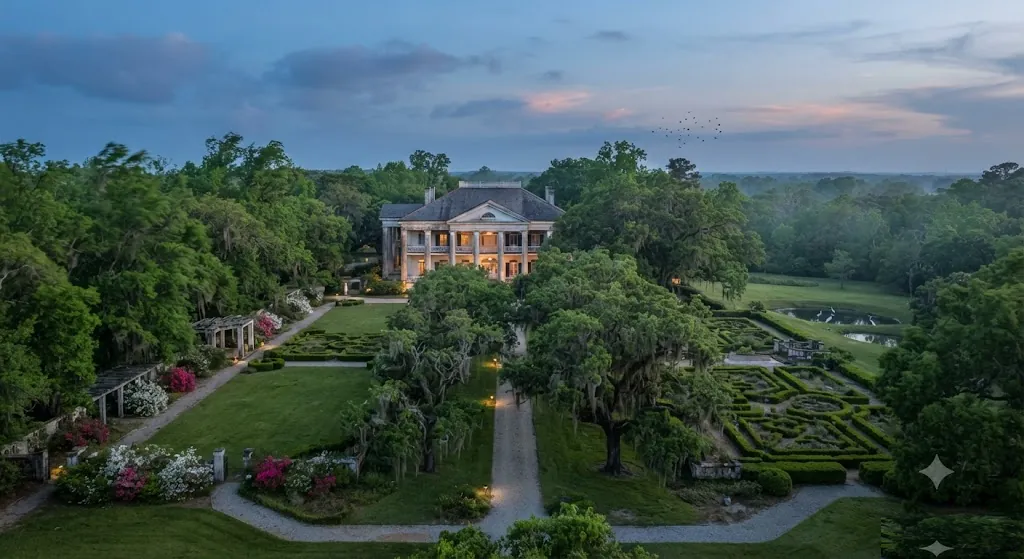
Our Rosedown Plantation State Historic Site guide covers practical planning for Rosedown Plantation State Historic Site Louisiana — best time to visit, getting there, and what to do on the ground.
For travelers seeking a profound connection to the American South's rich, complex history, a visit to Rosedown Plantation State Historic Site Louisiana is an essential experience. Our team at Roam States has meticulously compiled this guide to ensure your journey through this magnificent antebellum estate is as informative and enriching as possible. Renowned for its 28 acres of meticulously preserved gardens and its historic 1835 home, Rosedown offers an unparalleled glimpse into 19th-century plantation life and the nuanced stories of its inhabitants. We delve beyond the superficial, providing you with the confidence to plan a trip that respects the past while appreciating the site's enduring beauty.
Why Visit Rosedown Plantation State Historic Site
When we recommend a destination, we look for places that offer more than just a fleeting attraction – we seek immersive experiences that resonate long after you've returned home. Rosedown Plantation State Historic Site delivers precisely that. This isn't merely a house museum; it's a meticulously preserved landscape that tells a multifaceted story of wealth, labor, horticulture, and resilience in the antebellum South. The site, established in 1835 by Daniel and Martha Turnbull, was once a vast cotton operation, making the Turnbulls among the wealthiest families in the region.
What truly sets Rosedown apart are its extraordinary gardens, a passion project of Martha Turnbull, who meticulously documented her horticultural endeavors in extensive diaries. These 28 acres of formal gardens, inspired by European grand tours, were among the few privately maintained formal gardens in the 19th-century United States. Walking through the majestic oak allee, past ancient camellias, azaleas, and intricate parterres, you'll witness a living testament to Martha's vision and the immense labor that sustained it. The gardens are not just beautiful; they are a historical record in themselves, with many original plant species replanted during the site's restoration in the 1950s.
Beyond the botanical splendor, the Greek Revival mansion itself is a treasure trove of history, housing a surprising amount of original furnishings and imported European decor that survived the Civil War. A guided tour of the main house provides intimate insights into the domestic life of the planter class, showcasing architectural details, historic wallpaper, and family artifacts. However, it's crucial to acknowledge that the grandeur of Rosedown was built upon the forced labor of enslaved people. The site, now a National Historic Landmark, strives to interpret this complex history, offering a more complete understanding of the lives of all who lived and worked here.
For those interested in the broader historical context of Louisiana, Rosedown is a vital piece of the puzzle. It stands as one of the most intact and documented plantation complexes in the Southern United States, providing a unique educational opportunity. We find that understanding the history of places like Rosedown enriches any trip through Louisiana, complementing visits to other significant sites such as the Houmas House Mansion or the Oak Alley Plantation, each offering a different perspective on the state's past.
Who It's Best For
Rosedown Plantation State Historic Site is a destination that appeals to a diverse range of visitors, offering something for history buffs, garden enthusiasts, and families alike. We believe it's particularly well-suited for:
- History Aficionados: If you're captivated by 19th-century American history, particularly the antebellum South and the Civil War era, Rosedown offers a deeply authentic experience. The preserved mansion, original furnishings, and extensive documentation provide a tangible connection to the past. The site's status as a National Historic Landmark underscores its significance in understanding the domestic world of wealthy planters and the system of slavery that supported it.
- Garden Enthusiasts: Martha Turnbull's 28 acres of formal gardens are a horticultural marvel. Those with a passion for gardening, landscape design, or botanical history will find endless inspiration and beauty here. The restoration efforts, which utilized Martha's detailed diaries to replant original species, make these gardens a living museum of 19th-century plant life.
- Families with Older Children: While younger children might find the historical interpretation less engaging, older children and teenagers can gain a valuable educational experience. The site provides a powerful context for discussions about American history, slavery, and the lives of people from different social strata. We recommend preparing them for the complex narratives they will encounter.
- Photography Buffs: The stunning architecture, the sweeping oak allee, the vibrant gardens, and the historic outbuildings offer countless opportunities for breathtaking photography, especially during spring blooms or the golden hours of dawn and dusk.
- Those Seeking a Deeper Understanding of Louisiana: For visitors who want to move beyond the typical tourist spots and gain a more nuanced appreciation of Louisiana's heritage, Rosedown is an invaluable stop. It provides a window into the state's economic and social structures during a pivotal period.
We find that Rosedown offers a contemplative experience, encouraging visitors to reflect on the past and its ongoing relevance. It’s an ideal complement to other Louisiana historical sites, enriching a broader understanding of the region's unique cultural tapestry.
Getting There & Parking
Reaching Rosedown Plantation State Historic Site is straightforward, as it's conveniently located in St. Francisville, Louisiana, along a historic corridor often referred to as the Great River Road. Our team advises planning your route to make the most of the scenic drive through West Feliciana Parish.
By Car:
- From Baton Rouge: Rosedown is approximately 40 minutes northwest of Baton Rouge. We recommend taking US-61 North. Upon entering St. Francisville, turn right onto Highway 10. Rosedown Plantation State Historic Site will be on your right.
- From New Orleans: The drive from New Orleans typically takes about two hours. We suggest taking I-10 West to Baton Rouge, then following the directions above for Baton Rouge. Alternatively, consider a more scenic route along the River Road (Highway 61) for a glimpse of other historic plantations along the way. For those planning an extensive journey, our USA Road Trip Planner can help integrate this stop into a larger adventure.
- From Natchez, Mississippi: Rosedown is about an hour's drive south of Natchez, following US-61 South.
The physical address for GPS navigation is 12501 Highway 10, St. Francisville, LA 70775.
Parking:
Upon arrival, you'll find ample parking available on-site. The Rosedown Plantation State Historic Site offers designated parking areas, including bus parking, which makes it convenient for both individual visitors and tour groups. We've found that parking is generally not an issue, even during busier times, allowing for a stress-free start to your visit. There are no specific fees mentioned for parking, as it is included as an amenity of the site.
We always recommend double-checking the official Explore Louisiana website or the Louisiana State Parks website for any last-minute advisories regarding road closures or special event parking, though these are rare for Rosedown's general operations.
Top Things to Do
A visit to Rosedown Plantation State Historic Site offers a wealth of activities that allow you to fully immerse yourself in its history and natural beauty. Our team has highlighted the essential things to do at Rosedown Plantation State Historic Site to ensure you experience its most compelling features.
- Take a Guided House Tour: This is arguably the centerpiece of any visit. Knowledgeable guides lead you through the meticulously preserved 1835 Greek Revival mansion, sharing stories of the Turnbull family and the enslaved people who built and maintained the estate. You'll see original furnishings, imported European decor, and architectural details that paint a vivid picture of 19th-century plantation life. Guided house tours are typically offered hourly, with the last tour of the day at 4:00 p.m. The fee for a guided house tour is $12 for adults (ages 7-61) and $10 for seniors (62 and over), which includes access to the grounds and gardens.
- Explore the 28 Acres of Formal Gardens: Even if you opt out of the house tour, we highly recommend dedicating significant time to wandering Martha Turnbull's magnificent gardens. These 28 acres, influenced by European designs, are a horticultural masterpiece featuring ancient live oaks, camellias, azaleas, and intricate parterres. The gardens are a primary reason many visitors come to Rosedown, offering a serene and beautiful environment for strolling and reflection. Look for the majestic oak allee that leads to the main house.
- Visit the Historic Outbuildings: Beyond the main house, Rosedown Plantation State Historic Site preserves 13 historic outbuildings. These structures, including the detached kitchen, slave cabins (though the exact number of original slave cabins visible to the public isn't always specified, the site's interpretation of slavery is a crucial aspect of understanding the plantation's history), and other service buildings, provide critical context to the daily operations of a working plantation and the lives of all its inhabitants.
- Learn About the Lives of Enslaved People: Rosedown Plantation State Historic Site is committed to interpreting the lives of the enslaved individuals who were integral to its operation. While the focus has historically been on the planter family, the site increasingly offers insights into the experiences and contributions of the approximately 250-450 enslaved people who lived and worked there during its peak. We encourage visitors to engage with these narratives to gain a more complete understanding of the plantation's history.
- Enjoy Birdwatching: The extensive gardens and mature trees, including over 100 live oaks, make Rosedown an excellent spot for birdwatching. During spring (March-May) and fall (August-October) migrations, you might spot Eastern Kingbirds, Red-eyed Vireos, Wood Thrushes, and various warblers. The ponds also attract wading birds like Great Blue Herons.
These things to do at Rosedown Plantation State Historic Site combine historical education with natural appreciation, making for a truly memorable visit.
Best Time to Visit
Choosing the optimal time to visit Rosedown Plantation State Historic Site can significantly enhance your experience, particularly if you're keen on seeing the gardens at their peak or enjoying comfortable weather. Our team has identified the best periods based on climate, floral displays, and crowd levels.
- Spring (March to May): We consider spring to be the absolute best time to visit. This is when Martha Turnbull's renowned 28-acre gardens burst into spectacular bloom. You'll witness a vibrant display of azaleas, camellias, roses, and other seasonal flowers beneath the ancient oaks draped with Spanish moss. The weather during spring is typically mild and pleasant, making it ideal for strolling through the extensive grounds. Spring also coincides with peak bird migration, offering excellent birdwatching opportunities. Events like the St. Francisville Garden Stroll, which includes Rosedown's gardens, often take place in early May, presenting a unique chance to experience local horticulture.
- Fall (September to November): Fall offers another excellent window for a visit. The oppressive summer heat and humidity begin to recede, and the weather becomes comfortably cool. While the spring blooms are past, the gardens still offer lush greenery and the changing foliage of some deciduous trees adds a different kind of beauty. Fall is also a good time for bird migration, similar to spring.
- Winter (December to February): Winter can be a quieter time to visit, with fewer crowds. The weather is generally cool, though occasional cold snaps can occur. While the gardens won't be in full bloom, the structural beauty of the landscape, the majestic live oaks, and the historic architecture remain impressive. This season might be preferred by those who prioritize a more solitary experience and focus on the historical aspects of the house without the distraction of peak floral displays.
- Summer (June to August): We generally advise caution when planning a summer visit, especially for those sensitive to heat and humidity. Louisiana summers are notoriously hot and humid, which can make extended outdoor exploration of the gardens less comfortable. However, if summer is your only option, we recommend visiting early in the morning when temperatures are cooler and staying hydrated. The gardens are still beautiful, but the experience might be less enjoyable for some.
Ultimately, for the most vibrant and comfortable experience, we confidently recommend planning your trip to Rosedown Plantation State Historic Site during the spring or fall months.
Where to Stay Nearby
Finding comfortable and convenient Rosedown Plantation State Historic Site lodging is key to a relaxing visit. St. Francisville, the charming town where Rosedown is located, offers a variety of accommodations, from historic inns to modern hotels. Our team has scouted the best options to ensure your stay is as enjoyable as your exploration of the plantation.
- Best Western St. Francisville Hotel: Located conveniently on US-61, this is a popular choice for its reliability and proximity. It's an informal hotel in the town center, about a 13-minute walk from Rosedown Plantation State Historic Site. As the only branded hotel in the immediate area, it offers amenities like a free continental hot breakfast, a business center, and a fitness center. We find it to be a solid option for those seeking a familiar and comfortable stay.
- The Myrtles Plantation: For a truly unique and atmospheric experience, consider staying at The Myrtles Plantation. Just 1.3 miles from Rosedown, this historic home, dating from 1796, is famously reputed to be one of America's most haunted homes. You can even take evening tours focusing on its history and alleged paranormal activity. While perhaps not for the faint of heart, it offers an unforgettable stay steeped in local lore.
- St. Francisville Inn & Spa: This quaint, restored 19th-century Victorian inn provides a more boutique lodging experience. It's centrally located and known for its charm, wine parlor, and pool. It offers a refined base for exploring St. Francisville and the surrounding area.
- Hotel Francis: Situated very close to Rosedown Plantation State Historic Site, approximately 0.4 miles away, Hotel Francis is another nearby option. While reviews vary, its proximity is a significant advantage for those prioritizing convenience.
- Greenwood Plantation B&B: Located about 9.6 miles from Rosedown, Greenwood Plantation B&B offers a chance to experience another historic plantation setting. This 3.5-star property is well-regarded and provides a beautiful, serene environment.
- Cypress Inn / False River Hotel: These options are a bit further out, about 9 miles from Rosedown, located closer to False River. They might appeal to those looking for lakeside views or a different ambiance, though they require a short drive to Rosedown.
When considering Rosedown Plantation State Historic Site lodging, we recommend booking in advance, especially during peak seasons like spring, to secure your preferred accommodation. Many hotels offer flexible booking options, which we always advise checking.
Sample 2-Day Itinerary
To fully appreciate the historical depth and natural beauty of Rosedown Plantation State Historic Site and its charming surroundings, we've crafted a comprehensive 2-day itinerary. This plan allows for immersive exploration without feeling rushed, ensuring you capture the essence of this unique corner of Louisiana.
Day 1: Rosedown's Grandeur and St. Francisville's Charm
- Morning (9:00 AM - 1:00 PM): Immerse Yourself in Rosedown Plantation State Historic Site
- Arrive promptly at Rosedown Plantation State Historic Site. We recommend starting your day here to take advantage of cooler temperatures, especially outside of spring and fall.
- Begin with a guided house tour to gain an understanding of the Turnbull family's life and the architecture of the 1835 mansion. The tour provides crucial context for the entire estate.
- After the house tour, dedicate ample time to explore the 28 acres of formal gardens at your own pace. Wander through the oak allee, discover the various parterres, and appreciate Martha Turnbull's horticultural legacy. Don't forget to visit the historic outbuildings to understand the broader plantation operations.
- Lunch (1:00 PM - 2:00 PM): Local Flavors in St. Francisville
- Head into the charming town of St. Francisville for lunch. We suggest trying one of the local cafes or restaurants mentioned in search results, such as Magnolia Cafe or The Francis Smokehouse&Specialty Meats for a taste of Southern cuisine.
- Afternoon (2:00 PM - 5:00 PM): Historic St. Francisville Exploration
- Spend your afternoon exploring the historic district of St. Francisville. Stroll along Main Street, browsing antique shops, art galleries, and local boutiques.
- Visit Grace Episcopal Church & Cemetery, a beautiful historic site often included in local garden tours.
- Consider a visit to the West Feliciana Historical Society and Museum to delve deeper into the town's history.
- Evening: Dinner and Rest
- Enjoy dinner at one of St. Francisville's acclaimed eateries, such as The Saint at the St. Francisville Inn.
- Retire to your chosen Rosedown Plantation State Historic Site lodging, whether it's the historic Myrtles Plantation or the comfortable Best Western St. Francisville Hotel.
Day 2: Beyond Rosedown – Plantations, Nature, and Local Gems
- Morning (9:00 AM - 12:00 PM): Myrtles Plantation or Audubon State Historic Site
- Choose your morning adventure:
- Option A (History & Mystery): The Myrtles Plantation. Just a short drive from St. Francisville, take a tour of this famously haunted plantation. Its intriguing history and spectral tales offer a different perspective on Louisiana's past.
- Option B (Nature & History): Audubon State Historic Site (Oakley Plantation). Explore the former home of naturalist John James Audubon, where he tutored and documented many of his bird studies. The site offers nature trails and insights into 19th-century Louisiana life.
- Choose your morning adventure:
- Lunch (12:00 PM - 1:00 PM): Picnic or Local Eatery
- Grab a picnic lunch from a local deli like The Francis Smokehouse and Specialty Meats to enjoy at a scenic spot, or try another St. Francisville restaurant you haven't visited yet.
- Afternoon (1:00 PM - 5:00 PM): Nature or Further Exploration
- Option A (Nature Immersion): Cat Island National Wildlife Refuge or Tunica Hills Wildlife Management Area. For outdoor enthusiasts, these sites offer opportunities for hiking, wildlife viewing, and experiencing Louisiana's unique ecosystems. Cat Island is home to a champion bald cypress tree and diverse wildlife. Tunica Hills offers challenging trails through dense hardwood forests.
- Option B (Historical Depth): Port Hudson State Historic Site. Explore the site of a significant Civil War siege, offering miles of trails through rugged terrain and historical markers.
- Option C (Road Trip Extension): If you're planning a longer trip through Louisiana, consider heading towards the Atchafalaya National Basin for swamp tours or exploring Avery Island & Tabasco. A Cajun Country Swamp Tour is a fantastic way to experience a different side of Louisiana's natural beauty.
- Evening: Departure or Extended Stay
- Depending on your travel plans, you can begin your journey home or enjoy another evening in St. Francisville, perhaps revisiting a favorite spot or trying a new dining experience.
This itinerary provides a robust framework, but we always encourage travelers to adapt it to their interests and pace. Remember to check the operating hours and any potential reservation requirements for each attraction before your visit. For more planning resources, consult our comprehensive Plan Your US Trip guide.
Frequently Asked Questions
Rosedown Plantation State Historic Site with kids
Visiting Rosedown Plantation State Historic Site with kids can be an enriching experience, particularly for older children who can engage with the historical narratives. While the guided house tours might be less captivating for very young children, the expansive 28-acre gardens offer plenty of space for them to explore and enjoy the outdoors. We recommend focusing on the natural beauty and the sheer scale of the estate for younger visitors. For older children, the stories of 19th-century life, both of the planter family and the enslaved people, can spark important discussions about history and society. The site's outbuildings also provide tangible examples of how people lived and worked. We suggest preparing children in advance with some historical context to help them appreciate the visit more deeply.
Best hotels near Rosedown Plantation State Historic Site
The best hotels near Rosedown Plantation State Historic Site offer a mix of convenience and local charm. The Best Western St. Francisville Hotel is a reliable and close option, located just a 13-minute walk away. For a unique, historic stay, The Myrtles Plantation, about 1.3 miles from Rosedown, provides an unforgettable experience, complete with ghost tours. The St. Francisville Inn & Spa offers a charming boutique atmosphere in the heart of town. Other nearby choices include Hotel Francis and, a bit further out, Greenwood Plantation B&B. We recommend considering your preference for modern amenities versus historical ambiance when choosing your Rosedown Plantation State Historic Site lodging.
Rosedown Plantation State Historic Site tips
To make the most of your visit to Rosedown Plantation State Historic Site, our team offers these essential tips:
- Visit in Spring or Fall: For the most comfortable weather and to see the gardens in their full glory, plan your trip during spring (March-May) or fall (September-November).
- Take the Guided House Tour: It provides invaluable historical context and access to the mansion's interior.
- Allow Ample Time for Gardens: The 28 acres of gardens are a highlight and deserve significant exploration time.
- Wear Comfortable Shoes: You'll be doing a lot of walking, both indoors and across the expansive grounds.
- Stay Hydrated: Especially if visiting during warmer months, carry water.
- Check Hours and Fees: Always verify current operating hours (9 a.m. to 5 p.m. daily, closed Thanksgiving, Christmas, and New Year's Day) and admission fees ($7 general admission, $12 guided house tour for adults) before your visit.
- Consider the Full History: Engage with the narratives of both the Turnbull family and the enslaved people to gain a complete understanding of the plantation's past.
Where to stay near Rosedown Plantation State Historic Site
When deciding where to stay near Rosedown Plantation State Historic Site, you have several excellent choices primarily within St. Francisville. The Best Western St. Francisville Hotel is a reliable option for those seeking standard hotel amenities and is within walking distance. For a more historic and potentially "spirited" experience, The Myrtles Plantation offers rooms and is very close by. The St. Francisville Inn & Spa provides a charming, upscale boutique stay. Other accommodations like Hotel Francis, Cypress Inn, and Greenwood Plantation B&B are also available, catering to different preferences and budgets. We advise booking your Rosedown Plantation State Historic Site lodging in advance, particularly during peak travel seasons, to secure your preferred spot.
Rosedown Plantation State Historic Site parking
Parking at Rosedown Plantation State Historic Site is readily available and convenient for visitors. The site provides designated parking areas for both individual vehicles and buses. We have found that parking is generally not an issue, even on busier days, allowing for easy access to the historic home and gardens. There are no additional fees specifically for parking, as it is included as an amenity of the state historic site. The ease of parking contributes to a stress-free start to your exploration of this magnificent Louisiana landmark.
Best time to visit Rosedown Plantation State Historic Site
The best time to visit Rosedown Plantation State Historic Site is during the spring (March to May) or fall (September to November) months. In spring, the 28 acres of formal gardens are in spectacular full bloom with azaleas, camellias, and roses, creating a breathtaking display. The weather during these seasons is also typically mild and pleasant, ideal for extended walks through the expansive grounds. Fall offers comfortable temperatures and beautiful foliage, though the major floral displays of spring will have passed. Both spring and fall are excellent for birdwatching. While Rosedown is open year-round, we generally advise against visiting in the peak of summer due to high heat and humidity, which can make outdoor exploration less enjoyable.
Conclusion
Rosedown Plantation State Historic Site stands as a testament to Louisiana's complex past, offering visitors an unparalleled opportunity to step back in time. From the grandeur of its Greek Revival mansion, filled with original furnishings, to the breathtaking 28 acres of meticulously restored gardens, the site provides a rich tapestry of history, horticulture, and human stories. Our team at Roam States confidently recommends Rosedown as a premier destination for those seeking a deep, authentic understanding of the antebellum South, encouraging a thoughtful engagement with both its beauty and its challenging narratives. Whether you're a history enthusiast, a garden lover, or simply a traveler seeking unique insights, Rosedown Plantation State Historic Site Louisiana promises an educational and profoundly moving experience.
Last updated: 2026-07-13 by the Roam States team.