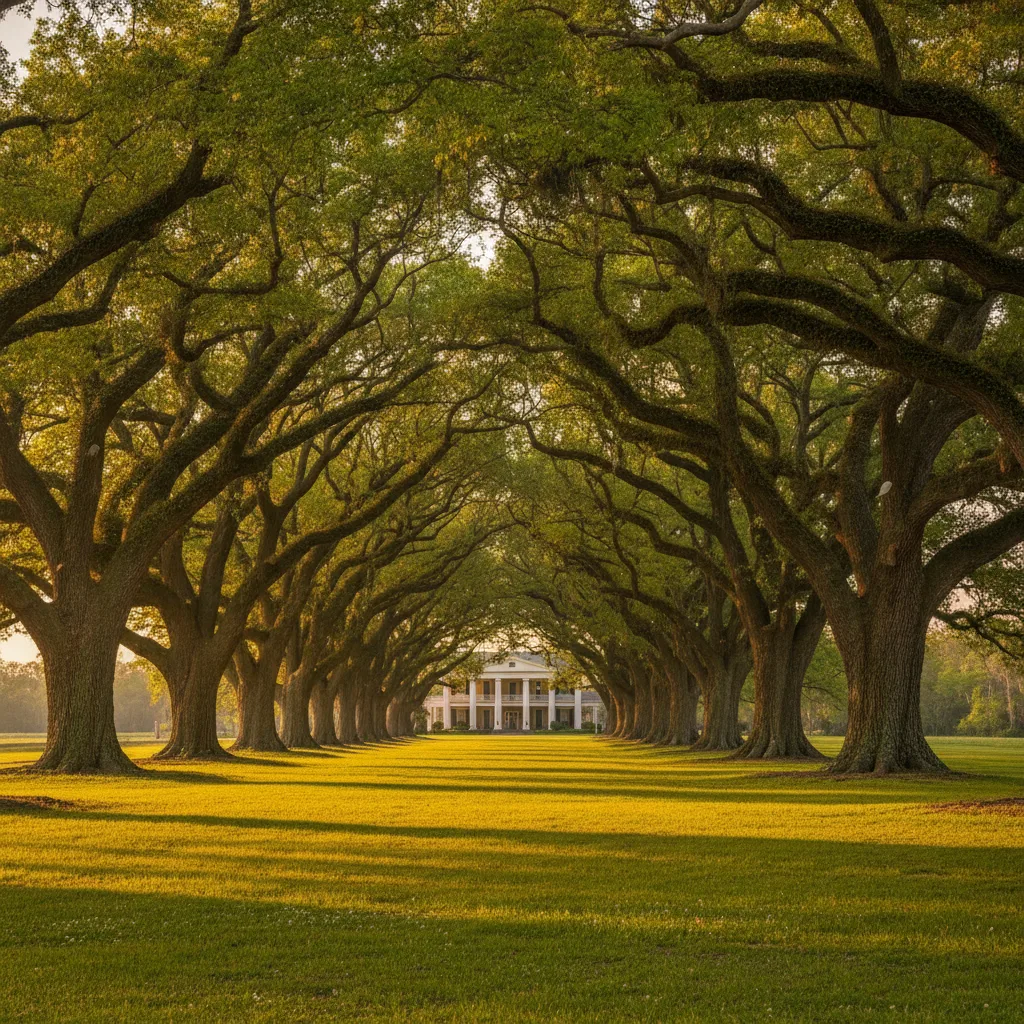
Oak Alley Plantation Travel Guide — Louisiana
Welcome to our definitive guide for experiencing the grandeur and complex history of Oak Alley Plantation Louisiana. As the Visit America editorial team, we pride ourselves on delivering confident, specific, and genuinely helpful travel advice, steering clear of generic fluff. Our insights are designed to arm you with all the verified 2026 facts you need to plan an unforgettable journey to this iconic National Historic Landmark on the Mississippi River.
Why Visit Oak Alley Plantation
Stepping onto the grounds of Oak Alley Plantation is like entering a living postcard, a scene etched into the collective imagination of the American South. What draws countless visitors each year isn't just the breathtaking beauty, but the profound layers of history that permeate every inch of this iconic site. We believe a visit here offers a unique opportunity to connect with a pivotal, often challenging, period of American history, presented with a commitment to both grandeur and truth. The plantation stands as a testament to architectural ambition, agricultural innovation, and the deeply troubling institution of slavery that fueled it all. It’s a place for reflection, learning, and truly understanding the forces that shaped Louisiana and the nation. From the moment you approach, the quarter-mile canopy of 28 majestic live oak trees, believed to be nearly 300 years old, creates an awe-inspiring avenue leading to the Greek Revival mansion. This spectacular natural tunnel is undeniably one of the most photographed sights in the South, and for good reason. Beyond the visual splendor, Oak Alley Plantation offers a comprehensive visitor experience that delves into the lives of both the planter families and the enslaved people who lived and worked here, providing a crucial, multifaceted perspective on the past.
Who It's Best For
Oak Alley Plantation caters to a diverse range of travelers, each seeking something unique from their visit to Louisiana's historic River Road. History enthusiasts will find themselves immersed in detailed exhibits and guided tours that illuminate antebellum life, sugarcane production, and the realities of slavery. Photographers, from amateur to professional, will be captivated by the iconic oak alley, the mansion's architecture, and the lush gardens, offering endless opportunities for stunning shots. Couples often find the romantic ambiance of the oak-lined path and picturesque grounds to be ideal for a memorable outing. Families, too, can find value, as the site offers an educational experience for older children and plenty of space for younger ones to explore (more on visiting with kids below). Whether you're a solo traveler seeking quiet contemplation, a group eager for a shared historical experience, or someone simply looking to witness one of America's most beautiful landscapes, Oak Alley provides a rich and rewarding experience. It's a destination that encourages visitors to engage with history on multiple levels, making it suitable for anyone with an open mind and a desire to learn.
Is It Worth Visiting?
Our team unequivocally agrees that Oak Alley Plantation is worth visiting. It's not merely a beautiful historic home; it's a National Historic Landmark dedicated to preserving and interpreting a complex past. The immersive experience goes beyond the "Big House" tour, extending to exhibits that thoughtfully explore the lives of the enslaved people, the mechanics of sugarcane production, and the evolution of the plantation over time. Visitors consistently praise the knowledgeable guides who bring the stories to life, offering insights into both the opulent lifestyle of the owners and the harsh realities faced by those in bondage. The sheer beauty of the oak alley itself is a powerful draw, often cited as a highlight. However, the value of Oak Alley Plantation truly lies in its commitment to a comprehensive historical narrative, making it a significant educational site. If you're seeking a destination that combines stunning scenery with profound historical learning, then yes, Oak Alley Plantation is absolutely worth visiting.
Getting There & Parking
Reaching Oak Alley Plantation Louisiana is a straightforward journey, though planning your transportation is key. The plantation is conveniently located on the Mississippi River's Great River Road in Vacherie, Louisiana, roughly an hour's drive from both New Orleans and Baton Rouge. We strongly recommend having your own vehicle or arranging for tour transportation, as rideshare and taxi services are not reliably available in the immediate area around Oak Alley. If you're driving from New Orleans, expect a scenic route that takes you away from the city bustle and into the heart of Louisiana's plantation country. From the French Quarter, the drive to Oak Alley Plantation is approximately 70 miles. Detailed directions are readily available on the plantation's official website, and we advise allowing a minimum of one hour for the drive from either major city.
Once you arrive, parking at Oak Alley Plantation is ample and free of charge, with designated areas for both cars and buses. This makes self-driving an easy and convenient option. For those who prefer not to drive, numerous tour companies offer round-trip transportation from New Orleans hotels, often combining a visit to Oak Alley with a swamp tour or another nearby plantation. These tours typically include hotel pickup and drop-off, providing a hassle-free way to experience the site. We recommend booking these in advance, especially during peak travel seasons, to secure your spot. Whether you choose to drive yourself or opt for a guided tour, getting to Oak Alley Plantation is part of the experience, offering glimpses of the unique Louisiana landscape.
Top Things to Do
There are a multitude of enriching things to do at Oak Alley Plantation, ensuring a comprehensive and memorable visit. Our team suggests allocating at least two hours to explore the historic site and its various exhibits.
- Walk the Iconic Oak Alley: The quarter-mile avenue of 28 live oak trees is the plantation's most famous feature and a must-see. Stroll beneath their ancient, moss-draped branches, imagining centuries of history unfolding under their shade. This is truly one of the most picturesque things to do at Oak Alley Plantation.
- Tour the "Big House": Take a guided tour of the 1839 Greek Revival mansion. Knowledgeable guides, often in period dress, share compelling stories about the plantation's architecture, its former inhabitants, and the complexities of antebellum life. Tours typically last between 35 and 45 minutes.
- Explore the Slavery at Oak Alley Exhibit: This poignant and essential exhibit provides a vital perspective on the lives of the enslaved people who were integral to the plantation's operation. It includes reconstructed slave cabins and interpretive displays, often with an interpreter available for conversation.
- Visit the Sugarcane Theater and Exhibit: Learn about the history and impact of sugarcane production in Louisiana, a crop that profoundly shaped the region's economy and society from the 1800s to today.
- Discover the Blacksmith Shop: See the plantation's original forge and learn about the skills and labor involved in maintaining a working plantation.
- Wander the Gardens: Explore the East and West Gardens, which are reflective of different periods in the plantation's history, showcasing the horticultural beauty of the estate.
- Enjoy Southern Refreshments: Grab a mint julep or other refreshments from the cafe and gift shop, perhaps to enjoy under the shade of the oaks.
- Shop for Souvenirs: The gift shop offers a variety of keepsakes and local products.
Things to Do in Vacherie and Nearby
While Oak Alley Plantation is the star attraction, there are other compelling things to do in Vacherie and the surrounding River Road area that can round out your visit:
- Whitney Plantation: Located just a short drive from Oak Alley, Whitney Plantation is dedicated entirely to the history of slavery in Louisiana. It offers a powerful and essential counterpoint to the traditional plantation tour, providing an unflinching look at the lives of the enslaved. We highly recommend visiting both Oak Alley and Whitney Plantation for a complete understanding of the region's history.
- Laura Plantation: Another nearby Creole plantation, Laura Plantation offers tours that delve into the lives of a Creole family and the enslaved people through personal narratives and preserved structures.
- Swamp Tours: Experience Louisiana's unique natural environment with a guided swamp tour. Many tour packages combine a plantation visit with an airboat or pontoon boat ride through the bayous, offering opportunities to spot alligators and other wildlife.
- The Cajun Village: Located a bit further afield, this charming collection of authentic Cajun buildings houses shops, an art gallery, and a cafe, offering a taste of local culture.
Visiting With Kids
Bringing your family to Oak Alley Plantation with kids can be a highly enriching experience, offering valuable educational opportunities and plenty of space for exploration. Vacherie is recognized as a family-friendly destination, and the Oak Alley Plantation tour itself is listed among family-friendly activities. For younger children (ages 0-5), admission to the plantation is free. Youth tickets (ages 6-17) are also available at a reduced rate.
Our team suggests focusing on aspects that will engage children of different ages. The expansive grounds and the awe-inspiring oak alley provide ample room for kids to run and explore, offering a sense of wonder. The guided "Big House" tour, while rich in historical detail, might be best suited for older children with longer attention spans. However, the Slavery at Oak Alley exhibit, with its reconstructed cabins and interpretive elements, can be a powerful and age-appropriate way to introduce children to this crucial part of history. The blacksmith shop and antique farm equipment exhibits can also be fascinating for curious young minds. We recommend preparing children in advance for the serious nature of some of the exhibits, fostering an environment for questions and discussion. Combining your visit to Oak Alley Plantation with kids with a nearby swamp tour can also add an exciting natural element to your trip, providing a break from historical interpretation.
Best Time to Visit
Choosing the best time to visit Oak Alley Plantation can significantly enhance your experience. Our team generally recommends visiting during the cooler months of late fall, winter, and early spring (roughly November through April). During these seasons, Louisiana's notorious heat and humidity are at their lowest, making it much more comfortable to explore the expansive outdoor grounds, including the iconic oak alley and gardens. The pleasant weather is ideal for leisurely strolls and photography.
Springtime (March-April) brings blooming azaleas and other flora, adding vibrant colors to the landscape, though it also marks the beginning of increased tourist activity and potentially warmer temperatures. Fall (October-November) offers comfortable weather and beautiful foliage, making it another excellent choice. Summer (May-September) can be very hot and humid, which might detract from the enjoyment of outdoor exploration. If you must visit during the summer, we advise arriving early in the morning, staying hydrated, and taking advantage of the shaded areas. Weekdays are generally less crowded than weekends, regardless of the season, allowing for a more intimate experience. We also recommend checking the plantation's official website for any special events or seasonal closures when planning your trip. Oak Alley Plantation is open daily from 8:30 AM to 5:00 PM, with gates closing at 5:30 PM, and is closed on New Year's Day, Mardi Gras, Thanksgiving Day, and Christmas Day.
Where to Stay Nearby
While Oak Alley Plantation offers charming on-site cottages for those seeking an immersive overnight experience, many visitors choose to stay in nearby towns that offer a wider range of accommodations. Our team recommends considering hotels in Donaldsonville, which is approximately 11 to 17 miles from Oak Alley, or Thibodaux, both offering a good selection of lodging options.
In Donaldsonville, you'll find choices such as the Quality Inn Donaldsonville - Gonzales, Americas Best Value Inn Donaldsonville, Suburban Studios Donaldsonville - Gonzales, and Holiday Inn Express Donaldsonville by IHG. These options provide comfortable stays with varying amenities, often catering to both leisure and business travelers. For those looking for extended stays, Extended Stay America Suites - Donaldsonville - Gonzales is another budget-friendly, pet-friendly option about 11 miles away.
Another excellent choice for a more unique stay, potentially combining another plantation visit, is the Houmas House Plantation and Gardens in Darrow, which also offers overnight accommodations. When booking, we suggest checking for flexible cancellation policies and reading recent guest reviews to ensure the best fit for your travel needs. You can compare hotel deals across various providers to find the perfect place to unwind after a day of exploring Oak Alley Plantation and the surrounding Best places in Louisiana.
Sample 2-Day Itinerary
To truly immerse yourself in the history and culture of Louisiana's River Road, we've crafted a sample 2-day itinerary focusing on Oak Alley Plantation and its compelling neighbors:
Day 1: Oak Alley Immersion & Historical Reflection
- Morning (8:30 AM - 1:00 PM): Arrive at Oak Alley Plantation early to beat the crowds and enjoy the cooler morning air. Purchase your tickets, ideally with the "Big House" exhibit access, and allow at least 30 minutes before your assigned tour time to check in. Begin with a leisurely stroll down the iconic oak alley, taking in the breathtaking scenery. Join your guided tour of the "Big House" to learn about the plantation's history and architecture. Afterward, dedicate significant time to the "Slavery at Oak Alley" exhibit and the reconstructed slave cabins for a profound and essential historical perspective. Don't miss the Sugarcane Theater and the Blacksmith Shop.
- Lunch (1:00 PM - 2:00 PM): Enjoy lunch at the Oak Alley Plantation Restaurant or grab a quick bite at the Plantation Café. Consider trying a classic mint julep.
- Afternoon (2:00 PM - 5:00 PM): Drive a short distance to the Whitney Plantation. This site offers a powerful and distinct perspective, focusing exclusively on the lives of enslaved people. It's a crucial visit for a comprehensive understanding of plantation history.
- Evening: Check into your accommodation in Donaldsonville or Thibodaux. Enjoy dinner at a local restaurant, perhaps sampling some authentic Louisiana cuisine.
Day 2: Creole Heritage & Swamp Adventure
- Morning (9:00 AM - 12:30 PM): Start your day with a visit to Laura Plantation, another significant Creole plantation nearby. Its unique Creole "Big House" and focus on personal narratives from both the owners and the enslaved offer a different historical lens.
- Lunch (12:30 PM - 1:30 PM): Have lunch at Laura Plantation's cafe or a local eatery.
- Afternoon (1:30 PM - 4:30 PM): Embark on a thrilling swamp tour. Many operators are located within a reasonable drive, offering airboat or pontoon boat experiences through the bayous, where you can spot alligators and other wildlife. This provides a fantastic contrast to the historical sites and highlights Louisiana's incredible natural environment. Consider a combined tour package that includes both a plantation and a swamp tour for convenience.
- Late Afternoon/Evening: Depending on your onward travel plans, you could head back towards New Orleans, perhaps exploring the historic French Quarter or the New Orleans Garden District, or continue your journey through Louisiana. For more planning resources, visit our Plan Your US Trip guide.
FAQ Longtails
Oak Alley Plantation tips
Our top tips for visiting Oak Alley Plantation include arriving early, especially during peak seasons, to avoid crowds. Purchase your "Big House" tour tickets online in advance, as they are timed-entry and capacity-limited. Wear comfortable shoes suitable for walking on uneven terrain and bring water, especially during warmer months. Allocate at least two hours for your visit to fully explore the grounds and exhibits. Don't forget to visit both the "Big House" and the "Slavery at Oak Alley" exhibits for a complete historical perspective. Consider combining your visit with a trip to nearby Whitney Plantation for a deeper understanding of the region's history.
Oak Alley Plantation parking
Yes, Oak Alley Plantation offers free parking for all visitors, including designated spaces for buses. The parking area is conveniently located on-site, making it easy for those driving their own vehicles. We advise arriving early on busy days to secure a good spot, though ample space is typically available.
Best time to visit Oak Alley Plantation
The best time to visit Oak Alley Plantation is during the cooler, drier months of late fall, winter, and early spring (November to April). This avoids the intense heat and humidity of Louisiana summers, making outdoor exploration much more pleasant. Spring also offers beautiful blooms, while fall provides comfortable temperatures. Weekdays are generally less crowded than weekends.
Oak Alley Plantation hours and fees
Oak Alley Plantation is open daily from 8:30 AM to 5:00 PM, with the main gates closing at 5:30 PM. Guided "Big House" tours run from 9:00 AM to 4:30 PM. The plantation is closed on New Year's Day, Mardi Gras Tuesday, Thanksgiving Day, and Christmas Day. Admission fees (as of 2026) for the Historic Site with "Big House" Exhibit are: Adults (18-64) $28.57 + tax; Youths (6-17) $10.14 + tax; Infants/Toddlers (0-5) Free; Seniors (65+), Military, AAA Members $25.81 + tax. Site-only admission is also available at a slightly lower rate.
Oak Alley Plantation itinerary
A typical itinerary for Oak Alley Plantation involves arriving in the morning, taking the guided "Big House" tour (approx. 35-45 minutes), exploring the "Slavery at Oak Alley" exhibit and reconstructed slave cabins, visiting the Sugarcane Theater and Blacksmith Shop, and walking the iconic oak alley. We recommend allowing a minimum of two hours for the full experience. Many visitors combine this with a visit to another nearby plantation like Whitney or Laura, or a Louisiana swamp tour, for a full day of exploration.
Oak Alley Plantation travel guide
This Oak Alley Plantation travel guide, crafted by the Visit America editorial team, provides comprehensive information for planning your trip to this National Historic Landmark in Vacherie, Louisiana. We cover everything from why to visit, who it's best for, how to get there, parking, top things to do, visiting with kids, the best time to visit, and where to stay nearby. We also offer a sample 2-day itinerary and address frequently asked questions, all verified with 2026 facts on hours, fees, and reservations, to ensure you have a confident and specific resource for your journey.
Our team at Visit America is committed to providing you with the most accurate and insightful travel guides, and Oak Alley Plantation Louisiana stands as a testament to the rich, complex tapestry of American history. We encourage you to visit with an open mind, ready to appreciate both its undeniable beauty and its profound historical lessons. For further exploration of Louisiana's compelling history, consider visiting the National WWII Museum in New Orleans, or delve into the natural wonders of the Atchafalaya National Basin. Whatever your travel style, Louisiana promises an unforgettable journey.
Last updated: 2026-07-05 by the Visit America team.