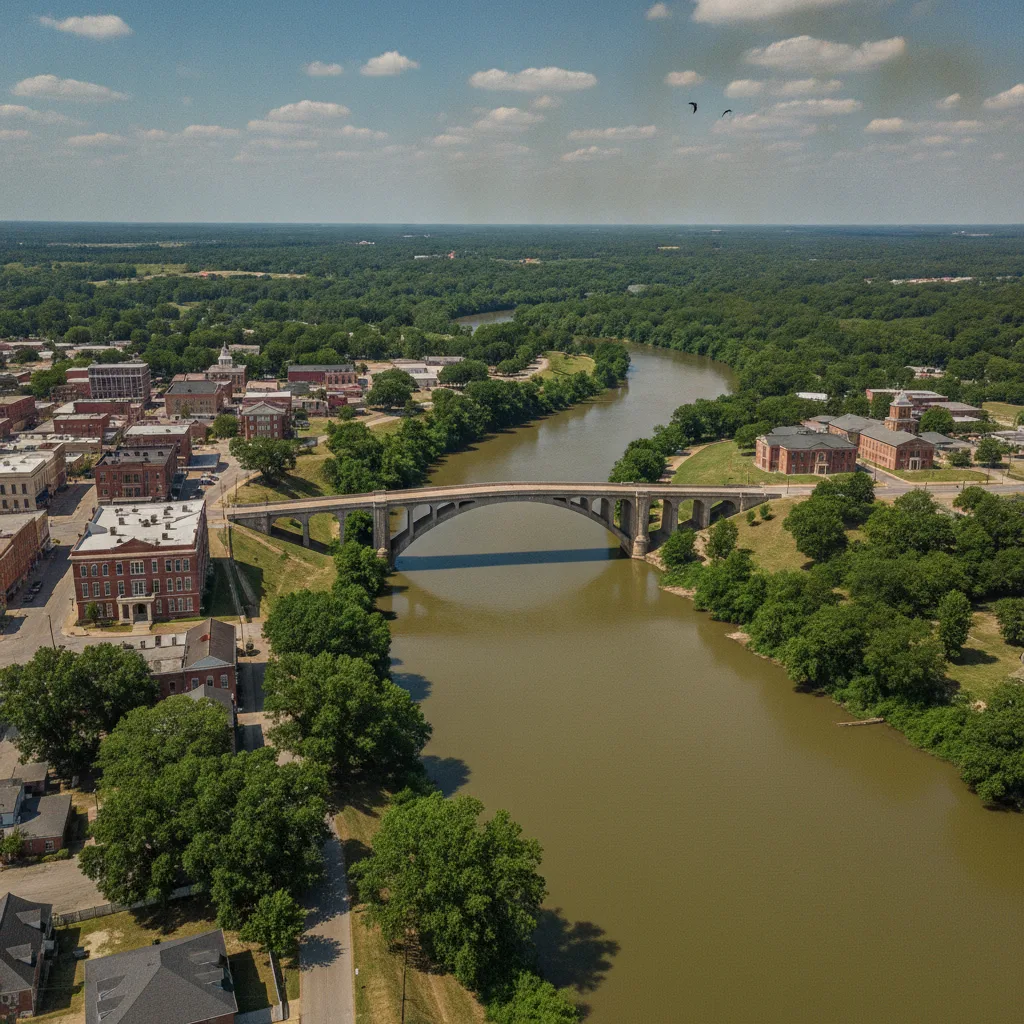
Selma Travel Guide — Alabama
When our team plans a trip to the heart of the American South, few destinations resonate with the historical weight and profound significance of Selma, Alabama. This city, often referred to as the "Queen City of the Black Belt," is more than just a dot on the map; it's a living testament to the ongoing struggle for civil rights and a crucial stop for anyone seeking to understand the fabric of American democracy.
Why Visit Selma
Visiting Selma is an immersive journey into a pivotal chapter of American history. It's where the fight for voting rights reached a dramatic crescendo, forever altering the course of the nation. We believe every American, and indeed every global citizen, should bear witness to the sites where courage and conviction converged to demand justice. The city offers a unique opportunity to walk in the footsteps of civil rights leaders and everyday heroes, providing a tangible connection to the past that textbooks simply cannot replicate. The emotional impact of standing on the Edmund Pettus Bridge, for instance, is a powerful reminder of the sacrifices made for fundamental freedoms.
Beyond its historical significance, Selma offers a glimpse into authentic Southern culture, with a resilient community that continues to honor its heritage while looking towards the future. It’s a place of reflection, education, and inspiration, urging visitors to consider the ongoing relevance of the civil rights movement in today’s world. We often recommend combining a visit to Selma with other significant Alabama destinations, such as the Birmingham Civil Rights Institute, to gain a comprehensive understanding of the movement's broader scope.
Who It's Best For
Selma is an essential destination for history buffs, civil rights advocates, and anyone with a deep interest in American social justice movements. Educators and students will find it an invaluable living classroom, offering firsthand context for historical events. Families with older children (we recommend ages 10 and up) can engage in meaningful discussions about civil rights, empathy, and social change. While the themes are serious, the educational value is immense. Solo travelers seeking a reflective and powerful experience will also find Selma profoundly moving. It's less about traditional tourism and more about a pilgrimage, making it ideal for those who prioritize deep, meaningful travel experiences over typical vacation amenities. Those looking for a vibrant nightlife or extensive entertainment options might find Selma quieter than other destinations, but for those seeking historical depth, it is unparalleled.
Getting There & Parking
When considering how to get to Selma, Alabama, visitors typically fly into larger regional airports and drive. The closest major airports are Birmingham-Shuttlesworth International Airport (BHM) or Montgomery Regional Airport (MGM). From either airport, a rental car is the most practical option for reaching Selma and navigating the area. Selma is approximately a 1-hour drive west of Montgomery and about a 1.5-hour drive south of Birmingham.
Once you arrive in Selma, particularly around the historic downtown area, you'll find that parking is generally straightforward. Street parking throughout Selma is free of charge. However, during major events like the Bridge Crossing Jubilee, spaces close to the Edmund Pettus Bridge can fill up quickly. For those attending the Jubilee, it’s worth noting that the Edmund Pettus Bridge is closed to vehicles on Jubilee Sunday, and there may be unannounced closures in the days prior. Designated bus parking and drop-off locations are provided during Jubilee weekend to ensure a smooth experience for groups. Our team advises checking local event schedules if your visit coincides with the annual Jubilee (typically in early March) to plan your Selma parking strategy accordingly.
For most of the year, ample free street parking is available near major attractions like the National Voting Rights Museum and Institute and the Edmund Pettus Bridge. The Selma to Montgomery National Historic Trail itself is open 24 hours a day, 365 days a year, with no entrance fee. The Selma Interpretive Center, however, is currently closed for major renovations until 2028, but a temporary location is available at the Selma Welcome Center, open Monday-Saturday, 9:00 AM to 4:30 PM Central Time.
Top Things to Do
Our team has curated a list of essential things to do at Selma, ensuring you gain a profound understanding of its historical significance. These experiences are central to any visit to this powerful city.
- Edmund Pettus Bridge: This iconic landmark is the emotional heart of Selma. Walking across the Edmund Pettus Bridge, where peaceful marchers were brutally attacked on "Bloody Sunday" in 1965, is a deeply moving experience. It's a powerful symbol of the struggle for voting rights and a National Historic Landmark. There are no fees to access the bridge itself.
- National Voting Rights Museum and Institute: Located at the foot of the Edmund Pettus Bridge, this museum offers profound insights into the fight for voting rights. It houses authentic documents, artifacts, and personal accounts from the movement. The museum is typically open Monday and Friday from 9:30 AM to 4:30 PM, and Tuesday through Thursday from 10:00 AM to 4:00 PM. It is usually closed on Saturdays and Sundays, but weekend tours can be arranged by appointment. Admission is $6.50 for adults and $4.50 for students and seniors (55 and over). Guided tours are available, with a non-refundable processing fee/deposit required for scheduled tours. This is one of the most important things to do in Selma.
- Brown Chapel A.M.E. Church: Known as the starting point for the Selma to Montgomery marches, Brown Chapel A.M.E. Church served as a crucial meeting place and headquarters for civil rights activists. The church is still active today, and visiting hours are by appointment Monday to Friday from 10:00 AM to 12:00 PM and 2:00 PM to 4:00 PM. While the sanctuary was closed for extensive structural damage, it temporarily reopened for the 2026 Bloody Sunday commemoration, with full restoration expected in late Fall 2026. We highly recommend arranging a visit to this historically significant site.
- Selma to Montgomery National Historic Trail: This 54-mile trail traces the path of the 1965 voting rights marches. While the Selma Interpretive Center is currently closed for major construction until 2028, a temporary location at the Selma Welcome Center is open Monday-Saturday, 9:00 AM to 4:30 PM Central Time. The Lowndes Interpretive Center and Montgomery Interpretive Center are also open Monday-Saturday, 9:00 AM to 4:30 PM Central Time. There are no entrance fees for the trail or its interpretive centers.
- Old Live Oak Cemetery: For a different historical perspective, visit Old Live Oak Cemetery, a beautiful and somber site draped in Spanish moss. It's the final resting place for Confederate soldiers and prominent figures, including Vice President William Rufus King and Alabama's first African American Congressman Benjamin Sterling Turner. The cemetery is open to visitors, offering a self-guided walking tour brochure. There are no listed hours or fees for general visitation.
- Sturdivant Hall Museum: This antebellum mansion offers a glimpse into the pre-Civil War South. While not directly related to the Civil Rights Movement, it provides important context for the era. We recommend checking their official website for current hours and admission fees.
These things to do at Selma provide a comprehensive and deeply moving experience for any visitor.
Best Time to Visit
The best time to visit Selma is during the spring (March to May) or fall (September to November). During these seasons, the weather is generally mild and pleasant, making it ideal for walking tours and exploring outdoor historical sites. Summers in Alabama can be intensely hot and humid, which might detract from the experience of walking the Edmund Pettus Bridge or exploring the Selma to Montgomery National Historic Trail.
March is particularly significant due to the annual Bridge Crossing Jubilee, which commemorates "Bloody Sunday" and the Selma to Montgomery marches. This event, usually held in the first week of March, draws large crowds and features speakers, musical performances, and a commemorative march across the Edmund Pettus Bridge. While it's a powerful time to visit, be prepared for increased crowds, limited parking, and potentially higher lodging prices. If you prefer a quieter, more reflective visit, we suggest avoiding the Jubilee weekend. Overall, for a comfortable and impactful visit, aim for the shoulder seasons to experience the best time to visit Selma.
Where to Stay Nearby
When planning your trip, finding comfortable Selma lodging is key to a rewarding experience. While Selma itself offers a selection of hotels, visitors can also consider staying in nearby cities for more options, though we generally recommend staying in Selma to fully immerse yourself in the historical atmosphere. For Selma lodging, you'll find several reputable options:
- Hampton Inn Selma: Consistently well-rated, the Hampton Inn offers comfortable accommodations and amenities like free breakfast and Wi-Fi. It's a reliable choice for visitors seeking a familiar and convenient stay.
- Holiday Inn Express Selma by IHG: Another strong contender for Selma lodging, this hotel provides modern comforts, often including an outdoor pool and fitness center. Guests frequently praise its service and amenities.
- Luxury Inn and Suites: This option provides a comfortable stay with good reviews, offering free WiFi and parking. It's often highlighted for its value and proximity to historical sites.
- Quality Inn Edmund Pettus Bridge Area: As its name suggests, this hotel offers convenient access to the bridge and other downtown attractions. It provides a fitness center and shared lounge.
Prices for Selma lodging can vary, with some hotels like the American Inn by Hotel O Selma US 80 offering competitive rates, around $68 total per night as of July 2026. The average price for a stay in Selma is about $131/night. We encourage booking in advance, especially during peak seasons or event weekends like the Bridge Crossing Jubilee, to secure your preferred Selma lodging.
For those interested in exploring more of Alabama, consider extending your trip to Gulf Shores & Orange Beach for a coastal escape or heading north to the U.S. Space & Rocket Center in Huntsville. For a broader exploration of the state's offerings, consult our guide to the Best Places in Alabama.
Sample 2-Day Itinerary
Our team has crafted a sample 2-day itinerary to help you make the most of your impactful visit to Selma:
Day 1: The Heart of the Movement
- Morning (9:00 AM - 12:00 PM): Edmund Pettus Bridge & National Voting Rights Museum. Begin your day with a walk across the iconic Edmund Pettus Bridge. Take time to reflect on its history. Afterwards, immerse yourself in the exhibits at the National Voting Rights Museum and Institute, located at the foot of the bridge. Allow at least 2-3 hours here to absorb the powerful stories and artifacts. Remember, the museum has an admission fee of $6.50 for adults and $4.50 for students/seniors, and is open Monday-Thursday 10 AM-4 PM, and Friday 9:30 AM-4:30 PM, with weekend tours by appointment.
- Lunch (12:00 PM - 1:00 PM): Local Eatery. Enjoy a casual lunch at a local restaurant in downtown Selma. Many offer traditional Southern fare.
- Afternoon (1:00 PM - 4:00 PM): Brown Chapel A.M.E. Church & Selma Interpretive Center (Temporary Location). Visit Brown Chapel A.M.E. Church, the historic starting point of the marches. Remember to schedule your appointment in advance to visit the church, as it's open by appointment only Monday-Friday 10 AM-12 PM and 2 PM-4 PM. Although the main Selma Interpretive Center is closed for renovations, head to the temporary Selma Welcome Center (open Monday-Saturday, 9:00 AM to 4:30 PM) for maps and information about the Selma to Montgomery National Historic Trail.
- Evening: Reflection & Dinner. Enjoy dinner at one of Selma's local restaurants and take time to reflect on the day's powerful experiences.
Day 2: Deeper Dives & Broader Context
- Morning (9:00 AM - 12:00 PM): Old Live Oak Cemetery. Start your day with a contemplative stroll through Old Live Oak Cemetery. Explore the historic gravestones and the serene, Spanish moss-draped landscape. Pick up a self-guided walking tour brochure to learn about the notable figures interred here. There are no fees or specific hours for the cemetery, allowing for flexible visitation.
- Lunch (12:00 PM - 1:00 PM): Casual Dining. Grab a quick bite before your afternoon activities.
- Afternoon (1:00 PM - 4:00 PM): Sturdivant Hall Museum or Drive a Portion of the Selma to Montgomery Trail. Depending on your interest, you can either visit Sturdivant Hall, an impressive antebellum mansion (check their website for current hours and fees), or drive a portion of the Selma to Montgomery National Historic Trail. Consider driving to the Lowndes Interpretive Center (open Monday-Saturday, 9:00 AM to 4:30 PM) for more context on the march through Lowndes County.
- Evening: Departure or Extended Stay. Depart from Selma or extend your stay to explore more of Alabama's rich history and natural beauty.
FAQ
Selma with kids
Visiting Selma with kids can be a deeply educational experience, especially for older children (we recommend ages 10 and up) who can grasp the historical significance. Focus on the tangible aspects like walking the Edmund Pettus Bridge and visiting the National Voting Rights Museum and Institute, which offers engaging exhibits. Brown Chapel A.M.E. Church also provides a powerful context. We suggest preparing them beforehand with age-appropriate materials to maximize their understanding and impact. The Selma to Montgomery National Historic Trail can also be explored in shorter segments suitable for families. Remember that the themes are serious, so be prepared for meaningful discussions.
best hotels near Selma
The best hotels near Selma are primarily located within the city itself. Top recommendations include the Hampton Inn Selma, Holiday Inn Express Selma by IHG, Luxury Inn and Suites, and Quality Inn Edmund Pettus Bridge Area. These establishments offer reliable comfort and convenient access to Selma's historic sites. For those seeking slightly more upscale or varied options, nearby cities like Montgomery (about an hour's drive) offer a wider range of accommodations, but we generally advise staying in Selma to fully immerse yourself in the experience. Always book in advance, especially during special events.
Selma tips
Our top Selma tips include wearing comfortable shoes, as much of the historical exploration involves walking, particularly across the Edmund Pettus Bridge and around downtown. We also recommend visiting during the spring or fall for the most pleasant weather. Always check the operating hours and any reservation requirements for specific attractions, especially for Brown Chapel A.M.E. Church, which operates by appointment. Be prepared for a deeply emotional and reflective experience, as the history here is profound. Consider hiring a local guide for an even richer understanding of the sites and stories. Finally, support local businesses during your visit to contribute to the community.
where to stay near Selma
For those wondering where to stay near Selma, the most convenient and recommended options are within Selma itself. Hotels like the Hampton Inn Selma, Holiday Inn Express Selma by IHG, Luxury Inn and Suites, and Quality Inn Edmund Pettus Bridge Area are all excellent choices, offering comfort and proximity to the main attractions. If you prefer to stay outside the city, Montgomery, Alabama, is about an hour's drive away and offers a broader selection of hotels, dining, and entertainment. However, for an immersive historical experience, staying directly in Selma is preferable.
Selma parking
Selma parking is generally free throughout the city's streets. In the historic downtown area, you'll find ample street parking near the Edmund Pettus Bridge and the National Voting Rights Museum and Institute. However, during major events like the annual Bridge Crossing Jubilee (typically in early March), parking spots near the bridge can fill up quickly, and the bridge itself will be closed to vehicles. During these times, designated bus parking and drop-off points are provided. Our team advises checking local event calendars and planning your parking strategy ahead of time if you're visiting during the Jubilee.
best time to visit Selma
The best time to visit Selma is during the spring (March to May) or fall (September to November) when the weather is mild and comfortable for exploring historical sites on foot. March is particularly significant as it hosts the annual Bridge Crossing Jubilee, commemorating "Bloody Sunday". While this is a powerful time to experience the city's history, be aware of larger crowds and plan your accommodations and activities accordingly. If you prefer a more serene visit, aim for late spring or early fall to avoid the summer heat and humidity, and the peak crowds of the Jubilee.
Our Visit America team firmly believes that Selma, Alabama, is not just a destination but a profound educational journey. It's a place that demands your attention, rewards your curiosity, and leaves an indelible mark on your understanding of American history and the enduring fight for justice. We encourage every traveler to include Selma in their itinerary, to walk its hallowed grounds, and to carry forward the lessons learned here.
Last updated: 2026-07-05 by the Visit America team.