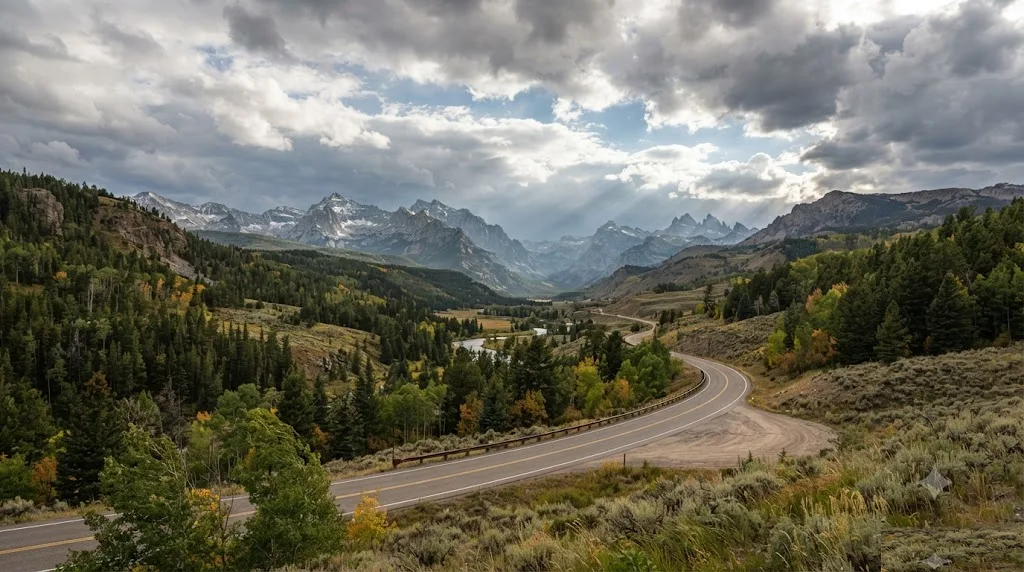
Shoshone National Forest Travel Guide — Wyoming
Our Shoshone National Forest guide covers practical planning for Shoshone National Forest Wyoming — best time to visit, getting there, and what to do on the ground.
As the Roam States editorial team, we've explored countless corners of the American West, but few places capture the raw, untamed spirit of the wilderness quite like Shoshone National Forest. Nestled in northwestern Wyoming, this isn't just another national forest; it holds the distinction of being America's first, established in 1891 by President Benjamin Harrison. Spanning nearly 2.5 million acres, it's a vital part of the vast 10-million-acre Greater Yellowstone Ecosystem, offering a diverse tapestry of landscapes from sagebrush plains and rocky canyons to snow-capped peaks and dense spruce forests. For those seeking genuine solitude, world-class outdoor adventures, and unparalleled wildlife viewing, the Shoshone National Forest Wyoming is a destination that truly delivers.
Why Visit Shoshone National Forest
The allure of Shoshone National Forest lies in its expansive wilderness and the sheer diversity of experiences it offers. Unlike its more famous neighbor, Yellowstone National Park, the Shoshone provides a quieter, less crowded alternative for experiencing Wyoming's dramatic mountain landscapes. Over half of this forest is designated as Wilderness, ensuring a pristine environment for those looking to disconnect and immerse themselves in nature. We find that the opportunity to explore vast stretches of trail without heavy crowds, camp under incredibly bright stars, and spot iconic wildlife like grizzly bears, elk, moose, and bighorn sheep in their natural habitat is a compelling reason to make this your next adventure.
Beyond the solitude, the forest's ecosystems are incredibly varied, ranging from high alpine tundra to lush river valleys. This means that whether you're drawn to rugged mountain climbing, tranquil fishing, or scenic drives through breathtaking byways, the Shoshone has something to captivate you. The geological formations, including glaciers and expansive plateaus awash in wildflowers, are truly spectacular. It's a place where history buffs can appreciate its status as the nation's first national forest, and outdoor enthusiasts can find challenges ranging from easy strolls to multi-day backcountry expeditions.
Who It's Best For
The Shoshone National Forest caters to a wide array of travelers, but it particularly shines for those who prioritize immersion in nature and active outdoor pursuits. We recommend it for:
- **Adventure Seekers:** With over 1,300 miles of trails and opportunities for climbing, mountain biking, kayaking, and off-highway vehicle (OHV) riding, adrenaline junkies will find plenty to keep them busy.
- **Wildlife Enthusiasts:** The forest is home to a rich diversity of wildlife, including grizzly bears, black bears, wolves, elk, moose, bighorn sheep, and mountain goats. Patience and a good pair of binoculars are highly rewarded here.
- **Campers & Backpackers:** From developed campgrounds with amenities to vast areas for dispersed camping, the Shoshone offers diverse options for overnight stays under the stars. Wilderness permits may be required for certain areas.
- **Families with Older Children:** While some easy trails are available, many of the more rewarding experiences involve moderate to strenuous activity, making it ideal for families who enjoy a more active vacation.
- **Those Seeking Solitude:** If you're looking to escape the crowds often found in more popular national parks, the Shoshone National Forest provides ample opportunities for quiet contemplation and a genuine wilderness experience.
However, if you prefer luxury resorts, paved walking paths, and extensive visitor services at every turn, this might not be the ideal destination. The Shoshone is about embracing the wild, often with limited cell service and fewer amenities than a national park.
Getting There & Parking
How to Get There
Accessing the Shoshone National Forest is primarily by road, as it spans a vast area in northwestern Wyoming. The closest major gateway town is Cody, Wyoming, often referred to as the "Wildest Gateway to Yellowstone National Park." From Cody, several scenic byways lead directly into or alongside the forest, offering stunning introductions to the landscape.
- **From Cody:** The Buffalo Bill Scenic Byway (US Highway 14/16/20) travels west from Cody, following the North Fork of the Shoshone River and leading directly to Yellowstone's East Entrance. This is a popular and very scenic route.
- **From the South:** US Highway 26/287 through Dubois offers a scenic approach from the southern corridor, characterized by red rock formations, winding rivers, and mountain views. This route provides access to the southern portions of the forest and nearby wilderness areas.
- **From the North (Montana):** The Beartooth All-American Road (US Highway 212) is a spectacular, high-elevation route that traverses the Beartooth Mountains, connecting Red Lodge, Montana, to the Northeast Entrance of Yellowstone, with portions passing through the Shoshone. Note that the Beartooth Highway is typically closed in winter due to snow.
For those flying in, Yellowstone Regional Airport (COD) in Cody is the most convenient option. Major airports like Denver International (DEN) or Salt Lake City International (SLC) are much further, requiring a significant drive, which can be part of a larger USA Road Trip Planner. We always recommend checking current road conditions, especially during shoulder seasons, as weather can impact travel. The Shoshone National Forest Supervisor's Office is located at 808 Meadow Lane Avenue, Cody, WY 82414, and can be reached at 307-527-6241 for up-to-date information.
Parking
Parking throughout Shoshone National Forest varies depending on your destination. For developed campgrounds and popular trailheads, designated parking areas are available. For instance, the Popo Agie Falls Trailhead, a popular spot, recommends arriving earlier in the day to ensure you find parking. Many campgrounds, such as Wapiti Campground, offer RV parking spurs ranging from 21 to 49 feet in length. When heading into more remote areas or for dispersed camping, you'll find less formal parking, often along forest roads. We advise always parking in a way that does not block roads or access points and being mindful of leave-no-trace principles.
While there isn't a universal entrance fee for the entire Shoshone National Forest, specific campgrounds or recreation sites may have fees. America the Beautiful Passes are accepted at many federal recreational lands and can offer an affordable way to access these areas, with proceeds supporting visitor services.
Top Things to Do
The things to do at Shoshone National Forest are as varied as its landscape, promising an adventure for every type of outdoor enthusiast. Our team has identified key activities that highlight the best of America's first national forest.
- **Hiking:** With over 1,300 miles of trails, hiking is arguably the most popular activity. From easy strolls to challenging multi-day treks, the options are world-class. We detail more in the dedicated hiking section below.
- **Camping:** The forest boasts 32 campgrounds, offering everything from developed sites with amenities to primitive backcountry experiences. Many developed campgrounds can be reserved through Recreation.gov, and booking ahead for peak summer season is recommended.
- **Scenic Drives:** Four scenic byways traverse the forest, providing spectacular views of rugged mountain peaks, expansive plateaus, glaciers, and abundant wildlife. The Buffalo Bill Scenic Byway and the Beartooth All-American Road are particularly renowned.
- **Wildlife Viewing:** The Shoshone is a prime location for spotting iconic Western wildlife. Keep an eye out for grizzly bears, black bears, wolves, elk, moose, bighorn sheep, and mountain goats. Early mornings and late evenings are often the best times.
- **Fishing:** With numerous rivers, streams, and over 100 alpine lakes, fishing opportunities are plentiful. Horse Creek, for instance, is known for its plentiful fishing. Permits may be required for specific areas or activities, such as fishing on Shoshone-Bannock tribal lands.
- **Horseback Riding:** Equestrians will find miles of trails and several dedicated equestrian camps, such as those at Eagle Creek, Fishhawk, and Pahaska Trailheads.
- **Water Sports:** On larger lakes and rivers, visitors can enjoy boating, swimming, floating, and even whitewater rafting on the Shoshone River near Cody.
- **Picnicking:** Eleven picnic sites are available across the forest, offering serene spots for a meal amidst nature. The Worthen Meadow Picnic Site and Horse Creek Picnic Site are notable options.
- **Winter Sports:** During the colder months, high-elevation areas like Togwotee Pass and the Beartooths become havens for snowmobiling and cross-country skiing.
For those looking to combine their Shoshone visit with other attractions, Cody, Wyoming, offers a wealth of nearby activities, including the Buffalo Bill Center of the West and Old Trail Town.
Shoshone National Forest Hiking Trails
The Shoshone National Forest hiking trails offer an incredible range of experiences, from easy, family-friendly walks to challenging backcountry expeditions. We've compiled some of the most notable options, keeping various skill levels in mind.
- **Popo Agie Falls Trail:** Located near Sinks Canyon State Park, this is a popular, family-friendly, and relatively easy 1.8-mile (3.0 km) route with a manageable 712 feet (217 meters) of elevation gain, leading to beautiful waterfall views. It takes about 57 minutes to complete.
- **Becker Lake via Beartooth High Lakes Trail:** An easy 4.5-mile (7.2 km) hike with a gentle elevation gain, taking approximately 1 hour and 58 minutes. It leads past several clear alpine lakes to Becker Lake, offering panoramic mountain views.
- **Lake Louise Trail – Wind River Range:** A moderate 4.8-mile (7.7 km) trail that takes about 2 hours and 20 minutes to complete, leading to the serene Lake Louise.
- **Silas Lakes Trail – Wind River Range:** Another moderate option, this 7.3-mile (11.7 km) path navigates through the wilderness to the Silas Lakes, showcasing alpine environments.
- **Crazy Creek Falls Trail:** An easy 1.8-mile trail near Cody with a gorgeous waterfall and an elevation gain of 393 feet.
- **Glacier Trail:** For experienced hikers, the 23.6-mile Glacier Trail is a difficult, multi-day route with a significant ascent of 5,380 feet. Planning for this trail requires careful consideration due to its length and difficulty, with an estimated hiking time of over 12 hours for the 24.9-mile (40.1 km) version.
- **Avalanche Peak:** A challenging 4.5-mile roundtrip hike with almost 2,100 feet (640 m) of elevation gain, offering rewarding views of Yellowstone Lake and the Tetons from its 10,568-foot (3,221 m) summit.
The Shoshone National Forest offers over 800 miles of trails, with 59 easy, 57 intermediate, and 6 difficult trails. We recommend carrying a detailed map (USFS motor vehicle use maps are available at ranger stations and online) or using offline GPS apps, as cell service can be spotty to nonexistent. Always pack sufficient water and be prepared for varying weather conditions. Wilderness permits may be required for certain backcountry areas.
Best Time to Visit
Determining the best time to visit Shoshone National Forest largely depends on the activities you have in mind, as the forest experiences dramatic seasonal changes.
Our team's expert verdict is that **late spring through early fall (June to September)** generally offers the most accessible and pleasant conditions for most visitors, particularly for hiking, camping, and scenic drives. However, each season has its unique appeal.
- **Summer (June to August):** This is peak season, offering the warmest weather and full access to most roads and trails. Wildflowers are abundant in July and August. Developed campgrounds are typically open from mid-May until mid-September. Expect pleasant temperatures for hiking, fishing, and wildlife viewing. However, popular areas can see more visitors, and advance reservations for camping are highly recommended.
- **Fall (September to October):** A beautiful time to visit, with cooler temperatures, fewer crowds, and stunning autumn foliage, particularly in the lower elevations. Many services and campgrounds remain open through early to mid-October, but some high-elevation roads, like the Beartooth Highway, may begin to close due to snow towards the end of the season.
- **Spring (May to early June):** This shoulder season can be a mixed bag. Lower elevation areas become accessible, and wildlife viewing can be excellent as animals emerge. However, higher elevation trails may still be snow-covered or muddy, and some roads might still be closed. Check current conditions before planning a trip.
- **Winter (November to April):** The forest transforms into a winter wonderland, ideal for snowmobiling, cross-country skiing, and snowshoeing. High elevation areas like Togwotee Pass and the Beartooths are popular for winter motorized use from November 15 to April 30, while lower elevations are open from December 1 to April 1. Many roads and facilities are closed, and extreme cold and heavy snowfall are common.
We strongly advise checking the official Shoshone National Forest website for current conditions, road closures, and alerts before your visit. For example, in June 2026, the Morrison Jeep Trail experienced closures for public safety due to blasting operations. Fire restrictions can also be implemented, particularly in late summer and fall, so it's wise to stay informed.
Where to Stay Nearby
Shoshone National Forest Lodging
While the Shoshone National Forest itself offers abundant camping opportunities, including 32 campgrounds, many visitors prefer to stay in nearby towns or lodges for more traditional Shoshone National Forest lodging. Cody, Wyoming, is the primary gateway town, offering a wide range of accommodations and services. You can find over 500 hotels, lodges, and places to stay near Shoshone National Forest.
Camping within Shoshone National Forest:
For an immersive experience, camping is the way to go. The forest provides a variety of options:
- **Developed Campgrounds:** There are 32 campgrounds, many reservable through Recreation.gov. Popular options include Wapiti Campground (40 reservable sites on the Shoshone River, open mid-May to mid-September, with some electric hookups), Clearwater Campground (group sites available, reservable, closes September 8, 2026), Horse Creek Campground (nine sites near Dubois, potable water, vault toilets, bear boxes), and Brooks Lake Campground. Prices for developed sites vary, for example, Big Game Campground is $15 per night, and Hunter Peak is $20 per night.
- **Dispersed Camping:** Permitted throughout much of the forest, offering a true wilderness experience. Always follow Leave No Trace principles and check for any specific restrictions in the area you plan to camp.
- **Cabins:** The Sunlight Rangers Cabin is a reservable option for those seeking a rustic cabin experience.
Hotels and Lodges near Shoshone National Forest:
For those preferring more comfort, Cody, Wyoming, offers numerous hotels, motels, and guest ranches. Some highly-rated options include:
- **The Cody Hotel:** A highly-rated option in Cody.
- **The Irma Hotel:** A historic hotel in downtown Cody, founded by Buffalo Bill Cody himself.
- **Beartooth Hideaway Inn and Cabins:** Located about 25 miles from the forest, offering a budget-friendly option with access to outdoor activities.
- **The Pollard Hotel:** A 3-star hotel about 26 miles from the forest, balancing comfort with adventure activities.
- **Green Creek Inn and RV Park:** Offers log cabin suites, motel rooms, and RV sites, about 29 miles from the forest.
- **Double L Bar Lodge Guest Ranch:** Offers historic log cabins and a lodge for groups, nestled directly in the Shoshone National Forest.
- **Togwotee Mountain Lodge:** A well-regarded lodge, especially popular for winter sports enthusiasts due to its proximity to Togwotee Pass.
Many accommodations in and around Cody are found along Highway 14. We recommend booking well in advance, especially during the summer peak season.
Sample 2-Day Itinerary
This sample itinerary for Shoshone National Forest Wyoming focuses on experiencing the diverse landscapes and activities available, based out of Cody.
Day 1: Eastern Shoshone & Buffalo Bill Scenic Byway
- **Morning (8:00 AM - 12:00 PM):** Start your day with an early drive west from Cody along the Buffalo Bill Scenic Byway (US-14/16/20). This route offers stunning views as it follows the North Fork of the Shoshone River. Consider a stop at the Buffalo Bill Dam for panoramic vistas.
- **Lunch (12:00 PM - 1:00 PM):** Pack a picnic to enjoy at one of the scenic picnic sites along the byway, such as Horse Creek Picnic Site, or grab a bite at a lodge in the Wapiti Valley.
- **Afternoon (1:00 PM - 5:00 PM):** Explore the hiking opportunities in the eastern part of the forest. We recommend the Crazy Creek Falls Trail for an easy, rewarding hike to a beautiful waterfall. Alternatively, drive further west towards the East Entrance of Yellowstone National Park and take a shorter hike from one of the trailheads along the way.
- **Evening (5:00 PM onwards):** Head back towards Cody. Enjoy dinner at a local restaurant. For a taste of local culture, consider visiting the Buffalo Bill Center of the West, which often has evening programs or is a great option for a morning visit.
- **Lodging:** Stay overnight in Cody, Wyoming.
Day 2: Southern Shoshone & Dubois Area
- **Morning (8:00 AM - 12:00 PM):** Drive south from Cody towards Dubois (US-26/287). This scenic drive takes you through dramatic red rock formations and offers a different perspective of the forest.
- **Late Morning (10:00 AM - 1:00 PM):** Upon reaching the Dubois area, focus on the hiking trails in the southern Shoshone. The Popo Agie Falls Trail near Sinks Canyon State Park is an excellent choice for a relatively easy and scenic hike.
- **Lunch (1:00 PM - 2:00 PM):** Enjoy a packed lunch near Sinks Canyon or in Dubois.
- **Afternoon (2:00 PM - 5:00 PM):** Explore more of the Dubois area. You could visit the National Bighorn Sheep Center in Dubois or take a shorter nature walk. For those interested in more challenging hikes, consider options leading into the Fitzpatrick Wilderness from this area.
- **Evening (5:00 PM onwards):** Begin your drive back towards your next destination or return to Cody. If time allows, a stop at a local brewery or a final scenic overlook before sunset can cap off your trip.
- **Lodging:** Depart from Cody or continue your journey through Wyoming.
This itinerary provides a solid introduction to the Shoshone National Forest. Depending on your interests and fitness level, you can easily substitute hikes for fishing, horseback riding, or exploring other scenic byways like the Chief Joseph Scenic Byway, which offers an alternate route from the northeast entrance of Yellowstone to Cody. Remember to carry plenty of water, snacks, bear spray, and detailed maps for any backcountry excursions.
Is It Worth Visiting?
The question, "is Shoshone National Forest worth visiting?" is one we confidently answer with a resounding yes. For travelers seeking an authentic, less-trodden wilderness experience in Wyoming, the Shoshone offers an unparalleled opportunity. While Yellowstone National Park draws millions with its iconic geysers and thermal features, the Shoshone provides a different, often more intimate, connection with nature.
We believe its value lies in several key aspects:
- **Authentic Wilderness:** As America's first national forest, it preserves vast tracts of wilderness, allowing visitors to experience solitude and untouched natural beauty. Over half of its 2.5 million acres are designated as Wilderness.
- **Diverse Recreation:** From world-class hiking and camping to scenic drives, wildlife viewing, fishing, and winter sports, the array of activities caters to nearly every outdoor interest.
- **Fewer Crowds:** Compared to the bustling national parks, the Shoshone offers a chance to find long stretches of trail and open landscapes without the shoulder-to-shoulder crowds. This allows for more peaceful wildlife encounters and a greater sense of discovery.
- **Stunning Scenery:** The forest encompasses diverse ecosystems, from high alpine plateaus with wildflowers and glaciers to rugged mountain peaks and pristine lakes. The scenic byways, in particular, offer breathtaking vistas.
The Shoshone National Forest is an ideal destination for those who appreciate self-reliance, are comfortable with fewer amenities, and are eager to explore at their own pace. It's a place that rewards the curious and the adventurous, offering a profound sense of connection to the wild heart of Wyoming. For a truly expansive experience of the American West, we wholeheartedly recommend including it in your travel plans, perhaps in conjunction with nearby gems like Bridger-Teton National Forest or Bighorn Canyon National Recreation Area.
FAQ
Shoshone National Forest camping
Shoshone National Forest offers 32 campgrounds, ranging from developed sites with amenities to primitive backcountry options. Many developed campgrounds, such as Wapiti Campground and Clearwater Campground, are reservable through Recreation.gov, with prices starting around $15-$20 per night for single sites. Dispersed camping is also permitted in many areas, allowing for a more secluded experience, but always adhere to Leave No Trace principles and check for current fire restrictions. Food storage in bear-resistant containers or lockers is required in many campgrounds.
things to do in Cody
Cody, Wyoming, serves as a vibrant gateway to the Shoshone National Forest and Yellowstone. Top attractions include the Buffalo Bill Center of the West, a comprehensive museum complex covering Western art, firearms, and natural history. Visitors can also step back in time at Old Trail Town, an authentic recreation of an 18th-century Western ghost town. Other popular activities include attending the Cody Nite Rodeo (seasonal), whitewater rafting on the Shoshone River, and exploring the town's cowboy culture.
Shoshone National Forest with kids
Shoshone National Forest offers several family-friendly activities, especially for kids who enjoy the outdoors. Easy hiking trails like the Popo Agie Falls Trail are suitable for all skill levels. Developed campgrounds often provide a safe and fun base for families, with opportunities for wildlife viewing, fishing in accessible streams, and picnicking. The scenic drives are also a great way to experience the forest's beauty with children. Always be prepared for wildlife encounters and carry bear spray, especially with kids.
best hotels near Shoshone National Forest
The best hotels near Shoshone National Forest are primarily found in Cody, Wyoming. Options range from historic establishments like the Irma Hotel to modern accommodations such as The Cody Hotel. Other highly-rated choices include Beartooth Hideaway Inn and Cabins and The Pollard Hotel, both offering good access to outdoor activities. For a more rustic experience, consider lodges and cabins closer to the forest boundaries, like the Double L Bar Lodge Guest Ranch, which offers cabins nestled directly within the forest.
Shoshone National Forest tips
When planning your trip to Shoshone National Forest, we recommend several key tips: always check the official USDA Forest Service website for current alerts, road conditions, and fire restrictions, as these can change frequently. Carry detailed maps or use offline GPS, as cell service is often unreliable. Be bear aware and carry bear spray, especially when hiking. Book popular campgrounds or lodging in advance, particularly for summer visits. Finally, embrace the spirit of discovery – the Shoshone rewards those willing to explore beyond the main roads.
where to stay near Shoshone National Forest
Beyond the campgrounds within the forest, the town of Cody, Wyoming, is the most popular base for exploring Shoshone National Forest, offering a wide array of hotels, motels, and vacation rentals. Other smaller communities like Dubois and Wapiti also provide lodging options, often with a more rustic or remote feel. For those seeking a unique experience, guest ranches and cabins are available directly on the forest's edge or within its boundaries. We recommend exploring Travel Wyoming for additional accommodation ideas.
The Shoshone National Forest stands as a testament to America's commitment to preserving its wild places. Our team at Roam States believes that for those who yearn for true wilderness, for the quiet majesty of towering peaks, the thrill of spotting wildlife, and the challenge of an untamed trail, the Shoshone National Forest Wyoming is not just a destination, but an experience that will resonate long after you've left its expansive borders. Plan your adventure, embrace the wild, and discover the enduring beauty of America's first national forest.
Last updated: 2026-07-14 by the Roam States team.