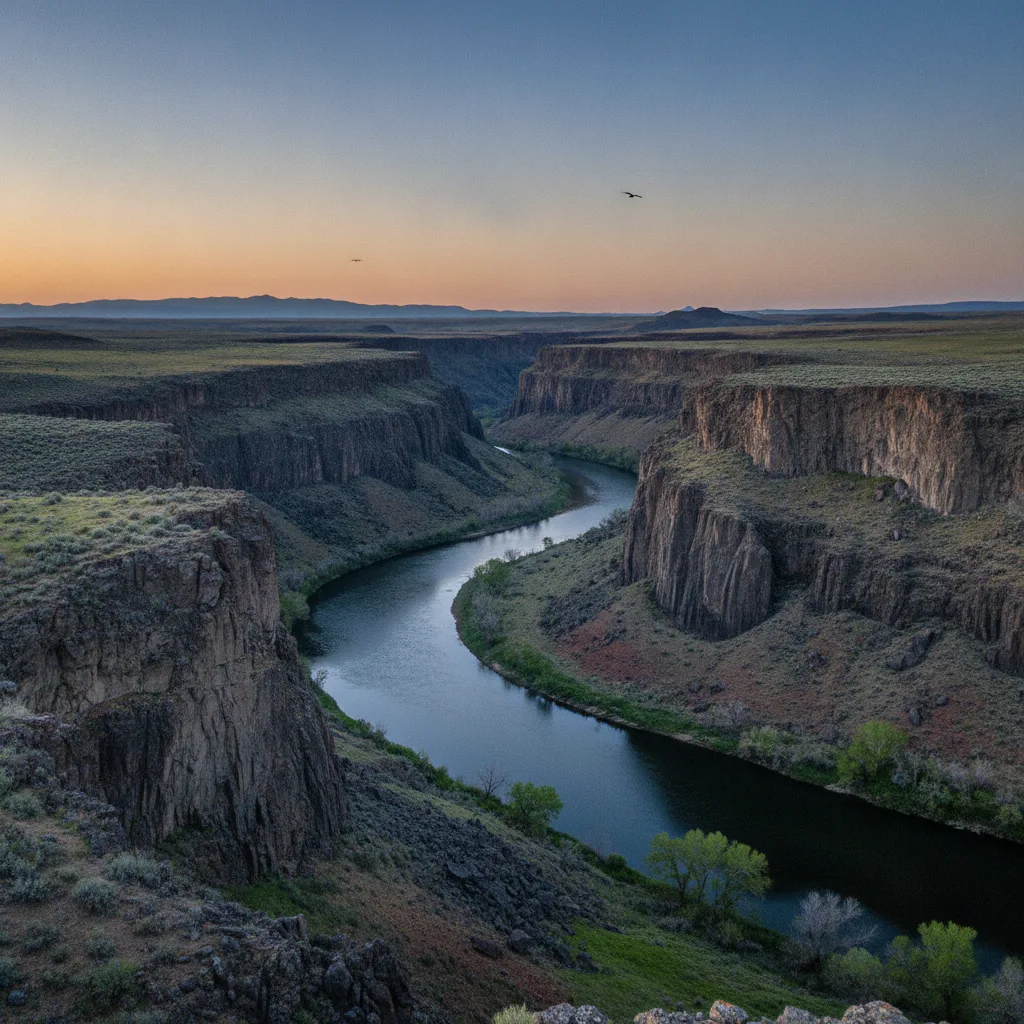
Snake River Birds of Prey National Conservation Area Travel Guide — Idaho
Our Snake River Birds of Prey National Conservation Area guide covers practical planning for Snake River Birds of Prey National Conservation Area Idaho — best time to visit, getting there, and what to do on the ground.
For those drawn to the wild heart of the American West, the Snake River Birds of Prey National Conservation Area Idaho presents an unparalleled opportunity to witness nature's aerial marvels. Our team considers this vast expanse of rugged canyon and high desert an essential stop for any wildlife enthusiast or outdoor adventurer exploring the Gem State. This conservation area protects the largest concentration of nesting raptors in North America, including eagles, hawks, and falcons, offering extraordinary opportunities for wildlife viewing and environmental education. Managed by the Bureau of Land Management (BLM), this 485,000-acre sanctuary along 81 miles of the Snake River in southwest Idaho is a testament to dedicated conservation efforts.
Why Visit Snake River Birds of Prey National Conservation Area
The allure of the Snake River Birds of Prey National Conservation Area lies in its extraordinary biodiversity and dramatic landscapes. We believe it offers a unique window into the lives of some of North America's most magnificent predators. Imagine witnessing a prairie falcon dive at incredible speeds, or an eagle soaring effortlessly on thermal updrafts above the canyon rim. This area is home to approximately 800 pairs of raptors that return each spring to mate and raise their young, making it a globally significant nesting ground. The sheer density and variety of species, including golden eagles, red-tailed hawks, ferruginous hawks, and various owl and falcon species, is truly astounding. Beyond the birds, the conservation area itself is a landscape carved by ancient volcanic activity and the powerful Snake River, featuring towering cliffs, sagebrush steppe, and unique geological formations like the Crater Rings, a National Natural Landmark. It's a place where you can connect with nature on a profound level, away from the typical crowds, and gain a deeper appreciation for Idaho's wild heritage. The area also boasts a rich human history, with evidence of human habitation dating back 12,000 years, including preserved petroglyphs and remnants of the Historic Oregon Trail.
Who It's Best For
The Snake River Birds of Prey National Conservation Area caters to a diverse range of visitors, though its "nature in the rough" character means it's particularly suited for those seeking authentic outdoor experiences with fewer developed facilities. Our team recommends it highly for:
- Birdwatchers and Wildlife Photographers: This is, without a doubt, a premier destination for observing raptors in their natural habitat. The concentration of nesting birds is unparalleled, offering incredible viewing and photography opportunities, especially from mid-March through June.
- Nature Enthusiasts: If you appreciate raw, untamed landscapes, geological wonders, and the quiet solitude of the desert, you'll find immense satisfaction here.
- Hikers and Outdoor Adventurers: With numerous trails and opportunities for exploration, those who enjoy hiking, horseback riding, or mountain biking will find plenty to keep them engaged.
- Families with a Sense of Adventure: While not a theme park, the educational value of witnessing raptors and exploring the natural environment can be incredibly rewarding for children who are curious about wildlife and geology. We suggest preparing them for a more rugged experience.
- History Buffs: The presence of ancient petroglyphs and historical sites related to the Oregon Trail adds another layer of interest for those who appreciate the past.
It's less suited for travelers seeking luxury accommodations, extensive amenities, or highly structured, guided tours, as the focus here is on self-guided exploration and appreciation of the natural environment. However, for those willing to embrace its wild character, the rewards are immeasurable.
Getting There & Parking
Accessing the Snake River Birds of Prey National Conservation Area is generally straightforward, with the primary gateway being Boise, Idaho. The NCA is located approximately 35 miles south of Boise, making it a convenient day trip or an extended stay from the state capital.
How to Get There
For most visitors, driving is the recommended mode of transport. Our team advises the following routes:
- **From Boise:** The most common route involves taking I-84 West from Boise, then transitioning to ID-69 South. Continue on ID-69 South for about eight miles before turning left onto S Swan Falls Road. From there, travel approximately 19 miles, and then turn left onto a dirt road that leads into the conservation area.
- **From Boise Airport:** If you're flying in, get on I-84 East from W Airport Way, then take S Orchard Access Road to S Range Road, which will lead you towards the NCA.
While many of the main access roads are paved, be prepared for gravel and dirt roads within the conservation area itself. These unpaved sections are generally navigable by most passenger vehicles during dry conditions, but we always recommend checking local road conditions, especially after rain or during winter months when snow can make travel challenging. Carry winter tires, scrapers, and other winter gear if visiting in the colder months.
Parking
Parking at the Snake River Birds of Prey National Conservation Area is generally ample and free. Designated parking areas are available at various recreation sites throughout the BLM land. For example, you'll find parking at popular spots like Dedication Point Overlook and the Swan Falls Picnic Area. RVs and larger vehicles will have no trouble finding suitable parking spaces. Since the area is managed by the BLM and is "nature in the rough," you won't typically encounter formal parking lots with fees, as might be found in some National Parks. However, always ensure your vehicle is parked in designated areas or off the main thoroughfare to avoid obstructing traffic or damaging sensitive habitats.
Top Things to Do
The Snake River Birds of Prey National Conservation Area offers a wealth of activities centered around its unique natural environment. Our team has identified the following top things to do at Snake River Birds of Prey National Conservation Area:
- Raptor Viewing: This is, without a doubt, the primary draw. Dedication Point Overlook is a spectacular spot on the rim of the Snake River Canyon, offering excellent views of soaring raptors. A ¼-mile interpretive trail at Dedication Point provides insights into the birds, geology, and other wildlife. The best time for raptor viewing is mid-March through June, when eagles perform flight displays in March, chicks are fed in May, and young birds take their first flights around early June.
- Hiking: Explore the extensive trail system, including the Halverson Lake Trail System on the west side of the NCA. A recommended loop starts at the Initial Point Observation Deck, offering views of the Owyhee Mountains, then proceeds to Dedication Point, Swan Falls Dam, and concludes at Celebration Park. This loop can take three to four hours. Remember to carry plenty of water, especially during warmer months.
- Scenic Drives: Take a self-guided auto tour along the 56-mile loop to experience the diverse landscapes and increase your chances of spotting wildlife. Maps are available to help you plan your route.
- Picnicking: Enjoy a meal amidst stunning scenery. The Swan Falls Picnic Area, near Dedication Point, offers picnic tables and a reservable group picnic shelter, along with restrooms and fishing docks. The Kuna Visitor Center and Dedication Point Overlook are also good spots for a picnic while bird-watching.
- Camping: For an immersive experience, consider camping. The Cove Recreation Site Campground, located on the C.J. Strike Reservoir, offers 28 RV sites and additional tent sites on a first-come, first-served basis. Each RV site includes a large shelter for protection from the elements. Primitive, dispersed camping is also allowed in many areas, particularly near Swan Falls and Celebration Park, offering a more rustic, free option.
- Boating and Fishing: The Snake River and C.J. Strike Reservoir are popular for boating and fishing from spring through fall.
- Visiting Swan Falls Dam: This historic dam, adjacent to the conservation area, features a powerhouse museum that offers a glimpse into the region's industrial past.
- Exploring Celebration Park: Idaho's only archaeological park, Celebration Park features ancient petroglyphs and is rich in history as a wintering ground for Paiute Indians. It's a fantastic spot for archaeology enthusiasts.
- Horseback Riding and Mountain Biking: The conservation area's trails are open to horseback riding and mountain biking, providing alternative ways to explore the vast landscape.
When planning your visit, remember that the Snake River Birds of Prey National Conservation Area is "nature in the rough," so prepare for limited facilities and bring all necessary supplies, including water, sun protection, and appropriate gear for your chosen activities. For more ideas on exploring Idaho's natural beauty, you can visit the official Visit Idaho website.
Best Time to Visit
Timing your visit to the Snake River Birds of Prey National Conservation Area is crucial for maximizing your experience, especially if raptor viewing is your primary goal. While the conservation area is technically open year-round, our team strongly recommends visiting during specific seasons to witness the most spectacular avian activity.
Peak Raptor Season: Mid-March through June
The absolute best time to visit for birdwatching is from mid-March through June. This period aligns with the raptors' nesting and fledging cycles, offering dynamic and unforgettable sights:
- March: Witness impressive eagle flight displays as these majestic birds establish their territories and begin nesting.
- May: This is a prime time to observe chick feeding, a fascinating glimpse into the raptor family dynamic.
- Early June: Experience the excitement of young raptors taking their first flights from the cliffside aeries.
During these months, the canyon comes alive with activity, and the chances of spotting various species of hawks, owls, eagles, and falcons are at their highest.
Weather Considerations
Spring and early summer in the Snake River Canyon offer pleasant temperatures. The sheltered canyon areas can be 5-10°F warmer than nearby Boise during spring and fall, extending the comfortable outdoor recreation season. However, by late spring and into summer, temperatures can climb significantly, so we advise bringing plenty of water, sun protection (hats, sunscreen), and dressing in layers. Mornings and early evenings are generally the best times for raptor viewing, as the birds are most active and the light is often ideal for photography.
Off-Peak Seasons
- Fall (September-November): While not peak nesting season, fall can still offer good opportunities for raptor viewing as birds migrate through the area. The cooler temperatures and changing foliage can also make for a very pleasant visit.
- Winter (December-February): Raptors are present year-round, but viewing can be more challenging due to colder weather and potentially limited access if snow makes some roads impassable. Some areas near the Snake River may also have seasonal winter closures to protect wildlife, typically from December/January to April/May, so always check for advisories on the BLM Idaho website.
- Summer (July-August): While still possible to see raptors, the intense heat can make daytime activities less comfortable, and many birds may be less active during the hottest parts of the day. Boating and fishing remain popular activities during this time.
Ultimately, for the quintessential Snake River Birds of Prey National Conservation Area experience, our team recommends targeting the spring months for the most rewarding wildlife encounters.
Where to Stay Nearby
While the Snake River Birds of Prey National Conservation Area offers immersive camping experiences, many visitors prefer the comfort of a hotel or vacation rental. Here's our guide to Snake River Birds of Prey National Conservation Area lodging options, ranging from on-site camping to nearby towns.
Camping Within the NCA
For those who want to stay as close to the action as possible, camping within the conservation area is an excellent choice. Our team suggests two main options:
- Cove Recreation Site Campground: This is the most developed campground within the NCA, located on the C.J. Strike Reservoir. It offers 28 RV sites and several tent-only sites, many with direct access to or views of the reservoir. A unique feature is that each RV site has a large shelter, providing welcome shade and wind protection. These sites are available on a first-come, first-served basis, so arrive early during peak season.
- Primitive/Dispersed Camping: For a more rugged and free experience, primitive camping is allowed in many areas throughout the NCA, notably near Swan Falls and Celebration Park. These sites offer no facilities, so you must be self-sufficient and practice Leave No Trace principles. Visitors are allowed to camp overnight in a dispersed manner, provided they avoid bird nesting areas. No reservations are available for these primitive spots.
Hotels and Lodging Near Snake River Birds of Prey National Conservation Area
If you prefer a bed and hot shower, several towns within a reasonable driving distance offer a variety of accommodations. When considering Snake River Birds of Prey National Conservation Area lodging, we recommend looking at:
- Kuna, Idaho: As one of the closest towns, Kuna offers a few local lodging options and is a convenient base for exploring the NCA. It's about 20 miles north of Swan Falls Dam. You might find vacation rentals or smaller, independent hotels here.
- Boise, Idaho: Approximately 35 miles north of the NCA, Boise provides the widest range of hotel options, from budget-friendly motels to upscale establishments. It's an ideal choice if you plan to combine your raptor viewing trip with exploring the city's attractions like the Boise River Greenbelt or the Best Places in Idaho. Hotels such as Best Western Northwest Lodge, Oxford Suites Boise, and Holiday Inn Express & Suites Boise Airport are listed as being within reach.
- Grand View, Idaho: Located to the south, Grand View might offer more rustic accommodations or cabin rentals, providing a different feel for your stay.
- Bruneau, Idaho: Also to the south, Bruneau is known for its proximity to Bruneau Dunes State Park, which offers camping and even cabins. You might find a lovely house on the Snake River here, minutes from C.J. Strike Reservoir.
When booking, we advise checking recent reviews and amenities to ensure they meet your needs. Given the area's popularity during peak raptor season, making reservations in advance, especially for hotels in Boise, is a good idea. For a comprehensive look at planning your trip to the region, including other natural wonders, consult our Plan Your US Trip guide.
Sample 2-Day Itinerary
To help you make the most of your visit, our team has crafted a sample 2-day itinerary for exploring the Snake River Birds of Prey National Conservation Area, focusing on raptor viewing, outdoor activities, and nearby attractions. This itinerary assumes you're basing yourself in or near Boise, or camping within the NCA.
Day 1: Raptor Hotspots & Canyon Views
- Morning (Early Start Recommended): Begin your day with an early drive from Boise to the conservation area. Head directly to Dedication Point Overlook. This is one of the best places to watch, photograph, and film the awe-inspiring birds of prey. Spend a few hours here, utilizing the ¼-mile interpretive trail to learn about the raptors, geology, and other wildlife. Bring binoculars and a telephoto lens for the best viewing experience.
- Late Morning/Lunch: Enjoy a picnic lunch at the Swan Falls Picnic Area, which offers tables, restrooms, and scenic views of the Snake River. You can also visit the adjacent historic Swan Falls Dam powerhouse museum for a glimpse into the region's history.
- Afternoon: Embark on a scenic drive along a portion of the 56-mile auto tour loop. This allows you to cover more ground and experience the diverse landscapes of the NCA. Keep an eye out for raptors soaring overhead and other desert wildlife. Consider driving towards the Initial Point Observation Deck for panoramic views of the Owyhee Mountains from a lava butte.
- Evening: If camping, set up at Cove Recreation Site Campground and enjoy the peaceful evening by the C.J. Strike Reservoir. If staying in Boise, return to the city for dinner and relaxation.
Day 2: History, Dunes & Springs
- Morning: Start your day by exploring Celebration Park, Idaho's only archaeological park. Discover ancient petroglyphs and learn about the area's rich human history. This site offers a different perspective on the region's natural and cultural heritage.
- Late Morning/Lunch: Head south to Bruneau Dunes State Park (approximately a 45-minute to 1-hour drive from Celebration Park). Here, you can marvel at North America's tallest single-structured sand dune, which rises 470 feet above small lakes. Enjoy climbing the dunes, birdwatching, or visiting the observatory. Pack a lunch to enjoy at the park.
- Afternoon: Continue your exploration of unique Idaho landscapes. We recommend a visit to Blue Heart Springs, a stunning natural spring known for its vibrant turquoise waters. Access often involves a short hike or paddle, so plan accordingly. This provides a refreshing contrast to the desert environment of the NCA and Bruneau Dunes.
- Evening: Conclude your trip by heading back towards Boise or your chosen lodging. Reflect on the incredible raptor sightings, historical discoveries, and diverse natural beauty you've experienced in this remarkable corner of Idaho. For those continuing their journey, consider our USA Road Trip Planner.
FAQ
Snake River Birds of Prey National Conservation Area camping
Camping at the Snake River Birds of Prey National Conservation Area offers both developed and primitive options. The Cove Recreation Site Campground, located on the C.J. Strike Reservoir, provides 28 RV sites and tent sites, with amenities like large shelters at each RV site. These sites are available on a first-come, first-served basis. Additionally, primitive or dispersed camping is permitted in many areas of the NCA, including near Swan Falls and Celebration Park, offering a free, rustic experience without facilities. Visitors should practice Leave No Trace principles and avoid nesting areas when dispersed camping.
things to do in Kuna
Kuna, Idaho, serves as a gateway community to the Snake River Birds of Prey National Conservation Area. While the NCA itself is the main attraction, things to do in Kuna often involve enjoying local parks, dining at small-town eateries, and accessing services before or after your visit to the conservation area. The Kuna Visitor Center can be a good starting point for local information and is also a recommended picnic spot. For a broader range of activities, Boise, with its Boise River Greenbelt and cultural attractions, is a short drive away.
Snake River Birds of Prey National Conservation Area with kids
Visiting the Snake River Birds of Prey National Conservation Area with kids can be a highly educational and exciting adventure, especially for children interested in wildlife. We recommend focusing on accessible viewing points like Dedication Point Overlook, where a short interpretive trail provides engaging information. Kids will love spotting eagles, hawks, and falcons soaring above. Exploring Celebration Park with its ancient petroglyphs can also be a captivating historical experience. Remember to bring plenty of water, snacks, sun protection, and binoculars for everyone. Keep activities age-appropriate, as some trails can be rugged.
best hotels near Snake River Birds of Prey National Conservation Area
The best hotels near Snake River Birds of Prey National Conservation Area are primarily found in Boise, Idaho, which is about 35 miles north of the conservation area. Boise offers a wide selection of accommodations, including options like Best Western Northwest Lodge, Oxford Suites Boise, and Holiday Inn Express & Suites Boise Airport. Closer options might be found in Kuna, though they are typically fewer and more independent. For a unique experience, consider cabin rentals in Grand View or Bruneau, which are further south but offer proximity to other natural attractions like Bruneau Dunes State Park.
Snake River Birds of Prey National Conservation Area tips
Our top Snake River Birds of Prey National Conservation Area tips include: visit between mid-March and June for peak raptor viewing, especially in the mornings or early evenings. Bring binoculars, plenty of water, sun protection (hats, sunscreen), and sturdy footwear. Check the BLM Idaho website for current advisories or closures, particularly during winter or after inclement weather. Be prepared for gravel and dirt roads within the conservation area. Practice Leave No Trace principles to protect this unique environment, and remember that facilities are limited, so pack everything you need and pack out everything you bring in.
where to stay near Snake River Birds of Prey National Conservation Area
When considering where to stay near Snake River Birds of Prey National Conservation Area, your best options include camping within the conservation area itself at Cove Recreation Site Campground or primitive dispersed sites. For hotel accommodations, the city of Boise, approximately 35 miles north, offers the most extensive selection. Smaller towns like Kuna, Grand View, and Bruneau may also offer limited lodging choices or vacation rentals, providing closer proximity to the area for a more secluded experience. Always book in advance, especially during the peak raptor viewing season.
Our team at Roam States confidently asserts that the Snake River Birds of Prey National Conservation Area is a destination of profound natural significance, offering an unparalleled glimpse into the world of raptors. Its rugged beauty and rich ecological tapestry make it a truly special place for those seeking an authentic connection with Idaho's wild heart. We encourage all travelers to experience the awe-inspiring flights of eagles, hawks, and falcons against the dramatic backdrop of the Snake River Canyon.
Last updated: 2026-07-12 by the Roam States team.