St. Joe National Forest Travel Guide — Idaho
Our St. Joe National Forest guide covers practical planning for St. Joe National Forest Idaho — best time to visit, getting there, and what to do on the ground.
For those seeking an authentic immersion into Idaho's wild heart, the St. Joe National Forest Idaho stands as an undisputed gem. As a proud component of the larger Idaho Panhandle National Forests, this expansive wilderness offers a remarkable array of outdoor pursuits, from serene fishing expeditions and challenging hikes to breathtaking scenic drives. Our team at Roam States has spent considerable time exploring the pristine rivers, dense old-growth forests, and rugged mountains that define this region, and we're here to share our expert insights to help you plan an unforgettable trip. We cut through the noise to bring you confident, specific advice, ensuring your adventure in the St. Joe National Forest is everything you envision.
Why Visit St. Joe National Forest
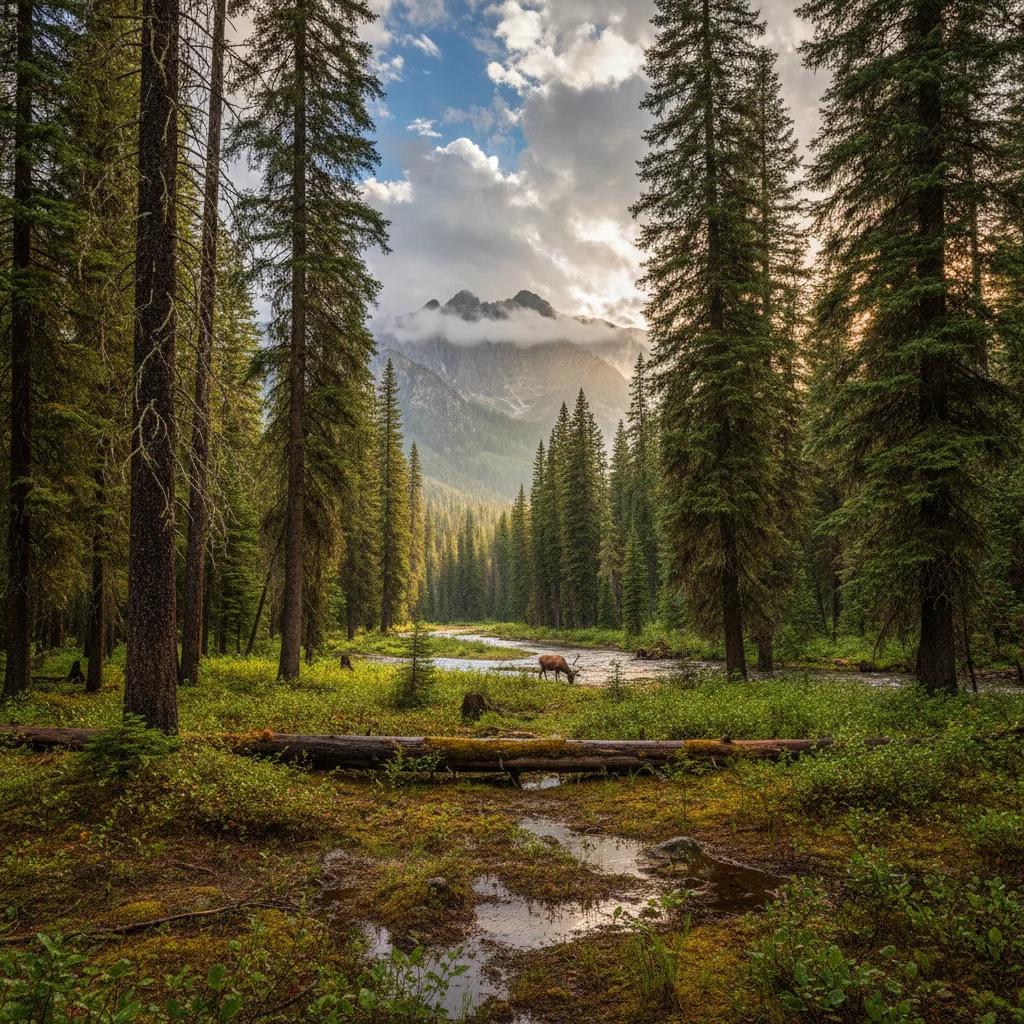
The St. Joe National Forest offers a distinct kind of wilderness experience, one that feels both accessible and profoundly remote. We’ve found that visitors are consistently drawn to its unparalleled natural beauty and the sheer diversity of activities available. Unlike some of the more heavily trafficked national parks, the St. Joe provides a sense of solitude, allowing for a deeper connection with nature. Its pristine rivers, particularly the St. Joe River itself, are renowned for fly-fishing and paddling, attracting anglers and kayakers from across the country. The forest's dense canopy, dominated by towering Western Red Cedar and Ponderosa Pine, creates an incredibly rich ecosystem, home to diverse wildlife and offering a cool, shaded respite during summer months. For us, it’s the combination of raw, untamed landscapes and the genuine opportunity for adventure that makes the St. Joe National Forest an essential Idaho destination.
Whether you're an avid outdoors enthusiast or simply looking for a peaceful escape from the everyday, the St. Joe delivers. We believe its well-maintained trail system, abundant camping opportunities, and stunning vistas make it a standout choice for anyone exploring the best places in Idaho. The forest's commitment to preserving its natural state means you'll encounter a truly wild environment, a rare and precious commodity in today's world.
Who It's Best For
The St. Joe National Forest caters to a wide spectrum of outdoor enthusiasts, though certain groups will find it particularly appealing. We consider it an ideal destination for:
- Anglers: The St. Joe River is a blue-ribbon trout stream, famous for its native Westslope Cutthroat Trout. Fly fishermen, in particular, will find endless opportunities for both wade and float fishing.
- Hikers and Backpackers: With hundreds of miles of trails ranging from easy riverside strolls to strenuous mountain ascents, the forest offers something for every skill level. Backpackers can find true solitude on multi-day treks.
- Campers: From developed campgrounds with amenities to primitive dispersed camping sites, the St. Joe provides a variety of options for overnight stays under the stars.
- Paddlers: Kayaking, canoeing, and rafting are popular activities on the St. Joe River, offering a unique perspective of the forest's beauty.
- Scenic Drivers: The St. Joe River Road (Forest Highway 50) is a designated National Forest Scenic Byway, providing breathtaking views and access to numerous recreational sites.
- Wildlife Viewers: The dense forests and riparian areas are home to elk, moose, deer, black bears, and a myriad of bird species, offering excellent wildlife viewing opportunities.
- Families Seeking Outdoor Adventures: Many campgrounds and shorter trails are family-friendly, providing a safe and engaging environment for children to connect with nature.
If you're looking for a bustling resort town experience, this isn't it. But if peace, natural beauty, and active outdoor pursuits are high on your list, then the St. Joe National Forest is undoubtedly for you.
Getting There & Parking
Accessing the St. Joe National Forest is part of the adventure, as it’s nestled in a relatively remote part of northern Idaho. We recommend planning your route in advance, especially if you're heading to a specific campground or trailhead. The primary gateway towns are St. Maries to the west and Avery to the east, though many visitors approach from larger hubs like Coeur d'Alene, Idaho, or Missoula, Montana.
For those traveling by car, the most common approach is via Idaho State Highway 3, which connects to St. Maries. From St. Maries, you can pick up the St. Joe River Road (Forest Highway 50), which runs deep into the heart of the forest, paralleling the St. Joe River. This road is paved for a significant portion but transitions to well-maintained gravel further east. Another key access point is via Idaho State Highway 9, which also leads to St. Maries.
If you're coming from the east, particularly from Montana, you might use Montana Highway 271, which connects to Forest Highway 282 near Avery. However, be aware that some of these eastern routes can be more rugged and less maintained, especially outside of peak season.
When considering how to get to St. Joe National Forest, we always advise checking road conditions, particularly in spring and fall, as higher elevation roads can still be snow-covered or muddy. The U.S. Forest Service website for the Idaho Panhandle National Forests provides up-to-date information. As of our last check in July 2026, most main forest roads are open, but always verify before you go.
Parking: Parking is generally available at trailheads, campgrounds, and popular access points along the St. Joe River Road. Most parking areas are free, but some developed sites or specific trailheads might require a day-use fee or a recreation pass. For example, some developed recreation sites within the Idaho Panhandle National Forests, which includes the St. Joe, may require a fee of around $5-$10 for day use, or an annual pass such as the America the Beautiful Pass. We recommend having small bills on hand for self-pay stations or purchasing a pass in advance if you plan extensive use of developed facilities. Over-sized vehicles should be mindful of narrower, winding forest roads and limited parking at some trailheads.
Top Things to Do
The St. Joe National Forest is a playground for outdoor enthusiasts, offering a diverse range of activities that truly showcase its natural splendor. Our team has explored many corners of this forest, and we’re confident in recommending these top things to do at St. Joe National Forest, ensuring you make the most of your visit.
St. Joe National Forest Hiking Trails
Hiking is arguably one of the best ways to experience the St. Joe National Forest. The network of St. Joe National Forest hiking trails caters to all abilities, from easy riverside walks to challenging multi-day treks into the Selkirk Mountains. Here are some of our favorites:
- Pulaski Tunnel Trail: This historic 2-mile (round trip) interpretive trail near Wallace, Idaho (just north of the St. Joe boundary, but a popular access point), commemorates the heroic actions of "Big Ed" Pulaski during the Great Fire of 1910. It’s an easy walk suitable for families, offering a glimpse into the forest's past.
- Hobbs Peak Trail: For those seeking panoramic views, the Hobbs Peak Trail offers a strenuous climb to a fire lookout. The views from the top are spectacular, encompassing vast stretches of the St. Joe River drainage and surrounding mountains.
- Upper St. Joe River Trail: This trail system offers miles of relatively flat hiking along the pristine upper reaches of the St. Joe River. It's perfect for a longer, less strenuous day hike or even an overnight backpacking trip, allowing you to truly immerse yourself in the wilderness.
- Shadowy St. Joe Trail: A popular choice for a moderate hike, this trail offers beautiful river views and meanders through dense forest, providing excellent opportunities for wildlife spotting.
When tackling St. Joe National Forest hiking trails, always carry water, snacks, appropriate gear, and inform someone of your plans. Bear spray is also a wise precaution in this area.
Fishing the St. Joe River
The St. Joe River is legendary among fly fishermen, particularly for its native Westslope Cutthroat Trout. We’ve spent countless hours on its banks and can confirm its reputation is well-deserved. The river is managed as a "catch-and-release" fishery in many sections, ensuring a healthy population. Regulations can change, so we advise checking the Idaho Department of Fish and Game's current fishing regulations for 2026 before casting your line. You'll need an Idaho fishing license, which can be purchased online or at various vendors throughout the state. Both wade fishing and float fishing (using rafts or drift boats) are popular, with numerous access points along Forest Highway 50.
Scenic Drives
If you prefer to soak in the scenery from the comfort of your vehicle, the St. Joe offers incredible scenic drives. The aforementioned St. Joe River Road (Forest Highway 50) is a National Forest Scenic Byway that follows the river for over 90 miles, offering continuous stunning views, numerous pull-offs, and access to campgrounds and trailheads. We also recommend exploring some of the side roads for even more secluded vistas and potential wildlife sightings. Remember that some of these roads are unpaved and may require a high-clearance vehicle.
Camping
Camping is a quintessential St. Joe experience. We’ve found that the forest offers a range of options, from developed campgrounds with amenities like vault toilets and potable water to dispersed camping in designated areas. Popular developed campgrounds include:
- Shadowy St. Joe Campground: Located right on the river, offering easy access to fishing and hiking.
- Turner Flat Campground: Another riverside option, known for its scenic beauty.
- Hobo Campground: Features a natural hot spring pool, making it a unique camping experience (check current conditions and access before planning).
Reservations for developed campgrounds can often be made through Recreation.gov, and we highly recommend doing so, especially for weekend stays during peak season (July-August). Dispersed camping is generally free but requires adherence to Leave No Trace principles and local regulations, which can include fire restrictions. Always check for current fire restrictions before having a campfire.
Paddling and Boating
The St. Joe River is ideal for kayaking, canoeing, and rafting, particularly in its calmer upper sections. The lower river, closer to St. Maries, can be wider and slower, suitable for motorboats. Numerous put-in and take-out points are available along Forest Highway 50. For a truly immersive experience, consider a multi-day float trip, camping along the riverbanks. We find this to be one of the most serene ways to absorb the forest's beauty.
Our expert verdict on things to do at St. Joe National Forest is that versatility is key. Whether you're seeking strenuous adventure or peaceful contemplation, the forest provides. Just remember to plan ahead, check conditions, and respect the wilderness.
Best Time to Visit
The St. Joe National Forest offers distinct experiences across its seasons, and the "best" time to visit largely depends on your desired activities. Our team has visited in all seasons, and here's our breakdown:
- Summer (June-August): This is peak season for a reason. The weather is generally warm and sunny, perfect for hiking, camping, fishing, and paddling. All roads and trails are typically open. However, expect more crowds, especially at popular campgrounds and trailheads. Reservations are highly recommended for camping.
- Fall (September-October): We consider fall to be a truly magical time in the St. Joe. The larch trees turn a brilliant golden, creating stunning photographic opportunities. Crowds thin out, and the weather is often crisp and pleasant for hiking. Fishing can still be excellent. Be prepared for cooler temperatures and potential early snow at higher elevations. Some services may begin to close down towards late October.
- Spring (April-May): Spring brings melting snow, rushing rivers, and vibrant greenery. It's an excellent time for whitewater paddling on the St. Joe River, and fishing can be productive as the water warms. However, many higher elevation trails and roads may still be snow-covered or muddy, limiting access. Be prepared for unpredictable weather.
- Winter (November-March): The St. Joe transforms into a serene, snow-covered wonderland in winter. Opportunities for cross-country skiing, snowshoeing, and snowmobiling abound. Access can be limited to plowed main roads, and many facilities are closed. This season is best for experienced winter adventurers seeking solitude.
For most visitors looking to enjoy the full range of activities, we recommend late spring through early fall. If you're specifically targeting the St. Joe National Forest for fishing, check local hatch charts and river conditions, as these can vary significantly.
Where to Stay Nearby
While the St. Joe National Forest offers extensive camping options, some visitors prefer the comfort of a bed and amenities. When considering St. Joe National Forest lodging, you'll find a range of choices in nearby towns, each offering a different flavor. We always recommend booking accommodations well in advance, especially during peak summer months.
St. Maries, Idaho
Located at the western edge of the forest, St. Maries is the largest nearby town and serves as a primary gateway. It offers the most comprehensive selection of services, including grocery stores, restaurants, and a few lodging options. You'll find a mix of small motels and independent inns here. It's a practical base for exploring the western and central portions of the St. Joe National Forest.
Avery, Idaho
Further east and deeper within the forest, Avery is a small, historic railroad town. Lodging options are very limited, often consisting of cabins or small lodges catering to outdoor enthusiasts. It's a much more remote experience, ideal for those who want to be right in the heart of the wilderness and don't mind fewer amenities. Be sure to fuel up and stock up on supplies before heading to Avery, as services are sparse.
Coeur d'Alene, Idaho
Roughly an hour and a half to two hours northwest of the St. Joe, Coeur d'Alene offers a much wider array of accommodations, from luxury resorts to budget-friendly hotels. While not "nearby" in the immediate sense, it's a popular choice for visitors who want to combine a St. Joe adventure with a more upscale experience or who are flying into Spokane International Airport (GEG), which is close to Coeur d'Alene. We often recommend a night or two in Coeur d'Alene to relax before or after a rugged forest trip. You can also explore Lake Coeur d'Alene while you're there.
Other Options for St. Joe National Forest Lodging
Beyond traditional hotels, consider vacation rentals (cabins, houses) in and around St. Maries or even private campgrounds that offer cabins. Some outfitters along the St. Joe River also provide lodging packages. For a truly unique experience, look into renting a Forest Service cabin, if available, though these require early reservations and often have rustic amenities. We always emphasize that options are more limited the deeper you venture into the forest, so plan accordingly.
Sample 2-Day Itinerary
To help you visualize your adventure, our team has crafted a sample 2-day itinerary for the St. Joe National Forest, focusing on a balance of activity and relaxation. This assumes a base camp or lodging near the central part of the forest, perhaps around Avery or a campground along Forest Highway 50.
Day 1: River Immersion & Scenic Views
- Morning (8:00 AM - 12:00 PM): Start your day with a hearty breakfast. Head to a popular fishing access point along the St. Joe River, such as near the Shadowy St. Joe Campground, for some fly-fishing. Even if you don't fish, a riverside stroll along the Shadowy St. Joe Trail is a beautiful way to begin.
- Lunch (12:00 PM - 1:00 PM): Enjoy a packed lunch at a scenic pull-off along Forest Highway 50, taking in the river views.
- Afternoon (1:00 PM - 5:00 PM): Embark on a scenic drive further east on Forest Highway 50 towards Avery. Stop at various viewpoints and perhaps take a short, easy hike on a section of the Upper St. Joe River Trail. Consider a visit to the historic Avery Ranger Station for a glimpse into the area's past.
- Evening (5:00 PM onwards): Return to your campsite or lodging. Prepare dinner. If you're at Hobo Campground, enjoy a soak in the hot springs. Otherwise, relax by a campfire (if permitted) and enjoy the unparalleled stargazing.
Day 2: Mountain Trails & Wildlife Spotting
- Morning (8:00 AM - 1:00 PM): After breakfast, set out for a more challenging hike. We recommend the Hobbs Peak Trail for its rewarding summit views. Alternatively, explore a longer section of the St. Joe National Forest hiking trails, such as a loop near the Little North Fork of the St. Joe River. Pack plenty of water and snacks.
- Lunch (1:00 PM - 2:00 PM): Enjoy a well-deserved picnic lunch at your trailhead or a scenic spot after your hike.
- Afternoon (2:00 PM - 5:00 PM): Focus on wildlife viewing. Drive some of the less-trafficked forest roads, keeping an eye out for elk, deer, and moose, especially in riparian areas. Bring binoculars! Alternatively, if you're a history buff, explore the nearby town of Wallace (just north of the forest boundary) for its mining heritage.
- Evening (5:00 PM onwards): Enjoy a final dinner in the forest. Reflect on your adventure and plan your next visit. If departing, allow ample time for the drive out, especially if heading to Coeur d'Alene or Missoula.
This itinerary is flexible; adjust it to your interests and energy levels. Remember to factor in driving times, as distances in the St. Joe National Forest can be longer than they appear on a map due to winding roads.
Last updated: 2026-07-06 by the Roam States team.