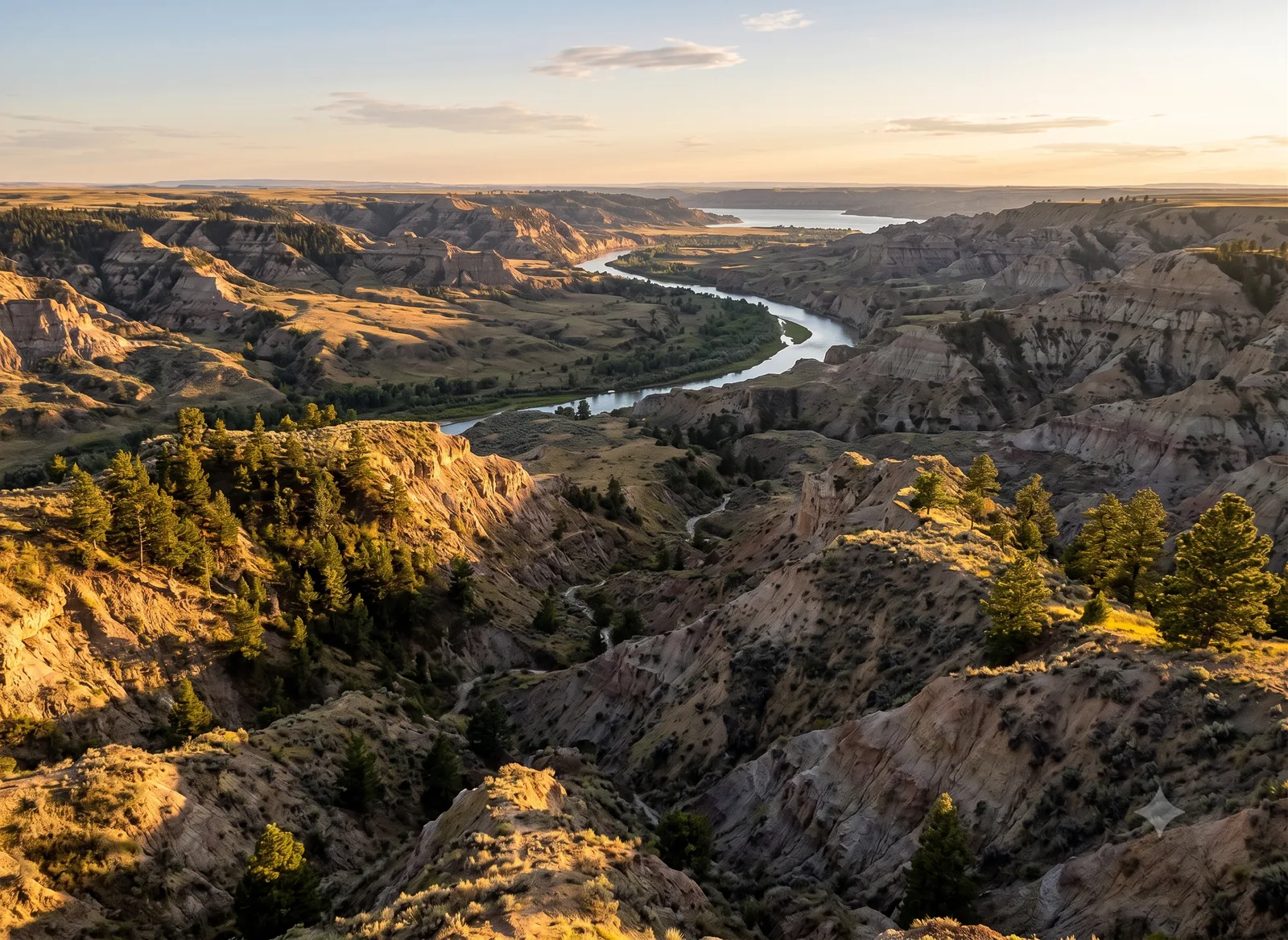
Our Charles M. Russell National Wildlife Refuge guide covers practical planning for Charles M. Russell National Wildlife Refuge Montana — best time to visit, getting there, and what to do on the ground.
As seasoned travelers, our team has explored the far reaches of the American West, and few places embody the wild, untamed spirit of Montana quite like the Charles M. Russell National Wildlife Refuge. This immense expanse, often simply called the "CMR" by locals, is a jewel in the crown of the National Wildlife Refuge System, offering an unparalleled opportunity to connect with nature on a grand scale. Encompassing approximately 1.1 million acres in northeastern Montana, the Charles M. Russell National Wildlife Refuge provides a rare chance to experience wild lands and wildlife in a natural setting, much as the Lewis and Clark Expedition encountered it in 1805.
From sweeping grasslands and rugged badlands to forested coulees and the vast waters of Fort Peck Reservoir, the refuge protects a diverse array of landscapes along 125 miles of the Missouri River. It's a remote and truly wild area, a testament to Montana's enduring natural beauty, and a haven for an incredible diversity of wildlife. We're here to help you navigate this incredible destination, ensuring your trip is as rewarding as the landscape itself.
Why Visit Charles M. Russell National Wildlife Refuge
The allure of the Charles M. Russell National Wildlife Refuge lies in its sheer scale and untouched wilderness. This is not a manicured park with paved paths and frequent amenities; it's a place where nature reigns supreme, offering an authentic taste of Montana's rugged beauty. We visit for the profound sense of solitude and the chance to witness wildlife thriving in its natural habitat. The refuge is home to 60 species of mammals and over 235 species of birds, including large ungulates like elk, mule deer, pronghorn, and bighorn sheep.
For those who appreciate the raw power of nature and the quiet thrill of discovery, the CMR delivers. It's a place to disconnect from the everyday and immerse yourself in an environment that has changed little since the early 19th century. We find immense value in places that challenge us to slow down, observe, and appreciate the intricate balance of an ecosystem, and the Charles M. Russell National Wildlife Refuge offers just that.
Who It's Best For
The Charles M. Russell National Wildlife Refuge is ideal for a specific type of traveler – those who are self-reliant, appreciate solitude, and are passionate about wildlife and outdoor pursuits. Our team considers it a prime destination for:
- Wildlife Enthusiasts and Bird Watchers: With its abundant and diverse wildlife, including a large prairie herd of elk and over 235 bird species, the refuge is a paradise for observation and photography. The Slippery Ann Elk Viewing Area is particularly renowned during the September and October rutting season.
- Hunters and Anglers: The refuge offers extensive opportunities for hunting various game species like antelope, bighorn sheep, elk, and deer, as well as fishing in the Missouri River and Fort Peck Reservoir for species such as walleye, northern pike, and catfish. A Montana hunting or fishing license is required.
- Backcountry Adventurers: Hikers, backpackers, and horseback riders seeking remote, undeveloped areas will find vast stretches to explore. Dispersed camping is allowed, offering true wilderness experiences.
- Photographers: The dramatic landscapes of badlands, coulees, and the expansive reservoir, combined with abundant wildlife, provide endless photographic opportunities.
- Families with Older Children: While younger children might find the remoteness challenging, older kids who enjoy nature, hiking, and wildlife spotting will thrive in this environment.
This refuge is not for those seeking luxury resorts or extensive amenities. It's for those who embrace the wild and are prepared for its challenges and rewards.
Getting There & Parking
Understanding how to get to Charles M. Russell National Wildlife Refuge is crucial, as its vastness means multiple access points and varying road conditions. The refuge is located in northeastern Montana, a considerable distance from major population centers. The headquarters for the Refuge Complex is located in Lewistown, Montana, with office hours from 7 am to 4 pm, closed weekends and holidays. There are also three staffed field stations: Sand Creek Wildlife Station near U.S. Highway 191, Jordan Wildlife Station in the town of Jordan, and Fort Peck Wildlife Station in the town of Fort Peck, all with similar office hours.
Road Conditions and Vehicle Requirements
Many of the roads within the refuge are "primitive" and may require a high-clearance vehicle or four-wheel drive, especially during wet weather when many trails become impassable. We strongly advise checking current road conditions with the refuge headquarters before venturing out. Traveling on closed roads and off-road travel, including on shorelines, is prohibited. All mechanized vehicles (except snowmobiles, which are generally prohibited on refuge lands and roads, but allowed on the ice of Fort Peck Reservoir below Soda Creek Bay) are permitted only on numbered Refuge roads designated as open.
Primary Access Points
- From the West (U.S. Highway 191): This highway provides access to the western side of the refuge. An exceptional 20-mile auto tour route, which takes approximately 2 hours, begins and ends on Highway 191, offering scenic views of the Missouri River and abundant wildlife. The popular Slippery Ann Elk Viewing Area is also located on the west end of the refuge along this auto tour route.
- From the East (Montana Highway 24): This route leads to the Fort Peck area, including the Fort Peck Interpretive Center and Museum. The Pines Recreation Area, a popular access point, is located about 30 miles southwest of Fort Peck. To reach it, follow Montana Highway 24 for approximately five miles from Fort Peck until you reach a marked turnoff, then continue for about 26 miles on a good gravel road.
Parking
Day-use parking must be immediately adjacent to an open, numbered road. For those planning to camp, vehicles may be driven, using the most direct route, up to 100 yards from an open road to establish and utilize temporary overnight campsites, except in designated wilderness areas.
It's important to note that cell phone service is sporadic throughout the refuge, and drinking water is extremely limited, so visitors should plan to carry their own water.
Top Things to Do
The Charles M. Russell National Wildlife Refuge offers a wealth of activities for those eager to explore its vast landscapes and abundant wildlife. Our team has found that the best things to do at Charles M. Russell National Wildlife Refuge often involve embracing the wild and preparing for self-guided adventures.
Wildlife Viewing & Photography
This is arguably the primary draw to the Charles M. Russell National Wildlife Refuge. The refuge is a sanctuary for a remarkable array of animals. We consistently spot large ungulates like elk, mule deer, pronghorn, and bighorn sheep. The Slippery Ann Elk Viewing Area is a must-visit, especially during the elk rut in September and October when hundreds of elk gather, creating an unforgettable spectacle. Birdwatchers will be rewarded with over 235 species, including raptors like eagles and hawks, and grassland birds such as western meadowlarks and prairie falcons.
Hunting & Fishing
For licensed hunters and anglers, the CMR is a premier destination. Hunting is permitted for species including antelope, bighorn sheep, coyotes, elk, migratory birds, mountain lion, mule deer, turkey, upland game birds, waterfowl, and white-tailed deer. All hunting is subject to Federal and State regulations, and a Montana hunting license is required. Fishing in the Missouri River and Fort Peck Reservoir is popular, with anglers targeting walleye, northern pike, sauger, perch, and catfish. A Montana fishing license is also required. We always recommend consulting the latest 2026 hunting and fishing regulations available on the refuge website or at headquarters, as seasons and quotas can be more restrictive than state regulations.
Boating & Water Recreation
Fort Peck Reservoir, one of the largest man-made lakes in the world, and the Missouri River offer extensive opportunities for boating, kayaking, and canoeing. The reservoir is excellent for water skiing, wakeboarding, and cruising, though strong winds can create large waves, necessitating a solid boat with a strong motor. The uppermost 12 miles of the Missouri River within the refuge are part of the Wild and Scenic Missouri River, popular for canoeing, with special regulations applying to motorboat restrictions in this segment. Swimming is also possible at designated beaches and unofficial spots along the reservoir shores.
Scenic Drives
A self-guided auto tour route, accessible from Highway 191 on the western side, offers a 19-mile journey through diverse landscapes, taking approximately 2-3 hours. This all-weather gravel road parallels the Missouri River before climbing onto upland prairie and rangeland, with interpretive stops along the way. This is an excellent way to cover ground and increase your chances of wildlife sightings, especially for those interested in the things to do at Charles M. Russell National Wildlife Refuge without extensive hiking.
Fort Peck Interpretive Center & Dam
On the eastern side of the refuge, near the Fort Peck Dam, the Fort Peck Interpretive Center offers valuable insights into the refuge's wildlife, geology, and history, from dinosaurs to the dam's construction. It's a cooperative effort between the U.S. Army Corps of Engineers and the U.S. Fish and Wildlife Service. The Fort Peck Dam itself is an impressive engineering marvel worth seeing.
Best Time to Visit
The Charles M. Russell National Wildlife Refuge is open year-round, but the best time to visit largely depends on your interests and tolerance for varying weather conditions.
- Summer (June to August): This is the most popular time for visitors, especially for camping, picnicking, biking, and boating on Fort Peck Reservoir. Temperatures can reach 100°F, so be prepared for heat. Wildlife is active, but the heat can make midday viewing challenging.
- Fall (September to October): Our team considers this an excellent time to visit, particularly for wildlife viewing. The elk rut at Slippery Ann Elk Viewing Area in September and October is a spectacular event, with large numbers of elk congregating. Temperatures are generally milder, and the changing fall colors add to the scenic beauty. Hunting seasons are also in full swing during this period.
- Spring (April to May): Spring brings new life to the refuge, with migratory birds returning and many animals giving birth. Early April to late June is ideal for seeing fox kits and bear cubs. However, spring can also bring wet weather, making primitive roads impassable, and temperatures can be unpredictable.
- Winter (November to March): The refuge is covered in snow, offering a stark beauty and unique opportunities for winter wildlife viewing, such as bald eagles congregating near open water below Fort Peck Dam. Temperatures can drop to -20°F, and many roads may be closed or require specialized vehicles. This season is best for experienced winter adventurers seeking extreme solitude.
Regardless of when you visit, be prepared for rapidly changing weather conditions and pack accordingly. Always check current weather and road conditions before your trip.
Where to Stay Nearby
Given the remote nature of the Charles M. Russell National Wildlife Refuge, finding suitable Charles M. Russell National Wildlife Refuge lodging requires some planning. While there are no hotels directly within the refuge boundaries, several options exist in nearby towns and within developed recreation areas.
Camping Within the Refuge
Camping is a popular and immersive way to experience the CMR. Both developed campgrounds and dispersed backcountry camping are allowed. Many recreation areas and campgrounds within the refuge are managed by other agencies, such as the Bureau of Land Management (BLM) and the U.S. Army Corps of Engineers (USACE).
- Developed Campgrounds:
- James Kipp Recreation Area: Managed by the BLM, this is one of the closest developed campgrounds to Lewistown.
- USACE Recreation Areas: The U.S. Army Corps of Engineers manages several recreation sites around Fort Peck Reservoir, including Crooked Creek, Devils Creek, Forchette Bay, The Pines, Nelson Creek, McGuire Creek, Rock Creek, and Fort Peck Recreation Areas. Some of these, like Fort Peck Campground, offer spacious, paid campsites.
- Hell Creek Recreation Area: Managed by the Montana Little Shell Chippewa Tribe.
- Roundhouse Point Campground: Located near the Fort Peck Interpretive Center, with one toilet but no RV hookups or fee.
- Dispersed Camping: Allowed throughout much of the refuge, offering a true wilderness experience. Vehicles can be driven up to 100 yards from an open road for temporary overnight campsites, except in designated wilderness areas. When dispersed camping, remember to pack out all trash and restore your campsite to a natural condition.
Reservations for developed campgrounds can often be made through Recreation.gov. We recommend checking specific campground websites for 2026 availability and fees.
Hotels and Motels in Nearby Towns
For those preferring traditional accommodations, towns surrounding the vast refuge offer options. Keep in mind that "nearby" can still mean a significant drive, given the refuge's size. Some towns to consider for Charles M. Russell National Wildlife Refuge lodging include:
- Lewistown: As the location of the refuge headquarters, Lewistown offers several hotels and motels. Options like Super 8 by Wyndham Lewistown and Trail's End Motel Downtown Lewistown are noted for their proximity and parking availability.
- Fort Peck / Glasgow: Fort Peck has the historic Fort Peck Hotel, which offers lodging, dining, and a lounge, making it a great base for exploring the eastern side of the refuge and Fort Peck Lake. Glasgow, a larger town further north, provides more amenities.
- Havre: Located to the northwest, Havre also has hotel options such as Quality Inn Havre, Best Western Plus Havre Inn & Suites, and AmericInn by Wyndham Havre.
- Jordan: A small town within the refuge's general vicinity, offering very limited services.
When booking, always verify the exact distance to your intended refuge access point, as drives can be long and services sparse. We advise making reservations well in advance, especially during peak seasons.
Sample 2-Day Itinerary
To truly experience the Charles M. Russell National Wildlife Refuge, we recommend at least a two-day visit. This sample itinerary focuses on key highlights, assuming you have a high-clearance vehicle and are prepared for remote travel.
Day 1: Western Wonders & Wildlife
- Morning (Arrival & Auto Tour): Arrive at the western side of the refuge, ideally via U.S. Highway 191. Begin your exploration with the 19-mile self-guided auto tour. This gravel road offers excellent opportunities for wildlife viewing, including pronghorn antelope, deer, and prairie dogs, and provides scenic views of the Missouri River breaks. Allow 2-3 hours for this tour, stopping frequently for photos.
- Late Morning/Afternoon (Slippery Ann Elk Viewing Area & Hiking): Continue to the renowned Slippery Ann Elk Viewing Area. Depending on the season, you might witness large herds of elk, especially during the fall rut. From here, explore some of the informal hiking opportunities in the area. Remember that hiking is allowed anywhere on the refuge, but trails can be primitive.
- Evening (Dispersed Camping): Find a suitable spot for dispersed camping, ensuring you are at least 100 yards from an open road and not in a designated wilderness area. Enjoy the solitude and stargazing that only a truly dark sky can offer. Alternatively, head to James Kipp Recreation Area for developed camping.
Day 2: Eastern Exploration & Reservoir Views
- Morning (Drive to Fort Peck & Interpretive Center): After breaking camp, drive east towards the Fort Peck area. This will be a significant drive, so factor in travel time. Your destination is the Fort Peck Interpretive Center, where you can learn about the refuge's natural and cultural history, including its dinosaur heritage and the construction of the massive Fort Peck Dam.
- Late Morning/Afternoon (Fort Peck Dam & Reservoir Activities): Explore the Fort Peck Dam, an impressive feat of engineering. Then, head to Fort Peck Reservoir for water-based activities. If you have a boat, consider a scenic cruise or some fishing for walleye or northern pike. Alternatively, enjoy swimming at one of the dredge cut beaches or simply relax by the vast lake.
- Late Afternoon (Pines Recreation Area): Visit the Pines Recreation Area, known for its ponderosa pines and excellent birdwatching opportunities, including osprey and white pelicans along the reservoir boundaries.
- Evening (Departure or Overnight): Depending on your onward journey, you can depart from the eastern side of the refuge or opt for another night of camping at a USACE-managed site like Crooked Creek or Fort Peck Campground, or stay at the historic Fort Peck Hotel.
This itinerary is a suggestion; the beauty of the CMR is its flexibility. Always carry plenty of water, food, and fuel, and inform someone of your plans, as cell service is unreliable.
Charles M. Russell National Wildlife Refuge Hiking Trails
For those who love to explore on foot, the Charles M. Russell National Wildlife Refuge hiking trails offer an authentic wilderness experience. Unlike national parks with clearly marked and heavily trafficked paths, hiking here often means forging your own way through vast, untamed landscapes. Our team embraces this rugged approach, understanding that it's part of the refuge's unique appeal.
Hiking Opportunities and Conditions
Hiking is generally allowed anywhere on the refuge, providing immense freedom for exploration. However, visitors should be prepared for undeveloped terrain. While there are established trails scattered around the refuge, their levels of development and accessibility vary significantly. For instance, two hiking trails originate in Hell Creek State Park on the south side of the refuge. On the eastern side, near the Fort Peck Dam Interpretive Center, you'll find several paved walking trails, which are more accessible options.
The remote nature of the "Breaks" region, with its endless prairies, deep canyons, and remote timbered ridges, makes for excellent day hiking and backcountry exploration. However, this also means being self-sufficient. We strongly advise carrying good boots, sunscreen, and insect repellent.
Navigating the Trails
Given the limited development of many Charles M. Russell National Wildlife Refuge hiking trails, navigation skills are essential. We recommend carrying detailed maps (geo-referenced maps are available from the refuge) and a GPS device. Cell phone service is sporadic at best, so do not rely on it for navigation or emergencies.
Be aware of wildlife, especially during prime viewing seasons. While encounters with predators like mountain lions are rare, it's always wise to be bear aware and carry bear spray, particularly in areas where grizzly bears might be present, though they are an endangered species and not commonly seen.
Road conditions can significantly impact access to trailheads. Many vehicle trails are primitive and can become impassable during wet weather, requiring a high-clearance or four-wheel-drive vehicle.
For those seeking a true wilderness trek, the Charles M. Russell National Wildlife Refuge hiking trails offer solitude and an unvarnished connection with Montana's wild heart. Just be prepared for the adventure!
Is It Worth Visiting?
From our perspective as independent US travel authorities, the question "is Charles M. Russell National Wildlife Refuge worth visiting?" receives a resounding yes – with a crucial caveat. This refuge is not for everyone, but for the right traveler, it offers an exceptionally rewarding experience that few other places can match.
The Charles M. Russell National Wildlife Refuge stands as one of the last truly wild places in the lower 48 states, a vast, untamed landscape that has remained largely unchanged since the days of Lewis and Clark. Its immense size, covering 1.1 million acres, guarantees a sense of solitude and immersion in nature that is increasingly rare.
We find its value in the unparalleled opportunities for wildlife viewing, from the bugling elk during the rut at Slippery Ann to the diverse birdlife along the Missouri River. For hunters and anglers, it's a prime destination, offering extensive opportunities for their pursuits. The rugged beauty of the badlands, the expansive prairies, and the serene waters of Fort Peck Reservoir provide a stunning backdrop for photography and deep introspection.
However, the very qualities that make it so special also present challenges. The refuge is remote, with limited services, sporadic cell phone reception, and many primitive roads that require appropriate vehicles. This is not a place for a casual drive-through or for those who prefer structured, amenity-rich experiences. But if you are a self-reliant adventurer, a dedicated wildlife enthusiast, or simply someone seeking profound solitude and an authentic connection to the wild heart of Montana, then is Charles M. Russell National Wildlife Refuge worth visiting? Absolutely. It's an unforgettable journey into America's natural heritage.
Frequently Asked Questions
Charles M. Russell National Wildlife Refuge camping
Charles M. Russell National Wildlife Refuge camping options include both developed campgrounds and dispersed backcountry camping. Developed sites are managed by various agencies like the Bureau of Land Management (e.g., James Kipp Recreation Area) and the U.S. Army Corps of Engineers (e.g., Crooked Creek, Fort Peck Recreation Areas). Dispersed camping is allowed throughout much of the refuge, with vehicles permitted to drive up to 100 yards from an open road for temporary overnight sites, outside of designated wilderness areas. Always pack out all trash and leave your campsite in a natural condition.
Things to do in Central Montana
Beyond the Charles M. Russell National Wildlife Refuge, Central Montana offers a variety of attractions. Our team suggests exploring historic Fort Benton along the Missouri River, visiting the C.M. Russell Museum in Great Falls to learn about the iconic cowboy artist, or discovering dinosaur fossils along the Montana Dinosaur Trail. Outdoor enthusiasts can enjoy the Rocky Mountain Ranger District of the Helena-Lewis & Clark National Forest, or visit the Lewis & Clark Interpretive Center in Great Falls. Other activities include rafting on the Yellowstone River, visiting hot springs like Chico Hot Springs, or exploring the Museum of the Rockies in Bozeman.
Charles M. Russell National Wildlife Refuge with kids
Visiting Charles M. Russell National Wildlife Refuge with kids can be a rewarding adventure, especially for older children who appreciate nature and outdoor activities. The refuge offers opportunities for wildlife viewing, hiking, swimming in Fort Peck Reservoir, and scenic drives. The Fort Peck Interpretive Center provides educational exhibits on wildlife and history. However, due to the refuge's remote nature, limited amenities, and primitive roads, careful planning is essential. We recommend engaging kids with activities like spotting specific animals on a checklist, learning about the Lewis and Clark expedition, and preparing them for long drives and a lack of cell service. Always carry plenty of water, snacks, and first-aid supplies.
Best hotels near Charles M. Russell National Wildlife Refuge
The best hotels near Charles M. Russell National Wildlife Refuge are typically found in surrounding towns, as there are no hotels directly within the refuge. In Lewistown, options include Super 8 by Wyndham Lewistown and Trail's End Motel Downtown Lewistown. Near the eastern side, the historic Fort Peck Hotel in Fort Peck offers lodging and dining. Further north, in Havre, you can find hotels like Quality Inn Havre, Best Western Plus Havre Inn & Suites, and AmericInn by Wyndham Havre. We advise checking reviews and booking in advance, especially during peak seasons, and always confirm the exact distance to your planned refuge access point.
Charles M. Russell National Wildlife Refuge tips
Our top Charles M. Russell National Wildlife Refuge tips for a successful trip include:
- Be Self-Sufficient: Carry ample water, food, fuel, and a first-aid kit. Drinking water is extremely limited, and cell service is sporadic.
- Vehicle Preparedness: A high-clearance or 4x4 vehicle is often necessary, especially on primitive roads or during wet conditions. Always check road conditions before heading out.
- Navigation: Do not rely solely on cell phone GPS. Bring detailed paper maps and a separate GPS device. Geo-referenced maps are available from the refuge.
- Wildlife Awareness: Be prepared for wildlife encounters. Maintain a safe distance, and if hiking, be bear aware and consider carrying bear spray.
- Respect Regulations: Familiarize yourself with refuge rules on hunting, fishing, camping, and vehicle use.
- Pack for All Weather: Montana weather can change rapidly; pack layers for varying temperatures.
- Leave No Trace: Pack out everything you pack in, and leave campsites cleaner than you found them.
Where to stay near Charles M. Russell National Wildlife Refuge
When considering where to stay near Charles M. Russell National Wildlife Refuge, your options range from primitive backcountry camping within the refuge to hotels in surrounding towns. Inside the refuge, developed campgrounds like James Kipp Recreation Area (managed by BLM) and various U.S. Army Corps of Engineers sites around Fort Peck Reservoir offer amenities. For hotels, look to towns such as Lewistown (e.g., Super 8 by Wyndham Lewistown), Fort Peck (e.g., Fort Peck Hotel), or Havre (e.g., Quality Inn Havre). Remember that distances can be significant, so choose a base that aligns with your planned activities and access points.
Conclusion: Embrace the Wild Heart of Montana
The Charles M. Russell National Wildlife Refuge is more than just a destination; it's an experience, a journey into the wild heart of Montana that challenges and rewards in equal measure. Our team has traversed countless landscapes across the US, and we can confidently say that the CMR stands apart. It's a place where the echoes of Lewis and Clark still resonate, where vast herds of elk roam freely, and where the silence of the prairie is broken only by the whisper of the wind.
Whether you're drawn by the thrill of the hunt, the tranquility of a fishing expedition, the challenge of a backcountry hike, or simply the desire to witness nature in its rawest form, the Charles M. Russell National Wildlife Refuge Montana delivers. It demands respect, preparation, and a willingness to embrace the untamed, but for those who answer its call, it offers an unforgettable connection to the enduring spirit of the American West. We encourage you to plan your visit, pack your sense of adventure, and discover the profound beauty of this remarkable refuge.
Last updated: 2026-07-06 by the Roam States team.