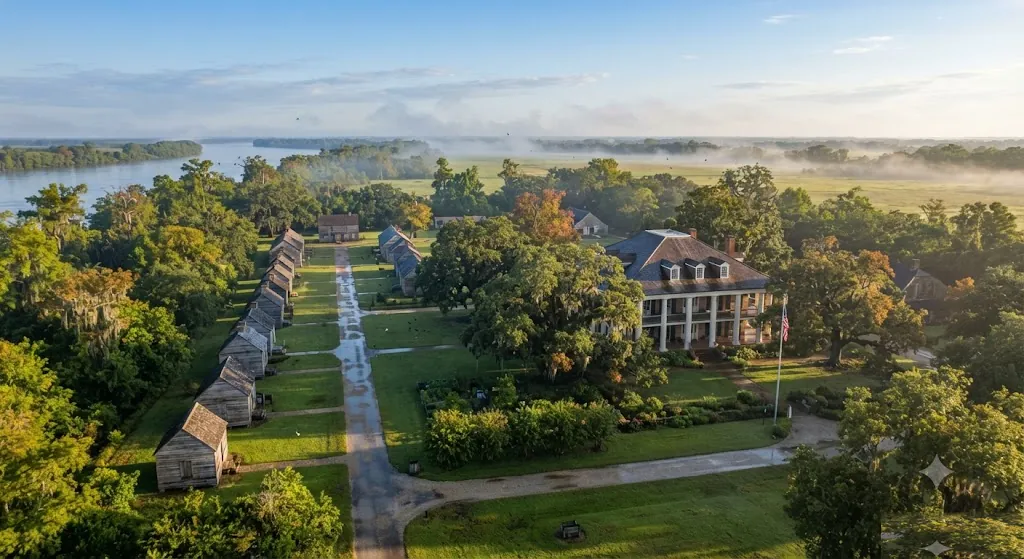
Whitney Plantation Travel Guide — Louisiana
For travelers seeking a profound and essential understanding of American history, our team at Roam States unequivocally recommends a visit to Whitney Plantation Louisiana. Unlike traditional plantation tours that often romanticize the antebellum South, this powerful site in Wallace, Louisiana, stands as the nation's only museum dedicated exclusively to the history of slavery, told through the raw, unvarnished voices and experiences of the enslaved people themselves. We believe it offers a critical perspective that is vital for anyone wishing to grasp the full scope of Louisiana's past and its enduring legacies.
Why Visit Whitney Plantation
Visiting Whitney Plantation is not merely a historical excursion; it is a pilgrimage to a site of memory and consciousness. Our team finds its mission to be singular and profoundly important: to educate the public about the history and legacies of slavery in the Southern United States. Established in 1752 as an indigo plantation before transitioning to sugar production, Whitney Plantation operated for over two centuries, with generations of enslaved people enduring unimaginable hardships.
What sets Whitney apart is its unwavering focus. Instead of highlighting the grandeur of the "Big House" and the lives of the planter class, every aspect of the museum—from its exhibits and memorial artwork to its restored buildings and hundreds of first-person slave narratives—is designed to center the lives, voices, and labor of the enslaved. We believe this approach offers a unique and necessary perspective, providing visitors with a deep, empathetic connection to a history that is often overlooked or sanitized.
The experience here is designed for reflection and learning, offering a stark and sobering contrast to other plantation tours. It is a place where the difficult truths of slavery are confronted directly, fostering a deeper understanding of its human cost and its lasting impact on American society. For anyone seeking to engage with this crucial chapter of history, Whitney Plantation provides an unparalleled opportunity for education, remembrance, and truth-telling.
Who It's Best For
Whitney Plantation is best suited for individuals and groups who are genuinely interested in a comprehensive and honest exploration of American history, particularly the institution of slavery. This includes history enthusiasts, students, educators, and anyone committed to understanding social justice issues. We recommend it for those seeking a thought-provoking and emotionally impactful experience rather than a picturesque tour of antebellum architecture. The site's focus on the enslaved perspective makes it particularly resonant for those who wish to learn about the resilience, resistance, and humanity of people who were subjected to extreme brutality.
While the subject matter is undeniably heavy, we believe it is a vital visit for anyone who wants to move beyond superficial narratives and engage with the complexities of the past. It's a powerful experience for adults and older children who can thoughtfully engage with the content. We find that visitors who come with an open mind and a willingness to confront difficult truths will gain the most profound insights from their time at Whitney Plantation.
Getting There & Parking
Whitney Plantation is located at 5099 Louisiana Highway 18, Wallace, LA 70049, on the west bank of the Mississippi River. For many, driving is the most reliable way to get to Whitney Plantation. We’ve outlined directions from Louisiana’s two major cities:
- From New Orleans: Take I-10 West towards Baton Rouge for approximately 39.3 miles. Take Exit 194 (LA-641 S) towards Gramercy. Turn left onto LA-641 S, then take the LA-18 ramp towards Edgard/Vacherie. Turn right onto LA-18/Great River Road. The drive typically takes about 59 minutes to 1 hour and 10 minutes, covering a distance of roughly 44-48 miles.
- From Baton Rouge: Take I-10 East towards New Orleans. Merge onto US-61 S via Exit 187 towards Gramercy. Turn right onto LA-641 S, then take the LA-18 ramp towards Edgard/Vacherie. Turn right onto LA-18/Great River Road. The journey is approximately 55 miles and takes about an hour.
When planning how to get to Whitney Plantation, it's important to note that ride-sharing services like Uber or Lyft are generally not reliably available for return trips from this rural location on River Road. If you opt for a ride-share to the plantation, we strongly recommend making prior arrangements for your return transportation.
For those driving, free on-site parking is available at Whitney Plantation. We always advise checking the official Whitney Plantation website or contacting them directly for any last-minute updates on directions or road closures before your visit. For a broader exploration of the state, consider our comprehensive guide to the best places in Louisiana.
Top Things to Do
The experience at Whitney Plantation is designed to be immersive and deeply educational, focusing on the lives of the enslaved. Here are the top things to do at Whitney Plantation:
- Take the Self-Guided Audio Tour: This award-winning audio tour is available in six languages and guides you through 14 or 15 stops across the plantation grounds. It takes approximately 70 to 115 minutes and is a powerful way to absorb the narratives and history at your own pace. The audio tour brings to life the stories of the people forced to cultivate sugar and rice on this plantation from 1752-1865.
- Join a Guided Tour: For a more interactive experience, guided tours are offered hourly and include access to the upstairs portion of the Big House, which is not available on the self-guided tour. These tours are led by trained historical interpreters who share the full history of the site.
- Explore the Memorials and Monuments: Whitney Plantation is home to several poignant memorials dedicated to the enslaved. These include the Wall of Honor, listing over 350 individuals enslaved on the property; the Allées Gwendolyn Midlo Hall, commemorating over 100,000 enslaved Louisianans; the Field of Angels, dedicated to 2,200 slave children who died before their third birthday; and a memorial to the 1811 German Coast Uprising. These memorials are central to understanding the human scale of slavery.
- Visit Original Historic Structures: The plantation preserves 16 original structures, including the rare Spanish Creole raised-cottage Big House, two original slave cabins (the last occupied in 1975), the overseer's house, a detached kitchen, a mule barn, and the Antioch Baptist Church, built by freedmen after the Civil War. Walking through these buildings offers a tangible connection to the past.
- Observe the Children of Whitney Sculptures: Throughout the grounds, you'll encounter haunting clay statues of enslaved children created by Woodrow Nash. These sculptures serve as a powerful visual reminder of the young lives impacted by slavery, placing the historical record on a human scale.
- Engage with Exhibits and the Visitor Center: The Visitor Center houses permanent exhibits on the Transatlantic Slave Trade and slavery in Louisiana, as well as rotating exhibitions. We recommend setting aside time to browse the carefully curated bookstore, which offers a wide selection of books on African American and Black history.
While Wallace itself is a small community centered around the plantation, visitors can combine their trip to Whitney with other nearby historical sites along River Road, such as Evergreen Plantation, which also features preserved slave cabins, or Laura Plantation, known for its Creole heritage.
These things to do at Whitney Plantation provide a comprehensive and deeply moving experience. We recommend planning for a minimum of two to three hours on site to fully absorb the exhibits, memorials, and narratives.
Best Time to Visit
The best time to visit Whitney Plantation largely depends on your tolerance for heat and crowds. Louisiana summers can be intensely hot and humid, with temperatures often soaring into the 90s Fahrenheit (30s Celsius) and high humidity. Since most of the tour is outdoors, we recommend visiting during the cooler months to ensure a more comfortable experience.
- Fall (October-November): This is arguably the ideal time to visit. The weather is generally pleasant, with comfortable temperatures and lower humidity. Crowds tend to be moderate, allowing for a more reflective and unhurried tour.
- Winter (December-February): Winter offers the coolest temperatures, making it very comfortable for walking the grounds. While some days can be chilly, it's a great escape from harsh northern winters. Keep in mind that the plantation is closed for a holiday break from December 20-25 and on New Year's Day.
- Spring (March-May): Spring brings beautiful blooming foliage, but temperatures begin to rise, and humidity increases. Early spring can be lovely, but late spring can already feel quite warm. Be aware of the closure on Easter Sunday and Mardi Gras Day.
- Summer (June-September): We advise caution if visiting during the summer. The heat and humidity can be extreme, making the outdoor tour challenging. If you must visit in summer, we recommend going first thing in the morning to beat the worst of the heat. Bring plenty of water, wear light clothing, and plan for frequent breaks. The plantation also closes on International Day for the Remembrance of the Slave Trade (August 23).
Regardless of the season, we always recommend checking the weather forecast before your visit and dressing comfortably, as you will spend most of your time outdoors. For a special experience, consider visiting during the 4th Annual Juneteenth Freedom Festival, held on Saturday, June 13, 2026, which offers free admission with registration and features live music, panel discussions, and an artist marketplace.
Where to Stay Nearby
While Wallace itself is a small community, there are several towns within a reasonable driving distance that offer accommodation options. We recommend staying in towns like LaPlace, Boutte, Luling, Donaldsonville, or even Thibodaux for convenient access to Whitney Plantation and other River Road attractions.
- LaPlace: Located about 10-13 miles east of Whitney Plantation, LaPlace offers a good selection of hotels. Options include the Fairfield Inn & Suites by Marriott LaPlace, Best Western La Place Inn, Holiday Inn Express & Suites Laplace by IHG, and Hampton Inn Laplace. These hotels typically provide amenities like free breakfast, pools, and fitness centers.
- Boutte: Approximately 18 miles from Whitney Plantation, Boutte has options like the La Quinta Inn & Suites by Wyndham Boutte, which offers free breakfast, WiFi, and a seasonal outdoor pool.
- Luling: About 18 miles from Whitney, Ramada by Wyndham Luling provides a classic motel experience.
- Donaldsonville/Gonzales: Extended Stay America Suites - Donaldsonville - Gonzales is about 17 miles from Whitney Plantation, offering business-friendly and pet-friendly accommodations.
- Thibodaux: Further south, about 30-40 minutes drive, you'll find the Hampton Inn & Suites Thibodaux and Days Inn & Suites by Wyndham Thibodaux.
- Houmas House Plantation and Gardens: For a unique, upscale experience, consider staying at the Houmas House Plantation and Gardens, which offers luxury inn accommodations and multiple dining options. It's located about 30 minutes north of Whitney Plantation on River Road.
When selecting your accommodation, we advise considering proximity to other attractions you plan to visit, such as Oak Alley Plantation or Cajun Country Swamp Tours, to minimize driving time. Many of these hotels are also well-suited for those embarking on a USA road trip planner through the region.
Sample 2-Day Itinerary
To fully appreciate the historical depth of the River Road area and the unique offerings of Whitney Plantation, we’ve crafted a sample 2-day itinerary:
Day 1: Immersion in History
- Morning (9:30 AM - 1:00 PM): Whitney Plantation. Arrive early at Whitney Plantation Louisiana to begin your profound exploration. We recommend dedicating a minimum of 2-3 hours here. Take the self-guided audio tour or join a guided tour to understand the history of slavery through the memorials, original structures, and first-person narratives. This is the core of your historical journey.
- Lunch (1:00 PM - 2:00 PM): Local Eatery. Grab a bite at a local spot in nearby Vacherie, such as B & C Seafood or Spuddy's, for some authentic Louisiana flavors.
- Afternoon (2:30 PM - 5:00 PM): Oak Alley Plantation. Just a short 10-minute drive from Whitney in Vacherie, visit Oak Alley Plantation. While Whitney focuses on the enslaved, Oak Alley is renowned for its iconic quarter-mile alley of 300-year-old live oaks and its grand Greek Revival mansion. It provides a different, yet complementary, perspective on antebellum life and architecture.
- Evening: Dinner & Stay in LaPlace or Houmas House. Enjoy dinner in LaPlace, or for a truly special experience, dine and stay overnight at the luxurious Houmas House Plantation and Gardens, about 30 minutes away.
Day 2: Nature, Culture & More History
- Morning (9:00 AM - 12:00 PM): Swamp Tour. Start your day with an exciting Cajun Country Swamp Tour. Options like Cajun Pride Swamp Tours (near LaPlace) offer informative boat tours where you might spot alligators, bald eagles, and other wildlife in the scenic wetlands. This offers a fantastic contrast to the historical sites and highlights Louisiana's unique natural environment.
- Lunch (12:00 PM - 1:00 PM): Cajun Cuisine. Savor a delicious Cajun lunch in the area, perhaps near your swamp tour departure point.
- Afternoon (1:30 PM - 4:00 PM): Laura Plantation or Evergreen Plantation. Choose to visit another nearby plantation. Laura Plantation, known for its Creole heritage and focus on four generations of a Creole family through a firsthand memoir, is about 10 minutes from Whitney. Alternatively, Evergreen Plantation is another option in Wallace, noted for its intact complex including 22 slave cabins. These sites further enrich your understanding of the diverse histories along the River Road.
- Late Afternoon/Evening: Return to New Orleans or Baton Rouge. Conclude your two-day journey with a drive back to your base city, reflecting on the profound history and vibrant culture you've experienced.
This itinerary balances the solemnity of Whitney Plantation with the beauty of the landscape and other historical insights, providing a holistic view of this significant region. For more inspiration on exploring the unique ecosystems of Louisiana, consider our guide to the Atchafalaya National Basin or a trip to Avery Island & Tabasco for a taste of local flavor.
Is It Worth Visiting?
From our perspective as independent US travel authorities, the answer to "is Whitney Plantation worth visiting?" is an unequivocal and resounding yes. We believe it is not just worth visiting, but essential for anyone seeking a truthful and comprehensive understanding of American history. Unlike many other plantation tours that may focus on the architectural grandeur or the lives of the wealthy owners, Whitney Plantation stands alone in its singular dedication to memorializing the lives and experiences of the enslaved.
The museum's commitment to presenting history through the lens of those who suffered under slavery provides a profoundly different and necessary perspective. Walking through the preserved slave cabins, reflecting at the powerful memorials like the Wall of Honor and the Field of Angels, and listening to the first-person narratives of formerly enslaved people creates an intensely moving and educational experience. It's a place that challenges visitors to confront uncomfortable truths, fostering empathy and a deeper appreciation for the resilience of the human spirit.
For those who question "is Whitney Plantation worth visiting" due to the difficult nature of its subject matter, we argue that this very difficulty is precisely what makes it so important. It is a site of memory that contributes significantly to the ongoing dialogue about race and justice in America. Our team firmly believes that to truly understand the fabric of the United States, one must engage with all aspects of its past, and Whitney Plantation offers an unparalleled opportunity to do just that. It's an experience that will stay with you long after you leave, prompting continued reflection and learning.
Visiting With Kids
Visiting Whitney Plantation with kids requires careful consideration due to the sensitive and often graphic nature of the subject matter. The museum's mission is to tell the unvarnished truth of slavery, which includes discussions of violence, hardship, and child mortality.
For younger children (under 6), admission is free, and the audio tour is deemed appropriate for all ages. However, most parents and our team find that Whitney Plantation is most meaningful for older children, teens, and students who possess the maturity to engage thoughtfully with the content. We recommend preparing children in advance for what they will see and hear, discussing the history of slavery in an age-appropriate manner before your visit.
When visiting Whitney Plantation with kids, encourage them to ask questions and facilitate open discussions about the exhibits and narratives. The site's numerous memorials, such as the Field of Angels dedicated to enslaved children, and the powerful sculptures of enslaved children by Woodrow Nash, can be particularly impactful for young visitors. These visual elements can help children grasp the human reality of slavery in a way that goes beyond abstract concepts.
The self-guided audio tour allows families to move at their own pace, taking breaks as needed. We suggest focusing on key areas that resonate with your children's understanding and comfort levels. While the experience is challenging, it offers an invaluable opportunity for children to learn about a critical part of American history and develop empathy. For families seeking to educate their children about difficult historical topics, Whitney Plantation provides a unique and profound educational setting.
FAQ
Whitney Plantation tips
To make the most of your visit to Whitney Plantation, we recommend planning for at least 2-3 hours on site to fully experience the audio tour, memorials, and exhibits. Dress comfortably for the weather, as most of the tour is outdoors, and bring water, especially during warmer months. Consider downloading the free Whitney Plantation app for the self-guided audio tour in advance. If traveling with children, prepare them for the sensitive subject matter beforehand. Book guided tours or group visits in advance, as reservations are recommended.
Whitney Plantation parking
Yes, free on-site parking is available at Whitney Plantation for all visitors. The plantation is located at 5099 Louisiana Hwy 18, Wallace, LA 70049. While GPS may sometimes list the location as "Edgard," rest assured you are in the correct place.
best time to visit Whitney Plantation
The best time to visit Whitney Plantation is during the fall (October-November) or winter (December-February) months. The cooler, drier weather makes the outdoor walking tour much more comfortable. Spring (March-May) can also be pleasant, especially early in the season. We advise caution for summer visits (June-September) due to extreme heat and humidity.
Whitney Plantation hours and fees
As of 2026, Whitney Plantation is open Wednesday through Monday, from 9:30 a.m. to 4:30 p.m., with the last entry at 3:00 p.m. It is closed on Tuesdays, New Year's Day, National Freedom Day (February 1), Mardi Gras Day, Easter Sunday, International Day for the Remembrance of the Slave Trade (August 23), Thanksgiving Day, and for a Holiday Break from December 20-25. Self-guided audio tour admission is $25 for adults and $11 for children aged 6-18; children under 6 are free. Guided tours are $32 for adults and $15 for children aged 6-18; children under 6 are free. Residents of St. John and St. James Parishes receive free admission.
Whitney Plantation itinerary
A typical Whitney Plantation itinerary involves arriving between 9:30 AM and 10:00 AM to begin either a self-guided audio tour (approx. 70-115 minutes) or a guided tour (approx. 90 minutes). You'll explore the memorials, original slave cabins, the Big House (guided tour only for upstairs access), and other historic structures. Allow an additional hour for browsing the visitor center exhibits and bookstore, making for a total visit of 2-3 hours. We recommend combining this with a visit to a nearby plantation like Oak Alley or Laura, or a swamp tour, for a full day of exploration.
Whitney Plantation travel guide
This Whitney Plantation travel guide provides essential information for your visit to this unique museum dedicated to the history of slavery. Located in Wallace, Louisiana, it offers self-guided audio tours and hourly guided tours focusing on the lives of the enslaved through memorials, original structures, and first-person narratives. Plan for 2-3 hours, dress for outdoor walking, and consider visiting in cooler months. Free parking is available, but arrange return transportation if using ride-shares. Nearby accommodations can be found in LaPlace, Boutte, and Donaldsonville. For further planning, consult the official Whitney Plantation website or Explore Louisiana for additional regional insights.
Our team at Roam States firmly believes that Whitney Plantation is a truly indispensable destination for any traveler to Louisiana. It offers an unparalleled and essential historical experience, moving beyond the traditional narratives of plantation tourism to focus exclusively on the lives and legacies of the enslaved. We are confident that a visit here will not only be profoundly educational but will also provide a deeper, more empathetic understanding of a crucial chapter in American history. It's a place that demands reflection and offers immense insight, making it a must-see site on your journey through the South.
We hope this guide assists you in planning a meaningful and impactful visit to Whitney Plantation, a site that continues to shape our understanding of the past and its relevance today. It is a powerful reminder of the importance of remembering and learning from all aspects of history, particularly the stories that have long been silenced.
Last updated: 2026-07-13 by the Roam States team.