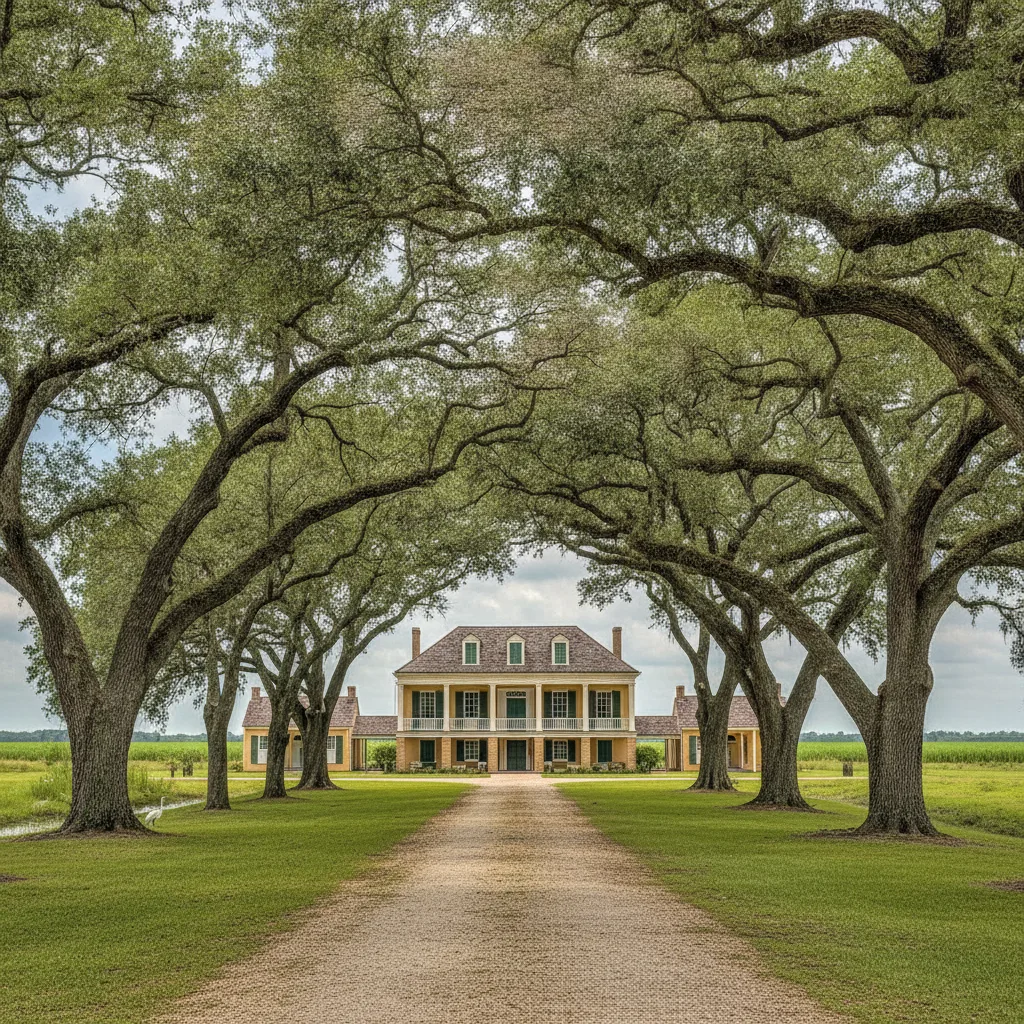
Our Laura Plantation guide covers practical planning for Laura Plantation Louisiana — best time to visit, getting there, and what to do on the ground.
Stepping onto the grounds of Laura Plantation Louisiana is like opening a living history book, one that tells a complex and deeply personal story of 19th-century Creole life. Our team has explored this distinctive Louisiana heritage site, and we can confidently say it offers a perspective unlike any other along the historic River Road. Here, you'll encounter the intertwined narratives of the Duparc-Locoul family and the enslaved people who built and sustained this vibrant sugarcane enterprise.
Why Visit Laura Plantation
We believe Laura Plantation offers a uniquely intimate and authentic glimpse into Louisiana's Creole past. Unlike some plantations that focus solely on grand architecture and romanticized histories, Laura Plantation is renowned for its commitment to telling the full story, drawing heavily from the candid memoirs of Laura Locoul Gore and extensive archival research from both the United States and France.
The plantation's main house, an 1805 Creole-style "Maison Principale" with its distinctive raised basement and vibrant exterior colors, is a testament to the architectural traditions of the region. But what truly sets Laura apart is its dedication to preserving and presenting the lives of the enslaved. The site features four original 1840s slave cabins, offering a tangible connection to the individuals and families who lived and labored here.
Since 1994, Laura Plantation has been at the forefront of interpreting the experiences of enslaved Africans in Louisiana, culminating in its permanent exhibit, "From the Big House to the Quarters: Slavery on Laura Plantation," which opened in 2017. This powerful exhibit delves into biographical details, illustrating how the lives of both Creole and American enslaved people were intertwined with those of their owners, covering themes like religion, health, labor, and the Civil War. It's a profound and necessary experience for understanding the full scope of American history.
Who It's Best For
Laura Plantation is an ideal destination for history enthusiasts, cultural travelers, and anyone seeking a deeper, more nuanced understanding of the antebellum and post-Civil War South. If you're looking to move beyond superficial narratives and engage with the authentic stories of both free and enslaved people, this is the place for you. Our team particularly recommends it for those interested in Creole culture, French influence in Louisiana, and the daily realities of plantation life, including the difficult but essential history of slavery. While children are welcome, the tour's material is best suited for those aged 12 and up due to its mature themes and historical depth.
Getting There & Parking
Laura Plantation is conveniently located on Louisiana's historic Great River Road, approximately 50 to 70 miles west of New Orleans. The drive from downtown New Orleans typically takes about an hour to an hour and ten minutes.
How to Get There
For most visitors, driving is the most straightforward way to reach Laura Plantation. The GPS address is 2247 Highway 18, Vacherie, LA 70090. We advise travelers to be aware that some older GPS devices might suggest unpaved roads through sugarcane fields; these are private and unnecessary, as the plantation is accessible via paved state highway.
From New Orleans, take I-10 West towards Baton Rouge for about 28 miles past the New Orleans Airport to Exit 194 (South to Gramercy). Turn left at the stop sign, then travel 4 miles south on Highway 641 to the "BIG" Mississippi River bridge (Veterans Memorial Bridge). Cross the bridge and immediately take the first ramp exit on your right. At the levee, turn left and drive 4 miles to Laura Plantation.
If you're considering ride-sharing services like Uber or Lyft, please be aware that Laura Plantation is in a rural area, and arranging a return trip can be challenging. We strongly recommend pre-arranging transportation back to your starting point if you use these services.
Parking
Parking at Laura Plantation is free for all visitors. The site can also accommodate RVs for daytime parking, though overnight RV parking is not permitted.
Top Things to Do
A visit to Laura Plantation is a deeply immersive experience, carefully curated to provide a comprehensive understanding of Creole life and the history of enslaved people. Our team has found that the guided tour is the heart of the experience, but there are other things to do at Laura Plantation to round out your visit.
The Guided Tour: The Story of Creole Tour
The primary experience at Laura Plantation is a fully guided tour, approximately 75-80 minutes in length. This tour, often referred to as "The Story of Creole Tour," is based on Laura Locoul Gore's memoirs and extensive archival documents. Your guide will lead you through the 1805 Maison Principale (Big House), exploring its raised basement, galleries, parlors, and common rooms.
Beyond the main house, you'll walk through the 200-year-old sugar plantation homestead, which includes three distinct gardens: the Jardin Français, the kitchen potager, and the BananaLand grove. A crucial part of the tour involves visiting one of the authentic 1840s slave cabins. Here, you'll learn about the daily lives, resilience, and cultural contributions of the enslaved community, including where the West African tales of Compair Lapin (better known as Br'er Rabbit) were first recorded in Louisiana.
There is considerable walking involved – about a quarter of a mile (400 meters) – so we recommend wearing comfortable shoes. Tours are leisurely paced, and seating is provided in designated areas.
"From the Big House to the Quarters: Slavery on Laura Plantation" Exhibit
Complementing the guided tour is the permanent, self-guided museum exhibit, "From the Big House to the Quarters: Slavery on Laura Plantation." This exhibit provides a powerful and unflinching look at the lives of the enslaved people on the plantation, utilizing personal stories, historical documents, and rare photographs to bring their experiences to light. It explores themes such as religion, health, the division of labor, and the impact of the Civil War, showcasing how the lives of the enslaved were deeply intertwined with those of the owners. This exhibit is a vital component of understanding the full history presented at Laura Plantation.
Black Union Soldiers of Laura Plantation Tour
For those interested in a specific aspect of the plantation's history, Laura also offers a "Black Union Soldiers of Laura Plantation Tour." This 50-minute guided outdoor tour focuses on the compelling stories of nine formerly enslaved men from Laura Plantation who fought for freedom in the Union Army during the Civil War. It explores the plantation grounds, including the authentic 1840s slave cabins, and delves into the impact of slavery and the Civil War in Louisiana. Please note that this particular tour does NOT go through the main house.
Best Time to Visit
Louisiana weather can be quite intense, so timing your visit to Laura Plantation is key for a comfortable and enjoyable experience.
We generally recommend visiting in the **fall (October-November)** or **spring (March-April)**. During these seasons, the temperatures are milder, and the humidity is lower, making the outdoor portions of the tour much more pleasant. You'll find comfortable conditions for walking the grounds and exploring the slave cabins.
Summer months (June-August) can be very hot and humid, with frequent afternoon thunderstorms. If you visit during this time, we suggest booking an early morning tour to beat the worst of the heat. Winter (December-February) is generally mild, but occasional cold fronts can bring chilly temperatures, so dress in layers.
Laura Plantation is open daily from 9:30 a.m. to 5:00 p.m., except for major holidays. The first tour typically begins at 10:00 a.m., with tours departing approximately every 40 minutes thereafter, until the last tour at 4:00 p.m. We advise arriving early, especially during peak seasons, to secure your preferred tour time. Reservations are recommended, particularly if you're traveling with a group.
Where to Stay Nearby
While Laura Plantation itself does not offer on-site accommodations, there are several excellent options for Laura Plantation lodging in the surrounding areas, ranging from charming bed and breakfasts to modern hotels. Most are a short drive away, allowing you to easily explore other nearby attractions.
Hotels in Donaldsonville and LaPlace
The towns of Donaldsonville and LaPlace offer a variety of chain hotels that are convenient and comfortable. In Donaldsonville, you'll find options like the Holiday Inn Express Donaldsonville by IHG, Suburban Studios Donaldsonville - Gonzales, and Quality Inn Donaldsonville - Gonzales. These provide standard amenities and are typically a 20-30 minute drive from Laura Plantation.
Similarly, LaPlace offers hotels such as the Fairfield Inn & Suites LaPlace and Holiday Inn Express & Suites LaPlace by IHG, providing reliable lodging options within a reasonable driving distance.
Plantation Stays and Bed & Breakfasts
For a more unique and immersive experience, consider staying at a nearby plantation that offers lodging. Oak Alley Plantation, just minutes from Laura, features charming overnight accommodations in its historic cottages. The Inn at Houmas House Plantation, located in Darrow, is another highly-rated luxury option, offering a chance to extend your plantation experience.
Other local bed and breakfasts, like Auberge du Chêne Vert in Paulina or A Chateau on the Bayou Bed & Breakfast in Raceland, provide a more intimate and personalized stay, often with a distinct Louisiana charm.
When planning your Laura Plantation lodging, we recommend checking availability and booking in advance, especially during peak travel seasons, as these unique accommodations can fill up quickly.
Sample 2-Day Itinerary
To fully appreciate the rich history and culture of Louisiana's River Road, we suggest a multi-day itinerary that includes Laura Plantation and other significant sites. Here's a sample 2-day plan crafted by our team:
Day 1: Creole Heritage and River Road History
- **Morning (9:00 AM - 1:00 PM): Laura Plantation.** Arrive early for your guided tour of Laura Plantation Louisiana. Allow ample time for the 75-80 minute tour of the main house, gardens, and slave cabins, followed by a visit to the "From the Big House to the Quarters" exhibit. Consider the "Black Union Soldiers" tour if that specific history interests you.
- **Lunch (1:00 PM - 2:00 PM):** Grab a bite at B&C Seafood Market and Cajun Restaurant, conveniently located next door to Laura Plantation, for authentic Cajun and Creole food.
- **Afternoon (2:30 PM - 5:00 PM): Oak Alley Plantation.** Drive a short distance to the iconic Oak Alley Plantation. Famous for its breathtaking alley of 300-year-old live oak trees, this plantation offers a different perspective on antebellum life and architecture.
- **Evening:** Check into your chosen accommodation in Donaldsonville, LaPlace, or a nearby plantation B&B. Enjoy a relaxed dinner at a local restaurant.
Day 2: The Enslaved Experience and New Orleans Exploration
- **Morning (9:00 AM - 12:00 PM): Whitney Plantation.** Begin your day with a powerful and essential visit to Whitney Plantation, the only museum in Louisiana dedicated exclusively to the history of slavery. Its focus on the enslaved experience provides a profound complement to Laura Plantation's Creole narrative.
- **Lunch (12:00 PM - 1:00 PM):** Enjoy lunch at a local eatery near Whitney Plantation or begin your drive back towards New Orleans.
- **Afternoon (1:30 PM onwards): Explore New Orleans.** Head back to New Orleans (approximately an hour's drive). We recommend dedicating the afternoon to exploring the vibrant French Quarter, with its historic architecture, unique shops, and lively atmosphere. Alternatively, delve into the impactful exhibits of the National WWII Museum.
- **Evening:** Enjoy dinner and experience the renowned nightlife or jazz scene in New Orleans.
This itinerary provides a solid foundation, but Louisiana offers so much more. You might also consider exploring the Atchafalaya National Basin for a swamp tour or visiting the elegant New Orleans Garden District.
Is It Worth Visiting?
From our perspective as independent US travel authorities, the answer is an unequivocal yes: Laura Plantation is absolutely worth visiting. We often hear travelers ask, "is Laura Plantation worth visiting?" and our answer is always enthusiastic.
What makes Laura Plantation stand out and truly worth visiting is its unwavering commitment to historical accuracy and its unique focus on Creole culture. Many plantations offer a glimpse into the opulent lives of the owners, but Laura Plantation goes further, meticulously reconstructing the lives of both the Duparc-Locoul family and the enslaved people who were integral to the plantation's operation. The stories are not sugar-coated; they are presented with honesty and sensitivity, making for a truly educational and impactful experience. The use of Laura Locoul Gore's personal memoirs provides an intimate, first-hand account that is rare and incredibly valuable.
The guided tour, which Lonely Planet has called "The Best History Tour in the United States," is engaging and thought-provoking, and the permanent exhibit on slavery is a crucial component that deepens understanding. For anyone seeking an authentic, educational, and emotionally resonant encounter with Louisiana's complex history, Laura Plantation is an essential stop. It offers a vital perspective that challenges traditional narratives and enriches your understanding of the American South.
Top Things to Do in Vacherie
Vacherie, Louisiana, and its immediate surroundings are rich with historical sites and natural beauty, offering plenty of things to do in Vacherie beyond Laura Plantation. Our team recommends extending your stay to explore these fascinating attractions:
- **Oak Alley Plantation:** Just a few minutes from Laura Plantation, Oak Alley is famous for its majestic canopy of 28 live oak trees leading to a Greek Revival mansion. It's a truly picturesque sight and offers a different perspective on plantation life.
- **Whitney Plantation:** Located nearby, Whitney Plantation stands as a powerful memorial to the enslaved people of Louisiana. It is dedicated solely to telling the story of slavery through exhibits, memorials, and restored slave cabins. Visiting Whitney offers a profound and necessary complement to Laura's Creole narrative.
- **St. Joseph Plantation:** This working sugarcane plantation, still owned by descendants of the original family, offers a more intimate, family-focused tour, providing insight into both the family and enslaved communities.
- **Swamp Tours:** Immerse yourself in Louisiana's unique natural environment with a swamp tour. Several operators in the area, such as Cajun Pride Swamp Tours or Zam's Swamp Tours, offer guided airboat or covered boat tours through the bayous, where you can spot alligators and other wildlife.
- **B&C Seafood Market and Cajun Restaurant:** For a taste of local flavor, we highly recommend B&C Seafood, conveniently located next to Laura Plantation. It's a great spot for authentic, home-style Cajun and Creole food.
Exploring these attractions provides a comprehensive understanding of the region's history, culture, and natural landscape, making your visit to Vacherie truly memorable.
Frequently Asked Questions About Laura Plantation
Laura Plantation with kids
While Laura Plantation welcomes visitors of all ages, the historical content of the guided tour, which delves into the realities of slavery and complex family histories, is best suited for children aged 12 and up. For younger children, the duration of the 75-80 minute tour and the mature themes might be challenging. If you are visiting with infants, toddlers, or pre-school children, the plantation kindly requests that if a child becomes over-active, loud, or distracting, you take them to an adjoining space away from the tour. During peak times, this might mean taking turns with another adult or receiving a refund. Small, umbrella strollers are permitted when group sizes are small.
Best hotels near Laura Plantation
Some of the best hotels near Laura Plantation for comfort and convenience include the Holiday Inn Express Donaldsonville by IHG, Suburban Studios Donaldsonville - Gonzales, and Quality Inn Donaldsonville - Gonzales. For a more unique experience, consider the Inn at Houmas House Plantation or the historic cottages at Oak Alley Plantation, both offering charming overnight stays.
Laura Plantation tips
Our top tips for visiting Laura Plantation include: booking your tickets online in advance to save time and potentially money; wearing comfortable shoes as the tour involves considerable walking (about 1/4 mile/400 meters); dressing appropriately for Louisiana's weather, especially in summer when bottled water and a fan are recommended; and silencing your cell phone during the tour to ensure a respectful experience for all visitors. We also suggest allowing at least 90 minutes on site to fully experience the guided tour and the self-guided museum exhibit.
Where to stay near Laura Plantation
Beyond the specific hotels mentioned, you'll find various lodging options near Laura Plantation in nearby towns. Donaldsonville and LaPlace offer a selection of chain hotels like Fairfield Inn & Suites and Holiday Inn Express properties. For a more local flavor, look for charming bed and breakfasts in the wider River Road area. Consider combining your visit with a stay at another plantation that offers accommodations, such as Oak Alley Plantation, for a truly immersive historical experience.
Laura Plantation parking
Laura Plantation offers free on-site parking for all visitors, including designated spaces for RVs during daytime hours. Please note that overnight RV parking is not permitted. When using GPS, be aware that some devices might try to route you onto unpaved private roads; ensure you stay on the paved state highway for direct access to the plantation.
Best time to visit Laura Plantation
The best time to visit Laura Plantation is during the spring (March-April) or fall (October-November). These seasons offer the most pleasant weather, with milder temperatures and lower humidity, making the outdoor portions of the tour much more enjoyable. If visiting during the hot summer months, we recommend booking an early morning tour to avoid the peak heat and humidity.
Laura Plantation provides an essential and deeply moving experience for anyone seeking to understand the full scope of Louisiana's Creole heritage and the profound impact of slavery. We encourage all travelers to explore the best places in Louisiana, and Laura Plantation stands out as a critical stop on that journey. Its dedication to honest storytelling ensures a visit that is both educational and unforgettable.
Last updated: 2026-07-05 by the Roam States team.