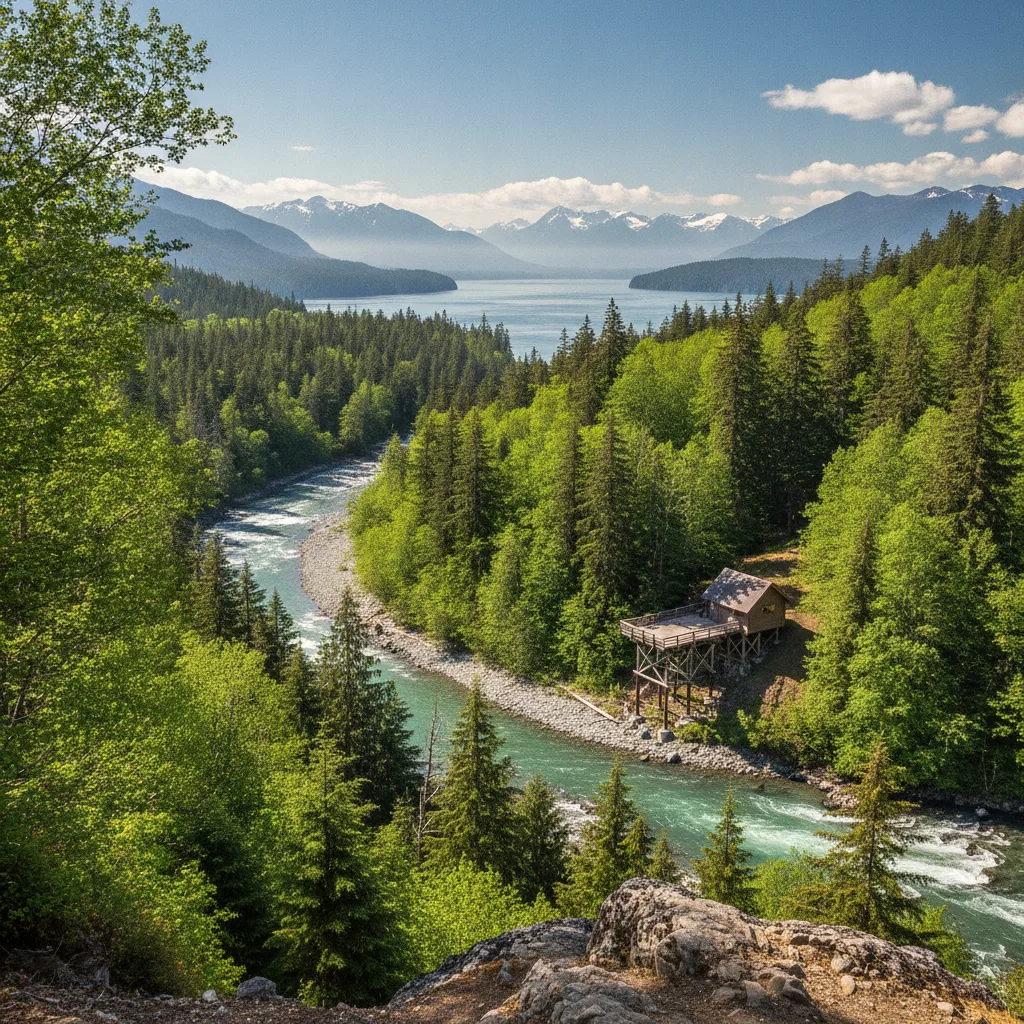
Anan Wildlife Observatory Travel Guide — Alaska
Our Anan Wildlife Observatory guide covers practical planning for Anan Wildlife Observatory Alaska — best time to visit, getting there, and what to do on the ground. This premier bear-viewing site offers a unique opportunity to observe both black and brown bears fishing for salmon in a natural setting. Access is strictly controlled and requires permits, typically via guided tours from Wrangell.
Alaska is a land of unparalleled wilderness, and for those seeking an intimate encounter with its iconic wildlife, the Anan Wildlife Observatory Alaska stands as a beacon. Our team at Roam States has scoured the details for 2026, ensuring you have the most up-to-date and practical information to plan your journey to this extraordinary destination. Forget generic travel advice; we’re here to provide the confidence and specifics you need for a truly unforgettable Alaskan adventure. Anan is not merely a viewing platform; it's a window into the raw, untamed world of Alaskan bears, where the annual salmon run transforms a quiet creek into a bustling wildlife spectacle.
Why Visit Anan Wildlife Observatory
For wildlife enthusiasts and photographers, the Anan Wildlife Observatory offers an experience that few other places on Earth can rival. What sets Anan apart is the unique opportunity to observe both black and brown bears coexisting and feeding in the same creek, a rare phenomenon in the Alaskan wilderness. Anan Creek boasts one of Southeast Alaska's largest pink salmon runs, attracting hundreds of thousands of salmon each year, which in turn draws a high density of black bears and a smaller, yet significant, population of brown bears.
Imagine standing on a secure viewing platform, just feet away from powerful bears as they skillfully pluck salmon from the cascading falls. This isn't a zoo or a staged event; it's nature in its purest form, unfolding before your eyes. The facilities at Anan include a covered viewing shelter, decks, a specialized photo blind, and outhouses, all designed to provide a safe and immersive experience for visitors while minimizing disturbance to the bears. The photo blind, in particular, offers an incredibly close-up vantage point, allowing for truly spectacular photography opportunities, though access is typically limited to 4-6 people for half-hour slots.
Beyond the bears, Anan is a vibrant ecosystem teeming with other wildlife. Harbor seals often follow the salmon into the lagoon at the creek's mouth during high tide, and dozens of bald eagles flock to the area in early to mid-July, adding to the aerial spectacle. Mink are also common sightings. Occasionally, visitors might even spot Steller sea lions, orcas, wolves, humpback whales, and wolverines in the vicinity. The journey to Anan itself is a scenic adventure, traversing remote waterways of the Tongass National Forest, Alaska's vast temperate rainforest. This immersive experience, far from the crowds of more accessible destinations, is why we confidently recommend Anan Wildlife Observatory to those seeking an authentic and profound connection with Alaska's wild heart.
Who It's Best For
The Anan Wildlife Observatory experience is tailor-made for specific types of travelers. This isn't a casual roadside stop; it requires dedication, planning, and a genuine appreciation for wilderness. We find it's best suited for:
- Serious Wildlife Enthusiasts: If your primary goal is to witness bears in their natural habitat, actively fishing and interacting with their environment, Anan is unparalleled. The sheer volume of salmon and the resulting bear activity are captivating.
- Nature Photographers: With dedicated photo blinds and incredible proximity to the bears, Anan offers exceptional opportunities for capturing stunning wildlife images. Bring a camera with a zoom lens for detailed shots.
- Adventurous Travelers: Accessing Anan involves a boat or floatplane journey and a hike through a rainforest trail. Those who embrace remote travel and aren't deterred by potentially wet and muddy conditions will thrive here.
- Those Seeking an Intimate Experience: With a strictly enforced permit system limiting visitors to 60 per day during peak season, Anan offers a more intimate and less crowded viewing experience compared to some larger, more accessible bear viewing sites.
Conversely, Anan might not be ideal for everyone. Families with very young children (some tours recommend against children under seven due to safety considerations and the nature of the experience) or individuals with significant mobility issues may find the trail challenging. The half-mile trail to the observatory, while improved, includes steps and can be slippery, and the photo blind is accessed via a stairway equivalent to three stories high. It’s also not for those looking for a luxurious, resort-style vacation; Anan is a primitive recreational experience where natural forces dominate.
Getting There & Parking
Understanding how to get to Anan Wildlife Observatory is crucial, as its remote location is a key part of its appeal and challenge. Anan is situated on the mainland within Alaska's Tongass National Forest, approximately 30 to 35 miles southeast of the town of Wrangell. This means direct road access is impossible.
The only ways to reach Anan are by **boat or floatplane**. For the vast majority of visitors, especially those without their own private vessel or aircraft, booking a guided tour from Wrangell is the most practical and recommended method. These authorized guiding companies provide both transportation and the necessary permits, simplifying the logistics significantly. Tour operators typically use jet boats for the scenic one-hour cruise through waterways like the Back Channel, often providing additional wildlife viewing opportunities en route.
If you possess your own boat or floatplane, you can purchase one of the 12 private daily permits available each day on recreation.gov. These permits for the 2026 season became available on February 1st at 8 AM AKST and tend to sell out quickly. It's critical to note that if you plan to hire transportation (a charter boat or plane), you *must* book through an authorized guiding company, as they secure their own permits; you cannot purchase a private permit on recreation.gov if you are using a commercial service for transport.
For those arriving by private vessel, anchoring in Anan Bay can be tricky due to tidal flats, a steep drop-off, and a sandy bottom. A 40-foot mooring float is available for public and guide service use on a first-come, first-served basis, but it has a vessel limit of 30 feet long with a 30-inch draft. From the mooring float, a smaller craft is needed to access the trailhead in the tidal flats.
Regarding "Anan Wildlife Observatory parking," there is no parking available at the observatory itself due to its remote, water-accessed nature. If you are traveling independently to Wrangell, you will need to arrange parking for your vehicle there before embarking on your boat or floatplane journey to Anan. Most visitors traveling with guided tours from Wrangell will not need to worry about parking at Anan, as their transportation is handled by the tour operator.
Upon arrival at Anan, visitors disembark in a tidal area, where concrete and wood steps lead to the trailhead. Forest Service personnel are typically on-site during peak season (July 5 - August 25) to greet visitors, check permits, and provide a safety orientation. The trail to the observatory is a half-mile, 30-inch wide gravel path with steps and bridges. While improvements have been made, the wet environment of Southeast Alaska means conditions can be slippery and muddy, so sturdy, waterproof footwear is highly recommended.
Top Things to Do
When you visit Anan Wildlife Observatory, the primary draw, and indeed the top thing to do, is undoubtedly bear viewing. Our team emphasizes that this is not a passive observation; it's an immersive experience in a dynamic ecosystem. Here are the top things to do at Anan Wildlife Observatory:
- Bear Viewing from the Observatory Platform: This is the main event. From the covered viewing shelter and decks, you'll witness black and brown bears fishing for pink salmon in Anan Creek. The platform offers excellent vantage points for observing their hunting techniques, interactions, and sheer power. Forest Service personnel are often present to provide interpretation and ensure safety.
- Photography from the Photo Blind: For serious photographers, the specialized photo blind offers a unique, ground-level perspective for capturing incredible close-up shots of the bears. Access to the photo blind is limited and often requires signing up at the platform for a half-hour slot, accommodating 4-6 people at a time. Remember to bring a camera with a good zoom lens and avoid using flash.
- Wildlife Observation Beyond Bears: While bears are the stars, keep your eyes peeled for other wildlife drawn to the salmon run. Bald eagles are abundant, especially in early to mid-July, soaring overhead and perching in trees. Harbor seals are frequently seen in the lagoon, preying on salmon, and you might spot mink, various seabirds, and occasionally even larger marine mammals or wolves in the surrounding area.
- Experience the Scenic Journey: The trip to Anan, whether by boat or floatplane from Wrangell, is an integral part of the experience. You'll traverse stunning Alaskan landscapes, often spotting whales, sea lions, and other marine life along the way. This journey sets the stage for the wilderness immersion that awaits you.
- Hiking the Access Trail: The half-mile trail from the disembarkation point to the observatory is an experience in itself. Winding through lush Tongass National Forest rainforest, it offers a chance to appreciate the unique flora and potentially encounter wildlife, including bears, on the path. Interpretive rangers provide briefings at the trailhead.
When considering things to do at Anan Wildlife Observatory, remember that the focus is on respectful, quiet observation. No food or drink other than water is permitted on the trail or at the observatory to avoid attracting bears. You are in their home, and maintaining a safe distance and following all Forest Service guidelines is paramount.
Best Time to Visit
Timing is everything when planning a trip to Anan Wildlife Observatory, as the bear activity is directly tied to the annual salmon run. Our research indicates a very specific window for the optimal experience.
The peak bear viewing season at Anan is from **mid-July through early August**. This period coincides with the height of the pink salmon run in Anan Creek, which attracts the large numbers of black and brown bears that make the observatory famous. During this time, the creek is teeming with salmon, and bears are actively fishing, providing the most dynamic and consistent viewing opportunities.
Permits are strictly required to visit the Anan Wildlife Observatory from **July 5th through August 25th**. Outside of this peak season, permits are not required, but bear activity will be significantly lower, and Forest Service personnel may not be on-site. While bears may begin to show up in late June and can still be seen in early September, the guaranteed action and highest density of bears occur within the July-August timeframe.
When considering the best time to visit, also factor in the weather. Southeast Alaska is known for its wet climate, so be prepared for cold, rainy, and potentially muddy conditions regardless of the month. Dressing in layers with waterproof outerwear and sturdy, waterproof boots is essential.
Given the popularity and limited daily permits (60 visitors per day during peak season), we strongly advise booking your trip, especially guided tours, several months in advance. July permits, in particular, are often fully booked by early May.
Where to Stay Nearby
Since the Anan Wildlife Observatory is a remote, day-use destination (unless you've secured the Anan Bay Cabin), your primary base for exploring this incredible area will be the charming town of Wrangell, Alaska. Wrangell is located approximately 30-35 miles northwest of Anan and serves as the main departure point for tours. When considering Anan Wildlife Observatory lodging, your options will be concentrated here.
Wrangell offers a selection of accommodations, ranging from cozy bed and breakfasts to vacation rentals. Our team recommends looking into these options for your stay:
- Bed & Breakfasts: Wrangell features inviting B&Bs that provide a personal touch. Options like Fort Wrangell, Eagle Room and Fort Wrangell, Orca Room are popular choices, offering amenities like free WiFi and private decks. These are often praised for their comfortable rooms and proximity to local attractions.
- Vacation Rentals: For those seeking more space or a home-away-from-home feel, vacation rentals, including oceanfront houses or apartments, are available in Wrangell. These can be ideal for families or small groups.
- Anan Bay Recreation Cabin: For a truly immersive, rustic experience, the U.S. Forest Service offers the Anan Bay Recreation Cabin for rent. Located just half a mile from the Anan Trailhead, this cabin provides a unique opportunity to stay overnight in the immediate vicinity of the observatory. The cabin was rebuilt in 2024 and features two single bunks, a table, benches, and an oil heater. Importantly, four observatory permits are reserved daily for cabin guests during peak season (July 5 - August 25) and must be purchased at the trailhead with a credit card. Reservations for the cabin can be made through recreation.gov. This is the only "Anan Wildlife Observatory lodging" option directly at the site.
It's important to book your accommodation in Wrangell well in advance, especially if your visit aligns with the peak bear viewing season (July-August) or popular cruise ship schedules. Wrangell is a small town, and lodging options can fill up quickly.
While Wrangell is your primary gateway, if you're planning a broader Alaskan adventure, consider extending your trip to other incredible destinations. For instance, you could explore the vast wilderness of Denali National Park & Preserve or the stunning coastal scenery of Kenai Fjords National Park. These offer different, yet equally spectacular, Alaskan experiences.
Sample 2-Day Itinerary
To make the most of your Anan Wildlife Observatory experience, we've crafted a sample 2-day itinerary, focusing on Wrangell as your base and maximizing your time with the bears. This itinerary assumes you've secured your Anan permits and transportation in advance, which is paramount for a successful trip.
Day 1: Arrival in Wrangell & Local Exploration
- Morning/Afternoon: Arrive in Wrangell, Alaska. Most visitors fly into Wrangell (WRG) via Alaska Airlines from Seattle, Ketchikan, or Juneau, or arrive by the Alaska Marine Highway ferry. Settle into your chosen accommodation in town, such as one of the charming local B&Bs.
- Afternoon: Explore Wrangell's Rich History and Culture. Wrangell is one of Alaska's oldest towns and boasts a fascinating history.
- Visit **Chief Shakes Island and Tribal House**: Cross the pedestrian bridge to this grassy islet in the harbor to see a magnificent collection of Tlingit totems and the traditional tribal house.
- Stroll along **Petroglyph Beach State Historic Park**: Discover ancient rock carvings (petroglyphs) casually lining the shore, offering a glimpse into the region's past.
- Explore the **Wrangell Museum**: Learn about the town's diverse history, from its Tlingit heritage to its Russian, British, and American influences.
- Hike to the **Mt. Dewey Overlook**: A short but steep trail (less than half a mile) provides fantastic panoramic views of Wrangell and the surrounding water and mountains.
- Evening: Enjoy Local Cuisine. Dine at one of Wrangell's local eateries, savoring fresh Alaskan seafood and reflecting on the day's historical discoveries.
Day 2: Anan Wildlife Observatory Adventure
- Morning: Depart for Anan Wildlife Observatory. Your guided tour will typically depart early from Wrangell. The journey by jet boat or floatplane takes about an hour or less, offering stunning views of the coastline, waterfalls, and potential early wildlife sightings.
- Mid-Morning: Anan Orientation & Trail Hike. Upon arrival at Anan Bay, you'll be greeted by U.S. Forest Service rangers who will provide an essential safety orientation and check your permits. From the beach, you'll embark on the half-mile trail through the Tongass National Forest rainforest to the observatory platform. Be prepared for a moderately strenuous walk with steps, and potentially slippery or muddy conditions.
- Late Morning/Afternoon: Bear Viewing at Anan. Spend several hours (typically 2-4 hours at the observatory itself) observing black and brown bears fishing for salmon from the viewing platform. Take advantage of the photo blind if available, and keep an eye out for eagles, seals, and other wildlife. Remember, no food or drinks other than water are allowed on the trail or platform.
- Late Afternoon: Return to Wrangell. After an unforgettable wildlife encounter, your tour will transport you back to Wrangell.
- Evening: Relax or Depart. Enjoy a final Alaskan meal in Wrangell or, if your travel schedule permits, depart from Wrangell.
This itinerary provides a robust experience of both Wrangell and the Anan Wildlife Observatory Alaska. For those with more time, consider adding an extra day in Wrangell for activities like a Stikine River jet boat tour to see glaciers and more wildlife, or a trip to LeConte Glacier. Remember to always check current conditions and confirm tour schedules for 2026.
Is It Worth Visiting?
We often get asked, "Is Anan Wildlife Observatory worth visiting?" Our resounding answer is yes, absolutely, for the right traveler. Anan offers a truly unique and unparalleled bear viewing experience that stands out even in a state as wild as Alaska.
What makes Anan Wildlife Observatory worth visiting is its distinct combination of factors:
- Exceptional Bear Proximity: The observatory platform and especially the photo blind provide incredibly close-up views of bears actively fishing, often just feet away. This intimate vantage point allows for stunning photography and a deep connection with these magnificent animals.
- Rare Coexistence of Bear Species: Anan is one of the few places in the world where both black and brown bears regularly gather to feed on salmon in the same creek. Observing their interactions, or lack thereof, adds another layer of fascination to the experience.
- Unspoiled Wilderness Setting: Located deep within the Tongass National Forest, Anan is a remote, primitive experience. The journey there, the rainforest trail, and the natural behavior of the wildlife all contribute to a feeling of being truly immersed in wild Alaska, far from urban distractions.
- Controlled and Sustainable Tourism: The strict permit system, limiting daily visitors to 60 during peak season, ensures that the bear population is minimally impacted and that each visitor has a high-quality, uncrowded experience. This commitment to conservation and visitor experience is something we highly value.
- More Than Just Bears: While bears are the main attraction, the abundant pink salmon run also draws a wealth of other wildlife, including numerous bald eagles, harbor seals, and various bird species, making it a comprehensive wildlife viewing opportunity.
However, we also believe in setting realistic expectations. Is Anan Wildlife Observatory worth visiting for everyone? Perhaps not. The trip requires significant planning, financial investment (permits and guided tours can be costly), and a willingness to embrace remote travel and potentially rugged conditions. The journey involves boat or floatplane travel, and the half-mile trail to the observatory, while manageable for most, does include steps and can be slippery. If you're seeking a highly accessible, luxurious, or guaranteed-sunny experience, Anan might not be your ideal destination. But for those who prioritize an authentic, awe-inspiring, and intimate encounter with Alaskan wildlife in a truly wild setting, Anan is unequivocally worth the effort and investment.
Last updated: 2026-07-05 by the Roam States team.