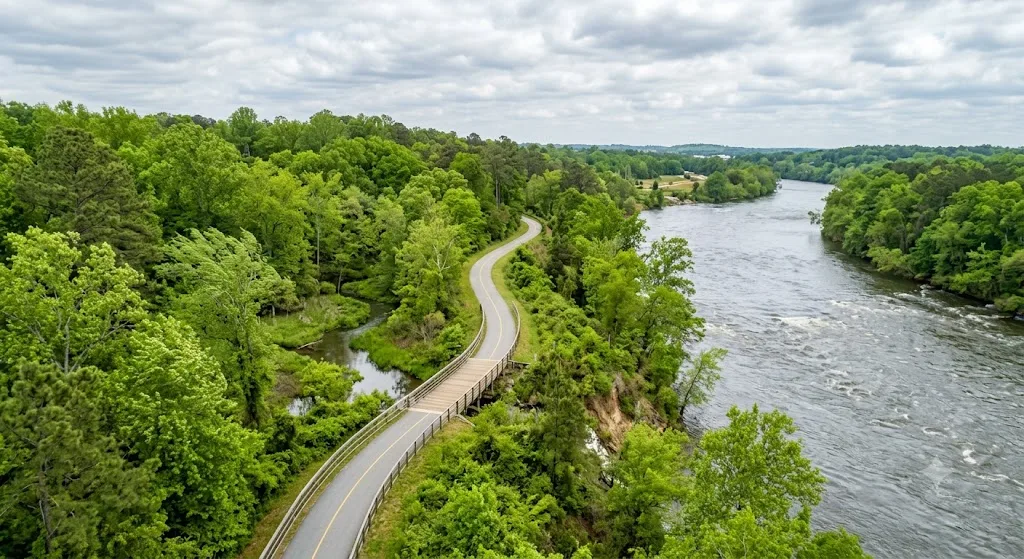
Our Cape Fear River Trail guide covers practical planning for Cape Fear River Trail North Carolina — best time to visit, getting there, and what to do on the ground.
Cape Fear River Trail Travel Guide — North Carolina
For outdoor enthusiasts seeking a serene escape into nature, the Cape Fear River Trail North Carolina offers an unparalleled experience. This scenic paved trail winds along the Cape Fear River, providing abundant opportunities for walking, running, and biking through diverse natural habitats. It’s a popular spot for outdoor recreation and enjoying local wildlife, making it a must-visit destination for anyone exploring the Tar Heel State.
Why Visit Cape Fear River Trail
The Cape Fear River Trail is more than just a path; it's a vibrant corridor of natural beauty and recreational opportunity. We consistently recommend it for its unique blend of accessibility and immersion in the North Carolina landscape. The trail, a 10-foot-wide paved path, stretches for over 7 miles one-way, offering a smooth surface for walkers, joggers, bicyclists, and rollerbladers alike. This makes it an ideal destination for individuals and families looking to enjoy the outdoors without navigating rugged terrain.
What truly sets the Cape Fear River Trail apart is its incredible biodiversity. As you traverse the trail, you'll find yourself surrounded by a rich tapestry of more than 700 species of plants and trees, and over 150 species of birds. Keep an eye out for local wildlife, including frogs, lizards, turtles, and even occasional sightings of deer, turkey, or bald eagles. Interpretive signs placed along the path provide fascinating insights into the local flora and fauna, enriching your journey with educational opportunities.
Beyond the natural allure, the trail features several distinctive architectural elements that add to its charm. You'll cross numerous wooden bridges, including a picturesque covered bridge, and traverse over 1,000 feet of boardwalk that winds through marsh and wetlands. These features not only offer stunning photographic opportunities but also provide unique perspectives on the riverine ecosystem.
The Cape Fear River Trail is also a significant part of the East Coast Greenway, a monumental 3,000-mile route that will eventually connect Maine to Key West, Florida. This designation speaks to the trail's quality and its importance in the broader network of American greenways. Whether you're seeking a leisurely stroll, an invigorating run, or a scenic bike ride, the Cape Fear River Trail offers a rewarding outdoor experience that combines natural beauty, active recreation, and educational engagement.
Who It's Best For
Our team has found that the Cape Fear River Trail caters to a remarkably broad audience, making it a versatile destination for almost any traveler. It’s particularly well-suited for:
- Families with Children: The paved, wide path is perfect for strollers, and kids can enjoy biking, scootering, or simply walking safely. The interpretive signs along the trail offer engaging educational moments about local wildlife and plants. Plus, at Clark Park, a key access point, there's a nature center with live animals and playground equipment, making it an excellent spot for family fun. Some sections even feature a story walk for children.
- Walkers and Joggers: With its smooth, generally flat to slightly hilly terrain, the trail provides an excellent surface for a leisurely walk or a brisk run. The scenic views and fresh air create an ideal environment for daily exercise or a peaceful escape. The 7-mile one-way length means you can tailor your distance to your fitness level.
- Cyclists and Rollerbladers: The 10-foot-wide paved surface is a dream for cyclists and rollerbladers, offering ample space and a smooth ride. It’s a fantastic way to cover more ground and experience the full length of the trail, enjoying the diverse scenery from river views to dense woodlands. Cyclists are asked to maintain speeds under 15 mph and yield to pedestrians.
- Nature Lovers and Birdwatchers: With over 700 species of plants and trees and 150 species of birds, the trail is a haven for those who appreciate natural beauty and wildlife. The wetlands and wooded areas provide diverse habitats, making it a prime spot for birdwatching and observing local fauna like deer, turtles, and frogs.
- History Buffs: As part of the East Coast Greenway, the trail itself has a connection to a larger historical and recreational vision. Additionally, the Moses Mathis "Bicycle Man" Trail Head at Clark Park honors a local figure known for his community work.
- Anyone Seeking Tranquility: Despite its popularity, the trail offers numerous stretches where you can find peace and quiet, surrounded by the soothing sounds of nature. It’s a perfect antidote to the hustle and bustle of daily life.
Whether you’re looking for an active outing, a relaxing nature stroll, or a family-friendly adventure, the Cape Fear River Trail delivers. It’s a true gem in North Carolina's outdoor recreation offerings, comparable in its accessibility and natural charm to other state treasures like the expansive trails within Great Smoky Mountains National Park or the scenic overlooks of the Blue Ridge Parkway, though on a more intimate scale.
Getting There & Parking
Navigating to the Cape Fear River Trail North Carolina is straightforward, with multiple convenient access points and ample parking. Our team recommends planning your starting point based on your desired activities and the length of your excursion, as the trail is 7 miles long, one-way, and not a loop.
Primary Trailheads and Parking for Cape Fear River Trail North Carolina:
- Jordan Soccer Complex: Located at 498 Treetop Dr., Fayetteville, NC, this is a popular northern trailhead. It offers significant parking space, making it a good starting point for those planning a longer out-and-back journey.
- Clark Park Nature Center: Situated at 631 Sherman Dr., Fayetteville, NC, Clark Park is a central and highly recommended access point. It features ample parking, restrooms, and is home to the Moses Mathis "Bicycle Man" Trail Head. This is also where you'll find the nature center, which is great for families.
- Riverside Dog Park: Located at 555 N Eastern Blvd., Fayetteville, NC, this southern trailhead offers limited parking. A short connector links it to the main Cape Fear River Trail. While parking is available, it might be more challenging to find a spot during peak times.
Additional Access and Considerations:
- Harnett County Cape Fear River Trail Park (Erwin): For those looking for a different experience further upriver, the Cape Fear River Trail Park in Erwin (1002 S. 13th St, Erwin, NC) offers walking trails, overlooks, and canoe access. Parking is available, and there are no fees for launching canoes or kayaks. However, note that camping is prohibited here, and bicycles are generally not allowed on the walking trails within this specific park.
- Accessibility: The main Cape Fear River Trail is mostly paved and accessible, with gentle slopes, making it wheelchair and stroller-friendly in many sections. However, some parts can be moderately steep or have gravel.
- Trail Direction: If you start at Jordan Soccer Complex and head south, you'll encounter some downhill sections, meaning the return trip will be uphill. Be prepared for some gentle to moderate inclines, especially if biking.
- Reservations and Fees (2026): As of 2026, there are no general fees to access or use the Cape Fear River Trail itself, and reservations are not required for trail use or parking at the main trailheads. Parking at the primary trailheads like Jordan Soccer Complex and Clark Park is free. For canoe access at the Harnett County Cape Fear River Trail Park, there are also no fees for launching.
We always recommend arriving earlier in the day, especially on weekends, to secure the best parking spots and enjoy a quieter trail experience. Remember to bring plenty of water, as the trail can be long and shaded sections might still feel warm during summer months.
Top Things to Do
The Cape Fear River Trail offers a wealth of activities for visitors of all ages and interests. Our team has explored the length of this beautiful greenway, and we can confidently say there are plenty of things to do at Cape Fear River Trail to fill a day or even a weekend. Here are our top recommendations:
Walking, Running, and Biking
The most popular activities on the trail, and for good reason! The 10-foot-wide paved path is ideal for a smooth and enjoyable experience. Whether you're looking for a leisurely stroll, a brisk run, or an invigorating bike ride, the Cape Fear River Trail provides the perfect setting. The 7-mile one-way length allows for customizable distances, and the diverse scenery keeps every mile interesting. Remember that bicyclists should maintain speeds under 15 mph and yield to pedestrians for everyone's safety.
Wildlife and Nature Observation
The trail is a living classroom, boasting over 700 species of plants and trees and 150 species of birds. Keep your eyes peeled for frogs, lizards, turtles, and even deer, turkey, or bald eagles. The boardwalk sections that wind through marsh and wetlands offer excellent opportunities to observe aquatic life and unique plant communities up close. Interpretive signs along the path provide valuable information about the local ecosystem, enhancing your understanding and appreciation of the natural surroundings. This is one of the best things to do at Cape Fear River Trail for nature enthusiasts.
Explore Clark Park Nature Center
Located at a central trailhead, Clark Park Nature Center is a must-visit, especially for families. Here, you can find educational displays, live animals (including snakes, turtles, and alligators!), and even participate in guided walks led by rangers and naturalists. The park also features playground equipment and picnic areas, making it a great spot for a break or a family outing.
Mountain Biking
For those seeking a more rugged adventure, an 11-mile Cape Fear Mountain Bike Trail is accessible off the paved Cape Fear River Trail. Access is located approximately 1 mile north of Clark Park, heading towards Methodist University. This offers a different challenge and a chance to explore more untamed sections of the natural area.
Paddling the Cape Fear River
While the main trail is for land-based activities, the Cape Fear River itself offers opportunities for kayaking, canoeing, and paddleboarding. The Harnett County Cape Fear River Trail Park in Erwin provides canoe access, with no fees for launching. This is a fantastic way to experience the river from a different perspective and enjoy the quiet beauty of its waters. Remember to obtain any necessary lock codes for canoe access.
Picnicking and Relaxation
Numerous scenic spots along the trail are perfect for a family picnic or a quiet moment of reflection. Benches are intermittently placed along the route for comfort and to enjoy the picturesque views. Clark Park, in particular, has picnic tables and green space.
Photography
From the charming covered bridge and extensive boardwalks to the diverse wildlife and river vistas, the Cape Fear River Trail offers endless photographic opportunities. Capture the beauty of North Carolina's natural landscapes and the vibrant life within them.
These things to do at Cape Fear River Trail ensure that every visitor can find an activity that suits their pace and interests, making for a memorable outdoor adventure.
Best Time to Visit
Timing your visit to the Cape Fear River Trail can significantly enhance your experience. Our team at Roam States has found that while the trail is accessible year-round, certain seasons offer distinct advantages for enjoying its full splendor.
Spring (March to May)
Spring is arguably one of the best times to visit the Cape Fear River Trail. The weather is typically mild and pleasant, with comfortable temperatures ideal for walking, running, and biking. The landscape bursts into life with vibrant wildflowers and lush greenery, making for incredibly scenic views. Birdwatching is particularly rewarding during this season as migratory birds return, adding to the trail's already diverse avian population. The air is crisp, and the humidity is generally low, providing perfect conditions for outdoor activities. This is an excellent time to witness the awakening of nature along the Cape Fear River.
Fall (September to November)
Another prime season for visiting is autumn. As the temperatures cool, the foliage along the Cape Fear River Trail transforms into a spectacular display of reds, oranges, and yellows. The cooler, drier air makes for comfortable conditions for extended periods on the trail. Similar to spring, fall offers excellent opportunities for wildlife viewing before many animals settle into their winter routines. The crowds tend to be moderate, allowing for a peaceful experience while still enjoying the camaraderie of other trail users. The scenic beauty during fall rivals that of many other North Carolina destinations, including the renowned Biltmore Estate gardens or the mountain vistas of the Blue Ridge Parkway.
Summer (June to August)
Summer can be a popular time, especially for families on vacation. However, we advise visitors to be prepared for warmer temperatures and higher humidity. Early mornings or late afternoons are the best times to hit the trail during summer to avoid the midday heat. The lush canopy provides some shade, but bringing plenty of water is essential. While the heat can be intense, the river is at its most inviting for paddling activities, and the vibrant summer flora is in full bloom. Water access points become particularly appealing during this season.
Winter (December to February)
Winter offers a quieter, more contemplative experience on the Cape Fear River Trail. While the vibrant colors of spring and fall are absent, the bare trees provide unobstructed views of the river that are often hidden by dense foliage in other seasons. The trail is generally less crowded, offering a sense of solitude. Temperatures can be chilly, so dressing in layers is crucial. It's a great time for a brisk walk or run if you don't mind the cold, and the stillness of the winter landscape holds its own unique charm.
In summary, for the most comfortable weather and stunning natural beauty, we highly recommend visiting the Cape Fear River Trail in the spring or fall. However, with proper preparation, the trail offers enjoyable experiences in every season.
Where to Stay Nearby
After a day of exploring the Cape Fear River Trail North Carolina, finding comfortable and convenient lodging is key to a relaxing trip. While there isn't lodging directly on the trail, the nearby city of Fayetteville offers a wide range of accommodations to suit every preference and budget. Our team recommends staying in Fayetteville for easy access to the trailheads and other local amenities.
Hotels and Motels
Fayetteville boasts numerous hotel chains, from budget-friendly options to more upscale establishments. You'll find familiar names offering standard amenities like complimentary breakfast, pools, and fitness centers. Many are located along major thoroughfares, providing quick drives to the trailheads at Jordan Soccer Complex or Clark Park. When searching, look for hotels in the northern or central parts of Fayetteville for the shortest commute to the Cape Fear River Trail lodging options.
- Mid-Range Options: Brands like Hilton Garden Inn, Courtyard by Marriott, and Embassy Suites often provide a good balance of comfort, amenities, and value. These are excellent choices for families or those seeking a bit more space and service.
- Budget-Friendly Stays: For travelers focused on affordability, options such as Hampton Inn, Holiday Inn Express, or various extended-stay hotels offer clean, comfortable rooms and essential services without breaking the bank.
- Upscale Choices: While Fayetteville isn't known for luxury resorts, you can find higher-end hotels with more extensive services and amenities, perfect for a more indulgent stay.
Vacation Rentals
For those preferring a home-away-from-home experience, vacation rentals through platforms like Airbnb or Vrbo are plentiful in and around Fayetteville. These can be ideal for larger groups, families with children, or travelers who desire a kitchen and more living space. You can find anything from charming bungalows to modern apartments, offering a more localized feel for your Cape Fear River Trail lodging needs.
Camping Near Cape Fear River Trail
If you prefer to immerse yourself fully in nature, primitive camping is available at Clark Park Nature Center. This offers a rustic experience, with overnight stays permitted. However, it's important to note that there is no electricity, and only cold showers are available. This is a fantastic option for those who enjoy roughing it and want to be as close to the trail as possible. For more developed campgrounds with full amenities, you might need to look slightly further afield, such as state parks or private campgrounds within a short driving distance of Fayetteville. The Harnett County Cape Fear River Trail Park in Erwin, while offering river access, explicitly states that camping is prohibited within its park area.
Other Considerations
- Proximity to Amenities: Many hotels and vacation rentals in Fayetteville are conveniently located near restaurants, grocery stores, and other attractions, allowing you to easily stock up on supplies or enjoy a meal after your trail adventures.
- Booking in Advance: Especially during peak seasons (spring and fall), we recommend booking your Cape Fear River Trail lodging in advance to ensure the best selection and rates.
No matter your preference, Fayetteville provides a solid base for exploring the Cape Fear River Trail and the wider region of North Carolina. It’s a practical and welcoming city that complements the natural beauty of the trail.
Sample 2-Day Itinerary
To help you make the most of your visit to the Cape Fear River Trail North Carolina, our team has crafted a sample 2-day itinerary. This plan balances active exploration with opportunities for relaxation and local discovery, ensuring you experience the best of the trail and its surroundings.
Day 1: Trail Immersion and Nature Exploration
- Morning (8:00 AM - 12:00 PM): Biking the Northern Stretch
- Start your day early at the Jordan Soccer Complex trailhead (498 Treetop Dr., Fayetteville). Ample parking is available here.
- Rent bikes in Fayetteville if you haven't brought your own, or simply bring your own.
- Embark on a scenic bike ride south along the Cape Fear River Trail. This section offers a great warm-up with some gentle hills and stunning river views.
- Enjoy the smooth, paved path, crossing several wooden bridges and boardwalks that wind through picturesque wetlands. Keep an eye out for diverse birdlife and other local fauna.
- Aim to bike approximately 5-7 miles, turning around before or at Clark Park to make it a comfortable out-and-back journey of up to 14 miles.
- Lunch (12:00 PM - 1:30 PM): Picnic at Clark Park
- Head to Clark Park Nature Center (631 Sherman Dr., Fayetteville). If you biked from Jordan Soccer Complex, this is a natural stopping point.
- Enjoy a packed lunch at one of the picnic tables available at the park.
- Afternoon (1:30 PM - 4:00 PM): Clark Park Nature Center and Short Hike
- Explore the Clark Park Nature Center. Discover educational exhibits and observe live animals, including snakes, turtles, and alligators.
- Take a leisurely walk on some of the shorter nature trails that branch off the main paved path within Clark Park. These offer a different perspective of the local woodlands.
- Allow children to enjoy the playground equipment at the park.
- Evening: Dinner in Fayetteville
- Head back to your lodging in Fayetteville.
- Enjoy dinner at one of Fayetteville's many local restaurants. The city offers a range of cuisines to satisfy any palate.
Day 2: Paddling, Mountain Biking, or Local Culture
- Morning (9:00 AM - 12:00 PM): Choose Your Adventure
- Option A: Kayaking/Canoeing on the Cape Fear River: Drive to the Harnett County Cape Fear River Trail Park in Erwin (1002 S. 13th St, Erwin, NC). Launch your kayak or canoe (no fees for launching) and enjoy a peaceful paddle on the Cape Fear River. Remember to get the canoe access lock code if needed.
- Option B: Mountain Biking: Access the 11-mile Cape Fear Mountain Bike Trail, which can be found about 1 mile north of Clark Park, heading towards Methodist University. This offers a more challenging ride through varied terrain.
- Option C: Explore Fayetteville's History: Visit attractions like the Airborne & Special Operations Museum or the Cape Fear Botanical Garden, offering a blend of history and natural beauty.
- Lunch (12:00 PM - 1:30 PM): Local Eatery
- Grab lunch at a local cafe or restaurant, depending on your morning activity location.
- Afternoon (1:30 PM - 4:00 PM): Southern Trail Exploration or Relaxation
- If you opted for a morning paddle or mountain bike, consider a more relaxed activity in the afternoon. Perhaps a shorter walk on the southern end of the Cape Fear River Trail, starting from Riverside Dog Park (555 N Eastern Blvd., Fayetteville). Note that parking here is limited.
- Alternatively, if you chose a cultural morning, enjoy some downtime at your hotel or explore some of Fayetteville’s unique shops.
- Evening: Farewell Dinner
- Enjoy a final dinner in Fayetteville, perhaps trying a different local spot.
This itinerary provides a framework, and we encourage you to tailor it to your interests and energy levels. The Cape Fear River Trail North Carolina is a fantastic destination, and with a little planning, you're guaranteed an unforgettable adventure. For those extending their trip in North Carolina, consider exploring other iconic destinations like the Outer Banks or the Cape Hatteras National Seashore.
Last updated: 2026-07-08 by the Roam States team.