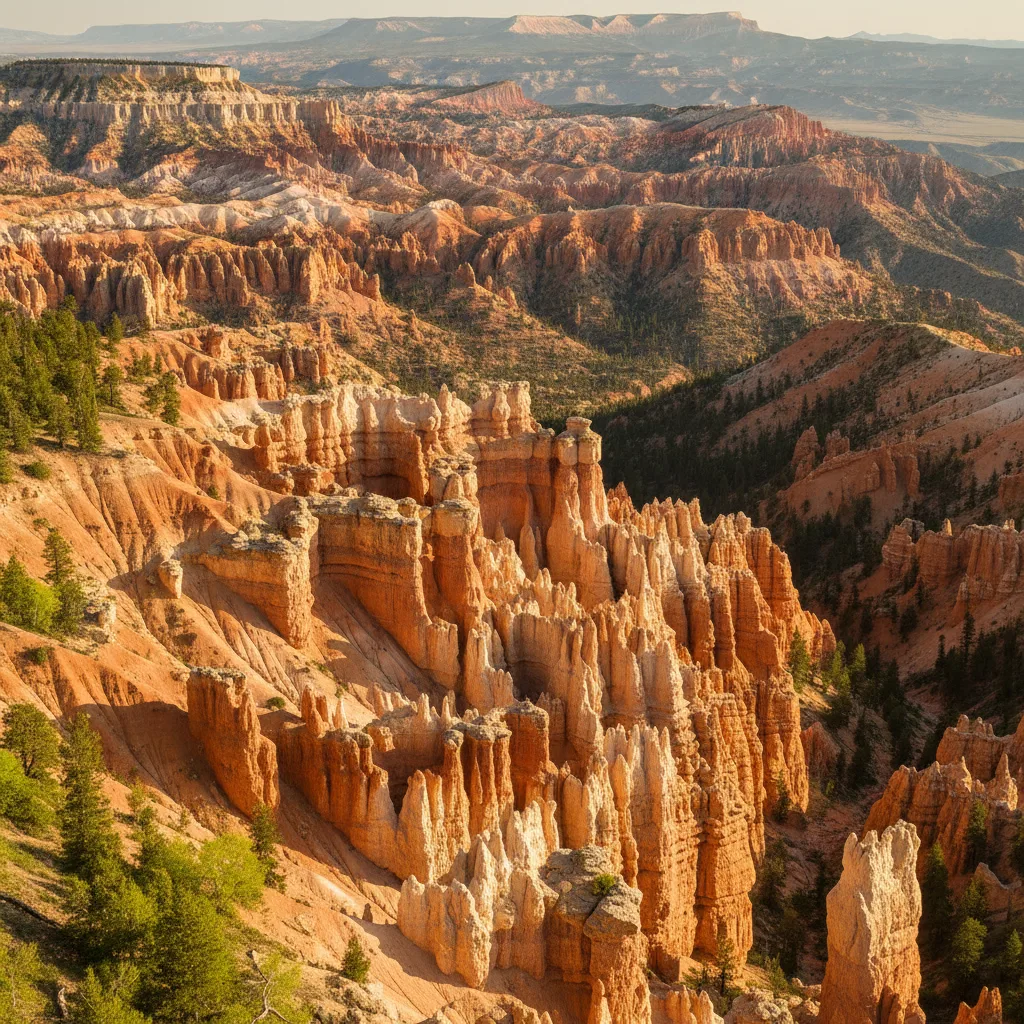
Our Cedar Breaks National Monument guide covers practical planning for Cedar Breaks National Monument Utah — best time to visit, getting there, and what to do on the ground.
Cedar Breaks National Monument Travel Guide — Utah
Perched high on the Markagunt Plateau, Cedar Breaks National Monument Utah is a breathtaking natural amphitheater, often likened to a smaller, more intimate version of Bryce Canyon. We've found that this hidden gem, less crowded than its more famous neighbors, offers equally stunning views of colorful rock formations, ancient bristlecone pines, and vibrant summer wildflower blooms. Its high elevation provides a refreshing escape, especially during the warmer months, making it a truly unique destination in the American Southwest.
Why Visit Cedar Breaks National Monument
Cedar Breaks National Monument stands as a testament to millions of years of geological forces, with its colossal amphitheater dropping 2,000 feet deep and spanning three miles across. The "Pink Cliffs" of the Claron Formation display an astounding palette of reds, yellows, and purples, continually sculpted by wind and water erosion into intricate hoodoos, spires, and arches. We recommend a visit not just for the dramatic vistas, but also for the unique alpine ecosystem it preserves. The monument is home to some of the world's oldest living organisms, the ancient bristlecone pines, some of which are over 1,500 years old. Beyond the geology, the summer months transform the meadows into a riot of color with over 260 species of wildflowers, peaking in July and August. For those seeking solitude and a profound connection with nature, Cedar Breaks offers a less-trafficked alternative to other popular Utah parks, allowing for a more peaceful experience.
Who It's Best For
Cedar Breaks National Monument is an ideal destination for a diverse range of travelers. It particularly appeals to nature photographers, drawn by the vibrant colors of the amphitheater and the clear, dark night skies perfect for stargazing. Hikers of all skill levels will find suitable trails, from easy, paved walks to more moderate routes through forests and along the rim. Families with children will appreciate the accessible trails, the chance to spot wildlife like marmots, and the engaging Junior Ranger program offered at the visitor center. Those seeking a cooler climate during hot summer months will find respite at Cedar Breaks, with its average daytime temperatures in the 60s and 70s Fahrenheit due to its high elevation of over 10,000 feet. Even in winter, the monument transforms into a wonderland for snowshoeing, cross-country skiing, and snowmobiling, accessible from nearby Brian Head.
Getting There & Parking
Reaching Cedar Breaks National Monument typically involves driving, as its high-elevation location on the Markagunt Plateau means it's not directly served by public transportation. We recommend checking road conditions before your visit, especially outside of summer, as Highway 148, which runs through the monument, is generally closed to vehicles from late October/early November to late May due to heavy snow. During winter, access is limited to snowmobiles, snowshoes, or cross-country skis.
If you're traveling from the north on I-15, take Exit 78 to Parowan, then follow Utah Highway 143 East for approximately 15 miles to the park. For those coming from the south on I-15, take Exit 57 to Cedar City, then travel east on Utah Highway 14 for about 18 miles, and turn left onto Utah Highway 148 for 4 miles to reach the monument. From Zion National Park, the drive is approximately 79 miles; you'll travel east on Utah Highway 9, then north on U.S. Highway 89, then west on Utah Highway 14, and finally right onto Utah Highway 148. From Bryce Canyon National Park, which is about 56 miles east, you can access the park via Utah Highway 143 from Panguitch.
The Cedar Breaks Scenic Byway (Highway 148) is a 6-mile drive that offers easy access to the monument's scenic overlooks and trailheads. Parking is available at each of the main overlooks, including Point Supreme, Sunset View, Chessmen Ridge, and North View. The visitor center, located near Point Supreme, also has parking available. During peak season, especially for sunset viewing at popular spots like Sunset Overlook, parking lots can fill quickly, so arriving 30-45 minutes early is a good strategy.
Top Things to Do
When considering things to do at Cedar Breaks National Monument, we assure you that this high-altitude haven offers a wealth of experiences, from scenic drives to immersive hikes and unparalleled stargazing. The main things to do at Cedar Breaks National Monument revolve around its spectacular amphitheater.
Scenic Drives & Overlooks
The 6-mile Cedar Breaks Scenic Byway (Highway 148) is your gateway to the monument's most iconic views. We highly recommend taking your time to stop at each of the designated overlooks, as each provides a unique perspective of the colossal amphitheater. From south to north, these include Spectra Point Overlook, Point Supreme Overlook, Sunset Overlook, Chessman Overlook, and North Overlook. Point Supreme, located near the visitor center, offers a panoramic view and is a great starting point. Sunset Overlook, as its name suggests, is particularly stunning in the late afternoon and evening as the light bathes the formations in golden and orange hues. For a quieter experience, North Overlook provides a wide panorama. The drive itself is part of the experience, with views of the Dixie National Forest, lava fields, and alpine meadows.
Cedar Breaks National Monument Hiking Trails
The Cedar Breaks National Monument hiking trails offer a chance to explore the monument's diverse landscapes on foot, ranging from easy paved paths to more challenging routes. Keep in mind that all trails start at or above 10,000 feet in elevation, so we advise visitors to be prepared for cooler weather and the effects of altitude. Staying hydrated is crucial.
- Sunset Trail: This is an easy, paved, and accessible 2-mile (one-way) trail that connects Point Supreme Overlook with Sunset View Overlook. It's perfect for all ages and abilities, offering beautiful wildflower displays during summer. It is also the only trail in the monument where leashed dogs are permitted.
- Alpine Pond Trail: A picturesque 2-mile loop, this moderate trail winds through a forested area to a serene alpine pond, offering glimpses of the amphitheater and chances to spot wildlife. A shortcut is available to reduce it to a 1-mile hike.
- Spectra Point and Ramparts Overlook Trail: This moderate to difficult out-and-back trail starts near the visitor center and follows the rim of the canyon. The hike to Spectra Point is about 1 mile (one-way) and offers a closer look at the geology and ancient bristlecone pines. Continuing to Ramparts Overlook extends the hike to about 2 miles (one-way), providing even more expansive views. The full round trip to Ramparts Overlook is approximately 4 miles.
- Cedar Breaks Bottoms Trail: For advanced hikers, this seldom-used trail begins in Dixie National Forest and descends into the amphitheater, offering a unique perspective of the hoodoos from below.
Stargazing
Cedar Breaks National Monument is recognized as an International Dark Sky Park, making it an exceptional location for stargazing. Its high elevation and distance from light pollution provide incredibly clear views of stars, planets, and the Milky Way. We recommend staying after sunset to experience the night sky. The park often hosts ranger-led night sky programs and star parties, typically on Friday and Saturday evenings through mid-October.
Wildflower Viewing
During July and August, the alpine meadows of Cedar Breaks explode with wildflowers, creating a vibrant tapestry of color. The annual Wildflower Festival, usually held in July, features ranger talks and guided hikes, providing an excellent opportunity to learn about the diverse flora. We suggest picking up a "What's In Bloom" handout at the visitor center for a self-guided tour.
Winter Activities
Even when the main road closes, Cedar Breaks remains open for winter recreation. The monument transforms into a quiet wonderland for snowshoeing, cross-country skiing, and snowmobiling. Guided snowshoe hikes are often offered on weekends by park staff. The Winter Warming Yurt serves as a ranger station and education center, providing a cozy spot to warm up.
Best Time to Visit
The best time to visit Cedar Breaks National Monument largely depends on your desired activities, as the monument experiences distinct seasons due to its high elevation.
- Summer (Late May to Mid-October): This is the most popular time to visit, as the scenic Highway 148 through the monument is typically open to vehicles. July and August are particularly stunning when the alpine meadows are ablaze with wildflowers, and the annual Wildflower Festival takes place. Daytime temperatures are comfortably cool, ranging from 60-70°F (15-21°C), offering a refreshing escape from the heat of lower elevations. However, afternoon thunderstorms are common, so we advise being prepared with rain gear.
- Fall (September to October): Fall brings cooler temperatures, golden aspen groves, and clear skies, making it an excellent time for hiking and photography. The crowds also thin out after the summer peak.
- Winter (November to May): The main road (Highway 148) typically closes to vehicles due to heavy snow, but the monument remains open for winter recreation. This is a prime time for snowshoeing, cross-country skiing, and snowmobiling, with access from Brian Head. The Winter Warming Yurt provides a cozy respite.
- Spring (Late May/Early June): As the snow melts, wildflowers begin to emerge, though some higher elevations may still have snow. It can be cold and rainy at times, but offers a chance to see the landscape reawaken.
We always recommend checking the official National Park Service website for Cedar Breaks National Monument (nps.gov/cebr) or calling the monument office for current road conditions, hours of operation, and any closures before your visit, especially if traveling outside of the peak summer season.
Where to Stay Nearby
While Cedar Breaks National Monument offers a single campground within its boundaries, visitors will find a broader range of Cedar Breaks National Monument lodging options in nearby towns, catering to various preferences and budgets. The closest developed lodging is typically found in Brian Head or Cedar City.
On-site Camping
Point Supreme Campground: Located within Cedar Breaks National Monument, Point Supreme Campground is typically open from mid-June to late September, weather permitting. All sites must be reserved in advance through Recreation.gov. While it offers a rustic experience with no electric, water, or sewer hookups, potable water spigots and a small bathroom facility with toilets and showers (key code required) are available. We recommend reserving well in advance, especially for summer visits, as it's the only camping option directly in the monument.
Nearby Towns for Cedar Breaks National Monument Lodging
- Brian Head, Utah: Located just 4 miles north of Cedar Breaks National Monument, Brian Head is a mountain resort town offering a variety of lodging, dining, and recreational activities. Options here include hotels, condos, and vacation rentals, many with amenities like pools, hot tubs, and ski-in/ski-out access during winter. It's an excellent choice for those who want to be close to the monument and enjoy a resort atmosphere. Popular choices include Hilton Vacation Club Cedar Breaks Brian Head and Brian Head Lodge.
- Cedar City, Utah: Approximately 23 miles (about a 30-40 minute drive) west of Cedar Breaks, Cedar City provides a wider selection of hotels, motels, and restaurants. This larger city offers more amenities and services, making it a convenient base for exploring the monument and other southern Utah attractions. Options range from budget-friendly motels to more upscale hotels.
- Panguitch, Utah: Located further east along Highway 143, Panguitch is a quaint village about 12 miles from Cedar Breaks, offering a serene escape. It's a good option for those also planning to visit Bryce Canyon National Park.
When searching for Cedar Breaks National Monument lodging, we advise considering your preference for amenities versus proximity to the monument. For a comprehensive list of accommodations, we suggest checking resources like Visit Utah or reputable booking sites.
Sample 2-Day Itinerary
Our team has crafted a sample 2-day itinerary to help you make the most of your visit to Cedar Breaks National Monument, balancing scenic views, hiking, and relaxation. This itinerary assumes you'll be visiting during the peak season (late May to mid-October) when all roads and facilities are typically open.
Day 1: Arrival, Scenic Overlooks & Sunset
- Morning (Arrival & Visitor Center): Arrive at Cedar Breaks National Monument, ideally by late morning. Head straight to the Point Supreme Visitor Center. Here, you can pay your entrance fee ($15 per person for ages 16 and older, valid for 7 days, or use your National Park Pass), pick up a map, and speak with a ranger for current conditions and recommendations. Allow time to explore the exhibits on the monument's geology, ecology, and history.
- Lunch: Enjoy a picnic lunch at the Point Supreme picnic area, which is conveniently located near the visitor center and campground.
- Afternoon (Scenic Drive & Easy Hikes): Embark on the Cedar Breaks Scenic Byway (Highway 148). Drive slowly and stop at each of the overlooks: Point Supreme, Sunset View, Chessman Overlook, and North Overlook. Consider a leisurely walk on the paved Sunset Trail (2 miles round trip) between Point Supreme and Sunset View, enjoying the wildflowers and panoramic views.
- Evening (Sunset & Stargazing): Return to Sunset Overlook approximately 30-45 minutes before sunset to secure a good spot and witness the amphitheater's colors deepen and glow. Pack a jacket, as temperatures drop significantly at this elevation. Afterwards, stay for some unparalleled stargazing; Cedar Breaks is a designated International Dark Sky Park. Check the park's calendar for any ranger-led night sky programs.
- Accommodation: Check into your chosen lodging in Brian Head or Cedar City, or set up camp at Point Supreme Campground.
Day 2: Hiking & Departure
- Morning (Moderate Hike): Start your day with a more invigorating hike. We recommend the Alpine Pond Trail (2-mile loop) or the Spectra Point and Ramparts Overlook Trail. The Spectra Point trail is about 1 mile one-way, offering stunning views and ancient bristlecone pines. If you're feeling energetic, continue to Ramparts Overlook for a total of 4 miles round trip. Remember to bring plenty of water and wear appropriate footwear.
- Late Morning/Lunch: After your hike, you can enjoy another picnic in the park or head to Brian Head for lunch at one of its restaurants.
- Afternoon (Optional Activities & Departure): Depending on your interests and onward travel plans, you could revisit a favorite overlook, explore more of the Dixie National Forest surrounding the monument, or head to nearby Brian Head for some additional activities like mountain biking or disc golf (seasonal). Alternatively, begin your journey to your next destination, perhaps continuing your exploration of Utah's diverse landscapes, such as Bryce Canyon National Park or Zion National Park.
Is It Worth Visiting?
Absolutely, our team firmly believes that Cedar Breaks National Monument is worth visiting. While often overshadowed by its larger national park neighbors like Zion and Bryce Canyon, Cedar Breaks offers a distinct and equally captivating experience that makes it a highly rewarding stop on any Utah itinerary.
One of the primary reasons we find Cedar Breaks National Monument worth visiting is its unique combination of dramatic geology and high-alpine environment. The amphitheater's vibrant colors, intricate hoodoos, and ancient bristlecone pines are truly spectacular, and some visitors even argue its colors surpass those of Bryce Canyon. The elevation, consistently above 10,000 feet, provides a refreshing escape from the summer heat found in many other parts of Southern Utah, making for pleasant hiking and sightseeing conditions.
Furthermore, for those seeking a more tranquil experience, Cedar Breaks National Monument is worth visiting because it generally receives fewer crowds than the more famous parks. This allows for a more peaceful and intimate connection with nature, whether you're admiring the views from an overlook, exploring the wildflower-filled meadows, or stargazing under its exceptionally dark skies. The accessibility of its scenic drive and a range of easy-to-moderate hiking trails also make it suitable for a wide array of visitors, including families and those who prefer less strenuous activities.
How to Get There
Understanding how to get to Cedar Breaks National Monument is key to planning your visit, as its high-elevation location on the Markagunt Plateau means access routes are seasonal. We always advise checking current road conditions before you travel, especially if visiting outside of the summer months.
The monument is primarily accessed via Utah Highway 148, also known as the Cedar Breaks Scenic Byway, which connects Utah Highway 14 and Utah Highway 143.
- From I-15 Northbound: If you're traveling north on I-15, take Exit 78 for Parowan. From Parowan, follow Main Street south for 1.3 miles, then turn left onto E. Center Street for 0.3 miles. Turn right onto Utah Highway 143 East and continue for approximately 15 miles until you reach the monument.
- From I-15 Southbound: For those heading south on I-15, take Exit 57 for Cedar City. Travel north on Main Street for 2.2 miles, then turn right onto E Center Street/Utah Highway 14. Continue east on Utah Highway 14 for about 18 miles, then turn left onto Utah Highway 148. Drive 4 miles to reach the park. This route from Cedar City is approximately 30-40 minutes and offers scenic views through Cedar Canyon.
- From U.S. Highway 89 Northbound: If you're coming from the south on U.S. Highway 89, turn left onto Utah Highway 14 West at Long Valley Junction. Continue west for approximately 23 miles, then turn right onto Utah Highway 148 and drive 4 miles to the park.
- From Zion National Park: The drive from Springdale (Zion National Park) is roughly 79 miles. Travel east on Utah Highway 9 for about 23 miles, then turn right onto U.S. Highway 89. Continue north for 23 miles, then turn left onto Utah Highway 14. Drive west on Utah Highway 14 for 23 miles, and finally turn right onto Utah Highway 148 for 4 miles to the park.
- From Bryce Canyon National Park: Cedar Breaks is about 56 miles west of Bryce Canyon. You can access it from the town of Panguitch via Utah Highway 143.
Remember that Utah Highway 148, the main road through the monument, typically closes due to snow from late October/early November until late May. During this period, how to get to Cedar Breaks National Monument for vehicle traffic is not possible along this segment, though winter access for snowmobiles and skis is available from Brian Head.
FAQ Longtails
Cedar Breaks National Monument camping
Cedar Breaks National Monument offers one developed campground, Point Supreme Campground, which is typically open from mid-June to late September. All campsites must be reserved in advance through Recreation.gov. The campground provides a rustic experience with potable water spigots and a small bathroom facility with toilets and showers (requiring a key code). There are no electric, water, or sewer hookups at individual sites. We highly recommend booking your site well in advance, especially for summer visits, as it's the only on-site camping option.
things to do in Brian Head
Brian Head, located just 4 miles from Cedar Breaks National Monument, is a mountain resort town offering numerous activities throughout the year. In summer, visitors can enjoy mountain biking, hiking, disc golf, and ATV/snowmobile rentals for exploring the surrounding Dixie National Forest. During winter, Brian Head Resort is a popular destination for skiing, snowboarding, and snow tubing. The town also has restaurants, shops, and spas. Our team finds Brian Head a convenient base for exploring Cedar Breaks and enjoying outdoor adventures.
Cedar Breaks National Monument with kids
Cedar Breaks National Monument is an excellent destination for families visiting with kids. The monument features several easy and accessible trails, such as the paved Sunset Trail, which is perfect for strollers and young children. Kids will enjoy spotting wildlife like marmots and ground squirrels, and the visitor center offers a Junior Ranger program where they can earn a badge by completing an activity book. The high elevation provides cooler summer temperatures, making outdoor exploration more comfortable for little ones. We recommend packing layers, snacks, and plenty of water for a comfortable family outing.
best hotels near Cedar Breaks National Monument
The best hotels near Cedar Breaks National Monument are typically found in Brian Head and Cedar City. In Brian Head, just 4 miles away, options include Hilton Vacation Club Cedar Breaks Brian Head and Brian Head Lodge, which offer resort amenities like pools, hot tubs, and easy access to outdoor activities. In Cedar City, about 23 miles away, you'll find a wider selection of hotels such as Hampton Inn & Suites Cedar City, La Quinta by Wyndham Cedar City, and Best Western Plus Cedar City, providing more services and dining options. For a comprehensive list and to compare options, we suggest checking reputable booking sites like Expedia or Booking.com.
Cedar Breaks National Monument tips
Our top Cedar Breaks National Monument tips include being prepared for the high elevation (over 10,000 feet) by staying hydrated and taking your time, as the air is thinner. Always check road conditions for Highway 148 before visiting, especially from late October to late May, as it closes due to snow. Pack layers of clothing, as temperatures can vary significantly, even in summer, and afternoon thunderstorms are common. Visit in July or August for spectacular wildflower displays, or stay after dark for incredible stargazing. Consider purchasing a National Park Pass if you plan to visit other parks, as it covers the $15 entrance fee. Finally, make campground reservations well in advance if you plan to stay at Point Supreme.
where to stay near Cedar Breaks National Monument
When deciding where to stay near Cedar Breaks National Monument, you have a few primary options. The most immediate choice is Point Supreme Campground, located directly within the monument, though it requires advance reservations and is only open seasonally (mid-June to late September). For hotel and vacation rental options, the closest town is Brian Head, just 4 miles away, offering resort-style accommodations and easy access to amenities. A wider range of services and lodging, including many hotel chains, can be found in Cedar City, approximately 23 miles west of the monument. We recommend booking accommodations in advance, particularly during peak summer months.
Our team at Roam States wholeheartedly recommends Cedar Breaks National Monument as an essential stop on any Utah adventure. Its dramatic, colorful amphitheater, ancient bristlecone pines, and vibrant wildflower displays offer a unique and often more serene experience than some of Utah's more heavily trafficked parks. Whether you're a casual sightseer, an avid hiker, or a stargazing enthusiast, Cedar Breaks delivers unforgettable natural beauty and a refreshing high-alpine escape. Don't let its "monument" status fool you—this is a destination that rivals any national park for sheer awe-inspiring grandeur and natural wonder. We encourage you to include it in your travel plans and discover the magic of this "Circle of Painted Cliffs" for yourself. For more inspiration on exploring the region, consider integrating it into a USA road trip planner that includes other Utah gems like Bonneville Salt Flats, Antelope Island State Park, or Arches National Park.
Last updated: 2026-07-13 by the Roam States team.