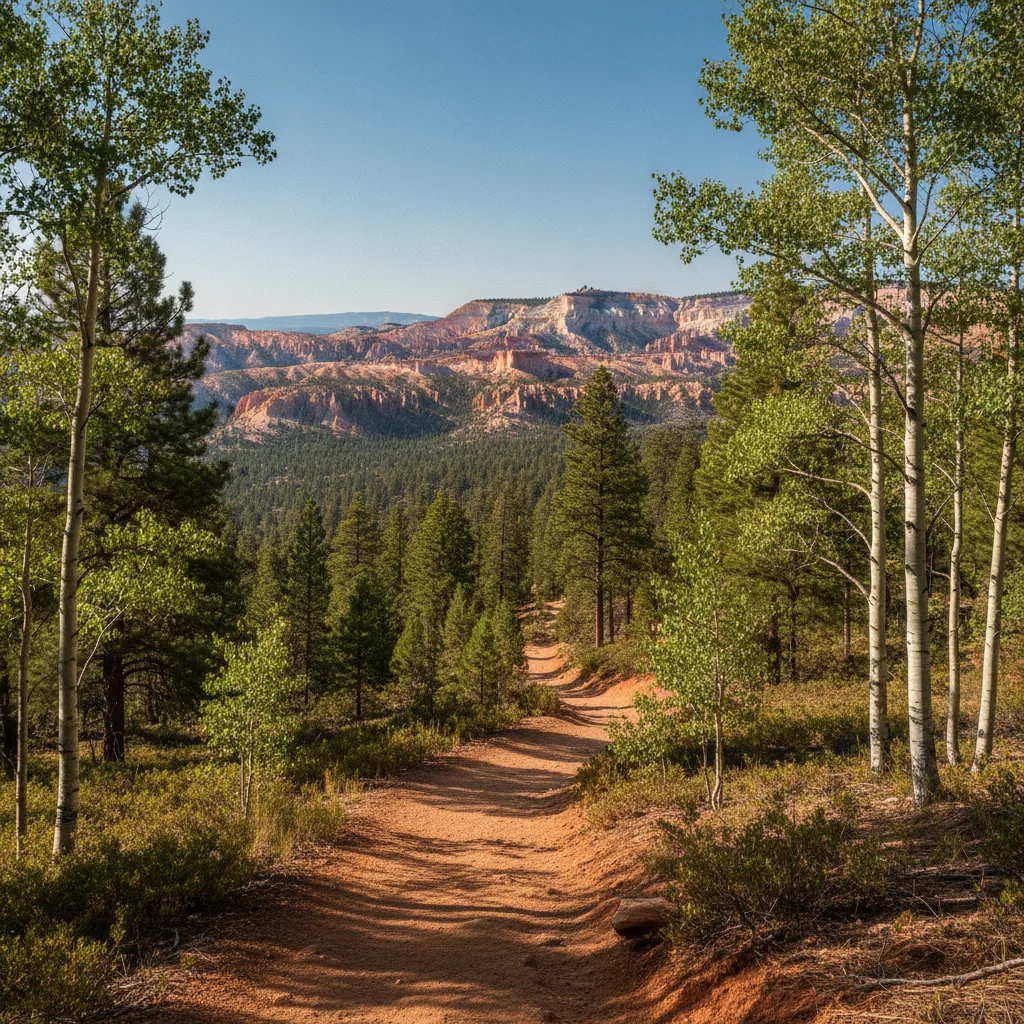
Our Dixie National Forest guide covers practical planning for Dixie National Forest Utah — best time to visit, getting there, and what to do on the ground.
Why Visit Dixie National Forest
As the independent US travel authority at Roam States, we confidently recommend adding Dixie National Forest Utah to your travel itinerary. This sprawling expanse of nearly two million acres in Southern Utah is a true gem, offering a breathtaking diversity of landscapes that range from high mountain forests to dramatic red rock canyons. It's a place where the majestic Ponderosa pines meet ancient lava flows, and where serene alpine lakes reflect towering peaks. Unlike some of Utah's more famous (and often crowded) national parks, Dixie National Forest provides a sense of expansive wilderness and solitude, allowing visitors to truly immerse themselves in nature. We consider it an essential destination for anyone seeking authentic outdoor adventure and unparalleled scenic beauty in the Beehive State. Its sheer size and varied terrain mean there's always something new to discover, whether you're a seasoned backpacker or a family looking for a scenic drive.
Who It's Best For
Dixie National Forest caters to a wide spectrum of travelers, making it a versatile destination for almost anyone seeking outdoor recreation. It's particularly ideal for:
- Adventurers and Outdoor Enthusiasts: With countless miles of trails for hiking, mountain biking, and ATV riding, plus opportunities for rock climbing, fishing, and boating, those who thrive on active pursuits will find endless possibilities.
- Families: Many areas offer accessible trails, scenic drives, and designated picnic spots, making it easy for families with children of all ages to enjoy the natural beauty. The cooler mountain temperatures in summer provide a welcome escape from the desert heat.
- Nature Photographers: The dramatic contrasts between red rock formations, lush forests, and high-altitude lakes present incredible photographic opportunities year-round.
- Campers and RVers: Numerous developed campgrounds and extensive dispersed camping options make it a prime location for those who prefer to sleep under the stars.
- Wildlife Watchers: The diverse ecosystems support a variety of wildlife, including deer, elk, eagles, and even the occasional bear, offering chances for memorable sightings.
- Those Seeking Solitude: While popular in certain areas, the vastness of the forest means it's often possible to find quiet trails and secluded spots, especially compared to nearby national parks.
Whether you're planning an epic USA road trip or exploring the best places in Utah, Dixie National Forest offers an experience tailored to diverse interests and activity levels.
Getting There & Parking
Understanding how to get to Dixie National Forest is crucial for planning your visit, as this expansive forest is divided into several distinct sections across southern Utah. The forest spans across five ranger districts: Pine Valley, Cedar City, Powell, Escalante, and Teasdale, each offering unique access points and attractions. Major gateways include Cedar City to the west, St. George to the southwest, and Bryce Canyon City or Panguitch to the east. Interstate 15 provides convenient access to the western portions of the forest, while scenic Byway 12 (a designated All-American Road) traverses the eastern side, offering breathtaking views and connecting to areas like Bryce Canyon National Park.
For those flying in, the closest major airports are McCarran International Airport (LAS) in Las Vegas, Nevada, or Salt Lake City International Airport (SLC) in Utah. Both require a several-hour drive to reach the forest. Regional airports like St. George Regional Airport (SGU) or Cedar City Regional Airport (CDC) offer closer, though often more expensive, options.
Parking throughout Dixie National Forest is generally abundant, especially at developed trailheads, campgrounds, and visitor centers. Most parking areas are free, though some popular recreation sites or developed day-use areas might have a small fee or require a recreation pass. We recommend checking the specific area you plan to visit for any potential fees. For example, some areas might fall under the "America the Beautiful" pass system. While specific 2026 fees for all parking sites are not uniformly available, visitors should anticipate potential day-use fees ranging from $5-$10 at certain developed sites. Always look for signage upon arrival. During peak seasons, particularly summer weekends, popular trailheads can fill up quickly, so arriving early is advisable. There are no formal reservation systems for general parking within the forest, but specific campgrounds do require reservations. We’ll discuss Dixie National Forest lodging and camping options in more detail later.
Top Things to Do
When considering things to do at Dixie National Forest, the sheer scale and diversity of the landscape mean you'll never be short on options. From scenic drives to challenging backcountry adventures, the forest offers something for every type of explorer. Our team has identified some of the most rewarding experiences within this vast wilderness.
Dixie National Forest Hiking Trails
Hiking is undoubtedly one of the premier things to do at Dixie National Forest. The forest boasts an extensive network of trails, ranging from easy strolls to strenuous multi-day treks. Here are some of our top recommendations for Dixie National Forest hiking trails:
- Cascade Falls Trail (Cedar City Ranger District): This relatively easy 1-mile roundtrip hike leads to a unique waterfall that emerges from a lava tube. It's a fantastic option for families and offers a cool, refreshing experience, especially in summer.
- Bristlecone Pine Trail (Cedar City Ranger District): Located near Cedar Breaks National Monument, this moderate 1-mile loop winds through ancient bristlecone pines, some thousands of years old. The views of the surrounding canyons are spectacular.
- Red Canyon (Powell Ranger District): Often called "Little Bryce," Red Canyon offers stunning red rock formations and numerous accessible trails, including the paved Red Canyon Bike Path. The Hoodoo Trail and Pink Ledges Trail are excellent choices for shorter hikes.
- Pine Valley Mountain Wilderness Trails (Pine Valley Ranger District): For more challenging backcountry experiences, the trails within the Pine Valley Mountain Wilderness offer elevation gains and incredible panoramic views. The summit of Pine Valley Peak is a rewarding, albeit strenuous, goal.
- Escalante Grand Staircase Trails (Escalante Ranger District): While much of the Grand Staircase-Escalante National Monument is managed by the BLM, the Dixie National Forest borders and contains many access points to this rugged landscape. Trails here often lead to slot canyons and remote waterfalls, requiring careful planning and navigation.
Before embarking on any Dixie National Forest hiking trails, we always recommend checking current trail conditions, weather forecasts, and carrying plenty of water. Many trails are exposed, and temperatures can vary significantly between elevations.
Scenic Drives
If you prefer to experience the beauty from the comfort of your vehicle, Dixie National Forest offers several incredible scenic drives:
- Scenic Byway 12: This All-American Road is a destination in itself, traversing the eastern part of the forest and offering unparalleled views of red rock canyons, pine forests, and access to Bryce Canyon National Park and Grand Staircase-Escalante.
- Cedar Breaks Scenic Byway (Highway 148): This route connects to Cedar Breaks National Monument and offers stunning views of the "mini-Bryce" amphitheater, along with access to high-elevation forests and hiking trails.
- Pine Valley Scenic Byway (Highway 18): This drive takes you through the charming town of Pine Valley and offers views of the Pine Valley Mountains.
Camping and Picnicking
With numerous developed campgrounds and ample opportunities for dispersed camping, spending a night under the stars is a quintessential Dixie National Forest experience. Popular campgrounds include Pine Valley Recreation Area, Spruces Campground, and Red Canyon Campground. Many campgrounds operate on a first-come, first-served basis, but reservations are often available and highly recommended, especially during peak season. Recreation.gov is the primary platform for reserving campsites. As of 2026, typical camping fees range from $15-$30 per night for developed sites, depending on amenities. Dispersed camping is generally free but requires adherence to Leave No Trace principles and local regulations, which can include fire restrictions.
Fishing and Boating
Dixie National Forest is home to several beautiful lakes and reservoirs, perfect for fishing, kayaking, and paddleboarding. Panguitch Lake, Navajo Lake, and Enterprise Reservoir are popular spots stocked with trout. Always check Utah fishing regulations and ensure you have a valid Utah fishing license.
Winter Sports
During the winter months, the higher elevations of Dixie National Forest transform into a snowy playground. Cross-country skiing, snowshoeing, and snowmobiling are popular activities. Brian Head Resort, located adjacent to the forest, offers downhill skiing and snowboarding.
Best Time to Visit
The best time to visit Dixie National Forest largely depends on the activities you have in mind. Its diverse elevations mean that different parts of the forest offer optimal conditions at various times of the year.
- Summer (June-August): This is the most popular time, especially for the high-elevation areas. Temperatures are pleasantly cool in the mountains, making it ideal for hiking, camping, and escaping the intense desert heat of nearby St. George or Zion National Park. However, popular campgrounds and trails can be crowded, and afternoon thunderstorms are common.
- Spring (April-May): Spring brings wildflowers and milder temperatures to the lower elevations. Higher elevation roads and trails may still be snow-covered, but it's an excellent time for hiking in areas like Red Canyon. This shoulder season offers fewer crowds.
- Fall (September-October): Many consider fall the absolute best time to visit. The aspen and oak trees turn brilliant shades of gold and red, creating stunning photographic opportunities. Temperatures are crisp and pleasant for hiking, and the summer crowds have thinned out. Snow can begin to fall at higher elevations by late October.
- Winter (November-March): The forest's higher elevations are blanketed in snow, making it a haven for winter sports enthusiasts. Roads to some areas may close due to snow, but opportunities for cross-country skiing, snowshoeing, and snowmobiling abound. Lower elevation areas remain accessible for milder hikes.
For specific 2026 operating hours of visitor centers, we recommend checking the official U.S. Forest Service website for Dixie National Forest closer to your travel date, as these can vary seasonally. Generally, visitor centers operate during standard business hours, typically 9 AM to 5 PM, during peak seasons.
Where to Stay Nearby
Finding suitable Dixie National Forest lodging is straightforward, with options ranging from rustic campsites within the forest to comfortable hotels in gateway towns. The choice depends on your preference for amenities and proximity to specific forest areas.
In-Forest Camping
For those who want to be fully immersed in nature, camping within Dixie National Forest is the quintessential experience. The forest offers numerous developed campgrounds, many with amenities like picnic tables, fire rings, and vault toilets. Popular campgrounds include:
- Pine Valley Recreation Area: Offers several campgrounds like Pine Valley Campground and Equestrian Campground, popular for their scenic beauty and access to the Pine Valley Mountains.
- Red Canyon Campground: Located amidst the hoodoos of Red Canyon, offering easy access to hiking and biking trails.
- Navajo Lake Campground: Situated right on the shores of Navajo Lake, perfect for fishing and boating enthusiasts.
- Spruces Campground: A high-elevation option near Cedar Breaks National Monument.
Many of these campgrounds accept reservations via Recreation.gov, which we highly recommend, especially during the summer months. Dispersed camping is also permitted in many areas of the forest, offering a more primitive experience. Always check the current fire restrictions and Leave No Trace principles when dispersed camping. For up-to-date information on 2026 camping regulations and closures, the Dixie National Forest official website is the best resource.
Gateway Towns for Dixie National Forest Lodging
For those seeking more traditional accommodations, several towns border the forest and offer a range of hotels, motels, and vacation rentals:
- Cedar City: Located on the western edge of the forest, Cedar City is the largest nearby town and offers the most comprehensive selection of Dixie National Forest lodging, dining, and services. It's a convenient base for exploring the Cedar City and Pine Valley Ranger Districts. You'll find everything from budget-friendly motels to mid-range hotels here.
- Panguitch: A charming historic town on the eastern side, Panguitch is an excellent base for exploring the Powell Ranger District and is very close to Bryce Canyon National Park. It offers a selection of independent motels, B&Bs, and a few chain hotels.
- St. George: While a bit further south, St. George offers a wider array of upscale hotels, resorts, and amenities, making it a good option if you plan to combine your Dixie National Forest visit with trips to Zion National Park or the Red Cliffs Conservation Area. It's about an hour's drive to the Pine Valley section of the forest.
- Escalante: For those exploring the eastern, more remote parts of the forest and Grand Staircase-Escalante, the small town of Escalante offers a few motels, cabins, and unique lodging experiences.
- Brian Head: Primarily a ski resort town, Brian Head offers hotels and condos, making it a great base for winter activities and summer mountain biking, with direct access to parts of the forest.
When planning your Dixie National Forest lodging, consider which part of the forest you intend to explore most, as driving distances between sections can be significant. We always recommend booking accommodations well in advance, especially during peak travel seasons.
Sample 2-Day Itinerary
To help you make the most of your visit to Dixie National Forest Utah, we've crafted a sample 2-day itinerary focusing on a blend of scenic beauty and active exploration. This itinerary assumes you're basing yourself in or near Cedar City, offering a good balance of access to different forest regions.
Day 1: High Mountain Peaks & Ancient Bristlecones
- Morning (8:00 AM - 12:00 PM): Cedar Breaks & Bristlecone Pines
Start your day heading east from Cedar City towards Cedar Breaks National Monument. While technically a separate NPS unit, it's surrounded by Dixie National Forest and offers breathtaking views of a massive natural amphitheater. Take in the overlooks and then hike the easy Bristlecone Pine Trail to see some of the oldest living organisms on Earth.
- Lunch (12:00 PM - 1:00 PM): Picnic with a View
Pack a picnic lunch to enjoy at one of the scenic overlooks within Cedar Breaks or a designated picnic area within the adjacent Dixie National Forest. This saves time and allows you to maximize your outdoor experience.
- Afternoon (1:00 PM - 5:00 PM): Alpine Lakes & Mountain Drives
Continue your exploration of the high country. Drive along the Cedar Breaks Scenic Byway (Highway 148) and connect to Highway 14. Stop at Navajo Lake, a beautiful alpine lake perfect for a short walk along the shore or simply enjoying the serene views. Consider a short hike on the Cascade Falls Trail if time permits, leading to a unique waterfall emerging from a lava tube.
- Evening: Return to Cedar City
Head back to Cedar City for dinner and to relax after a day of high-altitude exploration. Enjoy a meal at one of the local restaurants.
Day 2: Red Rock Wonders & Forest Trails
- Morning (8:00 AM - 12:00 PM): Red Canyon Exploration
Drive east on Highway 12 towards Red Canyon, often referred to as "Little Bryce." This area, managed by Dixie National Forest, offers stunning red rock hoodoos and accessible trails. Hike the Hoodoo Trail or Pink Ledges Trail for impressive views and unique geological formations. Consider renting a bike and riding a portion of the paved Red Canyon Bike Path.
- Lunch (12:00 PM - 1:00 PM): Panguitch Stop
Continue a short distance east to the historic town of Panguitch. Grab lunch at a local cafe and explore its charming main street, lined with brick buildings.
- Afternoon (1:00 PM - 5:00 PM): Scenic Byway 12 & Forest Immersion
From Panguitch, drive further along the iconic Scenic Byway 12, taking in the breathtaking views as it winds through the forest. You can opt for another short hike in a less-trafficked area of the forest, perhaps near Tropic or Hatch, to experience the diverse ecosystems. Alternatively, visit the Powell Ranger District Visitor Center for more local insights and trail suggestions. For those interested in the broader Utah landscape, consider a drive towards Bryce Canyon National Park, which is just a short detour off Byway 12.
- Evening: Departure or Extended Stay
Depending on your travel plans, you can either begin your journey home or extend your stay to explore more of Southern Utah, perhaps heading towards Zion National Park or Grand Staircase-Escalante.
Is It Worth Visiting?
Absolutely, we confidently affirm that Dixie National Forest is worth visiting. For travelers seeking the grandeur of Utah's landscapes without the intense crowds often found in the national parks, this forest offers an unparalleled experience. Its nearly two million acres provide a vast playground for every type of outdoor enthusiast, from those who prefer a leisurely scenic drive to intrepid backpackers. The diversity of terrain, spanning from high-alpine forests to dramatic red rock canyons, ensures that every visit reveals something new and spectacular. We believe Dixie National Forest offers a more intimate and expansive connection to Utah's natural beauty, making it a truly rewarding destination. It's a place where you can find solitude, challenge yourself on rugged trails, or simply relax amidst stunning scenery. The question "is Dixie National Forest worth visiting" is met with an emphatic yes from our team, especially for those who appreciate genuine wilderness experiences and a break from the beaten path.
FAQ
Dixie National Forest camping
Dixie National Forest offers extensive camping opportunities, from developed campgrounds with basic amenities to dispersed (primitive) camping in designated areas. Developed campgrounds typically have picnic tables, fire rings, and vault toilets, with fees ranging from $15-$30 per night in 2026. Reservations are highly recommended for developed sites, especially during peak season, and can be made through Recreation.gov. Dispersed camping is free but requires strict adherence to Leave No Trace principles and current fire restrictions. Always check the official Dixie National Forest website for the latest regulations and any closures before planning your trip.
things to do in Southern Utah
Southern Utah is an outdoor paradise, offering a vast array of things to do beyond just Dixie National Forest. You can explore the iconic "Mighty 5" National Parks: Zion National Park, Bryce Canyon National Park, Capitol Reef National Park, Arches National Park, and Canyonlands National Park. Other popular attractions include Grand Staircase-Escalante National Monument, Coral Pink Sand Dunes State Park, Dead Horse Point State Park, and Goblin Valley State Park. Activities range from hiking and canyoneering to mountain biking, ATV riding, and scenic drives. For a comprehensive guide, we recommend exploring the Visit Utah website.
Dixie National Forest with kids
Dixie National Forest is an excellent destination for families with kids, offering numerous kid-friendly activities. Many trails, such as the Cascade Falls Trail or sections of the Red Canyon Bike Path, are relatively easy and short. Kids will love exploring the unique hoodoos of Red Canyon, fishing in the forest's lakes, and spotting wildlife. Developed campgrounds provide a safe and fun environment for family camping. The cooler mountain temperatures in summer offer a pleasant escape, and visitor centers often have educational programs or junior ranger activities. We recommend packing plenty of snacks, water, and sun protection, and choosing activities appropriate for your children's ages and energy levels.
best hotels near Dixie National Forest
The best hotels near Dixie National Forest depend on which part of the forest you plan to explore. For the western sections (Pine Valley, Cedar City Ranger Districts), Cedar City offers the widest range of options, from budget-friendly chains like Best Western and Holiday Inn Express to local boutique hotels. For the eastern sections (Powell, Escalante Ranger Districts), Panguitch provides charming independent motels and B&Bs, while Escalante offers more rustic and unique lodging. St. George, while further south, has a broader selection of upscale resorts and dining, convenient if you're also visiting Zion. We advise booking well in advance, especially during peak season.
Dixie National Forest tips
Our top tips for visiting Dixie National Forest include:
- Plan Ahead: The forest is vast. Decide which ranger district or area you want to explore to optimize your travel time.
- Check Conditions: Always verify current weather forecasts, road conditions (especially in winter or during monsoon season), and fire restrictions before heading out.
- Stay Hydrated: Even in cooler mountain elevations, the dry Utah air can lead to dehydration. Carry more water than you think you'll need.
- Leave No Trace: Pack out everything you pack in, respect wildlife, and stay on marked trails to preserve the forest's beauty.
- Be Prepared for Elevation: Many areas are at high altitudes. Be aware of symptoms of altitude sickness and take it easy on your first day if coming from sea level.
- Bring Layers: Temperatures can fluctuate dramatically between day and night, and between different elevations.
- Download Maps: Cell service can be spotty or non-existent in many parts of the forest. Download offline maps or carry physical maps.
where to stay near Dixie National Forest
When considering where to stay near Dixie National Forest, your primary options are within the forest itself (camping) or in the surrounding gateway towns. Inside the forest, numerous developed campgrounds and dispersed camping areas offer immersive experiences. Outside the forest, Cedar City is the largest and most comprehensive hub for hotels, motels, and services, ideal for accessing the western and central parts of the forest. Panguitch is a charming historic town perfect for exploring the eastern forest and nearby Bryce Canyon. Escalante offers more remote lodging for the far eastern sections, and St. George provides a wider array of upscale options if you don't mind a slightly longer drive to the forest. We recommend choosing a base that aligns with your planned activities within the forest.
Last updated: 2026-07-13 by the Roam States team.
Our Dixie National Forest guide covers practical planning for Dixie National Forest Utah — best time to visit, getting there, and what to do on the ground.
Why Visit Dixie National Forest
As the independent US travel authority at Roam States, we confidently recommend adding Dixie National Forest Utah to your travel itinerary. This sprawling expanse of nearly two million acres in Southern Utah is a true gem, offering a breathtaking diversity of landscapes that range from high mountain forests to dramatic red rock canyons. It's a place where the majestic Ponderosa pines meet ancient lava flows, and where serene alpine lakes reflect towering peaks. Unlike some of Utah's more famous (and often crowded) national parks, Dixie National Forest provides a sense of expansive wilderness and solitude, allowing visitors to truly immerse themselves in nature. We consider it an essential destination for anyone seeking authentic outdoor adventure and unparalleled scenic beauty in the Beehive State. Its sheer size and varied terrain mean there's always something new to discover, whether you're a seasoned backpacker or a family looking for a scenic drive.
Who It's Best For
Dixie National Forest caters to a wide spectrum of travelers, making it a versatile destination for almost anyone seeking outdoor recreation. It's particularly ideal for:
- Adventurers and Outdoor Enthusiasts: With countless miles of trails for hiking, mountain biking, and ATV riding, plus opportunities for rock climbing, fishing, and boating, those who thrive on active pursuits will find endless possibilities.
- Families: Many areas offer accessible trails, scenic drives, and designated picnic spots, making it easy for families with children of all ages to enjoy the natural beauty. The cooler mountain temperatures in summer provide a welcome escape from the desert heat.
- Nature Photographers: The dramatic contrasts between red rock formations, lush forests, and high-altitude lakes present incredible photographic opportunities year-round.
- Campers and RVers: Numerous developed campgrounds and extensive dispersed camping options make it a prime location for those who prefer to sleep under the stars.
- Wildlife Watchers: The diverse ecosystems support a variety of wildlife, including deer, elk, eagles, and even the occasional bear, offering chances for memorable sightings.
- Those Seeking Solitude: While popular in certain areas, the vastness of the forest means it's often possible to find quiet trails and secluded spots, especially compared to nearby national parks.
Whether you're planning an epic USA road trip or exploring the best places in Utah, Dixie National Forest offers an experience tailored to diverse interests and activity levels.
Getting There & Parking
Understanding how to get to Dixie National Forest is crucial for planning your visit, as this expansive forest is divided into several distinct sections across southern Utah. The forest spans across five ranger districts: Pine Valley, Cedar City, Powell, Escalante, and Teasdale, each offering unique access points and attractions. Major gateways include Cedar City to the west, St. George to the southwest, and Bryce Canyon City or Panguitch to the east. Interstate 15 provides convenient access to the western portions of the forest, while scenic Byway 12 (a designated All-American Road) traverses the eastern side, offering breathtaking views and connecting to areas like Bryce Canyon National Park.
For those flying in, the closest major airports are McCarran International Airport (LAS) in Las Vegas, Nevada, or Salt Lake City International Airport (SLC) in Utah. Both require a several-hour drive to reach the forest. Regional airports like St. George Regional Airport (SGU) or Cedar City Regional Airport (CDC) offer closer, though often more expensive, options.
Parking throughout Dixie National Forest is generally abundant, especially at developed trailheads, campgrounds, and visitor centers. Most parking areas are free, though some popular recreation sites or developed day-use areas might have a small fee or require a recreation pass. We recommend checking the specific area you plan to visit for any potential fees. For example, some areas might fall under the "America the Beautiful" pass system. While specific 2026 fees for all parking sites are not uniformly available, visitors should anticipate potential day-use fees ranging from $5-$10 at certain developed sites. Always look for signage upon arrival. During peak seasons, particularly summer weekends, popular trailheads can fill up quickly, so arriving early is advisable. There are no formal reservation systems for general parking within the forest, but specific campgrounds do require reservations. We’ll discuss Dixie National Forest lodging and camping options in more detail later.
Top Things to Do
When considering things to do at Dixie National Forest, the sheer scale and diversity of the landscape mean you'll never be short on options. From scenic drives to challenging backcountry adventures, the forest offers something for every type of explorer. Our team has identified some of the most rewarding experiences within this vast wilderness.
Dixie National Forest Hiking Trails
Hiking is undoubtedly one of the premier things to do at Dixie National Forest. The forest boasts an extensive network of trails, ranging from easy strolls to strenuous multi-day treks. Here are some of our top recommendations for Dixie National Forest hiking trails:
- Cascade Falls Trail (Cedar City Ranger District): This relatively easy 1.2-mile out-and-back trail leads to a unique waterfall that emerges from a lava tube. It's a fantastic option for families and offers a cool, refreshing experience, especially in summer.
- Bristlecone Pine Trail (Cedar City Ranger District): Located near Cedar Breaks National Monument, this 0.6-mile loop winds through ancient bristlecone pines, some thousands of years old. The views of the surrounding canyons are spectacular.
- Red Canyon (Powell Ranger District): Often called "Little Bryce," Red Canyon offers stunning red rock formations and numerous accessible trails, including the paved Red Canyon Bike Path. The Hoodoo Trail and Pink Ledges Trail are excellent choices for shorter hikes.
- Pine Valley Mountain Wilderness Trails (Pine Valley Ranger District): For more challenging backcountry experiences, the trails within the Pine Valley Mountain Wilderness offer elevation gains and incredible panoramic views. The summit of Pine Valley Peak is a rewarding, albeit strenuous, goal.
- Escalante Grand Staircase Trails (Escalante Ranger District): While much of the Grand Staircase-Escalante National Monument is managed by the BLM, the Dixie National Forest borders and contains many access points to this rugged landscape. Trails here often lead to slot canyons and remote waterfalls, requiring careful planning and navigation.
Before embarking on any Dixie National Forest hiking trails, we always recommend checking current trail conditions, weather forecasts, and carrying plenty of water. Many trails are exposed, and temperatures can vary significantly between elevations.
Scenic Drives
If you prefer to experience the beauty from the comfort of your vehicle, Dixie National Forest offers several incredible scenic drives:
- Scenic Byway 12: This All-American Road is a destination in itself, traversing the eastern part of the forest and offering unparalleled views of red rock canyons, pine forests, and access to Bryce Canyon National Park and Grand Staircase-Escalante.
- Cedar Breaks Scenic Byway (Highway 148): This route connects to Cedar Breaks National Monument and offers stunning views of the "mini-Bryce" amphitheater, along with access to high-elevation forests and hiking trails.
- Pine Valley Scenic Byway (Highway 18): This drive takes you through the charming town of Pine Valley and offers views of the Pine Valley Mountains.
Camping and Picnicking
With numerous developed campgrounds and ample opportunities for dispersed camping, spending a night under the stars is a quintessential Dixie National Forest experience. Popular campgrounds include Pine Valley Recreation Area, Spruces Campground, and Red Canyon Campground. Many campgrounds operate on a first-come, first-served basis, but reservations are often available and highly recommended, especially during peak season. Recreation.gov is the primary platform for reserving campsites. As of 2026, typical camping fees for developed sites range from $18-$75 per night, depending on amenities. Dispersed camping is generally free but requires adherence to Leave No Trace principles and local regulations, which can include fire restrictions. For instance, the Dixie National Forest entered Stage 2 fire restrictions on June 26, 2026, prohibiting campfires and charcoal in developed campgrounds, though gas-powered stoves are allowed.
Fishing and Boating
Dixie National Forest is home to several beautiful lakes and reservoirs, perfect for fishing, kayaking, and paddleboarding. Panguitch Lake, Navajo Lake, and Enterprise Reservoir are popular spots stocked with trout. Always check Utah fishing regulations and ensure you have a valid Utah fishing license.
Winter Sports
During the winter months, the higher elevations of Dixie National Forest transform into a snowy playground. Cross-country skiing, snowshoeing, and snowmobiling are popular activities. Brian Head Resort, located adjacent to the forest, offers downhill skiing and snowboarding.
Best Time to Visit
The best time to visit Dixie National Forest largely depends on the activities you have in mind. Its diverse elevations mean that different parts of the forest offer optimal conditions at various times of the year.
- Summer (June-August): This is the most popular time, especially for the high-elevation areas. Temperatures are pleasantly cool in the mountains, making it ideal for hiking, camping, and escaping the intense desert heat of nearby St. George or Zion National Park. However, popular campgrounds and trails can be crowded, and afternoon thunderstorms are common.
- Spring (April-May): Spring brings wildflowers and milder temperatures to the lower elevations. Higher elevation roads and trails may still be snow-covered, but it's an excellent time for hiking in areas like Red Canyon. This shoulder season offers fewer crowds.
- Fall (September-October): Many consider fall the absolute best time to visit. The aspen and oak trees turn brilliant shades of gold and red, creating stunning photographic opportunities. Temperatures are crisp and pleasant for hiking, and the summer crowds have thinned out. Snow can begin to fall at higher elevations by late October.
- Winter (November-March): The forest's higher elevations are blanketed in snow, making it a haven for winter sports enthusiasts. Roads to some areas may close due to snow, but opportunities for cross-country skiing, snowshoeing, and snowmobiling abound. Lower elevation areas remain accessible for milder hikes.
For specific 2026 operating hours of visitor centers, we recommend checking the official U.S. Forest Service website for Dixie National Forest closer to your travel date, as these can vary seasonally. For example, as of June 17, 2026, the Red Canyon Visitor Center is open Friday-Sunday from 8:30 AM - 5 PM, and Monday-Thursday from 10 AM - 3 PM. The Duck Creek Visitor Center is open Friday-Monday from 10 AM - 3 PM, closed Tuesday-Thursday, starting June 2026. The Escalante Interagency Visitor Center is open Tuesday-Saturday from 9 AM - 4 PM, closed Sunday-Monday. The Dixie National Forest Supervisor's Office is closed each Wednesday throughout the 2026 summer season.
Where to Stay Nearby
Finding suitable Dixie National Forest lodging is straightforward, with options ranging from rustic campsites within the forest to comfortable hotels in gateway towns. The choice depends on your preference for amenities and proximity to specific forest areas.
In-Forest Camping
For those who want to be fully immersed in nature, camping within Dixie National Forest is the quintessential experience. The forest offers numerous developed campgrounds, many with amenities like picnic tables, fire rings, and vault toilets. Popular campgrounds include:
- Pine Valley Recreation Area: Offers several campgrounds like Pine Valley Campground and Equestrian Campground, popular for their scenic beauty and access to the Pine Valley Mountains.
- Red Canyon Campground: Located amidst the hoodoos of Red Canyon, offering easy access to hiking and biking trails.
- Navajo Lake Campground: Situated right on the shores of Navajo Lake, perfect for fishing and boating enthusiasts.
- Spruces Campground: A high-elevation option near Cedar Breaks National Monument.
Many of these campgrounds accept reservations via Recreation.gov, which we highly recommend, especially during the summer months. Dispersed camping is also permitted in many areas of the forest, offering a more primitive experience. Always check the current fire restrictions and Leave No Trace principles when dispersed camping. For up-to-date information on 2026 camping regulations and closures, the Dixie National Forest official website is the best resource. Note that as of May 27, 2026, camping outside of developed recreation sites in the Upper Enterprise Reservoir area of the Pine Valley Ranger District is prohibited to protect resources.
Gateway Towns for Dixie National Forest Lodging
For those seeking more traditional accommodations, several towns border the forest and offer a range of hotels, motels, and vacation rentals:
- Cedar City: Located on the western edge of the forest, Cedar City is the largest nearby town and offers the most comprehensive selection of Dixie National Forest lodging, dining, and services. It's a convenient base for exploring the Cedar City and Pine Valley Ranger Districts. You'll find everything from budget-friendly motels like Super 8 by Wyndham Cedar City to mid-range hotels like La Quinta Inn & Suites by Wyndham Cedar City.
- Panguitch: A charming historic town on the eastern side, Panguitch is an excellent base for exploring the Powell Ranger District and is very close to Bryce Canyon National Park. It offers a selection of independent motels, B&Bs, and a few chain hotels such as Quality Inn Panguitch near Bryce Canyon and Rodeway Inn Bryce Canyon.
- St. George: While a bit further south, St. George offers a wider array of upscale hotels, resorts, and amenities, making it a good option if you plan to combine your Dixie National Forest visit with trips to Zion National Park or the Red Cliffs Conservation Area. It's about an hour's drive to the Pine Valley section of the forest. Options include La Quinta By Wyndham St. George and Best Western Coral Hills.
- Escalante: For those exploring the eastern, more remote parts of the forest and Grand Staircase-Escalante, the small town of Escalante offers a few motels, cabins, and unique lodging experiences.
- Brian Head: Primarily a ski resort town, Brian Head offers hotels and condos, making it a great base for winter activities and summer mountain biking, with direct access to parts of the forest.
When planning your Dixie National Forest lodging, consider which part of the forest you intend to explore most, as driving distances between sections can be significant. We always recommend booking accommodations well in advance, especially during peak travel seasons.
Sample 2-Day Itinerary
To help you make the most of your visit to Dixie National Forest Utah, we've crafted a sample 2-day itinerary focusing on a blend of scenic beauty and active exploration. This itinerary assumes you're basing yourself in or near Cedar City, offering a good balance of access to different forest regions.
Day 1: High Mountain Peaks & Ancient Bristlecones
- Morning (8:00 AM - 12:00 PM): Cedar Breaks & Bristlecone Pines
Start your day heading east from Cedar City towards Cedar Breaks National Monument. While technically a separate NPS unit, it's surrounded by Dixie National Forest and offers breathtaking views of a massive natural amphitheater. Take in the overlooks and then hike the easy Bristlecone Pine Trail to see some of the oldest living organisms on Earth.
- Lunch (12:00 PM - 1:00 PM): Picnic with a View
Pack a picnic lunch to enjoy at one of the scenic overlooks within Cedar Breaks or a designated picnic area within the adjacent Dixie National Forest. This saves time and allows you to maximize your outdoor experience.
- Afternoon (1:00 PM - 5:00 PM): Alpine Lakes & Mountain Drives
Continue your exploration of the high country. Drive along the Cedar Breaks Scenic Byway (Highway 148) and connect to Highway 14. Stop at Navajo Lake, a beautiful alpine lake perfect for a short walk along the shore or simply enjoying the serene views. Consider a short hike on the Cascade Falls Trail if time permits, leading to a unique waterfall emerging from a lava tube.
- Evening: Return to Cedar City
Head back to Cedar City for dinner and to relax after a day of high-altitude exploration. Enjoy a meal at one of the local restaurants.
Day 2: Red Rock Wonders & Forest Trails
- Morning (8:00 AM - 12:00 PM): Red Canyon Exploration
Drive east on Highway 12 towards Red Canyon, often referred to as "Little Bryce." This area, managed by Dixie National Forest, offers stunning red rock hoodoos and accessible trails. Hike the Hoodoo Trail or Pink Ledges Trail for impressive views and unique geological formations. Consider renting a bike and riding a portion of the paved Red Canyon Bike Path.
- Lunch (12:00 PM - 1:00 PM): Panguitch Stop
Continue a short distance east to the historic town of Panguitch. Grab lunch at a local cafe and explore its charming main street, lined with brick buildings.
- Afternoon (1:00 PM - 5:00 PM): Scenic Byway 12 & Forest Immersion
From Panguitch, drive further along the iconic Scenic Byway 12, taking in the breathtaking views as it winds through the forest. You can opt for another short hike in a less-trafficked area of the forest, perhaps near Tropic or Hatch, to experience the diverse ecosystems. Alternatively, visit the Powell Ranger District Visitor Center for more local insights and trail suggestions. For those interested in the broader Utah landscape, consider a drive towards Bryce Canyon National Park, which is just a short detour off Byway 12.
- Evening: Departure or Extended Stay
Depending on your travel plans, you can either begin your journey home or extend your stay to explore more of Southern Utah, perhaps heading towards Zion National Park or Grand Staircase-Escalante.
Is It Worth Visiting?
Absolutely, we confidently affirm that Dixie National Forest is worth visiting. For travelers seeking the grandeur of Utah's landscapes without the intense crowds often found in the national parks, this forest offers an unparalleled experience. Its nearly two million acres provide a vast playground for every type of outdoor enthusiast, from those who prefer a leisurely scenic drive to intrepid backpackers. The diversity of terrain, spanning from high-alpine forests to dramatic red rock canyons, ensures that every visit reveals something new and spectacular. We believe Dixie National Forest offers a more intimate and expansive connection to Utah's natural beauty, making it a truly rewarding destination. It's a place where you can find solitude, challenge yourself on rugged trails, or simply relax amidst stunning scenery. The question "is Dixie National Forest worth visiting" is met with an emphatic yes from our team, especially for those who appreciate genuine wilderness experiences and a break from the beaten path.
FAQ
Dixie National Forest camping
Dixie National Forest offers extensive camping opportunities, from developed campgrounds with basic amenities to dispersed (primitive) camping in designated areas. Developed campgrounds typically have picnic tables, fire rings, and vault toilets, with fees ranging from $18-$75 per night in 2026. Reservations are highly recommended for developed sites, especially during peak season, and can be made through Recreation.gov. Dispersed camping is free but requires strict adherence to Leave No Trace principles and current fire restrictions. For example, as of June 26, 2026, Stage 2 fire restrictions are in effect, prohibiting campfires and charcoal in developed campgrounds. Always check the official Dixie National Forest website for the latest regulations and any closures before planning your trip.
things to do in Southern Utah
Southern Utah is an outdoor paradise, offering a vast array of things to do beyond just Dixie National Forest. You can explore the iconic "Mighty 5" National Parks: Zion National Park, Bryce Canyon National Park, Capitol Reef National Park, Arches National Park, and Canyonlands National Park. Other popular attractions include Grand Staircase-Escalante National Monument, Coral Pink Sand Dunes State Park, Dead Horse Point State Park, and Goblin Valley State Park. Activities range from hiking and canyoneering to mountain biking, ATV riding, and scenic drives. For a comprehensive guide, we recommend exploring the Visit Utah website.
Dixie National Forest with kids
Dixie National Forest is an excellent destination for families with kids, offering numerous kid-friendly activities. Many trails, such as the Cascade Falls Trail or sections of the Red Canyon Bike Path, are relatively easy and short. Kids will love exploring the unique hoodoos of Red Canyon, fishing in the forest's lakes, and spotting wildlife. Developed campgrounds provide a safe and fun environment for family camping. The cooler mountain temperatures in summer offer a pleasant escape, and visitor centers often have educational programs or junior ranger activities. We recommend packing plenty of snacks, water, and sun protection, and choosing activities appropriate for your children's ages and energy levels. Southern Utah, in general, offers many kid-friendly adventures, including slot canyons and dinosaur tracks.
best hotels near Dixie National Forest
The best hotels near Dixie National Forest depend on which part of the forest you plan to explore. For the western sections (Pine Valley, Cedar City Ranger Districts), Cedar City offers the widest range of options, from budget-friendly chains like Super 8 by Wyndham Cedar City and Americas Best Value Inn Cedar City to local boutique hotels like The Cairn Hotel and Abbey Inn. For the eastern sections (Powell, Escalante Ranger Districts), Panguitch provides charming independent motels and B&Bs, such as Two Sunsets Hotel, Blue Pine Motel, and Quality Inn Panguitch near Bryce Canyon. St. George, while further south, has a broader selection of upscale resorts and dining, convenient if you're also visiting Zion. We advise booking well in advance, especially during peak season.
Dixie National Forest tips
Our top tips for visiting Dixie National Forest include:
- Plan Ahead: The forest is vast. Decide which ranger district or area you want to explore to optimize your travel time.
- Check Conditions: Always verify current weather forecasts, road conditions (especially in winter or during monsoon season), and fire restrictions before heading out. For instance, Stage 2 fire restrictions were implemented on June 26, 2026.
- Stay Hydrated: Even in cooler mountain elevations, the dry Utah air can lead to dehydration. Carry more water than you think you'll need.
- Leave No Trace: Pack out everything you pack in, respect wildlife, and stay on marked trails to preserve the forest's beauty.
- Be Prepared for Elevation: Many areas are at high altitudes. Be aware of symptoms of altitude sickness and take it easy on your first day if coming from sea level.
- Bring Layers: Temperatures can fluctuate dramatically between day and night, and between different elevations.
- Download Maps: Cell service can be spotty or non-existent in many parts of the forest. Download offline maps or carry physical maps.
where to stay near Dixie National Forest
When considering where to stay near Dixie National Forest, your primary options are within the forest itself (camping) or in the surrounding gateway towns. Inside the forest, numerous developed campgrounds like Navajo Lake Campground and Spruces Campground, and dispersed camping areas offer immersive experiences. Outside the forest, Cedar City is the largest and most comprehensive hub for hotels, motels, and services, ideal for accessing the western and central parts of the forest. Panguitch is a charming historic town perfect for exploring the eastern forest and nearby Bryce Canyon. Escalante offers more remote lodging for the far eastern sections, and St. George provides a wider array of upscale options if you don't mind a slightly longer drive to the forest. We recommend choosing a base that aligns with your planned activities within the forest.
Last updated: 2026-07-13 by the Roam States team.