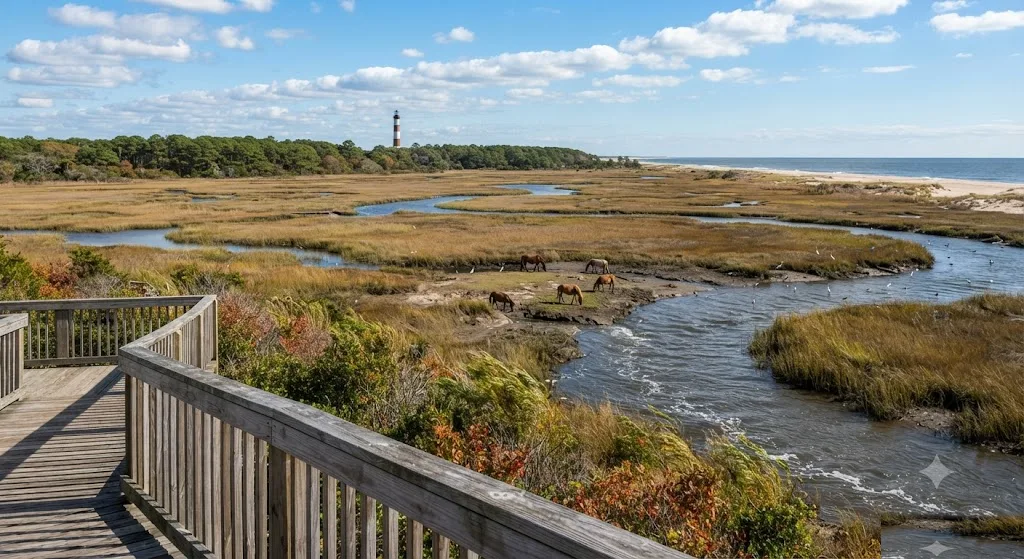
Welcome to our comprehensive guide to Chincoteague National Wildlife Refuge Virginia, a truly vital coastal habitat renowned for its spectacular migratory bird populations and the annual gathering of its free-roaming wild ponies. Our team has explored every facet of this unique destination to bring you confident, specific, and actionable advice, ensuring your trip is nothing short of unforgettable. Forget generic travel fluff; we're here to provide the independent authority you need to plan your adventure to this incredible corner of Virginia.
Why Visit Chincoteague National Wildlife Refuge
Chincoteague National Wildlife Refuge is a gem on Virginia's Eastern Shore, offering a rare blend of natural beauty and abundant wildlife. Established in 1943, the refuge spans over 14,000 acres of diverse landscapes, including beaches, dunes, marshes, and maritime forests. It’s a haven for over 320 species of migratory birds, with at least 100 species present at any given time, making it a premier birdwatching destination east of the Rockies. The refuge also plays a critical role in the conservation of threatened and endangered species such as the Delmarva fox squirrel, Piping Plover, and Atlantic loggerhead sea turtle.
Beyond its avian wonders, the refuge is famously home to the wild Chincoteague ponies, whose ancestors were introduced to the island in the 17th century. Witnessing these majestic creatures in their natural environment is a truly captivating experience. The pristine beaches of Assateague Island, part of the refuge, provide a stunning backdrop for relaxation and exploration, offering perhaps the most beautiful beach on the Atlantic Coastline.
Visiting Chincoteague National Wildlife Refuge isn't just about observing nature; it's about immersing yourself in a landscape where wildlife thrives and the rhythms of the coast dictate the day. It’s a place where you can connect with nature, understand conservation efforts, and create lasting memories. For those looking to delve deeper into Virginia's natural wonders, consider exploring Shenandoah National Park, another of the state's incredible natural treasures.
Who It's Best For
Chincoteague National Wildlife Refuge is an ideal destination for a wide array of travelers. It’s perfect for:
- Wildlife Enthusiasts and Birdwatchers: With hundreds of bird species, including significant shorebird concentrations during migration, and the famous wild ponies, it's a paradise for those eager to observe animals in their natural habitat.
- Nature Photographers: The diverse landscapes—from serene marshes to expansive beaches and the iconic lighthouse—offer endless opportunities for stunning shots.
- Families: The refuge provides accessible trails, opportunities for beach activities, and the excitement of spotting wild ponies, making it a fantastic educational and recreational outing for all ages.
- Outdoor Adventurers: Hikers, bikers, kayakers, and those who enjoy fishing, crabbing, and clamming will find plenty of activities to keep them engaged.
- Peace Seekers: Outside of peak summer months, the refuge offers a tranquil escape, allowing for quiet contemplation amidst beautiful scenery.
However, it's important to note that pets are prohibited on the Chincoteague National Wildlife Refuge and Assateague Island VA National Seashore, even in vehicles. If you're traveling with furry friends, you'll need to make alternative arrangements.
Getting There & Parking
Understanding how to get to Chincoteague National Wildlife Refuge is straightforward, as it's located on the Virginia portion of Assateague Island, just a short drive from Chincoteague Island itself. To reach the refuge, you'll typically drive east on Route 175 from mainland Virginia, crossing a drawbridge onto Chincoteague Island. Once on Chincoteague, continue straight at the traffic light onto Maddox Boulevard, and follow the signs to Assateague Island National Seashore and Chincoteague National Wildlife Refuge.
For those driving from further afield:
- From I-97, take Route 301 North, then Route 50 East to Route 13 South (in Salisbury, MD). From Route 13 South, take Route 175.
- From I-64, take Route 13 North, then Route 175.
Parking at Chincoteague National Wildlife Refuge:
Parking is available on the right side of Beach Road just after entering the refuge. During peak summer season, beach parking lots can fill up quickly, so we advise arriving before 10 AM or after 2 PM to secure a spot.
An entrance pass is required for vehicles at all times of day throughout the year, except on posted free entrance days. If no staff is present at the entrance fee booth, you can purchase a day pass at the self-serve fee station located at the refuge visitor center (the second left turn). Daily passes are $10, weekly passes are $25, and an annual pass for Chincoteague National Wildlife Refuge is $45. These passes are valid for both the refuge and Assateague Island National Seashore. Pedestrians and bicyclists enter for free.
As of April 1, 2026, there may be increased truck traffic in the Town of Chincoteague and on the refuge due to a beach relocation project. Traffic delays and detours along Beach Road and the recreational bike trail are possible. The existing recreational beach will remain open until the new beach facilities are complete.
Top Things to Do
There are countless things to do at Chincoteague National Wildlife Refuge, catering to every interest, from serene wildlife observation to active outdoor pursuits. Our team highly recommends dedicating ample time to explore the diverse offerings of this coastal haven.
- Pony Watching: The most iconic of things to do at Chincoteague National Wildlife Refuge is observing the wild Chincoteague ponies. They can often be seen grazing in the marsh or wandering along the trails, particularly the Woodland Trail and Wildlife Loop. Boat tours are also an excellent way to spot them along Assateague's extensive western shoreline.
- Birdwatching: As a critical stopover for migratory birds, the refuge is a birder's paradise. Over 320 species use the refuge regularly. Fall and winter months offer the best viewing opportunities for geese, ducks, swans, and raptors, while spring brings shorebirds attracted by spawning horseshoe crabs. The Wildlife Loop and Woodland Trail are excellent spots.
- Beach Activities: The pristine recreational beach on Assateague Island is perfect for swimming, sunbathing, and shell collecting (limit one gallon per person per day). Lifeguards are typically on duty from 10 AM to 5 PM daily from Memorial Day through Labor Day.
- Hiking and Biking: With an interconnected 15-mile network of trails, you can explore forests, shrub-thickets, and wetlands. Many trails are paved, making them accessible for various users. The Wildlife Loop is open daily for vehicles to drive from 3 PM until dusk, but it's also excellent for walking and biking during other hours.
- Assateague Lighthouse: Climb the historic Assateague Lighthouse for panoramic views of the refuge and the Atlantic Ocean. Access to the lighthouse is free, though operations may be cancelled due to weather, safety, or staffing.
- Kayaking and Boating: Explore the island's waterways and marshlands by kayak, canoe, or paddleboard from designated launch areas. Guided tours are also available, offering unique perspectives and opportunities to see ponies, eagles, and other wildlife.
- Fishing, Crabbing & Clamming: These popular activities are permitted in designated areas within the refuge. Supplies can be found on Chincoteague Island.
- Herbert H. Bateman Educational and Administrative Center: This visitor center offers exhibits, displays, brochures, and wildlife-oriented programs. Staff and volunteers are available to answer questions and help plan activities.
- Refuge Trek Bus Tours: For a guided experience, consider a Refuge Trek bus tour along the 7-mile Service Road, offering excellent chances to view ponies, deer, sika elk, and various birds. Reservations are recommended due to limited space.
For those interested in exploring more of Virginia's rich history and culture, consider a visit to Colonial Williamsburg or Mount Vernon after your wildlife adventure.
Best Time to Visit
The best time to visit Chincoteague National Wildlife Refuge largely depends on your priorities, as each season offers a distinct experience.
- Spring (April-May): This is a fantastic time as the weather warms, and migratory shorebirds arrive, attracted by spawning horseshoe crabs. The ponies are also active, and boat tours begin to operate regularly. Crowds are lighter than summer, but most businesses are open.
- Summer (June-August): Summer is the most popular time, especially in July for the annual Chincoteague Pony Swim and Auction. The weather is warm, ideal for beach days, swimming, and outdoor sports. However, be prepared for larger crowds, especially on the beach, and potentially high temperatures and insects.
- Fall (September-November): Our team considers late September and October to be the shoulder season and often the best time to visit. Crowds thin out, lodging rates may be lower, and the weather is crisp and comfortable for exploring. Fall offers excellent birdwatching as geese, ducks, swans, and raptors migrate south. The water is also at its warmest in September and October, making fall beach days enjoyable.
- Winter (December-March): Winter is the quietest season, offering a serene and peaceful experience with fewer crowds. While some businesses on Chincoteague Island may have reduced hours or close, the refuge itself remains open. It's an excellent time for solitude, quiet walks on the beach, and spotting snow geese and other seasonal birds. The ponies are also easier to spot without dense foliage.
For optimal wildlife viewing, especially birds, fall and winter are exceptional. For beach activities and the most bustling island atmosphere, summer is your pick. If you prefer a balance of good weather, fewer crowds, and active wildlife, the shoulder seasons of late spring and early fall are ideal.
Where to Stay Nearby
While Chincoteague National Wildlife Refuge itself doesn't offer overnight accommodations, the charming town of Chincoteague Island, just across the channel, provides a wide range of options to suit every traveler's needs and budget. We recommend staying on Chincoteague Island to be close to the refuge entrance and enjoy the local amenities.
- Hotels and Motels: Chincoteague Island has numerous hotels and motels, many offering waterfront views or easy access to the island's main attractions. Options range from budget-friendly to more upscale, often featuring pools and other amenities.
- Bed & Breakfasts: For a more intimate and personalized experience, consider one of the island's charming bed and breakfasts. These often provide a taste of local hospitality and delicious homemade breakfasts.
- Vacation Rentals: If you're traveling with family or a group, vacation rentals, including cottages and homes, are a popular choice. They offer more space, privacy, and often kitchens, which can be convenient for longer stays.
- Campgrounds: For those who love the outdoors, Chincoteague Island boasts several campgrounds and RV parks, some directly on Chincoteague Bay. These include Sun Outdoors Chincoteague Bay Campgrounds and Yogi Bear's Jellystone Park™ Chincoteague Island, offering RV sites, glamping tents, and sometimes cottages with amenities like swimming pools, sports courts, and fishing piers. Tom's Cove Park is another family campground overlooking the refuge and Assateague Island National Seashore.
Booking in advance, especially during peak season (summer) and for events like the Pony Swim, is highly recommended as accommodations can fill up quickly.
Sample 2-Day Itinerary
To help you make the most of your visit to Chincoteague National Wildlife Refuge Virginia, our team has crafted a sample two-day itinerary, balancing wildlife viewing, outdoor activities, and local charm.
Day 1: Wildlife & Beach Exploration
- Morning (5:00 AM - 12:00 PM): Arrive early at Chincoteague National Wildlife Refuge (open 5 AM May-September, 6 AM April & October, November-March). Head straight to the Wildlife Loop for prime birdwatching and pony spotting. Walk or bike the paved trails, keeping an eye out for diverse bird species, deer, and other wildlife. Consider the Woodland Trail for a peaceful experience.
- Lunch (12:00 PM - 1:30 PM): Enjoy a picnic lunch at one of the designated areas within the refuge, or head back to Chincoteague Island for a casual meal at a local eatery.
- Afternoon (1:30 PM - 5:00 PM): Spend the afternoon at the recreational beach on Assateague Island. Swim, sunbathe, or collect shells. Remember lifeguards are typically on duty from Memorial Day through Labor Day.
- Late Afternoon (5:00 PM - 7:00 PM): Drive or bike the Wildlife Loop (open to vehicles from 3 PM until dusk) for a different perspective and more opportunities to see ponies and other wildlife as the day cools.
- Evening: Dine on fresh seafood at a restaurant on Chincoteague Island.
Day 2: Lighthouse, Waterways & Local Culture
- Morning (8:00 AM - 12:00 PM): Start your day with a visit to the Assateague Lighthouse. Climb to the top for breathtaking panoramic views of the refuge, the ocean, and the surrounding islands. Afterward, explore the Herbert H. Bateman Educational and Administrative Center to learn more about the refuge's ecology and history.
- Lunch (12:00 PM - 1:30 PM): Grab lunch on Chincoteague Island.
- Afternoon (1:30 PM - 5:00 PM): Choose your water adventure! Rent a kayak or paddleboard to explore the calm backwaters and marshlands, or join a guided boat tour for a chance to see wild ponies, dolphins, and eagles from the water.
- Late Afternoon (5:00 PM - 7:00 PM): Visit the NASA Wallops Flight Facility Visitor Center on the mainland for interactive exhibits about space and science, and check their schedule for potential rocket launches.
- Evening: Enjoy a final Chincoteague dinner, perhaps catching a sunset over the bay.
This itinerary provides a robust experience, but feel free to adjust it based on your interests and the season of your visit. For a broader Virginia adventure, consider combining your trip with other iconic destinations like Monticello or Arlington National Cemetery.
Chincoteague National Wildlife Refuge Hiking Trails
For those eager to explore on foot, Chincoteague National Wildlife Refuge hiking trails offer an immersive experience into the diverse coastal ecosystem. Our team finds that the refuge's trail system provides an excellent way to get up close with nature and observe wildlife.
The refuge boasts an interconnected 15-mile network of trails that wind through forests, shrub-thickets, and wetland habitats, each supporting a unique set of wildlife. Most Chincoteague National Wildlife Refuge hiking trails have minimal elevation gain, making them relatively easy for all ages and fitness levels. Many trails are paved, which is beneficial for visitors using wheelchairs or other assistive devices.
Key Chincoteague National Wildlife Refuge hiking trails include:
- Wildlife Loop: This wide, flat, paved trail circles a moist soil management unit, making it an excellent spot for observing waterfowl in winter and shorebirds in summer. While it's open to vehicles daily from 3:00 PM to dusk, it's also a fantastic walking and biking path throughout the day.
- Woodland Trail: This trail is known for spotting passerines and is a prime location for pony watching. It offers a peaceful walk through the maritime forest.
- Black Duck Trail: Branching off the Wildlife Loop, the Black Duck Trail connects to the Woodland Trail. It's a flat, paved path where you might spot turtles, songbirds, and small mammals.
- Swan Cove Trail: This trail offers access to the beach and provides opportunities for wildlife viewing.
You can pick up a trail map at the Herbert H. Bateman Educational and Administrative Center or print one before your arrival. Remember that pets are not allowed on the refuge, even in your vehicle. It's also highly recommended to use insect repellent while on the nature trails.
Chincoteague National Wildlife Refuge Camping
While direct Chincoteague National Wildlife Refuge camping is not permitted within the refuge boundaries, the nearby Chincoteague Island offers excellent camping and RV park options that provide easy access to the refuge and the surrounding natural beauty. Our team understands the appeal of staying close to nature, and Chincoteague delivers with several well-regarded facilities.
For those seeking Chincoteague National Wildlife Refuge camping experiences, consider these options on Chincoteague Island:
- Sun Outdoors Chincoteague Bay Campgrounds: This RV resort and campground is located directly on Chincoteague Bay, offering spacious RV sites, waterfront cottages, and glamping tents. Guests can enjoy amenities such as a zero-entry swimming pool, sports court, and private fishing pier.
- Yogi Bear's Jellystone Park™ Chincoteague Island: This family-friendly campground caters to various preferences with standard, deluxe, and seasonal RV sites, safari tents, tent sites, cabins, and island bungalows. Amenities often include a jump pad, playground, dog park, and pier, with Maui Jack's waterpark just steps away.
- Tom's Cove Park: A family campground situated on Chincoteague Island, Tom's Cove Park overlooks both the Chincoteague National Wildlife Refuge and Assateague Island National Seashore, offering guests outdoor recreation opportunities.
- Tall Pines / Chesapeake Bay KOA: Located minutes from Chincoteague and Assateague Island, this RV resort offers standard and premium RV sites with full hookups.
These campgrounds provide a fantastic base for exploring the Chincoteague National Wildlife Refuge, allowing you to immerse yourself in the natural surroundings while enjoying comfortable amenities. Reservations are highly recommended, especially during the busy summer season and for popular events.
Is It Worth Visiting?
Absolutely, our team unequivocally affirms that Chincoteague National Wildlife Refuge is worth visiting. This destination stands out as one of the most heavily visited refuges in the national wildlife refuge system, and for good reason. It offers an unparalleled opportunity to connect with nature, observe diverse wildlife, and experience the unique coastal charm of Virginia's Eastern Shore.
Here’s why we believe Chincoteague National Wildlife Refuge is worth visiting:
- Iconic Wild Ponies: The chance to see the free-roaming Chincoteague ponies in their natural habitat is a truly special and memorable experience that draws visitors from around the world.
- Birdwatching Paradise: With over 320 species of migratory birds, it's a premier destination for birdwatchers, offering incredible viewing opportunities throughout the year, especially during spring and fall migrations.
- Pristine Beaches: Assateague Island's recreational beach is often cited as one of the most beautiful on the Atlantic Coast, providing ample space for relaxation and recreation.
- Diverse Outdoor Activities: From hiking and biking on 15 miles of trails to kayaking, fishing, crabbing, and climbing the Assateague Lighthouse, there’s a wide range of activities to suit all interests.
- Educational Opportunities: The Herbert H. Bateman Educational and Administrative Center and ranger-guided programs offer valuable insights into the refuge's ecology, conservation efforts, and local history.
- Year-Round Appeal: While summer is popular, the shoulder seasons offer pleasant weather and fewer crowds, and even winter provides a tranquil, unique experience for solitude and specific bird sightings.
The refuge's commitment to conserving beach, dune, marsh, and maritime forest habitats, coupled with its accessibility and the sheer abundance of wildlife, makes it a destination that consistently exceeds expectations. Whether you're a seasoned nature lover or a family looking for an enriching getaway, Chincoteague National Wildlife Refuge is worth visiting for its beauty, biodiversity, and unique cultural allure.
FAQs about Chincoteague National Wildlife Refuge
What are things to do in Assateague?
Assateague Island, particularly its Virginia portion which includes Chincoteague National Wildlife Refuge, offers a wealth of activities. You can enjoy pristine beaches for swimming, sunbathing, and shell collecting, or explore miles of hiking and biking trails. A highlight is spotting the wild Chincoteague ponies, often seen grazing in the marshes or near trails. Birdwatching is exceptional, with over 320 species recorded. Kayaking, canoeing, and paddleboarding in the calm backwaters are popular, as are fishing, crabbing, and clamming in designated areas. Don't miss climbing the Assateague Lighthouse for panoramic views.
Is Chincoteague National Wildlife Refuge good for kids?
Yes, Chincoteague National Wildlife Refuge is excellent for kids! The opportunities to see wild ponies are a major draw for children. The easy, paved hiking and biking trails are suitable for families, and the wide, sandy beaches provide endless fun for swimming and playing. The Herbert H. Bateman Educational and Administrative Center offers exhibits and programs that can be engaging for young learners. Many local boat tours are also family-friendly and offer chances to spot wildlife like dolphins and eagles.
What are some Chincoteague National Wildlife Refuge tips?
Our top Chincoteague National Wildlife Refuge tips include: arrive early, especially during summer, to secure parking and avoid crowds; bring insect repellent, particularly for trail use; carry binoculars for optimal bird and pony viewing; check the seasonal operating hours for the refuge and visitor center before you go; remember that pets are prohibited on the refuge; and consider visiting during the shoulder seasons (late spring or early fall) for pleasant weather and fewer visitors. Also, be aware of potential temporary closures in the South OSV Zone for shorebird nesting between March 15 and August 31.
Is there Chincoteague National Wildlife Refuge parking?
Yes, Chincoteague National Wildlife Refuge parking is available. You'll find parking on the right side of Beach Road shortly after entering the refuge. During peak summer months, parking lots can fill quickly, so an early arrival is recommended. A daily vehicle pass costs $10, a weekly pass is $25, and an annual pass is $45. Pedestrians and bicyclists enter for free. If the entrance booth is unstaffed, passes can be purchased at a self-serve fee station at the refuge visitor center.
What is the best time to visit Chincoteague National Wildlife Refuge?
The best time to visit Chincoteague National Wildlife Refuge depends on your interests. For general pleasant weather and fewer crowds, late spring (May) and early fall (late September-October) are ideal. Fall offers exceptional birdwatching as migratory species pass through. Summer (June-August) is best for beach activities and the Pony Swim, but expect larger crowds. Winter provides a quiet, serene experience and excellent opportunities to see snow geese.
What are Chincoteague National Wildlife Refuge hours and fees?
Chincoteague National Wildlife Refuge hours vary seasonally: from May through September, it's open 5:00 AM – 10:00 PM; in April and October, 6:00 AM – 8:00 PM; and from November through March, 6:00 AM – 6:00 PM. The Herbert H. Bateman Visitor Center hours also change seasonally and is closed December 24th, 25th, 31st, and January 1st.
Regarding fees, pedestrians and bicyclists enter for free. For vehicles, a daily pass is $10, a weekly pass is $25, and an annual pass for Chincoteague National Wildlife Refuge is $45. These passes are valid for seven days or one year respectively and cover both the refuge and Assateague Island National Seashore. If the entrance booth is unstaffed, passes can be purchased at a self-serve fee station at the refuge visitor center.
Conclusion
Chincoteague National Wildlife Refuge Virginia is more than just a destination; it's an experience that captivates the soul and ignites a passion for the natural world. From the iconic wild ponies roaming freely across the marshlands to the spectacular migrations of countless bird species, this coastal sanctuary offers a profound connection to the untamed beauty of Virginia's Eastern Shore. Our team at Roam States confidently recommends this refuge as a premier travel spot for anyone seeking genuine wildlife encounters, serene landscapes, and a vibrant outdoor adventure. We encourage you to plan your visit, immerse yourself in its unique ecosystems, and discover why Chincoteague National Wildlife Refuge remains one of America's most cherished natural treasures. For further exploration of Virginia's diverse offerings, be sure to check out our Best Places in Virginia guide.
Last updated: 2026-07-08 by the Roam States team.