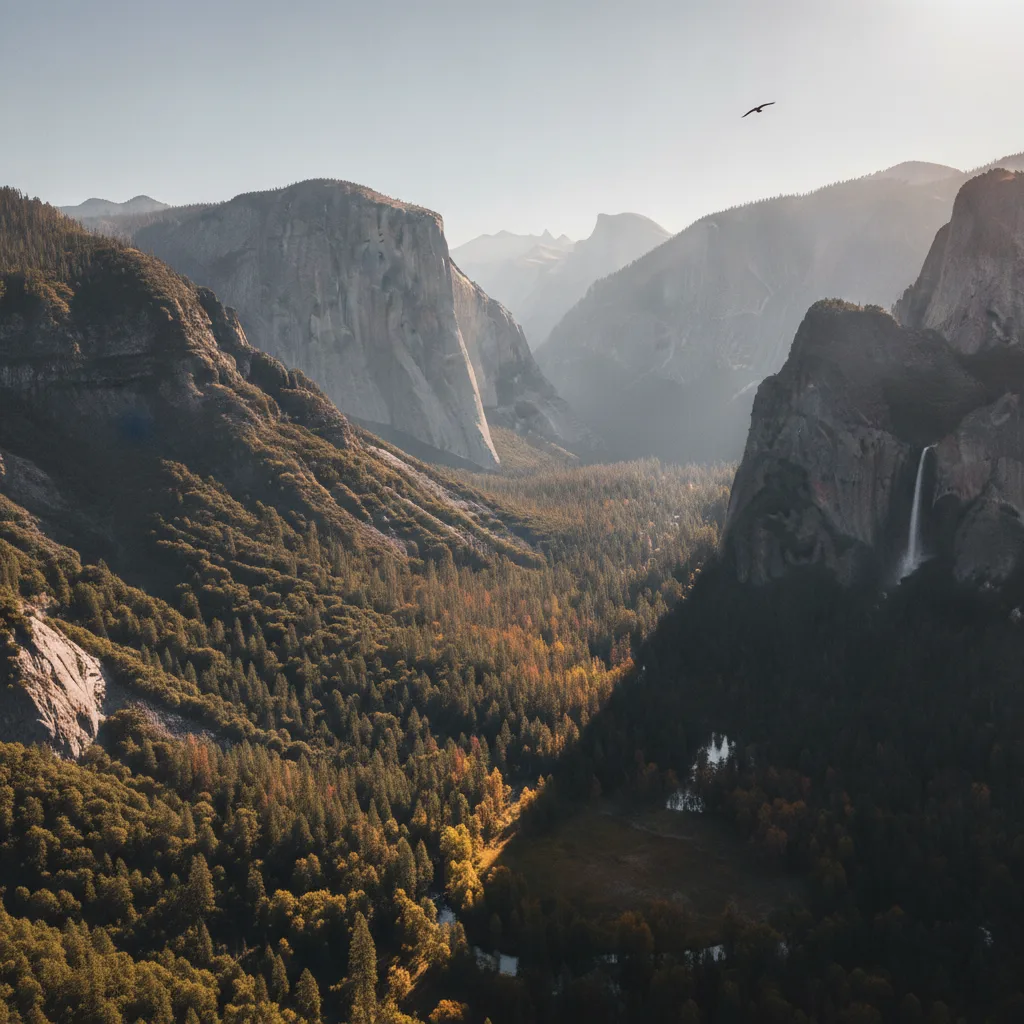
Yosemite National Park Travel Guide — California
Welcome to our essential guide to Yosemite National Park California, a truly iconic destination nestled in the Sierra Nevada mountains. As the Visit America editorial team, we pride ourselves on delivering confident, specific, and never generic advice to help you plan an unforgettable journey to one of America's most treasured natural wonders. From towering granite cliffs and ancient giant sequoias to thundering waterfalls and serene alpine meadows, Yosemite offers a breathtaking spectacle that draws millions of visitors each year. We've compiled the latest 2026 facts and insider tips to ensure your trip is seamless, whether you're a seasoned adventurer or a first-time visitor.
Expert Verdict: Yosemite National Park is a must-visit for anyone seeking unparalleled natural beauty and outdoor adventure. While 2026 sees no day-use reservation system, expect crowds, especially during peak summer and holiday weekends. Early arrival and strategic planning are key to maximizing your experience. The new fee structure for non-residents also requires careful consideration. Embrace the free shuttle system in Yosemite Valley and consider visiting during shoulder seasons for a more tranquil experience.
Why Visit Yosemite National Park
Yosemite National Park is more than just a park; it's a cathedral of nature, a testament to the raw power and enduring beauty of the natural world. We believe everyone should experience its grandeur at least once. Imagine standing at Tunnel View, gazing upon El Capitan, Half Dome, and Bridalveil Fall all at once – it's a view that has inspired artists and adventurers for centuries. The sheer scale of the granite monoliths, carved by ancient glaciers, is humbling. The park is home to three groves of giant sequoias, including the magnificent Mariposa Grove, where you can walk among trees that have stood for thousands of years. Beyond the famous landmarks, Yosemite offers diverse ecosystems, from the lush valley floor to the high alpine country of Tuolumne Meadows, each providing unique opportunities for exploration and connection with nature.
Who It's Best For
Yosemite truly offers something for everyone. For families, the relatively flat, paved trails in Yosemite Valley, like the Lower Yosemite Fall trail and Mirror Lake, are perfect for kids of all ages, even those with strollers. The Junior Ranger program is an excellent way to engage younger visitors, allowing them to earn a badge while learning about the park's ecology and history. Adventure seekers will find challenging hikes to Half Dome and Clouds Rest, while photographers will be captivated by the endless vistas and dramatic light. Nature lovers can spend days exploring diverse flora and fauna, and those seeking tranquility can find it in the quieter corners of the park or during the less crowded shoulder seasons. Even those who prefer a more relaxed pace can enjoy scenic drives and accessible viewpoints like Glacier Point.
Getting There & Parking
Understanding how to get to Yosemite National Park and managing parking are crucial for a smooth visit in 2026. Yosemite National Park is open 24 hours a day, 365 days a year, weather permitting.
There are several main entrances:
- **Highway 140 (El Portal Road):** The most direct route from Merced, open year-round.
- **Highway 120 West (Big Oak Flat Road):** Connects from Manteca, open year-round.
- **Highway 41 (Wawona Road):** Leads from Fresno and the Mariposa Grove, open year-round.
- **Highway 120 East (Tioga Road):** A scenic route across the high country, typically open from late May or early June to November due to snow. In 2026, Tioga Road opened to vehicles on May 15.
- **Glacier Point Road:** Provides access to Glacier Point and various trailheads. It typically opens in May and closes in November due to snow. In 2026, Glacier Point Road opened to vehicles on May 9.
Yosemite National Park Parking in 2026
For 2026, there will be no day-use or peak-hours reservation system to enter Yosemite National Park, including during the summer season. However, this means we anticipate significant crowds, especially on weekends and holidays. Parking in Yosemite Valley can fill up quickly, often by 7:30 AM on weekends and holidays, and by mid-morning on weekdays during peak periods. Illegal parking has led to citations and vehicles being towed, so it's essential to use designated spots.
Our team strongly recommends arriving early in the morning to secure parking. Once lots are full, traffic congestion can be substantial, particularly near popular areas like Yosemite Village and Curry Village. Consider using the free shuttle buses within Yosemite Valley to get around once you've parked your vehicle. For real-time parking and traffic alerts, you can text "YNPTRAFFIC" to 333111.
Alternatively, visitors can leave their cars in gateway communities such as El Portal, Fish Camp, Oakhurst, or Groveland and use the Yosemite Area Regional Transportation System (YARTS) to enter the park. This is an excellent way to avoid parking hassles altogether.
Yosemite National Park Hours and Fees (2026)
The park is open 24 hours a day, 365 days a year, though some roads and facilities close seasonally.
Entrance fees for 2026 are as follows:
- **Standard Pass (U.S. Residents):** $35 per vehicle, valid for 7 consecutive days in Yosemite only.
- **Annual Pass (U.S. Residents):** $70 per vehicle, valid for 1 year in Yosemite only.
- **America the Beautiful Pass (U.S. Residents):** $80 per vehicle, valid for 1 year at all national parks and federal recreation sites.
- **Non-U.S. Residents (age 16 or older):** A new $100 per-person entrance fee applies in addition to the standard $35 vehicle fee. This means a non-resident vehicle with one person will pay $135, and with two people, $235.
- **America the Beautiful Pass (Non-U.S. Residents):** $250 per vehicle, valid for 1 year at all national parks and federal recreation sites, and waives the $100 per-person surcharge.
- Children under 16 enter free, regardless of citizenship.
Digital passes can be purchased online in advance at Recreation.gov to speed up entry.
Top Things to Do
There are countless things to do at Yosemite National Park, catering to every interest and fitness level. Here are some of our team's top recommendations:
- **Yosemite Valley:** The heart of the park, offering iconic views of El Capitan, Half Dome, and Yosemite Falls. Take the free shuttle or rent a bike to explore the 12-mile Valley Loop. Don't miss the Lower Yosemite Fall trail, a paved 1-mile loop, especially in spring when the waterfall is roaring.
- **Glacier Point:** Drive to this famous overlook for breathtaking panoramic views of Yosemite Valley, Half Dome, and the High Sierra. Glacier Point Road opened on May 9, 2026.
- **Mariposa Grove of Giant Sequoias:** Walk among these ancient giants, some over 2,000 years old. A shuttle operates daily from the Welcome Plaza to the grove. The 0.4-mile fallen-tree loop is stroller-friendly.
- **Tunnel View:** The quintessential postcard view of Yosemite Valley, offering a dramatic first impression as you emerge from the tunnel on Wawona Road.
- **Mist Trail:** A popular, moderate to strenuous hike leading to Vernal Fall and Nevada Fall, famous for its rainbows in the mist. Note that the Mist Trail will be closed Monday-Thursday, 7 AM-3:30 PM from June 30 through late October 2026 for repairs, but open on weekends and holidays.
- **Tuolumne Meadows:** Accessible via Tioga Road (opened May 15, 2026), this subalpine meadow offers a different, more serene side of Yosemite with numerous hiking trails and stunning alpine lakes.
- **Hetch Hetchy:** A deep blue reservoir in a valley often called a "twin" to Yosemite Valley, offering beautiful waterfalls in spring.
- **Stargazing:** With minimal light pollution, Yosemite is an incredible place for stargazing.
- **Rafting on the Merced River:** Typically available in June and July (conditions permitting), this is a relaxing way to see the valley.
These are just a few of the many things to do at Yosemite National Park. For those interested in exploring more of California's natural wonders, consider a trip to Redwood National Park or Death Valley National Park.
Best Time to Visit
The best time to visit Yosemite National Park largely depends on what you want to experience, as the park transforms with each season. Our team generally recommends the shoulder seasons for a balance of good weather and fewer crowds.
- **Spring (April-May):** This is when waterfalls are at their most powerful due to snowmelt, wildflowers bloom, and temperatures are pleasant (50s-70s°F in the Valley). Glacier Point Road and Tioga Road typically open in May, granting access to more of the park. Expect fewer crowds than summer, but popular spots can still be busy.
- **Summer (June-August):** Peak season brings warm, dry weather (80s-90s°F in the Valley, 60s-70s°F in high country) and access to all park areas, including Tuolumne Meadows. However, this is also when the park experiences its heaviest crowds, and waterfalls may begin to diminish by August. Lodging books up far in advance.
- **Fall (September-October):** Offers crisp air, changing foliage, and significantly fewer crowds after Labor Day. Daytime temperatures are mild, and the light is excellent for photography. While waterfalls might be less impressive, the serene atmosphere and vibrant colors are a unique draw.
- **Winter (November-March):** Yosemite Valley remains open year-round, offering a tranquil, snow-dusted landscape. Tioga Road and Glacier Point Road close due to snow. Activities include skiing at Badger Pass and witnessing the famous "Firefall" phenomenon at Horsetail Fall in February, though this requires specific conditions. Winter is ideal for those seeking solitude and a different perspective of the park's iconic features.
For the best value and a good balance of weather and crowd levels, our team suggests late May to early June or September to early October. Always check the official NPS website for current road conditions, as these are weather-dependent.
Where to Stay Nearby
Finding the right accommodation can greatly enhance your Yosemite experience. We recommend booking well in advance, especially for summer and holiday weekends, as lodgings in and near the park fill up quickly.
- **Inside the Park:**
- **Yosemite Valley Lodge:** Offers a convenient location, just a short walk from Yosemite Falls.
- **Curry Village:** Provides a range of accommodations from cabins to canvas tent cabins, offering a rustic yet comfortable experience with easy valley access.
- **The Ahwahnee:** A historic, upscale hotel offering luxurious accommodations and a grand dining experience.
- **Campgrounds:** Numerous campgrounds are available, including Upper Pines, Lower Pines, North Pines, and Camp 4 in Yosemite Valley, and Hodgdon Meadow, Wawona, Bridalveil Creek, and Tuolumne Meadows elsewhere in the park. Reservations are required for most campgrounds from approximately April through October and are extremely difficult to secure, often booking out within minutes five months in advance on Recreation.gov. Some campgrounds like Tuolumne Meadows release half of their sites two months in advance, and others on a rolling basis two weeks out.
- **Outside the Park (Gateway Communities):**
- **El Portal:** Located just outside the park's Arch Rock Entrance (Highway 140), offering various lodging options.
- **Groveland:** A historic Gold Rush town on Highway 120 West, providing hotels and vacation rentals.
- **Oakhurst/Fish Camp:** South of the park on Highway 41, convenient for accessing Mariposa Grove and the South Entrance.
- **Mariposa:** A larger town on Highway 140, offering a wider range of services and accommodations.
Sample 2-Day Itinerary
To help you make the most of your visit, our team has crafted a sample 2-day itinerary for Yosemite National Park California, focusing on iconic sights and diverse experiences.
Day 1: Yosemite Valley Immersion
- **Morning (Early Start is Key!):** Arrive at the park early, ideally before 8 AM, to secure parking in Yosemite Valley (e.g., Yosemite Valley Lodge or Curry Village parking areas). Head straight to **Tunnel View** for that iconic first glimpse of the Valley.
- **Late Morning:** Explore **Yosemite Valley**. Take the free shuttle or rent bikes to navigate. Start with a walk on the paved **Lower Yosemite Fall trail** (1-mile loop) to feel the spray of North America's tallest waterfall.
- **Lunch:** Enjoy a picnic lunch in Cook's Meadow with stunning views of Half Dome and El Capitan, or grab a meal at Yosemite Valley Lodge or Curry Village.
- **Afternoon:** Visit **Bridalveil Fall** (a short, paved walk to its base). Then, take a leisurely stroll or bike ride along a section of the **Valley Loop Trail**, perhaps to **Mirror Lake** (an easy 2-mile roundtrip, best in spring before it dries up).
- **Evening:** Consider a ranger program if available, or simply relax and enjoy the sunset over the granite cliffs.
Day 2: High Country Views & Ancient Giants
- **Morning:** Drive or take a tour up **Glacier Point Road** (opened May 9, 2026). Spend time at **Glacier Point** itself, soaking in the panoramic views of Half Dome, Yosemite Valley, and the High Sierra. You can also do a short, relatively easy hike to **Sentinel Dome** or **Taft Point** from Glacier Point Road.
- **Lunch:** Pack a picnic to enjoy at Glacier Point or along the road. Note there is no drinking water at Glacier Point in early season, but vault toilets are available.
- **Afternoon:** Head to the **Mariposa Grove of Giant Sequoias**. Park at the Welcome Plaza and take the free shuttle to the grove (operates 8 AM-7 PM). Walk the Grizzly Giant Loop or explore the Big Trees Loop to marvel at these colossal trees.
- **Late Afternoon/Evening:** If Tioga Road is open (it opened May 15, 2026), consider a scenic drive towards **Tuolumne Meadows** for a taste of the high country, stopping at Olmsted Point for unique views of Half Dome. Return to your accommodation.
Remember, this is a suggestion, and you can tailor it to your interests and pace. Always check current conditions and road closures before you go.
Yosemite National Park Hiking Trails
Yosemite National Park hiking trails offer an incredible diversity, from easy strolls to strenuous climbs. Our team agrees that hiking is one of the best ways to truly experience the park's grandeur. Here are some of the most notable Yosemite National Park hiking trails:
- **Easy Hikes:**
- **Lower Yosemite Fall Trail:** A paved, accessible 1-mile loop leading to the base of the falls. Expect spray in spring!
- **Bridalveil Fall Trail:** A short, paved half-mile walk to the base of the waterfall.
- **Cook's Meadow Loop:** A flat, 1-mile loop in Yosemite Valley offering excellent views of El Capitan and Half Dome.
- **Mirror Lake Trail:** An easy 2-mile roundtrip to a reflective pond, best in spring before it dries up.
- **Mariposa Grove (Grizzly Giant Loop/Big Trees Loop):** Paved and dirt paths suitable for families, allowing you to walk among giant sequoias.
- **Moderate Hikes:**
- **Mist Trail to Vernal & Nevada Falls:** A popular 6-7 mile round trip hike known for its stunning waterfalls and rainbows. Be prepared for many steps and potentially wet conditions. Note the weekday closures for repairs from June 30 through late October 2026.
- **Columbia Rock Hike:** A 3-mile round trip with a 1,050 ft gain, offering great views of Yosemite Valley.
- **Sentinel Dome/Taft Point Loop:** A moderate 2.2-mile loop from Glacier Point Road with stunning views of El Capitan and 360-degree vistas from Sentinel Dome.
- **Cathedral Lakes Trail:** An 8-mile round trip with 1,200 ft gain in Tuolumne Meadows, leading to beautiful alpine lakes.
- **Strenuous/Difficult Hikes:**
- **Upper Yosemite Falls Trail:** A challenging 7.6-mile round trip with 2,600 ft of elevation gain, offering an up-close experience with Yosemite Falls and panoramic valley views.
- **Four Mile Trail to Glacier Point:** A strenuous 9.6-mile round trip with 3,200 ft of elevation gain, offering continuous, breathtaking views of Yosemite Valley icons.
- **Half Dome Hike:** The most famous and challenging day hike, a 14-16 mile round trip with 4,800-5,300 ft of elevation gain. This hike requires a wilderness permit, obtained via a daily lottery on Recreation.gov, and the cables are typically open from May 15.
- **Clouds Rest:** A challenging 14-mile round trip with 2,300-2,800 ft of elevation gain, offering arguably the best panoramic views in the entire park.
Always carry plenty of water, snacks, and appropriate gear. Check trail conditions and weather forecasts before embarking on any Yosemite National Park hiking trails, especially in higher elevations.
Yosemite National Park Camping
Experiencing Yosemite National Park camping is an unforgettable way to connect with nature. Our team knows that securing a campsite can be challenging, but the reward is immense. All Yosemite front-country campgrounds are open for the 2026 summer season and available for reservation via Recreation.gov.
- **Reservation System:** Reservations are required for most campgrounds from approximately April through October. They are notoriously difficult to get, often booking out within minutes of their release. Reservations typically open five months in advance, on the 15th of each month, at 7:00 AM PT. For example, reservations for May 15 to mid-June opened on January 15.
- **Front-Country Campgrounds:**
- **Yosemite Valley:** Upper Pines, Lower Pines, North Pines, and Camp 4 (a walk-in campground) are highly sought after. North Pines had a one-time Early Access Lottery for the entire 2026 season, with any remaining availability released on normal on-sale dates.
- **Other Areas:** Hodgdon Meadow, Wawona, Bridalveil Creek, Crane Flat, Tamarack Flat, White Wolf, Yosemite Creek, and Porcupine Flat offer camping outside the immediate Valley. Some of these, like Yosemite Creek, Tuolumne Meadows, and White Wolf, are opening in early July 2026, with reservations releasing in late June.
- **First-Come, First-Served:** First-come, first-served camping is generally not available from late May through October. However, some campgrounds may offer this in late fall, winter, and early spring, though they can still fill quickly on weekends.
- **RV and Trailer Camping:** While electrical, water, and sewer hookups are not available, dump stations with fresh water are located at Upper Pines Campground (year-round), near Wawona Campground (summer only), and near Tuolumne Meadows Campground (summer only). Generator use is allowed during specific hours.
- **Backpacking/Wilderness Permits:** For overnight wilderness trips, a wilderness permit is required and can be reserved in advance on Recreation.gov.
Our top tip for Yosemite National Park camping is to be prepared and persistent with reservations. If you can't secure a spot inside the park, many private campgrounds and lodging options are available in nearby gateway communities.
Is It Worth Visiting?
Is Yosemite National Park worth visiting? Our unequivocal answer is a resounding YES. Yosemite is consistently ranked among America's most beautiful and visited national parks for a reason. The sheer scale of its natural wonders, from the towering granite cliffs of El Capitan and Half Dome to the thundering waterfalls and ancient sequoia groves, creates an experience that truly transcends the ordinary. We believe the park offers a unique blend of awe-inspiring landscapes and accessible adventures that cater to all types of travelers.
While 2026 brings no day-use reservation system, which means you can enter without prior booking, it also means we anticipate significant crowds, particularly during summer and holiday weekends. However, with careful planning—like arriving early, utilizing the free Valley shuttle, and considering visits during the shoulder seasons—you can still have an incredible experience. The new fee structure for non-U.S. residents, including a $100 per-person surcharge, is a factor to consider. However, the opportunity to witness such unparalleled natural beauty, engage in world-class hiking, and create lasting memories makes Yosemite National Park worth visiting for almost anyone.
FAQ Longtails
What are things to do in Sierra Nevada?
The Sierra Nevada mountain range, where Yosemite National Park is located, offers a vast array of activities beyond the park's boundaries. You can explore other national parks like Sequoia & Kings Canyon National Parks, drive the scenic Pacific Coast Highway (PCH) on the western edge of the range, or visit charming mountain towns like Mammoth Lakes, Lake Tahoe, and Bishop. Activities include hiking, mountain biking, fishing, rock climbing, skiing and snowboarding in winter, and exploring historic Gold Rush towns. The range is also home to numerous alpine lakes, wilderness areas, and diverse wildlife.
How to enjoy Yosemite National Park with kids?
Yosemite National Park is incredibly family-friendly, especially Yosemite Valley. Our team recommends focusing on accessible, shorter trails like the Lower Yosemite Fall trail (1-mile paved loop), Bridalveil Fall (short paved walk), and Mirror Lake (easy 2-mile roundtrip). Renting bikes to explore the Valley Loop is also a hit with older children. Engage them with the free Junior Ranger program, available at visitor centers, where they can earn a badge by completing activities. Playing in the Merced River (conditions permitting) and visiting the Mariposa Grove of Giant Sequoias are also popular options. For lodging, Curry Village tent cabins are a fun, kid-friendly option. Always pack layers, snacks, and plenty of water.
What are some Yosemite National Park tips?
Our top Yosemite National Park tips for 2026 include: 1. **Arrive Early:** Parking in Yosemite Valley fills by 7:30 AM on weekends and holidays. 2. **Utilize Shuttles:** Take advantage of the free Yosemite Valley shuttle system to avoid moving your car. 3. **Plan Ahead:** Book accommodations and camping reservations months in advance. 4. **Check Conditions:** Always check the official NPS website for current road closures (especially Tioga and Glacier Point Roads) and trail conditions. 5. **Stay Hydrated & Prepared:** Carry plenty of water, snacks, and appropriate gear for hikes. 6. **Consider Shoulder Seasons:** Visit in late May/early June or September/October for fewer crowds and pleasant weather. 7. **Download Digital Pass:** Purchase your entrance pass online in advance at Recreation.gov to save time at the gate. 8. **Text Alerts:** Sign up for NPS text alerts for real-time traffic and parking updates (text "YNPTRAFFIC" to 333111).
What are the Yosemite National Park parking options?
Yosemite National Park parking can be challenging, especially in Yosemite Valley during peak season. Since no day-use reservations are required in 2026, parking lots fill very quickly, often by 7:30 AM on weekends and holidays. Our team recommends arriving before 7:30 AM for the best chance of securing a spot. Once parked, use the free Yosemite Valley shuttle system to get around. Overflow parking areas exist, but illegal roadside parking can result in citations and towing. An excellent alternative is to use the Yosemite Area Regional Transportation System (YARTS) from gateway communities like Mariposa, Oakhurst, or Groveland, which will drop you inside the park and eliminate parking stress.
When is the best time to visit Yosemite National Park?
The best time to visit Yosemite National Park depends on your priorities. For peak waterfalls and blooming wildflowers with fewer crowds than summer, our team recommends late May to early June. This is also when Tioga Road and Glacier Point Road typically open, granting access to the high country. September and early October offer pleasant weather, changing fall colors, and significantly reduced crowds, though waterfalls may be less robust. Summer (July-August) has the warmest weather and full access, but also the largest crowds and potential for diminished waterfalls. Winter provides a serene, snow-covered landscape for those seeking solitude, though many roads are closed.
What are the Yosemite National Park hours and fees?
Yosemite National Park is open 24 hours a day, 365 days a year, though some roads and visitor services close seasonally due to weather. For 2026, the standard entrance fee for U.S. residents is $35 per vehicle, valid for seven consecutive days. For non-U.S. residents aged 16 and older, there is a new $100 per-person surcharge in addition to the $35 vehicle fee. An America the Beautiful Pass for non-U.S. residents is available for $250 and covers the surcharge for a year. U.S. residents can purchase an America the Beautiful Pass for $80. Digital passes can be bought in advance on Recreation.gov.
From the majestic peaks of the Sierra Nevada to the serene Valley floor, Yosemite National Park California offers an unparalleled journey into the heart of nature's grandeur. We hope this guide empowers you to plan a visit that is both awe-inspiring and seamless. Remember to plan ahead, respect the park's delicate ecosystem, and embrace the spirit of adventure that Yosemite so readily inspires. We look forward to hearing about your incredible experiences in this truly special place.
Last updated: 2026-07-05 by the Visit America team.